
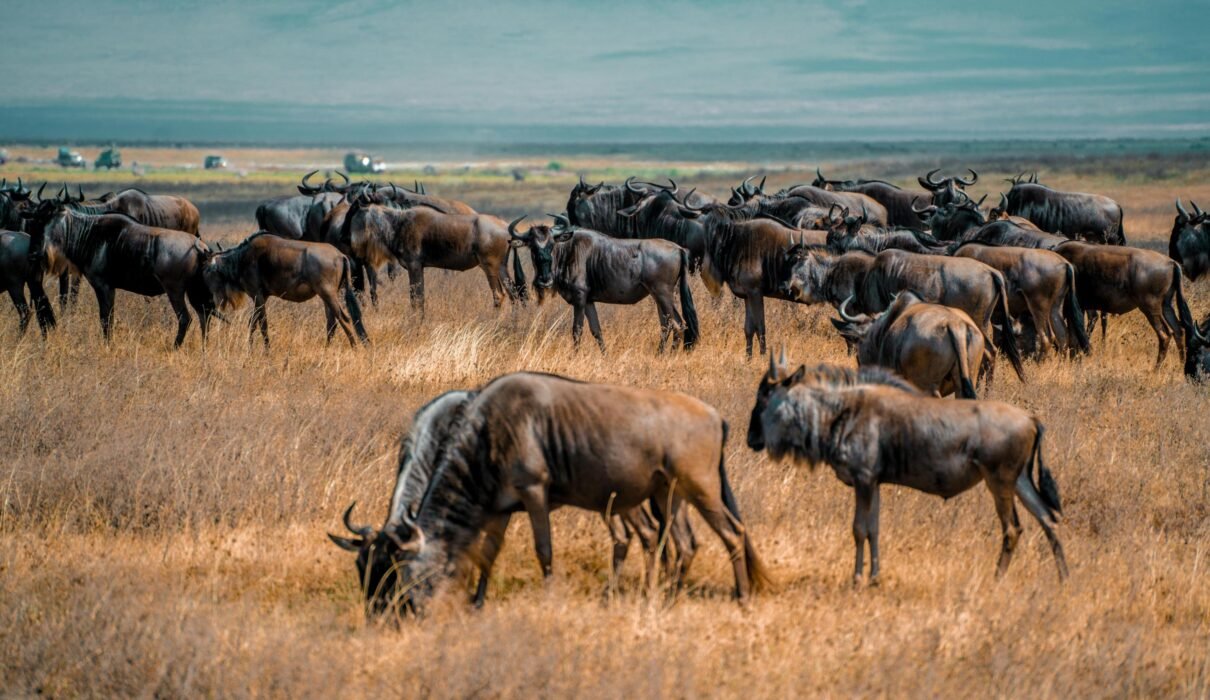
The Ultimate Tanzania Great Migration Safari (July) is for travellers who want to see the Serengeti when the herds are moving through the drier heart of the ecosystem and the western corridor becomes increasingly important. July 2027, 2028 and 2029 can be excellent for a safari built around the central and western Serengeti, with the option of looking farther north where current movement makes sense. It is not a promise of one famous photograph. It is a carefully planned wildlife journey with time, local knowledge and room for nature to do what it does.
With Eddy Tours & Safaris, the route is shaped around your actual dates, your preferred comfort level and the most recent reports from the park. The migration does not follow a calendar printed two years in advance. Rain, grazing and water determine where the animals are. A July itinerary that works well will usually give you several Serengeti nights, avoid unnecessary one-night stops and keep the daily game drives flexible. That is the honest way to plan a Great Migration safari.
July often brings dry, clear days, cool early mornings and busy wildlife activity around water and grazing areas. The plains have a bigger, more open feeling than in the green season. Wildebeest and zebra may be moving in vast lines across the grassland, while lions, hyenas, cheetahs and vultures follow the opportunities created by so much prey. You may spend part of a morning with one large herd and the afternoon looking at resident predators, elephants or a leopard. That variety is why Tanzania remains rewarding even when the herds change direction.
July Great Migration safari at a glance
- Recommended duration: 7 to 10 days, with at least 4 nights in Serengeti
- Best July areas: Central Serengeti, Western Corridor/Grumeti, and northern Serengeti when current movement supports it
- Safari type: private 4×4 with a professional English-speaking driver-guide
- Ideal combination: Tarangire, Ngorongoro Crater and Serengeti
- Accommodation: camping, mid-range tented camps, lodges or luxury camps
- Important note: river crossings and exact herd positions cannot be guaranteed
Why July is a strong month for a Tanzania migration safari
By July, the long-rain period has passed and much of northern Tanzania is becoming dry. Roads are usually easier to travel, grass is shorter in many areas and the quality of light can be excellent for game viewing and photography. The migration is moving away from the southern plains, commonly through central Serengeti and toward the west or north, but the route is never identical from year to year.
This is also a month when Tanzania’s other parks add real value. Tarangire’s baobabs and elephants feel very different from the wide Serengeti plains. The Ngorongoro Crater is compact and full of life, from hippos and buffalo to lions and, on a fortunate day, black rhino. Adding these areas makes the journey feel like a proper northern Tanzania safari rather than a quick drive to one migration viewpoint.
July is popular, so camps with good locations can fill early. The important thing is to book the right area, not simply the best-known camp name. A well-placed tented camp may give you more useful time with wildlife than a beautiful lodge that requires long daily transfers. Before you pay a deposit, request the actual camp names, room category, route and inclusions in writing.
Where is the migration in July?
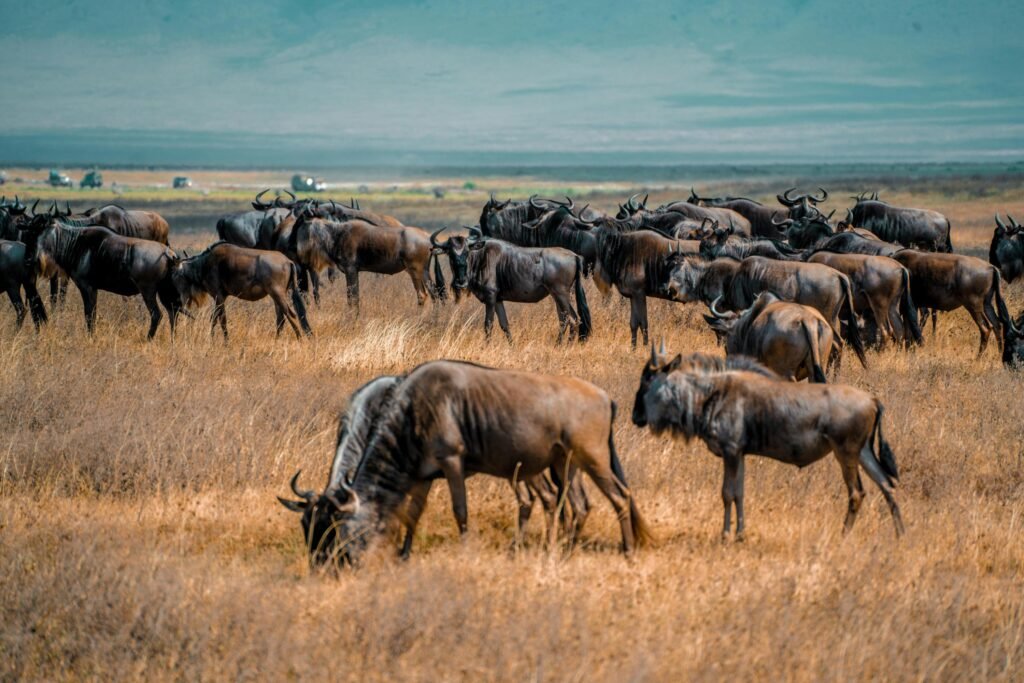
There is no exact answer that is true for every July. In many seasons, large numbers of wildebeest and zebra are travelling through the central Serengeti and western corridor, including the Grumeti region. Some movement may already be farther north, while other herds remain in areas where grass and water are still favourable. The migration is spread over a very large ecosystem, so you may see separate columns and groups rather than one solid block of animals.
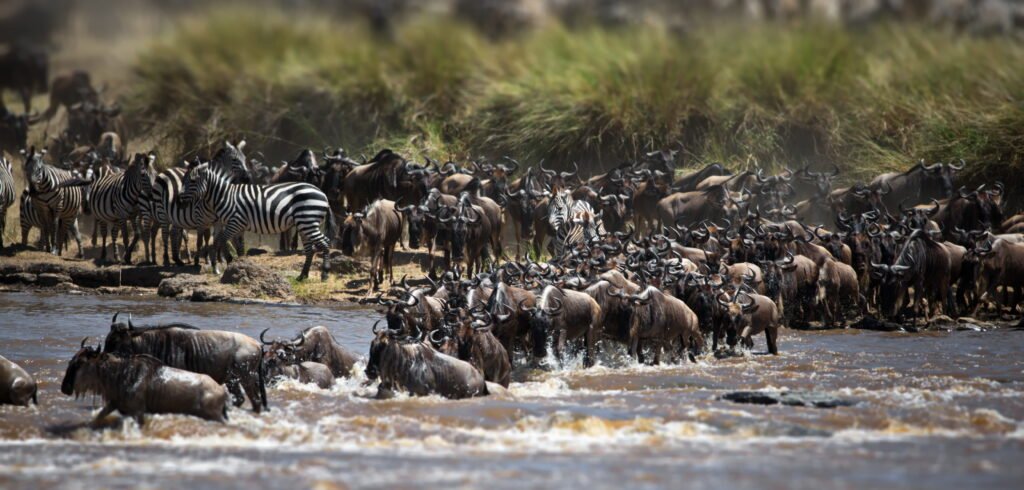
River crossings are one of the most searched-for safari moments, but they are naturally unpredictable. A herd may gather by a river and then turn away. It may cross before a vehicle arrives, after it has left, or not at all that day. A reliable guide will explain this clearly and will not crowd animals or create false urgency. The best approach is to stay enough nights in the relevant part of Serengeti, follow current sightings and appreciate the full range of wildlife along the way.
For travellers whose main wish is to spend several days near the far northern Mara River, late July through October can sometimes be suitable, but dates should be checked carefully. If the herds are still farther west or central during your departure, a northern-only plan may waste valuable time. Eddy Tours & Safaris will recommend the most practical area for your confirmed travel period, not a route based on an old social-media post.
A recommended 8-day July migration itinerary
This sample route is a strong starting point for July. It is private and can be adjusted for road travel, fly-in arrangements, budget camping, mid-range comfort or luxury camps. If you only have six days, we can shorten it carefully; if you have ten days, add extra Serengeti nights instead of filling every day with driving.
Day 1: Arrival in Arusha
Arrive at Kilimanjaro International Airport or Arusha Airport, where an Eddy Tours & Safaris representative meets you for the transfer to your Arusha hotel. This first night is deliberately simple. It allows you to recover from your flight, check your luggage and speak with your safari coordinator about the route, weather, accommodation and any final questions. Arusha sits below Mount Meru and is the working gateway to the northern circuit.
If you arrive early, you may choose to rest at the hotel or take a relaxed town visit. Keep the day light. A safari starts better when you are rested, have water and sunscreen ready, and know the following morning’s departure time.
Day 2: Arusha to Tarangire National Park
After breakfast, meet your driver-guide and leave Arusha for Tarangire National Park. Enter the park for a game drive with a packed lunch. Tarangire is especially known for elephants: family groups moving through the bush, calves under the adults’ legs and old bulls feeding quietly near the river. Baobab trees, giraffes, buffalo, zebras, impalas and many birds make the landscape feel rich even before you continue to Serengeti.
In July, the park’s water sources can draw animals from the surrounding country. Wildlife is never guaranteed, but this is a good time for unhurried observation. Your guide will adjust the drive according to sightings and the road conditions. In the late afternoon, travel to your Karatu-area lodge or tented camp for dinner and overnight.
Day 3: Ngorongoro Crater to Central Serengeti
Leave early for the Ngorongoro Conservation Area and descend into the crater for a full morning game drive. The crater floor contains open grassland, swamps, woodland and a soda lake in a relatively small area. You may see lions, buffalo, zebra, wildebeest, hyenas, hippos and large numbers of grazing animals. Black rhino is present but remains difficult to find, so it must never be presented as certain.
After picnic lunch near the hippo pool, climb out of the crater and travel into Serengeti National Park. The change is gradual but impressive: cultivated highlands give way to open country, kopjes and the huge skies that define the Serengeti. Enjoy game viewing on the way to your central Serengeti camp. Central Serengeti is excellent in its own right for lions, leopards, cheetahs and resident plains game, and it also gives useful access when the migration is still passing through this region.
Day 4: Full-day Central Serengeti wildlife drive
Spend the day exploring the central Serengeti. Begin at dawn, when cats may still be moving and the air is cool. Search along the Seronera River and around rocky kopjes for leopards and lions. Cheetahs favour the open country, while elephants and giraffes often appear on the drive between sightings. A morning in the central Serengeti can change quickly, which is why there is no need to race through a checklist.
Your guide will also check current reports about the migration. If sizeable herds are within practical reach, the route can change. If not, the day remains valuable because central Serengeti has one of the strongest concentrations of resident wildlife in Africa. Enjoy a picnic lunch in a designated area or return to camp during the warmest part of the afternoon, depending on the season and your preference.
Day 5: Central Serengeti to Western Corridor or Grumeti area
After breakfast, travel west through the Serengeti toward the area that best matches the latest migration movement. In a typical July, this can mean the western corridor or the broader Grumeti region. The drive is a safari, not merely a transfer. Look for herds moving across the plains, topi standing alert on termite mounds, hyenas along the tracks and lions resting where prey is likely to pass.
The western Serengeti has a quieter, more remote feel than some central areas. River systems, woodland and grassland create different habitats and a different rhythm of game driving. Check into your camp by late afternoon, then take an evening drive if time and park rules allow. Having two nights in a sensible location is far more useful than arriving late, sleeping once and leaving before dawn.
Day 6: Great Migration game drives in the western Serengeti
Today is reserved for the migration. Leave early with picnic breakfast or return to camp after the morning drive, according to your camp’s location and your preferred pace. Follow the herds with patience. There may be thousands of wildebeest moving in a steady line, zebra woven between them, or scattered groups feeding quietly before the heat builds. Listen for the low calls of wildebeest and notice how predators and scavengers respond to the flow of animals.
If the herds are near a river, your guide will keep a respectful distance and explain what you are seeing. There is no reason to crowd wildlife or block natural movement. A crossing is possible but cannot be promised; observing the animals gather, hesitate and reorganise can be just as absorbing. The day also offers chances for crocodiles, hippos, birdlife and the resident animals that live along the river systems.
Day 7: Flexible Serengeti game drive and return toward Central Serengeti
Use a final morning in the western or central Serengeti according to where the best wildlife has been. If a herd was found the day before, there may be value in revisiting the area early. If conditions have changed, begin the drive back east through different habitat. This is a good day to slow down for photographs and enjoy the smaller moments: a secretary bird walking through grass, a lilac-breasted roller on a branch, young baboons playing near a kopje or an elephant family crossing the track.
Overnight in central Serengeti or near the relevant exit route. This position makes the final day manageable and avoids a rushed departure from the western corridor. Your camp staff will confirm breakfast and luggage timing for the morning.
Day 8: Serengeti to Arusha or onward flight
Take a last early game drive, then leave for the airstrip or begin the road journey toward Arusha. A bush flight is the easiest option if you are connecting to Zanzibar or have limited time; it can be arranged when schedules and availability allow. Road transfer through Ngorongoro and onward to Arusha is also possible and gives you one final view of the highlands. Do not arrange a very tight international departure until we have checked the timing with your airline details.
Choosing the right accommodation for July
Migration accommodation is not one-size-fits-all. Budget camping keeps the safari simple and close to the outdoors, with meals and equipment arranged by the crew. Mid-range tented camps provide en-suite comfort, proper beds and a relaxed base after long drives. Luxury camps may offer larger tents, private decks, more personalised dining and excellent locations close to wildlife areas. The final choice depends on your budget, party size and which camps are actually available for the dates.
For July, location matters more than decorative extras. A camp near the expected migration area gives you time on the ground when wildlife is active. We will show the suggested accommodation by name, explain the travel time between each stop and state exactly what is included. If a requested camp is full, we will offer a sensible alternative rather than moving you to a distant area without telling you.
What is included in your Great Migration safari
- Private 4×4 safari vehicle with a pop-up roof for viewing and photography
- Professional English-speaking driver-guide
- Accommodation and meals as shown in your confirmed itinerary
- Park entry and conservation fees for the booked route
- Ngorongoro Crater vehicle/service fees where applicable
- Safari picnic lunches and drinking water in the vehicle
- Government taxes stated in the final quotation
- Airport or Arusha transfers when listed in the programme
What is not included
- International flights, visas and travel insurance
- Pre- and post-safari Arusha accommodation unless listed
- Alcoholic drinks, premium beverages, laundry and personal purchases
- Tips for driver-guides and camp staff
- Optional balloon safari, which is subject to operator availability, weather and safety approval
- Domestic flights unless they appear in the confirmed quote
- Anything not expressly named in the written itinerary
Practical advice for July travel
Pack for warm sunny afternoons and cold early drives. A fleece, light jacket, neutral-coloured shirts, long trousers, sun hat, sunglasses, sunscreen and comfortable walking shoes are useful. Bring binoculars if you have them, plus camera batteries, a power bank and personal medication. Soft bags are usually required on small aircraft; we will confirm the luggage allowance if a bush flight is included.
For health and entry advice, consult official sources and a qualified travel-health professional in your own country. Google can help you find a recognised travel clinic, but it should not replace individual medical guidance. Keep medication and documents in your hand luggage, and ensure your travel insurance covers the activities and destinations in your itinerary.
A July migration safari can also be combined with a Kilimanjaro climb or a Zanzibar beach stay. If you are considering the mountain before your safari, see route ideas at Kilimanjaro Climb Specialist. For a beach extension, tell us how many nights you have available and we can plan sensible domestic connections after the Serengeti.
Frequently asked questions
Is July the best month for the Great Migration?
July is one of the strongest months for travellers interested in the central and western Serengeti movement and the start of the drier season. The “best” month depends on your wildlife priority: calving happens earlier in the year, while the far northern river activity is more often associated with later dry-season dates.
Will I definitely see a river crossing?
No. River crossings depend on herd movement, water levels and the animals’ behaviour. A good itinerary gives you time in the relevant area, but no operator can guarantee that nature will provide a crossing during your stay.
How many Serengeti nights should I book?
For a July migration safari, plan at least four nights in Serengeti if possible. More nights give your guide flexibility and reduce the pressure to chase every report.
Can I book this as a family safari?
Yes. A private itinerary can be adapted for children with suitable room arrangements, realistic drive times and camps that welcome families. Tell us the children’s ages when you enquire.
Can I add a hot-air balloon flight?
Yes, if balloon operations are available close to your camp. It is an optional activity and always depends on weather, safety decisions and space.
Plan your July Great Migration Safari with Eddy Tours & Safaris
The ultimate July safari is not about rushing from one crowded sighting to another. It is about being in the correct Serengeti area for the season, staying long enough to follow the wildlife and travelling with a guide who understands the ground. This route combines the classic northern circuit with a flexible migration focus, so the journey remains rewarding whether the herds are central, western or beginning to move farther north.
Start your plan through the Eddy Tours & Safaris contact page, or email eddytoursandsafaris@gmail.com or sales@eddytours-safaris.com. You can also call or WhatsApp +255 711 906 664. Send your July dates, number of travellers, room preference and budget range. We will reply with an honest route, available accommodation options, clear inclusions and a quotation that matches your trip.