
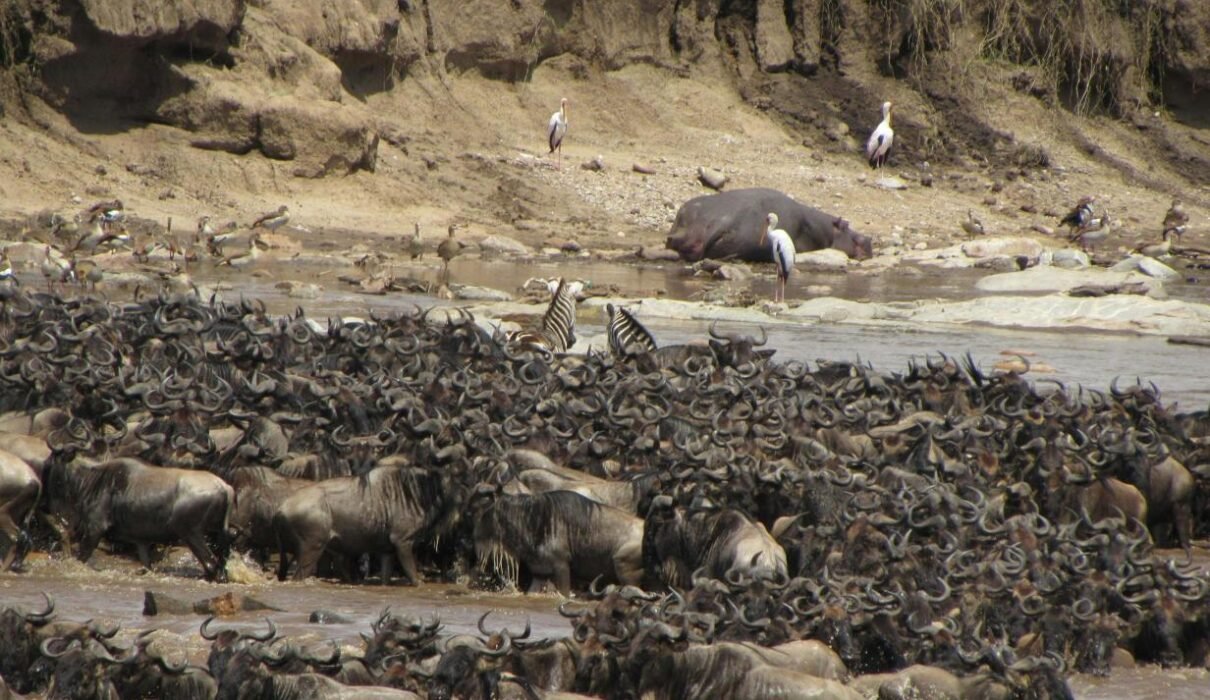
The Ultimate 6 Days Tanzania Great Migration Safari (June) is designed for travellers who want a well-paced private safari at the point when the long rains have eased, the grass is beginning to dry and the wildebeest herds are generally moving through the central and western Serengeti. It is a strong June route for 2027, 2028 and 2029: six days that bring together Tarangire’s elephants, the Ngorongoro Crater and several proper game-drive days in the Serengeti. Eddy Tours & Safaris plans each departure around your actual dates, group size and preferred accommodation, because the migration is a living movement rather than a show that can be booked to a timetable.
June is a particularly good month for guests who prefer dry-season light, clearer roads and wide open views. It also asks for a little realism. The exact position of the herds changes with rain, grass and water. In some years they are concentrated in the central Serengeti; in others, significant numbers are farther west toward the Grumeti area. This itinerary gives your guide time to respond to those conditions. It does not promise a river crossing or a fixed herd location. It offers something better: enough days in the right part of northern Tanzania to enjoy the migration properly, along with Tanzania’s resident wildlife.
This is a private safari, so the vehicle and guide are for your party. You can stop for a leopard in an acacia, spend longer with elephants, slow down for photographs, or return to camp when you need a break. Our local Arusha team will confirm the best practical camp area shortly before your travel dates, then provide a clear final quotation showing the chosen accommodation, included meals, park fees and any flight arrangements.
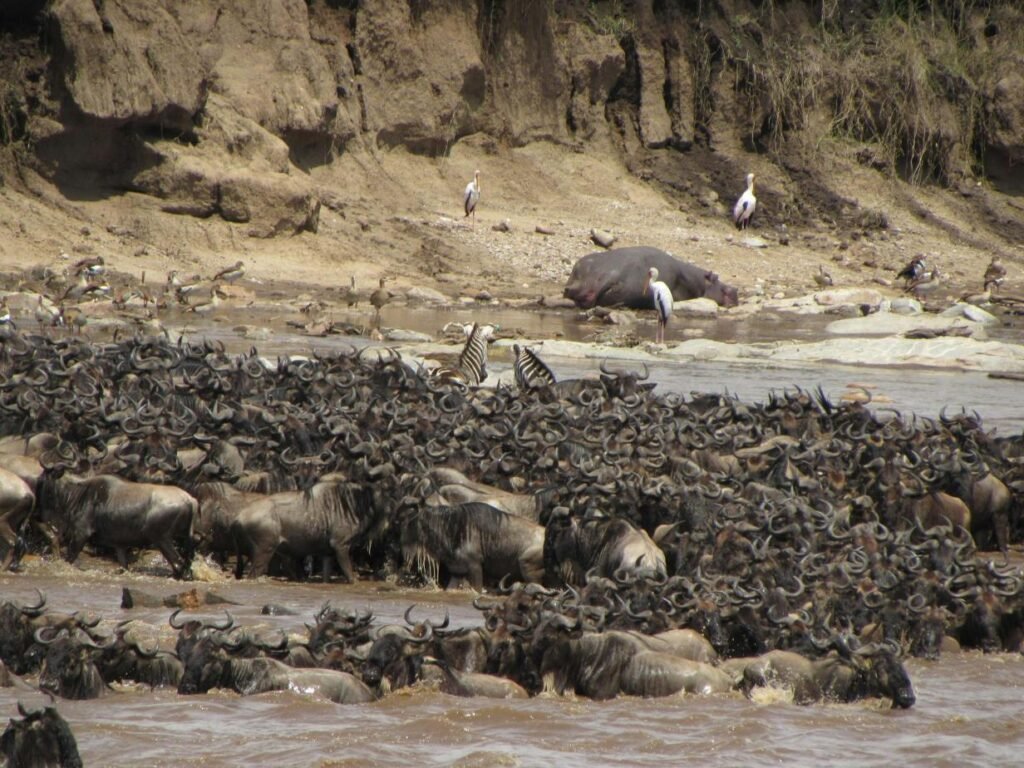
Safari at a glance
- Duration: 6 days / 5 nights
- Safari style: private 4×4 safari with a professional English-speaking driver-guide
- Best travel period: June, with departures available in 2027, 2028 and 2029
- Route: Arusha – Tarangire – Ngorongoro – Central Serengeti – Western or Central Serengeti – Arusha
- Accommodation: budget camping, mid-range tented camps/lodges, or luxury camps selected to suit your dates
- Wildlife focus: Great Migration herds, lions, elephants, zebras, giraffes, hippos, buffalo, hyenas and the wider Serengeti ecosystem
Why choose a June Great Migration safari in Tanzania?
June is a transition month. The plains that were green after the rains are changing, and the migration is normally on the move. This can create a different kind of safari from the calving season in the south. Instead of concentrating only on newborn animals, your guide is following broad columns of wildebeest and zebra across the Serengeti landscape. The scale can be striking: dust lifting behind the herds, long lines of animals heading toward fresh grazing and predators waiting where movement is likely to pass.
It is also a sensible month for travellers who want a blend of migration viewing and classic northern Tanzania parks. Tarangire is usually drier and very rewarding for elephants. Ngorongoro Crater offers a compact, wildlife-rich day with a chance to see black rhino, though sightings can never be guaranteed. The Serengeti gives you the open country, predator habitat and time to look for the migration itself. In six days, that combination feels complete without turning the trip into a long rush between hotel beds.
June evenings can be cool, particularly around Ngorongoro and on early Serengeti drives. Days are often bright and comfortable. Bring layers rather than assuming Tanzania is always hot: a fleece, light windproof jacket, long trousers, sun hat and comfortable closed shoes will serve you well. If your trip includes a bush flight, use soft-sided luggage and follow the limit confirmed in your booking documents.
Great Migration reality in June: what to expect
The Great Migration is often described as a single event, but it is a continuous annual cycle involving huge numbers of wildebeest, zebra and gazelles moving in response to grazing and rainfall. In June, the herds are often travelling north and west through the central Serengeti toward the western corridor. Conditions are different every year. A good safari plan therefore needs flexible game drives and camp locations chosen for the season, not a copied itinerary that assumes the animals will be in one exact place.
Your guide will use recent wildlife reports, conversations with other guides and his own knowledge of the area to decide each day’s route. You may find a large herd early in the morning and return later to discover that it has moved on. That is normal and is part of what makes a migration safari real. Even when the main herd is not close, the Serengeti remains alive with resident animals, birds and dramatic scenery. Lions do not leave when the herds move, and a quiet grassland can suddenly become the setting for an excellent sighting.
Some guests associate June with river crossings. Crossing behaviour is unpredictable, and it is not responsible to promise it. The Grumeti River and nearby areas can be relevant during the westward movement, but herd timing varies. We will give honest advice based on your dates and will never market a crossing as guaranteed. The aim is a rewarding safari, not a promise that nature cannot keep.
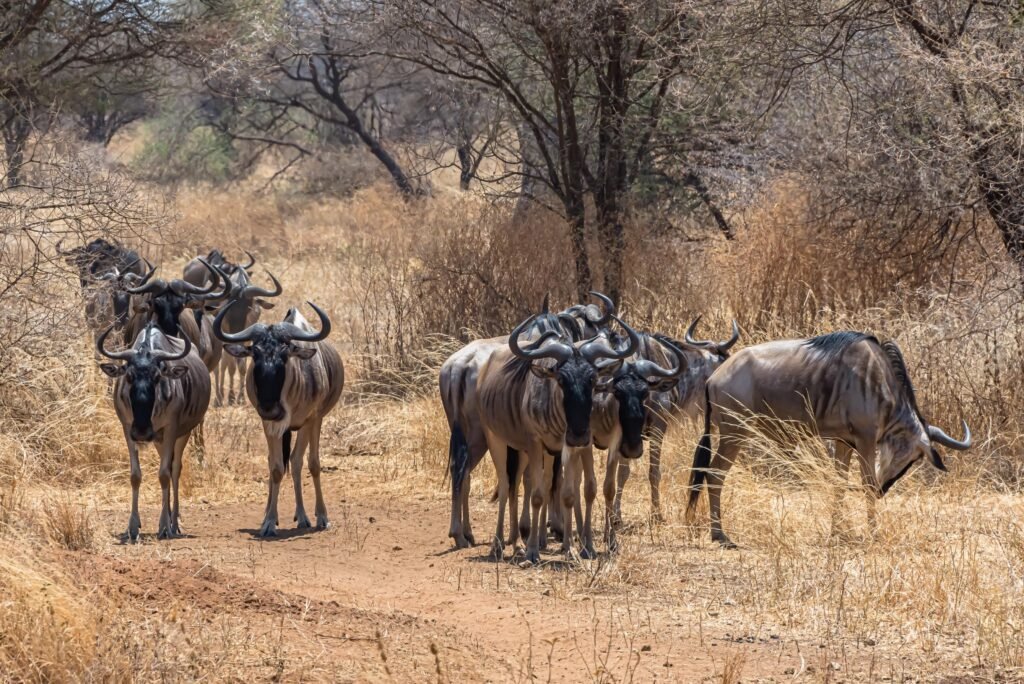
Detailed 6-day Tanzania Great Migration Safari itinerary
Day 1: Arusha to Tarangire National Park
After breakfast at your Arusha hotel, meet your Eddy Tours & Safaris driver-guide for a short safari briefing and depart toward Tarangire National Park. The drive passes through everyday northern Tanzania before the landscape begins to open. On arrival, enter the park for an afternoon game drive and picnic lunch.
Tarangire is known for its old baobab trees, elephant families and broad river valley. June can be a very pleasant time here as animals begin to gather around more dependable water and the grass is less tall than in the rainy months. Look out for elephants, buffalo, giraffes, zebras, wildebeest, impalas, warthogs and, with luck, lions or leopards. Birdlife is also rich. In the late afternoon, leave the park and continue to your lodge or tented camp in the Karatu or Tarangire area for dinner and an overnight stay.
Day 2: Tarangire to Ngorongoro Highlands
Take an early morning game drive in Tarangire when the light is soft and animals are still active. This is a good time to watch elephants feeding, see the silhouettes of baobabs and search riverine trees for cats. After breakfast or a packed meal, begin the drive toward the Ngorongoro Conservation Area.
The journey moves through the fertile highlands, where small farms, forested slopes and Maasai land create a clear contrast with Tarangire’s drier bush. Arrive at your lodge or camp in time to settle in, enjoy the cool highland air and prepare for the crater descent the following morning. A good guide will explain the next day’s timing, because the crater is best enjoyed with an early start and enough food and water packed for the full game drive.
Day 3: Ngorongoro Crater game drive to Central Serengeti
Descend early into the Ngorongoro Crater for a half-day game drive. The crater floor holds grassland, seasonal wetlands, a lake and woodland, supporting a remarkable concentration of wildlife. Buffalo, zebra, wildebeest, hippos, hyenas and lions are regularly seen. Black rhino remains difficult and special to find, so treat it as a possibility rather than a promise. Your guide will choose a respectful position at sightings and keep the pace comfortable.
After a picnic lunch near the hippo pool, leave the crater and travel toward Serengeti National Park. The road itself becomes part of the safari as the landscape broadens and wildlife may appear before you even reach your camp. Depending on the day’s route and accommodation location, enjoy an en-route game drive through the central Serengeti. Arrive in the late afternoon, check in, have dinner and spend your first Serengeti night listening to the sounds beyond the tent or lodge room.
Day 4: Central Serengeti to the migration area
Today is dedicated to finding the best migration activity for the current conditions. After an early breakfast, leave with a picnic lunch and travel through the central Serengeti toward the area where herds have recently been reported. In June this may mean exploring the western side of the park or remaining in productive central plains if the animals are still moving through that zone.
There is no need to rush from sighting to sighting. A good migration drive is often about watching the landscape for a while: zebra gathering at a water source, wildebeest bunching before crossing a small stream, a lioness resting in the grass while animals pass at a distance, or a line of hyenas moving home before the heat rises. Your guide will balance the migration search with predator viewing and the quieter details many visitors miss on a fast itinerary.
Reach your camp in the appropriate Serengeti area by late afternoon. Camps chosen for June are valuable because they reduce wasted driving time and put you close to morning game-drive routes. Dinner is served at camp, followed by a relaxed evening under the stars.
Day 5: Full day following the Great Migration in Serengeti
Spend a full day in Serengeti National Park, using the vehicle’s flexibility to follow the best wildlife reports and your own interests. Start early when predators may still be active. If you have found the migration herd, there is time to stay with it rather than taking one photograph and leaving. You may see thousands of animals spread across the horizon or a smaller, more concentrated group moving with purpose through the grass.
June is also good for watching the wider relationship between animals. Lions may be near large prey concentrations, cheetahs favour open ground, jackals work the edges of activity and vultures gather whenever there is a carcass. Your driver-guide will never force an encounter. Wildlife is observed on its own terms, with park rules and animal welfare respected at every sighting.
Choose either a full-day game drive with picnic lunch or a split day that returns to camp during the hottest hours, depending on your camp location and energy level. For photographers, talk to your guide about light, background and how long you are willing to wait. A private safari makes those small choices easier. Return to camp for your final Serengeti dinner and a quiet last night in the bush.
Day 6: Serengeti to Arusha
Enjoy one final early morning game drive as you travel toward the Serengeti exit or airstrip. The route is chosen according to your accommodation and onward plans. For a road safari, continue through the Ngorongoro highlands to Arusha, with a packed lunch on the way. This is a long but scenic transfer, and we will explain the timing clearly before your booking.
If you prefer to save time, a bush flight from Serengeti to Arusha can be arranged at an additional cost, subject to schedules and availability. Flights are a practical option for guests connecting to Zanzibar, Kilimanjaro Airport or a later itinerary. Our team will arrange the appropriate transfer once your flight details are known; do not book a very tight international connection before checking the safari timing with us.
Accommodation choices for this June safari
The same 6 Days Tanzania Great Migration Safari can be arranged at different comfort levels. Budget camping suits travellers who enjoy simple facilities, a close-to-nature atmosphere and a lower overall cost. Mid-range tented camps and lodges offer en-suite rooms or tents, proper beds and a comfortable base after game drives. Luxury camps place greater emphasis on privacy, service, food and exceptional locations, often with spacious tents and private decks.
The most important issue is not the label “luxury” or “budget”; it is the location of each night. For June, a camp must make sense for the expected movement of the herds and your route. Before you confirm a deposit, we will show the actual suggested properties, room category and what is included. If the best migration camp is full, we will offer a practical alternative rather than quietly moving you far away from the relevant area.
What is included
- Private 4×4 safari vehicle with pop-up roof for game viewing
- Professional English-speaking Tanzania driver-guide
- Five nights’ accommodation in the confirmed category
- Meals as stated in your final itinerary, including safari picnic lunches
- Park entry and conservation fees for the confirmed route
- Ngorongoro Crater service/vehicle fees where applicable to the itinerary
- Drinking water in the safari vehicle
- Government taxes listed in the written quotation
- Arusha hotel or airport transfers when shown in the confirmed programme
What is not included
- International flights and travel insurance
- Tanzania visa costs and any personal health requirements
- Accommodation in Arusha before or after the safari unless stated
- Alcoholic and premium drinks, unless your chosen lodge includes them
- Optional balloon safari, which is subject to availability, weather and operator safety approval
- Tips for your driver-guide and camp staff
- Laundry, souvenirs, personal purchases and services not written in the final quote
- Domestic bush flights unless they are specifically included
Helpful planning advice before you book
June migration space can sell out well in advance, especially at well-positioned tented camps. Enquire early if you have fixed dates. When you contact us, include the number of travellers, children’s ages if applicable, preferred room type, accommodation level, dietary requirements and whether you want road transfers or a Serengeti flight. These details let us send a real proposal rather than a vague starting price.
Give yourself a night in Arusha before the safari if you arrive on an international flight. It removes unnecessary pressure in case of delays and makes the first morning calmer. If you are adding a Kilimanjaro climb, it is usually sensible to climb first and safari afterward, though the order can be adapted. For route information and trek ideas, visit Kilimanjaro Climb Specialist; our team can help coordinate the Tanzania travel arrangements around your confirmed dates.
For current entry and health guidance, consult official authorities and a qualified travel-health clinic. You can use Google to locate a recognised clinic near you, but professional medical advice should be personal to your health history. Bring your usual medication in hand luggage and keep a copy of relevant prescriptions.
Frequently asked questions
Is June a good time for the Great Migration in Tanzania?
Yes. June is often a very good month because the herds are typically moving through central and western Serengeti as conditions become drier. Exact locations vary every year, so your itinerary should remain flexible.
Will I see the Mara River crossing on this 6-day June safari?
It is not guaranteed, and June is generally earlier than the period many people associate with the far northern Mara River. This safari focuses on the movement available in central and western Serengeti at your travel time.
Can this package start or finish at Kilimanjaro Airport?
Yes. Transfers can be arranged around your arrival and departure flights. Share your flight details before booking so we can confirm the safest timing.
Is this safari suitable for children?
Yes, when planned as a private family journey. We can suggest family-friendly accommodation, room arrangements and game-drive pacing that works for your children’s ages.
Can I add Zanzibar after the safari?
Yes. A flight from Serengeti or Arusha to Zanzibar can be added when schedules and availability work. Ask us to include the beach extension in the same proposal.
Book your 6 Days Tanzania Great Migration Safari for June
This June safari is built for travellers who want more than a rushed search for one famous wildlife moment. It gives you Tarangire, Ngorongoro and enough Serengeti time to follow the migration with patience and good local guidance. The final route will be based on the real situation in the park, your travel dates and the camp availability at the time you book.
To start planning with a local Tanzania team, visit Eddy Tours & Safaris or use our contact page. You may also email eddytoursandsafaris@gmail.com or sales@eddytours-safaris.com, or call or WhatsApp +255 711 906 664. Tell us your preferred June dates, group size and comfort level, and we will send a clear itinerary with the accommodation, inclusions and total cost shown properly.