
Planning a Tanzania wildlife safari does not mean you have to spend thousands of dollars on a private luxury holiday. If you are travelling alone, as a couple, or with friends and want to explore Tanzania’s famous national parks without paying for an entire safari vehicle, a 6 Days Tanzania Safari Joining Group Tour for 2027, 2028 and 2029 is one of the practical options to consider. This shared safari allows travellers to divide the costs of transport and professional guiding while visiting some of the most popular wildlife destinations in northern Tanzania.
The six-day journey begins in Arusha, the main starting point for northern Tanzania safaris, and takes you through Tarangire National Park, Lake Manyara National Park, Serengeti National Park, and Ngorongoro Crater. Each destination offers different landscapes and wildlife experiences, from the elephant herds of Tarangire to the open grasslands of the Serengeti and the wildlife-rich floor of Ngorongoro Crater. Travelling with other safari guests also gives you an opportunity to meet people from different countries while enjoying guided game drives in a shared 4×4 safari vehicle.
A Tanzania joining group safari is particularly suitable for travellers who want to keep their holiday costs manageable without missing the country’s main wildlife attractions. Rather than booking a private vehicle and paying all the transport expenses yourself, you join other guests following the same itinerary. The group travels together, stays at the accommodation arranged for the departure, and follows a shared daily schedule. For many visitors, this is a convenient way to experience Tanzania’s national parks while keeping the overall price lower than a comparable private safari.
At Eddy Tours & Safaris, we arrange Tanzania wildlife safaris for travellers interested in budget camping, joining-group tours, and private holidays. Our 6-Day Tanzania Joining Group Safari covers four major northern Tanzania wildlife destinations, with accommodation and transport arrangements confirmed according to the selected departure. This guide explains the itinerary, wildlife, accommodation, costs, inclusions, travel seasons, and booking arrangements for travellers planning their safari in 2027, 2028, or 2029.
Overview of the 6 Days Tanzania Safari Joining Group Tour
This six-day safari is designed for travellers who want to visit several important national parks within a limited holiday period. The route combines Tarangire, Lake Manyara, Serengeti, and Ngorongoro, allowing visitors to experience different wildlife habitats without organising separate transport and accommodation for each destination. The itinerary includes a mixture of game drives and road transfers, with overnight stays arranged according to the confirmed group package.
| Safari Information | Details |
|---|---|
| Safari name | 6 Days Tanzania Safari Joining Group Tour |
| Travel years | 2027, 2028 and 2029 |
| Starting location | Arusha, Tanzania |
| Ending location | Arusha, Tanzania |
| Duration | 6 days |
| Travel style | Shared joining-group safari |
| Main destinations | Tarangire, Lake Manyara, Serengeti and Ngorongoro Crater |
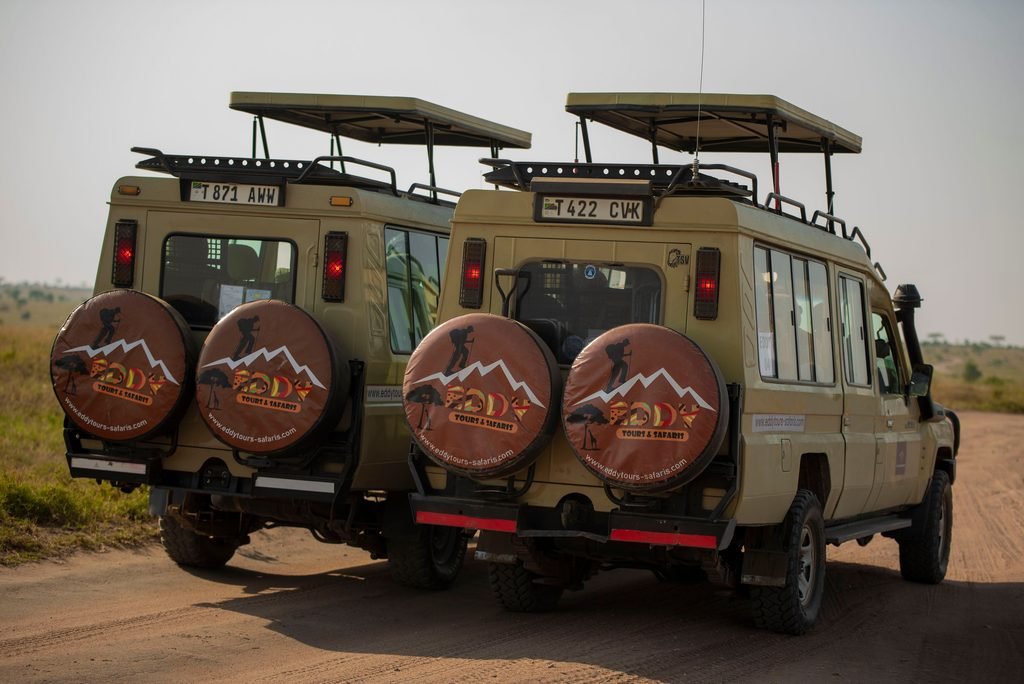
| Transport | Shared 4×4 safari vehicle with pop-up roof |
| Accommodation | Budget camping or other confirmed group accommodation |
| Safari guide | Professional English-speaking driver-guide |
| Meals | According to the confirmed safari package |
| Departure dates | Subject to confirmed group availability |
| Price | Quoted per person according to dates and accommodation |
The six-day itinerary normally includes five nights associated with the safari programme, but travellers should confirm whether the first night in Arusha is included in the advertised six days. This matters because some operators count the arrival day as the first safari day, while others begin counting when the vehicle departs for the national parks. Before making payment, request the complete itinerary showing the arrival date, first overnight stay, park visits, and final drop-off arrangements.
What Is a Tanzania Safari Joining Group Tour?
A Tanzania safari joining group tour is a shared wildlife holiday where travellers who have booked separately join the same safari vehicle and follow one agreed itinerary. Instead of hiring a private Land Cruiser, each participant pays for a place in the group. The vehicle, driver-guide, fuel, and other shared operating expenses are divided among the participants, which can make the safari more affordable than booking the same journey privately.
Joining-group safaris are popular among solo travellers, couples, students, backpackers, and visitors who prefer spending their money on wildlife experiences rather than expensive accommodation. They are also suitable for people who enjoy travelling with others and are comfortable following a common schedule. During the journey, the group normally leaves accommodation together, participates in the same game drives, and stops for meals at agreed locations. Your guide manages the daily programme while considering road conditions, national park regulations, and the time available for wildlife viewing.
The main difference between a joining-group safari and a private safari is flexibility. On a private tour, travellers can arrange a personalised schedule and choose how much time to spend at particular wildlife sightings. A joining-group tour follows the programme agreed for everyone. This means that the departure time, accommodation category, and daily route are generally fixed once the group has been confirmed. If you prefer a private arrangement, you can also explore the Tanzania Safari Packages offered by Eddy Tours & Safaris.
Detailed 6 Days Tanzania Joining Group Safari Itinerary
The following itinerary follows the established six-day joining safari route, starting in Arusha and continuing through Tarangire, Lake Manyara, Serengeti, and Ngorongoro. It provides a practical introduction to Tanzania’s northern safari circuit while keeping the travel arrangements organised within one package.
Day 1: Arrival in Arusha – Welcome to Tanzania
Your Tanzania safari begins with arrival in Arusha, a busy tourism centre located in northern Tanzania near Mount Meru. Travellers arriving through Kilimanjaro International Airport or Arusha Airport can arrange a transfer to their accommodation according to the services included in their booking. Arusha is the starting point for many northern Tanzania wildlife safaris because it provides road access to Tarangire, Lake Manyara, Ngorongoro, and the Serengeti. The town also has a wide range of hotels, restaurants, banks, shops, and other services that travellers may need before beginning their journey.
After arriving at your hotel, you will have time to rest and prepare for the following day’s departure. Depending on the arrangements, you may meet your safari representative for a briefing covering the itinerary, departure time, accommodation, meals, luggage, and group arrangements. This is also an opportunity to ask questions about the vehicle, national park visits, and what to expect during the six days. Travellers arriving from long international flights are encouraged to reach Arusha early enough to rest before the first game drive, especially when the group is scheduled to depart early in the morning.
Accommodation: Arusha hotel, according to the confirmed package.
Meals: According to the booking arrangement.
Day 2: Arusha to Tarangire National Park – Elephants and Baobab Trees
After breakfast, you will meet the other members of your safari group and begin the journey towards Tarangire National Park. The drive from Arusha generally takes approximately two and a half to three hours, depending on traffic, the selected park entrance, and road conditions. Along the way, you will pass through rural areas and small towns before reaching the park, where your driver-guide will complete the entry procedures and begin the first wildlife game drive.
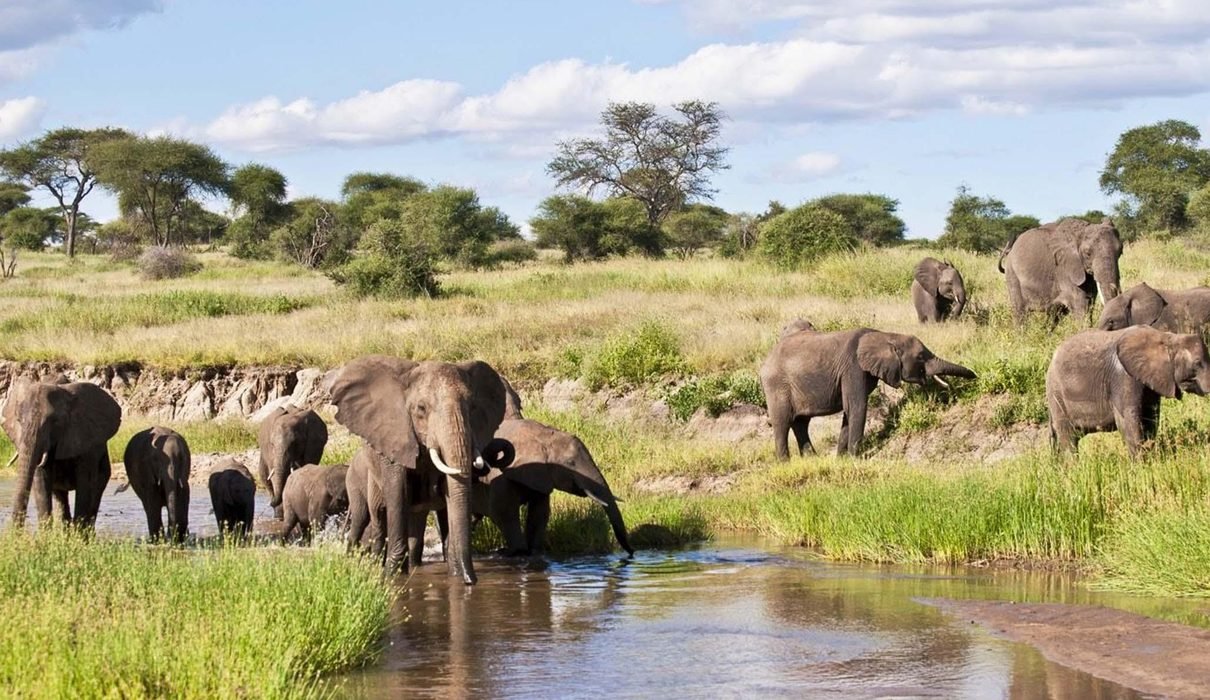
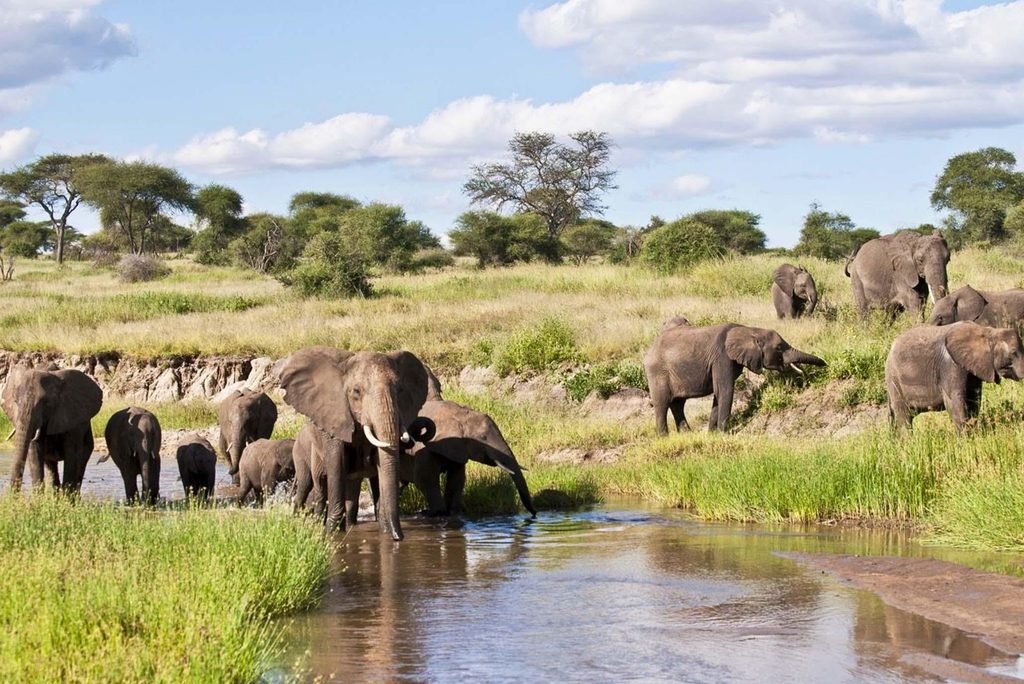
Tarangire National Park is particularly famous for its elephant populations, large baobab trees, and seasonal wildlife concentrations. During the dry season, animals often gather around the Tarangire River and other available water sources, creating opportunities to observe elephants, giraffes, zebras, buffaloes, wildebeest, and several antelope species. Lions and leopards also occur in the park, although sightings depend on animal movements and the conditions during your visit. Your guide will explore suitable wildlife areas while explaining the animals’ behaviour and the importance of the different habitats.
You will stop for lunch at an authorised picnic area before continuing with the game drive. In the afternoon, the group will leave Tarangire and travel towards the accommodation arranged near Lake Manyara, Mto wa Mbu, or Karatu. After checking in, you will have time to freshen up and enjoy dinner before resting for the next day’s activities. Tarangire provides an excellent beginning to the safari because its woodland and river habitats are different from the open grasslands you will later encounter in the Serengeti.
For more information about the park, visit the official Tarangire National Park Visitor Guide.
Accommodation: Budget camp or lodge near Lake Manyara or Karatu.
Meals: Breakfast, lunch and dinner, according to the confirmed package.
Day 3: Lake Manyara National Park – Forest Wildlife and Birdwatching
After breakfast, your group will travel to Lake Manyara National Park for another day of wildlife viewing. Located at the base of the Great Rift Valley escarpment, Lake Manyara is known for its groundwater forest, lake habitats, and varied landscapes. The park offers a different experience from Tarangire because visitors can explore forested areas, open spaces, and habitats associated with the lake within a relatively compact destination.
During the game drive, you may encounter elephants, buffaloes, giraffes, zebras, monkeys, baboons, and numerous bird species. Lake Manyara is also associated with tree-climbing lions, although these animals are not always easy to find and sightings cannot be guaranteed. The forest provides opportunities to observe monkeys and other wildlife, while the lake and surrounding wetlands attract different birds depending on water levels and seasonal conditions. Your guide will select suitable routes according to the available time and wildlife activity.
After the game drive and lunch, the group will continue towards the Ngorongoro highlands or the accommodation location specified in the itinerary. The drive offers views of agricultural areas, villages, and changing landscapes as you move towards higher elevations. Depending on the confirmed schedule, the group may have time to relax at the accommodation before dinner. This day provides a good opportunity to appreciate the variety of wildlife habitats found within Tanzania’s northern safari circuit.
Accommodation: Budget camp or lodge in Karatu or the Ngorongoro highlands.
Meals: Breakfast, lunch and dinner.
Day 4: Lake Manyara or Karatu to Serengeti National Park – Entering the Endless Plains
After an early breakfast, the group will begin the journey towards Serengeti National Park, travelling through the Ngorongoro Conservation Area. The road passes through highland landscapes before gradually descending towards the open plains of the Serengeti. This is one of the longer driving days of the safari, but the journey allows travellers to see the changing scenery of northern Tanzania. Depending on road conditions, entry procedures, and stops, the transfer can take several hours before reaching the main wildlife-viewing areas.
Serengeti National Park is one of Africa’s best-known wildlife destinations and is internationally recognised for its large mammal populations and the Great Wildebeest Migration. The park contains extensive grasslands, river systems, woodland, and rocky outcrops that support lions, leopards, cheetahs, elephants, buffaloes, giraffes, zebras, wildebeest, and numerous other animals. As you enter the park, your guide will begin looking for wildlife while travelling towards the accommodation arranged for the group.
The afternoon provides opportunities to observe animals along the route, depending on the time available. You may see grazing zebras and wildebeest, giraffes feeding near trees, or lions resting in the shade. Wildlife sightings are unpredictable, so the guide will use local knowledge and current conditions to select suitable viewing areas. Later in the day, the group will continue to the campsite or tented accommodation, where dinner will be served before the overnight stay.
The official Serengeti National Park website provides further information about the park’s wildlife, landscapes, and tourism activities.
Accommodation: Budget campsite or tented camp in the Serengeti.
Meals: Breakfast, lunch and dinner.
Day 5: Serengeti National Park – Wildlife Viewing and Transfer Towards Ngorongoro
The fifth day begins with an early breakfast before continuing your wildlife safari in Serengeti National Park. Early morning is often a good time for game drives because temperatures are cooler and some animals are more active. Your guide will explore suitable wildlife areas while searching for lions, cheetahs, leopards, elephants, giraffes, wildebeest, and other species. The central Serengeti, particularly the Seronera region, is known for its resident wildlife and provides opportunities for animal sightings throughout the year.
Depending on the season, you may encounter large groups of wildebeest and zebras moving through the grasslands. However, the Great Migration does not remain in the central Serengeti throughout the year, and the exact location of the herds depends on rainfall and grazing conditions. Travellers specifically interested in the calving season or Mara River crossings should discuss their preferred dates before booking because those experiences may require different accommodation locations or a longer itinerary.
After the morning game drive and lunch arrangements, the group will begin travelling towards Ngorongoro Conservation Area. The drive provides further opportunities to enjoy the scenery and observe wildlife along authorised routes before leaving the Serengeti. You will continue towards your accommodation near the crater or in the Karatu area, depending on the confirmed package. Dinner will be served in the evening, and your guide will explain the following day’s schedule for the Ngorongoro Crater game drive.
Accommodation: Budget camp or lodge near Ngorongoro or Karatu.
Meals: Breakfast, lunch and dinner.
Day 6: Ngorongoro Crater Game Drive – Return to Arusha
Your final safari day begins early with breakfast before travelling towards Ngorongoro Crater. The crater is one of Tanzania’s most important wildlife destinations and contains grasslands, wetlands, woodland, and freshwater habitats within a large volcanic caldera. After completing the necessary entry procedures, your guide will descend into the crater for a game drive, where you may encounter lions, elephants, buffaloes, zebras, wildebeest, hippos, hyenas, and numerous bird species.
Ngorongoro is also one of the places in Tanzania where visitors may have an opportunity to observe the endangered black rhinoceros, although sightings are not guaranteed. The relatively concentrated wildlife habitats make the crater an attractive destination for visitors interested in seeing different animals during one game drive. Your guide will explore authorised routes while looking for wildlife and explaining the natural features of the crater. Lunch will be taken at a designated picnic area before continuing the visit or preparing to leave the conservation area.
After the game drive, the group will ascend from the crater and begin the journey back to Arusha. Arrival is generally expected later in the day, depending on road conditions, traffic, and the time spent inside the crater. Travellers planning an international departure should allow sufficient time and consider spending another night in Arusha rather than booking an early flight on the same day. The safari concludes with a drop-off at the agreed location according to the booking arrangements.
For official conservation and visitor information, consult the Ngorongoro Conservation Area Authority.
Meals: Breakfast and lunch.
End of safari: Arusha hotel or agreed transfer location.
Why Choose a 6 Days Tanzania Joining Group Safari?
A six-day joining safari provides a practical balance between cost, travel time, and the number of destinations visited. Travellers who book shorter two- or three-day packages may have limited time to reach the Serengeti, while longer private safaris can involve higher accommodation and transport expenses. A six-day group tour allows visitors to experience several major wildlife areas while sharing the cost of the safari vehicle and guide with other participants.
Another advantage is the opportunity to travel with people who have similar interests. Safari groups often include travellers from different countries, creating opportunities to share wildlife observations, photography tips, and travel experiences. For solo travellers, joining an organised group can also make planning easier because the transport, accommodation, and daily activities are arranged as part of one programme. However, the group schedule is shared, so participants should be comfortable with agreed departure times, meal stops, and game-drive arrangements.
The six-day itinerary is particularly suitable for travellers who want to experience the northern safari circuit without organising each destination separately. By combining Tarangire, Lake Manyara, Serengeti, and Ngorongoro, the tour provides an introduction to several different wildlife habitats. Visitors interested in exploring other package durations can compare the 5-Day Tanzania Joining Safari with the six-day option before deciding which programme best matches their available time.
Wildlife You Can See During the Six-Day Tanzania Safari
Tanzania’s northern national parks support a wide range of wildlife, and the six-day itinerary provides opportunities to observe animals in different environments. Tarangire is particularly associated with elephants and baobab woodland, while Lake Manyara supports forest wildlife, waterbirds, and animals that use the surrounding lake habitats. The Serengeti is known for predators and grazing animals, while Ngorongoro Crater provides opportunities to observe several species within a relatively concentrated area.
| Wildlife | Possible Viewing Locations |
|---|---|
| African elephants | Tarangire, Serengeti, Ngorongoro and Lake Manyara |
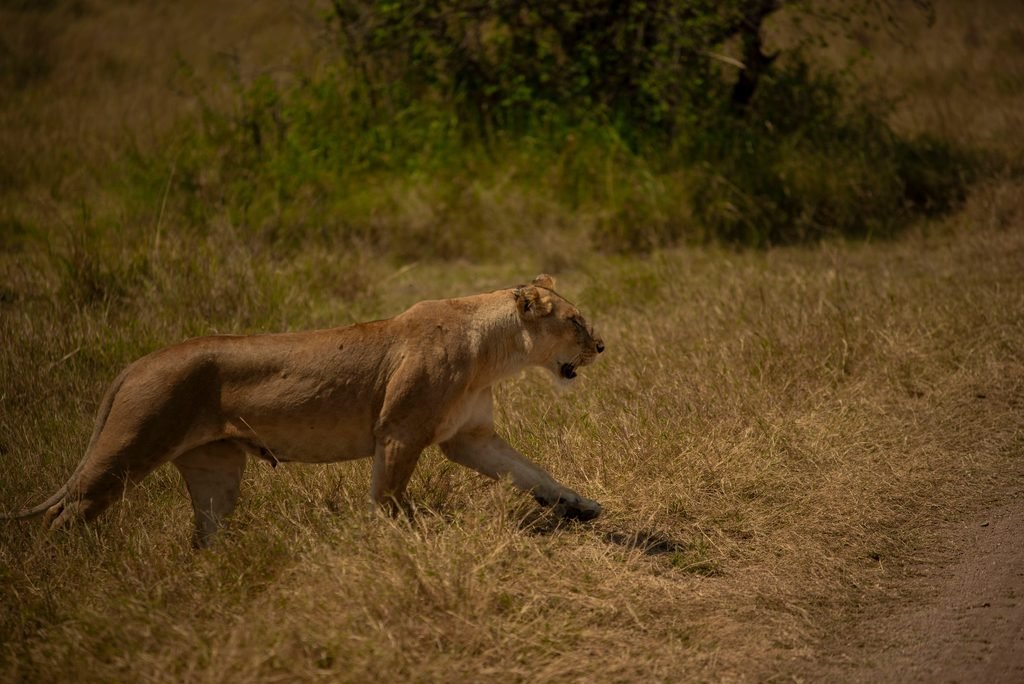
| Lions | Serengeti, Ngorongoro, Tarangire and Lake Manyara |
| Leopards | Serengeti and other suitable woodland habitats |
| Cheetahs | Serengeti grasslands |
| Buffaloes | All four destinations |
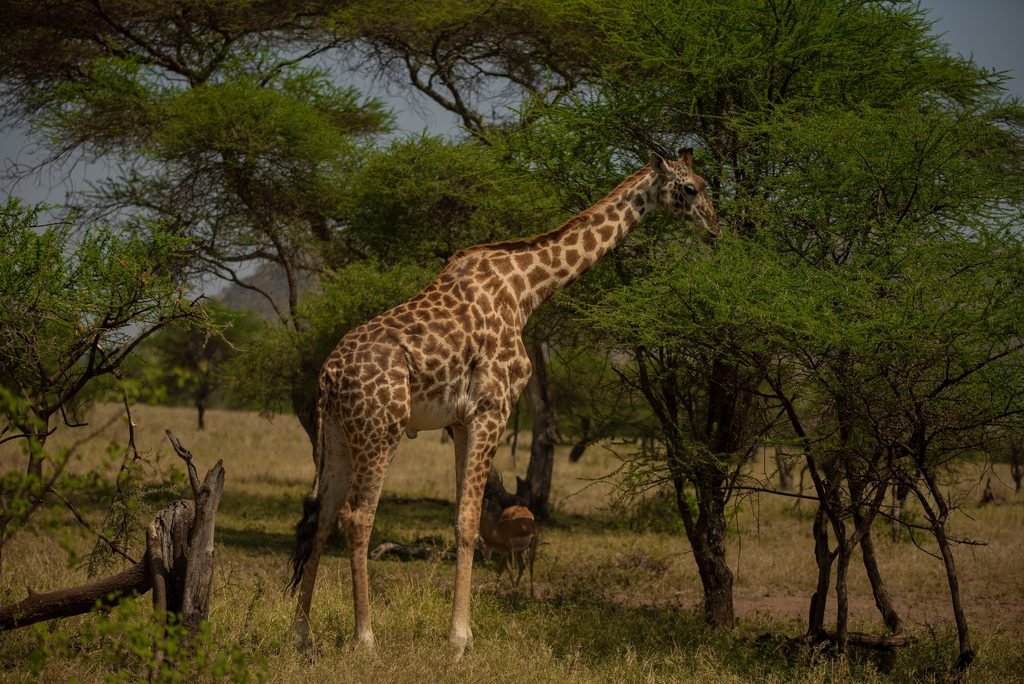
| Giraffes | Tarangire, Serengeti and Lake Manyara |
| Zebras | Serengeti, Ngorongoro and Tarangire |
| Wildebeest | Serengeti and Ngorongoro |
| Hippopotamuses | Serengeti river systems, Ngorongoro and Lake Manyara |
| Black rhinoceroses | Ngorongoro Crater, with sightings uncommon |
| Baboons and monkeys | Lake Manyara and other suitable habitats |
| Birds | All destinations |
It is important to remember that wildlife moves freely within its natural habitat, and no safari operator can guarantee sightings of particular animals. Weather, vegetation, water availability, and the time of day all influence what visitors may encounter. A good safari guide will use experience and knowledge of animal behaviour to select suitable routes, but the experience remains a natural wildlife activity rather than a scheduled animal display.
Can You See the Great Wildebeest Migration on This Safari?
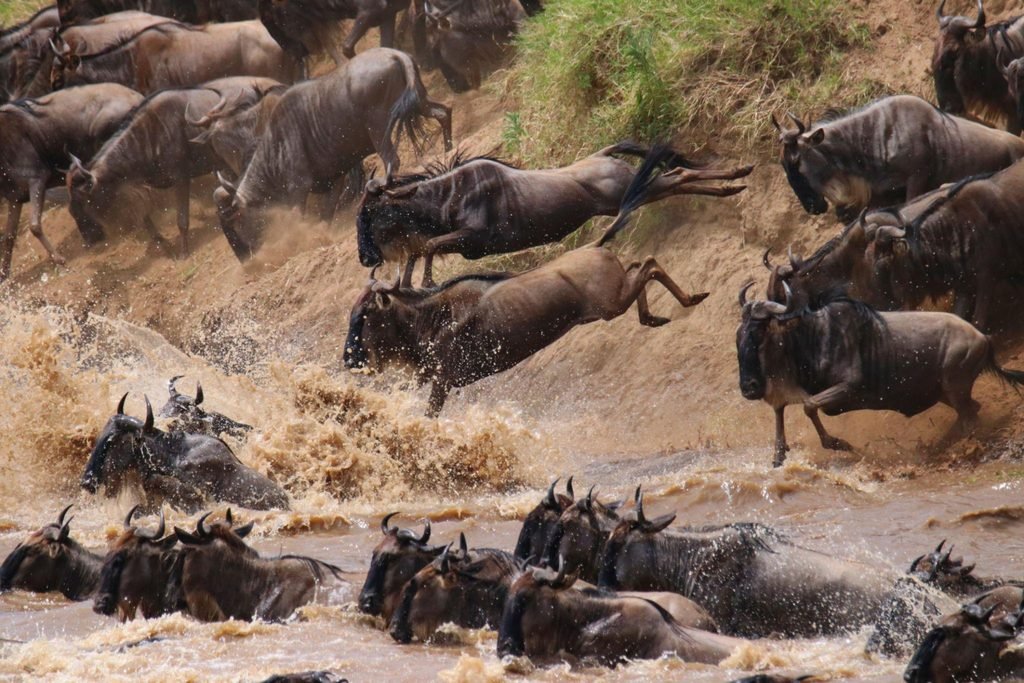
The Great Wildebeest Migration is one of the main reasons travellers visit Serengeti National Park. Large herds of wildebeest, accompanied by zebras and other grazing animals, move through the wider Serengeti-Mara ecosystem according to seasonal rainfall and the availability of fresh grass. Different regions become important at different times of the year, which means that the best place to observe the migration changes from season to season.
During January and February, large herds often gather in the southern Serengeti and Ndutu region for the calving season. Later in the year, the animals may move through the western and northern Serengeti, with some herds reaching the Mara River during suitable periods. The central Serengeti supports resident wildlife throughout the year, but the main migrating herds may be located elsewhere when your group visits.
Because a joining-group safari normally follows a fixed route, travellers should not assume that a six-day central Serengeti itinerary will include the northern Mara River or southern Ndutu. If witnessing the migration is your main travel goal, tell Eddy Tours & Safaris your preferred month before booking so the team can explain whether the available group departure is suitable or whether a different itinerary would be better.
Best Time to Join a Tanzania Group Safari in 2027, 2028 or 2029
Tanzania’s northern safari circuit can be visited throughout the year, but wildlife conditions and travel experiences change according to the season. The dry season, generally from June to October, is popular because animals often gather near water sources and vegetation may be less dense. Tarangire can be particularly rewarding during this period, while the Serengeti continues to support large numbers of resident animals and seasonal migration movements.
The months from November to March often bring greener landscapes and good birdwatching opportunities. January and February are also associated with the wildebeest calving season in the southern Serengeti and Ndutu region. April and May are generally wetter months, and some roads may become more difficult after heavy rainfall. However, the parks remain important wildlife destinations, and travellers may find quieter conditions in certain areas.
| Travel Period | General Safari Experience |
|---|---|
| January–February | Green landscapes and southern Serengeti calving season |
| March–May | Rainier conditions, birdwatching and quieter periods in some parks |
| June–July | Dry-season wildlife viewing and seasonal migration movements |
| August–September | Popular safari months and northern Serengeti migration activity |
| October | Late dry-season wildlife concentrations |
| November–December | Green-season landscapes and changing animal movements |
Travellers planning for 2027, 2028, or 2029 should remember that weather patterns vary between years. Booking a particular month does not guarantee the location of migrating animals or specific weather conditions. For joining-group safaris, the most important practical step is confirming that a departure is available for your preferred dates and that the itinerary visits the destinations you want to see.
Accommodation During the 6 Days Tanzania Budget Safari
Accommodation is one of the main factors influencing the cost of a Tanzania safari. Budget joining-group tours commonly use campsites or simple accommodation that allows travellers to spend more of their holiday budget on transport, park fees, and wildlife viewing. Camping arrangements may include tents, sleeping equipment, shared bathroom facilities, and meals prepared by a safari cook, depending on the package. These arrangements are suitable for travellers who are comfortable with simple facilities and enjoy spending time outdoors.
Some joining-group departures use budget tented camps or lodges instead of traditional camping. These properties may provide beds, private bathrooms, dining facilities, and other services, but the exact standard varies. Travellers should therefore request the accommodation names and details before making payment rather than assuming that every joining safari includes the same facilities. It is also important to confirm whether single travellers will share accommodation, whether a single-room supplement applies, and what equipment is provided.
The main advantage of budget accommodation is the opportunity to keep costs manageable while still visiting Tanzania’s national parks. However, the cheapest accommodation is not always the best option if it involves long transfers or does not provide the facilities you need. Choosing a package with clear accommodation information helps avoid misunderstandings during the trip.
What Is Included in a 6 Days Tanzania Joining Group Safari?
A joining-group safari package normally brings together the main services required for an organised wildlife holiday. These generally include a professional driver-guide, transport in a shared safari vehicle, accommodation, meals according to the itinerary, and applicable national park fees. However, the exact inclusions depend on the confirmed departure and accommodation category, so travellers should request a written quotation before making payment.
Typical Safari Inclusions
- Shared 4×4 safari vehicle with a pop-up roof.
- Professional English-speaking driver-guide.
- National park and conservation fees specified in the quotation.
- Accommodation for the confirmed safari nights.
- Meals according to the itinerary.
- Guided wildlife game drives.
- Drinking water according to the package.
- Transport between the destinations listed in the itinerary.
Common Safari Exclusions
- International flights to and from Tanzania.
- Tanzania visa fees, where applicable.
- Travel insurance.
- Personal expenses and souvenirs.
- Alcoholic beverages and additional drinks not included in the package.
- Tips for the safari guide and support staff.
- Optional activities not mentioned in the itinerary.
- Extra accommodation before or after the safari.
- Airport transfers unless specifically included.
Before confirming your booking, compare the inclusions with the total package price. Two safaris advertised as six-day joining tours may have different costs because of accommodation, park fees, meals, or additional services. The All-Inclusive Tanzania Safari Guide provides another useful reference for understanding how different safari arrangements can be organised.
How Much Does a 6 Days Tanzania Joining Group Safari Cost in 2027–2029?
The cost of a six-day Tanzania joining-group safari depends on the travel season, accommodation category, number of confirmed participants, and services included. Sharing the safari vehicle and guide can reduce the cost per person compared with a private tour, but national park fees, conservation charges, accommodation, and meals remain important expenses. The Serengeti and Ngorongoro also involve substantial transport and entry costs, which is why a six-day safari covering these destinations generally costs more than a short trip visiting only one nearby park.
For 2027, 2028, and 2029, travellers should request an updated quotation rather than relying on an old advertised price. National park fees, accommodation rates, fuel costs, and other operating expenses may change before the travel date. The quotation should clearly show whether the price is per person, how many travellers are expected in the vehicle, and whether accommodation is shared or private.
A lower price can be attractive, but it should not be the only reason for choosing a safari. Before booking, confirm the vehicle arrangements, accommodation standard, park fees, and total number of safari days. A complete quotation makes it easier to understand what you are paying for and helps you avoid unexpected expenses during the journey.
Is a Joining Group Safari Suitable for Solo Travellers?
Yes. A Tanzania joining-group safari is particularly suitable for solo travellers who want to visit the national parks without paying the full cost of a private vehicle. By joining other travellers, you share transport and guiding expenses while following a professionally organised itinerary. This arrangement can make visiting destinations such as Serengeti and Ngorongoro more accessible to people travelling alone.
Solo travellers should confirm the accommodation arrangements before booking. Some departures may allow room sharing with another traveller, while others require a single-room supplement. The availability of these options depends on the accommodation and group composition. It is also useful to ask about the group size, departure date, and meeting location in Arusha so you know what to expect before arriving.
For travellers who enjoy meeting new people, a shared safari can be a pleasant way to experience Tanzania. However, if you prefer complete privacy or want to spend extended periods photographing particular animals, a private safari may be more suitable.
Joining Group Safari vs Private Tanzania Safari
Both joining-group and private safaris visit Tanzania’s national parks, but the travel arrangements are different. A joining-group safari follows a shared itinerary and allows participants to divide vehicle and guiding expenses, while a private safari gives one booking exclusive use of the vehicle and more control over the schedule.
| Feature | Joining Group Safari | Private Safari |
|---|---|---|
| Safari vehicle | Shared with other travellers | Reserved for your booking |
| Cost per person | Often lower for solo travellers and couples | Depends on the number of people sharing |
| Daily schedule | Shared group programme | More flexible |
| Accommodation | Usually fixed for the departure | Can be selected according to preference |
| Game-drive flexibility | Decisions made for the group | More control over stops and timing |
| Best suited for | Solo travellers, couples and budget travellers | Families, photographers and private groups |
| Departure dates | Based on confirmed group availability | Arranged according to booking availability |
Neither option guarantees better wildlife sightings. The animals live in natural habitats, and sightings depend on their movements and environmental conditions. The best choice depends on your budget, preferred travel style, and how much flexibility you want during the safari.
What to Pack for a 6 Days Tanzania Safari
Packing for a six-day safari is relatively straightforward, but travellers should prepare for changing temperatures and several hours of travel each day. Lightweight clothing is useful during warm afternoons, while a fleece or jacket is recommended for early morning game drives and cooler areas around Ngorongoro. Comfortable shoes are suitable for travelling and walking around accommodation areas, although most wildlife viewing takes place inside the safari vehicle.
Binoculars can improve wildlife viewing, particularly when animals are resting at a distance. A camera with a zoom lens is also useful for photography, while sunscreen, sunglasses, a hat, insect repellent, and personal medication should be included in your luggage. Travellers using budget camping accommodation should confirm whether towels, sleeping bags, pillows, and other camping equipment are supplied by the operator.
It is advisable to pack light because safari vehicles have limited luggage space, particularly when several people are travelling together. Soft-sided bags are often easier to store than large hard suitcases. Important documents, medication, cameras, and other valuable items should remain in your day bag rather than being packed deep inside your main luggage.
Important Things to Know Before Booking Your Safari
Before booking a Tanzania joining-group safari, confirm the exact departure date and whether the group has already been formed. Some advertised departures may depend on receiving enough participants, while others may already have confirmed bookings. Travellers should avoid purchasing non-refundable international flights based only on an unconfirmed group departure.
You should also confirm the maximum number of passengers sharing the vehicle, the accommodation category, the included meals, and the starting and finishing arrangements in Arusha. If you have dietary requirements, mobility considerations, or special travel needs, discuss them with the operator before making payment so the suitability of the group arrangements can be assessed.
Travellers should review their passport validity, Tanzania visa requirements, and travel insurance before departure. Visa rules vary according to nationality, and requirements may change before 2027, 2028, or 2029. Official visa information is available through the Tanzania Immigration eVisa Portal. It is also advisable to review the booking and cancellation conditions carefully before paying a deposit.
Why Book Your Joining Group Safari with Eddy Tours & Safaris?
Eddy Tours & Safaris is a local tour company based in Arusha, Tanzania, arranging wildlife safaris, Kilimanjaro climbing trips, and private holidays. Our location in Arusha provides a practical starting point for organising tours to Tarangire, Lake Manyara, Serengeti, and Ngorongoro, which are among the main destinations on Tanzania’s northern safari circuit.
We understand that travellers have different budgets and expectations, which is why it is important to explain the available accommodation categories, transport arrangements, and safari inclusions before booking. For a joining-group safari, we can provide information about the available departures, group arrangements, and itinerary so you can decide whether the programme matches your travel plans.
Visitors who prefer a different duration can also explore our Tanzania Safari Tours or review our 6-Day Tanzania Safari Itinerary for additional planning information. If a shared departure does not match your preferred dates, you can request a quotation for a private safari covering similar destinations.
Frequently Asked Questions About the 6 Days Tanzania Joining Group Safari
1. What Is a 6 Days Tanzania Joining Group Safari?
A six-day Tanzania joining-group safari is an organised wildlife tour where travellers share a safari vehicle, guide, and daily itinerary. It is designed to reduce the cost per person while allowing participants to visit several national parks during one journey. Accommodation and meals are arranged according to the confirmed package, and the group follows the same programme throughout the safari.
2. Is a Joining Group Safari Cheaper Than a Private Safari?
A joining-group safari is often cheaper for solo travellers and couples because vehicle and guiding expenses are shared among several participants. However, the exact price difference depends on group size, accommodation, travel season, and included services. Families or groups of friends may sometimes find that a private safari offers competitive value when the cost is divided among several people.
3. Which National Parks Are Included in This Six-Day Safari?
The itinerary covers Tarangire National Park, Lake Manyara National Park, Serengeti National Park, and Ngorongoro Crater. These destinations provide opportunities to observe wildlife in different habitats, including woodland, grassland, wetlands, and volcanic landscapes. The exact order and accommodation arrangements should be confirmed before booking.
4. Can I Join the Safari as a Solo Traveller?
Yes. Solo travellers can join confirmed group departures, subject to available places. This is one of the main advantages of a shared safari because you do not need to arrange a complete private group. However, you should confirm whether accommodation sharing is available or whether a single-room supplement will apply.
5. Can I See the Big Five During the Safari?
The itinerary visits areas where lions, leopards, elephants, buffaloes, and rhinoceroses occur, but seeing all five animals is not guaranteed. Lions, elephants, and buffaloes may be encountered in several parks, while leopards are more difficult to locate. Black rhinoceroses are present in Ngorongoro Crater but remain relatively uncommon sightings.
6. Will I See the Great Wildebeest Migration?
You may encounter migrating wildebeest if the herds are located in the areas visited during your safari. However, the migration moves through different regions of the Serengeti-Mara ecosystem throughout the year, so a fixed central Serengeti itinerary cannot guarantee that the main herds will be present. Travellers interested in particular migration events should discuss their travel dates before booking.
7. What Type of Vehicle Is Used?
Joining-group safaris commonly use a 4×4 Land Cruiser fitted with a pop-up roof for wildlife viewing and photography. The vehicle is shared among the confirmed participants, and the exact seating arrangements should be explained before booking. Travellers should ask about the maximum group size to ensure that the vehicle provides suitable space for the journey.
8. Is Accommodation Included?
Accommodation is normally included according to the selected safari package, but the standard varies. Some departures use budget camping facilities, while others use tented camps or lodges. Before making payment, request the accommodation names, room-sharing arrangements, and information about the facilities provided.
9. Are National Park Fees Included?
Many organised safari packages include the applicable national park and conservation fees, but this should always be confirmed in writing. Different destinations have different fee structures, and additional charges may apply for certain activities or accommodation arrangements. A complete quotation should clearly state which fees are included in the total price.
10. Can I Book This Safari for 2027, 2028 or 2029?
Yes, you can enquire about joining-group safari arrangements for 2027, 2028, or 2029. However, departure dates, group availability, accommodation, and prices must be confirmed before booking. Contact the tour operator with your preferred travel dates and number of participants to receive the available options.
11. Can I Add Zanzibar After the Safari?
Yes. Many travellers choose to continue to Zanzibar after completing their wildlife safari. Zanzibar provides opportunities to enjoy beaches, explore Stone Town, and take part in coastal activities. Flights, accommodation, and transfers can be arranged separately according to your budget and preferred travel dates.
12. How Do I Book the 6 Days Tanzania Joining Group Safari?
To book, contact Eddy Tours & Safaris with your preferred travel dates, number of travellers, and accommodation preferences. Our team can explain the available joining-group departures, itinerary, inclusions, and total cost. Once you are satisfied with the arrangements, you can review the booking terms and payment instructions before confirming your place.
Book Your 6 Days Tanzania Joining Group Safari for 2027, 2028 or 2029
A six-day Tanzania joining-group safari is a practical choice for travellers who want to explore several of the country’s famous wildlife destinations while keeping their travel expenses manageable. The journey combines the elephant habitats of Tarangire, the forests and birdlife of Lake Manyara, the open plains of the Serengeti, and the wildlife-rich Ngorongoro Crater. By travelling with other visitors, you can share transport and guiding costs while enjoying a professionally organised safari through northern Tanzania.
Whether you are travelling alone, with a partner, or with friends, choosing a suitable joining-group departure can help you experience Tanzania’s wildlife without arranging an entire private safari. The most important step is confirming the departure date, accommodation, group size, and complete package price before making payment.
Eddy Tours & Safaris is a local tour company in Arusha, Tanzania, highly recommended by travellers who have toured with us. We arrange professionally guided Tanzania wildlife safaris, including joining-group tours, budget camping safaris, and private holidays.
For travellers planning a 6 Days Tanzania Safari Joining Group Tour in 2027, 2028 or 2029, our team can help you check available departures, review the itinerary, and understand the services included in your quotation.
Contact Eddy Tours & Safaris
Location: Arusha, Tanzania
Phone/WhatsApp: +255 711 906 664
Email: sales@eddytours-safaris.com
Website: Eddy Tours & Safaris
Booking enquiries: Request Your Tanzania Joining Group Safari Quote