
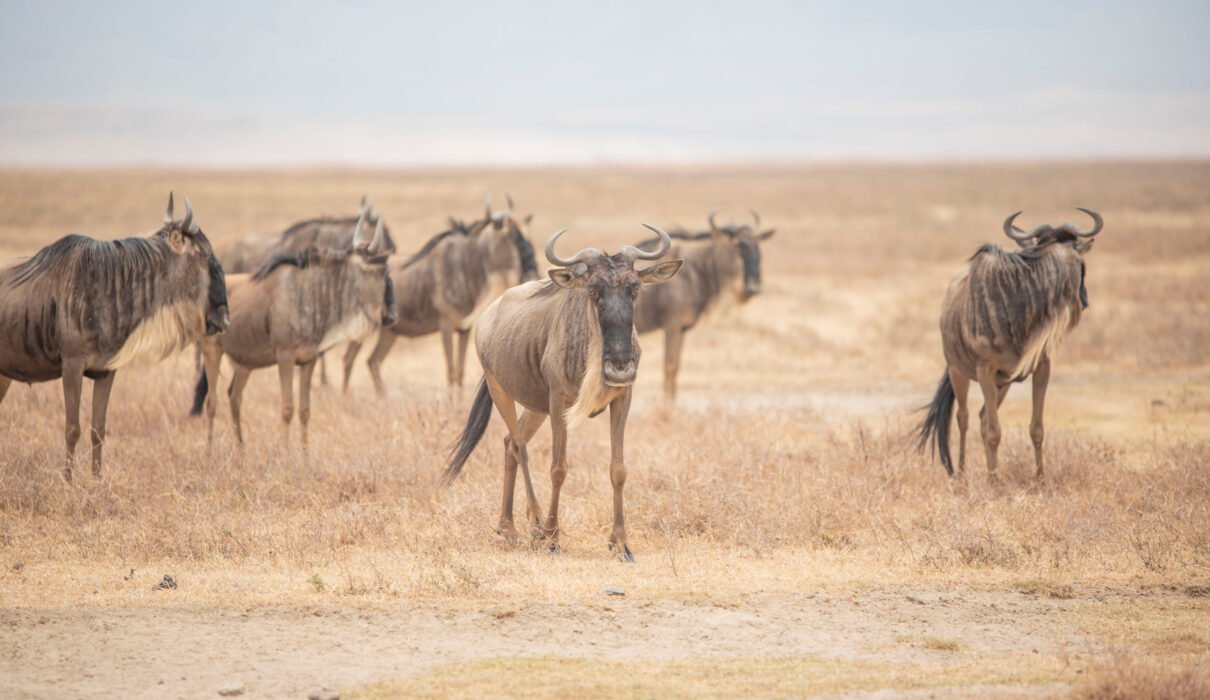
How to Experience the Great Migration in Tanzania 2026, 2027 & 2028 is one of the most important questions travelers ask when planning an African safari because the Great Migration is not just another wildlife event, but one of the most extraordinary natural spectacles on earth. Every year, more than a million wildebeests, accompanied by zebras and gazelles, move across the Serengeti ecosystem searching for fresh grazing and water. The movement creates dramatic river crossings, intense predator encounters, endless wildlife action, and emotional safari moments that feel impossible to fully capture in photographs alone. Tanzania remains the heart of this migration because a large portion of the cycle happens inside Serengeti National Park, making it one of the most rewarding safari destinations for travelers seeking authentic wildlife experiences.
The beauty of understanding How to Experience the Great Migration in Tanzania lies in realizing that the migration changes throughout the year. This is not a fixed event happening in one location every month, but a continuous circular movement driven by rainfall and grazing patterns. Because of this, timing becomes extremely important when planning a safari. Some travelers want to witness dramatic river crossings filled with crocodiles and chaotic movement, while others prefer calving season when thousands of newborn wildebeests arrive on the plains within a short period. Each stage of the migration offers a completely different experience, and knowing where to go at the right time can transform an ordinary safari into something unforgettable.
Travelers researching Serengeti migration safari tours often discover that proper planning is essential because the migration moves constantly. Choosing the wrong area during the wrong season may reduce wildlife encounters significantly, while selecting the correct location at the perfect time can create nonstop safari action from sunrise to sunset. According to National Geographic, the Serengeti migration remains one of the world’s greatest wildlife phenomena due to the sheer scale of animal movement and predator interaction that occurs throughout the ecosystem.
Another reason travelers search for How to Experience the Great Migration in Tanzania is because the migration offers more than wildlife viewing alone. The landscapes themselves constantly change throughout the year, from green southern plains during calving season to dry northern river systems during crossing periods. The atmosphere inside Serengeti shifts with the seasons, creating different moods, colors, and safari experiences depending on when you travel. Conservation organizations such as WWF and IUCN continue emphasizing the global ecological importance of the Serengeti ecosystem because the migration supports one of the last large-scale natural animal movements remaining on earth.
For travelers planning safaris during 2026, 2027, and 2028, understanding migration timing early helps secure better accommodation options and access to prime wildlife areas before demand increases. The best migration camps and lodges often book far in advance because migration safaris have become increasingly popular among photographers, honeymooners, wildlife enthusiasts, and luxury travelers looking for deeper safari experiences. Additional East African travel planning ideas can also be explored through tailor-made Tanzania safaris, where migration experiences are combined with Ngorongoro, Tarangire, Zanzibar, or Kilimanjaro adventures.
Understanding How to Experience the Great Migration in Tanzania
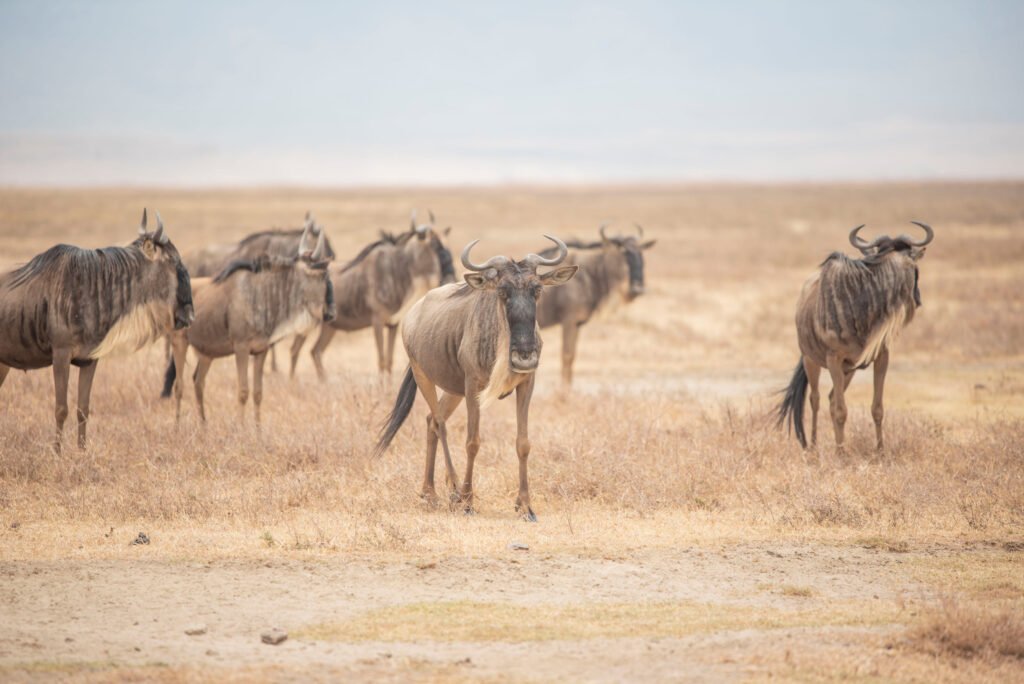
To fully understand How to Experience the Great Migration in Tanzania, it is important to know that the migration follows seasonal rainfall patterns rather than fixed dates. Wildebeests move continuously across Serengeti and Maasai Mara ecosystems in search of fresh grazing and water sources. This movement creates a massive circular journey that changes throughout the year, meaning safari travelers must carefully choose their travel months based on the specific migration experiences they want to witness.
The migration generally begins with calving season in southern Serengeti around January to March, where hundreds of thousands of wildebeests gather on nutrient-rich plains. During this time, newborn calves arrive in extraordinary numbers, attracting predators such as lions, cheetahs, and hyenas. Research from Britannica highlights that predator activity increases dramatically during calving season because vulnerable young animals create ideal hunting opportunities.
As the rains change, the herds begin moving westward and northward through central Serengeti before eventually reaching northern Serengeti and crossing into Kenya’s Maasai Mara between July and October. River crossings during this stage are among the most dramatic wildlife scenes in Africa because thousands of wildebeests leap into crocodile-filled rivers while predators wait nearby. According to Smithsonian Magazine, these crossings represent some of the most visually powerful wildlife moments found anywhere in the natural world.
Travelers researching How to Experience the Great Migration in Tanzania should understand that there is no single “best” migration month for everyone because each season offers unique experiences. Some visitors prefer quieter green-season safaris with newborn animals, while others prioritize dramatic crossings and predator action. The key is matching your travel goals with the correct migration stage instead of following generalized safari advice.
Best Time to Experience the Great Migration in Tanzania
January to March – Calving Season
The southern Serengeti becomes the center of migration activity during this period. Large herds gather around Ndutu and surrounding plains where thousands of calves are born within a short timeframe. The landscapes are green, photography conditions are excellent, and predator activity remains extremely high because lions, cheetahs, and hyenas target vulnerable young animals.
Travelers who want dramatic wildlife interaction combined with fewer crowds often choose this season. Conservation insights from African Wildlife Foundation continue emphasizing how calving season plays a critical role in maintaining predator-prey balance throughout the Serengeti ecosystem.
April to June – Central and Western Serengeti
As rainfall patterns shift, the herds begin moving toward central and western Serengeti. Although April can include seasonal rains, this period offers beautiful green landscapes and fewer tourist vehicles compared to peak migration months. By May and June, large herds dominate central Serengeti while beginning their movement toward western river systems.
Travelers searching for quieter safari experiences often appreciate this stage because wildlife remains abundant while visitor numbers are lower. Information from UNEP highlights how seasonal rainfall strongly influences migration timing across East African ecosystems.
July to October – River Crossing Season
This period is considered the most famous stage of the migration because the herds reach northern Serengeti and attempt dangerous crossings of the Mara River. Thousands of wildebeests gather near riverbanks before suddenly rushing into the water while crocodiles wait below. The unpredictability of crossings creates enormous excitement because no two events are ever the same.
Travelers planning How to Experience the Great Migration in Tanzania during this season should book accommodation early because demand becomes extremely high. According to Travel + Leisure, northern Serengeti camps during crossing season represent some of the most sought-after safari experiences in Africa.
November to December – Return to Southern Serengeti
As short rains begin, the migration gradually moves back toward southern Serengeti. This transitional period creates beautiful safari conditions with dramatic skies, fresh grasslands, and strong wildlife activity. Many experienced safari travelers enjoy this season because landscapes become greener and safari crowds reduce significantly.
Best Safari Destinations for the Great Migration in Tanzania
Southern Serengeti and Ndutu
Southern Serengeti becomes essential during calving season because the open plains provide ideal grazing conditions for pregnant wildebeests. Ndutu offers excellent off-road game viewing opportunities and high predator density, making it one of the best wildlife photography regions in Tanzania.
Central Serengeti
Central Serengeti provides strong year-round wildlife viewing because many resident animals remain in the region even when migration herds move elsewhere. The area acts as a major transit corridor during migration movement toward western and northern Serengeti.
Northern Serengeti
Northern Serengeti becomes the focus during river crossing season. The Mara River creates dramatic migration scenes while fewer safari vehicles compared to Maasai Mara often create more exclusive wildlife experiences. Additional migration route information can also be explored through Kilimanjaro Climb Specialist for travelers combining wildlife and trekking adventures.
Travel Tips for How to Experience the Great Migration in Tanzania
One of the most important aspects of planning How to Experience the Great Migration in Tanzania is choosing the right safari duration. Short safaris increase the risk of missing migration movement because wildlife locations can change quickly. Longer safaris allow flexibility and increase chances of witnessing key wildlife events.
Travelers should also prioritize experienced safari guides because migration tracking requires deep understanding of animal movement patterns and local conditions. Guides often communicate with each other throughout the ecosystem to identify active wildlife areas and river crossing activity.
Another important tip involves selecting accommodation strategically. Mobile migration camps often follow herd movement and provide closer access to wildlife activity compared to permanent lodges located far from migration routes. According to Lonely Planet, staying near active migration zones dramatically improves overall safari experiences.
Photography preparation also matters. Dust protection, extra batteries, zoom lenses, and fast memory cards become essential during migration safaris because wildlife activity can become intense and unpredictable very quickly.
Why the Great Migration Is One of Africa’s Greatest Safari Experiences
The reason travelers continue searching for How to Experience the Great Migration in Tanzania is because the migration creates emotional wildlife experiences unlike anything else in Africa. Watching thousands of animals move together across endless plains creates a sense of scale and natural power that feels impossible to fully understand until experienced in person.
The migration also demonstrates the fragile balance of ecosystems where rainfall, predators, grazing patterns, and river systems all influence survival. Organizations like Conservation International and The Nature Conservancy continue emphasizing the importance of preserving these landscapes because the Serengeti migration depends entirely on uninterrupted ecosystem connectivity.
Beyond the wildlife itself, migration safaris create powerful travel memories through sunrise game drives, evenings around campfires, distant lion roars, and endless African landscapes that feel untouched by modern life. Many travelers leave Tanzania feeling emotionally connected not only to the animals but also to the rhythm of nature itself.
FAQ’S – How to Experience the Great Migration in Tanzania
- What month is best for river crossings? July to October usually provides the best opportunities for Mara River crossings.
- Can the migration be seen year-round? Yes, but different parts of the migration happen in different regions throughout the year.
- How many days are recommended? A safari of at least 5–8 days is recommended for stronger migration viewing opportunities.
- Is migration safari suitable for families? Yes, especially private safaris designed around family comfort and travel pace.
- Can migration safaris be combined with Zanzibar? Yes, many travelers combine Serengeti migration experiences with Zanzibar beach holidays through combined Tanzania safari packages.
Conclusion – How to Experience the Great Migration in Tanzania
How to Experience the Great Migration in Tanzania ultimately depends on understanding the movement of the herds, choosing the right travel season, and selecting safari experiences that match your wildlife interests and travel style. Whether you dream of witnessing dramatic Mara River crossings, seeing thousands of newborn wildebeests during calving season, or simply experiencing the endless beauty of Serengeti landscapes, Tanzania offers some of the most unforgettable wildlife encounters on earth.
Travelers planning migration safaris for 2026, 2027, and 2028 should begin organizing early because the best migration lodges and camps book quickly during peak seasons. You can explore additional safari planning ideas through expert Tanzania safari specialists while researching seasonal wildlife movement through Google. The Great Migration remains one of Africa’s most extraordinary natural experiences, and with proper timing and planning, it becomes a journey that stays with you long after the safari ends.