
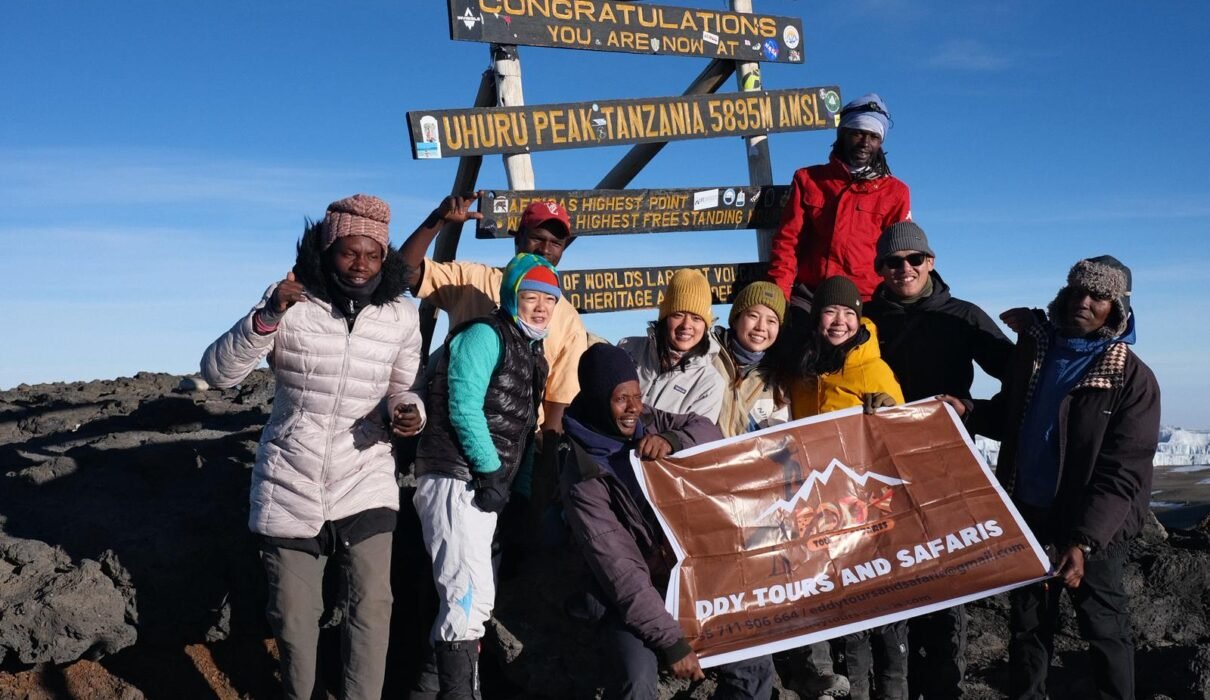
Best Time to Climb Kilimanjaro and Visit Serengeti is one of the most important questions for travelers planning a once-in-a-lifetime Tanzania adventure. The good news is that Tanzania can be visited throughout the year, but the best months depend on whether your main goal is climbing Mount Kilimanjaro, seeing the Great Migration in Serengeti, enjoying clear safari weather, avoiding crowds, or combining both experiences in one itinerary.
For most travelers, the best time to climb Kilimanjaro and visit Serengeti is during the dry seasons from January to early March and from June to October. These months usually offer better trekking conditions on Kilimanjaro, excellent wildlife viewing in Serengeti, clearer skies, and easier travel logistics. Kilimanjaro is generally best climbed in the drier months of January, February, July, August, September, and October, while Serengeti offers outstanding safaris year-round, including calving season from January to March and river crossings from July to October.
Table of Contents
- Quick Answer
- Best Months to Climb Kilimanjaro and Visit Serengeti
- Month-by-Month Travel Guide
- Best Time to Climb Mount Kilimanjaro
- Best Time to Visit Serengeti
- Best Combined Kilimanjaro and Serengeti Itinerary
- Weather and Travel Seasons
- Expected Prices for 2026, 2027 and 2028
- Packing Tips
- FAQs
- Plan Your Tanzania Adventure
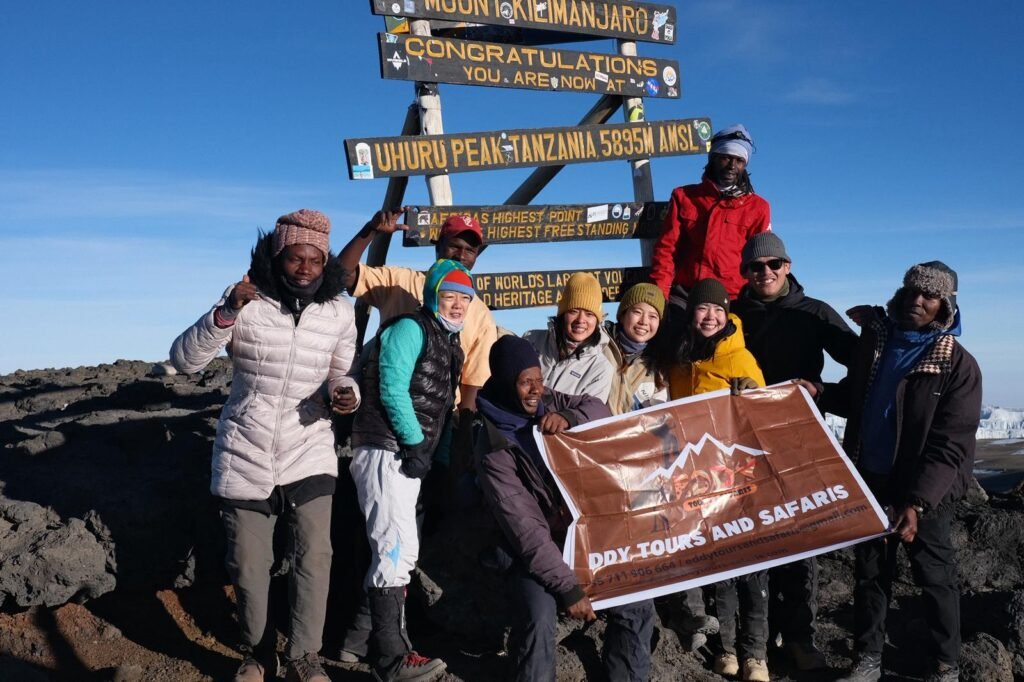
Quick Answer: Best Time to Climb Kilimanjaro and Visit Serengeti
The best overall months to combine a Kilimanjaro climb with a Serengeti safari are:
- January to February: Great for Kilimanjaro trekking, Serengeti calving season, predator action, and photography.
- June to October: Best for dry weather, Kilimanjaro climbs, Serengeti wildlife viewing, and Great Migration river crossing season.
- September to October: Excellent balance of good mountain weather, fewer crowds than July and August, and strong Serengeti safari conditions.
If your dream is to see the Great Migration river crossings, choose July to October. If you want to see newborn wildebeest calves and predator action in the Southern Serengeti and Ndutu area, choose January to March.
Best Months to Climb Kilimanjaro and Visit Serengeti in 2026, 2027 & 2028
| Month | Kilimanjaro Climb | Serengeti Safari | Best For |
|---|---|---|---|
| January | Excellent | Excellent | Warm trekking weather, calving season, photography |
| February | Excellent | Excellent | Calving season, predators, clear mountain views |
| March | Good early month | Good | Fewer crowds, migration in southern/central areas |
| April | Not ideal | Fair | Low-season prices, green landscapes |
| May | Not ideal | Fair to good | Budget travel, fewer tourists |
| June | Very good | Very good | Start of dry season, great safari visibility |
| July | Excellent | Excellent | Peak trekking season, migration movement, river crossings |
| August | Excellent | Excellent | Dry weather, river crossings, Big Five safaris |
| September | Excellent | Excellent | Best overall month for combined trips |
| October | Excellent | Excellent | Great weather, fewer crowds, strong safari conditions |
| November | Fair | Good | Short rains, fewer tourists, green landscapes |
| December | Good | Very good | Holiday travel, returning migration, festive safaris |
Month-by-Month Guide: Kilimanjaro and Serengeti
January
January is one of the best months to climb Kilimanjaro and visit Serengeti. The mountain weather is generally drier and warmer, making it a great time for trekking. In Serengeti, the herds are often in the southern plains and Ndutu region, where the calving season begins.
February
February is excellent for both Kilimanjaro and Serengeti. It is one of the warmest and clearest months on Kilimanjaro, while Serengeti offers dramatic calving season experiences. Thousands of wildebeest calves are born, attracting lions, cheetahs, hyenas, and other predators.
March
Early March can still be a good time for climbing Kilimanjaro and visiting Serengeti. However, late March may bring more rain as Tanzania approaches the long rainy season. Serengeti remains rewarding, especially in the southern and central regions.
April
April is usually one of the wettest months in Tanzania. Kilimanjaro trails can be muddy, slippery, and more challenging. Serengeti is beautifully green, but some roads may be affected by rain. This month is best for budget travelers who do not mind wet conditions.
May
May is still part of the long rainy season, although conditions often begin improving toward the end of the month. It is not the most recommended month for Kilimanjaro, but Serengeti can be peaceful, green, and less crowded.
June
June marks the beginning of the dry season and is a very good month for both Kilimanjaro and Serengeti. Mountain trails become drier, and safari conditions improve as wildlife becomes easier to spot. It is also a good month before peak-season crowds become heavier.
July
July is one of the best months to climb Kilimanjaro and visit Serengeti. Kilimanjaro conditions are usually dry and clear, while Serengeti begins offering excellent Great Migration viewing in the northern and western regions. This is also the beginning of the famous river crossing season.
August
August is a peak month for Tanzania adventures. Kilimanjaro trekking conditions are excellent, and Serengeti safaris are outstanding. The Northern Serengeti and Mara River region are especially popular for travelers hoping to witness dramatic wildebeest crossings.
September
September is arguably one of the best overall months for a combined Kilimanjaro and Serengeti trip. The weather is generally dry, the mountain views are excellent, and Serengeti wildlife viewing remains exceptional. It is ideal for travelers who want strong conditions for both trekking and safari.
October
October is another excellent month to climb Kilimanjaro and visit Serengeti. The weather remains mostly dry, and safari conditions are still very good. It can be slightly less busy than July and August, making it a great option for travelers who want excellent conditions with fewer crowds.
November
November brings the short rains. Kilimanjaro climbs are still possible, but conditions may be wetter and cloudier. Serengeti starts turning green again, and wildlife viewing remains good, especially for travelers looking for fewer tourists and lower rates.
December
December is a good month for both Kilimanjaro and Serengeti, especially from mid to late December. It is a popular holiday season, so early booking is recommended. Serengeti offers great game viewing as the migration moves toward the southern plains.
Best Time to Climb Mount Kilimanjaro
The best time to climb Mount Kilimanjaro is during the dry seasons, especially January to early March and June to October. These months usually provide better trail conditions, clearer views, and less rainfall compared to the long rainy season.
Best Kilimanjaro Climbing Months
- January: Warm, clearer skies, excellent trekking conditions.
- February: One of the best months for summit success and visibility.
- June: Start of dry season, fewer crowds than July and August.
- July: Excellent weather but busier trails.
- August: Peak climbing month with strong conditions.
- September: Excellent balance of weather and visibility.
- October: Great weather and slightly fewer crowds.
Months to Avoid for Kilimanjaro
April and May are generally the least recommended months for climbing Kilimanjaro because of the long rainy season. Trails can become wet and muddy, and summit visibility may be reduced. November can also be wet due to the short rains.
Best Time to Visit Serengeti National Park
The best time to visit Serengeti depends on what you want to see. Serengeti is a year-round safari destination, but different months offer different wildlife highlights.
January to March: Calving Season
This is one of the most exciting times to visit Southern Serengeti and Ndutu. The wildebeest give birth to thousands of calves, creating incredible predator activity and photography opportunities.
April to June: Green Season and Migration Movement
The Serengeti is lush and beautiful during this period. The migration begins moving through central and western areas. It is a good time for fewer crowds, lower rates, and dramatic landscapes.
July to October: River Crossing Season
This is the most famous Serengeti safari season. The herds move toward Northern Serengeti and the Mara River, where travelers may witness dramatic river crossings. This is also one of the best times for Big Five safaris.
November to December: Return Migration
The short rains bring fresh grass, and the herds begin moving south again. This period offers good wildlife viewing, fewer tourists, and beautiful green scenery.
Best Combined Kilimanjaro and Serengeti Itinerary
For travelers planning both adventures, the best itinerary is usually 10 to 14 days. This allows enough time for acclimatization on Kilimanjaro and a rewarding safari in Serengeti and Ngorongoro Crater.
Recommended 12-Day Kilimanjaro and Serengeti Itinerary
Day 1: Arrival in Tanzania
Arrive at Kilimanjaro International Airport and transfer to your hotel in Arusha or Moshi. Meet your mountain guide for a briefing and equipment check.
Day 2 to Day 8: Climb Mount Kilimanjaro
Begin your Kilimanjaro climb using a recommended route such as Machame, Lemosho, Rongai, or Marangu. Longer routes such as Lemosho and Machame are popular because they offer better acclimatization opportunities.
Day 9: Rest Day in Arusha
After descending Kilimanjaro, enjoy a rest day in Arusha. This gives your body time to recover before starting your safari.
Day 10: Tarangire or Ngorongoro Crater
Start your safari with Tarangire National Park or Ngorongoro Crater. Tarangire is famous for elephants and baobab trees, while Ngorongoro offers excellent Big Five viewing.
Day 11: Serengeti National Park
Travel to Serengeti National Park for afternoon game drives. Depending on the season, your safari may focus on Central Serengeti, Southern Serengeti, Western Serengeti, or Northern Serengeti.
Day 12: Full-Day Serengeti Safari
Spend a full day exploring Serengeti. Search for lions, elephants, leopards, cheetahs, giraffes, zebras, wildebeest, buffalo, and other wildlife.
Day 13: Serengeti to Ngorongoro
Enjoy a morning game drive before traveling toward Ngorongoro Conservation Area for overnight.
Day 14: Ngorongoro Crater and Departure
Descend into Ngorongoro Crater for a final game drive before returning to Arusha for departure.
Kilimanjaro and Serengeti Weather Guide
Dry Season: June to October
The dry season is one of the best times to visit Tanzania. Kilimanjaro trails are generally drier, skies are clearer, and Serengeti wildlife is easier to see because animals gather around water sources.
Short Dry Season: January to Early March
This is another excellent period for Kilimanjaro climbs and Serengeti safaris. It is especially good for travelers interested in the calving season and warmer mountain conditions.
Long Rainy Season: April to May
This period is less ideal for Kilimanjaro climbs because trails can be wet and visibility may be poor. Serengeti is still beautiful, but some travel conditions may be more challenging.
Short Rainy Season: November to December
The short rains usually bring brief showers rather than full-day rainfall. Serengeti becomes green and scenic, while Kilimanjaro climbs remain possible but less predictable.
Estimated Prices for Kilimanjaro and Serengeti Packages 2026, 2027 & 2028
Prices depend on route, number of days, group size, accommodation level, park fees, season, and safari style. Below is a general guide for planning.
| Package Type | Duration | Estimated Price Per Person |
|---|---|---|
| Kilimanjaro Climb Only | 6 to 8 Days | From US$1,900 to US$3,500+ |
| Serengeti Safari Only | 4 to 7 Days | From US$1,800 to US$5,500+ |
| Kilimanjaro + Serengeti Budget Package | 10 to 12 Days | From US$3,800 to US$5,500+ |
| Kilimanjaro + Serengeti Mid-Range Package | 12 to 14 Days | From US$5,500 to US$8,500+ |
| Kilimanjaro + Serengeti Luxury Package | 12 to 15 Days | From US$8,500 to US$12,000+ |
Note: Prices for 2026, 2027 and 2028 may change depending on park fees, accommodation availability, exchange rates, route selection, and travel season.
Packing Tips for Kilimanjaro and Serengeti
Kilimanjaro Packing Essentials
- Waterproof hiking boots
- Thermal base layers
- Insulated jacket
- Waterproof jacket and trousers
- Warm gloves and hat
- Headlamp
- Sleeping bag rated for cold temperatures
- Trekking poles
- Daypack
- Sunscreen and sunglasses
Serengeti Safari Packing Essentials
- Lightweight neutral-colored clothing
- Binoculars
- Camera and extra batteries
- Sun hat
- Sunscreen
- Comfortable shoes
- Light jacket for early morning game drives
- Insect repellent
- Travel documents and insurance
Frequently Asked Questions About the Best Time to Climb Kilimanjaro and Visit Serengeti
What is the best time to climb Kilimanjaro and visit Serengeti?
The best time to climb Kilimanjaro and visit Serengeti is from January to February and from June to October. These months usually offer the best combination of dry trekking conditions and excellent safari experiences.
Can I climb Kilimanjaro and visit Serengeti in the same trip?
Yes. Many travelers combine Kilimanjaro and Serengeti in one Tanzania itinerary. A 10 to 14-day trip is recommended for a comfortable experience.
Which month is best for Kilimanjaro?
January, February, July, August, September, and October are generally the best months for climbing Kilimanjaro because they are drier and offer better visibility.
Which month is best for Serengeti?
January to March is best for calving season, while July to October is best for Great Migration river crossings and dry-season wildlife viewing.
Is April a good time to climb Kilimanjaro?
April is usually not recommended because it falls within the long rainy season. Trails can be wet and muddy, and visibility may be reduced.
Is Serengeti worth visiting during the rainy season?
Yes. Serengeti can still be rewarding during the rainy season, especially for green landscapes, fewer crowds, birdwatching, and lower rates. However, some roads may be more difficult to access.
How many days do I need for Kilimanjaro and Serengeti?
For a combined trip, 10 to 14 days is recommended. This allows 6 to 8 days for Kilimanjaro and 3 to 5 days for Serengeti and nearby parks.
Should I climb Kilimanjaro before or after safari?
Most travelers climb Kilimanjaro first, then relax and enjoy safari afterward. This is a great way to reward yourself after the physical challenge of the mountain.
Plan Your Kilimanjaro and Serengeti Adventure for 2026, 2027 & 2028
Now that you know the Best Time to Climb Kilimanjaro and Visit Serengeti, you can choose the perfect travel season for your dream Tanzania adventure. Whether you want to summit Africa’s highest mountain, witness the Great Migration, enjoy a Big Five safari, or combine trekking and wildlife in one unforgettable journey, Tanzania offers an experience like nowhere else on Earth.
Contact us today to customize your Kilimanjaro and Serengeti package for 2026, 2027 or 2028.