
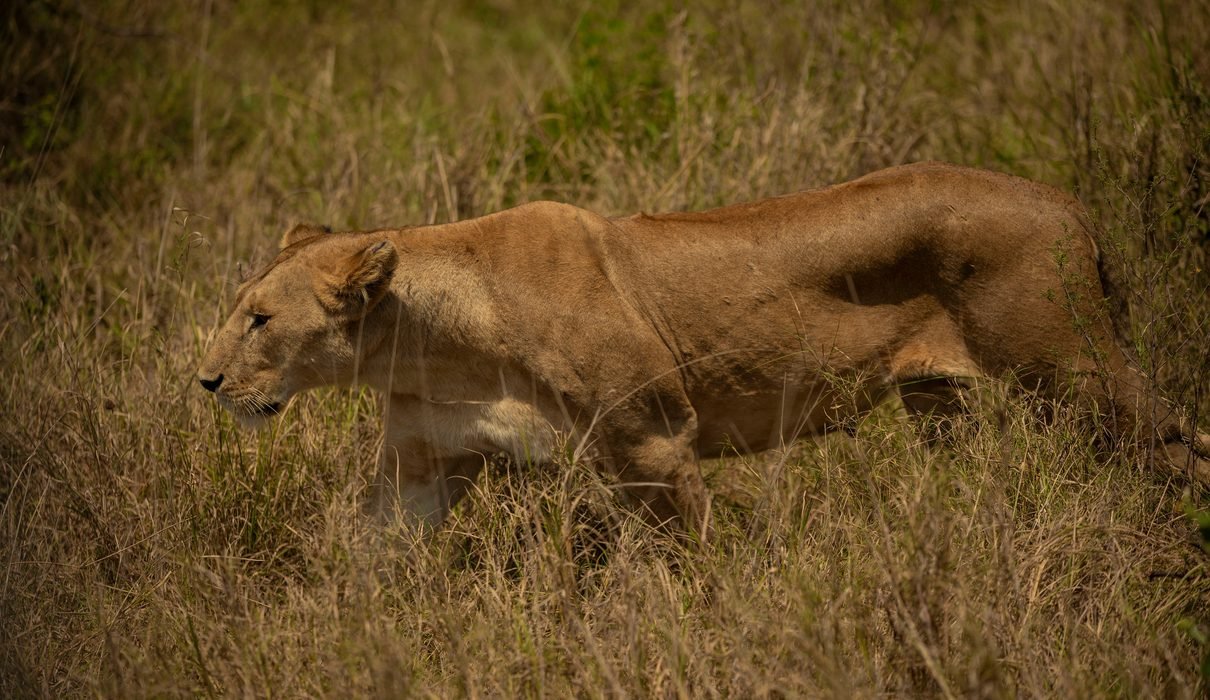
A 7-day Tanzania wildlife safari is an excellent choice for travelers who want to explore some of Africa’s best wildlife destinations in one week. Tanzania is home to famous national parks, large populations of wild animals, beautiful landscapes, and the annual Great Wildebeest Migration. With seven days available, visitors can enjoy game drives in the Serengeti, explore the Ngorongoro Crater, watch elephants in Tarangire, and discover the forests and lakeside scenery of Lake Manyara National Park.
For travelers planning a Tanzania safari in 2027, 2028, or 2029, this itinerary combines four popular wildlife destinations in northern Tanzania. The journey begins in Arusha and takes you through Tarangire National Park, Lake Manyara National Park, Serengeti National Park, and the Ngorongoro Conservation Area. Along the way, you will have opportunities to see lions, elephants, giraffes, zebras, wildebeest, buffaloes, hippos, and many species of birds. Wildlife sightings depend on the season, weather, and animal movements, so no particular encounter can be guaranteed.
At Eddy Tours & Safaris, we arrange private Tanzania wildlife safaris for couples, families, groups of friends, and individual travelers. Our safari packages can be organized with budget camping, comfortable mid-range lodges, or luxury accommodation, depending on your preferences and travel budget. We also help guests choose suitable travel dates, particularly those interested in seeing the Great Wildebeest Migration in the Serengeti.
This guide explains the complete seven-day Tanzania wildlife safari itinerary, estimated prices for 2027, 2028, and 2029, accommodation options, the best time to visit, and what is normally included in a safari package.
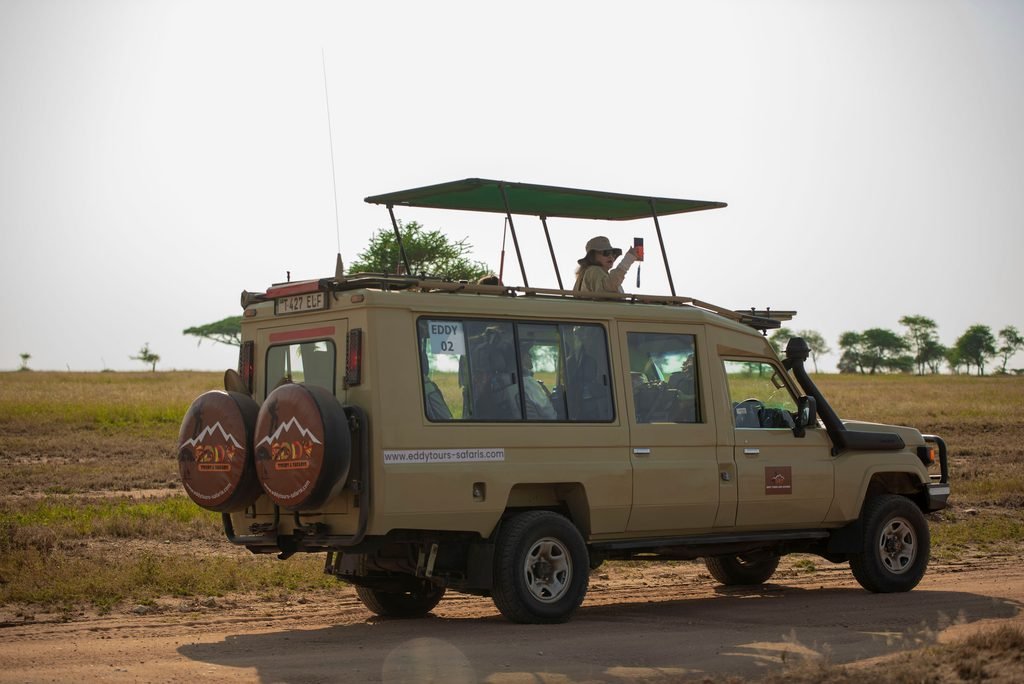
7-Day Tanzania Wildlife Safari Overview
| Safari details | Information |
|---|---|
| Safari name | 7-Day Tanzania Wildlife Safari |
| Destination | Northern Tanzania |
| Travel years | 2027, 2028 and 2029 |
| Duration | 7 days and 6 nights |
| Starting location | Arusha, Tanzania |
| Ending location | Arusha |
| Destinations | Tarangire, Lake Manyara, Serengeti and Ngorongoro Crater |
| Main activities | Wildlife game drives, photography and sightseeing |
| Accommodation | Budget, mid-range or luxury |
| Transport | 4×4 safari vehicle with a professional driver-guide |
| Safari type | Private safari, with group options on request |
| Suitable for | Couples, families, friends and individual travelers |
| Best travel period | Year-round, depending on wildlife interests |
| Price | Based on travel dates, accommodation and group size |
Why Choose a 7-Day Tanzania Wildlife Safari?
Seven days provide a useful balance between wildlife viewing and travel time. Shorter safaris can be enjoyable, but they often require travelers to spend much of their time moving between destinations. With a week available, you can explore different wildlife habitats, spend more time watching animals, and enjoy the journey without trying to visit too many places in a short period.
The Serengeti is usually the main attraction because of its extensive grasslands and resident wildlife. It is one of Tanzania’s most important safari destinations, with opportunities to observe lions, cheetahs, leopards, elephants, giraffes, and large herds of grazing animals. Depending on the month, travelers may also encounter concentrations of migrating wildebeest and zebras.
Tarangire provides a different experience, particularly because of its baobab trees, elephant herds, and seasonal wildlife activity around the Tarangire River. Lake Manyara is known for its forest environment, birdlife, and scenery beneath the Great Rift Valley escarpment. The Ngorongoro Crater adds another highlight, offering wildlife viewing within a large volcanic caldera.
For travelers who prefer more time in the Serengeti, the itinerary can also be adjusted to visit three destinations instead of four. Our team can discuss these options when preparing your safari quotation.
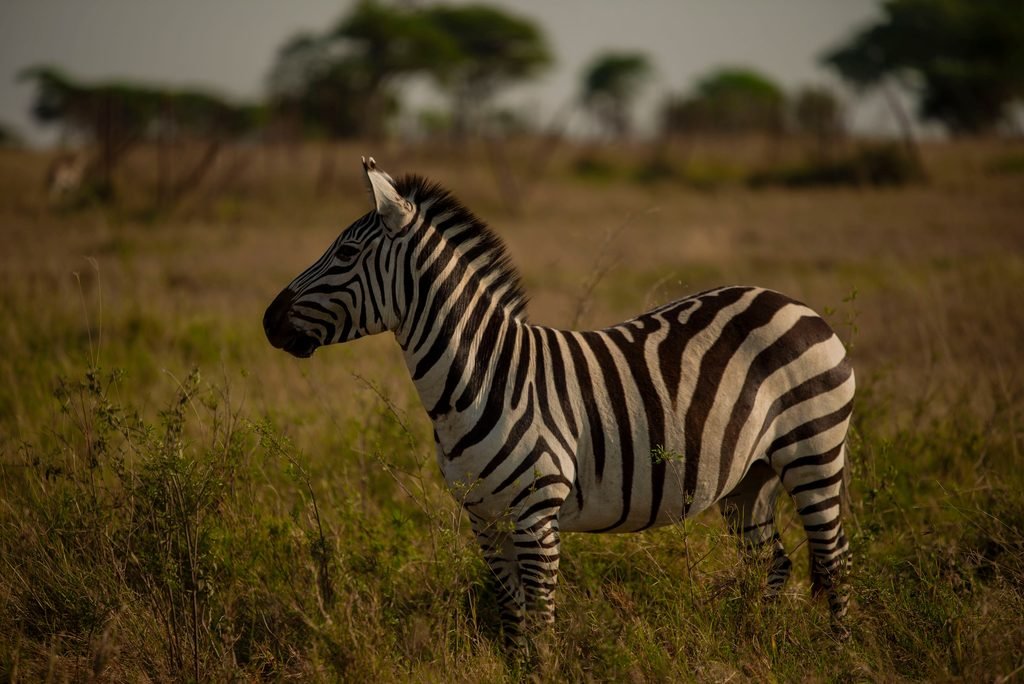
Complete 7-Day Tanzania Wildlife Safari Itinerary
Day 1: Arusha to Tarangire National Park
Destination: Tarangire National Park
Main activity: Afternoon wildlife game drive
Accommodation: Lodge or tented camp in the Tarangire/Karatu area
Your seven-day Tanzania safari begins in Arusha, where you meet your professional safari driver-guide for a short briefing before departing for Tarangire National Park. The journey takes approximately two to three hours, depending on your starting location, traffic, and road conditions. Along the way, you will pass through villages, agricultural areas, and open landscapes that provide an introduction to life in northern Tanzania.
After arriving at Tarangire National Park, you begin your first wildlife game drive. The park is particularly well known for its elephant populations and large baobab trees, which create a distinctive landscape. During the drive, you may see elephants feeding or moving between different areas, while giraffes, zebras, wildebeest, impalas, and other antelopes are also regularly encountered. Lions and leopards live in the park, although sightings depend on animal movements and the time spent searching.
The Tarangire River is an important source of water for wildlife, especially during the dry season when animals gather near permanent water sources. Your guide will explore suitable wildlife-viewing areas while explaining the behavior of the animals and the natural environment. The park is also home to many bird species, making it an interesting destination for travelers who enjoy birdwatching and photography.
Later in the afternoon, you leave the park and travel to your accommodation for dinner and an overnight stay. Depending on your chosen safari package, you may stay at a budget campsite, a comfortable lodge, or a luxury tented property. Your guide will also explain the following day’s travel arrangements.
Meals: Lunch and dinner
Overnight: Tarangire or Karatu area
Day 2: Lake Manyara National Park Wildlife Safari
Destination: Lake Manyara National Park
Main activity: Wildlife game drive and sightseeing
Accommodation: Lodge or tented camp in Karatu
After breakfast, you travel to Lake Manyara National Park, located beneath the Great Rift Valley escarpment. The park is smaller than the Serengeti and Tarangire, but it offers a different landscape, with groundwater forest, open areas, and the alkaline lake that gives the park its name. The journey provides an opportunity to see the changing scenery of northern Tanzania before entering the park for your game drive.
Lake Manyara is home to elephants, buffaloes, giraffes, zebras, baboons, and several antelope species. The forest areas provide shade and shelter for wildlife, while the open sections and lakeside environments attract different animals depending on seasonal conditions. The park is also known for occasional sightings of tree-climbing lions, although these are not guaranteed and should not be the only reason for visiting.
Birdwatching is another important attraction. Depending on water levels and seasonal movements, visitors may observe pelicans, storks, herons, flamingos, and other waterbirds. Your guide will explore the available game-viewing roads, stopping at suitable locations for photography and wildlife observation.
After completing the game drive, you travel to Karatu for dinner and an overnight stay. Karatu is a convenient location for continuing toward the Ngorongoro Conservation Area and Serengeti National Park the following morning.
Meals: Breakfast, lunch and dinner
Overnight: Karatu
Day 3: Karatu to Serengeti National Park via Ngorongoro
Destination: Serengeti National Park
Main activity: Scenic drive and afternoon game viewing
Accommodation: Serengeti lodge or tented camp
After an early breakfast, you depart Karatu and begin the journey toward Serengeti National Park. The route passes through the Ngorongoro Conservation Area, where the scenery changes from green highlands to open plains. Depending on the weather and travel arrangements, there may be an opportunity to stop at a designated viewpoint overlooking the Ngorongoro Crater before continuing toward the Serengeti.
The drive is an important part of the safari because it introduces travelers to the landscapes of the Ngorongoro highlands and the plains beyond. Your guide will explain the geography of the region and the wildlife habitats you pass through. The journey is relatively long, so you should expect several hours of travel before reaching the main wildlife-viewing areas of the Serengeti.
As you enter Serengeti National Park, the landscape opens into extensive grasslands and scattered woodland. The Serengeti is famous for its resident wildlife and the seasonal movement of wildebeest and zebras across the wider ecosystem. Depending on the time of year and the route taken, you may encounter grazing herds, giraffes, elephants, buffaloes, and predators such as lions or cheetahs.
You continue with wildlife viewing as you travel toward your accommodation in the Serengeti. After arrival, you have time to relax and enjoy dinner while your guide discusses the following day’s game drive.
Meals: Breakfast, lunch and dinner
Overnight: Serengeti National Park
Day 4: Full-Day Serengeti National Park Game Drive
Destination: Serengeti National Park
Main activity: Full-day wildlife game drive
Accommodation: Serengeti lodge or tented camp
Today is dedicated to exploring Serengeti National Park. After breakfast, you depart with your guide for a game drive through the park’s grasslands, river valleys, and woodland areas. The Serengeti is one of the most famous wildlife destinations in Africa because of its extensive ecosystem, large populations of grazing animals, and predators that depend on them.
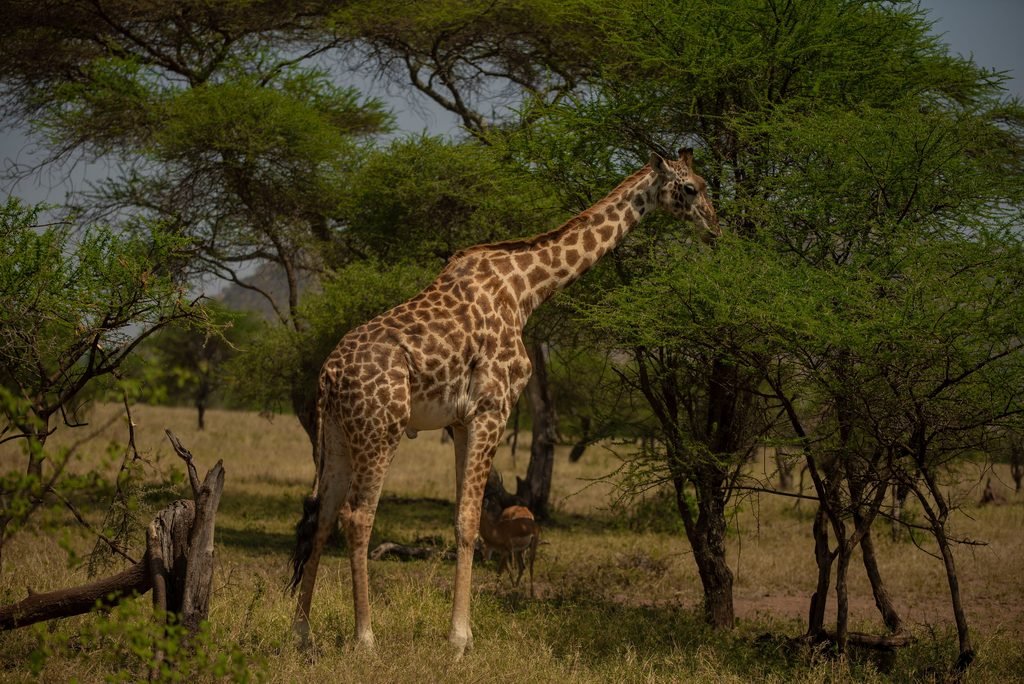
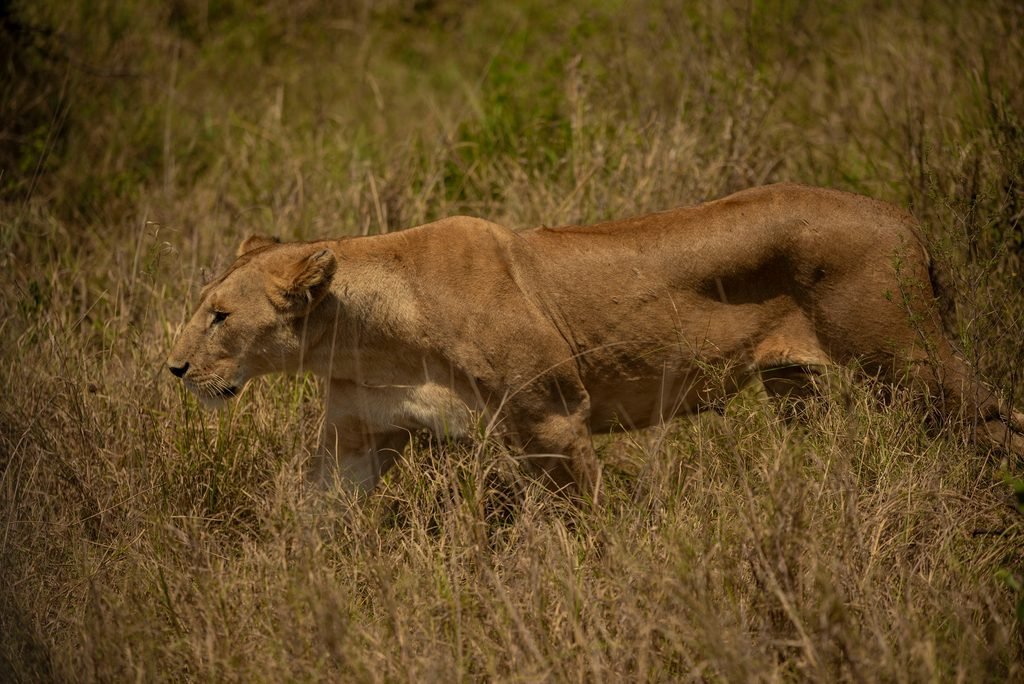
During the day, you may see lions resting in the grass, elephants moving through woodland areas, giraffes feeding on acacia trees, and zebras grazing alongside wildebeest. Cheetahs are often associated with the open plains, while leopards may be found resting in trees or moving through suitable woodland habitats. Your guide will use local knowledge and recent wildlife observations to identify promising areas, but the exact sightings will always depend on the animals’ movements.
For travelers interested in the Great Wildebeest Migration, the location of the herds varies throughout the year. The migration is a continuous movement influenced mainly by rainfall and grazing conditions. During some months, large herds may be found in the southern Serengeti and nearby areas, while at other times they move through the central, western, or northern parts of the ecosystem.
You will have time for photography, wildlife observation, and a picnic lunch at an appropriate location. The pace of the day can be adjusted to your interests, particularly if you enjoy spending longer periods watching animal behavior rather than moving quickly between sightings.
Later in the afternoon, you return to your accommodation for dinner and an overnight stay.
Meals: Breakfast, lunch and dinner
Overnight: Serengeti National Park
Day 5: Serengeti Morning Game Drive and Transfer to Ngorongoro
Destination: Serengeti and Ngorongoro highlands
Main activity: Morning wildlife viewing and transfer
Accommodation: Lodge or tented camp in Karatu or the Ngorongoro area
After breakfast, you enjoy another game drive in Serengeti National Park before beginning the journey toward the Ngorongoro Conservation Area. Morning wildlife viewing can be particularly interesting because temperatures are generally cooler and some animals may be more active than during the middle of the day.
Your guide will explore suitable areas based on wildlife activity and the location of your accommodation. You may encounter grazing herds, elephants, giraffes, buffaloes, and different predators. Because the Serengeti is a large ecosystem, each game drive can offer a different experience, and spending several days in the park provides more opportunities to observe wildlife in different environments.
After the morning game drive, you continue toward the Ngorongoro highlands. The journey passes through open plains and gradually climbs toward higher elevations. As the landscape changes, temperatures may become cooler and the scenery greener, particularly around the crater highlands.
You arrive at your accommodation in the late afternoon or evening, depending on road conditions and the day’s wildlife stops. Dinner and an overnight stay are arranged before the following day’s visit to the Ngorongoro Crater.
Meals: Breakfast, lunch and dinner
Overnight: Karatu or Ngorongoro area
Day 6: Ngorongoro Crater Game Drive
Destination: Ngorongoro Crater
Main activity: Crater game drive
Accommodation: Karatu or nearby lodge
After an early breakfast, you travel to the Ngorongoro Crater for one of the most anticipated wildlife experiences of the safari. The crater is part of the Ngorongoro Conservation Area and is known for its concentration of wildlife within a large volcanic caldera. The descent into the crater takes you from the highland environment to grasslands, woodland, wetlands, and seasonal water sources on the crater floor.
Ngorongoro is home to buffaloes, zebras, wildebeest, elephants, lions, spotted hyenas, and several antelope species. The crater also supports a small population of endangered black rhinoceroses, although sightings are uncommon and depend on the animals’ location. Hippos can be found in suitable pools and wetlands, while the surrounding grasslands attract grazing animals and predators.
Your guide will explore the designated roads while looking for wildlife and explaining the ecological importance of the crater. The relatively open landscape provides opportunities for photography, but sightings still depend on natural animal movements. You will stop for a picnic lunch at a permitted location before continuing the game drive.
After completing the crater visit within the applicable park time limits, you ascend the crater road and return to your accommodation in the Karatu area. The evening is available for rest and dinner before the final day of your Tanzania safari.
Meals: Breakfast, lunch and dinner
Overnight: Karatu
Day 7: Karatu to Arusha – End of Tanzania Safari
Destination: Arusha
Main activity: Return transfer
Accommodation: Not included unless requested
After breakfast at your lodge, you begin the journey back to Arusha. The drive takes you through the highlands around Karatu and the surrounding countryside, offering a final opportunity to enjoy the landscapes of northern Tanzania. Depending on your schedule, your guide may make short stops at appropriate locations along the way.
During the return journey, you can reflect on the different wildlife experiences from the previous six days. From the elephants and baobab trees of Tarangire to the forests of Lake Manyara, the open plains of the Serengeti, and the wildlife-rich Ngorongoro Crater, the safari introduces you to several distinct natural environments within one trip.
Upon arrival in Arusha, your driver-guide transfers you to your hotel or another agreed drop-off location. Airport transfers can also be arranged according to your departure schedule, although travelers flying from Kilimanjaro International Airport should allow sufficient time for the additional journey.
This marks the end of your seven-day Tanzania wildlife safari. Guests who wish to extend their holiday can discuss additional activities, including a Kilimanjaro climbing expedition, a Zanzibar beach holiday, or extra days in the Serengeti.
Meals: Breakfast
End of safari: Arusha
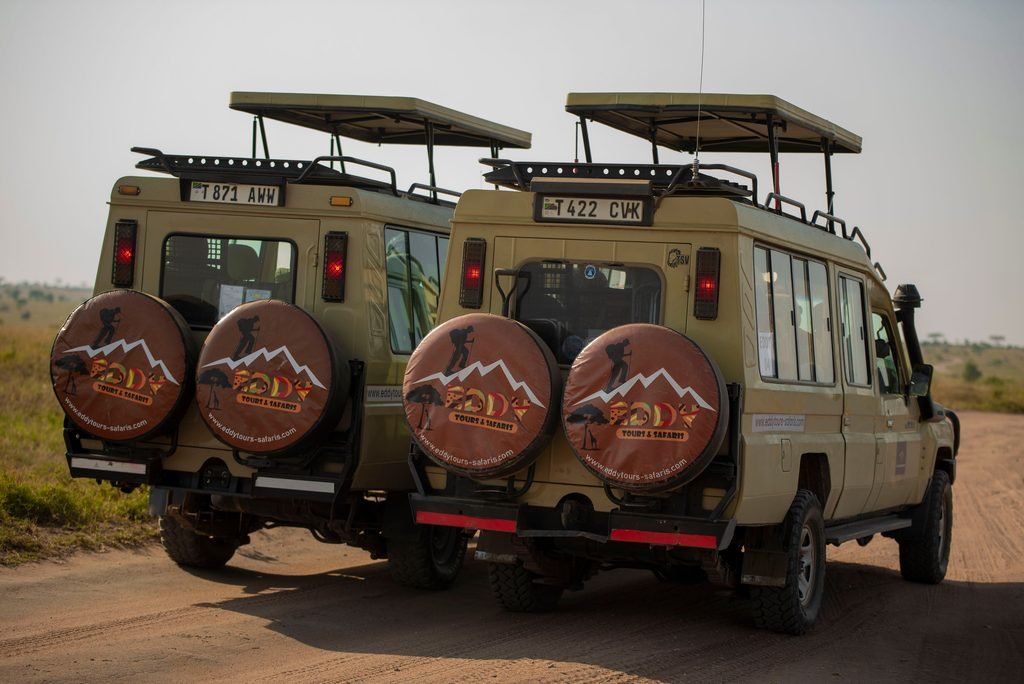
7-Day Tanzania Wildlife Safari Itinerary Summary
| Day | Destination | Main activity | Overnight |
|---|---|---|---|
| Day 1 | Arusha – Tarangire | Afternoon game drive | Tarangire/Karatu |
| Day 2 | Lake Manyara | Wildlife game drive | Karatu |
| Day 3 | Karatu – Serengeti | Scenic transfer and game viewing | Serengeti |
| Day 4 | Serengeti | Full-day game drive | Serengeti |
| Day 5 | Serengeti – Ngorongoro | Morning game drive and transfer | Karatu/Ngorongoro |
| Day 6 | Ngorongoro Crater | Crater game drive | Karatu |
| Day 7 | Karatu – Arusha | Return transfer | End of safari |
7-Day Tanzania Wildlife Safari Prices for 2027, 2028 and 2029
The cost of a seven-day Tanzania safari depends on several factors, including the number of travelers, travel season, accommodation category, vehicle arrangements, and applicable government fees. A private safari for two people usually costs more per person than a safari for four or six travelers because the vehicle and guide expenses are shared among fewer guests.
Budget safaris generally use public campsites or simpler accommodation, while mid-range safaris offer comfortable lodges and permanent tented camps. Luxury safaris include higher-end accommodation, more spacious rooms, and additional services depending on the selected properties.
The following figures are broad planning estimates in US dollars per adult, based on two people sharing. They are not confirmed prices from Eddy Tours & Safaris.
| Safari category | 2027 estimated price | 2028 planning range | 2029 planning range |
|---|---|---|---|
| Budget safari | $1,750–$2,800 | $1,750–$3,100 | $1,750–$3,400 |
| Mid-range safari | $2,500–$4,500 | $2,500–$4,900 | $2,500–$5,300 |
| Luxury safari | $4,500–$8,500+ | $4,500–$9,200+ | $4,500–$10,000+ |
Please note: The 2028 and 2029 figures are illustrative budgeting ranges, not forecasts of confirmed price increases. Actual prices may fall outside these ranges. We recommend requesting a personalized quotation once your travel dates, group size, and accommodation preferences are known.
What Affects the Cost of a Tanzania Safari?
Accommodation is one of the main factors affecting safari prices. A traveler staying in a simple campsite will generally pay less than someone staying in a luxury lodge inside Serengeti National Park. Properties located inside protected areas may also involve additional conservation or concession fees, depending on the applicable arrangements.
Travel season also affects accommodation prices. July to October and the Christmas and New Year holiday period can be particularly popular, while some properties offer lower rates during quieter months. The number of travelers sharing a vehicle is another important consideration because transport and guide expenses are spread across the group.
Government park fees, vehicle expenses, fuel, meals, and the number of nights spent inside national parks also influence the final quotation. For this reason, travelers should compare the services included in each package rather than choosing solely based on the lowest advertised price.
For additional information about planning your safari budget, visit our Eddy Tours & Safaris website or contact our team for a quotation.
Budget, Mid-Range and Luxury Tanzania Safaris
Budget Tanzania Wildlife Safari
A budget safari is suitable for travelers who want to experience Tanzania’s wildlife while keeping accommodation expenses relatively low. These packages commonly use public campsites, simple lodges, or basic tented accommodation. Guests still enjoy game drives in the national parks, and the wildlife-viewing experience takes place in the same natural environments visited by travelers staying in more expensive accommodation.
Budget safaris are particularly popular with friends, students, backpackers, and travelers who prefer spending more of their budget on wildlife activities rather than accommodation. However, the level of comfort varies between properties, so it is important to confirm whether the package includes camping equipment, private bathrooms, meals, and other essential services.
Mid-Range Tanzania Wildlife Safari
A mid-range safari offers a balance between comfort and cost. Travelers generally stay in established lodges or permanent tented camps with comfortable beds, private bathrooms, and dining facilities. These properties may be located inside national parks or in nearby areas, depending on the itinerary and budget.
Mid-range safaris are popular with couples, families, and small groups who want comfortable accommodation after spending the day on game drives. The safari vehicle, guide, and wildlife activities remain central to the experience, while the accommodation provides additional convenience and privacy.
Luxury Tanzania Wildlife Safari
A luxury safari is designed for travelers who prefer high-quality accommodation, personalized services, and carefully selected properties. Luxury lodges and tented camps may offer spacious rooms, attractive locations, fine dining, and additional facilities depending on the property.
Some luxury packages also include optional activities such as a hot-air balloon safari in the Serengeti or domestic flights between destinations. These arrangements must be confirmed separately because they are not automatically included in every luxury safari quotation.
Best Time for a 7-Day Tanzania Wildlife Safari in 2027–2029
Tanzania offers wildlife viewing throughout the year, but the experience changes with the seasons. From June to October, northern Tanzania generally experiences drier conditions, and wildlife may gather around permanent water sources. This period is particularly attractive for visiting Tarangire National Park, where elephants and other animals often concentrate around the Tarangire River.
From January to March, the southern Serengeti and nearby Ndutu area are important for the wildebeest calving season, although the timing varies with rainfall. Travelers interested in seeing newborn wildebeest and predator activity may find this period appealing. The location of the migration herds is never fixed, so the itinerary should be planned according to seasonal movements rather than a guaranteed calendar.
April and May are generally wetter months, and some roads may become more difficult to travel. However, the landscapes can be green, visitor numbers may be lower, and certain accommodation properties may offer seasonal rates. November and December can also provide good wildlife experiences, depending on rainfall and animal movements.
If seeing the Great Wildebeest Migration is your main priority, we recommend discussing your preferred month with Eddy Tours & Safaris before choosing accommodation in the Serengeti. Our team can help you understand whether the central, southern, western, or northern Serengeti is more suitable for your intended travel period.
What Is Included in the 7-Day Tanzania Wildlife Safari?
A typical private safari quotation may include transport in a 4×4 safari vehicle, an English-speaking driver-guide, accommodation for six nights, meals as specified in the itinerary, applicable national park entry fees, scheduled game drives, and drinking water during the safari.
Depending on the agreed package, airport transfers, Ngorongoro Crater vehicle service fees, and government taxes may also be included. Travelers should request a written list of services before making a payment because package arrangements differ between budget, mid-range, and luxury safaris.
Services Commonly Excluded
International flights, Tanzania visa fees, travel insurance, tips for the safari guide and lodge staff, alcoholic drinks, personal shopping, and optional activities are commonly excluded unless specifically stated in the quotation. A Serengeti hot-air balloon safari, cultural visits, additional hotel nights, and domestic flights may also involve separate charges.
At Eddy Tours & Safaris, we recommend confirming all inclusions and exclusions before booking so that you understand the full cost of your holiday.
Wildlife You May See During Your Tanzania Safari
A seven-day safari through northern Tanzania offers opportunities to see a wide range of wildlife. The Serengeti is particularly well known for lions, cheetahs, leopards, elephants, buffaloes, giraffes, zebras, and wildebeest. Tarangire is an excellent destination for elephants and other grazing animals, while Lake Manyara provides forest wildlife and birdwatching opportunities.
Ngorongoro Crater is another important wildlife destination because it supports a variety of animals within a relatively concentrated area. Lions, buffaloes, zebras, wildebeest, hippos, and spotted hyenas are among the animals visitors may encounter. Black rhinoceroses also occur in the crater, although they are not always easy to find.
Wildlife sightings cannot be guaranteed because animals move freely within their habitats. Your guide will use experience and current observations to identify suitable game-viewing areas while respecting park regulations and the natural behavior of the animals.
Why Book Your Tanzania Safari with Eddy Tours & Safaris?
Eddy Tours & Safaris is a local tour company based in Arusha, Tanzania, arranging wildlife safaris, Kilimanjaro climbing expeditions, and private holidays. We work with travelers who want to explore Tanzania through guided experiences planned around their interests, available time, and accommodation preferences.
Our team can help you compare different safari itineraries, choose suitable accommodation, and understand the expected travel times between destinations. Whether you prefer a budget camping safari, a comfortable mid-range holiday, or a luxury wildlife experience, we can prepare a quotation based on your travel requirements.
For travelers planning to visit Tanzania in 2027, 2028, or 2029, we recommend sharing your preferred travel month, number of guests, and accommodation category when making an enquiry. This allows us to prepare a more accurate itinerary and quotation.
You can reach our team through the Eddy Tours & Safaris contact page or speak with us directly on WhatsApp.
Frequently Asked Questions About the 7-Day Tanzania Wildlife Safari
1. Is seven days enough for a Tanzania wildlife safari?
Yes. Seven days provide enough time to visit several major wildlife destinations in northern Tanzania, although the itinerary involves some long driving days.
2. How much does a seven-day Tanzania safari cost?
A seven-day safari may cost approximately $1,750 to more than $8,500 per person, depending on accommodation, travel season, group size, and the services included.
3. Which national parks are included in this safari?
The itinerary includes Tarangire National Park, Lake Manyara National Park, Serengeti National Park, and Ngorongoro Crater.
4. Is the Serengeti included in the seven-day safari?
Yes. This itinerary includes two nights in Serengeti National Park and several opportunities for wildlife viewing.
5. Can I see the Great Wildebeest Migration?
You may encounter migrating wildebeest depending on the season and location of the herds. Sightings cannot be guaranteed.
6. What is the best month for a Tanzania safari?
June to October is generally popular for dry-season wildlife viewing, while January to March can be attractive for the southern Serengeti calving season.
7. Can I visit Tanzania during the rainy season?
Yes. Tanzania offers wildlife viewing throughout the year, although some roads and activities may be affected by heavy rain.
8. Is the safari suitable for families with children?
Yes. The itinerary can be adapted for families, although long driving days should be considered when traveling with younger children.
9. Can I book a private Tanzania safari?
Yes. Private safaris can be arranged according to your travel dates, group size, and accommodation preferences.
10. Are budget safaris available?
Yes. Budget camping and simple lodge options may be available depending on your travel dates and chosen itinerary.
11. What is the difference between budget and luxury safaris?
The main differences generally involve accommodation quality, additional services, and the level of comfort provided.
12. Are park entrance fees included?
They are commonly included in full-service safari packages, but you should confirm this in your written quotation.
13. Are meals included during the safari?
Most organized safari packages include meals according to the itinerary. The exact arrangements should be confirmed before booking.
14. Will I have a professional safari guide?
A professionally organized safari normally includes a driver-guide familiar with the parks and local wildlife.
15. What type of vehicle is used?
Private northern Tanzania safaris commonly use 4×4 safari vehicles suitable for wildlife viewing and park roads.
16. Can I see the Big Five during this safari?
You may have opportunities to see lions, elephants, buffaloes, leopards, and black rhinoceroses, but seeing all five cannot be guaranteed.
17. Can I see lions in Serengeti National Park?
Yes. Lions live in the Serengeti, although sightings depend on their movements and the areas visited.
18. Are there elephants in Tarangire National Park?
Yes. Tarangire is particularly well known for its elephant populations.
19. Can I see black rhinoceroses in Ngorongoro Crater?
Black rhinoceroses live in the crater, but sightings are uncommon and cannot be guaranteed.
20. Can I add a Serengeti hot-air balloon safari?
Yes. A balloon safari may be arranged as an optional activity, subject to availability and additional cost.
21. Can I combine the safari with Zanzibar?
Yes. A Zanzibar beach holiday can be arranged after your wildlife safari.
22. Can I combine the safari with Kilimanjaro climbing?
Yes. You can organize a Kilimanjaro climbing expedition before or after your wildlife safari.
23. Do I need travel insurance?
Travel insurance covering medical expenses, cancellations, and other relevant travel risks is strongly recommended.
24. Can I book this safari for 2027, 2028, or 2029?
You can request arrangements for any of these years, subject to accommodation availability and confirmation of applicable prices.
25. How do I book a seven-day Tanzania safari?
Contact Eddy Tours & Safaris with your preferred dates, number of travelers, and accommodation category to request a personalized quotation.
Book Your 7-Day Tanzania Wildlife Safari for 2027, 2028 or 2029
A seven-day Tanzania wildlife safari offers an opportunity to explore some of the country’s best-known national parks within one holiday. From the elephant herds of Tarangire and the forest scenery of Lake Manyara to the wildlife-rich plains of the Serengeti and the Ngorongoro Crater, the itinerary introduces travelers to several different landscapes and animal habitats.
Whether you are planning a family holiday, a private safari for two, or a trip with friends, the itinerary can be adjusted according to your interests and budget. Accommodation choices range from simple camping arrangements to comfortable lodges and luxury tented camps, while the exact route can be adapted to provide more time in the Serengeti or focus on seasonal wildlife movements.
Eddy Tours & Safaris welcomes enquiries for Tanzania wildlife safaris in 2027, 2028, and 2029. Contact our team to discuss your preferred travel dates, accommodation category, and group size.
Contact: Eddy Tours & Safaris
WhatsApp: +255 711 906 664
Email: sales@eddytours-safaris.com
We will help you plan a Tanzania safari that suits your travel interests and provide a quotation based on the arrangements you choose.