
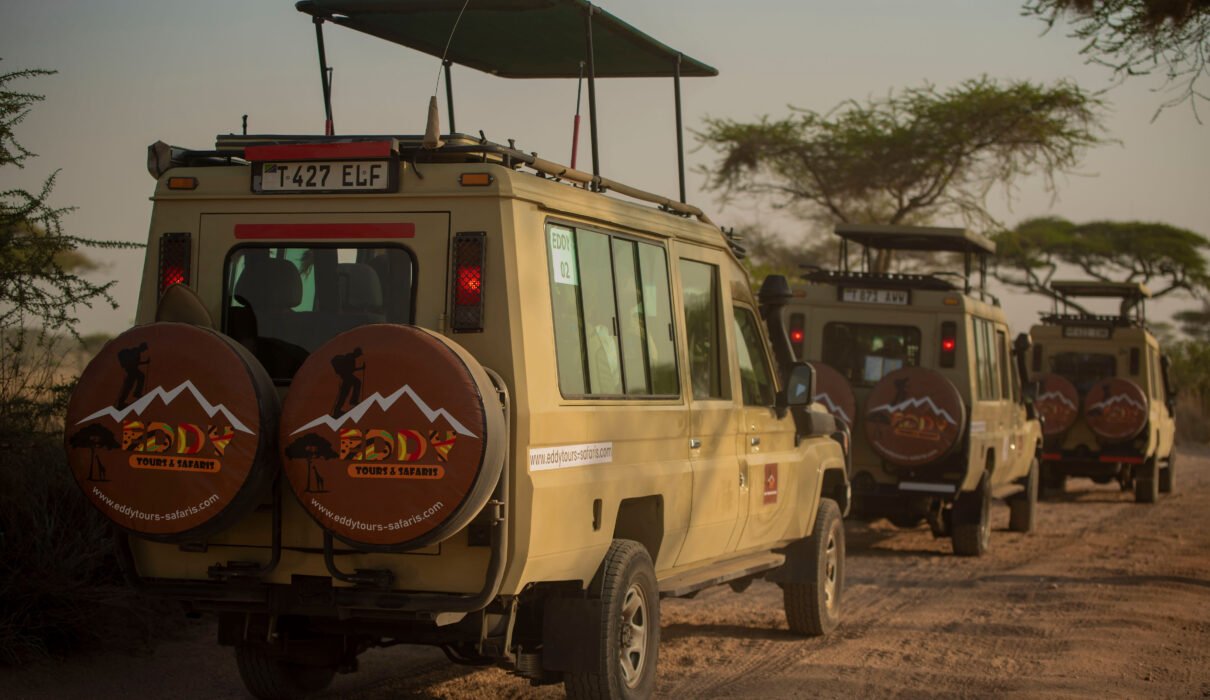
Why the Serengeti Migration Should Be on Every Traveler’s Bucket List 2026, 2027 & 2028 is more than a safari topic; it is a powerful reason why Tanzania remains one of the most unforgettable wildlife destinations in Africa.
The Serengeti Migration is one of the greatest natural events on earth. Every year, huge herds of wildebeest, zebras, and gazelles move across the Serengeti ecosystem in search of fresh grass and water. For travelers visiting Tanzania in 2026, 2027, or 2028, this journey offers dramatic river crossings, powerful predator action, endless golden plains, and emotional wildlife moments that cannot be experienced in the same way anywhere else.
Many people dream of visiting Africa, but not every safari gives the same feeling. The Serengeti is different because it feels alive from the moment you enter the park. You may see lions resting near a rocky kopje, elephants crossing the plains, cheetahs watching from the grass, and thousands of wildebeest moving together like a living river. This is exactly Why the Serengeti Migration Should Be on Every Traveler’s Bucket List.
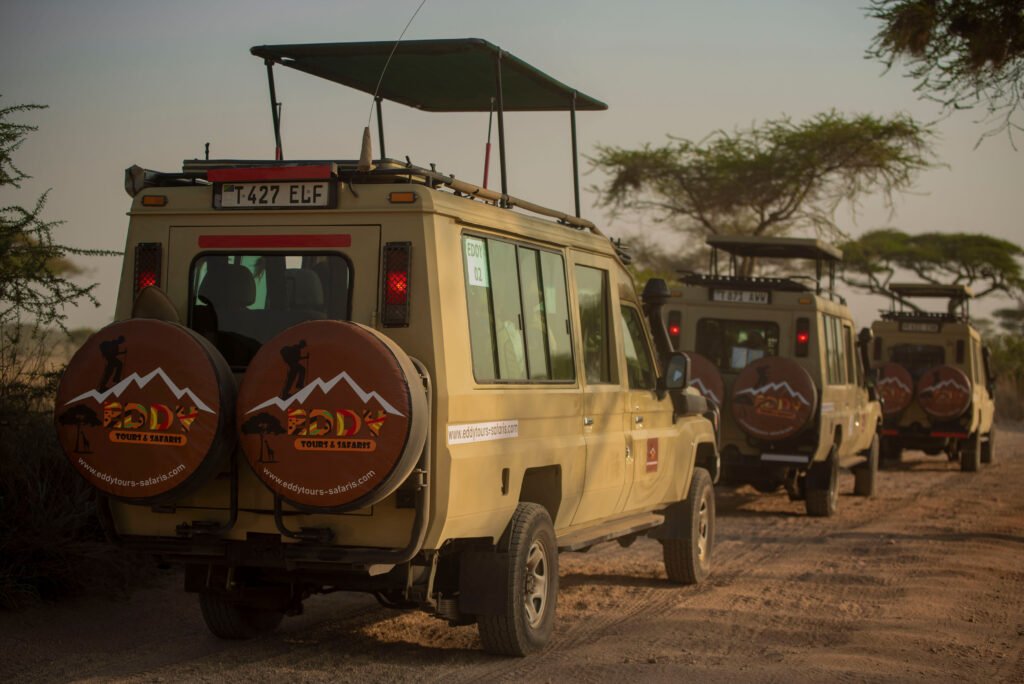
The Serengeti Migration Is One of Nature’s Greatest Shows
The Serengeti Migration is not a staged attraction. It is a wild, natural movement shaped by rain, survival, instinct, and the search for fresh grazing. The herds move through different areas of Serengeti during the year, creating different safari experiences in different months. This means travelers can plan a migration safari based on the season they want to witness.
From January to March, the southern Serengeti and Ndutu area are famous for calving season. This is when thousands of wildebeest calves are born, attracting lions, cheetahs, hyenas, and other predators. From June to October, the migration moves toward the western and northern Serengeti, where travelers may witness dramatic river crossings. These moments are raw, emotional, and unforgettable.
It Offers Real Wildlife Drama
One reason Why the Serengeti Migration Should Be on Every Traveler’s Bucket List is the level of wildlife drama it offers. This is not just about seeing animals from a distance. It is about watching nature unfold in real time. A lion pride may follow the herds. A cheetah may hunt on the open plains. Crocodiles may wait silently in the river as wildebeest gather on the banks.
Every day in Serengeti feels different. Sometimes the most powerful moments happen quietly, such as watching a mother wildebeest protect her calf or seeing the sun rise over the endless plains. Other moments are intense and fast, especially when predators are active. This mix of beauty, tension, and emotion makes the Serengeti Migration one of the most meaningful safari experiences in Africa.
The Landscapes Are Unforgettable
The Serengeti is not only about animals. The landscape itself is part of the magic. The name Serengeti is often associated with endless plains, and that feeling becomes real when you stand in the park and see grasslands stretching far into the horizon. The open space, golden light, acacia trees, and dramatic skies create a feeling of freedom that many travelers never forget.
During your safari, you may pass through open savannah, rocky kopjes, river valleys, woodland areas, and seasonal grasslands. Each landscape supports different wildlife, making every game drive exciting. For photographers, honeymooners, families, and adventure travelers, the scenery adds depth to the experience.
It Is Perfect for First-Time Safari Travelers
If you are planning your first African safari, Serengeti is one of the best places to start. It offers strong wildlife viewing, experienced guides, excellent lodges, and a wide range of safari styles. You can choose a budget camping safari, mid-range lodge safari, luxury tented camp, private safari, family safari, or honeymoon safari.
This flexibility is another reason Why the Serengeti Migration Should Be on Every Traveler’s Bucket List. Whether you want comfort, adventure, photography, romance, or a once-in-a-lifetime family holiday, Serengeti can be designed around your travel style.
Best Time to See the Serengeti Migration in 2026, 2027 & 2028
The Serengeti Migration can be seen in different ways throughout the year. January to March is best for calving season in southern Serengeti and Ndutu. April and May bring green landscapes and fewer crowds. June to July can be excellent for movement through central and western Serengeti. August to October is popular for northern Serengeti and river crossing experiences. November and December often bring the herds back toward the south as the cycle continues.
Because wildlife follows rainfall patterns, exact movement can change from year to year. This is why booking with experienced Tanzania safari specialists is important. A good local operator can help you choose the best Serengeti region based on your travel month.
Suggested Serengeti Migration Safari Route
A strong migration safari usually starts in Arusha, then continues to Tarangire National Park, Serengeti National Park, and Ngorongoro Crater. This route gives travelers a complete Tanzania safari experience. Tarangire offers elephants and baobab trees, Serengeti delivers the migration experience, and Ngorongoro Crater gives one of the best chances to see the Big Five.
For a well-balanced journey, travelers can explore available Tanzania safari options through Eddy Tours and Safaris. Those who want to combine safari with mountain adventure can also explore Kilimanjaro climbing options through Kilimanjaro Climb Specialist.
Recommended Safari Duration
For the best experience, a Serengeti Migration safari should be at least 6 to 8 days. A shorter safari can still be enjoyable, but more days give you better chances to reach the right migration area and spend quality time on game drives. If you want to include Tarangire, Ngorongoro Crater, and Serengeti properly, 7 days is a very good starting point.
Luxury travelers may prefer 8 to 10 days with more time inside Serengeti. Families may choose a slower route with comfortable lodges and shorter driving days. Honeymooners may add Zanzibar after safari for a beach extension.
Estimated Serengeti Migration Safari Prices
| Safari Style | Estimated Price Per Person | Best For |
|---|---|---|
| Budget Camping Safari | From US$1,800 – US$2,600 | Adventure travelers |
| Mid-Range Lodge Safari | From US$2,800 – US$4,500 | Couples and families |
| Luxury Tented Safari | From US$5,000 – US$8,500+ | Honeymooners and premium travelers |
| Private Tailor-Made Safari | Custom Quote | Travelers wanting flexibility |
Prices vary depending on season, accommodation level, park fees, group size, vehicle type, and whether the safari includes domestic flights. Peak migration months often require early booking because camps in the best locations can fill quickly.
What Makes the Experience Worth It?
The real value of the Serengeti Migration is not only in the number of animals you see. It is in the feeling of being present inside one of the world’s last great wilderness areas. You wake up before sunrise, drive across quiet plains, follow fresh tracks, listen to your guide explain animal behavior, and watch the day unfold in the wild.
This is Why the Serengeti Migration Should Be on Every Traveler’s Bucket List. It gives travelers something deeper than a normal holiday. It gives perspective, wonder, excitement, and memories that remain long after the safari ends.
Helpful Travel Planning Tip
Before choosing your safari dates, check general travel information, maps, and seasonal planning resources through Google, then confirm the final details with a trusted local safari expert. Online research is useful, but local guidance is important because migration movement changes with rainfall and wildlife behavior.
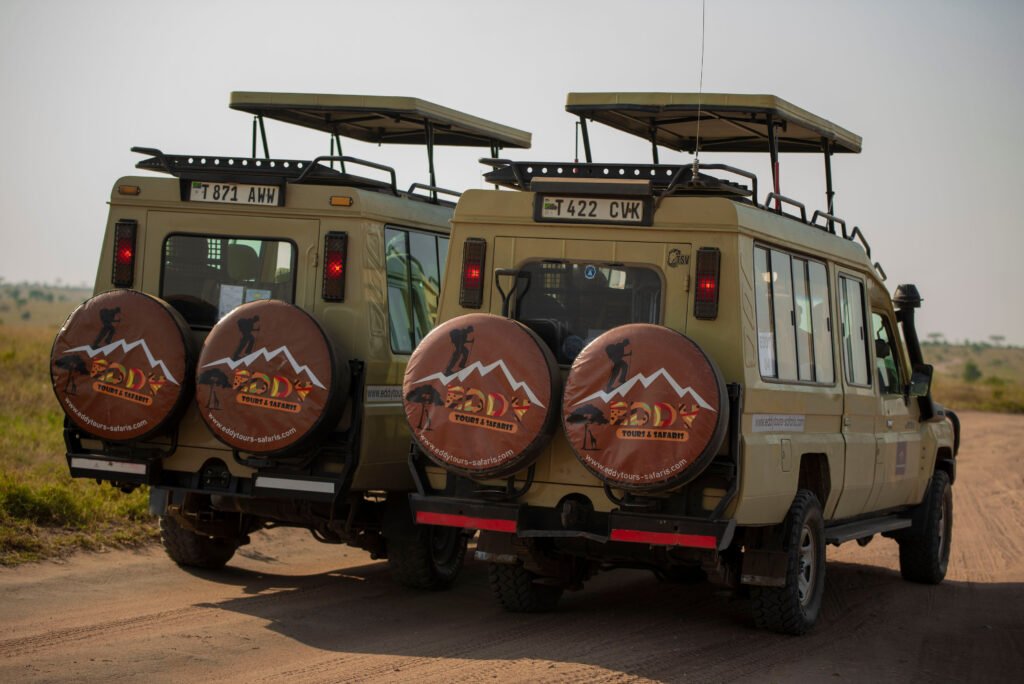
Frequently Asked Questions
What is the Serengeti Migration?
The Serengeti Migration is the annual movement of wildebeest, zebras, and gazelles across the Serengeti ecosystem. The animals move in search of fresh grass and water, creating one of the most famous wildlife events in the world.
When is the best time to see the Serengeti Migration?
January to March is excellent for calving season, while July to October is popular for northern Serengeti and river crossing experiences. The best time depends on the type of migration experience you want.
How many days do I need for a Serengeti Migration safari?
A 6 to 8-day safari is recommended for most travelers. This gives enough time to visit Serengeti and combine it with other major Tanzania safari destinations such as Ngorongoro Crater and Tarangire.
Can I see the Big Five during a Serengeti Migration safari?
Yes. Serengeti offers excellent chances to see lions, leopards, elephants, and buffalo. Ngorongoro Crater, often added to the route, gives a stronger chance of seeing rhinos.
Is the Serengeti Migration suitable for families?
Yes. Families can enjoy the Serengeti Migration with the right itinerary, comfortable lodges, and a good guide. A private safari is usually best for families because it offers more flexibility.
Book Your Serengeti Migration Safari for 2026, 2027 & 2028
Why the Serengeti Migration Should Be on Every Traveler’s Bucket List 2026, 2027 & 2028 is simple: it is wild, emotional, beautiful, and unforgettable. It combines powerful wildlife encounters, dramatic landscapes, expert guiding, and the rare chance to witness one of nature’s greatest journeys.
If you are planning a Tanzania safari for 2026, 2027, or 2028, the Serengeti Migration deserves a top place in your travel plans. Whether you want a private safari, family safari, honeymoon safari, luxury safari, or migration-focused photography tour, this experience can be customized to match your dream African adventure.