
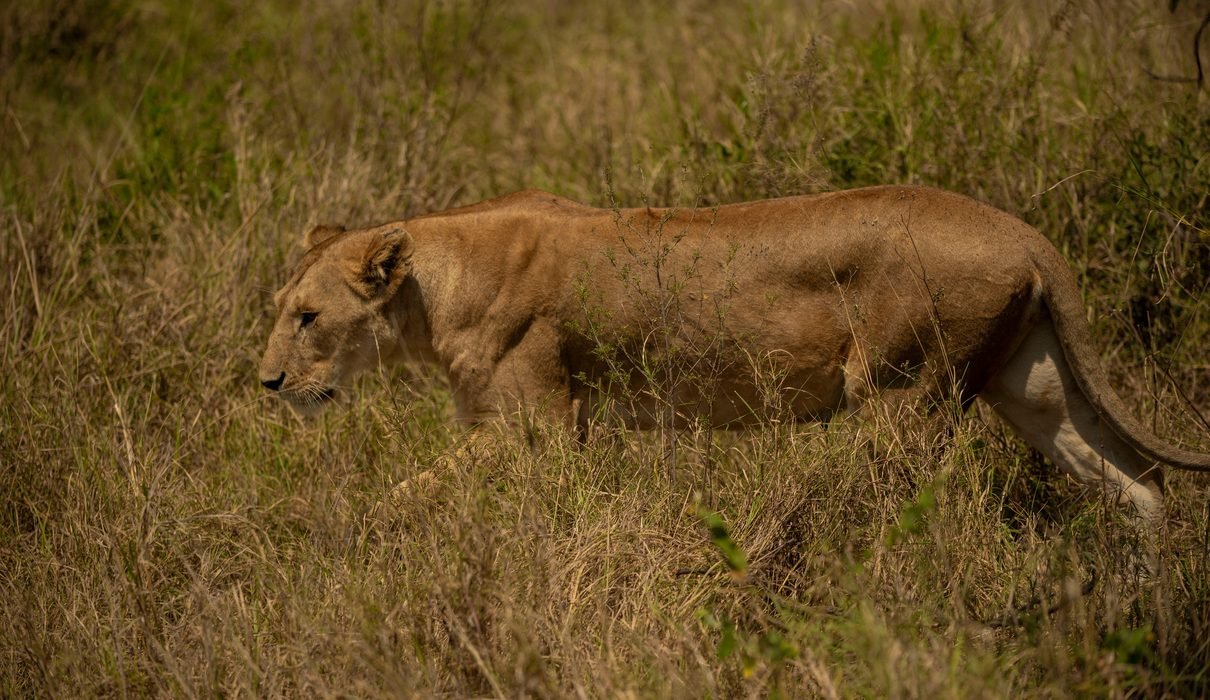
Tanzania is widely known for Serengeti National Park, the Great Wildebeest Migration, and Ngorongoro Crater, but there is much more to the country’s wildlife tourism than these famous destinations. Across southern, western, northern, and coastal Tanzania, several national parks offer excellent opportunities to observe wildlife, explore different landscapes, and enjoy safaris away from the busiest tourist routes. Some are home to large elephant populations and impressive predators, while others protect chimpanzees, rare antelopes, tropical forests, and important bird habitats.
For travellers planning a Tanzania safari in 2027, 2028, or 2029, exploring these lesser-visited destinations can be a good alternative to following the traditional northern safari circuit. Places such as Ruaha National Park, Nyerere National Park, Katavi National Park, and Mahale Mountains National Park offer experiences that are quite different from the open plains of the Serengeti. Visitors can enjoy game drives along rivers, boat safaris, guided walking activities, chimpanzee trekking, and wildlife photography in areas that receive fewer tourists than Tanzania’s most famous parks.
However, choosing a lesser-known destination requires careful planning. Some parks are relatively easy to reach from Dar es Salaam, Arusha, or other major towns, while others are remote and require domestic flights or long road journeys. Accommodation options, seasonal accessibility, park regulations, and wildlife viewing conditions also vary between destinations. Understanding these differences will help you choose a safari that matches your interests, available time, and budget.
This guide introduces some of Tanzania’s best hidden safari destinations beyond the Serengeti, explains what makes each one worth visiting, and provides practical information for planning a wildlife holiday in 2027, 2028, or 2029.
Why Explore Tanzania Beyond the Serengeti?
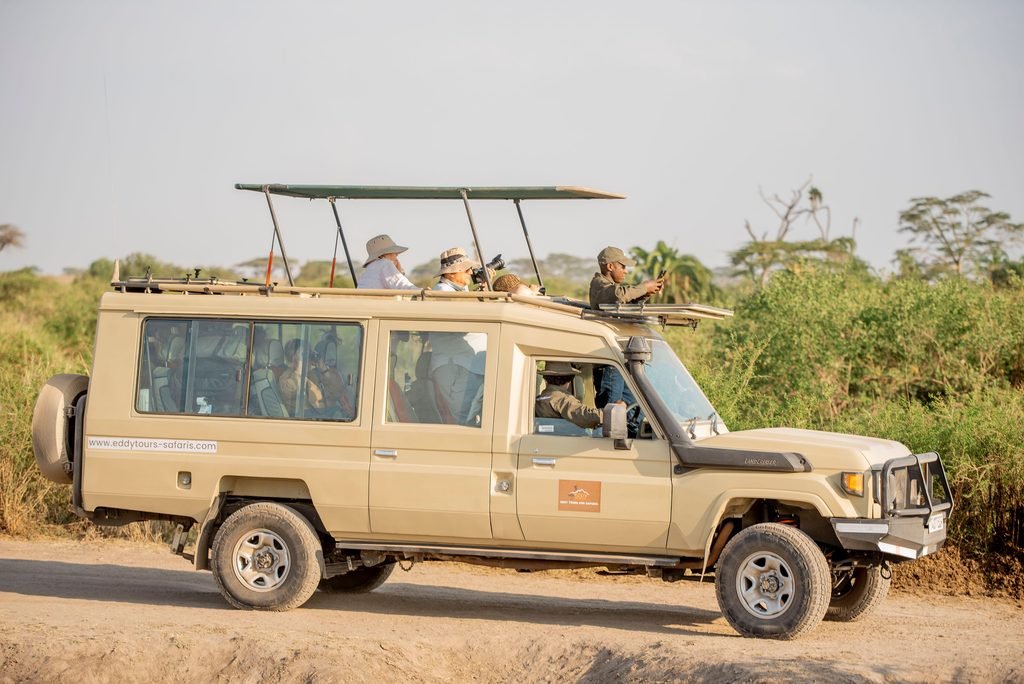
The Serengeti deserves its international reputation, but it represents only one part of Tanzania’s extensive protected-area network. The country has national parks covering different ecosystems, including southern savannahs, miombo woodlands, mountain forests, freshwater lakes, wetlands, and coastal habitats. Each environment supports different wildlife communities, which means travellers can experience much more variety by exploring beyond the traditional northern circuit.
One of the main advantages of visiting less popular parks is the opportunity to spend more time observing wildlife without encountering large numbers of safari vehicles. In some remote destinations, visitors may travel for considerable distances before meeting another tourist vehicle. This can be particularly attractive for photographers, experienced safari travellers, and people who prefer quieter surroundings. Nevertheless, fewer visitors do not automatically mean more wildlife sightings, as animals may be spread across large areas and sometimes require patience to locate.
Another advantage is the opportunity to try activities that are not available in every national park. While traditional vehicle-based game drives remain important, certain destinations offer authorised boat safaris, walking safaris, chimpanzee trekking, and forest hiking. These activities provide different ways to learn about Tanzania’s wildlife and natural environments.
The Tanzania National Parks Authority maintains information about the country’s national parks, including their locations and visitor attractions. Travellers can use this official resource alongside Eddy Tours & Safaris’ Tanzania safari information when comparing destinations and planning a suitable itinerary.
1. Ruaha National Park – One of Tanzania’s Best Alternatives to the Serengeti
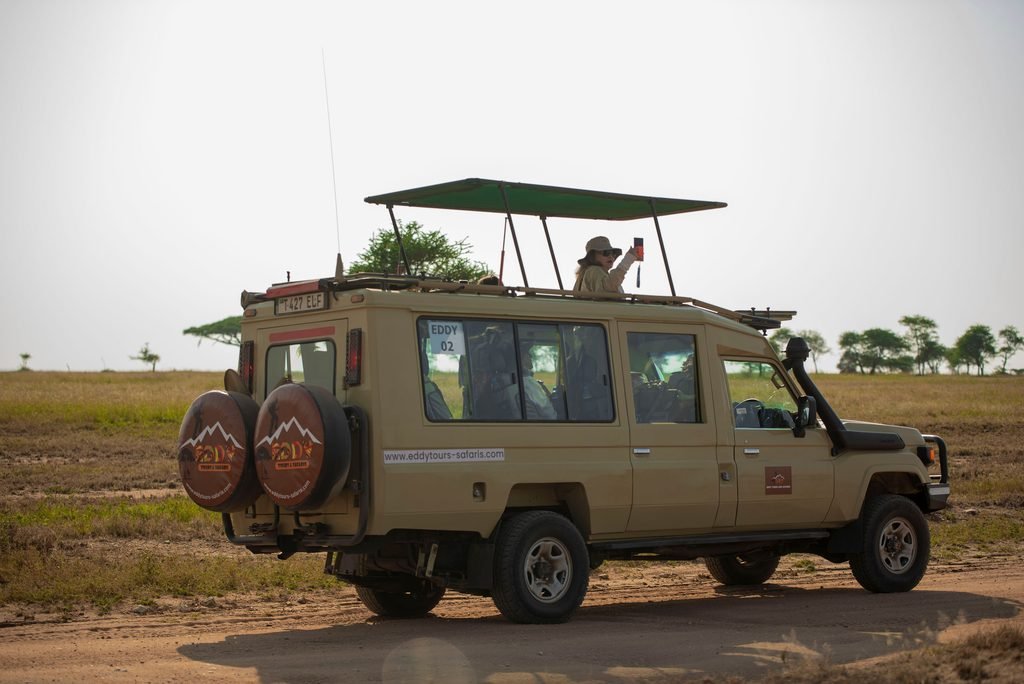
Ruaha National Park is located in south-central Tanzania and is one of the country’s most important wildlife destinations. The park is known for its large landscapes, extensive woodland, ancient baobab trees, and the Great Ruaha River, which supports wildlife throughout much of the year. Compared with the Serengeti, Ruaha generally receives fewer international visitors, making it particularly attractive to travellers interested in a quieter safari experience.
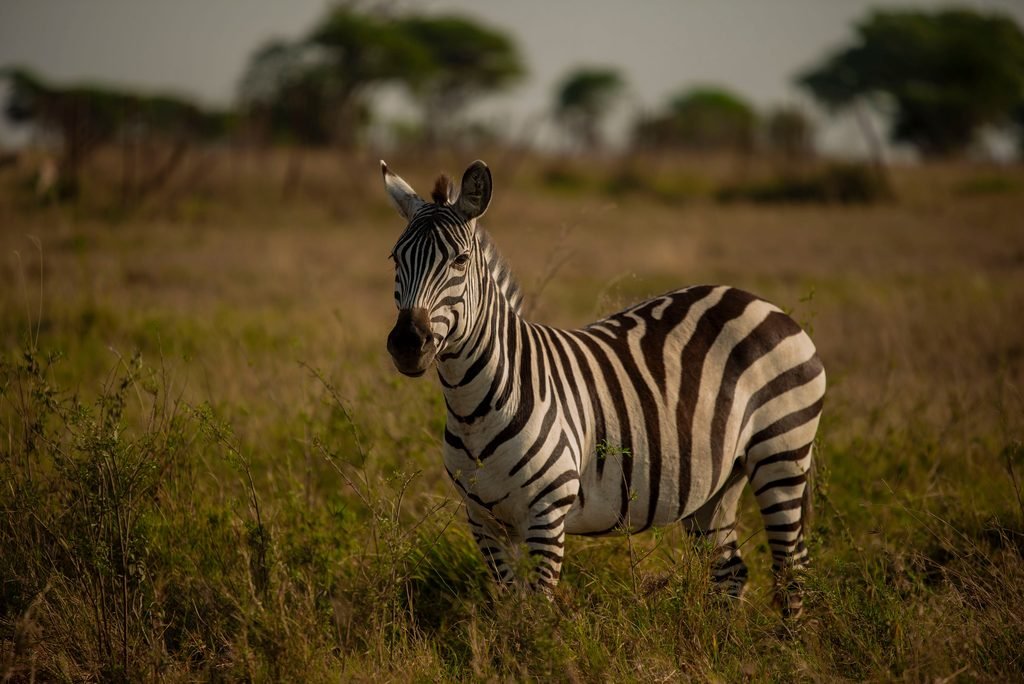
The park supports elephants, lions, leopards, buffaloes, giraffes, zebras, and numerous antelope species. Greater kudu and other woodland-associated animals are among the interesting species that visitors may encounter. Ruaha is also an important destination for birdwatching, with a mixture of savannah, woodland, and river habitats supporting many different species. Wildlife sightings vary according to the season, but the combination of predators, herbivores, and attractive landscapes makes the park suitable for both first-time visitors and experienced safari travellers.
What Makes Ruaha National Park Special?
One of Ruaha’s main attractions is the Great Ruaha River, which plays an important role in the park’s ecology. During the dry season, animals may gather near remaining water sources, providing opportunities to observe elephants, buffaloes, predators, and birdlife. The surrounding landscape contains baobab trees, rocky hills, and woodland, creating a different setting from the grasslands of the Serengeti.
Ruaha is particularly suitable for travellers interested in wildlife photography because its landscapes provide opportunities to photograph animals against rivers, trees, and open savannah. Guided walking safaris may also be available through authorised arrangements, allowing visitors to learn about animal tracks, vegetation, and smaller wildlife species that are sometimes overlooked during game drives.
The park can be reached through Iringa or by suitable domestic flights, depending on the itinerary. Visitors planning a longer southern Tanzania safari may combine Ruaha with Mikumi or Nyerere National Park, although the distances between these destinations should not be underestimated.
Recommended stay: Three to four nights.
Best time to visit: June to October is generally popular for dry-season wildlife viewing, although other months can provide green landscapes and rewarding birdwatching.
For official details about the park’s wildlife and visitor activities, see Ruaha National Park attractions.
2. Nyerere National Park – Wildlife Safaris Along the Rufiji River
Nyerere National Park is located in southern Tanzania and is one of the country’s largest protected wildlife areas. Established from part of the former Selous Game Reserve, the park includes extensive woodland, grasslands, wetlands, and river systems. Its landscape is quite different from the Serengeti, particularly around the Rufiji River, where water channels and lakes support a wide variety of animals.
Visitors to Nyerere may encounter elephants, buffaloes, giraffes, lions, hippos, crocodiles, and numerous bird species. African wild dogs are another important attraction, although sightings are unpredictable because these animals move across large territories. The park’s mixture of habitats makes it suitable for travellers who want to observe both large mammals and wildlife associated with rivers and wetlands.
Experience a Boat Safari on the Rufiji River
One of the main reasons to visit Nyerere is the opportunity to enjoy a boat safari in authorised areas of the Rufiji River system. Unlike a traditional game drive, a boat safari allows visitors to observe wildlife from the water, including hippos, crocodiles, waterbirds, and animals visiting the riverbanks. These excursions provide a different perspective on the surrounding environment and can be particularly rewarding for birdwatchers and photographers.
Guided walking safaris may also be available, subject to park regulations and the arrangements offered by authorised operators. Walking with an experienced guide allows visitors to learn about animal tracks, plants, insects, and the relationship between different parts of the ecosystem. However, these activities must follow established safety procedures because the park contains potentially dangerous wildlife.
Nyerere is commonly accessed from Dar es Salaam by road or domestic flight. Travellers can also combine the park with a Zanzibar holiday, depending on available transport connections. This makes it an attractive destination for visitors who want a wildlife safari without travelling to northern Tanzania.
Recommended stay: Three to five nights.
Best time to visit: June to October is generally suitable for wildlife viewing, while wetter months offer greener landscapes but may affect access to some areas.
Learn more through the official Nyerere National Park attractions and activities.
3. Katavi National Park – A Remote Safari Destination in Western Tanzania
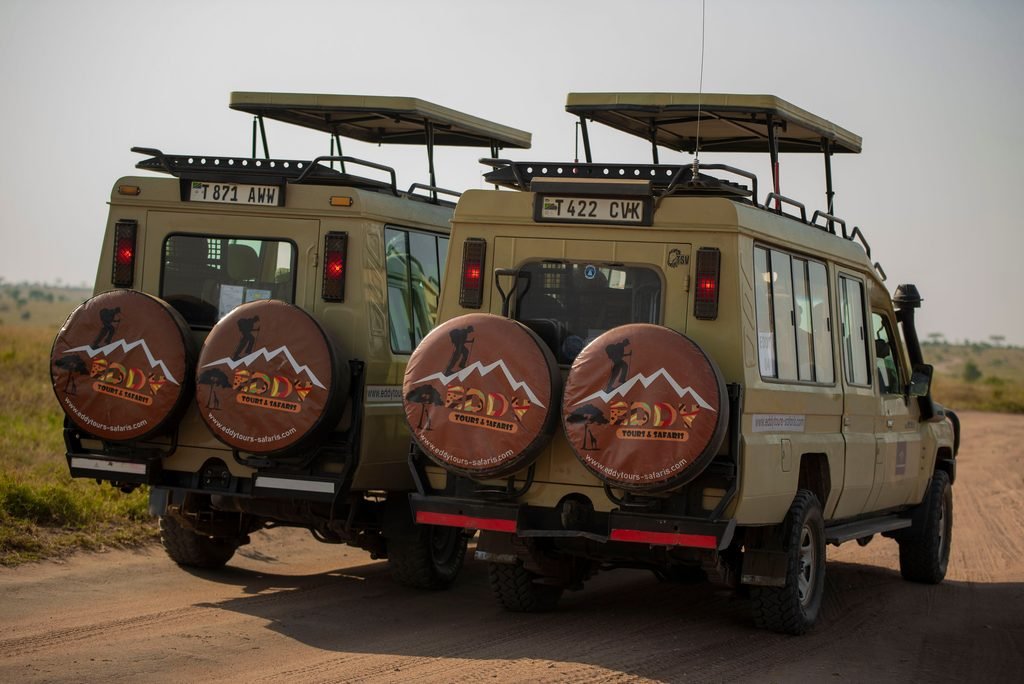
Katavi National Park is located in western Tanzania and is one of the country’s more remote wildlife destinations. Its distance from the main tourist routes means that relatively few visitors include it in their first Tanzania safari. However, for travellers who want to explore large natural landscapes and observe wildlife away from busy tourist areas, Katavi is worth considering.
The park is known for its seasonal floodplains, woodland, rivers, and large concentrations of animals during suitable periods. Buffaloes, elephants, hippos, crocodiles, lions, and numerous bird species occur in the area. The Katuma River and surrounding floodplains play an important role in supporting wildlife, particularly when water becomes limited during the dry season.
Why Katavi Is Worth Visiting
Katavi is particularly interesting because of the way its wildlife responds to seasonal changes. During the wetter months, animals can spread across extensive grasslands and wetlands, making some species more difficult to locate. As the dry season progresses, water becomes concentrated in fewer locations, and animals may gather around remaining pools and river channels.
Visitors may observe hippos sharing crowded pools, buffaloes moving across the plains, and crocodiles resting near riverbanks. Lions and other predators also occur in the park, although their movements and visibility vary. The surrounding landscape provides opportunities for wildlife photography without the high visitor numbers found in some more established safari destinations.
Because Katavi is remote, transport arrangements require particular attention. Domestic flights can reduce travel time, while road journeys are long and should be planned with an experienced operator. Accommodation is also more limited than in the Serengeti, so early reservations are advisable for popular travel periods.
Recommended stay: Three to four nights.
Best time to visit: July to October is generally a strong period for wildlife viewing as water becomes more limited.
Official information about the park’s floodplains, wildlife, and authorised walking activities is available from Katavi National Park.
4. Mahale Mountains National Park – Chimpanzee Trekking Beside Lake Tanganyika
Mahale Mountains National Park offers a very different experience from Tanzania’s traditional savannah safaris. Located along the eastern shore of Lake Tanganyika in western Tanzania, the park protects forested mountains and habitats that support chimpanzees and other wildlife. It is one of the country’s most important destinations for travellers interested in primates, forest ecology, and remote natural landscapes.
The main attraction is guided chimpanzee trekking, which allows visitors to search for habituated chimpanzee groups under the supervision of authorised guides and park personnel. The experience involves walking through forest terrain, sometimes on steep or uneven trails, while guides follow signs of chimpanzee activity. The time required to locate the animals varies, and sightings cannot be guaranteed.
What to Expect During Chimpanzee Trekking
Chimpanzee trekking differs considerably from a conventional safari game drive. Instead of travelling through open grasslands in a vehicle, visitors walk through forest habitats where visibility may be limited by vegetation. Along the way, guides may explain animal tracks, forest plants, bird calls, and the behaviour of different primate species.
Visitors must follow strict wildlife viewing rules, including maintaining the required distance from chimpanzees and observing applicable health precautions. These measures are important because chimpanzees are susceptible to certain human illnesses. Trekking arrangements may also involve minimum-age requirements, permits, and limits on the time visitors can spend observing the animals.
Mahale is relatively remote, and reaching the park usually requires a combination of flights, road transport, and boat transfers, depending on the chosen route. Travellers should allow sufficient time for these connections rather than planning an extremely short visit.
Recommended stay: Three to five nights.
Best time to visit: The relatively dry months, often June to October, are popular for trekking, although chimpanzee movements and forest conditions vary.
For park information and current visitor arrangements, consult the Tanzania National Parks Authority.
5. Gombe National Park – Discover Tanzania’s Chimpanzee Research History
Gombe National Park is another important chimpanzee destination in western Tanzania. Located near Kigoma on the shores of Lake Tanganyika, the park is internationally associated with the long-term chimpanzee research begun by Jane Goodall in 1960. This research helped improve scientific understanding of chimpanzee behaviour, social relationships, and tool use.
Gombe offers visitors an opportunity to explore forest habitats while learning about the importance of chimpanzee conservation. The park is relatively small compared with Tanzania’s large savannah reserves, but its steep terrain, forest vegetation, and lakeside setting provide a distinctive experience.
Chimpanzee Trekking in Gombe
Guided chimpanzee trekking is the main reason many visitors travel to Gombe. Treks involve walking through forested hills while searching for chimpanzees, with the duration and difficulty depending on the animals’ movements and trail conditions. Visitors should be prepared for uneven ground, warm weather, and sections that may require considerable physical effort.
Gombe also supports other primates, birds, and forest wildlife. The combination of chimpanzee trekking and the park’s research history makes it particularly suitable for travellers interested in conservation and animal behaviour.
The park is generally reached through Kigoma, followed by a suitable boat transfer. Travellers should confirm transport schedules, accommodation availability, trekking permits, and health requirements before departure.
Recommended stay: Two to three nights.
Best time to visit: The drier months are generally more convenient for forest trekking, although visits are possible during other periods depending on conditions.
Visitors planning a broader western Tanzania holiday may consider combining Gombe with other Lake Tanganyika destinations, but transport connections should be carefully arranged.
6. Mkomazi National Park – Wildlife and Conservation Near the Usambara Mountains
Mkomazi National Park is located in northeastern Tanzania, near the Kenyan border and within reach of the Moshi region. Although it is less internationally recognised than the Serengeti or Ngorongoro, the park protects an important dryland ecosystem with grasslands, woodland, and mountain views.
The park supports giraffes, zebras, buffaloes, antelopes, elephants, and predators, although wildlife can be spread across large areas. Mkomazi is also known for conservation work involving threatened species, including black rhinoceroses and African wild dogs. Access to conservation facilities or specialised activities should never be assumed, as arrangements depend on park rules and current visitor programmes.
Why Include Mkomazi in a Tanzania Safari?
Mkomazi is particularly suitable for travellers interested in conservation and quieter wildlife destinations. Its landscapes differ from the greener highlands around Arusha and the broad grasslands of the Serengeti, offering an opportunity to explore a drier part of northern Tanzania.
The park can also be considered by travellers staying in Moshi before or after a Kilimanjaro climbing trip. However, visitors should understand that wildlife sightings may require patience, particularly during seasons when animals are widely dispersed.
For travellers who have already visited Tanzania’s most famous parks, Mkomazi offers an opportunity to explore another side of the country’s protected-area network.
Recommended stay: One to two days.
Best time to visit: The drier months are often convenient for game drives, although wildlife viewing is possible at other times of the year.
7. Saadani National Park – Where Wildlife Habitats Meet the Indian Ocean
Saadani National Park is unusual because it includes coastal environments alongside terrestrial wildlife habitats. Located on Tanzania’s eastern coast, the park offers visitors an opportunity to explore grasslands, woodland, river systems, and coastal landscapes within one protected area.
Wildlife found in Saadani includes buffaloes, giraffes, antelopes, monkeys, and other species. Elephants and predators also occur, although sightings can be less predictable than in some of Tanzania’s better-known wildlife parks. The park’s river and coastal environments support birdlife and other animals associated with wetland habitats.
What Makes Saadani Different?
The main attraction of Saadani is the combination of coastal scenery and wildlife. Visitors can explore natural habitats near the Indian Ocean while also enjoying traditional game drives in suitable areas of the park. Depending on current regulations and operating conditions, authorised boat activities may be available in parts of the river system.
However, travellers should not expect Saadani to provide the same wildlife density or viewing conditions as the Serengeti or Ngorongoro Crater. Its value lies partly in the variety of habitats and the opportunity to visit a different type of national park.
Saadani can be considered for itineraries beginning in Dar es Salaam, Tanga, or nearby coastal areas. Road and boat arrangements should be checked carefully because access conditions can vary.
Recommended stay: Two to three nights.
Best time to visit: Generally June to October, although coastal weather and rainfall patterns should be considered.
8. Mikumi National Park – An Accessible Safari Destination in Southern Tanzania
Mikumi National Park is one of the more accessible wildlife destinations in southern Tanzania and is commonly visited by travellers starting from Dar es Salaam or Morogoro. Its open plains, woodland, and seasonal water sources support a variety of animals, making it a practical choice for shorter safaris.
Visitors may encounter elephants, giraffes, zebras, buffaloes, wildebeest, lions, and numerous bird species. The Mkata floodplain is one of the park’s important wildlife viewing areas, with open habitats that can provide good visibility during game drives.
Why Mikumi Is a Good Alternative for Short Safaris
One of Mikumi’s main advantages is that it can be included in a relatively short itinerary from Dar es Salaam. This makes it suitable for travellers who want to experience Tanzania’s wildlife without committing to the longer road journey towards the Serengeti.
Mikumi is also a practical destination for visitors travelling through southern Tanzania. It can be combined with Udzungwa Mountains National Park, allowing travellers to enjoy both wildlife viewing and forest hiking during the same holiday.
Although Mikumi is more accessible than remote destinations such as Katavi or Mahale, visitors should still allow enough time for game drives rather than spending most of the holiday travelling.
Recommended stay: Two to three days.
Best time to visit: June to October is generally suitable for wildlife viewing, while greener months can be rewarding for scenery and birdlife.
9. Udzungwa Mountains National Park – Forest Hiking and Rare Primates
Udzungwa Mountains National Park is located in south-central Tanzania and is particularly important for its mountain forests, biodiversity, and rare species. Unlike the Serengeti or Ruaha, Udzungwa is not primarily a traditional vehicle-based safari destination. Its main attractions include hiking, forest exploration, waterfalls, birdwatching, and opportunities to observe primates.
The park protects habitats supporting species found in relatively few other places. Among its notable animals are the Udzungwa red colobus and the Sanje mangabey, although sightings depend on the area visited and the movements of the animals.
Hiking to Sanje Waterfalls
One of the park’s best-known activities is hiking towards Sanje Waterfalls. The trail passes through forest habitats and offers opportunities to learn about vegetation, birds, insects, and other wildlife. Depending on the route and conditions, visitors can enjoy views across the surrounding landscape.
The hike requires suitable footwear and a reasonable level of fitness. Trail conditions may become slippery during rainy periods, and visitors should follow the instructions of authorised guides.
Udzungwa is particularly suitable for travellers who want to combine a wildlife safari with physical activity. A popular combination is visiting Mikumi National Park for game drives before travelling to Udzungwa for forest hiking.
Recommended stay: One to two days.
Best time to visit: Drier periods generally provide more comfortable hiking conditions, although the forest remains attractive throughout the year.
10. Rubondo Island National Park – Wildlife and Forests on Lake Victoria
Rubondo Island National Park is located in Lake Victoria and offers a different experience from Tanzania’s mainland savannah destinations. The park protects an island environment with forest, wetlands, lakeshore habitats, and a variety of wildlife.
Visitors may encounter monkeys, birds, and other animals while exploring the island’s natural surroundings. Rubondo is also associated with chimpanzee conservation, although chimpanzee viewing opportunities depend on current park arrangements and should not be assumed to be equivalent to established trekking experiences in Gombe or Mahale.
Why Visit Rubondo Island?
Rubondo is particularly attractive to travellers interested in birdwatching, forest environments, and quiet natural surroundings. Its location within Lake Victoria provides a different setting from the dry savannahs of northern and southern Tanzania.
The island can be reached through suitable transport arrangements from the Lake Victoria region. Because accommodation and transport options are limited compared with the main northern safari circuit, visitors should confirm all arrangements before travelling.
Rubondo can also be considered by travellers exploring Mwanza and western Tanzania, although it requires additional planning.
Recommended stay: Two to three nights.
Best time to visit: Conditions vary throughout the year, but travellers should consider rainfall, lake conditions, and available activities when selecting dates.
11. Arusha National Park – A Lesser-Visited Option Near Arusha
Arusha National Park is located close to Arusha and offers an interesting alternative for travellers who have limited time before or after a longer Tanzania safari. Although it is more accessible than many remote parks, it often receives less attention from international visitors than the Serengeti and Ngorongoro.
The park includes Mount Meru, the Momella Lakes, forest habitats, and open areas supporting different wildlife species. Visitors may encounter giraffes, buffaloes, zebras, monkeys, and numerous birds. The park is particularly well known for its black-and-white colobus monkeys, which can be observed in suitable forest habitats.
Activities in Arusha National Park
Game drives are one of the main activities, but authorised walking safaris provide another way to explore parts of the park. Walking with an experienced ranger allows visitors to learn about vegetation, animal tracks, and smaller wildlife species.
The Momella Lakes are also attractive for birdwatching, while Mount Meru provides opportunities for mountain trekking through designated routes. Travellers interested in climbing Mount Meru should allow several days and arrange the necessary guides, accommodation, and park requirements.
Arusha National Park is suitable for a day trip, but travellers interested in mountain activities may need a longer stay.
Recommended stay: One day for a standard wildlife visit.
Best time to visit: Wildlife viewing is possible throughout the year, although weather conditions affect mountain visibility and walking activities.
Travellers planning a short northern Tanzania holiday can compare options through Eddy Tours & Safaris’ safari collection.
12. Tarangire National Park – More Than a Stop on the Northern Safari Circuit
Tarangire National Park is not as remote as Katavi or Mahale, but it is sometimes overlooked by travellers who concentrate entirely on the Serengeti and Ngorongoro Crater. Located within driving distance of Arusha, Tarangire is known for its elephants, large baobab trees, and seasonal wildlife concentrations.
The park contains woodland, grasslands, wetlands, and the Tarangire River, which provides an important water source during the dry season. Elephants, giraffes, zebras, buffaloes, lions, and numerous antelope species occur in the park, while its varied habitats support an extensive range of birds.
Why Tarangire Deserves More Time
Many northern Tanzania itineraries include only a single day in Tarangire, but travellers interested in elephants and birdlife may benefit from spending longer. Different parts of the park offer different landscapes, and wildlife movements change according to rainfall and water availability.
During the dry season, animals may gather near the Tarangire River and other remaining water sources, providing opportunities for wildlife observation. However, sightings are never guaranteed, and the park can also be rewarding during greener periods.
Tarangire is particularly suitable for travellers who want to combine a well-known national park with a more relaxed itinerary. It can be included in Tanzania safari packages departing from Arusha alongside other northern destinations.
Recommended stay: One to two nights.
Best time to visit: June to October is particularly popular for dry-season wildlife viewing.
Which Hidden Tanzania Safari Destination Should You Choose?
The best destination depends on the type of wildlife you want to see, how much time you have, and whether you prefer game drives, walking activities, boat safaris, or primate trekking. Travellers interested in large mammals and predators may prefer Ruaha or Nyerere, while those seeking remote wilderness may find Katavi particularly attractive. Mahale and Gombe are better suited to travellers whose main interest is chimpanzees rather than traditional savannah wildlife.
| Destination | Main Attractions | Suggested Stay | Best Suited For |
|---|---|---|---|
| Ruaha | Elephants, lions, baobabs and river habitats | 3–4 nights | Big-game safaris and photography |
| Nyerere | Rufiji River, boat safaris and African wild dogs | 3–5 nights | Wildlife and river-based activities |
| Katavi | Buffaloes, hippos, crocodiles and floodplains | 3–4 nights | Remote wildlife safaris |
| Mahale Mountains | Chimpanzees and forest trekking | 3–5 nights | Primate enthusiasts |
| Gombe | Chimpanzees and research history | 2–3 nights | Chimpanzee trekking |
| Mkomazi | Dryland wildlife and conservation | 1–2 days | Conservation-focused travel |
| Saadani | Coastal habitats and wildlife | 2–3 nights | Coastal safari experiences |
| Mikumi | Savannah wildlife and accessible game drives | 2–3 days | Short southern safaris |
| Udzungwa Mountains | Forest hiking, waterfalls and primates | 1–2 days | Hiking and nature |
| Rubondo Island | Forests, birdlife and Lake Victoria | 2–3 nights | Quiet nature holidays |
| Arusha National Park | Mount Meru, Momella Lakes and walking | 1 day | Short trips from Arusha |
| Tarangire | Elephants, baobabs and birdlife | 1–2 nights | Northern Tanzania safaris |
These are general recommendations rather than fixed travel requirements. Some remote destinations require additional time for flights, boat transfers, or road journeys, and the total itinerary should account for these arrangements.
Best Time to Visit Tanzania’s Lesser-Known National Parks in 2027–2029
Tanzania’s wildlife destinations experience different seasonal conditions, so there is no single month that is best for every park. In many savannah destinations, the relatively dry months between June and October provide favourable wildlife viewing conditions because animals may gather near available water sources. However, forest destinations such as Mahale and Gombe have different considerations, particularly regarding rainfall, trekking conditions, and chimpanzee movements.
The rainy season can provide green landscapes, birdwatching opportunities, and attractive photography conditions, but it may also affect road access in remote areas. Certain accommodation properties and transport services operate seasonally, especially in destinations that receive relatively few visitors.
Seasonal Guide for 2027, 2028 and 2029
| Travel Period | General Conditions | Suggested Destinations |
|---|---|---|
| January–February | Often relatively dry in several regions | Ruaha, Nyerere, Mikumi and northern parks |
| March–May | Rainier conditions in many areas | Selected accessible parks, subject to road conditions |
| June–August | Generally favourable dry-season conditions | Ruaha, Katavi, Nyerere, Mahale and Gombe |
| September–October | Strong dry-season wildlife viewing in many savannah parks | Katavi, Ruaha, Nyerere and Tarangire |
| November–December | Seasonal rains and greener landscapes | Selected northern and southern parks |
These periods are approximate. Rainfall, wildlife movements, accommodation availability, and park access can vary from year to year. Travellers planning visits in 2027, 2028, or 2029 should confirm current conditions and transport arrangements before booking.
How to Reach Tanzania’s Hidden Safari Destinations
Transport is one of the most important considerations when planning a safari beyond the Serengeti. Some parks can be reached by road from major cities, while others are more practical to visit by domestic flight. Travellers should not assume that all national parks can be combined easily within one itinerary, as Tanzania is a large country and distances between destinations can be considerable.
For southern Tanzania, Dar es Salaam is an important starting point for itineraries visiting Nyerere and Mikumi. Ruaha is commonly reached through Iringa or by suitable domestic flights, while western destinations such as Katavi, Mahale, and Gombe require more specialised arrangements.
For northern Tanzania, Arusha is a practical starting point for Tarangire, Arusha National Park, and longer itineraries towards other destinations. Mkomazi can be considered from Moshi or other parts of northeastern Tanzania.
When planning remote safaris, domestic flight schedules should be confirmed before accommodation is booked. Some routes operate only on selected days or require connections through other airports, and seasonal changes may affect availability.
How Much Does a Hidden Tanzania Safari Cost in 2027, 2028 or 2029?
The cost of visiting Tanzania’s lesser-known national parks depends on the destination, number of days, accommodation category, transport arrangements, and group size. Although some parks receive fewer tourists than the Serengeti, they are not necessarily cheaper to visit. Remote destinations may involve additional flights, specialised transport, limited accommodation choices, and higher operating expenses.
A road safari to Mikumi from Dar es Salaam may be more affordable than a fly-in safari to Katavi or Mahale. Similarly, visiting Tarangire or Arusha National Park from Arusha may involve fewer transport expenses than travelling to western Tanzania. However, the final price depends on the exact itinerary and services included.
Travellers should request a detailed quotation showing accommodation, transport, guiding services, park entry fees, meals, and optional activities. For chimpanzee trekking, permits and applicable park regulations should be confirmed separately.
Official visitor fee information is available through Tanzania National Parks’ tariff information. Because prices and regulations may change before 2027, 2028, or 2029, older published rates should not be treated as guaranteed.
Suggested 7-Day Southern Tanzania Safari: Nyerere and Mikumi
Travellers who want to explore southern Tanzania without including the Serengeti can consider a seven-day itinerary combining Nyerere and Mikumi National Parks. This route provides opportunities to observe different wildlife habitats while avoiding the long journey to northern Tanzania. The itinerary below is a general example and should be adjusted according to transport arrangements, accommodation locations, and seasonal conditions.
Day 1: Arrival in Dar es Salaam
Upon arrival in Dar es Salaam, transfer to your hotel and prepare for the upcoming safari. Depending on your arrival time, you may relax after your journey or explore selected parts of the city. Your guide will explain the travel arrangements and provide information about the wildlife destinations included in the itinerary.
Day 2: Dar es Salaam to Nyerere National Park
After breakfast, begin the journey towards Nyerere National Park. The drive passes through rural landscapes and local communities before reaching the park area. Depending on your arrival time and accommodation location, you may enjoy an afternoon wildlife activity or relax at your lodge.
Day 3: Full-Day Nyerere Safari
Spend the day exploring Nyerere National Park with your guide. Wildlife viewing may include elephants, buffaloes, giraffes, lions, and other species, depending on their movements. The park’s river systems and woodland habitats provide opportunities to observe different animals throughout the day.
Day 4: Nyerere Boat Safari and Wildlife Activities
Today can include an authorised boat safari on the Rufiji River system, subject to water conditions and availability. During the excursion, you may observe hippos, crocodiles, waterbirds, and animals visiting the riverbanks. Additional wildlife activities can be arranged according to park regulations and your accommodation location.
Day 5: Nyerere to Mikumi
After breakfast, begin the journey towards Mikumi National Park. This is primarily a transfer day, and the travel time depends on the chosen route and road conditions. Arrive at your accommodation and prepare for the following day’s wildlife activities.
Day 6: Full-Day Mikumi National Park Safari
Spend the day exploring Mikumi National Park, particularly suitable areas around its open plains and woodland habitats. You may encounter elephants, giraffes, zebras, buffaloes, wildebeest, lions, and numerous bird species. Your guide will select suitable routes according to wildlife movements and the time available.
Day 7: Mikumi to Dar es Salaam
After breakfast, begin your journey back towards Dar es Salaam. Depending on the route and traffic conditions, the transfer may take much of the day. Travellers with international flights should allow sufficient time or consider an additional overnight stay before departure.
This itinerary is particularly suitable for visitors interested in southern Tanzania’s wildlife and river habitats. Travellers who prefer fewer long road transfers may consider domestic flights or a different combination of destinations.
Can You Combine Hidden Safari Parks with the Serengeti?
Yes. Travellers with enough time can combine one or more lesser-known national parks with the Serengeti, Ngorongoro, or Tarangire. However, the most suitable combination depends on travel distances, domestic flight connections, and the number of days available.
For example, a visitor spending a week on Tanzania’s northern safari circuit may add Ruaha or Nyerere if suitable flights and accommodation are available. However, this usually requires additional travel days and a larger budget. Travellers interested in Katavi, Mahale, or Gombe may find it more practical to plan a separate western Tanzania itinerary rather than attempting to combine several distant parks in a short holiday.
For visitors who want to experience Tanzania’s famous wildlife destinations before exploring quieter areas, Eddy Tours & Safaris’ Tanzania safari tours provide a useful starting point for comparing northern safari options.
Can You Combine a Hidden Tanzania Safari with Zanzibar?
Yes. Zanzibar can be combined with several mainland wildlife destinations, particularly those in southern and eastern Tanzania. Nyerere National Park is often considered by travellers planning a safari before or after a Zanzibar beach holiday because suitable flight and road arrangements can connect the region with coastal travel routes.
Visitors can spend several days exploring wildlife habitats before continuing to Zanzibar for relaxation, beach activities, and cultural visits. However, travellers should confirm flight schedules and transfer arrangements because direct connections are not available between every national park and Zanzibar.
For those travelling from Arusha, Zanzibar can also be included after a northern Tanzania safari. The best route depends on the destinations selected and the available domestic flights.
A well-planned itinerary should allow enough time for wildlife viewing and relaxation rather than filling every day with long transfers.
Practical Travel Tips for Exploring Tanzania’s Hidden Safari Gems
Travelling to lesser-known destinations can be rewarding, but it requires more preparation than visiting the most established safari routes. Accommodation availability, road conditions, transport schedules, and park regulations should all be considered before confirming your holiday.
Choose destinations according to your interests. Travellers interested in lions, elephants, and traditional game drives may prefer Ruaha or Nyerere, while those interested in chimpanzees should consider Mahale or Gombe. Visitors who enjoy hiking and forest environments may prefer Udzungwa Mountains.
Allow enough travel time. Some remote destinations require domestic flights, boat transfers, or long road journeys. Avoid arranging an itinerary that leaves little time for wildlife viewing.
Confirm accommodation availability. Remote parks often have fewer accommodation options, and some properties operate seasonally. Early planning is particularly important for popular travel periods.
Check current park regulations. Activities such as walking safaris, boat excursions, and chimpanzee trekking are subject to specific rules and may require additional permits or authorised guides.
Travel with suitable equipment. Comfortable clothing, sturdy footwear, sunscreen, insect repellent, binoculars, and a camera are useful for most safaris. Forest trekking may require additional preparation because of uneven terrain and changing weather conditions.
Respect wildlife and conservation rules. Maintain safe distances from animals, follow guide instructions, and avoid disturbing wildlife for photographs. Responsible tourism helps protect the natural environments that make these destinations worth visiting.
Frequently Asked Questions About Tanzania’s Hidden Safari Destinations
What Are the Best Hidden Safari Parks in Tanzania?
Some of Tanzania’s most interesting lesser-visited safari destinations include Ruaha, Nyerere, Katavi, Mahale Mountains, Gombe, Mkomazi, Saadani, Mikumi, and Rubondo Island. Each offers different wildlife habitats and activities, so the best choice depends on your interests.
Which Tanzania National Park Has Fewer Tourists?
Remote destinations such as Katavi and Mahale generally receive fewer visitors than the Serengeti and Ngorongoro. However, visitor numbers vary by season, and quieter conditions do not guarantee more wildlife sightings.
Is Ruaha National Park Better Than Serengeti?
Ruaha and Serengeti offer different safari experiences. The Serengeti is famous for its extensive grasslands and the Great Wildebeest Migration, while Ruaha is known for its woodland landscapes, river habitats, elephants, and predators. The better choice depends on your interests.
Can You See Lions in Tanzania’s Lesser-Known Parks?
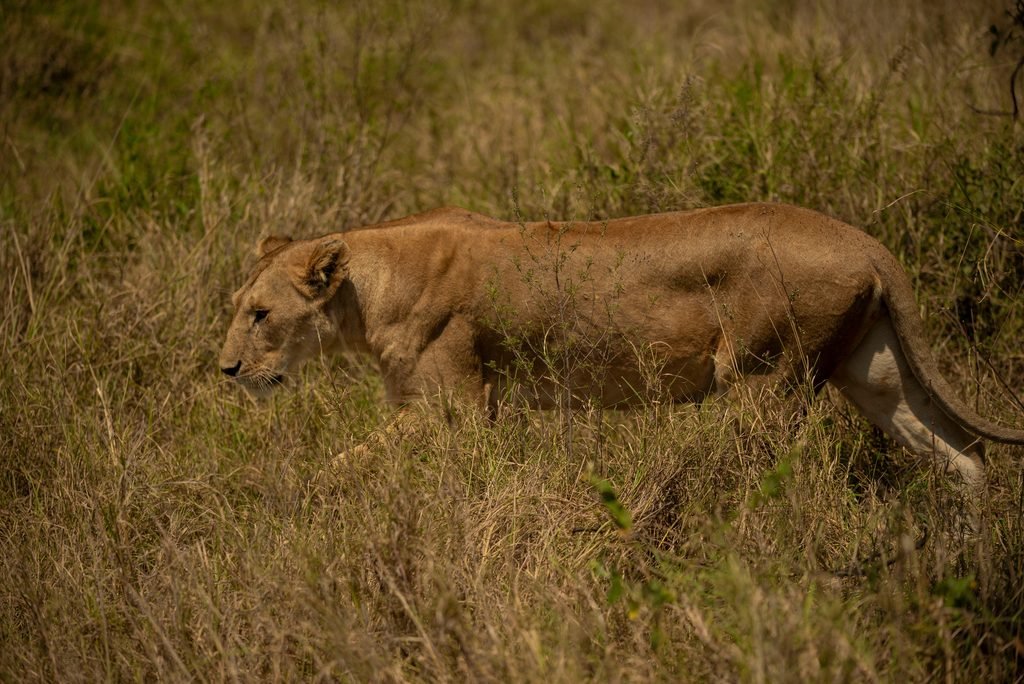
Yes. Lions occur in several parks beyond the Serengeti, including Ruaha, Nyerere, Katavi, Mikumi, and Tarangire. However, sightings depend on animal movements, weather conditions, and the time spent exploring suitable habitats.
Where Can You See Chimpanzees in Tanzania?
Mahale Mountains National Park and Gombe National Park are two of Tanzania’s best-known destinations for chimpanzee trekking. Visits require appropriate arrangements, and sightings are not guaranteed.
Is Nyerere National Park Worth Visiting?
Yes. Nyerere offers opportunities for traditional game drives, authorised boat safaris, birdwatching, and wildlife observation along the Rufiji River system. It is particularly suitable for travellers interested in southern Tanzania.
What Is the Best Time to Visit Katavi National Park?
The dry season, particularly July to October, is generally popular because animals may gather around remaining water sources. However, seasonal conditions vary, and travellers should confirm accessibility before booking.
Are Hidden Tanzania Safari Parks Cheaper Than Serengeti?
Not necessarily. Some accessible parks may be more affordable to visit, but remote destinations such as Katavi and Mahale can involve higher transport and accommodation costs. A detailed quotation is the best way to compare expenses.
Can I Visit Tanzania’s Hidden Parks in 2027, 2028 or 2029?
Yes, these destinations can be considered for future safari planning. However, accommodation availability, transport schedules, park fees, and visitor regulations should be confirmed for your intended travel dates.
Can I Arrange a Private Safari to Lesser-Known Parks?
Private safaris can be arranged for many destinations, subject to suitable transport, accommodation, and guiding services. Remote itineraries may require additional planning and specialised arrangements.
Plan Your Tanzania Safari Beyond the Serengeti for 2027, 2028 or 2029
Tanzania offers far more wildlife destinations than the Serengeti and Ngorongoro Crater. From the elephant habitats of Ruaha and the Rufiji River landscapes of Nyerere to the remote floodplains of Katavi and the chimpanzee forests of Mahale and Gombe, the country provides opportunities to explore different ecosystems and observe wildlife in a variety of natural environments.
Choosing the right destination depends on your interests, travel dates, available time, and budget. Some parks are suitable for short road safaris, while others require domestic flights and longer stays. Travellers who plan carefully can enjoy rewarding wildlife experiences while discovering parts of Tanzania that receive less attention from international tourism.
Eddy Tours & Safaris is a local tour company in Arusha, Tanzania, arranging professionally guided wildlife safaris, Kilimanjaro climbing trips, and private holidays. Our team can discuss suitable Tanzania safari itineraries and help you explore available travel arrangements according to your preferred destinations, accommodation category, and budget.
If you are planning a Tanzania safari for 2027, 2028, or 2029, visit Eddy Tours & Safaris to explore our travel services. You can also contact our safari planning team to request a personalised quotation and discuss which destinations may be suitable for your holiday.
Contact Eddy Tours & Safaris
Location: Arusha, Tanzania
Email: sales@eddytours-safaris.com
Phone/WhatsApp: +255 711 906 664
Website: Eddy Tours & Safaris Official Website