
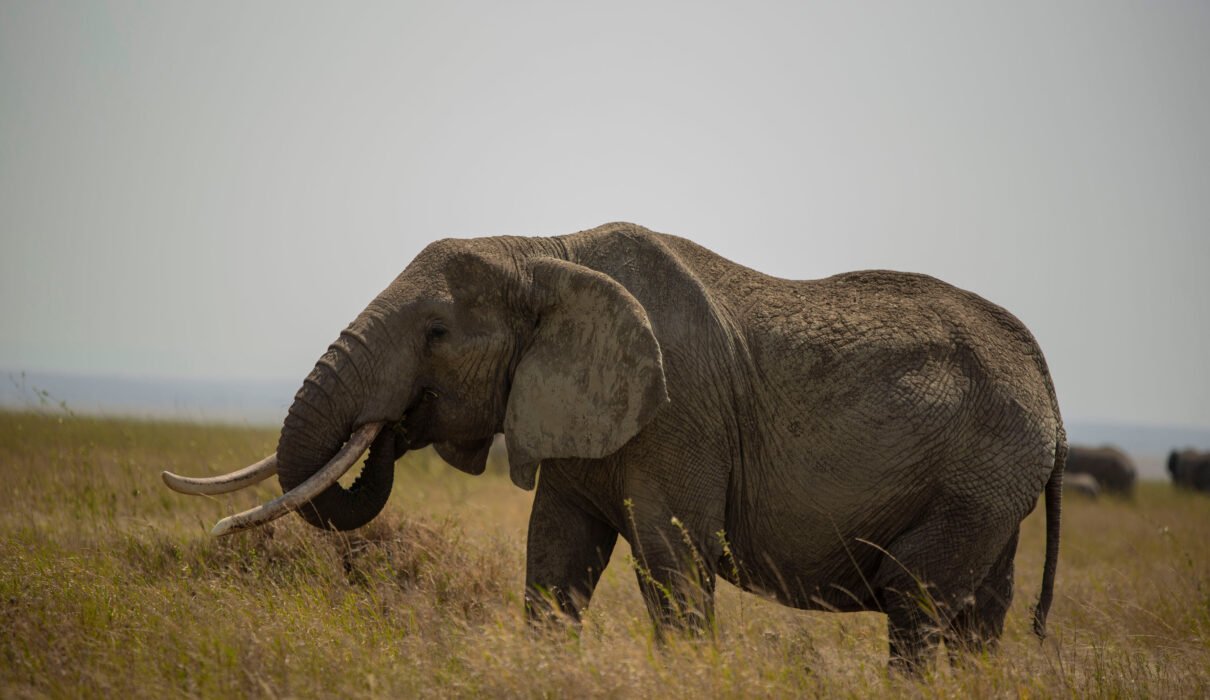
Wildlife Conservation (Dealings in Trophies) 2026, 2027 & 2028 is an important topic for travelers, conservation partners, safari operators, researchers, and anyone seeking to understand how Tanzania protects wildlife resources through legal control, licensing, registration, import, export, and responsible handling of wildlife trophies. In Tanzania, wildlife is a national heritage, and any dealing involving trophies must be approached with care, respect, and full compliance with the laws and authorities responsible for conservation.
Tanzania is one of Africa’s most respected safari destinations, known for Serengeti National Park, Ngorongoro Crater, Tarangire National Park, Lake Manyara, and other protected landscapes. These areas are not only tourism attractions; they are part of a wider conservation system that protects wildlife for present and future generations. Wildlife Conservation (Dealings in Trophies) 2026, 2027 & 2028 helps explain why lawful control of wildlife trophies matters and why visitors should avoid buying, carrying, exporting, or accepting any wildlife item without proper authorization.
In simple terms, a wildlife trophy may include an animal, part of an animal, or a product made from wildlife. This can include horns, skins, teeth, bones, feathers, shells, eggs, mounted animals, or manufactured items made from protected wildlife resources. Because such items can be linked to illegal trade, poaching, and habitat pressure, Tanzania regulates trophy dealings carefully through official laws, licences, certificates, and responsible conservation authorities.
Understanding Wildlife Conservation (Dealings in Trophies) 2026, 2027 & 2028
Wildlife Conservation (Dealings in Trophies) 2026, 2027 & 2028 should be understood as a compliance and conservation subject. It is not about encouraging tourists to trade wildlife items. Instead, it is about awareness, legal responsibility, and protecting Tanzania’s wildlife from illegal use. Travelers should know that not every souvenir sold in markets, curio shops, roadside stalls, or informal outlets is legal to buy or export.
Responsible tourism requires visitors to ask questions before purchasing anything that may come from wildlife. Even small items may create serious legal issues if they are made from protected species or if they do not have the correct documents. When in doubt, travelers should avoid the item completely and choose ethical souvenirs such as local crafts, beadwork, paintings, textiles, coffee, carvings made from legal materials, or community-made products.
Why Wildlife Trophy Regulations Matter
The purpose of trophy regulation is to protect wildlife populations, prevent illegal trade, support conservation management, and ensure that any authorized activity is controlled. Without strict control, wildlife trophies can become part of illegal markets that harm animals and weaken conservation efforts.
Wildlife Conservation (Dealings in Trophies) 2026, 2027 & 2028 is also important for safari companies because professional operators must guide visitors responsibly. A good safari company should not encourage guests to buy questionable wildlife items. Instead, it should educate travelers about ethical souvenirs, park rules, conservation values, and respect for Tanzania’s natural heritage.
Wildlife Conservation (Dealings in Trophies) 2026, 2027 & 2028 and Responsible Tourism
Responsible tourism is one of the strongest ways to support conservation. When travelers book ethical safaris, respect park rules, avoid illegal souvenirs, and support conservation-friendly businesses, they contribute to the long-term protection of wildlife. Tanzania’s tourism industry depends on healthy wildlife populations, protected habitats, and strong conservation laws.
Safari travelers can learn more about responsible Tanzania safaris through Eddy Tours and Safaris, where wildlife experiences can be planned with respect for national parks, local communities, and conservation principles.
What Visitors Should Know Before Buying Souvenirs
Visitors should be careful when buying souvenirs that look like they may come from wildlife. Items made from ivory, bone, teeth, claws, skins, feathers, shells, horns, or animal parts may require official documents or may be completely prohibited. Sellers may sometimes claim that an item is legal, but the traveler is still responsible if the item is illegal or undocumented.
Before buying anything suspicious, visitors should ask whether the product is made from wildlife, whether it requires a permit, whether it can be exported legally, and whether official documentation is available. If there is any doubt, the safest decision is not to buy it. Wildlife Conservation (Dealings in Trophies) 2026, 2027 & 2028 should guide travelers toward safe, legal, and ethical choices.
Examples of Items That May Create Legal Problems
- Ivory or products that appear to be ivory
- Animal skins, hides, or fur products
- Horns, teeth, claws, bones, or skulls
- Mounted animals or preserved wildlife parts
- Feathers from protected birds
- Shells or marine wildlife products
- Jewelry made from animal parts
- Traditional items containing wildlife materials
Legal and Ethical Travel Advice
Tourists should never assume that a wildlife product is legal simply because it is displayed for sale. A professional approach is to avoid wildlife-derived souvenirs and choose items that support local communities without harming nature. Ethical alternatives include handmade baskets, paintings, Tanzanian coffee, cultural beadwork, fabric products, wood carvings from legal sources, and locally made non-wildlife crafts.
Travelers can also use Google to research general wildlife conservation topics, but official guidance should always come from relevant authorities, licensed operators, and recognized conservation institutions.
Wildlife Conservation (Dealings in Trophies) 2026, 2027 & 2028 for Safari Operators
Safari operators have a responsibility to educate guests about wildlife protection. This includes explaining that animals and their parts are not ordinary souvenirs. Professional operators should advise guests to avoid illegal products, respect park regulations, and report suspicious wildlife trade where appropriate.
Wildlife Conservation (Dealings in Trophies) 2026, 2027 & 2028 also reminds tour companies to protect their reputation by working within the law. Ethical safari companies focus on photography, conservation education, cultural respect, and nature-based experiences rather than wildlife product transactions.
Connection Between Safari Tourism and Conservation
Safari tourism supports conservation when it is managed responsibly. Park fees, lodge employment, guiding services, conservation education, and community benefits all help create value around living wildlife. When animals are worth more alive through tourism, conservation becomes stronger.
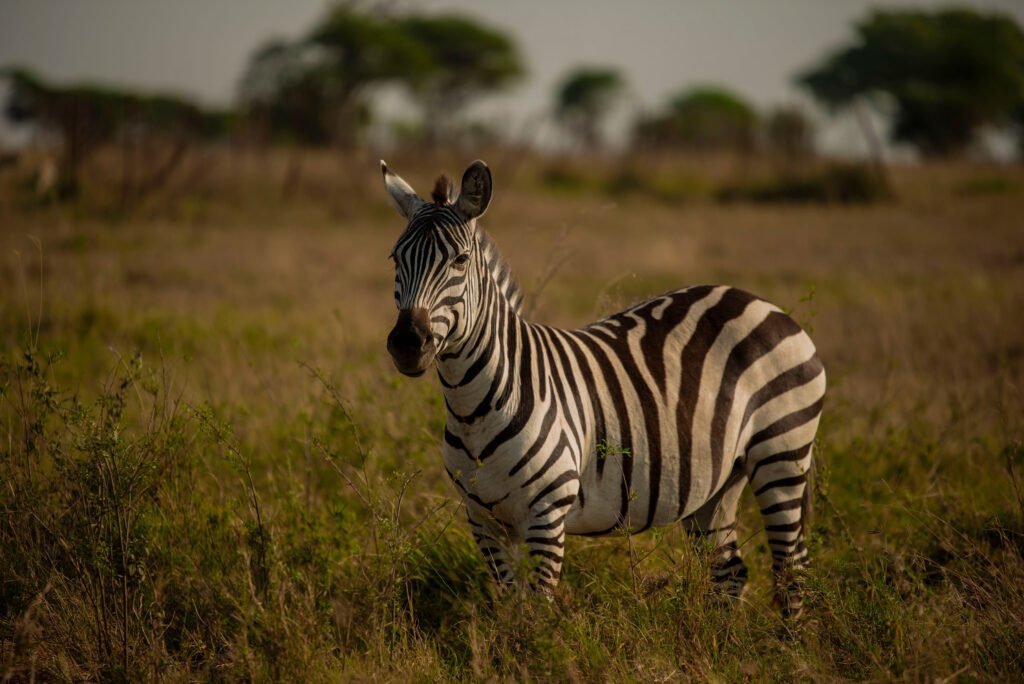
This is why Tanzania safaris should promote wildlife viewing, photography, habitat appreciation, and cultural understanding. Visitors who come to see lions, elephants, giraffes, rhinos, wildebeest, zebras, and birds are part of a tourism system that can support conservation when properly managed.
Combining Wildlife Conservation Awareness with Tanzania Adventures
Some travelers combine safaris with mountain adventures such as Kilimanjaro climbing. Those interested in mountain routes, preparation, and trekking information can visit Kilimanjaro Climb Specialist. Whether visiting national parks or climbing mountains, responsible travel should always respect nature, wildlife, guides, communities, and local regulations.
Key Principles of Wildlife Conservation (Dealings in Trophies) 2026, 2027 & 2028
- Do not buy wildlife products without proper legal confirmation.
- Do not transport animal parts without official permits.
- Do not accept wildlife items as gifts unless legally documented.
- Do not export trophies without proper authorization.
- Choose ethical souvenirs made from safe and legal materials.
- Respect Tanzania’s wildlife laws and conservation authorities.
- Ask licensed professionals before making uncertain purchases.
- Support safari operators that promote responsible tourism.
Wildlife Conservation (Dealings in Trophies) 2026, 2027 & 2028 and Protected Species
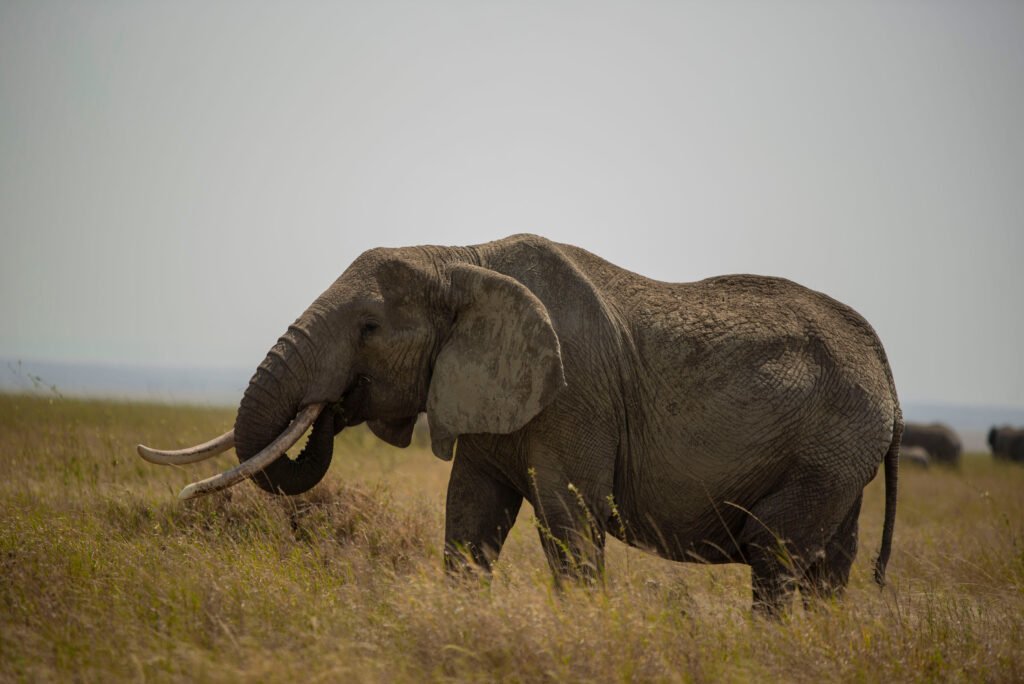
Protected species require special attention because trade in their parts may be restricted or prohibited. This can include iconic animals such as elephants, rhinos, big cats, certain birds, reptiles, and other wildlife species. Travelers should avoid any product that appears to come from endangered or protected wildlife.
The safest message for tourists is simple: enjoy wildlife alive, photograph it respectfully, and leave animal parts out of your shopping list. This protects visitors from legal problems and supports Tanzania’s long-term conservation goals.
How Travelers Can Support Wildlife Conservation
Travelers can support wildlife conservation by booking responsible safari companies, following park rules, avoiding plastic pollution, respecting guides, keeping safe distances from animals, and refusing illegal wildlife products. Small decisions can make a big difference when many visitors follow the same ethical standards.
Wildlife Conservation (Dealings in Trophies) 2026, 2027 & 2028 is therefore not only a legal topic. It is also a reminder that tourism must protect the very wildlife that makes Tanzania special.
Frequently Asked Questions About Wildlife Conservation (Dealings in Trophies) 2026, 2027 & 2028
What does Wildlife Conservation (Dealings in Trophies) 2026, 2027 & 2028 mean?
It refers to the legal and conservation control of wildlife trophies, including wildlife parts, products, registration, licensing, import, export, and lawful handling under relevant Tanzania wildlife laws and authorities.
Can tourists buy animal products in Tanzania?
Tourists should be very careful. Some animal products may be illegal, restricted, or require official documentation. The safest option is to avoid wildlife-derived souvenirs and choose ethical local crafts instead.
Can wildlife trophies be exported from Tanzania?
Wildlife trophies cannot be exported casually. Export may require official certificates, permits, and compliance with national and international requirements. Travelers should seek official guidance before attempting to export any wildlife item.
What souvenirs are safer for tourists?
Safer options include paintings, textiles, beadwork, baskets, coffee, spices, handmade crafts, and carvings made from legal non-wildlife materials.
Why should safari travelers care about trophy regulations?
Safari travelers should care because illegal wildlife trade harms conservation, damages ecosystems, and can create serious legal consequences for buyers, sellers, and transporters.
Final Guidance on Wildlife Conservation (Dealings in Trophies) 2026, 2027 & 2028
Wildlife Conservation (Dealings in Trophies) 2026, 2027 & 2028 should be treated as a serious conservation and legal subject. Tanzania’s wildlife is one of the country’s greatest treasures, and protecting it requires cooperation between authorities, safari operators, communities, and travelers.
Visitors should enjoy wildlife through responsible safaris, photography, education, and ethical travel choices. Avoiding illegal or questionable wildlife products is one of the simplest ways to protect animals and support sustainable tourism in Tanzania.