
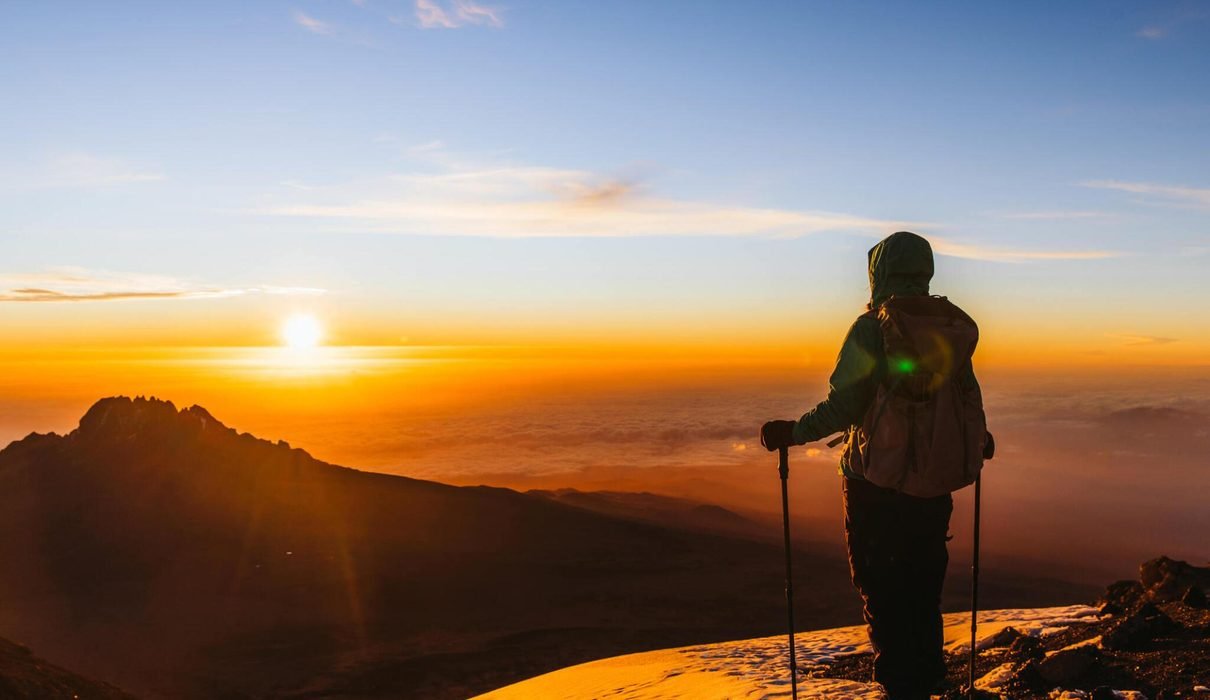
The 9 Days Northern Circuit Route on Mount Kilimanjaro is an excellent choice for climbers who want more time to adjust to altitude while exploring some of the mountain’s most remote and beautiful landscapes. This route approaches Kilimanjaro from the west, crosses the Shira Plateau, and continues around the quieter northern slopes before reaching the summit at Uhuru Peak, 5,895 metres above sea level. Its extended itinerary makes it particularly attractive to travelers who prefer gradual trekking days rather than a rushed mountain climb.
Unlike the popular Machame and Marangu routes, the Northern Circuit spends several days traversing the less frequently visited northern side of Kilimanjaro. Climbers experience tropical rainforest, heath and moorland, alpine desert, rocky volcanic terrain, and the cold summit environment. The changing scenery is one of the route’s greatest attractions, with views across the Kenyan plains, the Shira Plateau, Kibo, and Mawenzi.
Our 9 Days Kilimanjaro Northern Circuit Climbing Package begins at Londorossi Gate and follows the western approach through Mti Mkubwa, Shira 1, Shira 2, Moir Hut, Buffalo Camp, Third Cave, and School Hut. The summit attempt takes place on the eighth day, followed by a descent to Mweka Camp and the final walk to Mweka Gate on day nine.
At Eddy Tours & Safaris, we organize guided Kilimanjaro climbing expeditions with professional mountain guides, porters, cooks, camping equipment, and carefully planned trekking schedules. Our team can help you prepare for your climb, select suitable travel dates, and understand the physical demands of reaching Africa’s highest summit.
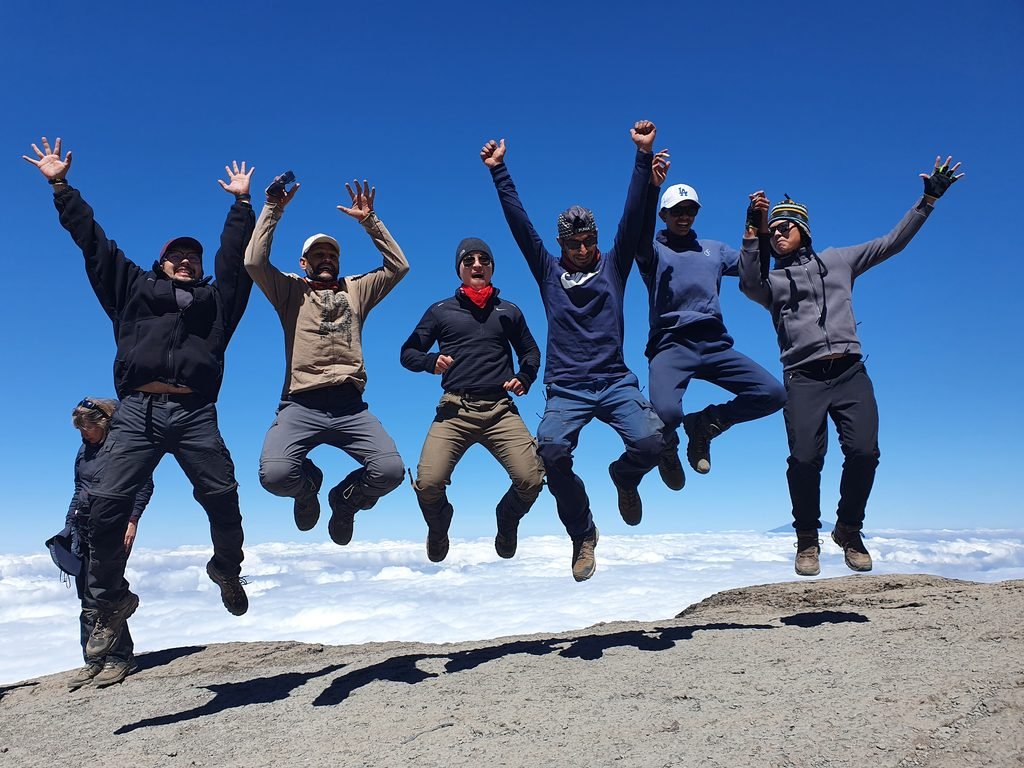
9 Days Northern Circuit Kilimanjaro Route Overview
| Climbing details | Information |
|---|---|
| Mountain | Mount Kilimanjaro, Tanzania |
| Route | Northern Circuit |
| Trekking duration | 9 days / 8 nights |
| Highest point | Uhuru Peak, 5,895 m |
| Starting gate | Londorossi Gate |
| Finishing gate | Mweka Gate |
| Accommodation | Mountain camping tents |
| Difficulty | Challenging high-altitude trekking |
| Main landscapes | Rainforest, moorland, alpine desert and summit zone |
| Summit approach | School Hut via Gilman’s Point |
| Descent | Mweka Route |
| Starting town | Moshi or Arusha |
| Best climbing periods | January–March and June–October |
| Travel years | 2027 and 2028 |
Why Choose the Nine-Day Northern Circuit Route?
The Northern Circuit is particularly suitable for climbers who want an extended acclimatization schedule. Rather than gaining altitude rapidly over a short period, the route allows several days of trekking across the western and northern slopes before the final ascent. This additional time may improve acclimatization compared with shorter itineraries, although altitude sickness remains a serious risk at any fitness level.
Another important advantage is the relative quiet of the northern traverse. The early stages share trails with the Lemosho Route, but after the Shira Plateau, the Northern Circuit turns toward less frequently traveled areas around Kibo. These sections provide a different mountain experience, with open landscapes, wide views, and fewer trekking groups than some of Kilimanjaro’s busiest routes.
The route is also attractive to photographers and nature enthusiasts. During nine days, climbers pass through several vegetation zones and experience significant changes in temperature, scenery, and terrain. However, the longer itinerary requires additional holiday time, more nights in tents, and careful physical preparation.
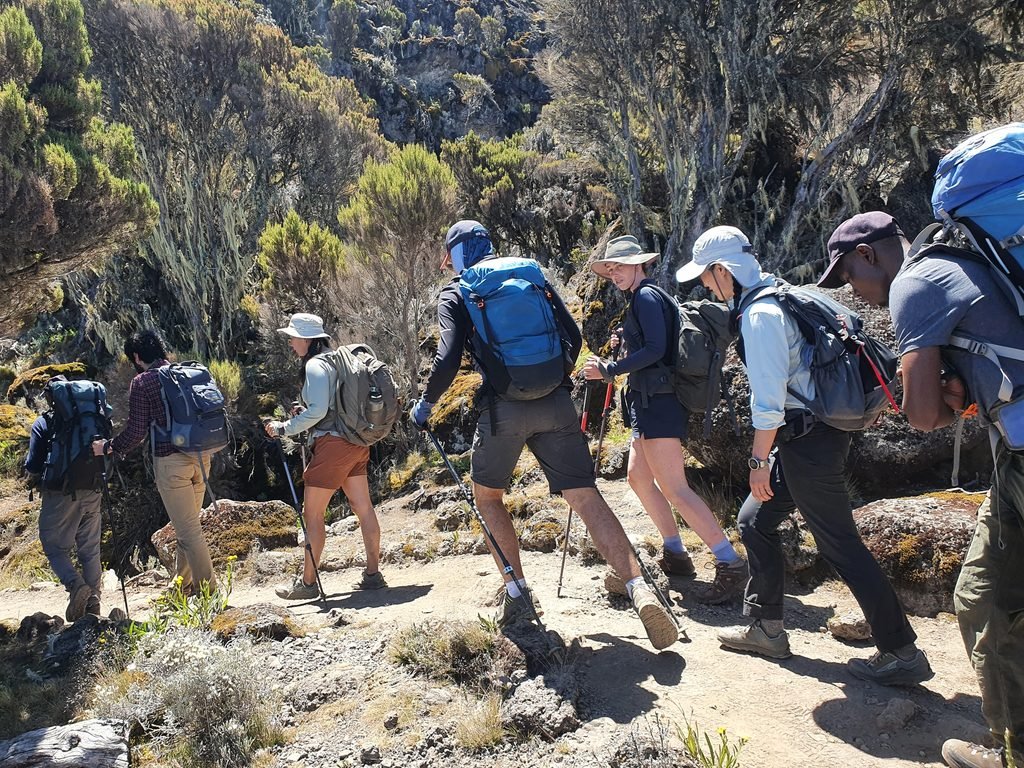
Complete Northern Circuit Route 9 Days Kilimanjaro Itinerary
Day 1: Londorossi Gate to Mti Mkubwa Camp – Entering the Rainforest
Starting altitude: Approximately 2,100–2,250 m
Sleeping altitude: Approximately 2,650–2,820 m
Hiking time: 3–4 hours
Accommodation: Mti Mkubwa Camp
Your Kilimanjaro expedition begins with pickup from your hotel in Moshi or Arusha, followed by a drive toward Londorossi Gate on the western side of the mountain. At the gate, your mountain guide will complete the necessary registration procedures while the trekking crew prepares equipment, food, and luggage. After the formalities, the group may continue by vehicle to the designated trailhead, depending on road conditions and park arrangements.
The first walk takes you through Kilimanjaro’s montane rainforest, where tall trees, moss-covered branches, ferns, and dense vegetation create a cool and shaded environment. The trail may be muddy, particularly after rainfall, so waterproof hiking boots and trekking poles are useful. Your guide will encourage a comfortable walking pace while introducing the group to the mountain’s environment and basic trekking procedures.
After several hours, you will reach Mti Mkubwa Camp, also known as Big Tree Camp. The crew will prepare dinner and organize the campsite while you rest and adjust to your first night on the mountain. Your guide will conduct a health check and explain the following day’s trek.
Day 2: Mti Mkubwa Camp to Shira 1 Camp – From Rainforest to Moorland
Starting altitude: Approximately 2,650–2,820 m
Sleeping altitude: Approximately 3,500–3,610 m
Hiking time: 5–7 hours
Accommodation: Shira 1 Camp
After breakfast, you will leave the rainforest and begin climbing toward the Shira Plateau. The vegetation gradually becomes shorter as the route passes through heath and moorland, providing increasingly open views of the surrounding landscape. The trail includes uphill sections that require steady effort, particularly as the altitude increases.
As you gain elevation, the western slopes of Kilimanjaro reveal a different character from the forest encountered on the first day. Giant heather, grasses, and other high-altitude plants become more common, while clear weather may provide views toward Mount Meru and the surrounding plains. Your guide will maintain a manageable pace and encourage regular hydration.
By afternoon, you will arrive at Shira 1 Camp, situated on the broad Shira Plateau. The exposed location can be windy and cold, especially after sunset. After dinner, your guide will review your physical condition and discuss the importance of allowing your body time to adjust to the increasing altitude.
Day 3: Shira 1 Camp to Shira 2 Camp – Crossing the Shira Plateau
Starting altitude: Approximately 3,500–3,610 m
Sleeping altitude: Approximately 3,840–3,850 m
Hiking time: 3–5 hours
Accommodation: Shira 2 Camp
Today’s trek takes you across the Shira Plateau, one of Kilimanjaro’s most impressive volcanic landscapes. Compared with the previous day’s climb, the walking is generally more gradual, although the altitude can still make physical activity demanding. The route passes through open moorland with views toward Kibo, the mountain’s main summit massif.
The relatively moderate change in sleeping altitude makes this day useful for acclimatization. Your guide may arrange a short additional walk around the campsite if weather, health, and time permit. Such activities allow climbers to gain some elevation before returning to a lower sleeping point, although they do not eliminate the possibility of altitude sickness.
At Shira 2 Camp, you will have time to rest, eat, and prepare for the next stage of the journey. Temperatures may fall considerably during the night, making a suitable sleeping bag and warm clothing essential.
Day 4: Shira 2 Camp to Moir Hut – Lava Tower Acclimatization
Starting altitude: Approximately 3,840 m
Highest point: Lava Tower, approximately 4,600 m
Sleeping altitude: Approximately 4,200 m
Hiking time: 6–8 hours
Accommodation: Moir Hut Camp
Day four is an important part of the acclimatization schedule. After breakfast, you will trek across increasingly rocky terrain toward Lava Tower, a prominent volcanic formation situated at approximately 4,600 metres. The climb introduces you to a significantly higher elevation, where breathing may feel more difficult and walking often becomes slower.
Your guide will monitor the group carefully during the ascent, paying attention to symptoms such as headache, nausea, dizziness, and unusual fatigue. After spending an appropriate amount of time near the higher point, you will descend toward Moir Hut Camp. This pattern of reaching a higher altitude during the day before sleeping lower can support acclimatization when undertaken safely.
Moir Hut lies in a relatively remote section of the mountain near the Lent Hills. The landscape is open, rocky, and exposed to changing weather. After arriving, you will rest, enjoy dinner, and prepare for the northern traverse that begins the following morning.
Day 5: Moir Hut to Buffalo Camp – Exploring Kilimanjaro’s Northern Slopes
Starting altitude: Approximately 4,200 m
Sleeping altitude: Approximately 4,020 m
Hiking time: 5–7 hours
Accommodation: Buffalo Camp
After breakfast, you will leave Moir Hut and begin following the Northern Circuit trail around the northern slopes of Kibo. Depending on the agreed route and the group’s condition, your guide may include a short acclimatization excursion toward the Lent Hills before continuing eastward.
The trail crosses a series of ridges and valleys, with sections of climbing and descending across exposed alpine terrain. On clear days, you may enjoy extensive views toward the Kenyan plains and the surrounding mountain landscape. This section is generally quieter than the more frequently traveled southern routes, allowing climbers to appreciate the remote environment.
Although Buffalo Camp is slightly lower than Moir Hut, the day’s walking can still be tiring because of the altitude and uneven terrain. Once at camp, your crew will prepare meals while your guide checks everyone’s condition. The evening provides time to rest before continuing across the northern side of the mountain.
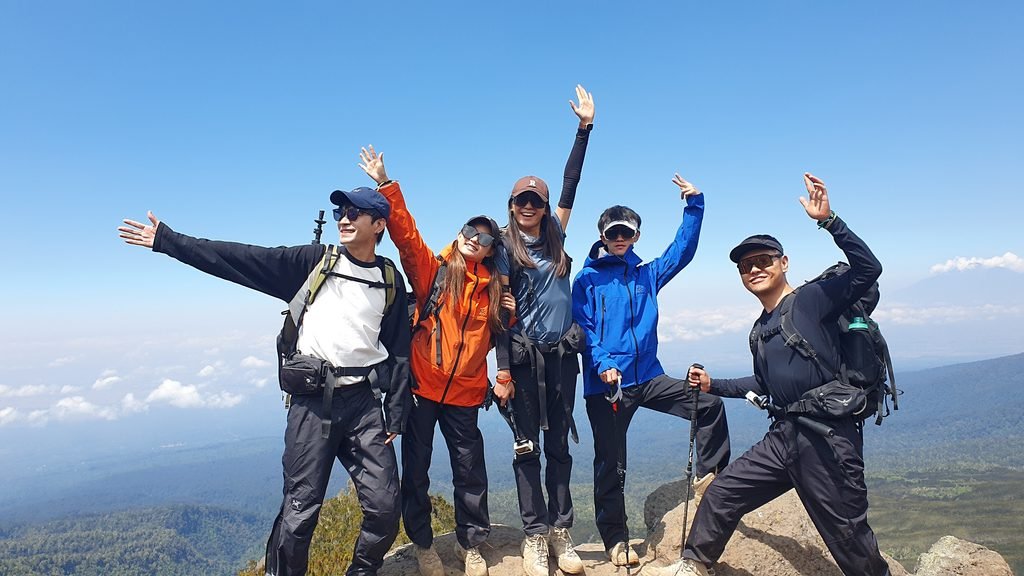
Day 6: Buffalo Camp to Third Cave Camp – Remote Northern Circuit Trekking
Starting altitude: Approximately 4,020 m
Sleeping altitude: Approximately 3,870 m
Hiking time: 4–6 hours
Accommodation: Third Cave Camp
Today’s trek continues eastward across Kilimanjaro’s northern slopes, passing through open alpine terrain with sparse vegetation. The route crosses several small valleys and ridges, with changing views of Kibo and the surrounding plains. The landscape is noticeably different from the rainforest and moorland experienced earlier in the climb.
The walking is generally manageable for properly acclimatized trekkers, although the altitude continues to demand a steady pace. Your guide will encourage regular breaks and monitor any symptoms that could indicate difficulty adjusting to the mountain environment. The gradual nature of this section is one reason climbers choose the longer Northern Circuit itinerary.
After reaching Third Cave Camp, you will have time to rest and prepare for the next day’s climb toward School Hut. The campsite is located in a high-altitude environment where temperatures can drop sharply after sunset.
Day 7: Third Cave Camp to School Hut – Preparing for the Summit Attempt
Starting altitude: Approximately 3,870 m
Sleeping altitude: Approximately 4,700–4,750 m
Hiking time: 4–6 hours
Accommodation: School Hut Camp
After breakfast, you will begin ascending toward School Hut, the final high camp before the summit attempt. The trail crosses increasingly barren volcanic terrain, where vegetation becomes extremely limited. As you gain altitude, the air becomes thinner, and even moderate physical activity may require greater effort.
Your guide will maintain a slow and controlled pace, allowing time for short breaks and hydration. The route approaches the eastern side of Kibo, where the mountain’s summit landscape becomes more prominent. Weather conditions can change rapidly, with strong winds, low temperatures, and reduced visibility possible.
You will normally arrive at School Hut during the afternoon. After lunch, the focus shifts to resting, eating, preparing clothing, and checking essential summit equipment. Your guide will explain the summit schedule, expected conditions, and safety procedures. Because the summit attempt usually begins late at night, climbers are encouraged to rest as much as possible before departure.
Day 8: School Hut to Uhuru Peak – Summit Kilimanjaro and Descend to Mweka Camp
Starting altitude: Approximately 4,700–4,750 m
Summit altitude: 5,895 m
Sleeping altitude: Approximately 3,100 m
Total trekking time: Approximately 12–16 hours
Accommodation: Mweka Camp
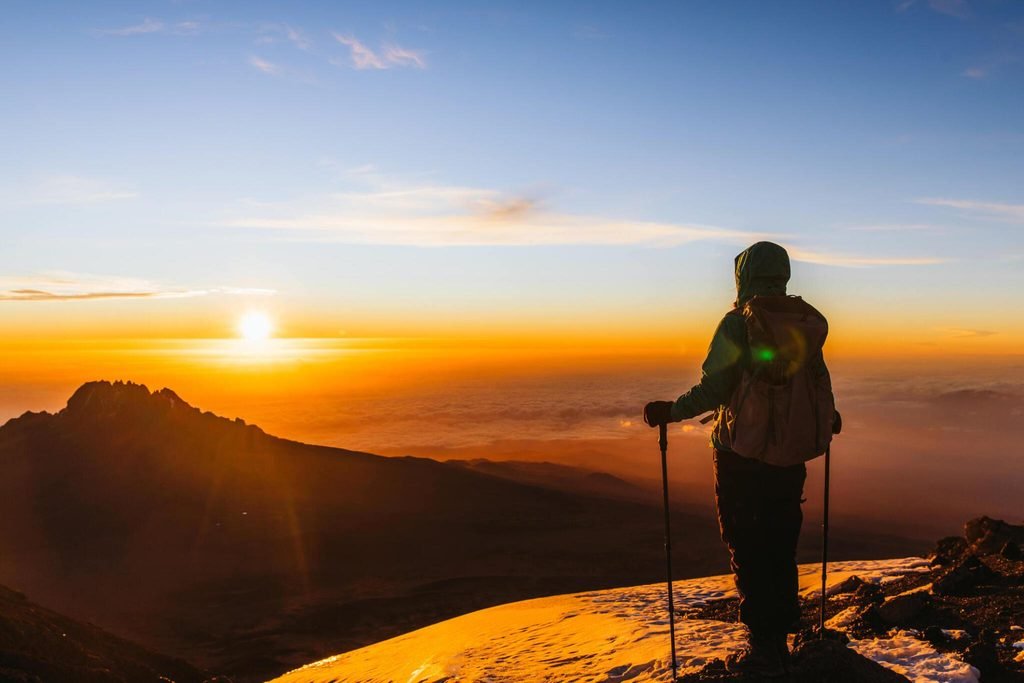
Summit day is the most physically demanding stage of the Northern Circuit Route. Your guide will normally wake the group around midnight, or earlier depending on conditions, before beginning the slow ascent toward the crater rim. Temperatures can be extremely cold, and the combination of darkness, wind, altitude, and steep volcanic terrain makes careful pacing essential.
The route climbs toward Gilman’s Point on the crater rim before continuing toward Uhuru Peak. Progress becomes increasingly difficult at this elevation, and your guide will closely monitor each climber for signs of altitude-related illness. Reaching the summit is never guaranteed, and the guide may require a climber to descend if continuing would create an unacceptable safety risk.
For climbers who reach Uhuru Peak, the summit marks the highest point in Africa at 5,895 metres above sea level. Weather permitting, there may be time for photographs before beginning the descent. Because the summit environment is extremely cold and exposed, climbers should not expect to remain there for long.
The descent follows the established route toward the southern side of the mountain, continuing to Mweka Camp after a long and demanding day. Upon arrival, the crew will prepare food and sleeping arrangements. Most climbers will be tired after the summit attempt, making rest and hydration especially important.
Day 9: Mweka Camp to Mweka Gate – Final Descent and Return to Moshi
Starting altitude: Approximately 3,100 m
Finishing altitude: Approximately 1,640–1,830 m
Hiking time: 3–4 hours
Destination: Moshi or Arusha
After breakfast, you will begin the final descent through Kilimanjaro’s forested slopes toward Mweka Gate. The trail passes through moorland and gradually returns to the rainforest, where vegetation becomes denser and temperatures become warmer. The descent can be slippery after rainfall, so trekking poles and suitable footwear remain useful.
Although the final day is less demanding than the summit attempt, tired legs and uneven ground require careful walking. Your guide will maintain a comfortable pace while the group makes its way toward the park exit.
At Mweka Gate, the team will complete the required exit procedures. Eligible climbers who reached the relevant summit points can receive the appropriate climbing certificates through the park’s established process. After saying goodbye to the mountain crew, you will travel back to Moshi or Arusha for a shower, meal, and well-earned rest.
How Difficult Is the Northern Circuit Route?
The Northern Circuit is a challenging high-altitude trek rather than a technical mountaineering climb on its standard route. Most sections involve hiking on established trails, but climbers must be prepared for long walking days, cold temperatures, uneven terrain, and the physical effects of altitude. Summit day is particularly demanding because it involves a substantial ascent followed by a long descent.
The nine-day itinerary provides more time for acclimatization than shorter Kilimanjaro routes, but it does not guarantee successful acclimatization or a summit. Climbers should prepare through regular walking, hill training, cardiovascular exercise, and practice carrying a daypack. Previous hiking experience is useful, although preparation and a responsible approach to altitude are more important than speed.
Kilimanjaro Altitude Sickness and Climbing Safety
Altitude sickness is one of the most important risks when climbing Mount Kilimanjaro. Symptoms of acute mountain sickness can include headache, nausea, dizziness, poor appetite, and unusual fatigue. More serious altitude illnesses can affect the brain or lungs and require immediate descent and urgent medical attention.
Climbers should never ignore worsening symptoms or attempt to continue upward simply to reach the summit. Your mountain guide should carry out regular health assessments and follow established altitude safety procedures. Travelers should also seek medical advice before departure, particularly if they have existing medical conditions or questions about altitude medication.
Adequate hydration, appropriate pacing, rest, and a well-planned itinerary are important, but none can completely prevent altitude illness. The safest decision may be to descend, even when the summit is close.
Best Time to Climb the Northern Circuit Route
The Northern Circuit can be climbed during different months, but weather conditions vary considerably throughout the year. January to March often provides relatively favorable climbing conditions, although the summit can be very cold and snow may be present. June to October is another popular period, generally associated with drier conditions and clearer views.
April and May usually bring the main rainy season, when trails can become muddy and visibility may be reduced. November and December can also experience seasonal rainfall. Because the Northern Circuit crosses exposed high-altitude terrain, strong winds and rapidly changing weather are possible in any month.
Travelers planning to climb in 2027 or 2028 should select dates according to their preferred conditions, available holiday time, and the operational schedule of their chosen climbing team.
Northern Circuit Route Accommodation and Meals
The Northern Circuit is a camping route, meaning climbers sleep in mountain tents rather than permanent huts. The trekking crew transports and sets up the main camping equipment, while climbers normally carry their personal daypacks containing water, clothing, snacks, and other essentials.
Meals are prepared by the mountain cook and generally include breakfast, packed or prepared lunches, and evening meals. The exact menu depends on the climbing package and available supplies. Travelers with dietary restrictions should communicate their requirements before booking so that suitable arrangements can be discussed.
What Is Included in the 9 Days Northern Circuit Climbing Package?
A standard package can include Kilimanjaro National Park fees, professional mountain guides, porters, a cook, camping tents, meals during the trek, drinking water treatment arrangements, and transport between the hotel and mountain gates. Group safety equipment and health monitoring arrangements should also be clearly specified.
The exact services, equipment standards, porter arrangements, and hotel nights must be confirmed in the written quotation before booking.
What Is Not Included?
International flights, Tanzania visa fees, travel insurance, personal trekking equipment, tips for the mountain crew, and optional activities are generally excluded unless specifically stated. Hotel accommodation before or after the climb may also be excluded depending on the selected package.
Essential Packing List for the Northern Circuit Route
Climbers should bring suitable hiking boots, moisture-wicking clothing, thermal base layers, insulated jackets, waterproof outerwear, warm gloves, a winter hat, and comfortable hiking trousers. A sleeping bag rated for very cold mountain conditions is essential, together with a headlamp, trekking poles, sunglasses, sunscreen, and a daypack.
Other useful items include water bottles or a hydration system, personal medication, toiletries, spare batteries, and waterproof bags for protecting clothing and electronics. Because mountain conditions can change rapidly, suitable clothing layers are more important than carrying unnecessary items.
How Much Does the 9 Days Northern Circuit Route Cost?
The cost of a nine-day Northern Circuit climb depends on the number of climbers, guide and porter arrangements, national park fees, equipment standards, hotel accommodation, transport, and services included. The longer duration generally makes this route more expensive than shorter Kilimanjaro climbing packages because additional days require more food, staffing, and camping arrangements.
For accurate 2027 and 2028 prices, travelers should request a personalized quotation rather than relying on outdated advertised rates. Eddy Tours & Safaris can provide a detailed breakdown of the package and explain what is included before confirming your reservation.
Frequently Asked Questions About the Northern Circuit Route
1. How many days does the Northern Circuit take?
The standard itinerary described here takes nine trekking days and eight nights on the mountain.
2. What is the highest point?
Uhuru Peak, at 5,895 metres above sea level.
3. Where does the route begin?
The climb begins from the western side of Kilimanjaro through Londorossi Gate.
4. Where does the route finish?
The descent finishes at Mweka Gate.
5. Is the Northern Circuit suitable for beginners?
It can suit well-prepared first-time high-altitude trekkers, but the climb remains physically demanding.
6. Is the route crowded?
The northern traverse is generally quieter than several popular Kilimanjaro routes.
7. Does the route have good acclimatization?
The extended itinerary allows more time for gradual acclimatization, although altitude sickness remains possible.
8. Is the climb technically difficult?
The standard route is primarily a trek, but high altitude and summit conditions make it challenging.
9. Do climbers sleep in huts?
No. The Northern Circuit uses mountain camping tents.
10. Are professional guides included?
Guided climbs are arranged with qualified mountain guides and support crews.
11. Can I climb in 2027?
Yes. You can request suitable 2027 climbing dates.
12. Can I climb in 2028?
Yes. You can request 2028 departures, subject to availability and operating arrangements.
13. What is the best month to climb?
January to March and June to October are generally popular periods.
14. Is summit success guaranteed?
No. Weather, altitude, fitness, and health can affect the outcome.
15. Can I hire trekking equipment?
Equipment rental may be available in Moshi, subject to quality and availability.
16. How cold is summit night?
Temperatures can fall well below freezing, particularly when wind chill is considered.
17. Are meals included?
Meals during the mountain trek can be included according to the confirmed package.
18. How much luggage can porters carry?
Porter loads must follow applicable regulations and responsible working practices. Your operator will explain the personal luggage allowance.
19. Can I combine the climb with a safari?
Yes. A Tanzania wildlife safari can be arranged before or after your climb.
20. Is travel insurance necessary?
Comprehensive insurance covering high-altitude trekking and emergency evacuation is strongly recommended.
21. Can couples book a private climb?
Yes. Private climbing arrangements can be prepared for couples and small groups.
22. How do I book the Northern Circuit Route?
Contact Eddy Tours & Safaris with your travel dates, number of climbers, and preferred arrangements.
Book Your 9 Days Northern Circuit Kilimanjaro Climb with Eddy Tours & Safaris
The nine-day Northern Circuit Route offers a comprehensive Kilimanjaro climbing experience, combining a gradual acclimatization schedule with varied landscapes and a quieter traverse around the northern slopes. From the rainforest near Londorossi Gate to the Shira Plateau, the remote northern camps, and the final summit attempt at Uhuru Peak, the route provides a rewarding challenge for travelers who want to experience more of Mount Kilimanjaro.
At Eddy Tours & Safaris, we organize guided Kilimanjaro climbing packages with professional mountain crews and carefully planned itineraries. Our team can help you understand the route, prepare your equipment, and arrange suitable travel dates for 2027 or 2028.
Request Your Northern Circuit Climbing Quotation
Email: sales@eddytours-safaris.com
You can also compare this itinerary with our Machame Route Kilimanjaro Climb, Marangu Kilimanjaro Climb, and 7 Days Umbwe Route.
Climb Mount Kilimanjaro with Eddy Tours & Safaris and explore the Northern Circuit Route in 2027 or 2028.