
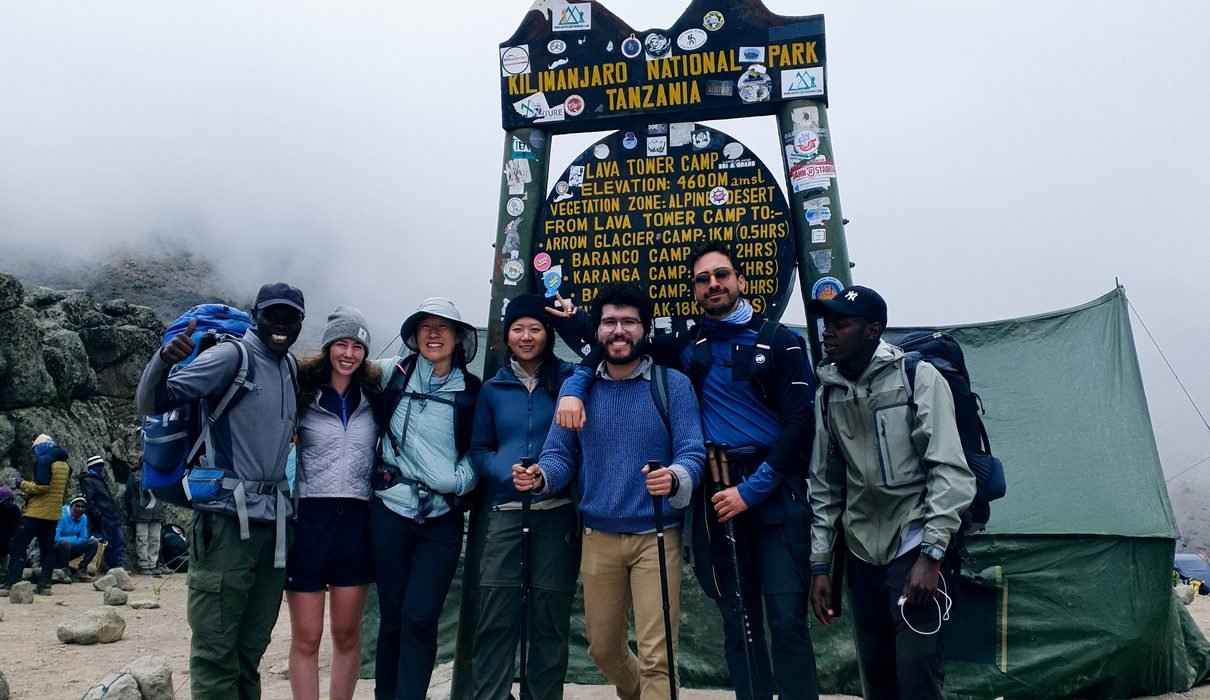
If you are looking for a six-day hiking adventure in Tanzania, the Machame Route is one of the most interesting ways to explore Mount Kilimanjaro. This route takes you through green forests, open mountain landscapes, rocky valleys, and cold high-altitude terrain before reaching Uhuru Peak, the highest point in Africa at 5,895 metres above sea level. It is a journey that requires determination, good preparation, and a willingness to face some difficult hiking days.
The six-day Machame Route is also known as the Whiskey Route. It is popular among travelers because of its beautiful scenery and the variety of landscapes encountered during the climb. Unlike routes that follow a more direct path up the mountain, Machame crosses several different areas, including the Shira Plateau, Lava Tower, Barranco Valley, and the southern slopes of Kibo. Each day brings something different, making the journey interesting even before you reach the summit.
At Eddy Tours & Safaris, we organize Kilimanjaro hiking tours for travelers visiting Tanzania in 2027 and 2028. Our team helps with route planning, mountain guides, camping arrangements, and the information you need before your trip. Whether you are traveling alone, with friends, or as a small private group, understanding what happens during the six days will help you decide whether this route is right for you.
One thing to understand before booking is that the six-day Machame Route is not an easy climb. It includes long walking days, steep trails, and a demanding summit attempt. The seven-day Machame option gives climbers an extra day to adjust to the altitude, so it is often the better choice for beginners. However, experienced and well-prepared hikers who have limited time may still consider the six-day itinerary after reviewing the risks and their personal fitness.
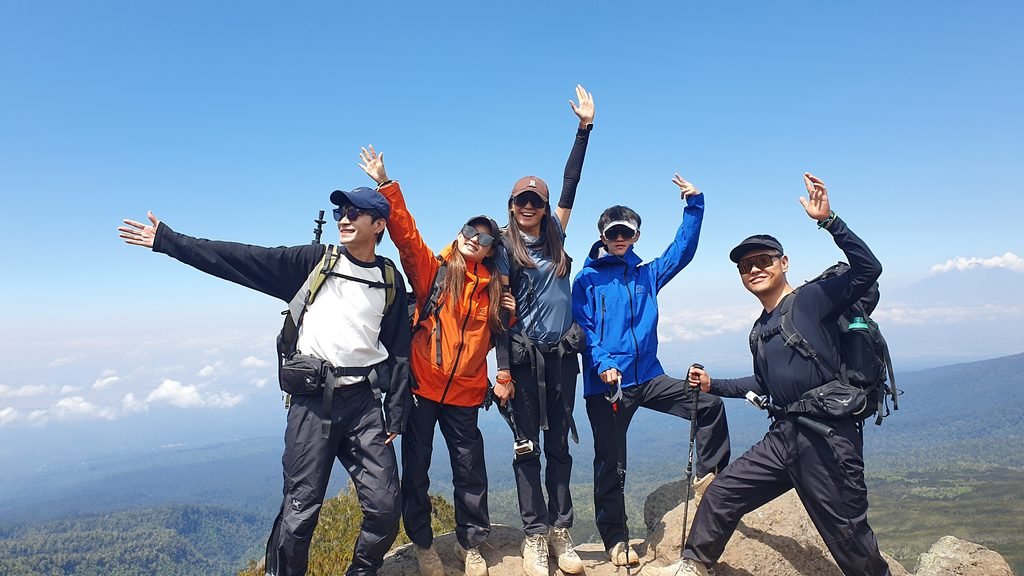
6-Day Machame Route Tour Overview
| Tour information | Details |
|---|---|
| Destination | Mount Kilimanjaro, Tanzania |
| Route | Machame Route |
| Tour duration | 6 days and 5 nights |
| Travel period | 2027 and 2028 |
| Starting point | Machame Gate |
| Ending point | Mweka Gate |
| Highest point | Uhuru Peak, 5,895 metres |
| Accommodation | Camping in mountain tents |
| Difficulty | Challenging |
| Tour type | Guided Kilimanjaro hiking tour |
| Departure town | Moshi |
| Price | Available on request |
What Makes the Machame Route Special?
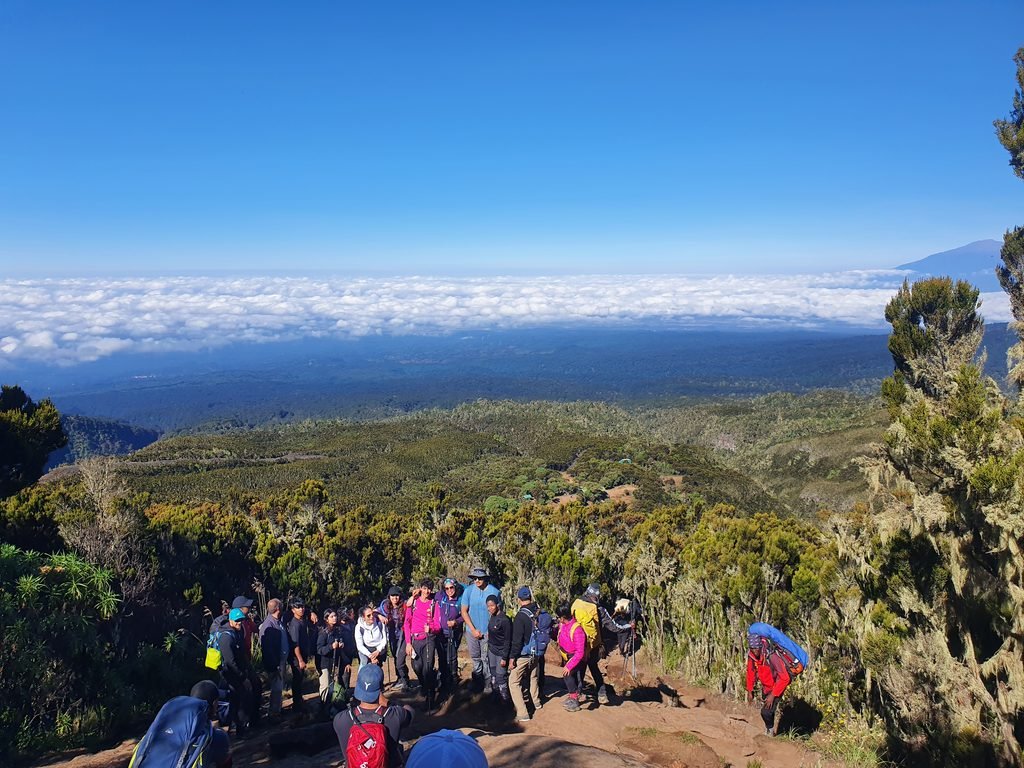
One of the best things about the Machame Route is how much the scenery changes as you climb. During the first day, you walk through a thick rainforest with tall trees and plenty of green vegetation. As you move higher, the forest becomes thinner and the landscape opens up. You begin to see rocky slopes, wide valleys, and distant mountain peaks. By the time you reach the upper camps, the surroundings look completely different from where you started.
Machame also passes some of Kilimanjaro’s best-known places. Lava Tower is an important landmark because it sits at a high elevation and is part of the route’s acclimatization profile. Barranco Wall is another memorable section where hikers carefully make their way up a steep rocky slope. Later, the trail leads to Barafu Camp, where climbers prepare for the final push toward Uhuru Peak.
The route is also popular because it gives hikers the chance to experience the mountain on foot without needing technical climbing skills in normal trekking conditions. You do not usually need ropes or specialist mountaineering equipment on the standard trail. However, you must be comfortable with steep walking, rocky paths, and changing weather. Good fitness is helpful, but it does not protect you from altitude sickness.
If you are still comparing routes, read our Machame Route Kilimanjaro guide to understand more about the mountain and what makes this route different.
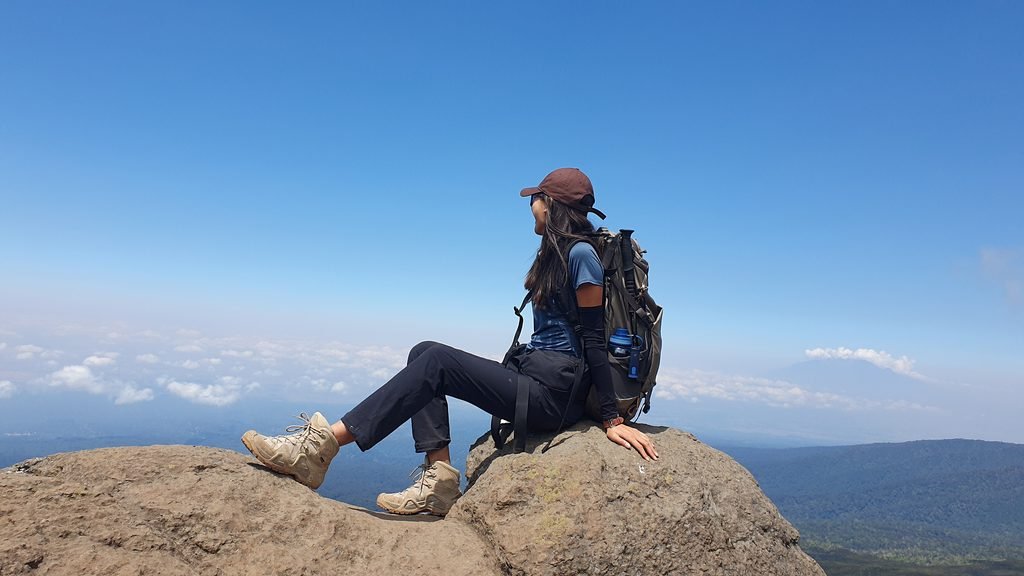
Detailed 6-Day Kilimanjaro Hiking Tour Itinerary
Day 1: Drive from Moshi to Machame Gate and Hike to Machame Camp
Hiking distance: Approximately 11 km
Walking time: 5–7 hours
Starting altitude: Around 1,800 m
Sleeping altitude: Around 2,835 m
Accommodation: Machame Camp
Your adventure begins in Moshi, where you meet your Kilimanjaro mountain guide and the rest of the climbing team. After breakfast, you travel by vehicle to Machame Gate, one of the main starting points for Kilimanjaro hikes. The drive takes you through local villages and farming areas, with views of the mountain’s lower slopes along the way. At the gate, your guide handles the park registration while the porters prepare the equipment and supplies needed for the climb.
Once everything is ready, you start walking through the rainforest. This part of Kilimanjaro is usually green and humid, with tall trees, ferns, and thick vegetation along the trail. The path climbs steadily, and some sections can become muddy after rain. You may hear birds in the forest or occasionally see monkeys, although wildlife sightings depend on the conditions.
The first day’s hike is a good opportunity to get used to walking at a slow and comfortable pace. There is no need to rush because the climb becomes harder as you gain altitude. Your guide will encourage regular breaks and help you manage your energy throughout the day. After several hours, you arrive at Machame Camp, where the crew will have prepared the tents and evening meal.
You spend your first night on the mountain at Machame Camp. The temperature can become quite cool after sunset, so it is important to have your warm clothing ready. Your guide will also explain the plan for the following day.
Day 2: Machame Camp to Shira Camp
Hiking distance: Approximately 5 km
Walking time: 4–6 hours
Starting altitude: Around 2,835 m
Sleeping altitude: Around 3,750 m
Accommodation: Shira Camp
After breakfast, you leave Machame Camp and continue toward the Shira Plateau. The trail becomes steeper, and the thick rainforest gradually disappears. In its place, you begin to see shorter plants, open ground, and rocky sections. The higher you climb, the wider the views become, especially when the sky is clear.
Although the distance is shorter than on the first day, this stage can still be tiring because of the uphill walking. You are also gaining a considerable amount of altitude, which may make you feel that you need to stop and catch your breath more often. Your guide will keep the group moving slowly and encourage everyone to drink water and take breaks when needed.
As you approach Shira Camp, you reach a more open part of the mountain. The landscape is very different from the rainforest, and on a clear day, you can enjoy views toward Kibo, Kilimanjaro’s main summit cone. This is a good place to appreciate how much the environment has changed since the beginning of the climb.
Once you reach camp, you have time to rest and enjoy a warm meal. Your guide may suggest a short walk around the area if the weather and your condition allow. Spending the night at this altitude is an important part of the journey, so let your guide know if you develop a headache, nausea, dizziness, or unusual tiredness.
Day 3: Shira Camp to Lava Tower and Barranco Camp
Hiking distance: Approximately 10 km
Walking time: 6–8 hours
Highest altitude: Around 4,600 m at Lava Tower
Sleeping altitude: Around 3,950 m
Accommodation: Barranco Camp
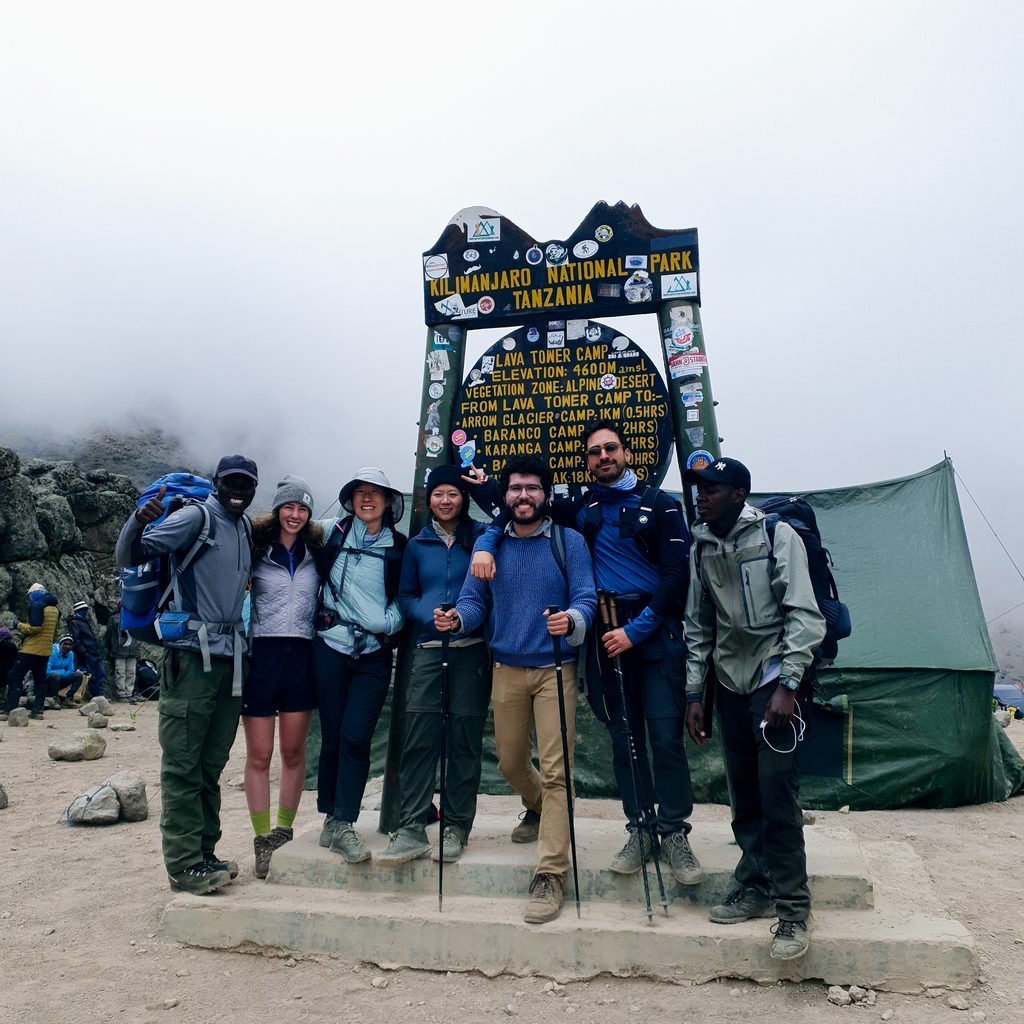
The third day is one of the most interesting stages of the Machame Route. After breakfast, you leave Shira Camp and follow the trail toward Lava Tower, a large volcanic rock formation located at a high elevation. The landscape becomes more open and rocky as you walk, and there are fewer plants compared with the lower parts of the mountain.
The climb toward Lava Tower can be difficult because you are now walking at an altitude where there is less oxygen available. Even simple movements may require more effort than usual. Your guide will encourage you to walk slowly and pay attention to how you feel. This is also a day when some climbers begin to notice the effects of altitude, so it is important to report any symptoms.
After reaching the Lava Tower area, the trail begins descending toward Barranco Camp. Although you climb to a high point during the day, you sleep at a lower elevation. This is one of the features of the Machame Route that can help with acclimatization, although it does not remove the risk of altitude sickness.
The descent takes you through Barranco Valley, where you can see unusual plants such as giant groundsels. The famous Barranco Wall also comes into view as you approach camp. After arriving, you have dinner and spend the evening resting before the next day’s long hike toward Barafu Camp.
Day 4: Barranco Camp to Barafu Camp via Karanga Valley
Hiking distance: Approximately 8–10 km
Walking time: 7–10 hours
Starting altitude: Around 3,950 m
Sleeping altitude: Around 4,640 m
Accommodation: Barafu Camp
Day four begins with one of the most talked-about sections of the Machame Route: Barranco Wall. After breakfast, you start climbing this steep rocky section, sometimes using your hands to support yourself as you move upward. It can look intimidating from below, but the standard route is generally manageable with careful movement and guidance from the mountain team.
After reaching the top of Barranco Wall, you continue across a series of ridges and valleys. The trail leads toward Karanga Valley, where you descend before climbing again. This part of the hike offers views of the mountain’s rocky slopes, and the surrounding landscape becomes increasingly dry and exposed.
On the seven-day Machame Route, climbers normally spend the night at Karanga Camp. However, the six-day itinerary continues directly to Barafu Camp on the same day. This makes the hike longer and more tiring, especially because you are already at a high elevation. You should walk slowly, take regular breaks, and avoid using more energy than necessary.
By the time you reach Barafu Camp, you will be at approximately 4,640 metres. The camp is rocky and exposed, and temperatures can become very cold. After an early meal, your guide will explain the summit-night plan and help you prepare your clothing and equipment. You will then try to rest because the final climb usually begins around midnight.
Day 5: Barafu Camp to Uhuru Peak and Down to Mweka Camp
Hiking distance: Approximately 16–18 km
Walking time: 12–16 hours or longer
Starting altitude: Around 4,640 m
Summit altitude: 5,895 m
Sleeping altitude: Around 3,100 m
Accommodation: Mweka Camp
Summit day starts during the night, usually around midnight, depending on the weather and your guide’s assessment. You put on your warmest clothing, switch on your headlamp, and begin walking slowly toward Stella Point. The path is steep, and the ground includes loose volcanic rock. Because it is dark and very cold, this stage can be mentally and physically difficult.
As you climb higher, walking becomes harder because of the altitude. Your guide will set a slow pace and watch how everyone is feeling. It is important to report any signs of altitude sickness rather than trying to hide them. Reaching the summit is a wonderful goal, but your safety must always come first.
After several hours, you may reach Stella Point at approximately 5,756 metres. If the weather is suitable and your guide confirms that you are well enough to continue, you follow the crater rim toward Uhuru Peak. At 5,895 metres, this is the highest point in Africa. Many climbers hope to reach the summit around sunrise, although the actual timing depends on the group’s pace and conditions.
After the summit attempt, you begin descending toward Barafu Camp. You may have time for a meal and a short rest before continuing down to Mweka Camp. This is a long day, and the descent can be particularly tiring on the knees and legs. Once you reach Mweka Camp, you can enjoy dinner and rest after the most demanding stage of the expedition.
Day 6: Mweka Camp to Mweka Gate and Return to Moshi
Hiking distance: Approximately 9–10 km
Walking time: 3–5 hours
Starting altitude: Around 3,100 m
Finishing altitude: Around 1,640 m
Accommodation: End of mountain tour
After breakfast, you begin the final walk down to Mweka Gate. The trail leads back into the rainforest, where the air becomes warmer and the vegetation grows thicker. Compared with the rocky upper mountain, the surroundings are greener and more sheltered, although the downhill path may be slippery after rain.
The final day is usually easier in terms of altitude, but your legs may still feel tired after the previous day’s summit attempt and descent. Your guide will continue leading the group at a comfortable pace. Along the way, you can enjoy the forest scenery and reflect on the different landscapes you have experienced during the climb.
When you reach Mweka Gate, your guide completes the park exit procedures. Climbers who meet the park’s requirements may receive the appropriate summit certificate. Afterward, you travel by vehicle back to Moshi, where you can rest and prepare for the next part of your holiday.
If you want to continue exploring Tanzania, Eddy Tours & Safaris can help you arrange a wildlife safari or a Zanzibar beach holiday after your climb.
How Difficult Is the 6-Day Machame Route?
The six-day Machame Route is a difficult high-altitude trek, especially for people who have never completed a multi-day mountain hike. The trail includes steep sections, rocky paths, and several days of continuous walking. The biggest challenge is usually not the technical nature of the route but the combination of physical effort, altitude, cold weather, and limited recovery time.
One particularly demanding part of the six-day itinerary is the walk from Barranco Camp to Barafu Camp. Because there is no overnight stop at Karanga, you cover a longer distance before preparing for the summit. You then begin the final ascent after only a short period of rest, which can make summit day feel even harder.
If you have more time available, the seven-day Machame Route is generally a better option because it includes an additional night at Karanga Camp. You can read our full Machame Route itinerary for more information about the climbing experience.
Is the 6-Day Machame Route Good for Beginners?
The six-day Machame Route is not the first option we would recommend for most beginners. Although it does not normally require technical climbing skills, the itinerary moves through high elevations relatively quickly and provides limited time for acclimatization. A beginner who is physically fit may still struggle with altitude because fitness does not determine how well the body adjusts to reduced oxygen.
For travelers attempting Kilimanjaro for the first time, a seven-day Machame, eight-day Lemosho, or nine-day Northern Circuit itinerary is generally worth considering. These longer options allow additional time on the mountain and can provide a more comfortable schedule before the summit attempt.
If you are unsure which route is suitable for you, contact Eddy Tours & Safaris with your hiking experience and preferred travel dates. Our team can help you compare the available options before requesting a quotation.
Best Time to Hike Kilimanjaro via Machame in 2027 and 2028
Mount Kilimanjaro can be climbed throughout the year, but the weather is not the same in every season. January to March and June to October are generally popular months because they often have relatively dry conditions. During these periods, hikers may experience clearer mountain views and more comfortable trails, although rain, wind, and freezing temperatures are still possible.
April and May are usually associated with heavier rainfall, which can make the rainforest sections muddy and slippery. November and December may also bring rain, although the amount varies from year to year. The weather near the summit can change quickly in any season, so proper clothing and equipment are always important.
For a 2027 or 2028 climb, choose your dates based on your schedule and preferred conditions. It is also wise to confirm the departure arrangements and applicable park fees before booking flights.
What Is Included in a 6-Day Machame Hiking Package?
A typical guided Machame climbing package includes professional mountain guides, porters, a cook, park fees, camping arrangements, meals during the trek, and transport between Moshi and the mountain gates. The mountain crew carries the main camping supplies while hikers carry a smaller daypack containing water, snacks, rain protection, and personal essentials.
The exact services depend on the package you book. Some quotations include accommodation in Moshi before and after the climb, while others cover only the six days on the mountain. Airport transfers, equipment rental, and additional travel arrangements may also be offered separately.
International flights, Tanzania visa fees, personal hiking equipment, travel insurance, and tips for the mountain crew are commonly excluded unless clearly stated. Before making a payment, ask for a written quotation showing the full inclusions and exclusions.
What Should You Pack for the Machame Route?
Packing the right equipment is important because the weather changes considerably as you climb. During the first day, you may walk through a warm and wet rainforest, but by summit night, you will need clothing suitable for freezing temperatures. Wearing several layers allows you to adjust your clothing as the weather and altitude change.
You should bring comfortable waterproof hiking boots, hiking socks, thermal clothing, a fleece or warm mid-layer, an insulated jacket, waterproof trousers and jacket, gloves, a warm hat, sunglasses, and a headlamp. Trekking poles are useful for steep downhill sections, and a comfortable daypack is needed for carrying personal supplies.
You will also need a sleeping bag suitable for cold mountain conditions. If you do not own all the necessary equipment, ask about rental options in Moshi before traveling. Make sure you test your hiking boots during training walks rather than wearing them for the first time on the mountain.
How to Train for the 6-Day Machame Route
Physical training should begin well before your departure. For many travelers, three to six months of regular exercise is a useful starting point, depending on their fitness and hiking experience. The main goal is to become comfortable walking for several hours on consecutive days, including uphill and downhill sections.
Regular hiking is one of the best ways to prepare. If possible, practice on hills and gradually increase the length of your walks. Stair climbing, cycling, swimming, and strength training can also help improve your endurance and prepare your legs for the demands of the mountain.
Training with a daypack is particularly helpful because you will carry personal items throughout the expedition. However, remember that good fitness does not prevent altitude sickness. Choosing a suitable route and following your guide’s safety instructions are just as important as physical preparation.

Understanding Altitude Sickness on Kilimanjaro
Altitude sickness is one of the main risks of climbing Mount Kilimanjaro. As you move higher, the amount of oxygen available to your body decreases. Some people develop headaches, nausea, dizziness, tiredness, or difficulty sleeping. More serious symptoms can include confusion, trouble walking normally, or breathlessness while resting.
The six-day Machame Route includes a climb toward Lava Tower before descending to Barranco Camp, which provides an opportunity for acclimatization. However, the itinerary still involves a relatively quick ascent, and climbers should not assume that this section removes the risk of altitude illness.
Before traveling, speak with a healthcare professional about high-altitude trekking and any personal medical concerns. During the climb, tell your guide immediately if you feel unwell. If symptoms become serious or worsen, descending may be necessary. A safe return is always more important than reaching Uhuru Peak.
For additional information about altitude illness and mountain health, see the CDC guide to high-altitude travel.
Can You Combine Kilimanjaro with a Tanzania Safari?
Yes. Many travelers choose to enjoy a wildlife safari after completing their Kilimanjaro hike. Northern Tanzania has several famous wildlife destinations, including Tarangire National Park, Serengeti National Park, Ngorongoro Crater, and Lake Manyara National Park. A safari gives you the chance to relax between game drives and experience a completely different side of Tanzania.
If you have limited time, a two- or three-day safari can be arranged after the climb. Travelers with more days available may prefer a longer Serengeti and Ngorongoro itinerary. You can also continue to Zanzibar for a beach holiday after your mountain adventure.
At Eddy Tours & Safaris, we can help you plan a combined Kilimanjaro and safari holiday according to your travel dates, budget, and interests. Allow enough time to recover after the climb before beginning your next activity.
Frequently Asked Questions About the 6-Day Machame Route
1. How long is the Machame Route?
The six-day itinerary includes six trekking days and five nights on the mountain.
2. Is the six-day Machame Route difficult?
Yes. It is a challenging trek with steep trails, long walking days, and high-altitude conditions.
3. Can beginners climb the six-day Machame Route?
Some physically prepared beginners may consider it, but the seven-day itinerary is generally a better choice.
4. What is the highest point of the climb?
Uhuru Peak, at 5,895 metres above sea level.
5. Where does the Machame Route start?
The route begins at Machame Gate on the southwestern side of Kilimanjaro.
6. Where does the climb finish?
The expedition finishes at Mweka Gate after descending through Mweka Camp.
7. Does the route include Barranco Wall?
Yes. Climbers cross Barranco Wall on the fourth day.
8. Is Barranco Wall dangerous?
It requires care and attention, but the standard section is normally completed as a guided scramble without technical climbing equipment.
9. Do climbers sleep in tents?
Yes. Machame is a camping route, and climbers stay at designated mountain camps.
10. What is the hardest day?
Summit day is usually the hardest because of the altitude, cold, and long walking hours.
11. Is six-day Machame better than seven-day Machame?
The seven-day itinerary generally provides more time for acclimatization and rest.
12. What is the summit success rate?
There is no single verified success percentage that applies to every climbing group or operator.
13. What is the best month to climb?
January to March and June to October are generally popular periods.
14. Can I climb during the rainy season?
Yes, but trails can be muddy and the weather less comfortable.
15. How cold is Kilimanjaro?
Temperatures near the summit can fall well below freezing, especially when strong winds are present.
16. Do I need previous hiking experience?
Previous hiking experience is helpful, particularly on a shorter itinerary like six-day Machame.
17. Do I need climbing ropes?
Technical climbing ropes are not normally required on the standard Machame trekking route.
18. Can I rent hiking equipment in Moshi?
Some equipment may be available for rental, subject to local availability.
19. Do I need travel insurance?
Travel insurance covering high-altitude trekking and emergency evacuation is strongly recommended.
20. Is a guide required?
Yes. Kilimanjaro climbs require appropriate authorized guiding arrangements.
21. How many kilometres will I walk?
The total route distance is commonly around 60 kilometres, although the exact distance varies with trail measurements and campsite arrangements.
22. Can I climb Kilimanjaro in 2027?
You can request a quotation for 2027, subject to departure and service confirmation.
23. Can I book a climb for 2028?
Yes. You can discuss 2028 travel plans and request information about available arrangements.
24. Can I combine the climb with a safari?
Yes. A Tanzania safari can be arranged after the mountain expedition.
25. How do I book with Eddy Tours & Safaris?
Contact our team with your preferred dates, number of travelers, and hiking experience to request a detailed quotation.
Book Your Scenic 6-Day Machame Route Kilimanjaro Climb for 2027/2028/2029
The six-day Machame Route offers a memorable journey through some of Kilimanjaro’s most beautiful landscapes. From the green rainforest near Machame Gate to the open Shira Plateau, rocky Lava Tower, Barranco Wall and the final ascent toward Uhuru Peak, each stage offers a different view of the mountain. For travelers who enjoy hiking, photography and outdoor adventures, Machame provides a varied climbing experience.
However, the six-day schedule is demanding and should be chosen carefully. The long trek from Barranco to Barafu and the limited time before summit night make this itinerary more challenging than the seven-day version. If you have enough time, an additional acclimatization day is worth considering, particularly if you have limited previous high-altitude experience.
At Eddy Tours & Safaris, we help travelers organize guided Kilimanjaro expeditions for 2027, 2028 and 2029. Our team can discuss Machame Route options, mountain accommodation, preparation requirements and suitable travel arrangements before providing a detailed quotation.
Request Your 6-Day Machame Route Kilimanjaro Quotation
Chat with Eddy Tours & Safaris on WhatsApp
Email: sales@eddytours-safaris.com
Contact our team to plan your Machame Route climb with suitable preparation, realistic expectations and mountain safety as the priority.