
Tanzania is one of those countries where a single holiday can bring together several completely different experiences. You can spend the morning watching elephants in Tarangire National Park, travel across the open plains of the Serengeti, walk through villages on the slopes of Mount Kilimanjaro, and finish your journey relaxing beside the Indian Ocean in Zanzibar. For travellers planning a visit in 2027, the country offers far more than the traditional wildlife safari, with mountain climbing, cultural visits, walking adventures, historical sites, and beach holidays all worth including in a travel itinerary.
Choosing what to do in Tanzania depends on your interests, the number of days available, and the time of year you intend to travel. Some visitors come specifically to witness the Great Migration, while others want to climb Africa’s highest mountain or experience the everyday life of local communities. Many travellers prefer a combination of these activities, especially when visiting Tanzania for the first time. With proper planning and guidance from a local company such as Eddy Tours & Safaris, it is possible to arrange a holiday that balances wildlife, adventure, relaxation, and cultural experiences without spending too much time travelling between destinations.
This updated guide covers ten of the best activities to experience in Tanzania in 2027, including where to enjoy them, what makes each activity worthwhile, the most suitable travel periods, and practical advice to help you prepare.
1. Experience a Wildlife Safari in Serengeti National Park
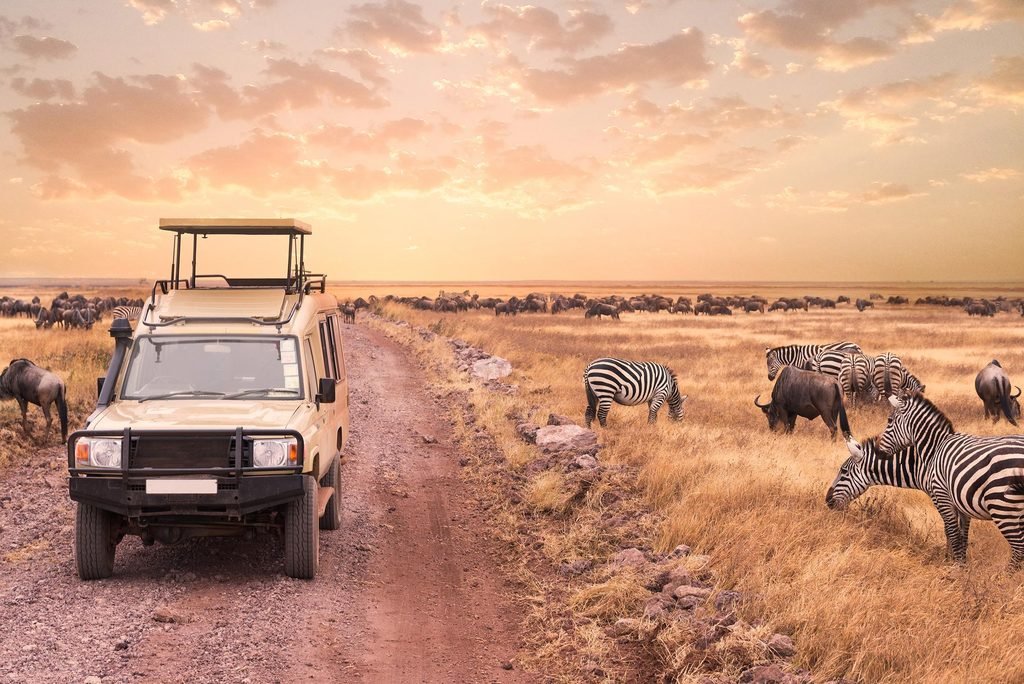
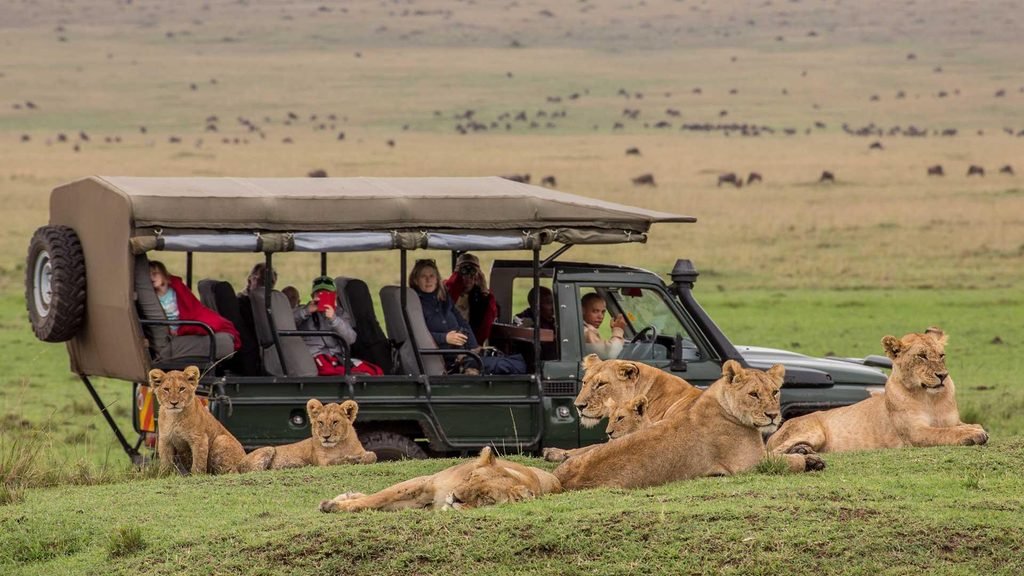
A wildlife safari in Serengeti National Park remains one of the main reasons travellers visit Tanzania. Located in the northern part of the country, the Serengeti is known for its extensive grasslands, large wildlife populations, and remarkable predator sightings. The park provides opportunities to see lions, elephants, giraffes, buffaloes, zebras, cheetahs, and many other animals in their natural surroundings. Unlike a zoo or controlled wildlife attraction, animals move freely across the landscape, making every game drive different. Some mornings may bring close views of lions resting near rocky outcrops, while others may involve following herds of wildebeest or watching elephants moving slowly through the woodland.
One of the biggest attractions is the annual Great Migration, during which large numbers of wildebeest and zebras move through the Serengeti ecosystem in search of grazing and water. The movement follows seasonal rainfall rather than a fixed calendar, so visitors should choose their travel dates according to the areas they hope to explore. The southern Serengeti and Ndutu region are particularly interesting during the calving period, generally between January and March, while the western and northern sections become important at different stages of the migration. River crossings are often associated with the northern Serengeti between approximately July and October, although sightings can never be guaranteed. The Tanzania National Parks Authority provides official information about park attractions, conservation, and visitor activities.
For travellers visiting in 2027, spending at least three days in the Serengeti is a sensible choice because the park covers a large area and wildlife movements change throughout the year. A well-planned Tanzania safari with Eddy Tours & Safaris can combine the Serengeti with Ngorongoro Crater, Tarangire, and Lake Manyara, allowing visitors to experience different habitats within one journey. Accommodation options range from simple campsites to comfortable tented camps and luxury safari lodges, making the destination suitable for travellers with different budgets.
2. Climb Mount Kilimanjaro, the Highest Mountain in Africa
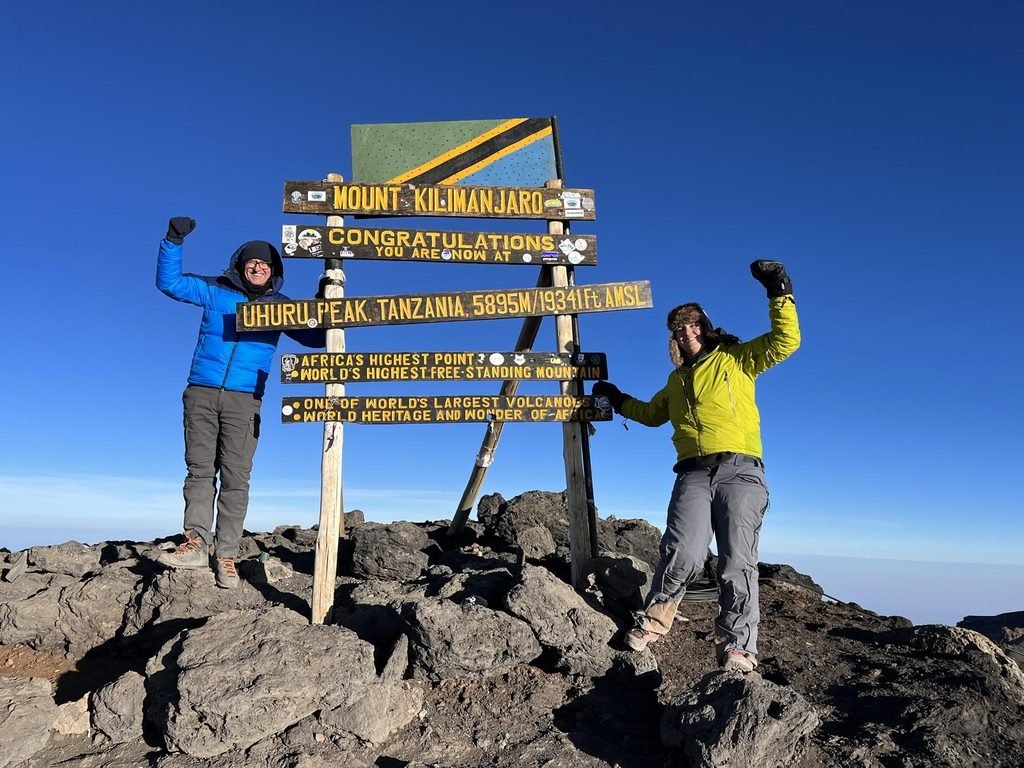
Climbing Mount Kilimanjaro is one of Tanzania’s most demanding and rewarding outdoor activities. Standing at 5,895 metres above sea level, Kilimanjaro attracts climbers from around the world who want to reach Uhuru Peak, the highest point on the African continent. The mountain is located near Moshi in northern Tanzania and can be climbed through several established trekking routes. Although the standard trekking routes do not require technical mountaineering skills, reaching the summit involves long walking days, cold temperatures, and significant altitude changes. Proper preparation, suitable equipment, and enough time for acclimatisation are essential.
The most commonly selected climbing routes include Machame, Marangu, Lemosho, Rongai, and the Northern Circuit. Each route offers a different combination of scenery, duration, accommodation, and acclimatisation opportunities. Machame is popular for its varied landscapes, while Lemosho offers a longer approach through forest and open moorland. Marangu is known for its mountain huts, and the Northern Circuit provides an extended route around the quieter northern slopes. Travellers preparing for a climb can explore further route information through Kilimanjaro Climb Specialist and arrange local trekking support through Eddy Tours & Safaris.
For 2027, January to early March and June to October are generally considered favourable periods for Kilimanjaro trekking, although mountain weather can change at any time. Visitors should choose their route based on fitness, previous hiking experience, available days, and the need for gradual acclimatisation rather than selecting the shortest itinerary simply to reduce costs. Longer itineraries generally provide more time to adjust to altitude, but no route can guarantee summit success. Travellers who do not wish to attempt the summit can still experience Kilimanjaro through shorter hikes, nearby waterfalls, coffee tours, and cultural visits around Moshi and the surrounding villages.
3. Explore the Ngorongoro Crater on a Game Drive
Ngorongoro Crater is one of Tanzania’s most remarkable wildlife destinations and an important stop on the northern safari circuit. Formed from an ancient volcanic collapse, the crater contains grasslands, woodland, wetlands, and a seasonal salt lake within a relatively compact area. These different habitats support a wide range of wildlife, including elephants, lions, buffaloes, zebras, wildebeest, hippos, and black rhinoceroses. The landscape itself is part of the attraction, especially when approaching the crater from the surrounding highlands and looking down towards the floor before beginning the descent.
A typical Ngorongoro safari starts early in the morning, allowing visitors to spend several hours exploring the crater floor with an experienced driver-guide. Wildlife viewing can be particularly productive because many animals remain within the crater throughout the year. Visitors may encounter large herds grazing across the grasslands, lions resting beside the road, or hippos gathered in freshwater pools. Black rhinoceroses are also present, although sightings depend on their location and the conditions on the day. The Ngorongoro Conservation Area Authority manages tourism and conservation activities within the area and provides guidance on permitted visitor experiences.
Ngorongoro works particularly well as part of a three-day, four-day, or longer northern Tanzania safari. Travellers can combine a crater game drive with Tarangire, Lake Manyara, and the Serengeti, depending on their available time. The highland climate is often cooler than the surrounding lowlands, so carrying a warm jacket is advisable, particularly for early departures. Visitors arranging their journey through Eddy Tours & Safaris can include the crater in a private safari or a suitable group-joining itinerary, with accommodation available around Karatu and the Ngorongoro highlands.
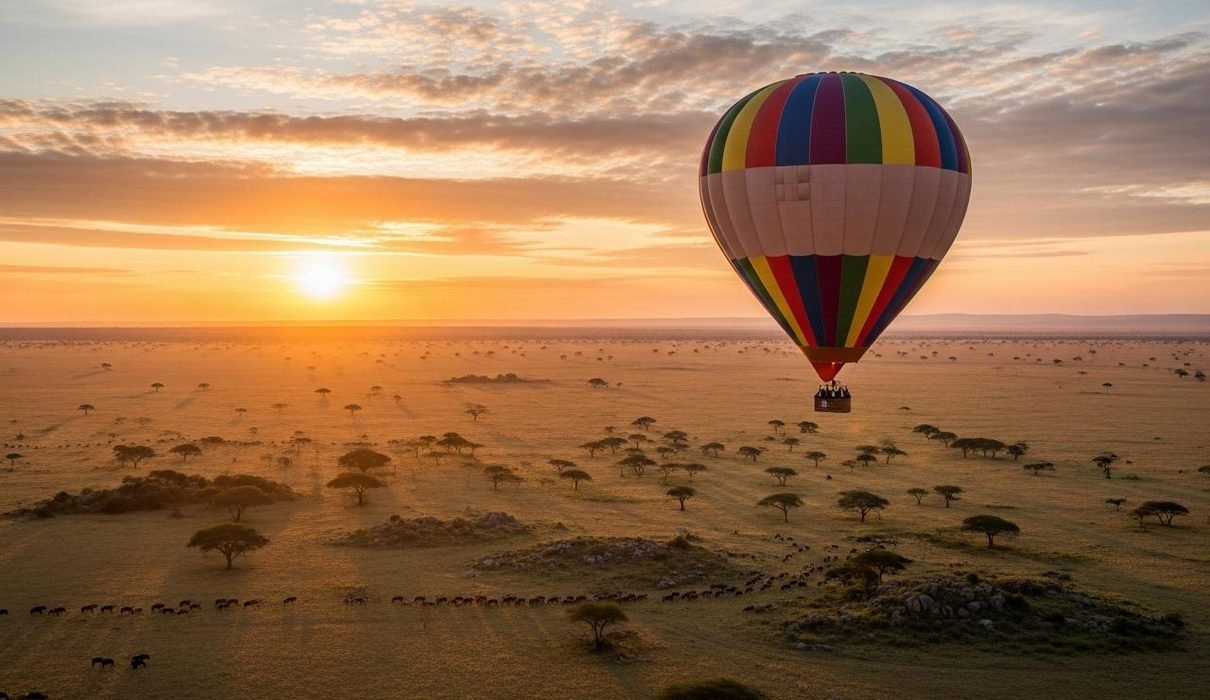
4. Enjoy a Hot Air Balloon Safari Over the Serengeti
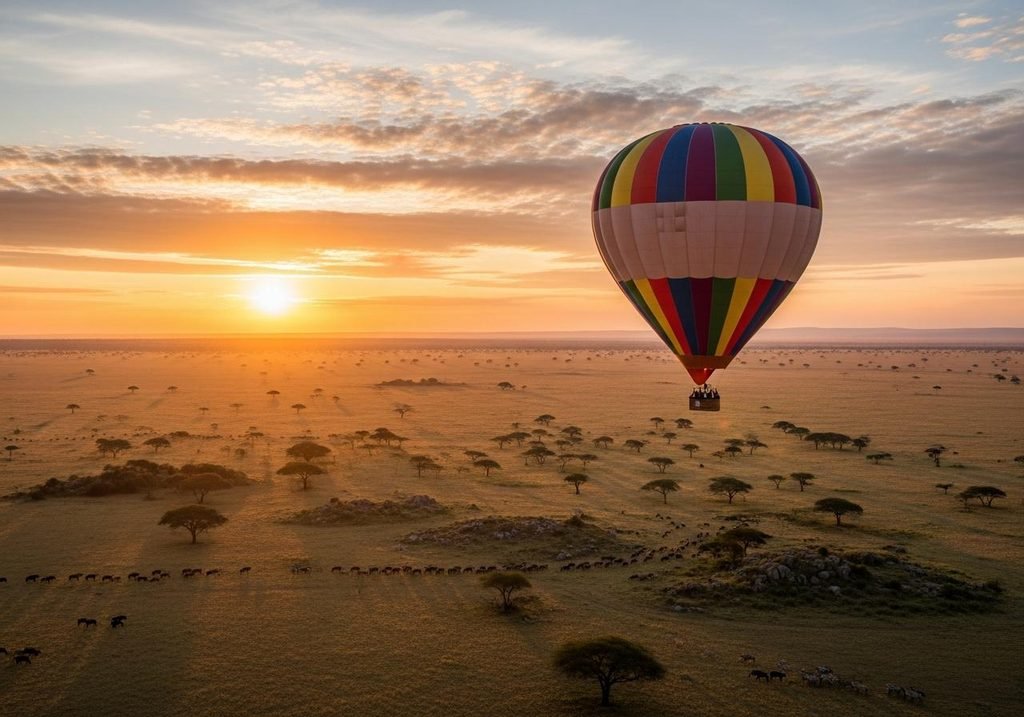
A hot air balloon safari offers a different way to appreciate the landscapes of the Serengeti. Instead of travelling along established safari tracks, visitors rise above the plains shortly after sunrise and observe the surrounding scenery from the air. Depending on the location, season, and wildlife movements, the flight may provide views of grazing herds, rivers, woodland, and animals moving across open grassland. The experience is especially appealing to photographers, couples, and travellers who want to include something special in their Tanzania safari.
Balloon safaris normally begin before sunrise, with passengers transferred from their accommodation to the launch area. After a safety briefing, the balloon takes off when weather conditions are suitable, and the flight generally lasts around an hour, although the exact duration varies. The pilot controls altitude while wind direction determines the route, meaning no two flights follow precisely the same path. Some operators also arrange a bush breakfast after landing, adding to the overall experience. Balloon operations depend on suitable weather, availability, and the operating areas approved by the relevant authorities.
For travellers planning a Serengeti balloon safari in 2027, advance booking is recommended because spaces are limited and departures can be popular during the busiest safari months. Balloon flights are normally booked as an additional activity rather than being automatically included in a standard safari package. Visitors can discuss suitable locations, accommodation arrangements, and seasonal opportunities with Eddy Tours & Safaris when preparing their Serengeti itinerary.
5. Relax on Zanzibar’s Beaches and Explore Stone Town
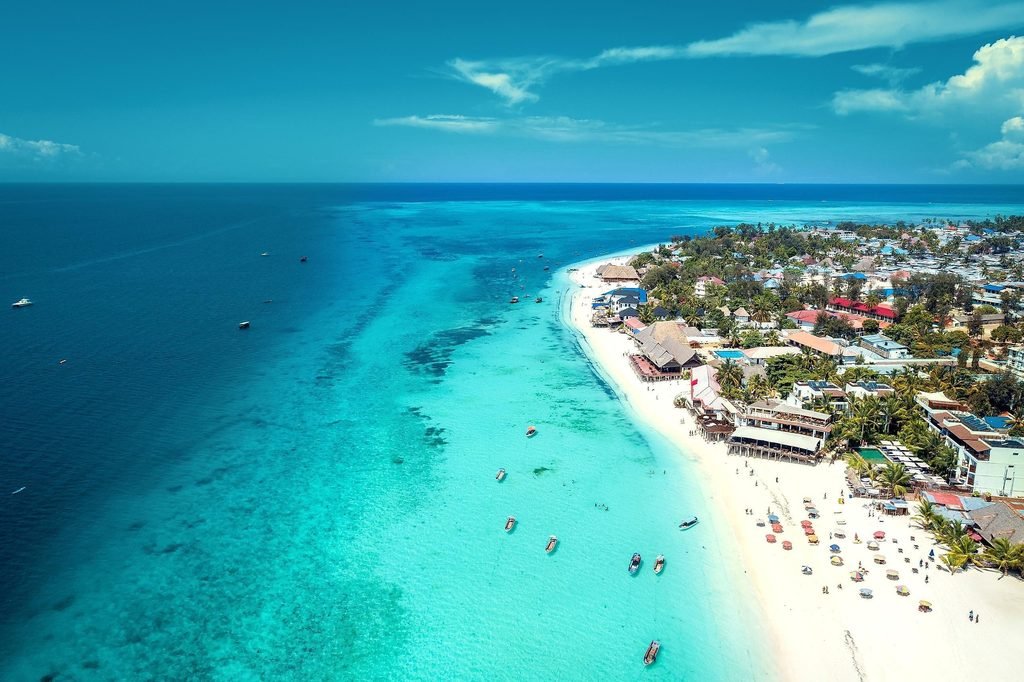
Zanzibar provides a welcome change of scenery after several days of wildlife viewing or mountain trekking. Located off the coast of mainland Tanzania, the islands are known for their sandy beaches, warm Indian Ocean waters, historic settlements, and cultural influences shaped by centuries of trade. Visitors can spend their days swimming, taking boat excursions, visiting spice farms, exploring local markets, or simply enjoying the quieter pace of island life. Zanzibar is particularly suitable for travellers who want to combine adventure with a few days of relaxation before returning home.
Different parts of Zanzibar offer different holiday experiences. Nungwi and Kendwa in the north are popular for beach holidays and swimming, while Paje and Jambiani on the southeastern coast attract visitors interested in kitesurfing, beach walks, and a more relaxed coastal atmosphere. Tidal changes are especially noticeable along parts of the eastern coastline, so travellers should consider beach conditions when selecting accommodation. Stone Town, the historic centre of Zanzibar City, is also worth visiting for its narrow streets, carved wooden doors, traditional buildings, markets, and cultural heritage. Its history reflects African, Arab, Indian, and European influences that developed through the Indian Ocean trading network.
A Zanzibar holiday can be arranged independently or combined with a mainland safari through Eddy Tours & Safaris. Travellers with limited time may choose three or four nights on the island, while those interested in marine activities and cultural exploration may prefer a longer stay. June to October and December to February are often attractive travel periods, although Zanzibar remains a year-round destination. Visitors should also check the latest Zanzibar entry requirements, including any applicable mandatory visitor insurance, before travelling in 2027.
6. Discover Tarangire National Park and Its Elephant Herds
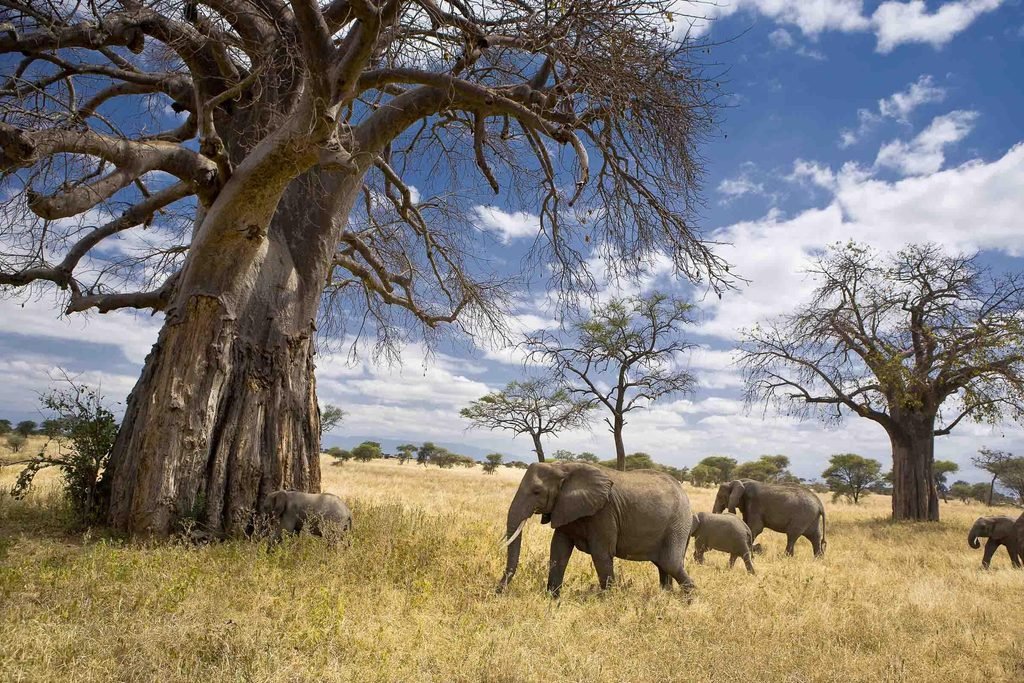
Tarangire National Park is an excellent destination for travellers interested in elephants, birdlife, and classic African landscapes. Located southwest of Arusha, the park is particularly well known for its large baobab trees, seasonal wildlife concentrations, and the Tarangire River, which provides an important water source during dry periods. Visitors often encounter elephants travelling in family groups, sometimes crossing safari tracks or gathering near water. Giraffes, zebras, wildebeest, impalas, buffaloes, and predators also inhabit the park, although sightings depend on the season and wildlife movements.
The dry season, generally from June to October, is often a rewarding period for visiting Tarangire because wildlife gathers around permanent water sources as surrounding areas become drier. During the wetter months, the landscape becomes greener, birdlife is particularly interesting, and animals may spread across a wider area. The park is suitable for both day trips from Arusha and overnight safaris, although staying longer allows visitors to explore more of its varied habitats. Birdwatchers can look for species associated with wetlands, grasslands, and woodland, while photographers may appreciate the combination of wildlife and mature baobab trees.
Tarangire is frequently included at the beginning or end of a northern Tanzania safari because of its accessibility from Arusha. Visitors with three to five days available can combine the park with Lake Manyara and Ngorongoro Crater, while longer itineraries can continue towards the Serengeti. Travellers interested in a private wildlife experience can contact Eddy Tours & Safaris to arrange a suitable itinerary with transport, park visits, accommodation, and an experienced safari guide.
7. Experience Tanzania’s Local Cultures and Traditional Communities
Cultural tourism is an important part of understanding Tanzania beyond its wildlife and natural attractions. The country is home to many communities with different languages, traditions, livelihoods, and histories. Visiting local villages, markets, farms, and cultural centres gives travellers an opportunity to learn how people live, work, and maintain their traditions. These experiences are especially meaningful when arranged through local guides and community-supported programmes that encourage respectful interaction and provide direct benefits to participating residents.
Around Arusha and the Ngorongoro highlands, visitors can learn about Maasai pastoral traditions, livestock keeping, local crafts, and community life. In the Lake Eyasi area, guided visits may provide opportunities to learn about Hadzabe and Datoga communities, including traditional knowledge and different ways of making a living. Travellers should approach these experiences with curiosity and respect, recognising that communities are not tourist displays and that customs vary between families and locations. Photography should always be discussed with the people involved, and visits should be organised through responsible local arrangements rather than treating everyday community activities as performances.
Cultural activities can also include coffee tours around the slopes of Mount Kilimanjaro and Mount Meru, local cooking experiences, traditional markets, and guided walks through rural communities. Many of these activities fit comfortably into a safari itinerary without requiring several additional travel days. Visitors planning a cultural extension through Eddy Tours & Safaris can select activities according to their interests and the communities they wish to learn about, creating a more balanced understanding of Tanzania.
8. Take a Walking Safari or Nature Hike in Tanzania
Walking safaris provide an opportunity to experience the natural environment at a slower pace than a traditional vehicle safari. Rather than focusing only on large animals, guided walks introduce visitors to animal tracks, plants, insects, bird calls, and the smaller details that are easily missed during game drives. Depending on the destination, walking routes may pass through open woodland, grassland, volcanic landscapes, or forest trails. These activities are led by authorised guides or rangers where required, and visitors must follow safety instructions because wildlife encounters can occur unexpectedly.
Arusha National Park is one of the accessible destinations for guided walking activities, offering views of Mount Meru, forest habitats, and wildlife such as giraffes and buffaloes. The Ngorongoro Conservation Area also offers authorised walking experiences in selected locations, including highland landscapes around Empakaai and Olmoti. Other destinations, such as Nyerere National Park and Ruaha National Park, provide opportunities for walking-based wilderness experiences under the applicable park rules. Travellers should confirm the activity’s availability, fitness requirements, and safety arrangements before booking.
Walking activities are particularly suitable for visitors who enjoy hiking, photography, birdwatching, and learning about ecosystems. Some walks last only a few hours, while others involve longer routes requiring additional preparation. Comfortable walking shoes, suitable clothing, drinking water, and sun protection are important, and travellers should avoid approaching wildlife without their guide’s direction. The Tanzania National Parks Authority provides further information on activities available within national parks, while Eddy Tours & Safaris can help visitors incorporate suitable nature experiences into a northern Tanzania itinerary.
9. Visit Materuni Waterfalls and Experience a Local Coffee Tour
Materuni Waterfalls is a popular nature and cultural destination near Moshi, on the lower slopes of Mount Kilimanjaro. The area offers a combination of green mountain scenery, village life, walking trails, and local coffee-growing traditions. Visitors generally begin with a guided walk through the village and surrounding vegetation before reaching the waterfall, where water drops over a steep rock face into a pool below. The trail can be muddy or slippery after rainfall, so suitable footwear is important, particularly during the wetter months.
A visit to Materuni is often combined with a traditional coffee experience organised by local residents. During the activity, visitors learn how coffee is grown, harvested, processed, roasted, and prepared. Depending on the programme, guests may participate in some of the preparation stages while learning about the importance of coffee farming to local households. This makes the excursion more than a sightseeing trip because it provides an opportunity to understand agricultural practices and the connection between local communities and the Kilimanjaro environment.
Materuni works well as a day trip from Moshi or as an additional activity before or after a Kilimanjaro climb. Travellers staying in Arusha can also arrange a visit, although the journey requires more travelling time. Those interested in mountain activities can explore trekking information through Kilimanjaro Climb Specialist and discuss a combined waterfall, coffee, and cultural excursion with Eddy Tours & Safaris. For visitors who want to experience Kilimanjaro without undertaking a multi-day summit trek, Materuni provides an accessible introduction to the mountain’s surrounding communities and landscapes.
10. Discover Lake Manyara National Park and Its Diverse Wildlife
Lake Manyara National Park is another worthwhile destination on Tanzania’s northern safari circuit, particularly for visitors interested in birdlife, woodland scenery, and varied wildlife habitats. Situated near the Great Rift Valley escarpment, the park includes groundwater forest, open grassland, woodland, and the shallow alkaline lake that gives the park its name. This variety of habitats supports monkeys, elephants, giraffes, hippos, buffaloes, and many bird species. Lake Manyara is also associated with tree-climbing lions, although sightings are uncommon and should never be treated as guaranteed.
One of the interesting features of Lake Manyara is how quickly the landscape changes during a game drive. Visitors may begin in dense forest, where monkeys move through the trees, before continuing towards more open areas with grazing animals and views of the lake. Birdwatching can be particularly rewarding, with opportunities to observe waterbirds, raptors, and forest species depending on seasonal conditions. Flamingos may be present when water conditions are suitable, but their numbers and locations change, so visitors should not expect large concentrations on every trip.
Lake Manyara is conveniently located between Arusha and the Ngorongoro highlands, making it a practical stop for travellers following the northern safari circuit. It can be visited on a day trip or included in a longer journey with Tarangire, Ngorongoro, and the Serengeti. Travellers booking through Eddy Tours & Safaris can combine Lake Manyara with other destinations according to their available time, preferred accommodation, and wildlife interests.
Best Time to Visit Tanzania for These Activities in 2027
The best time to visit Tanzania depends on the activities you want to experience rather than one particular month that suits every destination. Wildlife safaris are possible throughout the year, but the dry season generally makes animals easier to locate around water sources in many parks. The wetter periods bring greener landscapes, different birdwatching opportunities, and fewer visitors in some destinations. Kilimanjaro trekking and Zanzibar beach holidays also have their own seasonal considerations, so travellers combining several activities should select dates that offer a reasonable balance.
| Travel Period | Recommended Activities |
|---|---|
| January – March | Kilimanjaro trekking, southern Serengeti calving season, Zanzibar beaches |
| April – May | Green-season safaris, cultural visits, selected nature excursions, subject to weather |
| June – August | Northern Tanzania safaris, Kilimanjaro trekking, Tarangire wildlife viewing |
| September – October | Serengeti and Tarangire safaris, walking activities, Zanzibar holidays |
| November – December | Birdwatching, cultural experiences, green-season safaris, selected mountain treks |
Travellers hoping to see specific wildlife events should remain flexible because seasonal rainfall and animal movements vary from year to year. For the Great Migration, choosing the correct part of the Serengeti is just as important as choosing the month. Those planning to climb Kilimanjaro should also allow enough days for acclimatisation and avoid making summit plans based entirely on weather expectations. Booking accommodation and specialist activities in advance is advisable for the popular travel periods in 2027.
How Many Days Do You Need to Experience Tanzania?
The ideal holiday length depends on how many activities you want to include. A short visit of three to five days is suitable for exploring selected northern safari destinations, while seven to ten days allows more time for wildlife viewing and cultural activities. Travellers combining a Kilimanjaro climb with a safari generally need at least two weeks, depending on the chosen climbing route. Adding Zanzibar requires additional time, particularly if the aim is to relax rather than move immediately from one destination to another.
For a first visit, a ten-day itinerary might include Tarangire, Serengeti, Ngorongoro Crater, and a few days in Zanzibar. Travellers with fourteen days or more could consider a longer safari, additional cultural excursions, or a mountain adventure. It is important to account for road transfers, domestic flights, park entry arrangements, and rest days when designing the itinerary. A local operator such as Eddy Tours & Safaris can help organise these activities in a practical order and reduce unnecessary travelling between destinations.
Practical Travel Advice for Tanzania in 2027
Before travelling to Tanzania, visitors should check passport validity, visa requirements, vaccination guidance, and any applicable travel insurance conditions. Entry requirements can vary according to nationality and the areas being visited, so travellers should consult official government information rather than relying on outdated travel articles. Visitors planning a Zanzibar extension should also confirm the island’s specific entry and insurance requirements. For current immigration guidance, refer to the Tanzania Immigration Department.
Packing should reflect the activities included in the itinerary. Safari travellers generally benefit from comfortable clothing, a light jacket for early mornings, sun protection, and a camera or binoculars. Mountain climbers require more specialised clothing and equipment because temperatures can become extremely cold at higher elevations. Visitors planning walking safaris should bring suitable footwear and follow the instructions of authorised guides. Travellers should also carry essential medication, stay hydrated, and discuss any health concerns with an appropriate medical professional before undertaking demanding activities at altitude.
It is equally important to select a responsible tour operator that provides clear itineraries, explains what is included in the quoted price, and communicates changes before travel. Park fees, accommodation standards, domestic flights, optional activities, and transport arrangements can make a considerable difference to the final cost of a holiday. Travellers should request a detailed quotation and confirm the services provided before making payments. This is particularly important for Kilimanjaro climbing, where guide arrangements, porter welfare, safety equipment, and adequate acclimatisation time should be considered alongside the overall price.
Frequently Asked Questions About Activities in Tanzania in 2027
What is the most popular activity in Tanzania?
Wildlife safaris are among Tanzania’s best-known tourism activities, particularly in Serengeti National Park, Ngorongoro Crater, and Tarangire National Park. Mount Kilimanjaro climbing and Zanzibar beach holidays are also major attractions. The best activity depends on whether you prefer wildlife, mountain adventure, cultural experiences, or relaxation, and many visitors combine two or more activities during the same holiday.
Can I combine Kilimanjaro climbing with a wildlife safari?
Yes. Kilimanjaro climbing and northern Tanzania wildlife safaris can be combined because Moshi, Arusha, and several major safari destinations are located within the same general region. Travellers often complete their mountain climb before beginning a safari, although the order can be adjusted according to their schedule. Allowing sufficient recovery time after the climb is advisable, especially before long road journeys or additional physical activities.
Is Tanzania suitable for families travelling with children?
Tanzania can be an excellent destination for family holidays, particularly when the itinerary is designed around children’s ages, interests, and comfort. Wildlife safaris, cultural visits, and Zanzibar beach activities can work well for families, while demanding mountain treks may not be appropriate for younger children. Families should also confirm accommodation policies, activity age restrictions, and travel distances before booking.
How much does it cost to experience Tanzania in 2027?
The cost depends on the number of days, destinations, accommodation category, group size, and activities included. A short group-joining safari generally costs less per person than a private luxury safari, while Kilimanjaro climbing involves additional expenses for mountain crews, park fees, equipment, and logistics. Balloon safaris, domestic flights, and premium accommodation can increase the overall budget. For an accurate 2027 quotation, travellers should request a personalised itinerary with a clear breakdown of included and excluded services.
Is Tanzania safe for tourists?
Tanzania is a well-established international tourism destination, but travellers should take normal precautions and follow local guidance. Wildlife activities should be undertaken with authorised guides, and visitors should respect park regulations, avoid approaching wild animals, and take care of personal belongings in busy public areas. Travellers should also review current official travel advice before departure and arrange appropriate insurance for their planned activities.
Plan Your 2027 Tanzania Holiday with Eddy Tours & Safaris
Tanzania offers enough activities to fill several holidays, but a successful trip does not depend on visiting every destination. The most rewarding itineraries allow enough time to enjoy each experience, whether that means watching wildlife in the Serengeti, climbing Mount Kilimanjaro, learning about local communities, or spending a few quiet days beside the Indian Ocean. Choosing activities that match your interests and travel schedule will make the journey more comfortable and enjoyable.
At Eddy Tours & Safaris, we help travellers plan Tanzania safaris, Kilimanjaro climbing trips, cultural excursions, and combined safari and Zanzibar holidays. Whether you are travelling as a couple, family, group of friends, or on your own, we can help prepare an itinerary that suits your preferred destinations, travel dates, and budget.
Planning to visit Tanzania in 2027? Contact Eddy Tours & Safaris to discuss your travel plans and request a personalised quotation for your Tanzania holiday.