
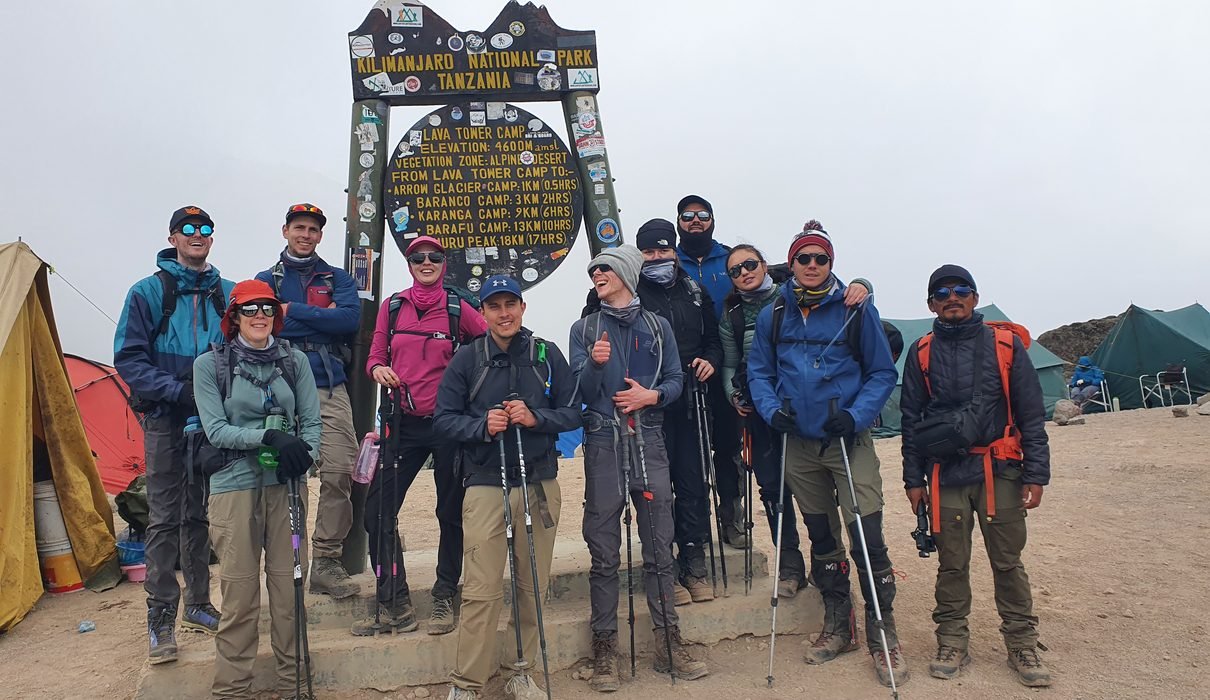
Climbing Mount Kilimanjaro through the Rongai Route is a wonderful choice for travellers who want to explore the quieter northern side of Africa’s highest mountain. This seven-day guided expedition takes you from the forests near the Kenyan border through open moorland, rugged volcanic landscapes and the beautiful Mawenzi Tarn before reaching the summit of Mount Kilimanjaro at 5,895 metres above sea level. Unlike some of the more frequently used routes, Rongai offers a relatively peaceful beginning, with wide mountain views and a gradual introduction to the changing conditions at higher elevations.
The fully guided 7-day Kilimanjaro Rongai Route climb for 2027 and 2028 is designed for travellers who want professional mountain support, a carefully planned trekking schedule and enough time to adjust to increasing altitude. Throughout the expedition, your mountain guide leads the trek while a support team of porters and a cook helps with equipment, meals and camp arrangements. The seven-day programme also includes an acclimatisation day at Mawenzi Tarn, giving climbers additional time at altitude before continuing towards Kibo and preparing for the summit attempt.
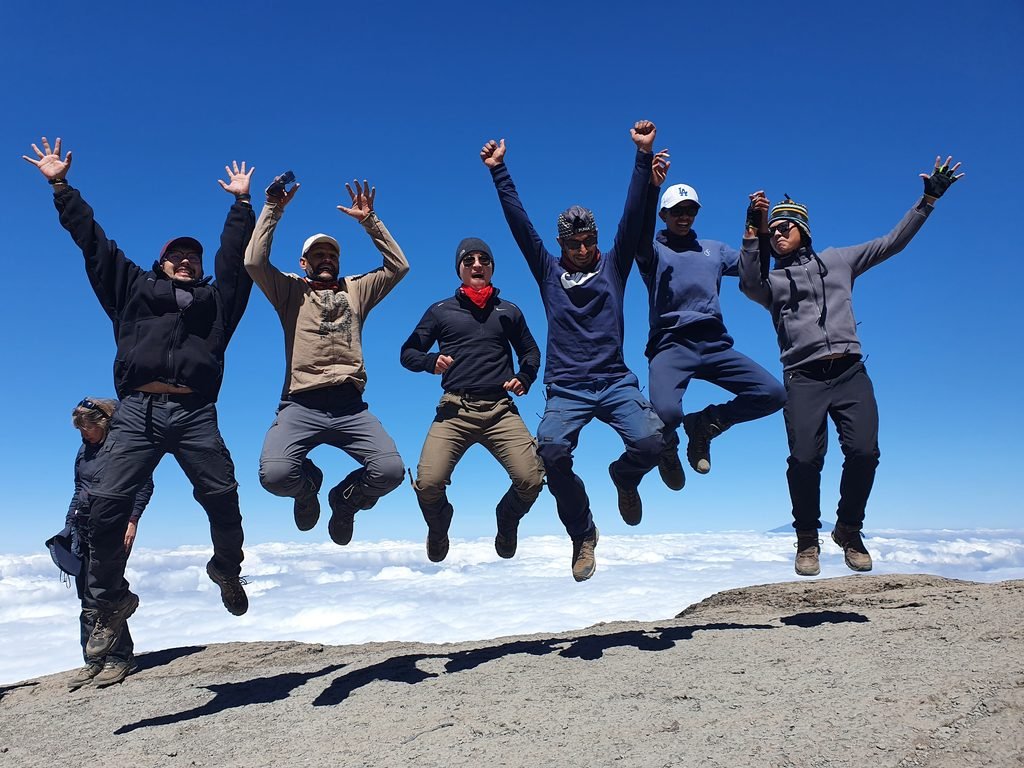
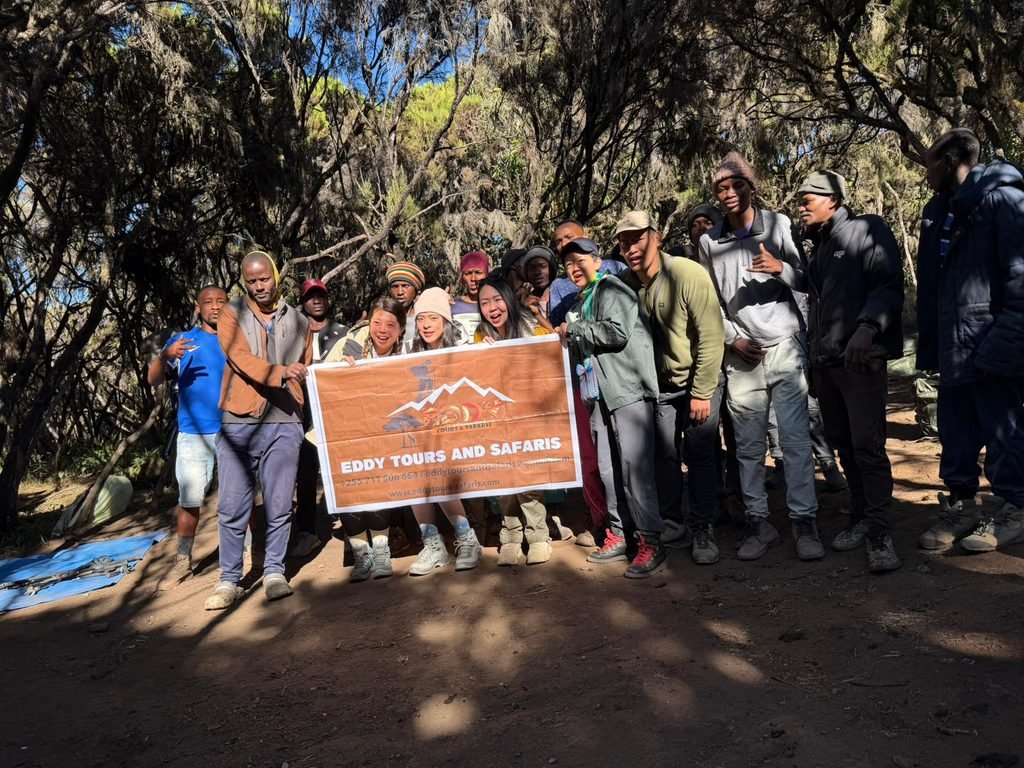
At Eddy Tours & Safaris, we arrange guided Kilimanjaro climbing holidays for solo travellers, couples, families and small groups visiting Tanzania. Whether you are planning your first high-altitude trek or returning to Kilimanjaro to experience a different route, our team can help you choose suitable travel dates, understand the mountain conditions and prepare for your journey. You can also explore our Kilimanjaro climbing programmes and learn more about mountain trekking through Kilimanjaro Climb Specialist.
Overview of the Fully Guided 7-Day Kilimanjaro Rongai Route Package
| Tour details | Information |
|---|---|
| Package name | Fully Guided 7-Day Kilimanjaro Rongai Route |
| Destination | Mount Kilimanjaro, Tanzania |
| Travel period | 2027 and 2028 |
| Duration | 7 trekking days, 6 mountain nights |
| Starting point | Rongai Gate / Nalemoru |
| Finishing point | Marangu Gate |
| Maximum elevation | Uhuru Peak, 5,895 metres |
| Difficulty | Challenging high-altitude trekking |
| Accommodation | Mountain camping and designated descent accommodation |
| Acclimatisation | Additional day at Mawenzi Tarn |
| Tour type | Private guided climb; joining options by enquiry |
| Mountain crew | Professional guides, porters and cook |
| Meals | Breakfast, lunch and dinner during the mountain expedition, with final-day meals as scheduled |
| Starting location | Moshi or Arusha |
| Package price | Quotation based on travel dates and group size |
Why Choose the Rongai Route for Your Kilimanjaro Climb in 2027/2028?
The Rongai Route approaches Mount Kilimanjaro from the north, close to the Tanzania–Kenya border. This geographical position makes it different from the Machame, Lemosho and Umbwe routes, which approach the mountain from other directions. Rongai’s lower slopes generally have a more gradual gradient, allowing climbers to settle into a comfortable walking rhythm during the first days. The route is also known for its relatively dry northern approach during some periods of the year, although rain and poor weather can occur in any season.
Another advantage is the opportunity to experience two different sides of Kilimanjaro during one expedition. The ascent begins through the northern forest and open landscapes before passing beneath Mawenzi Peak and crossing the high-altitude Saddle towards Kibo. After the summit attempt, climbers descend through the Marangu Route, passing Horombo and continuing into the rainforest towards Marangu Gate. This combination provides a broad view of Kilimanjaro’s vegetation zones, volcanic scenery and mountain environments.
The seven-day programme is particularly attractive because it allows more time for acclimatisation than a shorter six-day climb. Spending an additional day near Mawenzi Tarn helps climbers adjust gradually before reaching Kibo Hut, where the summit attempt begins. Nevertheless, Kilimanjaro remains a demanding high-altitude mountain, and no itinerary can guarantee successful acclimatisation or reaching the summit. Our 7-day Rongai climbing guide provides additional information about preparing for this route.
Detailed 7-Day Fully Guided Kilimanjaro Rongai Route Itinerary
Day 1: Moshi or Arusha – Rongai Gate – Simba Camp
Elevation: Approximately 1,950 m to 2,650 m
Hiking distance: 7–9 km
Walking time: 3–5 hours
Habitat: Farmland, forest and heath
Accommodation: Simba Camp
Meals: Lunch and dinner
Your seven-day Kilimanjaro expedition begins with a morning transfer from your hotel in Moshi or Arusha to Rongai Gate on the northern side of the mountain. The drive passes through local villages, agricultural areas and beautiful countryside near the Kenyan border. Upon arrival, your guide assists with the national park registration procedures while the mountain crew prepares the equipment and supplies needed for the expedition. Before setting off, your guide explains the day’s walking schedule, mountain safety procedures and the importance of maintaining a steady pace throughout the climb.
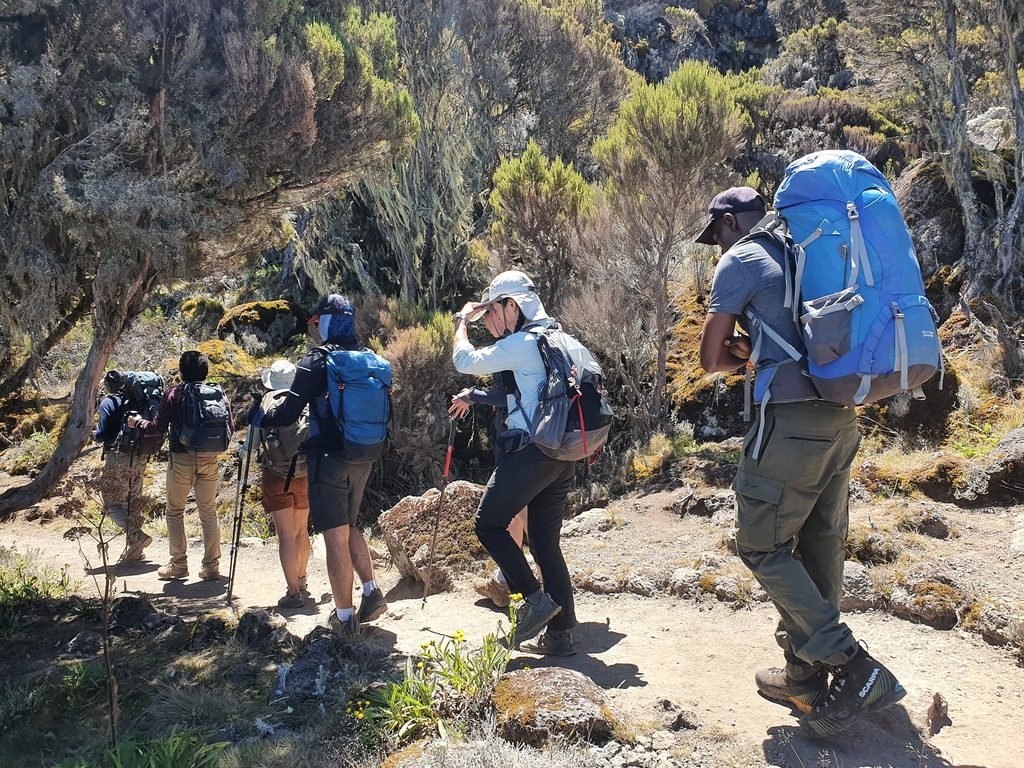
The first section follows a relatively gentle trail through cultivated land before entering the forest. Depending on weather and wildlife movements, you may see monkeys and different bird species along the way. As the trail gradually gains elevation, the dense forest begins to give way to more open vegetation, with occasional views towards the northern plains. The walking pace is deliberately comfortable, allowing everyone to settle into the routine of mountain trekking without rushing. By the afternoon, you arrive at Simba Camp, where the crew prepares dinner and your sleeping arrangements. Your guide conducts an evening briefing and discusses the following day’s climb.
Day 2: Simba Camp – Kikelewa Camp
Elevation: Approximately 2,650 m to 3,600 m
Hiking distance: 12–17 km
Walking time: 6–8 hours
Habitat: Heath and moorland
Accommodation: Kikelewa Camp
Meals: Breakfast, lunch and dinner
After breakfast at Simba Camp, the second day begins with a gradual climb across Kilimanjaro’s open moorland. The landscape becomes increasingly exposed as the trail moves above the forest zone, revealing broad views of the surrounding plains and the higher volcanic slopes. You pass through the Second Cave area, where your guide may arrange a lunch stop and a short rest before continuing towards Kikelewa Camp. Throughout the day, the mountain crew maintains the group’s walking rhythm while monitoring how everyone is responding to the increasing elevation.
The journey towards Kikelewa becomes more demanding as the terrain rises and the air grows thinner. The vegetation changes noticeably, with low shrubs, hardy grasses and scattered mountain plants replacing the taller trees of the lower slopes. On clear days, the rugged outline of Mawenzi Peak becomes increasingly prominent, giving you a closer look at one of Kilimanjaro’s three volcanic cones. By late afternoon, you reach Kikelewa Camp at approximately 3,600 metres, where the support team prepares a warm meal and a place to rest. Your guide checks on the group’s condition and explains the importance of hydration, sufficient food and reporting any symptoms of altitude sickness.
Day 3: Kikelewa Camp – Mawenzi Tarn Camp
Elevation: Approximately 3,600 m to 4,330 m
Hiking distance: 5–7 km
Walking time: 3–5 hours
Habitat: Alpine moorland
Accommodation: Mawenzi Tarn Camp
Meals: Breakfast, lunch and dinner
The third day takes you towards Mawenzi Tarn, one of the most striking camping locations on the Rongai Route. After breakfast, the trail climbs more steeply across grassy slopes and rocky sections, gradually leaving the remaining moorland vegetation behind. Although the distance is shorter than the previous day’s walk, the increased elevation makes the climb physically demanding. Your guide encourages a slow, consistent pace, with regular opportunities to stop, drink water and enjoy the changing mountain scenery.
As you approach Mawenzi Tarn, the dramatic rock formations of Mawenzi Peak rise above the surrounding landscape. The campsite sits in a sheltered basin beneath the mountain’s jagged slopes, creating a remarkable setting for an overnight stay. After lunch and some rest, your guide may organise a gentle walk around the surrounding area, depending on the group’s condition and the weather. The evening is spent resting, eating well and preparing for the following day’s acclimatisation activities. Temperatures can fall considerably after sunset, so warm clothing and a suitable sleeping bag are important.
Day 4: Mawenzi Tarn Acclimatisation Day
Starting elevation: Approximately 4,330 m
Hiking distance: Variable, depending on the acclimatisation walk
Walking time: Approximately 2–4 hours
Habitat: Alpine desert and rocky terrain
Accommodation: Mawenzi Tarn Camp
Meals: Breakfast, lunch and dinner
Day four is reserved for acclimatisation, an important part of the seven-day Rongai Route programme. Instead of immediately continuing towards Kibo, you remain at Mawenzi Tarn for a second night while completing a controlled walk to a higher point in the surrounding area, if conditions allow. The purpose is to give your body additional time to adjust to reduced oxygen availability at altitude. Your guide selects an appropriate walking distance and elevation based on the weather, trail conditions and the group’s health, ensuring that the activity remains manageable.
The acclimatisation walk also provides an opportunity to explore the remarkable landscape around Mawenzi, where volcanic rock formations, exposed ridges and wide mountain views dominate the surroundings. After returning to camp, the afternoon is generally spent resting, drinking water and preparing equipment for the next stage. Your guide continues monitoring the group for altitude-related symptoms and explains the arrangements for crossing the Saddle towards Kibo. This extra day is one reason many travellers prefer a seven-day Rongai itinerary over shorter alternatives, although it does not remove the risks associated with high-altitude trekking.
Day 5: Mawenzi Tarn – The Saddle – Kibo Hut
Elevation: Approximately 4,330 m to 4,700 m
Hiking distance: Approximately 8 km
Walking time: 5–6 hours
Habitat: Alpine desert
Accommodation: Designated Kibo-area accommodation
Meals: Breakfast, lunch and dinner
After an early breakfast, you leave Mawenzi Tarn and begin crossing the wide volcanic Saddle that separates Mawenzi from Kibo. This section is one of the most distinctive parts of the Rongai Route, offering a dramatic change from the earlier mountain landscapes. The terrain is largely open, with volcanic stones, sandy sections and very little vegetation. On clear days, the views stretch across the high-altitude plateau, with Mawenzi behind you and the broad slopes of Kibo rising ahead.
Although the trail is not technically difficult, walking at this elevation requires patience and careful pacing. Your guide leads the group steadily towards Kibo Hut, allowing regular breaks as needed. Upon arrival, the afternoon is dedicated to resting, eating and preparing for the summit attempt. Your guide checks essential equipment, including warm clothing, headlamps, water containers and trekking poles, before explaining the expected departure time and the conditions likely to be encountered during the night. An early dinner is normally followed by several hours of rest before the summit climb begins.
Day 6: Kibo Hut – Gilman’s Point – Uhuru Peak – Horombo Hut
Starting elevation: Approximately 4,700 m
Summit elevation: 5,895 m
Overnight elevation: Approximately 3,720 m
Hiking distance: Approximately 20–22 km
Walking time: 12–16 hours
Habitat: Arctic summit zone and alpine desert
Accommodation: Horombo area
Meals: Breakfast, lunch and dinner
Summit day is the most physically demanding part of the entire expedition. The climb normally begins around midnight, when you leave Kibo under the guidance of your mountain team. Wearing several layers of warm clothing and using headlamps to illuminate the trail, you begin ascending the steep volcanic slopes towards Gilman’s Point. The route includes loose scree and rocky sections, and the cold temperatures combined with the thin air make progress considerably slower than on previous days. Your guide maintains a careful walking pace, monitors everyone’s condition and makes safety decisions throughout the ascent.
After reaching Gilman’s Point on the crater rim at approximately 5,685 metres, climbers who are fit to continue follow the rim towards Uhuru Peak. This final section can feel particularly demanding because of the altitude and accumulated fatigue, but it also provides remarkable views across the summit landscape when the weather is clear. Reaching Uhuru Peak at 5,895 metres marks the highest point in Africa and the main objective of the expedition. Time at the summit is generally brief because of the cold and altitude, and the guide will determine when the group should begin descending.
The descent follows the route back towards Kibo, where you may stop for food and a short rest before continuing to Horombo. Although descending brings you back towards lower elevations, the long walking hours and loose terrain require continued concentration. By the time you reach Horombo, the mountain crew will have prepared your evening meal and accommodation. The day is demanding, and reaching the summit is always dependent on individual health, weather and the guide’s assessment of safe conditions.
Day 7: Horombo Hut – Marangu Gate – Moshi or Arusha
Starting elevation: Approximately 3,720 m
Finishing elevation: Approximately 1,860 m
Hiking distance: Approximately 19–20 km
Walking time: 5–7 hours
Habitat: Moorland and rainforest
Meals: Breakfast and lunch
The final day begins with breakfast at Horombo before descending along the Marangu Route towards the national park exit. The trail passes through open moorland and gradually enters greener vegetation as the elevation decreases. Along the way, you pass through the Mandara area before continuing into the rainforest, where the warmer air and dense forest provide a noticeable contrast to the cold, exposed environment of the upper mountain. Although the descent is easier in terms of altitude, the long distance and repeated downhill steps can be tiring, especially after the previous day’s summit attempt.
Upon reaching Marangu Gate, your guide completes the necessary park exit procedures, and eligible climbers receive their climbing certificates according to the park’s requirements. Your driver then transfers you to Moshi or Arusha, where you can rest and prepare for your onward journey. Travellers who wish to spend more time in Tanzania can continue with a Tanzania wildlife safari or discuss additional holiday arrangements with Eddy Tours & Safaris.
What Is Included in the Fully Guided 7-Day Rongai Route Package?
The following services form the proposed standard fully guided mountain package. All arrangements will be itemised and confirmed in your final booking quotation.
Package Inclusions
- Professional, qualified mountain guide and assistant guides as required by group size.
- Mountain porters to carry expedition equipment and designated personal luggage.
- Mountain cook and meal preparation services throughout the climb.
- Kilimanjaro National Park conservation and applicable entry fees.
- Applicable mountain camping or accommodation fees.
- Required park rescue fees.
- Transport from Moshi or Arusha to Rongai Gate and return from Marangu Gate.
- Designated mountain accommodation for six nights.
- Sleeping tents and standard communal camping equipment where applicable.
- Breakfast, lunch and dinner during the scheduled mountain expedition, with meals on the first and last days as stated in the itinerary.
- Treated or boiled drinking water during the climb.
- Mountain crew wages and operational support.
- Basic mountain first-aid supplies and emergency coordination.
- Pre-climb briefing and assistance with mountain preparation.
- Assistance with park registration and applicable climbing certificate procedures.
Package Exclusions
- International and domestic flights.
- Tanzania tourist visa fees.
- Travel and medical insurance, including suitable high-altitude evacuation coverage.
- Hotel accommodation before and after the climb unless included in your quotation.
- Airport transfers unless specifically included.
- Personal hiking clothing, boots and trekking equipment.
- Sleeping bag and other personal equipment rental.
- Tips and gratuities for mountain guides, porters and cooks.
- Alcoholic drinks, soft drinks and personal snacks.
- Personal expenses, laundry and additional hotel services.
- Optional safari tours, Zanzibar holidays and other activities.
- Costs arising from itinerary changes, personal illness or additional accommodation outside the agreed package, where not otherwise covered.
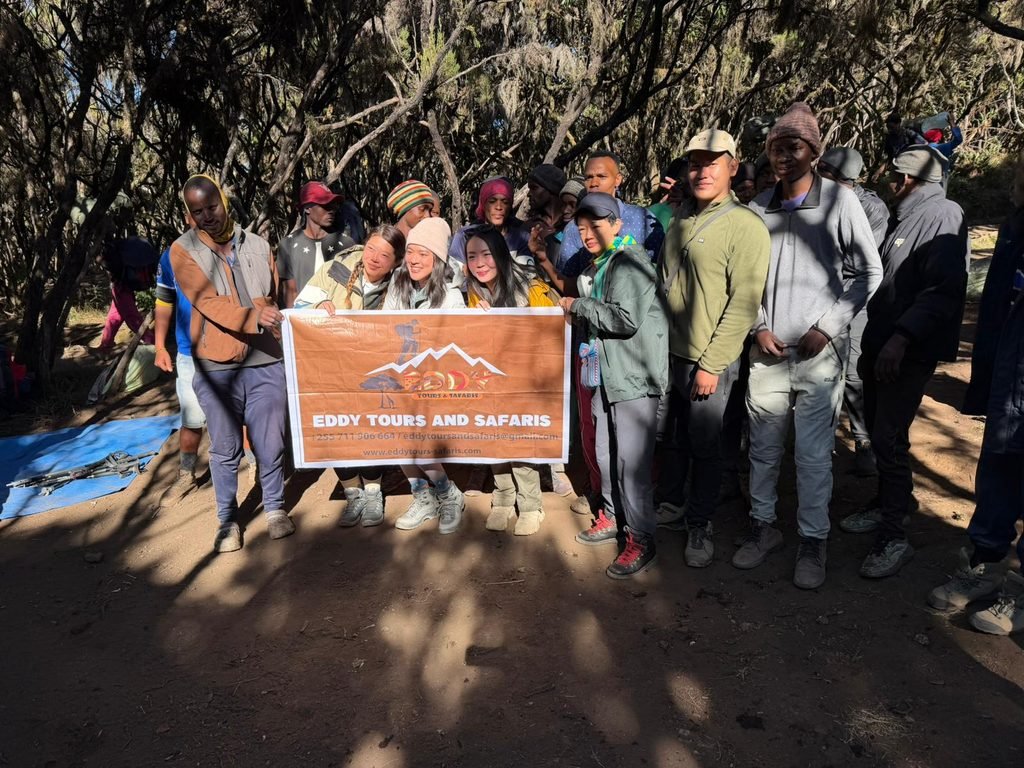
How Difficult Is the 7-Day Rongai Route?
The Rongai Route is often considered one of Kilimanjaro’s more gradual approaches during the early stages, but this should not be confused with an easy climb. The expedition reaches nearly 5,900 metres above sea level, where oxygen availability is significantly lower than at the mountain’s base. Climbers must be prepared to walk for several consecutive days, sleep at high elevations and complete a long summit attempt that may involve freezing temperatures, strong winds and difficult terrain.
A reasonable level of physical fitness is important, particularly for the summit day and the long descent towards Horombo. Travellers preparing for the climb should spend time hiking on varied terrain, improving cardiovascular endurance and becoming comfortable walking uphill for several hours while carrying a daypack. The seven-day schedule provides useful time for altitude adjustment, but physical fitness alone does not prevent altitude sickness. Climbers should report headaches, nausea, unusual fatigue, dizziness or other concerning symptoms to their guide immediately rather than attempting to continue without assessment.
For more preparation advice, travellers can consult Kilimanjaro Climb Specialist and the official Tanzania National Parks Kilimanjaro visitor guide, which explains park regulations, mountain access and important visitor safety considerations.
Best Months to Climb the Rongai Route in 2027 and 2028
Mount Kilimanjaro can be climbed throughout the year, but weather conditions vary considerably between seasons. January to March and June to October are generally popular periods because they often bring relatively favourable trekking conditions. The Rongai Route’s northern position may provide somewhat drier conditions than the southern slopes during certain periods, making it an attractive option for travellers who prefer this side of the mountain. However, the mountain’s weather can change quickly, and even the drier months may bring rain, strong winds, snow and very cold temperatures near the summit.
April and May are commonly associated with heavier rainfall, while November and December can also experience wet conditions. Travellers planning their 2027 or 2028 climb should therefore consider their preferred travel season, personal availability and the level of weather variability they are comfortable with. It is advisable to contact Eddy Tours & Safaris before purchasing international flights so that mountain arrangements, travel dates and accommodation can be discussed together.
What Should You Pack for the Rongai Route?
Packing properly is an important part of preparing for Kilimanjaro because the mountain passes through several different climate zones. Lower elevations may be relatively warm during the day, while the higher camps and summit can become extremely cold, especially at night. Climbers should therefore use a layered clothing system that allows them to adjust to changing temperatures without carrying unnecessary weight. Waterproof protection is also important because rain and snow remain possible even during the more popular trekking months.
Essential items include sturdy waterproof hiking boots, thermal base layers, trekking trousers, a fleece or insulated jacket, a warm down or synthetic jacket, waterproof trousers and jacket, warm gloves, a wool hat, sunglasses and a headlamp with spare batteries. A comfortable daypack, refillable water containers, sunscreen, personal medication and trekking poles are also recommended. A sleeping bag suitable for freezing mountain temperatures is particularly important for the camping sections. Before departure, your mountain guide can help you review your equipment and identify any items that may need to be rented locally.
Can Beginners Climb Kilimanjaro Through the Rongai Route?
Yes, the Rongai Route can be suitable for well-prepared beginners who have a reasonable level of fitness and understand the demands of high-altitude trekking. Technical mountaineering skills and rope climbing are not normally required on the standard Rongai trail, but the expedition still involves long walking days, cold conditions and substantial elevation gain. Beginners should not underestimate the summit attempt, which is considerably more demanding than the lower sections of the route.
The fully guided seven-day itinerary provides structured mountain support and an additional acclimatisation day, making it a practical option for travellers who prefer not to rush their ascent. Nevertheless, every climber responds differently to altitude, and the guide’s safety instructions must always take priority over reaching the summit. If you are comparing different Kilimanjaro routes, our Rongai Route climbing overview can help you understand the route’s main features before booking.
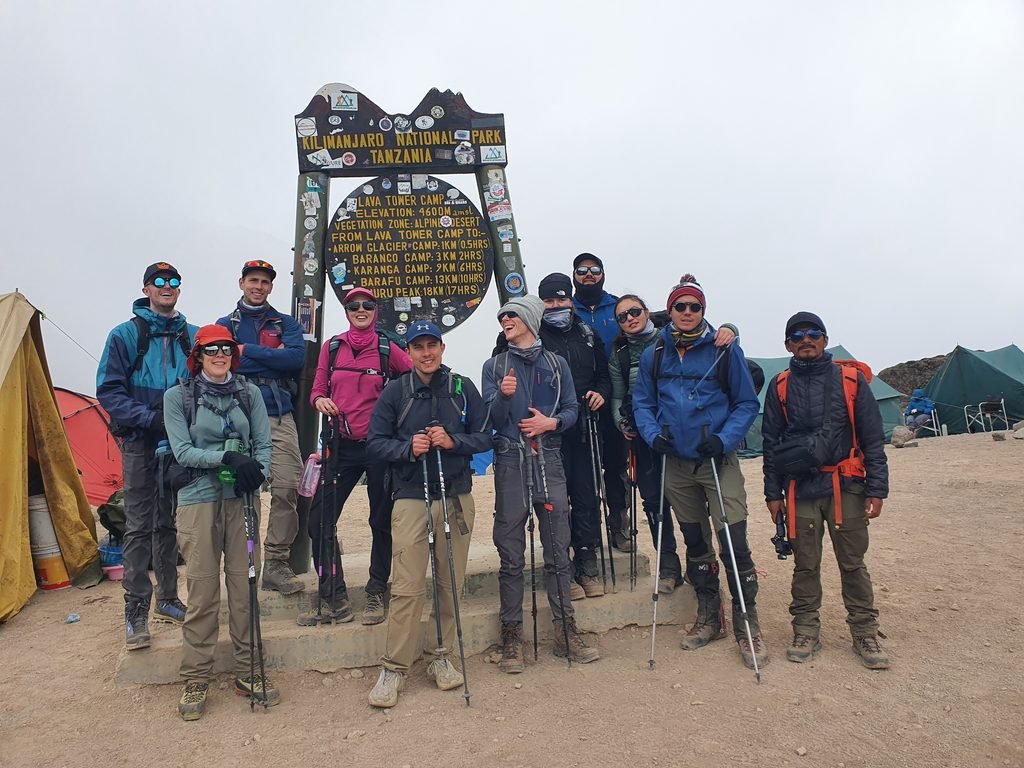
Combining Your Kilimanjaro Climb With a Tanzania Safari
Many travellers visiting Tanzania choose to combine a Kilimanjaro expedition with a wildlife safari, particularly when they have travelled a long distance to reach East Africa. After completing the seven-day Rongai Route, you can arrange additional days to explore some of northern Tanzania’s well-known wildlife destinations, including Tarangire National Park, the Ngorongoro Crater, Lake Manyara National Park and the Serengeti. The number of safari days depends on your available time, budget and preferred destinations.
At Eddy Tours & Safaris, we can help travellers plan a suitable itinerary that combines mountain trekking with wildlife viewing. A shorter safari can focus on Tarangire and Ngorongoro, while a longer holiday allows more time in the Serengeti. Travellers who prefer a relaxing finish can also consider adding a Zanzibar beach holiday after their mountain and safari activities. Allowing time to recover after Kilimanjaro is advisable before beginning a busy onward itinerary.
Frequently Asked Questions About the 7-Day Rongai Route
Is the Rongai Route less crowded than Machame?
Rongai is generally quieter during the early ascent than some of Kilimanjaro’s more frequently used routes, particularly Machame. However, visitor numbers vary by season, and climbers may encounter larger groups around Kibo and along the Marangu descent trail.
Does the seven-day Rongai itinerary include an acclimatisation day?
Yes. This itinerary includes an additional day at Mawenzi Tarn, allowing climbers to complete a controlled acclimatisation walk and spend a second night at the same elevation before continuing towards Kibo.
What is the highest point reached during the expedition?
The highest point is Uhuru Peak, which stands at 5,895 metres above sea level. Reaching the summit depends on the climber’s health, mountain conditions and the guide’s assessment.
Do I need previous mountain climbing experience?
Previous high-altitude trekking experience is helpful but is not always necessary. Travellers should be physically prepared, comfortable with long walks and willing to follow the mountain guide’s instructions throughout the expedition.
How much does the seven-day Rongai Route cost in 2027 or 2028?
The price depends on the number of climbers, travel dates, accommodation arrangements, park fees and additional services requested. Eddy Tours & Safaris provides personalised quotations so travellers can understand the total cost and the services included before confirming a booking.
Can I book a private Rongai Route climb?
Yes. Private climbing arrangements can be requested for individuals, couples, families and groups. Joining-group opportunities may also be discussed depending on available departures.
Book Your Fully Guided 7-Day Kilimanjaro Rongai Route Climb for 2027/2028
The seven-day Rongai Route offers a rewarding way to explore Mount Kilimanjaro from its northern slopes while enjoying professional mountain guidance and a carefully organised trekking programme. From the peaceful forest trails near Rongai Gate to the dramatic surroundings of Mawenzi Tarn and the demanding final ascent towards Uhuru Peak, the route provides a varied mountain experience for travellers who want to discover a different side of Kilimanjaro.
At Eddy Tours & Safaris, we help you organise your climb with suitable mountain guides, porters, camping arrangements, transport and practical advice before departure. Whether you are planning a private Kilimanjaro expedition in 2027 or 2028, or wish to combine your climb with a Tanzania safari, our team can help you prepare a travel plan that matches your available time and preferences.
Contact Eddy Tours & Safaris to request your 7-day Rongai Route climbing quotation.
Website: Eddy Tours and Safaris
Email: sales@eddytours-safaris.com
Booking enquiries: Contact Eddy Tours & Safaris
Plan your Kilimanjaro Rongai Route climb for 2027 or 2028 with a local Tanzania tour company that understands the mountain and the importance of proper preparation.