
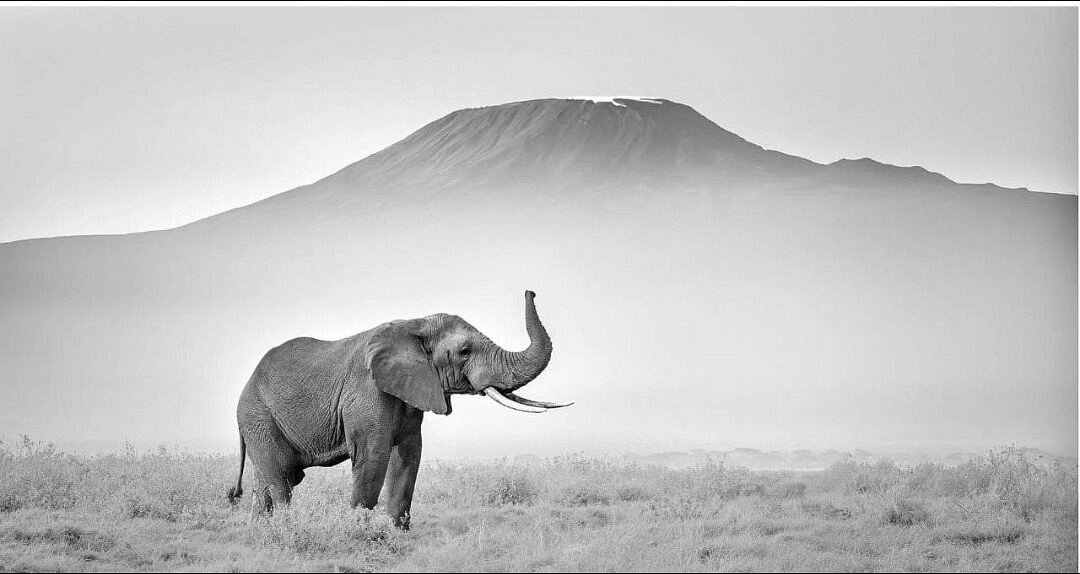
Amboseli National Park is one of Kenya’s most famous wildlife destinations, particularly for travelers who want to see African elephants against the background of Mount Kilimanjaro. Located in southern Kenya, close to the Tanzanian border, the park is known for its open grasslands, permanent swamps, large elephant families and wide views across the surrounding landscape. On a clear morning, the snow-covered upper slopes of Kilimanjaro can appear above the plains, creating one of East Africa’s most recognizable safari scenes.
If you are planning an Amboseli safari in 2027 or 2028, there are several things worth understanding before choosing your travel dates. The park is relatively compact compared with some of East Africa’s larger wildlife destinations, but its varied habitats support an impressive range of animals. Visitors can spend their mornings watching elephants feeding near the wetlands, look for lions and other predators on the plains, photograph giraffes and zebras, or enjoy the view from Observation Hill.
Amboseli is also a practical destination for travelers interested in visiting both Kenya and Tanzania. Its position near the international border makes it possible to combine a Kenya wildlife safari with a Mount Kilimanjaro climbing expedition or a longer Tanzania safari holiday. However, cross-border travel requires careful planning because Kenya and Tanzania have separate immigration requirements, national park regulations and tourism arrangements.
This guide explains what makes Amboseli worth visiting in 2027 and 2028, including the wildlife you can expect, the best seasons for photography, accommodation choices, travel arrangements, safari costs and ways to combine your holiday with northern Tanzania. It is designed to help you make practical decisions before booking, without promising particular animal sightings or weather conditions.
Amboseli National Park: Important Travel Information
| Travel information | Details |
|---|---|
| Destination | Amboseli National Park |
| Country | Kenya |
| Region | Kajiado County, southern Kenya |
| Park size | Approximately 392 square kilometres |
| Famous for | African elephants and Mount Kilimanjaro views |
| Main habitats | Grassland, woodland, swamps and seasonal lake basin |
| Other wildlife | Lions, buffaloes, giraffes, zebras, wildebeest, hyenas and birds |
| Popular activities | Game drives, wildlife photography, birdwatching and approved cultural visits |
| Common safari duration | 2–3 days |
| Popular travel months | January–March and June–October |
| Main road access | Nairobi, Emali, Namanga and Kimana approaches |
| Recommended accommodation | Lodges and tented camps inside or around the park |
| Travel years | 2027 and 2028 |
The park is managed by Kenya Wildlife Service, and visitors should check official park information before departure because entry fees, regulations and access conditions may change.
1. Large Elephant Herds: Amboseli’s Most Famous Attraction
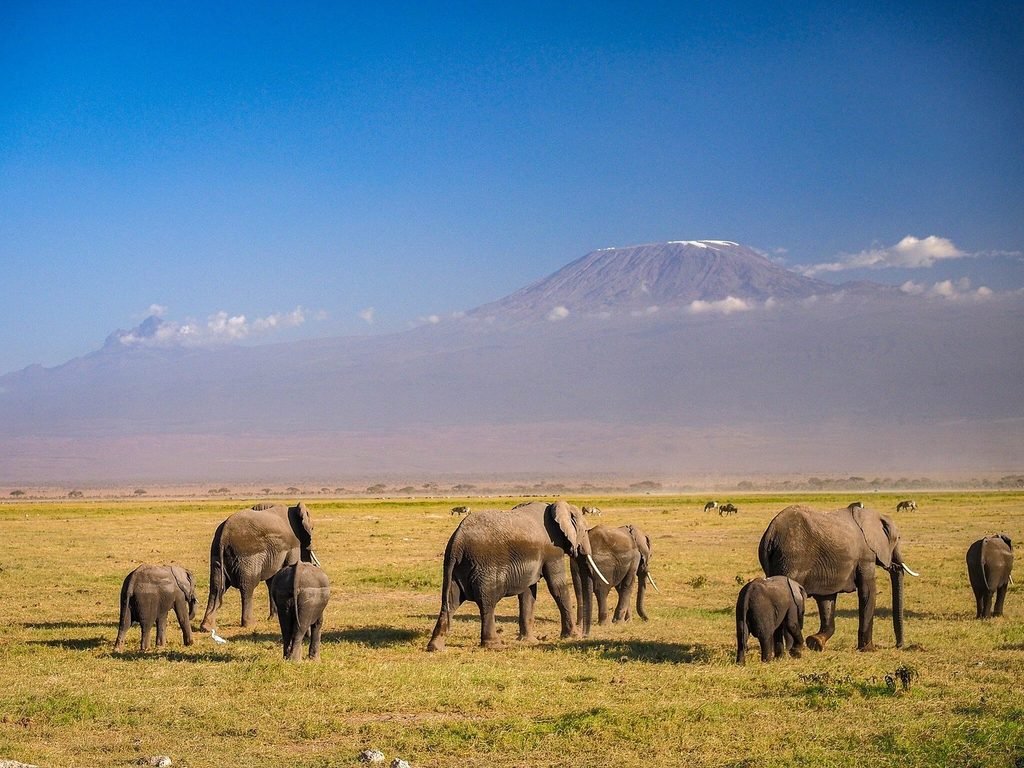
The main reason many travelers visit Amboseli is its elephant population. The park is widely known for its large elephant families, and its relatively open terrain often provides excellent opportunities to observe their movements. Elephants can be seen walking across the grasslands, feeding near the swamps, resting beneath trees or moving together in family groups. Some older males have particularly impressive tusks, although sightings of individual elephants depend on their movements and the conditions during your visit.
Watching elephants in Amboseli can be especially interesting because their social behavior is often visible from safari vehicles. Families may include adult females, younger elephants and calves moving together under the guidance of experienced matriarchs. Visitors sometimes observe elephants using their trunks to collect food, drinking at water sources or interacting with other members of the herd. These moments are often more rewarding when the vehicle remains at a respectful distance and the animals are allowed to behave naturally.
The permanent wetlands play an important role in supporting wildlife, particularly during drier periods when water is less widely available across the surrounding plains. Elephants may spend considerable time around these areas, making them useful locations for game drives. However, no guide can guarantee where a particular herd will be at a given time, and wildlife viewing should always follow the park’s rules.
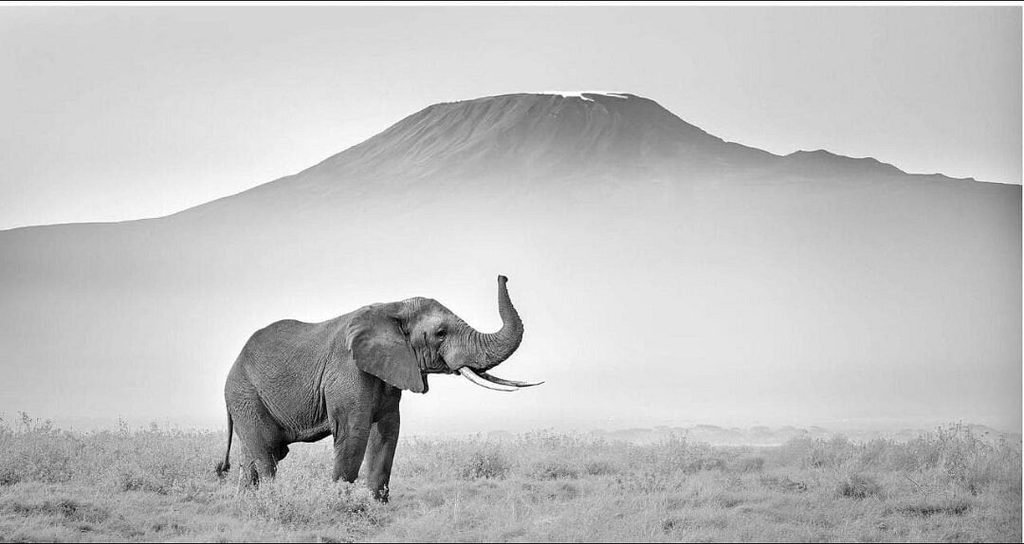
For photographers, Amboseli’s elephants are particularly attractive when Mount Kilimanjaro is visible behind them. The combination of open grassland, large animals and distant mountain scenery creates opportunities for landscape-style wildlife photographs that are difficult to reproduce in more heavily wooded parks.
2. Mount Kilimanjaro Views from Amboseli
One of the most interesting facts about Amboseli is that Mount Kilimanjaro is located in Tanzania, even though many of the mountain’s most famous wildlife photographs are taken from Kenya. Amboseli’s position north of the mountain provides a broad view toward Kibo, Kilimanjaro’s highest volcanic summit, when the sky is clear.
The best views often occur during the early morning, before clouds build around the mountain. However, visibility varies with the weather, season and atmospheric conditions, so travelers should not assume that Kilimanjaro will be visible throughout their safari. A two- or three-day stay can provide more opportunities to see the mountain than a brief visit, particularly if one morning is cloudy.
For travelers interested in climbing Kilimanjaro rather than only photographing it, the mountain’s main trekking routes are accessed from Tanzania. You can learn more about climbing arrangements through Eddy Tours & Safaris and request advice about combining a guided climb with a Kenya wildlife safari.
Why Amboseli Is Popular with Wildlife Photographers
Amboseli offers a combination of open terrain, recognizable scenery and relatively accessible wildlife-viewing areas. Elephants walking across the plains can often be photographed with a wide landscape background, while the wetlands provide opportunities to capture animals feeding or drinking. The changing light during early morning and late afternoon can also create attractive conditions for photography.
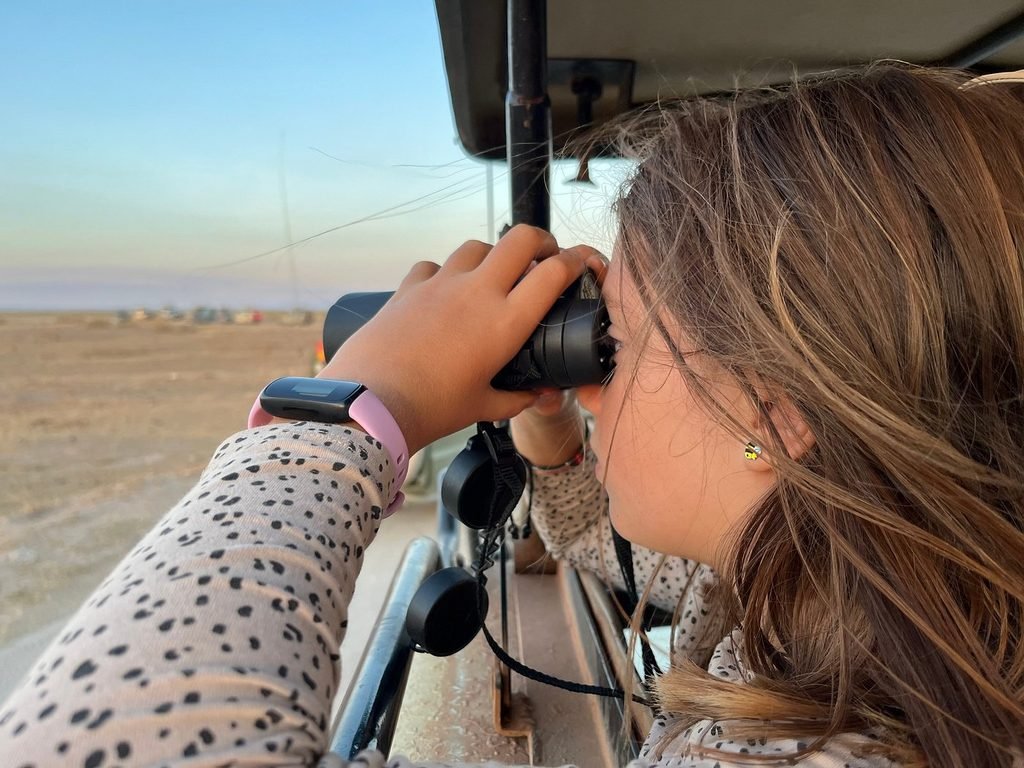
A telephoto lens is useful for animal portraits, while a wider lens can help capture the relationship between wildlife and the mountain. Binoculars are valuable even for visitors who are not serious photographers, especially when watching distant animals or birds.
3. Wildlife Beyond Elephants
Although elephants receive much of the attention, Amboseli supports many other wildlife species. Visitors may encounter buffaloes, giraffes, zebras, wildebeest, gazelles, warthogs and several types of antelope. Predators such as lions, spotted hyenas and cheetahs also occur in the wider ecosystem, although sightings are less predictable than those of some common grazing animals.
The park’s open plains can make it easier to search for wildlife at a distance, particularly when vegetation is relatively short. However, the distribution of animals changes according to water availability, grazing conditions and daily movements. A knowledgeable safari guide can help interpret tracks, animal behavior and habitat conditions while searching for wildlife.
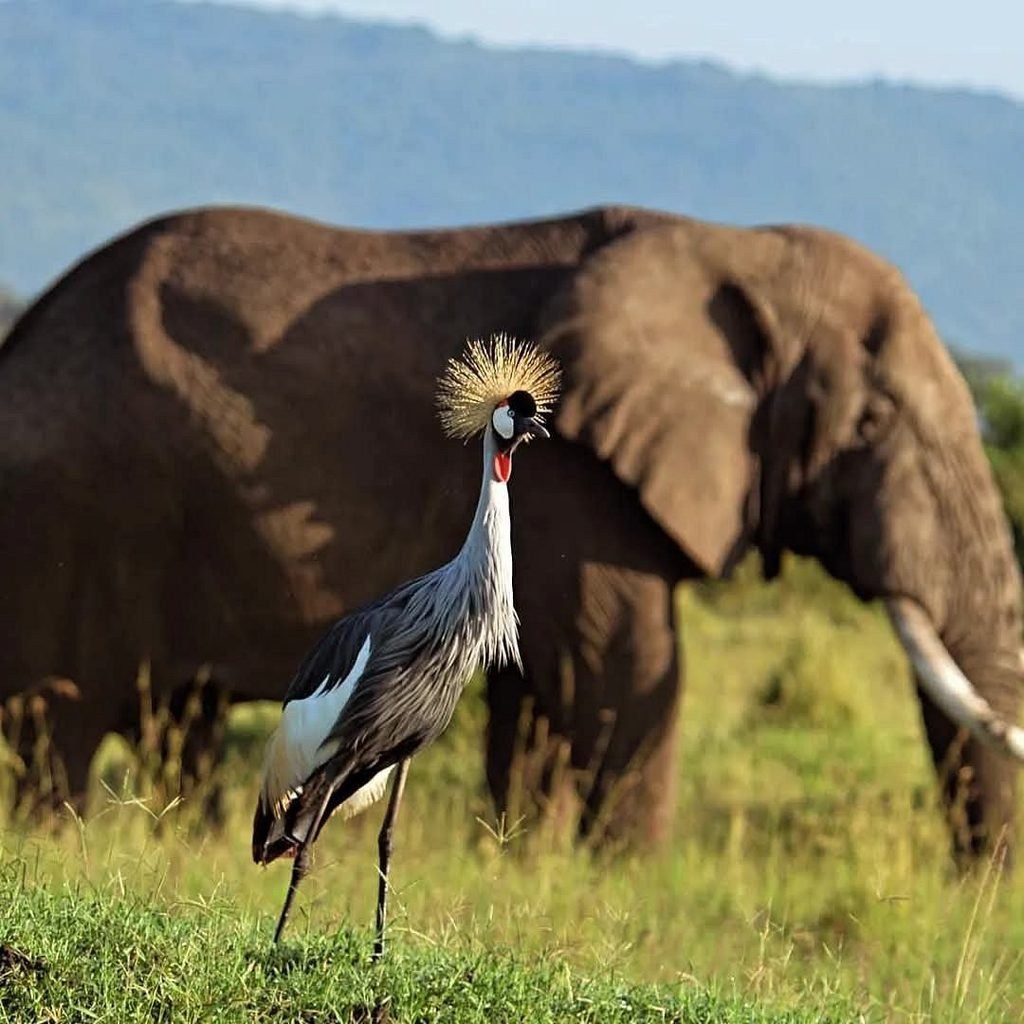
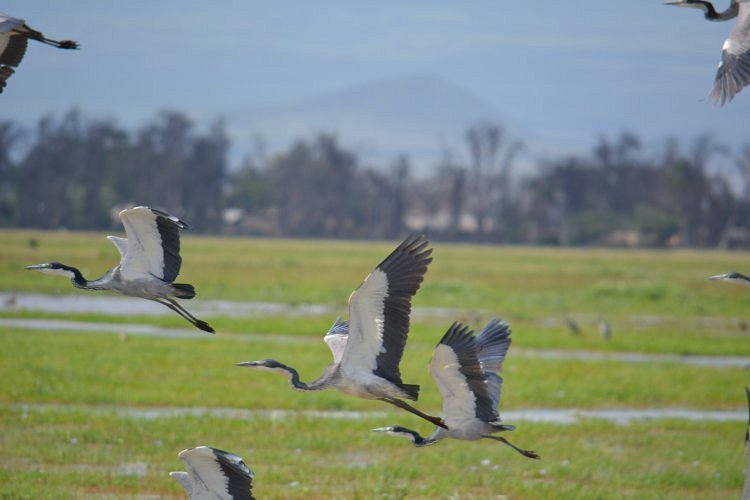
Amboseli is also an important birdwatching destination. Kenya Wildlife Service reports more than 400 recorded bird species in the park, including waterbirds, birds of prey and species associated with grasslands and woodland habitats. The wetlands may attract pelicans, herons, egrets and other water-associated birds, while open areas provide opportunities to observe larger ground-dwelling species.
For travelers who enjoy watching animal behavior rather than simply checking species off a list, spending two full days in the park can be particularly rewarding. Returning to the same wetland or grassland area at different times may reveal very different activity.
4. Observation Hill and the Amboseli Wetlands
Observation Hill is one of the park’s best-known landmarks and offers elevated views across the surrounding landscape. From the hill, visitors can appreciate the contrast between the dry grasslands and the greener swamp areas that support wildlife. The viewpoint also helps explain how water shapes the Amboseli ecosystem, particularly during periods when the surrounding plains are dry.
Unlike most areas of the park, where visitors are generally required to remain inside their vehicles, Observation Hill is a designated place where visitors may be permitted to leave the vehicle and walk within the approved area. Your guide should confirm the current rules and any temporary restrictions before the visit.
The wetlands are important because they provide water and vegetation for animals throughout much of the year. During game drives, visitors may observe elephants feeding in the swamps, buffaloes resting nearby or birds searching for food along the water’s edge. The difference between these wet areas and the surrounding dry landscape is one of Amboseli’s most distinctive ecological features.
The seasonal lake basin also changes with rainfall. At certain times, water may collect across parts of the basin, while during drier periods the area can become dusty and exposed. These seasonal changes influence wildlife distribution, road conditions and the appearance of the landscape.
5. Maasai Culture and Local Communities
The Amboseli ecosystem is closely connected to Maasai communities whose livelihoods, cultural traditions and livestock activities form part of the wider landscape. Travelers interested in learning about local life may arrange an appropriate cultural visit through a responsible local provider, depending on availability and community arrangements.
A meaningful cultural experience should be based on consent, fair compensation and respect for the people involved. Visitors may have opportunities to learn about traditional livestock keeping, local history, crafts and the relationship between communities and wildlife conservation. It is important to ask permission before photographing people and to avoid treating cultural visits as performances arranged solely for tourists.
Community participation is also important for wildlife conservation because elephants and other animals move beyond national park boundaries. Managing relationships between wildlife, livestock, farms and settlements requires cooperation between conservation authorities and local residents.
For travelers interested in the relationship between wildlife and communities elsewhere in East Africa, a longer journey can also include cultural and nature-based experiences in northern Tanzania.
6. Best Time to Visit Amboseli in 2027 and 2028
Amboseli can be visited throughout the year, but the experience changes with rainfall, vegetation and wildlife movements. The generally drier months are popular because animals may concentrate around dependable water sources, and shorter vegetation can make some wildlife easier to spot. Wetter periods can bring greener scenery, seasonal bird activity and attractive landscapes, although roads may become more difficult in some areas.
January to March is often a good period for visitors interested in warm weather and wildlife photography, although temperatures can be high and rainfall is still possible. June to October is another popular period because it is generally drier, and the concentration of animals around the wetlands may provide rewarding viewing opportunities.
April and May are commonly associated with heavier seasonal rainfall, while November and December can experience shorter rains. However, weather patterns vary, and future conditions in 2027 or 2028 cannot be predicted with certainty this far in advance.
Amboseli Seasonal Travel Guide
| Period | Typical conditions | Main considerations |
|---|---|---|
| January–March | Often warm and relatively dry | Good general wildlife viewing; hot afternoons |
| April–May | Usually wetter | Green scenery, possible muddy roads |
| June–August | Generally cooler and drier | Popular wildlife viewing and photography |
| September–October | Often dry and dusty | Wildlife may gather near dependable water |
| November–December | Variable short rains | Greener scenery and changing bird activity |
If seeing Kilimanjaro clearly is a priority, arrange early morning game drives and allow more than one morning in the park where possible. Mountain visibility is influenced by daily weather rather than simply the month of travel.
7. How Many Days Do You Need in Amboseli?
For most travelers, two or three days is a practical amount of time to spend visiting Amboseli. A one-night stay can provide an introduction to the park, but travel time may limit the number of game drives. A two-night itinerary allows more opportunities for morning and afternoon wildlife viewing, while a three-night stay can be attractive for photographers or travelers who prefer a relaxed pace.
The ideal duration also depends on where your safari begins. Travelers arriving from Nairobi may spend part of their first day driving to the park, while visitors combining Amboseli with Tanzania need to allow time for border procedures and onward transfers. Choosing accommodation near the park or inside an approved wildlife area can help reduce unnecessary driving between game drives.
Suggested 3-Day Amboseli Safari Itinerary
Day 1: Arrival and afternoon wildlife viewing
Travel from Nairobi or another agreed starting point toward Amboseli. After arriving and completing the necessary park or accommodation procedures, enjoy an afternoon game drive if time and park access permit. The first drive provides an opportunity to explore the grasslands, look for elephants and other wildlife, and become familiar with the landscape. Spend the evening at your selected lodge or tented camp.
Day 2: Full-day Amboseli safari
Begin with an early morning game drive, when temperatures are often cooler and Mount Kilimanjaro may be more visible. Continue exploring the park’s grasslands, wetlands and established safari roads, with opportunities to watch elephants, buffaloes, giraffes and birds. Depending on your accommodation location and arrangements, you may return for lunch or spend more time exploring the park before another afternoon drive.
Day 3: Morning game drive and departure
Enjoy a final morning wildlife-viewing opportunity before checking out and continuing toward Nairobi, the Tanzania border or another destination. The departure schedule should allow sufficient time for road travel and any immigration procedures, especially when connecting with an international flight.
This itinerary is an example rather than a confirmed departure package. Accommodation, vehicle arrangements, park fees and the precise schedule should be agreed upon before booking.
8. Where to Stay During an Amboseli Safari
Accommodation in the Amboseli area ranges from relatively simple safari camps to comfortable lodges and high-end properties. Some are located inside the national park, while others operate in nearby conservancies or surrounding areas. Each location offers different advantages in terms of travel time, scenery, facilities and access to wildlife-viewing activities.
Travelers looking for a more affordable holiday may choose comfortable tented accommodation with essential facilities and organized game drives. Mid-range lodges often provide private rooms or permanent tents, restaurant services and communal areas where guests can relax after a day in the park. Luxury properties may offer more spacious accommodation, private safari arrangements and additional services, although the experience and price vary considerably.
When comparing accommodation, pay attention to its actual location rather than relying only on photographs. A property outside the park may require additional driving to reach the main wildlife-viewing areas, while certain activities offered in neighboring conservancies may not be permitted inside the national park itself.
For 2027 and 2028, room rates and availability should be confirmed directly before a safari quotation is finalized.
9. How Much Does an Amboseli Safari Cost in 2027 and 2028?
The cost of an Amboseli safari depends on the number of travelers, accommodation category, length of stay, vehicle arrangements, park fees and travel season. Private safaris usually cost more per person when only one or two people are traveling because the vehicle and guide expenses are shared by fewer guests. Larger private groups may benefit from sharing some of these costs.
Accommodation also has a significant influence on the final price. Budget camps, mid-range lodges and luxury properties can have very different nightly rates, especially during popular travel periods. The number of game drives, whether meals are included, and the distance traveled from Nairobi or Tanzania will also affect the quotation.
Park entry fees should be checked against the current official rates published by Kenya Wildlife Service. The fees listed today should not be assumed to remain unchanged in 2027 or 2028, and travelers should request a quotation that clearly identifies any charges subject to revision.
Main Factors Affecting Safari Prices
| Cost factor | Why it matters |
|---|---|
| Accommodation | Budget, mid-range and luxury options have different rates |
| Number of travelers | Vehicle and guide costs may be shared |
| Safari duration | More nights and game drives increase overall costs |
| Travel season | Popular periods may have higher accommodation rates |
| Park fees | Official charges depend on visitor category and current regulations |
| Transport | Nairobi departures and cross-border transfers have different costs |
| Private or shared safari | Private vehicles provide flexibility but can cost more |
| Optional activities | Cultural visits and other arrangements may involve additional charges |
For the most accurate planning, request a personalized quotation instead of relying on an advertised price that may exclude important services.
10. How to Reach Amboseli National Park
Amboseli is accessible by road from Nairobi and from the Kenya–Tanzania border region. Kenya Wildlife Service identifies approaches through Iremito, Kimana and Meshanani gates. The most suitable route depends on where your journey begins, the location of your accommodation and current road conditions.
Visitors traveling from Nairobi commonly use the road toward Emali before continuing toward the park. Travelers arriving from Tanzania may use the Namanga border crossing, followed by the appropriate road connection toward Amboseli. Because some sections are unpaved, journey times can change according to road conditions and weather.
Light aircraft services may also be available through suitable airstrips in the wider Amboseli area, depending on flight schedules and operator arrangements. Flights can reduce some road travel but may involve higher costs and luggage restrictions.
If you are combining Kenya and Tanzania, discuss the transfer arrangements with your safari operator before confirming the itinerary. Separate vehicles or guides may be required, and sufficient time should be allowed for immigration procedures.
11. Combining Amboseli with Mount Kilimanjaro and Tanzania Safaris
Amboseli is an interesting addition for travelers who want to experience wildlife viewing in Kenya and mountain or safari activities in Tanzania during one holiday. Because the park is relatively close to the international border, a combined itinerary can include Amboseli before or after visiting Arusha, Moshi or other northern Tanzania destinations.
Travelers interested in mountain trekking may begin with an organized Kilimanjaro climbing expedition before continuing to Amboseli for wildlife viewing. Others may prefer to complete their safari first and then travel to Moshi for a climb. If Kilimanjaro is the main purpose of the trip, allow enough time for physical preparation, acclimatization and recovery rather than scheduling activities too tightly.
A longer wildlife itinerary can also combine Amboseli with Tanzania’s Tarangire National Park, Ngorongoro Crater and Serengeti National Park. Each destination offers a different landscape and wildlife experience. Amboseli is especially associated with elephants and Kilimanjaro views, while the Serengeti is known for its extensive plains and the seasonal movements of the Great Migration.
For travelers who want to end their East African holiday at the coast, Zanzibar can provide a relaxing extension after a mountain climb or several days of safari travel. Contact Eddy Tours & Safaris to discuss the Tanzania portion of your journey and the practical arrangements required for a combined itinerary.
12. Travel Documents and Border Requirements for 2027/2028
Travelers visiting Kenya should check the entry requirements applicable to their nationality before departure. Kenya operates an Electronic Travel Authorisation system for many international visitors, although exemptions apply to certain travelers, including eligible citizens of East African Community partner states. Requirements may change before 2027 or 2028, so it is important to verify the latest information through the official Kenya eTA website.
If you are traveling between Kenya and Tanzania, you must also satisfy the immigration requirements of the country you are entering. Depending on your nationality, this may involve a visa, an exemption or other documentation. Travelers should check the official Tanzania Immigration Department website before departure.
Cross-border safari arrangements should also account for vehicle documentation, insurance, luggage handling and any necessary change of guide or vehicle. Confirm these details in advance rather than assuming that a vehicle operating in one country can automatically conduct the same safari services in the other.
13. What to Pack for an Amboseli Safari
Amboseli can be hot and dusty, particularly during drier periods, while early mornings and evenings may feel cooler. Lightweight, comfortable clothing in neutral colors is generally practical for game drives. A light jacket or fleece is useful for early departures, and a hat, sunglasses and sunscreen can help protect against strong sunlight.
A camera and binoculars are particularly valuable because much of Amboseli’s wildlife can be observed across open landscapes. Visitors interested in photography should bring spare batteries, suitable memory cards and protective equipment for dust. Reusable water bottles and any required personal medication are also important.
When packing for a combined Amboseli and Kilimanjaro holiday, remember that mountain trekking requires a very different equipment list. Cold-weather clothing, hiking boots, sleeping equipment and high-altitude preparation should be organized separately from the lighter items used during a wildlife safari.
14. Responsible Wildlife Tourism in Amboseli
Responsible wildlife viewing helps protect animals and supports a better experience for visitors. Safari vehicles should remain on authorized roads, keep a respectful distance from wildlife and avoid interfering with animal movements. Elephants in particular should never be approached too closely, surrounded or pressured to move for photographs.
Visitors should also avoid feeding animals, leaving litter or creating unnecessary noise during wildlife encounters. A patient approach often provides better opportunities to observe natural behavior than trying to get as close as possible. Your guide should follow the park’s regulations and make safety decisions based on the animals’ behavior and the conditions at the time.
Choosing responsible tourism providers and respecting local communities are also important parts of conservation-minded travel. The long-term future of the Amboseli ecosystem depends not only on protected areas but also on cooperation among wildlife authorities, neighboring communities and tourism businesses.
Frequently Asked Questions About Amboseli National Park in 2027 and 2028
1. Is Amboseli worth visiting in 2027?
Yes. Amboseli is a strong choice for travelers interested in elephants, open landscapes, birdwatching and views of Mount Kilimanjaro.
2. What is Amboseli National Park famous for?
It is especially famous for its elephants and the opportunity to photograph wildlife with Mount Kilimanjaro in the background.
3. Is Amboseli in Kenya or Tanzania?
Amboseli National Park is in Kenya, close to the Tanzanian border.
4. Is Mount Kilimanjaro inside Amboseli?
No. Mount Kilimanjaro is in Tanzania, but it can be seen from Amboseli when visibility is good.
5. What is the best time to visit Amboseli?
January to March and June to October are commonly popular periods, although wildlife and weather conditions vary.
6. Can I see elephants throughout the year?
Elephants occur in the Amboseli ecosystem year-round, but their locations and visibility change with daily movements and environmental conditions.
7. Can I see lions in Amboseli?
Yes. Lions occur in the park, although sightings cannot be guaranteed.
8. Are there giraffes in Amboseli?
Yes. Giraffes occur in the wider Amboseli ecosystem and may be seen during game drives.
9. Is Amboseli good for birdwatching?
Yes. The park supports more than 400 recorded bird species, according to Kenya Wildlife Service.
10. How many days should I spend in Amboseli?
Two or three days is a practical choice for most visitors.
11. Is one day enough for Amboseli?
A day visit is possible in some circumstances, but it provides limited time for wildlife viewing, especially when traveling from far away.
12. Can I see Kilimanjaro every day?
No. Clouds and weather conditions can hide the mountain.
13. What time is best for Kilimanjaro photographs?
Early morning often provides good opportunities, although visibility depends on weather conditions.
14. What is Observation Hill?
It is an elevated viewpoint overlooking parts of the park, including grasslands and wetland areas.
15. Can I leave my safari vehicle in Amboseli?
Generally, visitors should remain in their vehicles except in designated areas where leaving the vehicle is permitted.
16. Can I visit a Maasai community?
Cultural visits may be arranged through appropriate local providers, subject to community consent and availability.
17. Are there budget accommodations near Amboseli?
Yes. Accommodation options range from simpler camps to luxury lodges.
18. How much does an Amboseli safari cost?
The price depends on accommodation, number of travelers, duration, park fees and transport arrangements.
19. Can I visit Amboseli from Nairobi?
Yes. Road transfers from Nairobi are commonly arranged.
20. Can I visit Amboseli from Tanzania?
Yes. A cross-border itinerary can be arranged, subject to immigration and transport requirements.
21. Can I combine Amboseli with Kilimanjaro climbing?
Yes. Amboseli can be included before or after a guided Kilimanjaro expedition.
22. Can I combine Amboseli with the Serengeti?
Yes. A longer Kenya–Tanzania safari can include both destinations, with appropriate travel and border arrangements.
23. Do I need a visa or eTA to enter Kenya?
Requirements depend on nationality and other eligibility conditions. Check the official Kenya immigration website before traveling.
24. Is Amboseli suitable for family safaris?
Yes. Families can enjoy wildlife viewing, although travel schedules and accommodation should be selected according to children’s ages and needs.
25. Can I book an Amboseli and Tanzania safari for 2028?
You can begin planning and request a quotation, but future prices, accommodation availability and travel arrangements must be confirmed.
Plan Your Amboseli and Tanzania Safari for 2027/2028
Amboseli National Park is an excellent destination for travelers who want to experience Kenya’s elephant herds, open savannah landscapes and views of Mount Kilimanjaro. Its wetlands, birdlife, cultural connections and accessible game-viewing areas provide plenty to explore during a two- or three-day safari. Whether you are interested in photography, wildlife behavior or a relaxing safari holiday, choosing suitable travel dates and allowing enough time in the park can make your visit more rewarding.
For travelers planning a longer East African journey, Amboseli can also be combined with Tanzania’s mountain and wildlife destinations. A well-organized itinerary might include a Kilimanjaro climb, a safari through northern Tanzania or a Zanzibar beach extension, depending on your available time and travel interests. Cross-border transport, park fees and immigration arrangements should always be confirmed before booking.
At Eddy Tours & Safaris, we help travelers plan Tanzania wildlife safaris, Kilimanjaro expeditions and customized holiday arrangements for 2027 and 2028. If you are considering a combined Kenya and Tanzania itinerary, contact our team to discuss the Tanzania portion of your trip and the coordination needed for travel between the two countries.
Request Your East Africa Safari Quotation
Chat with Eddy Tours & Safaris on WhatsApp
Email: sales@eddytours-safaris.com
Explore Amboseli’s wildlife, enjoy the views of Mount Kilimanjaro and plan your East African holiday with realistic expectations and properly organized travel arrangements.