
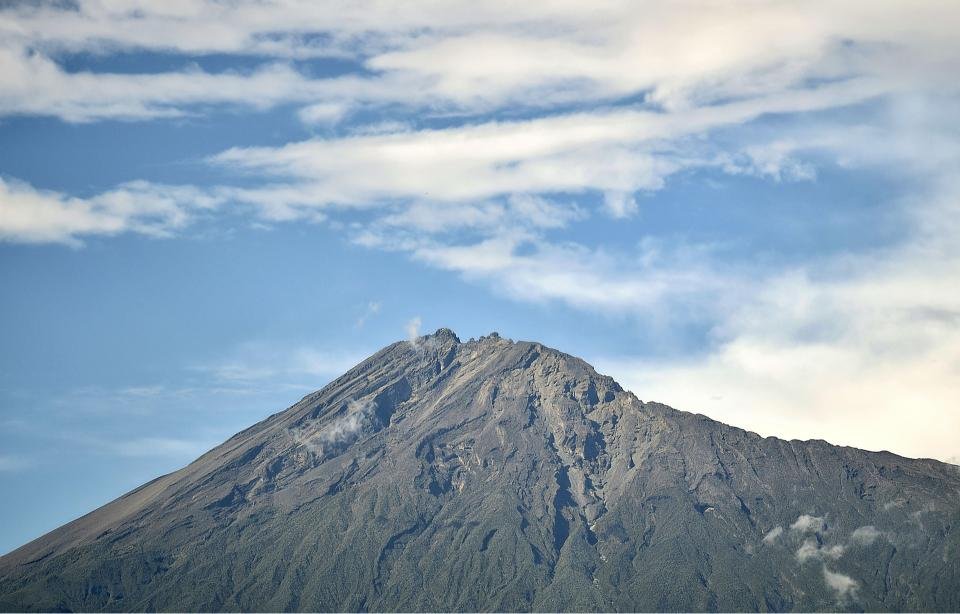
Mount Meru is one of the best mountains to climb in Tanzania, especially for travelers who want a challenging hike without spending as much as they might on Mount Kilimanjaro. Standing at approximately 4,566 metres (14,980 feet) above sea level, Mount Meru is located inside Arusha National Park, not far from Arusha town. The mountain offers beautiful forests, open grasslands, volcanic scenery, mountain huts and views of Mount Kilimanjaro when the weather is clear.
If you are planning to climb Mount Meru in 2027 or 2028, one of your first questions will probably be how much the trip costs. The answer depends on the number of days you spend on the mountain, whether you book a private or shared climb, how many people are traveling together and what services your tour operator includes. Park entrance fees, mountain accommodation, ranger arrangements, guides, porters, meals and transport all contribute to the final price.
A Mount Meru climb is usually completed in three or four days. The four-day itinerary is a popular choice because it provides a more comfortable descent schedule and an additional night on the mountain. The three-day option is shorter, but it can be physically demanding because climbers may have to descend all the way to the park gate after attempting the summit.
At Eddy Tours & Safaris, we help travelers organize Mount Meru and Kilimanjaro climbing trips from Moshi and Arusha. This guide explains the estimated cost of climbing Mount Meru in 2027 and 2028, the expenses included in a typical package, the differences between three-day and four-day itineraries, and how to plan a mountain trip that suits your budget.
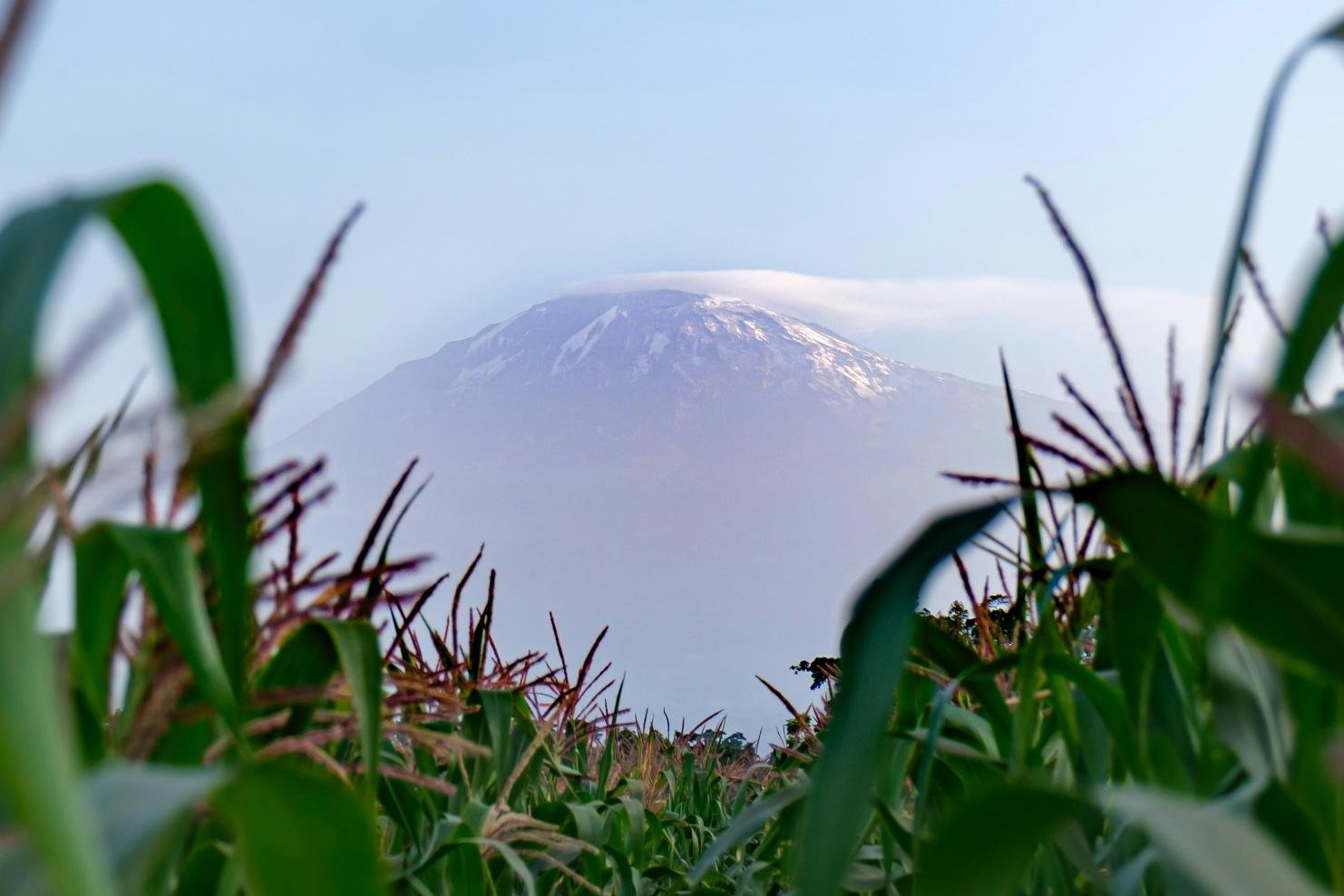
How Much Does It Cost to Climb Mount Meru in 2027 and 2028?
For international travelers, a useful preliminary budget for a guided Mount Meru climb is approximately US$850 to US$1,500 per person for a four-day package. This is a broad market estimate, not a fixed Eddy Tours & Safaris price or an official TANAPA tariff. Actual quotations can fall outside this range depending on the operator, group size, included hotel nights, transfers, park charges and other arrangements.
Three-day Mount Meru climbs are not necessarily much cheaper. Although the itinerary is shorter, many of the same expenses still apply, including transport, park charges, guide services, ranger arrangements and crew preparation. Some operators also charge more per person for private climbs with only one traveler because there are fewer people sharing the fixed costs.
Published prices for 2027 and 2028 should always be checked carefully. Some operators already advertise packages for those years, but future park fees, transport costs and other operating expenses may change. Before making a payment, request a written quotation showing the complete price, included services and any additional expenses.
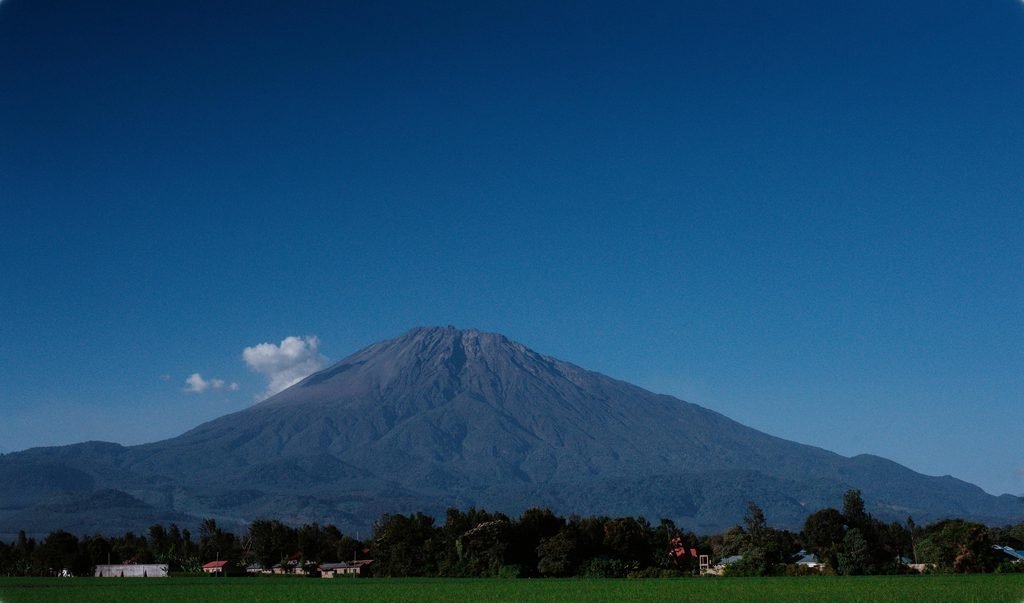
Estimated Mount Meru Climbing Prices
| Climbing option | Estimated cost per international traveler | Main consideration |
|---|---|---|
| 3-day guided climb | US$800–US$1,500 | Shorter, demanding descent schedule |
| 4-day guided climb | US$850–US$1,500 | More comfortable descent and an extra mountain night |
| Private climb for one person | Price on request | Fixed costs are paid by one traveler |
| Private climb for two people | Price on request | Some costs can be shared |
| Small-group climb | Price on request | May reduce shared operating costs |
These are planning estimates rather than guaranteed package prices. For an accurate 2027 or 2028 quotation, contact Eddy Tours & Safaris with your travel dates, preferred itinerary and number of climbers.
What Makes Up the Cost of Climbing Mount Meru?
The price of a Mount Meru climb includes several different expenses. Some are charged by Tanzania National Parks, while others cover the people, equipment and transport required to organize the expedition. Understanding these costs makes it easier to compare tour packages and recognize why two companies may offer different prices for what appears to be the same itinerary.
1. Arusha National Park Entrance Fees
Mount Meru is located inside Arusha National Park, which is managed by the Tanzania National Parks Authority, commonly known as TANAPA. Climbers must pay the applicable park fees, and the amount depends on their visitor category, age, length of stay and current tariff schedule.
International visitors generally pay different rates from Tanzanian citizens and qualifying East African residents. The number of days spent inside the park also affects the total cost, so a four-day climb can involve more park charges than a three-day itinerary. Other applicable activity, rescue or administrative charges may also form part of the total amount billed.
When comparing quotations, check whether all required park charges are included. A package that initially looks cheaper may become more expensive if important fees are added later. For official information, visit the Tanzania National Parks website and confirm the applicable tariff for your intended travel dates.
2. Mount Meru Mountain Hut Accommodation
Unlike most Kilimanjaro climbing routes, Mount Meru commonly uses permanent mountain huts. The two main accommodation points are Miriakamba Hut and Saddle Hut, where climbers spend the night during the expedition. These facilities provide shared sleeping arrangements rather than private hotel-style rooms.
On a typical four-day itinerary, climbers spend the first night at Miriakamba Hut, the second night at Saddle Hut and the third night back at Miriakamba Hut after the summit attempt. The three-day itinerary normally includes only two nights on the mountain, with the final descent completed on summit day. Accommodation fees form part of the total climbing cost, and the number of nights affects the final amount. Your tour operator should explain whether mountain hut charges are already included and what sleeping equipment you need to bring.
3. Mountain Guide and Armed Ranger Arrangements
A Mount Meru climb involves professional guiding arrangements and an armed park ranger escort. The ranger is particularly important because the lower sections of Arusha National Park are home to wildlife, including buffaloes and elephants. Climbers must follow the park’s safety procedures and the instructions of the ranger and mountain guide throughout the expedition.
The cost of guiding depends on the number of trekking days, the size of the group and the arrangements made by the operator. A private climb may cost more per person because the guide’s services are not shared across a larger group. Additional crew members may also be required depending on the group size and the level of support included.
When booking, ask whether the guide and ranger arrangements are included in the quoted price. These are important parts of the expedition and should not be treated as optional extras.
4. Porters and Mountain Cook
Although Mount Meru is shorter than Kilimanjaro, climbers still need food, sleeping equipment and other supplies during the expedition. Porters help transport the necessary luggage and equipment, while a mountain cook may prepare meals at the huts. The number of crew members depends on the group size and the services included in the package.
A properly organized climbing package should account for crew wages, meals and other necessary support arrangements. Travelers should be cautious about unusually cheap offers that do not clearly explain how mountain staff are paid or supported.
Before booking, ask whether porter services are included, how much personal luggage can be carried and whether crew tips are included or expected separately. Clear information helps you prepare an accurate budget and understand the services you are purchasing.
5. Transport from Arusha or Moshi
Most Mount Meru climbs begin at Momella Gate in Arusha National Park. Travelers staying in Arusha generally have a shorter transfer than those staying in Moshi, although the exact journey time depends on traffic, road conditions and the pickup location.
A climbing package commonly includes transport from your hotel to Momella Gate and a return transfer after the expedition. However, airport transfers, additional hotel pickups or travel from more distant locations may cost extra.
If you are arriving through Kilimanjaro International Airport, you may need accommodation in Arusha or Moshi before the climb. Ask your tour operator whether airport pickup, hotel accommodation and park transfers are included in the same quotation.
6. Meals and Drinking Water
A guided Mount Meru climbing package normally includes meals during the trekking days. The mountain cook or support team prepares food at the huts, allowing climbers to focus on walking and resting. The exact meal arrangements vary between operators, but packages commonly provide breakfast, lunch and dinner during the expedition.
Drinking water arrangements should also be explained before departure. Ask whether the crew treats or boils water and whether you need to carry purification equipment or additional water containers. Adequate hydration is important during mountain trekking, although climbers should avoid forcing excessive amounts of water.
Special dietary requirements should be discussed before booking so the operator can confirm what can reasonably be arranged on the mountain.
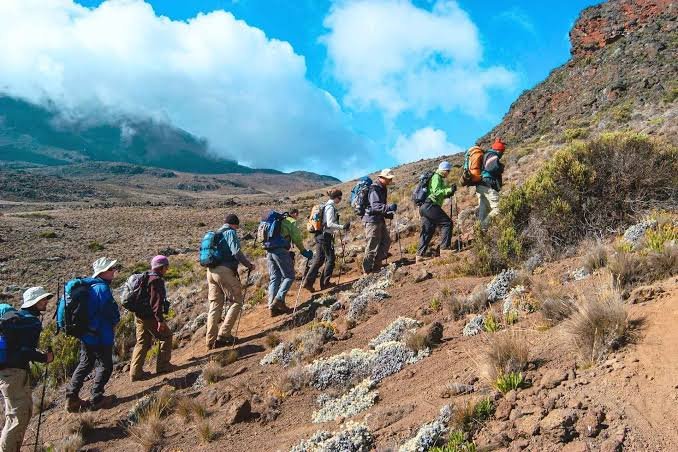
Three-Day Versus Four-Day Mount Meru Climb: Which Costs Less?
The three-day Mount Meru itinerary is shorter, but it is not automatically the best-value option. Both itineraries normally follow the same general route through Miriakamba Hut and Saddle Hut before reaching the summit. The main difference is how the descent is organized after the summit attempt.
On the three-day itinerary, climbers generally return from the summit and continue descending toward Momella Gate on the same day. This creates a long and tiring final stage. On the four-day itinerary, climbers normally descend from the summit to Miriakamba Hut, spend another night there and return to the gate the following day.
The additional day on the four-day itinerary means paying for another night of accommodation, meals, crew support and applicable park charges. However, it also provides a less compressed descent schedule and can be more comfortable for travelers who prefer not to complete the entire descent immediately after summit day.
| Feature | 3-day Mount Meru | 4-day Mount Meru |
|---|---|---|
| Trekking days | 3 | 4 |
| Mountain nights | 2 | 3 |
| Summit day | Summit and descent to gate | Summit and descent to Miriakamba |
| Physical demands | Very long final day | More manageable descent |
| Accommodation cost | Fewer hut nights | Additional hut night |
| Recommended for | Fit hikers comfortable with long trekking days | Travelers preferring a less rushed itinerary |
For many visitors, the four-day climb is worth considering even when it costs slightly more. The extra night does not guarantee summit success, but it can make the descent more manageable.
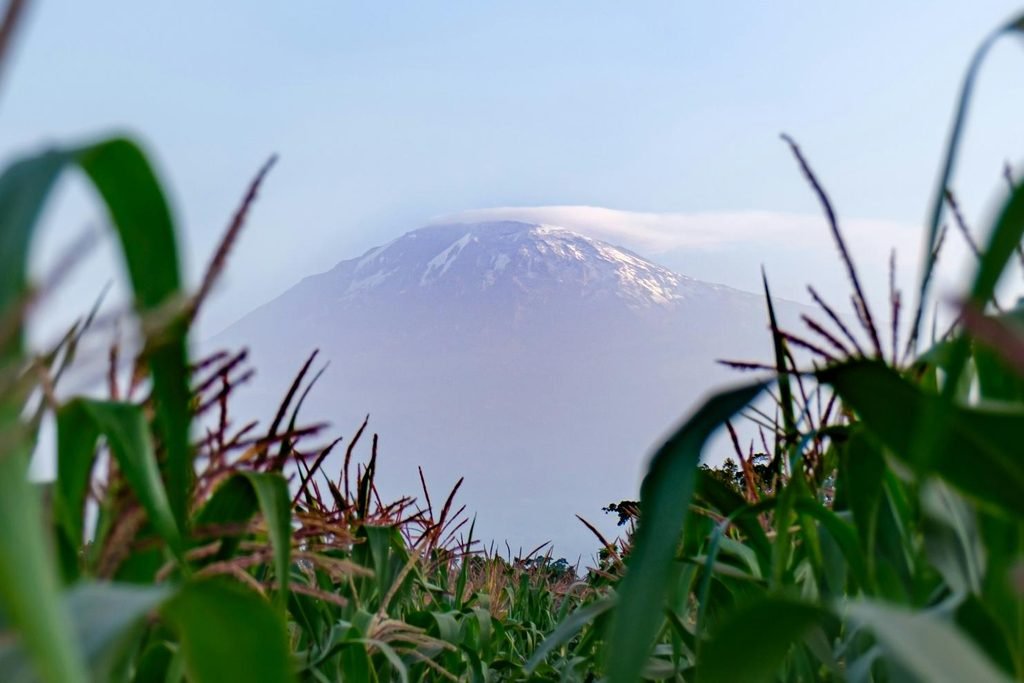
Complete 4-Day Mount Meru Climbing Itinerary
The four-day Mount Meru climb is a popular choice for travelers who want to experience the mountain without rushing the descent. The journey passes through the forests and grasslands of Arusha National Park, continues toward the upper mountain huts and finishes with a summit attempt at Socialist Peak. Distances, elevations and walking times are approximate and may vary according to the route, weather and park arrangements.
Day 1: Arusha or Moshi – Momella Gate – Miriakamba Hut
Starting elevation: Approximately 1,500 metres
Overnight elevation: Approximately 2,514 metres
Walking distance: Approximately 10 km
Walking time: 4–6 hours
Accommodation: Miriakamba Hut
Your Mount Meru adventure begins with a transfer from Arusha or Moshi to Momella Gate in Arusha National Park. Upon arrival, the mountain team completes the necessary registration and permit procedures while the guide and armed ranger prepare for the trek. Because the route passes through areas where wild animals may be present, the ranger provides important safety guidance before the group begins walking.
The first stage takes you through a mixture of open grassland and forest, depending on the route selected by the ranger and guide. Arusha National Park is home to a variety of wildlife, and climbers may occasionally see animals in the surrounding landscape. However, sightings depend on conditions, and visitors must follow the ranger’s instructions rather than approaching wildlife.
As the trail climbs toward Miriakamba Hut, the vegetation becomes denser and the terrain gradually rises. The first day provides an opportunity to settle into a comfortable walking pace and become familiar with the mountain environment. After arriving at the hut, you can rest, enjoy dinner and prepare for the following day’s ascent.
Day 2: Miriakamba Hut – Saddle Hut
Starting elevation: Approximately 2,514 metres
Overnight elevation: Approximately 3,570 metres
Walking distance: Approximately 4–6 km
Walking time: 3–5 hours
Accommodation: Saddle Hut
After breakfast, you leave Miriakamba Hut and continue uphill toward Saddle Hut. The trail becomes steeper as you climb through forest and increasingly open mountain vegetation. As the elevation rises, the air becomes cooler and the views begin to open across the surrounding slopes.
Although the walking distance is relatively short, the elevation gain makes this an important stage of the climb. Your guide will encourage a steady pace and monitor how the group responds to the increasing altitude. Climbers should report headaches, nausea, dizziness or unusual fatigue rather than assuming that all symptoms are simply caused by exercise.
Upon arrival at Saddle Hut, the afternoon is generally reserved for rest and summit preparation. Depending on the group’s condition and the weather, your guide may suggest an optional acclimatization walk toward Little Meru before returning to the hut. This additional walk should only be undertaken when the guide considers it appropriate.
Day 3: Saddle Hut – Socialist Peak – Miriakamba Hut
Starting elevation: Approximately 3,570 metres
Summit elevation: Approximately 4,566 metres
Overnight elevation: Approximately 2,514 metres
Walking distance: Approximately 13–16 km
Walking time: 9–12 hours or longer
Accommodation: Miriakamba Hut
Summit day normally begins very early, often during the night. After preparing warm clothing, a headlamp and essential supplies, you leave Saddle Hut and begin climbing toward the upper slopes of Mount Meru. The route becomes rocky and exposed, with steep sections requiring careful movement and attention to the guide’s instructions.
The summit approach is physically demanding because of the elevation, cold conditions and uneven terrain. Some sections involve narrow ridges and rocky scrambling, and the route can be particularly difficult during strong winds, rain or poor visibility. Your guide will assess the conditions and decide whether it is safe for the group to continue.
If the weather and your health permit, you reach Socialist Peak at approximately 4,566 metres above sea level. From the summit area, climbers may enjoy views of Mount Meru’s volcanic crater and, on clear days, Mount Kilimanjaro in the distance. After spending a short time at the summit, you begin descending toward Saddle Hut before continuing down to Miriakamba Hut for your final night on the mountain.
Day 4: Miriakamba Hut – Momella Gate – Return to Arusha or Moshi
Starting elevation: Approximately 2,514 metres
Finishing elevation: Approximately 1,500 metres
Walking distance: Approximately 10 km
Walking time: 2–4 hours
Accommodation: End of mountain expedition
After breakfast at Miriakamba Hut, you begin the final descent toward Momella Gate. The route passes through forest and lower mountain vegetation, gradually returning to the warmer environment of Arusha National Park. Depending on the trail and wildlife activity, you may have opportunities to enjoy the surrounding scenery during the descent.
The final stage is generally less demanding than summit day, although tired legs and uneven ground still require care. Your guide and ranger continue accompanying the group according to park arrangements, ensuring that the descent is completed safely.
Upon reaching Momella Gate, the team completes the necessary exit procedures before transferring you back to Arusha or Moshi. You can then rest at your hotel, continue with your travel arrangements or begin another Tanzania adventure.
How to Save Money on a Mount Meru Climb
One of the easiest ways to manage the cost of climbing Mount Meru is to travel with another person or a small group. Some expenses, such as vehicle transport and certain crew arrangements, can be shared between climbers. This may reduce the price per person compared with a private climb organized for one traveler.
Another practical approach is to compare the full package rather than looking only at the advertised starting price. A quotation that includes park fees, hut accommodation, ranger arrangements, meals and transport may offer better value than a cheaper package with several additional charges. Ask for a clear breakdown so you can compare the same services between operators.
You can also reduce unnecessary expenses by bringing suitable hiking equipment from home instead of purchasing everything after arrival. However, avoid choosing poor-quality clothing or footwear simply to save money. Comfortable boots, warm layers and reliable rain protection are important for a safe mountain experience.
Is Mount Meru Cheaper Than Mount Kilimanjaro?
Mount Meru is generally less expensive to climb than Kilimanjaro because the expedition is shorter and often involves lower overall operating costs. Kilimanjaro climbs commonly last between six and nine days, while Mount Meru is usually completed in three or four days. The longer duration of Kilimanjaro increases expenses related to park fees, accommodation, meals, guides, porters and other mountain services.
However, the two mountains offer different experiences. Mount Kilimanjaro reaches 5,895 metres and is the highest mountain in Africa, while Mount Meru rises to approximately 4,566 metres and is known for its volcanic crater, exposed summit ridge and location inside Arusha National Park. Both climbs are physically demanding, but Kilimanjaro involves greater altitude exposure.
Some travelers choose Mount Meru before attempting Kilimanjaro because it provides experience walking and sleeping at higher elevations. This can be useful preparation, but it does not guarantee successful acclimatization or summit success on Kilimanjaro.
If you are considering both mountains, explore the Machame Route Kilimanjaro climbing information on Eddy Tours & Safaris to compare the type of expedition involved.
Best Time to Climb Mount Meru in 2027 and 2028
Mount Meru can be climbed throughout much of the year, but weather conditions can affect the difficulty and enjoyment of the trek. The relatively drier periods, particularly June to October and parts of December to February, are commonly popular for mountain climbing in northern Tanzania. Clear conditions may provide impressive views of the volcanic crater and Mount Kilimanjaro.
During wetter periods, particularly around the long rains, forest trails may become muddy and slippery. Rain and cloud cover can also reduce visibility on the upper mountain, where rocky ridges and exposed sections require careful movement. Weather conditions can change quickly, so travelers should bring appropriate clothing regardless of the month selected.
For 2027 and 2028, choose your climbing dates according to your travel schedule and the arrangements available through your operator. Departure availability and applicable park charges should be confirmed before booking.
What Is Included and Excluded in a Mount Meru Climbing Package?
A Mount Meru package commonly includes professional guiding arrangements, the required armed ranger escort, park entry and applicable mountain fees, hut accommodation, meals during the climb and transport between the departure town and Momella Gate. Depending on the package, porter services, a mountain cook and drinking water arrangements may also be included.
Services that are commonly excluded unless stated otherwise include international flights, Tanzania visa fees, travel insurance, personal trekking equipment, equipment rental, tips for the mountain crew and hotel accommodation before or after the climb. Airport transfers may also be charged separately.
The exact inclusions should always be confirmed in writing. At Eddy Tours & Safaris, travelers can request a detailed quotation based on their preferred travel dates, number of climbers and selected itinerary.
What Should You Pack for Mount Meru?
Mount Meru passes through several different environments, from lower forest and grassland to cold, exposed summit terrain. Climbers therefore need clothing suitable for both warm daytime walking and freezing conditions near the summit. A layered clothing system is particularly useful because it allows you to adjust to changing temperatures during the expedition.
Recommended items include comfortable waterproof hiking boots, trekking trousers, moisture-wicking shirts, thermal base layers, a warm fleece, an insulated jacket, waterproof outerwear, warm gloves, a hat and a headlamp. Trekking poles can be helpful on steep or slippery sections, particularly during the descent.
You should also carry a comfortable daypack, water containers, sunscreen, sunglasses, personal medication and a suitable sleeping bag. Ask your operator which bedding or sleeping equipment is provided at the mountain huts before finalizing your packing list.
Frequently Asked Questions About Mount Meru Climbing Costs
1. How much does it cost to climb Mount Meru in 2027?
A broad planning estimate for an international visitor is approximately US$850–US$1,500 for a four-day guided climb. The final price depends on the package and confirmed 2027 fees.
2. How much will Mount Meru cost in 2028?
The exact cost cannot be guaranteed in advance. Travelers should request a 2028 quotation that reflects the applicable park charges and operating costs.
3. Is a three-day Mount Meru climb cheaper?
It may cost less, but the difference is not always large because many fixed expenses still apply.
4. Is the four-day Mount Meru climb worth the extra money?
For many travelers, yes. The extra day allows a more comfortable descent after the summit attempt.
5. Are park fees included in Mount Meru packages?
They are commonly included in fully organized packages, but you should confirm this in writing.
6. Do I need an armed ranger on Mount Meru?
Yes. The climb involves required park ranger arrangements because the route passes through wildlife areas.
7. Where do climbers sleep on Mount Meru?
Climbers commonly stay at Miriakamba Hut and Saddle Hut.
8. Can I climb Mount Meru without a guide?
You must follow the applicable national park guiding and ranger requirements.
9. Is Mount Meru easier than Kilimanjaro?
Mount Meru is lower and the climb is shorter, but its summit approach includes steep and exposed terrain.
10. How high is Mount Meru?
Approximately 4,566 metres above sea level.
11. How many days do I need to climb Mount Meru?
Most guided summit itineraries take three or four days.
12. Where does the Mount Meru climb start?
The climb normally begins at Momella Gate in Arusha National Park.
13. Can beginners climb Mount Meru?
Fit beginners may consider the climb with suitable preparation and professional guidance, but the summit route is demanding.
14. Is Mount Meru good preparation for Kilimanjaro?
It can provide useful high-altitude hiking experience, although it does not guarantee successful acclimatization on Kilimanjaro.
15. Can I see Kilimanjaro from Mount Meru?
Yes, views of Kilimanjaro are possible when weather and visibility are favorable.
16. Are meals included in the climbing price?
Meals are commonly included in organized packages, but the exact arrangements should be confirmed.
17. Are tips included in the package?
Tips are often excluded unless the quotation specifically states otherwise.
18. Do I need travel insurance?
Appropriate travel insurance covering high-altitude trekking and emergency assistance is strongly recommended.
19. Can I rent hiking equipment in Arusha or Moshi?
Some equipment may be available for rental, subject to local supplier availability.
20. What is the best time to climb Mount Meru?
June to October and parts of December to February are generally popular because of relatively drier conditions.
21. Can I climb Mount Meru during the rainy season?
Climbing may be possible, but wet conditions can make the trails more difficult.
22. Is Mount Meru suitable for a private climb?
Yes. Private arrangements can be organized, subject to guide, ranger and park availability.
23. Can I join a group to reduce costs?
Group arrangements may be available and can help share certain expenses.
24. Can I combine Mount Meru with a Tanzania safari?
Yes. You can arrange a safari to northern Tanzania’s wildlife destinations after your climb.
25. How do I get an accurate Mount Meru climbing price?
Contact Eddy Tours & Safaris with your travel dates, group size and preferred itinerary to request a written quotation.
Book Your Mount Meru Climb for 2027 or 2028 with Eddy Tours & Safaris
Climbing Mount Meru is an excellent way to experience Tanzania’s mountain landscapes while enjoying a shorter expedition than a typical Kilimanjaro climb. The mountain offers forest trails, wildlife areas, volcanic scenery and a demanding summit approach, making it attractive to travelers who enjoy active outdoor adventures.
The total cost depends on the number of trekking days, park fees, mountain hut accommodation, guides, ranger arrangements, meals, porters and transport. Although published prices provide a useful starting point, the most reliable way to budget for your trip is to request a quotation that clearly explains what is included.
At Eddy Tours & Safaris, we help travelers organize Mount Meru climbing expeditions for 2027 and 2028. Whether you prefer a three-day climb, a four-day itinerary or a private mountain experience, our team can discuss the available arrangements and prepare a quotation based on your travel plans.
Request Your Mount Meru Climbing Quotation
Chat with Eddy Tours & Safaris on WhatsApp
Email: sales@eddytours-safaris.com
Contact our team to compare Mount Meru climbing options, understand the expected expenses and plan a mountain expedition that matches your available time and budget.