
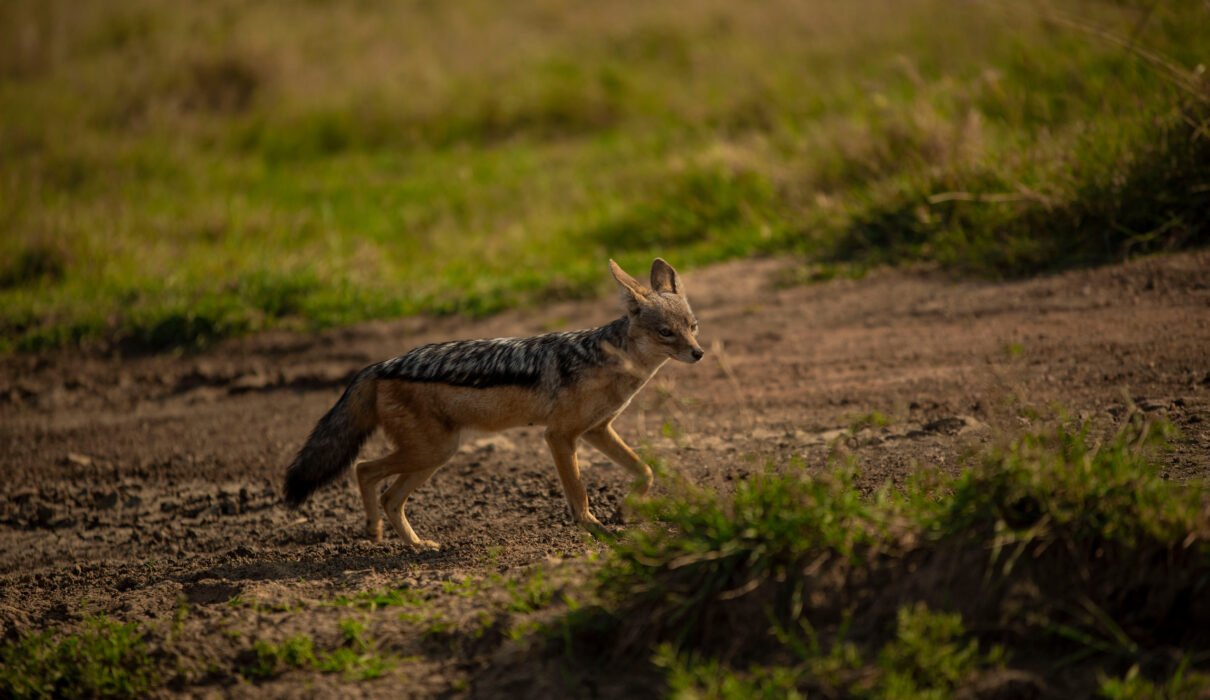
Animals of the Serengeti Ecosystem represent one of the most breathtaking and emotionally powerful wildlife stories on Earth, where vast open plains, ancient migration routes and fragile river systems still allow millions of animals to live, move and survive almost as they have done for generations, offering travellers a rare chance to witness nature in its pure and unfiltered form.
This living ecosystem is not only famous for its wildlife numbers, but also for the deep scientific and conservation work that protects it every single day. From lions resting in golden grass, to elephants quietly shaping forests and wetlands, and endless herds of grazers moving with the seasons, this landscape tells a powerful story of balance between people, animals and the land itself.
Animals of the Serengeti Ecosystem and the great wildlife web of life
The Serengeti is built on one of the most complex and well-studied ecological networks in Africa, where predators, grazers, birds, insects and vegetation depend on each other in delicate ways that scientists continue to document through organisations such as the Wildlife Conservation Society, the African Wildlife Foundation, and the World Wide Fund for Nature, all of which support long-term research on animal behaviour, population health and habitat stability across the wider Serengeti and northern Tanzania landscapes.
Large predators such as lions, leopards and cheetahs are carefully monitored through specialised research programmes led by Panthera, while bird populations and wetland habitats are protected through global conservation partnerships coordinated by BirdLife International. At the same time, biodiversity records from the Global Biodiversity Information Facility allow scientists and park managers to track species distribution and understand how wildlife responds to climate shifts and human pressure.
Travellers who wish to experience this natural richness responsibly often begin their safari planning through professional Serengeti safari services, where trips are carefully designed to respect wildlife movement patterns and sensitive habitats.
Animals of the Serengeti Ecosystem and the great migration miracle
One of the most powerful features of the Serengeti is the seasonal movement of massive herbivore herds, a phenomenon that continues to guide global conservation thinking. Scientific research supported by the International Union for Conservation of Nature and environmental coordination by the United Nations Environment Programme confirm that large-scale migrations are essential for maintaining healthy grasslands, preventing overgrazing and supporting predator populations.
Climate and ecosystem assessments published by the Intergovernmental Panel on Climate Change and biodiversity risk studies coordinated by the Intergovernmental Science-Policy Platform on Biodiversity and Ecosystem Services show that changes in rainfall patterns and land use outside protected areas could seriously disrupt these ancient movement routes if they are not properly protected.
Forest and rangeland research carried out by the Center for International Forestry Research and ecosystem mapping programmes managed by the UN Environment Programme World Conservation Monitoring Centre further demonstrate how protecting grasslands, river corridors and community buffer zones directly supports the survival of migrating wildlife.
Guests who choose responsible travel experiences through locally operated safari programmes in Tanzania play a direct role in supporting these protection efforts by contributing to conservation funding and community engagement around key migration corridors.
Animals of the Serengeti Ecosystem and community-based conservation success
The future of wildlife in the Serengeti is deeply connected to the wellbeing of surrounding communities. Development research published by the World Bank confirms that conservation-linked tourism can significantly improve rural livelihoods when revenue is shared fairly and transparently, while labour standards promoted by the International Labour Organization help protect the rights of guides, drivers, rangers and support staff who work on the front line of conservation tourism.
Cultural and heritage protection frameworks supported by UNESCO and social development research coordinated by the UN Department of Economic and Social Affairs show that respecting local traditions and land knowledge strengthens conservation outcomes and reduces conflict between wildlife protection and daily community needs.
Many visitors extend their safari experience beyond wildlife viewing by joining cultural and village visits arranged through community-focused travel experiences, allowing travellers to better understand how conservation and everyday life are closely connected across the Serengeti region.
Animals of the Serengeti Ecosystem and climate-smart wildlife protection
Climate change is becoming one of the most serious long-term threats to wildlife across East Africa, including the Serengeti ecosystem. Scientific assessments from the Intergovernmental Panel on Climate Change explain how increasing temperatures and shifting rainfall patterns may affect water availability, vegetation cycles and breeding success for many animal species, while ecosystem vulnerability studies coordinated by the Intergovernmental Science-Policy Platform on Biodiversity and Ecosystem Services highlight the urgent need to strengthen adaptive conservation planning.
Large-scale habitat restoration initiatives supported by The Nature Conservancy and landscape-level conservation strategies developed by Conservation International now guide how degraded areas, river catchments and wildlife corridors can be restored and protected in partnership with governments and communities.
Food security and land-use sustainability programmes promoted by the Food and Agriculture Organization also support pastoral communities living near the ecosystem, helping reduce pressure on wildlife habitats while improving resilience for people.
Animals of the Serengeti Ecosystem and responsible safari experiences for visitors
Responsible tourism remains one of the strongest tools for funding wildlife protection and building conservation awareness among global travellers. Research by the Overseas Development Institute shows that well-managed nature tourism can generate long-term conservation finance while reducing dependency on extractive land use, especially in biodiversity-rich regions such as northern Tanzania.
Visitor safety and ethical field behaviour are also essential. Health guidance published by the World Health Organization supports safe travel practices in remote wildlife areas, while emergency preparedness frameworks promoted by the American Red Cross help strengthen field safety systems for safari operations and outdoor excursions.
Travellers planning their journey to witness the extraordinary wildlife of the Serengeti often rely on trusted Tanzania safari planning services that focus on small groups, experienced local guides and low-impact travel principles, ensuring that wildlife encounters remain respectful and meaningful.
In the end, Animals of the Serengeti Ecosystem are not just beautiful subjects for photography. They are living proof that conservation, science and responsible tourism can work together. When you choose to visit the Serengeti with care and purpose, you help protect ancient migration routes, support local families and keep one of the world’s greatest wildlife landscapes alive for generations to come.