
Animals of the Serengeti Ecosystem are the reason a Tanzania safari stays in people’s minds long after they return home. The Serengeti is not simply a place with lions and the Great Migration. It is a large, connected landscape of grassland, river valleys, rocky kopjes, woodland and seasonal water. Each habitat supports different animals, from tiny dik-diks in the bushes to elephant herds, crocodiles, vultures and vast columns of wildebeest.
A good game drive shows how these animals depend on one another. Wildebeest and zebra feed on the plains. Lions, cheetahs and hyenas follow the prey. Vultures circle above a carcass. Dung beetles recycle what is left. Termites build mounds that change the soil and vegetation. When you start noticing these connections, the Serengeti becomes far more than a Big Five checklist. It becomes a working ecosystem. Eddy Tours & Safaris plans private Tanzania safaris that give you time to watch that system at a natural pace.
What is the Serengeti ecosystem?
The Serengeti ecosystem is a wide natural region of northern Tanzania and southwestern Kenya. Serengeti National Park forms its best-known core in Tanzania, while the wider system includes the Ngorongoro Conservation Area, the Maswa Game Reserve, other protected areas and the Maasai Mara across the border in Kenya. Animals move through this landscape in response to grass, rain, water and breeding needs; they do not recognise the lines drawn on a map.
The word Serengeti comes from the Maasai word often translated as “endless plains.” The name makes sense from the central grasslands, where the horizon seems to go on forever. Yet the park is not all open plain. Riverine forests shelter leopards and monkeys. Granite kopjes provide shade and lookout points for lions. Wooded areas support giraffes, elephants and browsing antelopes. These habitat changes explain why different sections of Serengeti feel so different on a safari.
The Great Migration: the ecosystem’s moving heart
The Great Migration is the most famous wildlife movement in the Serengeti ecosystem. Large herds of blue wildebeest travel with zebra and other grazing animals through the year, following fresh grass created by rainfall. The movement includes the southern plains, central Serengeti, western corridor and northern Serengeti, but the precise route and timing vary every year. It is not a performance with fixed dates.
During the early-year calving period, the southern Serengeti and Ndutu area can fill with newborn wildebeest. As grazing conditions change, herds usually move north and west through the park. In the drier months, some reach the western corridor or far northern river country. Famous river crossings can happen, but they are unpredictable. A herd may gather, turn away or cross when no vehicle is nearby. The strongest safari plan gives you several nights in the relevant area, not a promise that wildlife cannot keep.
Lions: the Serengeti’s best-known predators
Lions are among the animals most visitors hope to see, and Serengeti offers excellent opportunities. Pride members may be found on open plains, near kopjes or under the shade of a tree. During the heat of the day, they often sleep for long periods. Early morning and late afternoon are usually more active, but nothing is guaranteed. A lion may decide that the best plan is to lie in the grass for hours.
Female lions do most of the hunting, working together when targeting medium or large prey. Males may defend a pride territory, compete with other males and take part in hunting when the opportunity is right. A large wildebeest herd can draw lions into an area, but resident lions live in Serengeti even when the migration is elsewhere. Watch their ears, posture and the direction they face; those details tell a more interesting story than simply seeing a sleeping cat.
Leopards: quiet, patient and hard to spot
Leopards are present across the Serengeti but are harder to find than lions. They favour cover, riverine trees and rocky areas, although they can appear almost anywhere. A leopard in a sausage tree with an impala kill is a classic sighting, but a good guide is just as pleased to find one walking through grass at dawn or resting in dense shade.
Leopards are solitary and powerful. They often drag prey into trees to protect it from lions and hyenas. Their spotted coat is excellent camouflage, especially in dappled woodland. If your guide stops and studies a tree for several minutes, do the same. The animal may be perfectly visible once your eyes learn where to look.
Cheetahs: speed on the open plains
Cheetahs prefer broad, open ground where they can see prey and use their speed. Unlike lions, they hunt mainly in daylight, often when the temperature is still moderate. Thomson’s gazelles and young antelopes are among the prey they may pursue. A cheetah hunt is not always successful; in fact, watching a cat assess the herd, creep forward and decide not to run can be just as revealing.
Look for cheetahs on slightly raised ground, termite mounds or low kopjes. These positions give them a better view. They have a slender build, small head, long tail and black “tear marks” running from the eyes to the mouth. Never encourage a guide to drive too close or position a vehicle in the cat’s path. Space is essential if wildlife is to behave naturally.
Hyenas, jackals and the misunderstood scavengers
Spotted hyenas are intelligent hunters as well as scavengers. Their strong jaws allow them to use parts of a carcass that other animals cannot, and their social clans can be complex. They may hunt alone or in groups, steal from lions or lose food to lions depending on the circumstances. Calling them only scavengers misses most of the story.
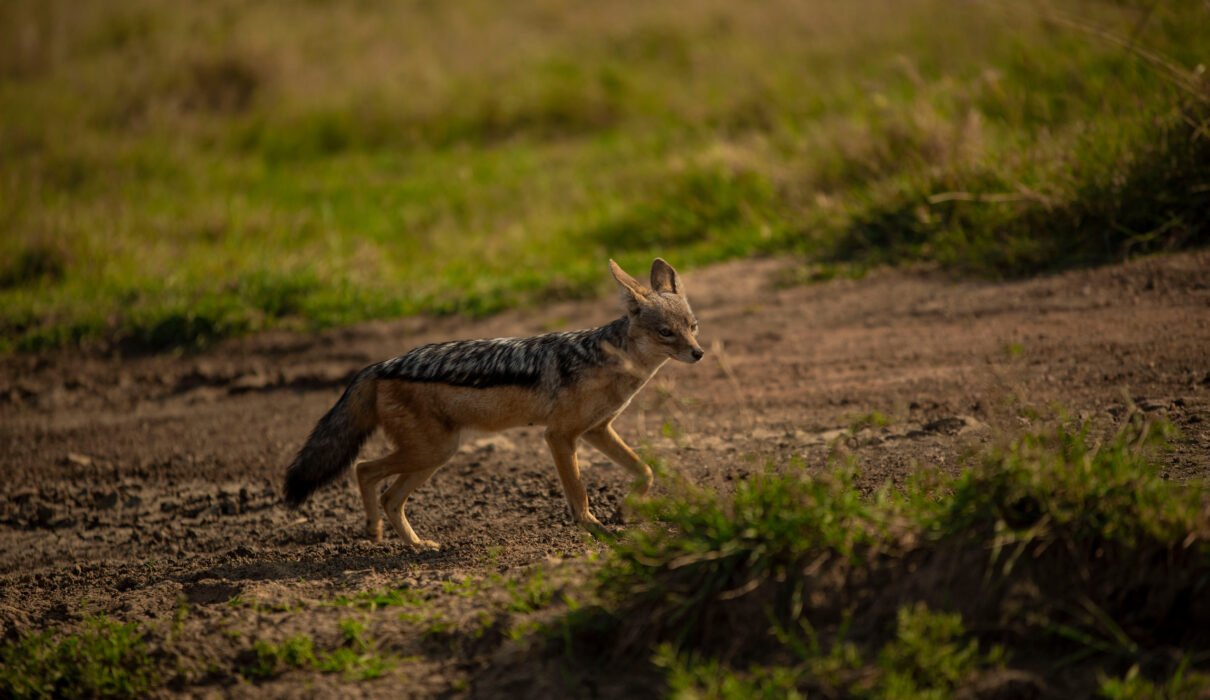
Black-backed jackals and golden jackals are smaller members of the predator community. They often work in pairs, feeding on rodents, birds, insects and scraps from larger kills. Their alert movements make them enjoyable to watch at sunrise or sunset. In a healthy ecosystem, scavengers are not an unpleasant side story; they help return nutrients to the soil and reduce waste.
Elephants, giraffes and other large browsers
Elephants are most common in woodland, river areas and certain northern parts of Serengeti, though they can travel widely. A family group is usually led by experienced adult females, with calves protected within the herd. Bulls may travel alone or in small male groups. Watch their body language: relaxed ears, feeding trunks and close calf care are signs of a calm group. Always give elephants proper space, especially around young animals.
Giraffes browse leaves high in acacias and other trees using their long necks and dark tongues. Their slow walk can look gentle, but they are strong animals capable of powerful kicks. Serengeti giraffes are often seen in loose groups, moving between woodland patches. Their patterned coats differ from one individual to another, and the patterns help them blend into the broken light of trees.
Buffalo also occur in Serengeti, usually in herds around grass and water. They are heavy, unpredictable-looking animals with a strong social structure. A lone old bull may be seen in thick cover, while large herds move more openly. Respect is important: buffalo are not harmless simply because they are herbivores.
Wildebeest, zebra and the plains grazers
Blue wildebeest are the signature grazing antelope of the Serengeti ecosystem. Their heavy shoulders, beards and curved horns make them easy to recognise. Their low calls carry across the plains, and their movement can turn a quiet horizon into a moving river of animals. In migration season, zebra often travel beside them. Zebra are not antelopes, but their grazing complements the wildebeest and they share the benefits of many alert eyes.
Thomson’s gazelle, Grant’s gazelle, hartebeest, topi, eland and impala add variety to the plains. Thomson’s gazelles are small and fast, with a bold dark side stripe. Grant’s are larger and paler, more suited to dry country. Topi often stand on termite mounds. Hartebeest have long faces and sloping backs. Eland are Africa’s largest antelope and can appear surprisingly quiet for their size. Every species uses the grassland a little differently.
Hippos and crocodiles: life along Serengeti rivers
Rivers such as the Seronera support a different community from the open plains. Hippos spend much of the day in water or mud to keep cool, then leave at night to graze. Their calls can be heard from a long distance, and a pool may look quiet until two adults begin to argue. Hippos are extremely strong and should always be viewed from a safe, approved place.
Nile crocodiles live in rivers and pools, including the larger river systems linked with migration routes. They can wait for long periods with very little movement. During a river-crossing scene, they are often the animals people notice first, but crocodiles are present whether the migration is nearby or not. They are part of the water ecosystem, feeding on fish, birds, carrion and animals that come close to the edge.
Primates and smaller mammals
Olive baboons are common around wooded areas, rivers and camp surroundings. They live in large social groups and are intelligent, curious animals. Keep food secure and never feed them; a baboon that learns to associate people with food becomes a problem for both visitors and the troop. Vervet monkeys may also be seen in riverine woodland, moving through trees with quick, watchful movements.
Warthogs, banded mongooses, African hares, porcupines, aardvarks, civets and genets are less obvious but add depth to the wildlife list. Some are most active at night, so sightings depend on timing and luck. A safari is not less successful because you do not see every species. It is better to enjoy what appears naturally than chase a long checklist.
Birds of the Serengeti ecosystem
Serengeti birdlife is extraordinary. Even travellers who do not call themselves birdwatchers quickly notice the large ostriches walking across grassland, colourful lilac-breasted rollers on branches and huge kori bustards moving through open country. Secretary birds stride through the grass looking for small prey, while helmeted guineafowl move in noisy groups along the road edge.
Raptors are especially important. African fish eagles live near water, martial eagles and tawny eagles may be seen over open country, and different vultures circle or gather at carcasses. Vultures are crucial cleaners of the ecosystem. They can locate carrion quickly and remove it efficiently, limiting disease risk and recycling nutrients. Their numbers have declined in many parts of Africa, making their protection important.
At wetlands and rivers, look for herons, storks, kingfishers, ibis and Egyptian geese. Your guide may hear a bird before you see it. Bring binoculars if possible. The larger animals draw attention first, but birds often tell you which habitat you are entering and make quiet periods on a game drive more interesting.
Reptiles, insects and the smaller workers of the plains
Reptiles are less often seen but remain important. Monitor lizards may appear near water. Snakes are present, though most visitors do not see them because they avoid people and remain hidden. Tortoises, lizards and chameleons can appear in suitable habitat. Treat every reptile with distance and respect; do not try to handle or approach wildlife.
Insects keep the ecosystem functioning. Dung beetles roll and bury dung, improving soil and removing waste. Termites build large mounds that influence drainage and plant growth. Butterflies, bees and other insects pollinate plants. At night, moths and beetles become food for bats and birds. These small lives are not separate from the safari story—they support the grass, the grazers and finally the predators that everyone comes to see.
How the Serengeti food web works
At the base of the food web are grasses, shrubs, trees and aquatic plants, fed by sunlight, soil nutrients and rainfall. Herbivores such as wildebeest, gazelles, zebras, buffalo and giraffes turn plant material into animal energy. Predators hunt them, while scavengers and insects use leftovers. Bacteria, fungi and insects return nutrients to the soil, helping plants grow again.
The web is not a simple ladder. Lions may steal from hyenas; hyenas may hunt successfully; vultures may be pushed away from a carcass but arrive later; termites change vegetation; rainfall changes the availability of grass. One drought, fire or shift in rain pattern can affect many species. That is why conservation must consider whole landscapes, not just a single famous animal.
Best time to see animals in Serengeti
Serengeti offers wildlife viewing all year, but the experience changes. January to March can bring calving activity in the south, depending on rainfall. Around the middle of the year, herds may move through central and western Serengeti. Later dry-season months can make northern areas important. Resident wildlife—lions, leopards, elephants, giraffes, birds and many antelopes—can be rewarding in every month.
Choose the month based on your main interest, then allow enough time in the right area. For migration viewing, plan at least three Serengeti nights; four or more creates useful flexibility. For a general wildlife safari, central Serengeti is a strong all-round choice because of its resident predators and varied habitat. We will advise honestly about current patterns when you enquire.
How to watch wildlife responsibly
- Keep voices low and follow your guide’s instructions at every sighting.
- Never ask a driver to go off-road or block an animal’s path.
- Give predators, elephants, buffalo and hippos enough distance to behave naturally.
- Do not feed animals, leave rubbish or remove natural objects.
- Use binoculars and patience instead of trying to get too close.
Responsible viewing produces better moments. A relaxed elephant family, a cheetah choosing its own route or a lion pride settling naturally is more meaningful than a rushed close encounter. Your driver-guide’s job is to find wildlife while protecting the animals, the park rules and your safety.
Frequently asked questions
What animals are most common in Serengeti?
Wildebeest, zebra, gazelles, impala, giraffes, buffalo, warthogs, baboons and many birds are regularly seen. Lions and hyenas are also common, while leopard, cheetah, rhino and wild dog sightings depend more on location and luck.
Can I see the Big Five in Serengeti?
You may see lion, leopard, elephant and buffalo in Serengeti. Black rhino is uncommon there; Ngorongoro Crater is often included on a northern Tanzania safari for a better chance to look for it. Sightings are never guaranteed.
How many days do I need in Serengeti?
Three nights is a good minimum. Four to six nights gives more time for wildlife, photography and seasonal migration movement without constant packing and long transfers.
Can Serengeti be combined with Kilimanjaro or Zanzibar?
Yes. Many guests add a Kilimanjaro climb before safari or a Zanzibar beach stay afterward. If you are considering a trek, explore route ideas at Kilimanjaro Climb Specialist.
Plan your Serengeti safari with Eddy Tours & Safaris
The animals of the Serengeti ecosystem are best experienced with time, curiosity and a flexible route. Whether you want migration herds, big cats, birds, elephants or a family safari that shows a little of everything, we can recommend the park areas and accommodation that fit your dates. Your final plan should be based on the season and real availability, not a generic promise.
Start planning through the Eddy Tours & Safaris contact page. You can also email eddytoursandsafaris@gmail.com or sales@eddytours-safaris.com, or call and WhatsApp +255 711 906 664. For personal health preparation, use Google to find a qualified travel-health clinic near you. Tell us your dates, group size and accommodation preference, and we will prepare a clear Tanzania safari proposal.