
Animals That Kill the Most Humans in Africa is a topic that often surprises travelers and wildlife lovers. Many people imagine lions or crocodiles as the biggest threat, yet research from organizations like WHO and CDC shows a very different story. The real dangers often come from smaller or less dramatic creatures, and understanding this can help visitors explore Africa safely and responsibly.
Africa is home to breathtaking landscapes and iconic wildlife, protected by institutions such as IUCN and WWF. While wildlife encounters are usually safe when guided properly, human-wildlife conflict still exists in rural and conservation areas. In this guide, we break down the truth behind Animals That Kill the Most Humans in Africa and explain how awareness, conservation, and smart travel choices make all the difference.
Understanding Animals That Kill the Most Humans in Africa
When discussing Animals That Kill the Most Humans in Africa, it is important to rely on scientific data rather than fear or myths. Studies published on platforms like Nature, ScienceDirect, and PubMed show that most fatalities are linked to disease transmission, territorial defense, or accidental encounters. Large predators do cause deaths, but insects and herbivores are often responsible for higher numbers.
Conservation groups such as Wildlife Conservation Society and African Wildlife Foundation emphasize that habitat loss and growing human populations increase contact between people and animals. As communities expand into wildlife areas, the risk naturally rises. This context is essential when analyzing Animals That Kill the Most Humans in Africa because the issue is complex and connected to public health, land use, and environmental protection.
Top 7 Animals That Kill the Most Humans in Africa
1. Mosquito
The mosquito is widely recognized as the deadliest animal on the continent. According to WHO and Africa CDC, mosquito-borne diseases such as malaria account for hundreds of thousands of deaths annually. The danger comes not from bites themselves but from parasites transmitted into the bloodstream. Public health partnerships supported by NIH and UNDP continue to reduce these numbers through prevention campaigns and medical research.
2. Hippopotamus
Although herbivorous, hippos are extremely territorial and protective, especially in rivers and lakes. Reports highlighted by National Geographic explain that many incidents occur when boats pass too close. Hippos can move surprisingly fast on land and water, making them one of the most underestimated entries among Animals That Kill the Most Humans in Africa.
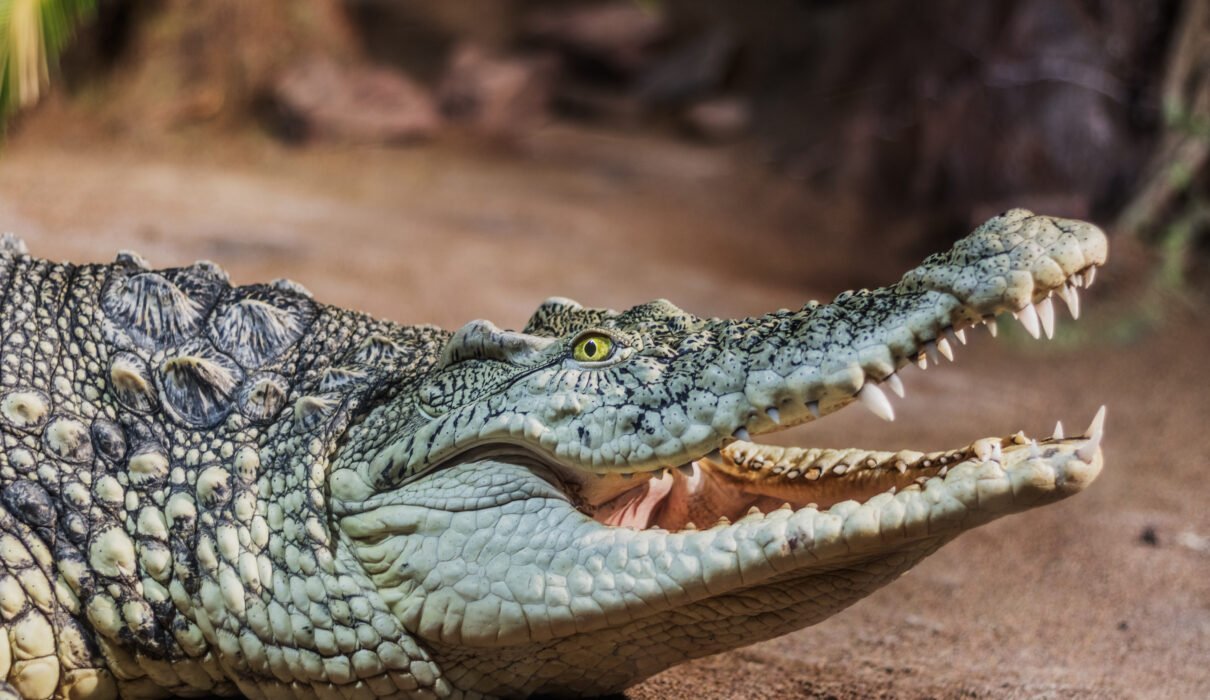
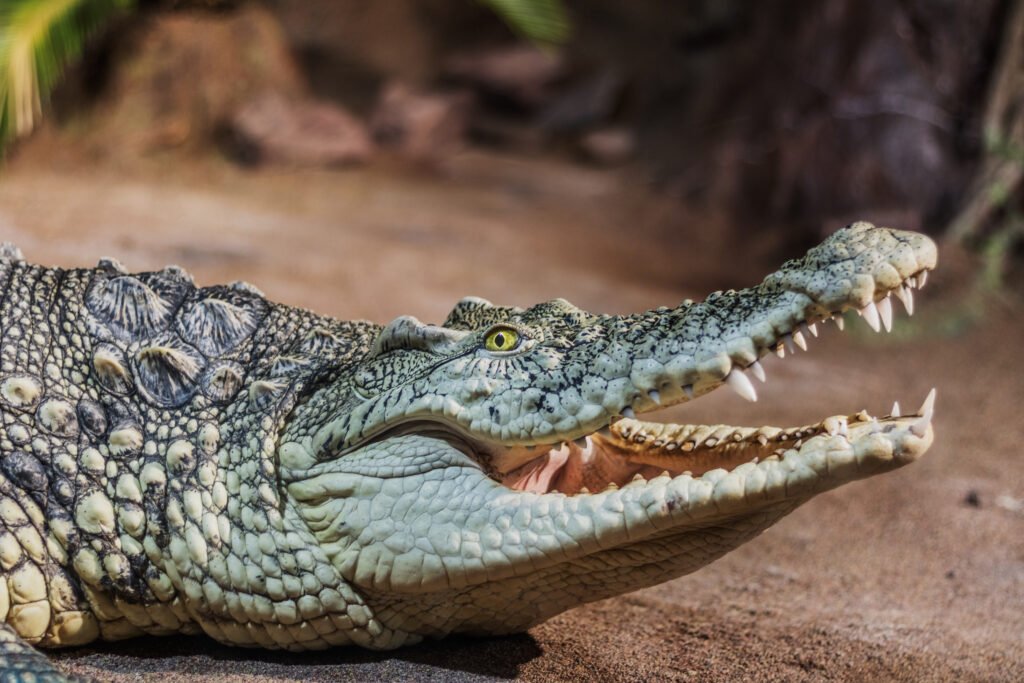
3. Nile Crocodile
Nile crocodiles inhabit many African waterways and are powerful ambush predators. Rural fishing communities are most at risk, particularly where safe water infrastructure is limited. Organizations like WaterAid work to improve access to clean water sources, reducing dangerous interactions along riverbanks.
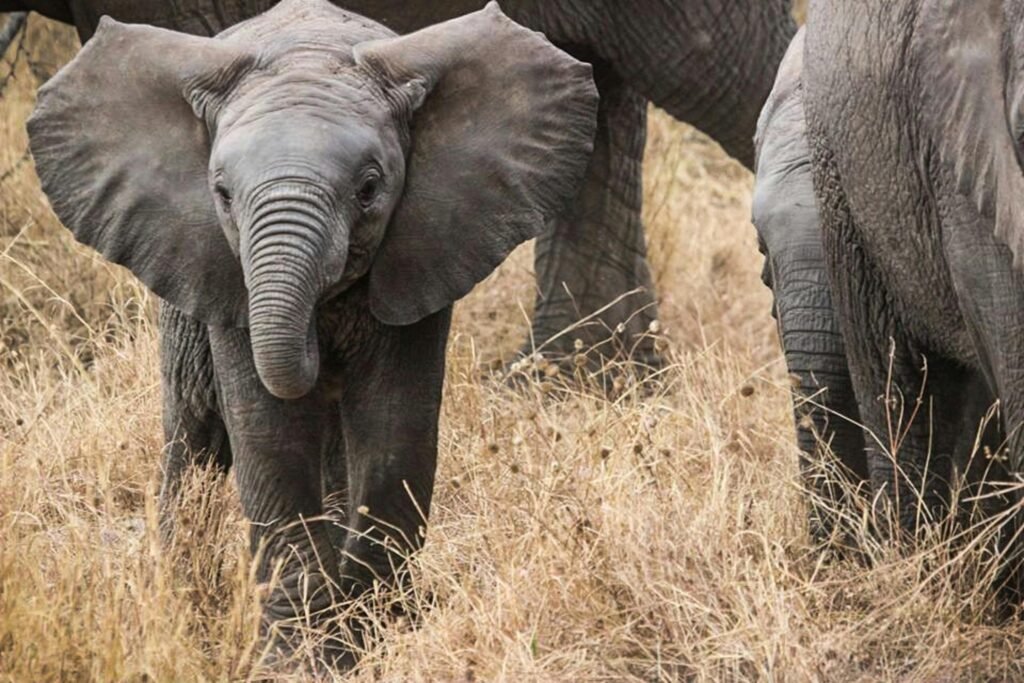
4. Elephant
Elephants are intelligent and generally peaceful, yet they can become aggressive if threatened. Conservation groups such as Save the Elephants study patterns of human-elephant conflict, especially near farms. Expanding agriculture often overlaps with migration routes, leading to defensive reactions from these massive animals.
5. Lion
Lions symbolize Africa’s wild beauty, but attacks are rare compared to public perception. Research supported by Panthera shows that most incidents happen in remote areas where livestock and human settlements border protected land. Responsible safari planning greatly reduces risk.
6. Buffalo
African buffalo are unpredictable and powerful. Rangers in reserves managed by African Parks often describe them as highly defensive when injured or cornered. Though not frequent, encounters can be dangerous without trained guides.
7. Snakes
Venomous snakes contribute significantly to rural fatalities. The global health body WOAH recognizes snakebite as a neglected health issue. Increased education, antivenom access, and rapid response supported by Red Cross programs are helping communities respond quickly and effectively.
Why Animals That Kill the Most Humans in Africa Are Often Misunderstood
The phrase Animals That Kill the Most Humans in Africa can create fear, yet the reality is more nuanced. Many fatalities result from preventable diseases, lack of infrastructure, or accidental encounters rather than deliberate aggression. Environmental initiatives led by UNEP and grassroots groups like WildlifeDirect focus on coexistence strategies that protect both people and wildlife.
Education is key. Universities such as Harvard University and University of Oxford conduct research into zoonotic diseases and conservation planning. By combining science, policy, and local knowledge, experts are reshaping how we understand Animals That Kill the Most Humans in Africa.
Travel Smart: Staying Safe on Safari
For travelers, knowledge removes fear. Booking with experienced operators like Eddy Tours & Safaris ensures professional guides who understand animal behavior and park regulations. Whether exploring the Serengeti or Ngorongoro, trained guides maintain safe distances and follow strict wildlife protocols.
Before climbing Mount Kilimanjaro, reviewing preparation advice from Kilimanjaro Climb Specialist can also help travelers prepare for altitude and environmental conditions. Planning a full safari itinerary through Tanzania Safaris pages or exploring routes like Serengeti Safari and Ngorongoro Crater tours ensures structured and safe experiences. Direct communication through the contact page allows travelers to clarify safety measures in advance.
Simple steps such as using mosquito nets, listening carefully to ranger instructions, and avoiding isolated water edges dramatically reduce risk. Even searching updated travel health advice on Google can connect visitors to trusted medical and safety resources.
How Conservation Reduces Risk
Protecting ecosystems also protects people. When wildlife habitats remain intact, animals are less likely to wander into villages. Programs funded by FAO support sustainable agriculture that reduces land conflict. Ethical treatment campaigns from World Animal Protection promote humane solutions that avoid unnecessary harm.
By supporting conservation tourism, visitors contribute directly to ranger training, community education, and research that addresses the root causes behind Animals That Kill the Most Humans in Africa. Responsible travel becomes part of the solution rather than the problem.
Frequently Asked Questions About Animals That Kill the Most Humans in Africa
Are lions the biggest threat to humans?
No. While lions are powerful predators, mosquitoes cause far more deaths due to disease transmission.
Why are hippos considered dangerous?
Hippos are territorial and may charge boats or people who enter their space unexpectedly.
Can safaris be considered safe?
Yes. With licensed guides and regulated parks, safari travel is generally very safe.
What increases human-wildlife conflict?
Habitat loss, farming expansion, and limited infrastructure increase close contact between people and animals.
How can travelers reduce mosquito risk?
Using repellents, sleeping under treated nets, and following medical advice greatly lowers exposure.
Is conservation helping reduce fatalities?
Yes. Research, vaccination campaigns, habitat protection, and education programs are steadily improving coexistence strategies.
Final Thoughts on Animals That Kill the Most Humans in Africa
Understanding Animals That Kill the Most Humans in Africa requires looking beyond dramatic headlines. The real story combines health systems, conservation science, education, and responsible tourism. With accurate information and proper guidance, Africa remains one of the most extraordinary and safe destinations for wildlife exploration.
Rather than fearing wildlife, travelers should respect it. By choosing professional safari partners and supporting conservation-driven tourism, visitors help protect communities and ecosystems alike. Awareness transforms fear into knowledge, and knowledge makes every journey richer and safer.