
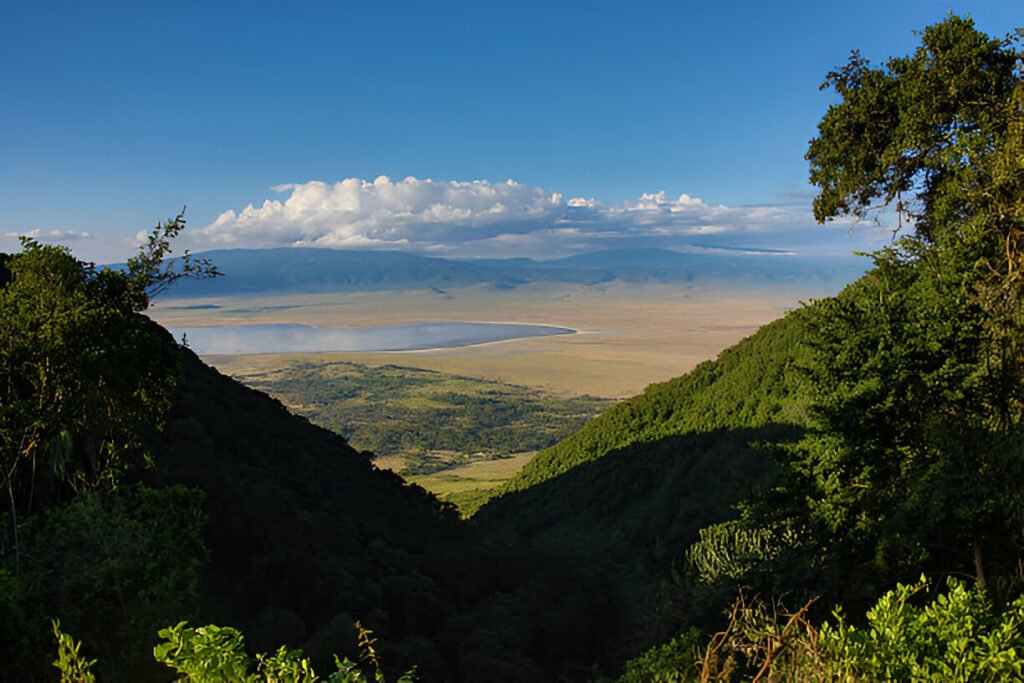
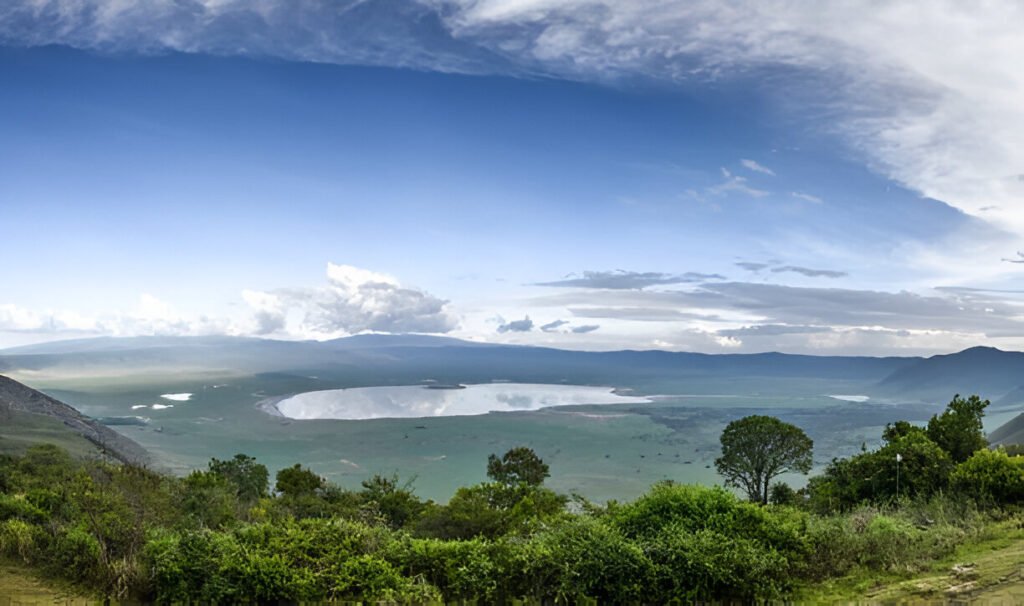
There is a moment on the Ngorongoro Crater rim when the clouds lift and the floor appears below: a vast bowl of grassland, forest, lakes and distant animals. It is one of the strongest views in Tanzania, yet the crater is more than a viewpoint. Once the vehicle descends, the landscape becomes immediate. Buffalo stand in the grass, zebra move in lines across the plain, hippos rest in pools, and lions may be visible in the distance. For many visitors, a Ngorongoro Crater safari becomes the defining day of a northern Tanzania journey.
The crater is part of the Ngorongoro Conservation Area, a protected landscape that combines outstanding wildlife, dramatic geology and the living culture of Maasai communities in the wider area. It is often included with Serengeti, Tarangire and Lake Manyara, but it deserves to be understood as a destination in its own right. This guide explains what makes Ngorongoro special, what wildlife you may see, the best time to visit, how a crater day works and how to plan your 2027 or 2028 safari properly.
What is the Ngorongoro Crater?
The Ngorongoro Crater is a huge volcanic caldera in northern Tanzania. It formed when a large volcano collapsed after a major eruption long ago, leaving a steep-walled basin. Today, the crater floor contains open grassland, Lerai Forest, swamps, seasonal watercourses and Lake Magadi, a shallow alkaline lake. The rim sits at high elevation, which is why the air can be cool or misty even when the floor is warm and bright.
Visitors sometimes call it a “natural zoo,” but that description is misleading. The animals are free-ranging and the crater is part of a wider conservation landscape. While its walls create a contained-looking setting, wildlife moves according to food, water, breeding and safety. The area has park rules, roads and visitor limits that help protect it from excessive disturbance.
A standard crater visit is usually a full-day game drive. Vehicles descend in the early morning, spend several hours exploring the floor and leave by the required time. This makes the timing and overnight location important. Most safari itineraries sleep in Karatu or on the crater highlands the previous night so the guide can enter early and use the cooler, more active hours.
Why Ngorongoro is one of Tanzania’s great safari experiences
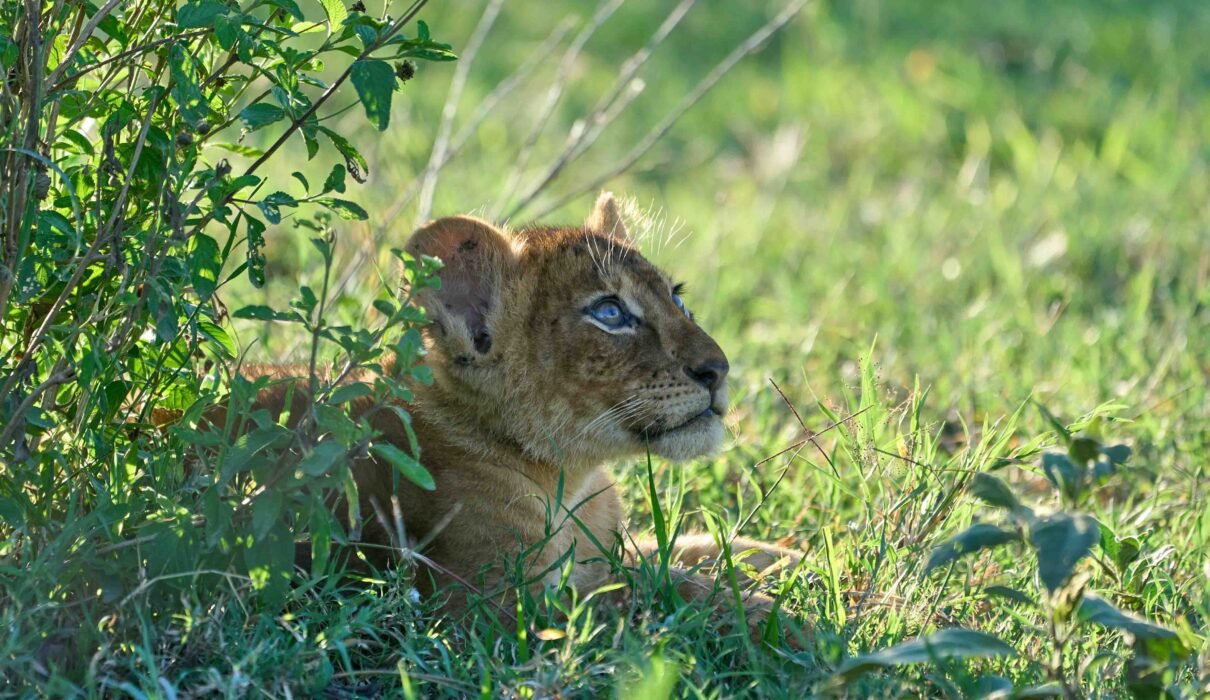
The main reason is the density and variety of wildlife. On a well-planned drive, it is possible to see a large number of species within a single morning. Grassland supports zebra, wildebeest, buffalo and gazelle. Swamps support hippos and water birds. The forest edge is a useful place to watch for elephants. Predators such as lion, spotted hyena and jackal are regularly seen, while leopard and black rhino remain more elusive.
The scenery is equally important. Rather than a flat park that looks the same in every direction, Ngorongoro shifts from rim forest to open floor, from marshy channels to the pale edge of Lake Magadi. On a clear day, the crater walls stay visible around the horizon and give every wildlife sighting a distinctive backdrop.
It is also highly accessible within a northern Tanzania safari. From Arusha, travellers usually combine it with Tarangire and Lake Manyara in a short route, or with Serengeti in a longer itinerary. The crater is a logical connection point between the highlands and the plains.
Wildlife in the Ngorongoro Crater
Ngorongoro is widely known as one of the best places in Tanzania to look for the Big Five. Lion, elephant, buffalo and leopard are all present, while black rhino can sometimes be seen at a distance. However, no ethical guide will guarantee all five on a single day. Leopard and black rhino are naturally difficult to find, and wildlife does not follow a visitor schedule.
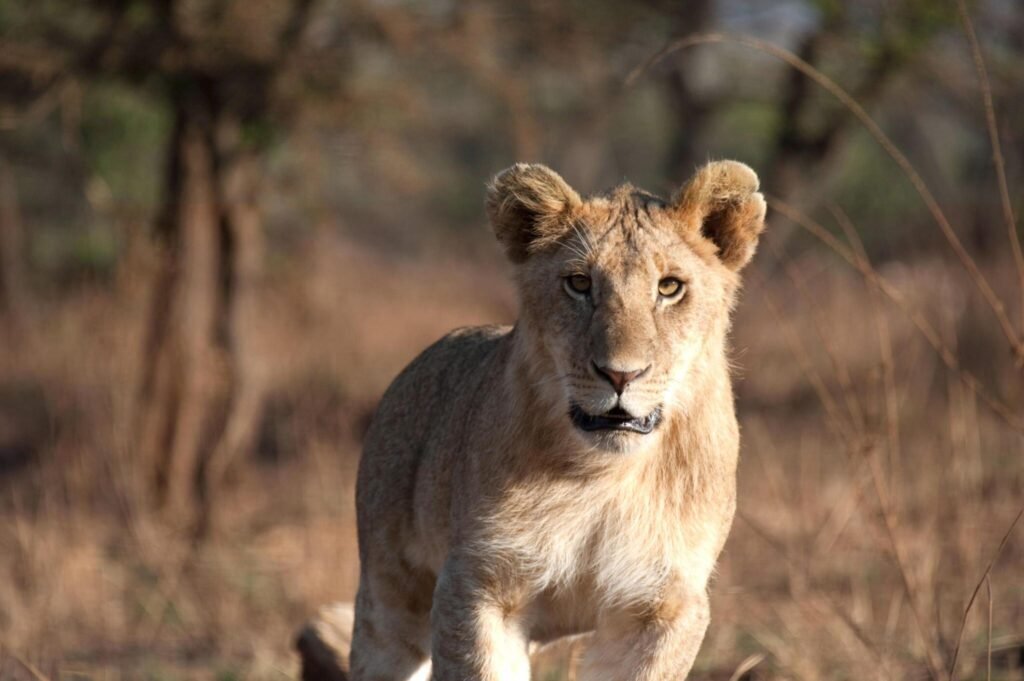
Lion sightings are common, often with prides resting in grass or moving between prey areas. Buffalo are widespread and can be impressive at close range, but guides keep an appropriate distance because they are powerful and unpredictable. Zebra and wildebeest are regular companions across the open plain. Hyena may be seen on the move or near dens, while golden and black-backed jackals can appear in open areas.
Elephants in the crater are frequently older bulls with large tusks. They may be found near the Lerai Forest, though their location changes. Hippos spend much of the day in water, and the designated picnic area near a hippo pool is a popular stop. Keep all food secure and listen to your guide, because animals remain close even in marked visitor areas.
Birdlife is often overlooked. Lake Magadi can attract flamingos depending on water conditions. Ostriches, crowned cranes, raptors, storks, herons and smaller grassland birds are all possible. The crater is rewarding for people who look beyond the famous mammals.
A typical Ngorongoro Crater safari day
Your day begins early at the lodge. The highland morning may feel cold, so a fleece or warm jacket is useful. After breakfast, drive toward the conservation-area gate and climb to the rim. If visibility is good, your guide may pause at a viewpoint, but the main event begins when the vehicle descends the steep access road.
Once on the floor, the guide will choose the route according to wildlife sightings, recent tracks, water conditions and the position of other vehicles. There is no fixed loop that guarantees the best animals. The guide may begin near open grassland for lion and buffalo, move toward Lerai Forest for elephants, then visit the lake edge and swamps for birds and hippos.
Lunch is generally a packed picnic at a designated area. It is a welcome break, but it is not a place to relax without attention. Keep vehicle doors closed when instructed, do not wander away and do not feed animals. After lunch, complete the game drive, then begin the climb back to the rim. The journey out offers another view of the caldera and a chance to see the highland forest before returning to your lodge or continuing toward Serengeti.
Best time to visit Ngorongoro Crater in 2027/2028
Ngorongoro can be visited throughout the year because wildlife is resident in the crater. The dry season, generally June to October, is popular for easier roads and lower grass. Morning temperatures can be especially cool, while daytime conditions on the floor are often pleasant. This is also a busy period, so plan ahead if you want a particular lodge.
January and February are often warm and can be excellent for a short safari. The crater’s resident wildlife remains strong, and travellers may combine the day with the migration calving season in the nearby Ndutu plains. March to May brings the long rains. The landscape becomes green, there may be fewer safari vehicles and photography can be beautiful, but rain and cloud are part of the experience. Roads may be more challenging and schedules should allow flexibility.
November and December usually bring shorter rains. They can be intermittent, and the highland scenery often looks particularly fresh. There is no bad time to visit if you plan for the likely conditions; the ideal month depends on your wider itinerary, budget and weather preference.
Where to stay for a Ngorongoro safari
Karatu is a practical base for many safari visitors. It has a range of budget, mid-range and luxury lodges, with access to both Lake Manyara and Ngorongoro. Staying there often offers a comfortable balance between cost, facilities and travel time. Karatu can also be warmer than the crater rim, which some guests prefer.
Rim and highland lodges are closer to the crater and can offer forest, highland or crater views. They are often cooler and may cost more, but the early access is valuable for travellers who want to be among the first vehicles descending in the morning. The right choice depends on your safari budget and whether you value proximity more than a wider range of facilities.
Accommodation should be chosen for the route, not only for room photographs. Ask about the driving time to the gate, room type, food options, heating or fireplace arrangements, family-room availability and whether the property can handle dietary requirements. A good night’s sleep and an early breakfast have a direct effect on how much you enjoy the crater day.
Ngorongoro and the Maasai cultural landscape
The Ngorongoro Conservation Area is different from a standard national park because people and wildlife share parts of the broader landscape. Maasai communities live and graze livestock in designated areas outside the crater floor. Their presence is part of the place’s character and history, but a visit should be handled respectfully.
If you choose a cultural visit, allow time to listen rather than treating it as a quick photo stop. Ask before taking close portraits, follow the hosts’ guidance and buy crafts only if you genuinely wish to. Cultural tourism is best when visitors understand that communities are living their normal lives, not simply providing a performance for the safari route.
Combining Ngorongoro with other Tanzania safari parks
Ngorongoro fits naturally into several itineraries. A two-day safari may pair it with Lake Manyara. A three-day route can add Tarangire, where elephant herds, baobabs and river scenery create a strong contrast to the crater. A four- to seven-day safari can combine Ngorongoro with Central Serengeti, giving you more time for big cats, kopjes and wide plains.
For travellers following the Great Migration, the camp location should change with the season. From around December to March, the southern Serengeti and Ndutu area may be more relevant. From mid-year onward, Central or Northern Serengeti can be better choices depending on rain and herd movement. Eddy Tours & Safaris can build the route around your dates instead of giving every traveller the same fixed plan.
Responsible safari rules that matter
The crater is heavily protected for good reason. Follow your guide’s instructions about approved roads, picnic areas and viewing distance. Do not ask the vehicle to go off-road, leave rubbish behind, feed animals or make noise to attract their attention. The best wildlife experience is one where animals behave naturally and have room to move.
Use binoculars for distant rhino or birds rather than expecting the guide to approach too closely. Keep your body inside the vehicle at wildlife sightings, and do not stand through the roof when the guide says conditions are unsafe. These small choices help protect people, wildlife and the future of the area.
Practical packing and travel advice
Pack layers. Early mornings and evenings around Ngorongoro can be cold, particularly on the rim, while the crater floor can be much warmer by midday. Bring a fleece or light insulated jacket, neutral-coloured clothing, closed shoes, a hat, sunglasses, sunscreen and a rain jacket in wetter months. A camera, spare battery and binoculars are useful but not compulsory.
Roads can be uneven, especially on the descent and after rain. Keep water, medication, camera and a warm layer in a small day bag. If you are prone to motion sickness, discuss appropriate preparation with a qualified professional before the journey. Passport requirements, visa rules, insurance and travel-health advice should be checked directly with official and qualified sources before you travel because these details can change.
How to make your crater day more enjoyable
Do not try to turn the game drive into a race. The crater has a high concentration of animals, which means there is plenty to see, but it also means the best moments often come when the vehicle stops and waits. Give the lion pride time to move, watch a buffalo herd interact at a distance, and ask your guide about the tracks, birds and plants around you. These small details make the day feel fuller than simply moving between the Big Five.
Use the early morning well. Have your bag packed the night before, settle your lodge bill if needed and arrive for breakfast on time. The descent road is safer and more comfortable when you are not hurried, and an early entry allows more freedom to adjust the route before midday. Keep your phone on silent during sightings so other guests and animals are not disturbed.
Photography is best with patience. Morning light can be soft, while the crater walls sometimes create dramatic backdrops later in the day. Instead of asking the guide to position the vehicle too close, use the zoom on your camera or phone and take a wider image that includes the environment. The photo will tell a better story when it shows an elephant beneath the forest edge or zebra moving across the open floor.
Why careful planning matters for Ngorongoro
Crater access fees, conservation rules and lodge availability make Ngorongoro a destination that benefits from advance planning. In busy months, the lodges closest to the rim and the most convenient Karatu properties may fill early. A clear quotation should state the accommodation category, park fees, vehicle arrangement, meals and transfers so you know exactly what is included.
Visitors often make the mistake of trying to combine a crater descent, a long Serengeti drive and an airport transfer on one day. It can be done in limited circumstances, but it usually shortens the wildlife experience. A better itinerary gives the crater a proper morning, then uses a sensible overnight or transfer plan. Tanzania is worth travelling slowly enough to enjoy.
Frequently asked questions about Ngorongoro Crater
Can you see the Big Five in Ngorongoro Crater?
It is possible to see the Big Five, and Ngorongoro is one of the best places in Tanzania to try. Lion, buffalo and elephant are frequently possible, while leopard and black rhino are harder to find. Specific sightings cannot be guaranteed.
How long do you spend in the crater?
Most visitors spend a full morning and early afternoon on the crater floor. Exact timings depend on park rules, lodge location, weather and wildlife sightings. An early descent gives you the best opportunity to explore without rushing.
Is Ngorongoro suitable for children?
Yes. Families can enjoy the crater, particularly because game viewing is concentrated and the drive is contained within one day. Parents should pack warm layers, snacks and entertainment for longer road sections, and children must follow the guide’s safety instructions.
Can I visit Ngorongoro as a day trip from Arusha?
It is possible but not ideal because the return drive is long. An overnight in Karatu or near the crater makes the trip much more comfortable and allows an earlier descent.
Plan your Ngorongoro safari for 2027/2028
Ngorongoro Crater is a true gem because it offers a rare mix of wildlife, landscape and atmosphere in one day. The rim view is memorable, but the best part is the time on the floor: watching animals move through a living caldera while the green walls rise around you. Give the day a sensible early start and combine it with the parks that fit your available time.
To organise a Ngorongoro Crater safari with Eddy Tours & Safaris, visit our contact page, call or WhatsApp +255 711 906 664, or email eddytoursandsafaris@gmail.com or sales@eddytours-safaris.com. If you are also considering a Mount Kilimanjaro trek, see Kilimanjaro Climb Specialist for guided mountain options.