
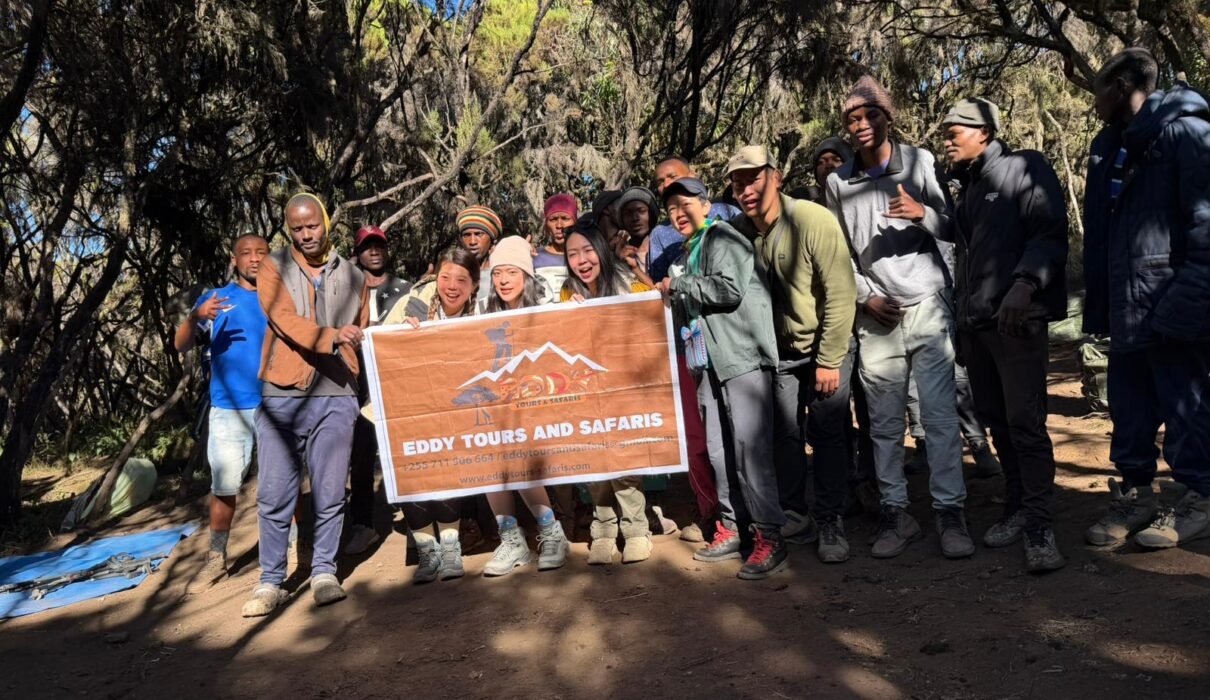
Best 5-Day Kilimanjaro Hiking Tour in Tanzania is a good choice for travelers who have limited time but still want to experience the challenge of climbing Africa’s highest mountain. It is a shorter and more demanding option compared to 6-day or 7-day routes, but with good preparation, experienced mountain guides, and the right mindset, it can still be a rewarding adventure.
Mount Kilimanjaro is one of the most famous trekking mountains in the world because it does not require technical climbing skills. You do not need ropes, ice axes, or previous mountaineering experience. What you need most is physical fitness, patience, proper pacing, and respect for altitude.
This tour is especially suitable for active travelers, hikers with limited vacation days, and visitors who want to combine Kilimanjaro with a Tanzania safari or Zanzibar beach holiday. Although the climb is short, the experience is powerful. Within a few days, you move from green rainforest to open moorland, alpine desert, and finally the cold summit zone near Uhuru Peak.
Who Is This 5-Day Kilimanjaro Tour Best For?
The 5-day Kilimanjaro climb is best for travelers who are already reasonably fit and comfortable walking for several hours per day. It is not the easiest way to climb Kilimanjaro because there is less time for acclimatization, but it can work well for people who prepare properly before arrival.
This package may be suitable for you if you:
- Have limited travel time in Tanzania.
- Are physically active and enjoy hiking.
- Want a more budget-friendly Kilimanjaro option.
- Prefer a shorter mountain adventure.
- Are comfortable with a physically demanding summit night.
- Plan to combine Kilimanjaro with safari or Zanzibar after the climb.
If you are a first-time climber with little hiking experience, a longer 6-day or 7-day Kilimanjaro route may be a better choice because it gives your body more time to adjust to the altitude.
Why Choose a Best 5-Day Kilimanjaro Hiking Tour in Tanzania ?
The biggest advantage of a 5-day Kilimanjaro tour is time. Many travelers want to climb Kilimanjaro but cannot spend more than one week on the mountain. A 5-day itinerary allows you to experience the main beauty and challenge of Kilimanjaro within a shorter schedule.
Another advantage is cost. Shorter climbs normally cost less than longer itineraries because there are fewer days of park fees, crew support, food, and mountain logistics. This makes the 5-day option attractive for budget-conscious travelers who still want a professionally guided climb.
However, it is important to be honest: a 5-day Kilimanjaro climb is more demanding. The main challenge is altitude. Because the route is shorter, your body has less time to acclimatize. This is why choosing experienced guides is very important. Good guides know how to control the pace, monitor your condition, and help you climb safely.
Common Routes for a Best 5-Day Kilimanjaro Hiking Tour in Tanzania
The most common route for a 5-day Kilimanjaro climb is the Marangu Route. It is often called the “Coca-Cola Route” and is the only Kilimanjaro route that uses mountain huts instead of tents. This makes it attractive for climbers who prefer simple hut accommodation during the trek.
Another possible option is the Umbwe Route, which is steeper and more challenging. Umbwe is usually recommended for experienced hikers because it gains altitude quickly and requires strong fitness. It is scenic and dramatic, but it is not the best choice for everyone.
For most first-time climbers choosing a 5-day climb, Marangu is usually the more practical option. It offers a more direct route, hut accommodation, and a clear trekking structure. Still, climbers should understand that summit success depends on preparation, fitness, altitude response, and guide support.
Best 5-Day Kilimanjaro Hiking Tour in Tanzania: Itinerary
Day 1: Marangu Gate to Mandara Hut
Your Kilimanjaro climb begins with a transfer from Moshi or Arusha to Marangu Gate. After registration with Kilimanjaro National Park, you meet your mountain crew and begin walking through the rainforest zone.
This first section is beautiful and refreshing. The trail passes through tall trees, thick vegetation, and forest paths where you may see blue monkeys, colobus monkeys, and different bird species. The pace is kept slow and steady from the beginning because saving energy is important on Kilimanjaro.
After several hours of hiking, you arrive at Mandara Hut for dinner and overnight rest. This first night gives you time to adjust to the mountain environment and prepare for the higher sections ahead.
Day 2: Mandara Hut to Horombo Hut
After breakfast, the trail leaves the rainforest and enters the moorland zone. The landscape becomes more open, with wide views, giant heathers, and volcanic scenery. On clear days, you may see both Kibo and Mawenzi peaks.
This is where many climbers begin to feel the mountain more seriously. The air becomes thinner, the temperature starts changing, and the walking distance feels longer. Your guides will continue encouraging a slow pace, often using the Swahili phrase “pole pole,” meaning “slowly slowly.”
You arrive at Horombo Hut in the afternoon. This is one of the most important points of the climb because your body is now adapting to higher altitude. Drinking enough water, eating well, and resting properly are very important.
Day 3: Horombo Hut to Kibo Hut
Today’s hike takes you higher into the alpine desert zone. The vegetation becomes sparse, and the landscape feels dry, open, and remote. The trail towards Kibo Hut is not very steep in every section, but the altitude makes the day challenging.
As you walk, the summit begins to feel much closer. This is also the day when mental preparation becomes very important. You will reach Kibo Hut, have an early dinner, and rest for a few hours before the midnight summit attempt.
Most climbers sleep only a short time on this night. Your guides will wake you around midnight, check your condition, and prepare you for the most difficult part of the climb.
Day 4: Kibo Hut to Uhuru Peak, Then Down to Horombo Hut
The summit attempt starts in the dark, usually around midnight. This is the hardest and most emotional part of the 5-day Kilimanjaro hiking tour. The air is cold, the trail is steep, and every step requires patience.
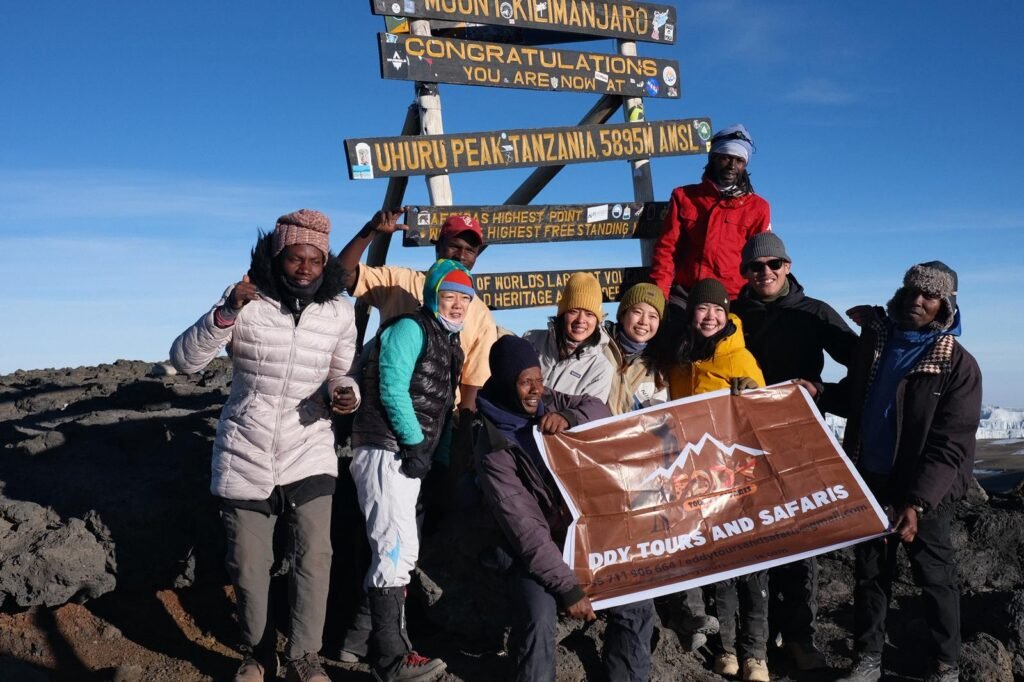
You climb slowly towards Gilman’s Point on the crater rim, then continue towards Uhuru Peak, the highest point in Africa at 5,895 meters. Reaching Uhuru Peak is a powerful moment. Many climbers feel tired, emotional, and proud at the same time.
After taking photos and enjoying the sunrise from the summit area, you begin the descent. Going down is faster, but it can still be hard on the knees and legs. You return to Kibo Hut for a short rest before continuing down to Horombo Hut for overnight rest.
Day 5: Horombo Hut to Marangu Gate
The final day takes you back down through the moorland and rainforest zones to Marangu Gate. As you descend, the air becomes warmer and thicker, and many climbers begin to feel their energy returning.
At the gate, successful climbers receive their Kilimanjaro certificates. After saying goodbye to the mountain crew, you return to Moshi or Arusha for rest, celebration, and onward travel.
Many travelers choose to relax after the climb or continue with a Tanzania safari to Tarangire, Ngorongoro Crater, Serengeti, or Lake Manyara.
Best 5-Day Kilimanjaro Hiking Tour in Tanzania : What Is Included?
- Professional mountain guides, porters, and cook.
- Kilimanjaro National Park fees.
- Rescue fees.
- Hut accommodation on the Marangu Route.
- Meals during the climb.
- Drinking water during the trek.
- Transfers to and from the mountain gate.
- Pre-climb briefing.
- Basic safety and mountain support.
- Government taxes and VAT.
Best 5-Day Kilimanjaro Hiking Tour in Tanzania : What Is Not Included?
- International flights.
- Tanzania visa fees.
- Travel insurance.
- Personal trekking equipment.
- Tips for guides, porters, and cook.
- Personal snacks and drinks.
- Hotel accommodation before or after the climb, unless included in your package.
- Extra activities such as safari or Zanzibar extension.
Estimated Price Range
The cost of a 5-day Kilimanjaro hiking tour depends on the route, group size, service level, hotel arrangements, and whether the tour is private or shared.
| Package Type | Estimated Price Per Person |
|---|---|
| Budget Group Trek | USD 1,400 – 1,900 |
| Mid-Range Trek | USD 2,000 – 3,000 |
| Private Premium Trek | USD 3,500 – 6,000+ |
Prices may change depending on the season, number of climbers, accommodation before and after the trek, and additional travel services requested.
How Difficult Is a 5-Day Kilimanjaro Climb?
A 5-day Kilimanjaro climb is challenging because of the short acclimatization time. The walking itself does not require technical climbing, but the altitude makes the trek serious. Even strong hikers can feel tired, lose appetite, or experience headaches at higher elevations.
The best way to improve your chances is to prepare early. Regular hiking, walking uphill, jogging, stair climbing, and leg-strength exercises can help your body get ready. It is also important to arrive with the right gear, especially warm clothing for summit night.
During the climb, the most important rule is to go slowly. Many climbers make the mistake of walking too fast in the first two days. Kilimanjaro rewards patience. The slower and steadier you move, the better your body may respond to altitude.
Best Time to Climb Kilimanjaro
The best months for climbing Kilimanjaro are generally January to March and June to October. These months normally offer better weather, clearer views, and more comfortable trekking conditions.
January to March can be slightly quieter and colder near the summit. June to October is popular because it falls during the dry season and also matches the safari high season in northern Tanzania.
Kilimanjaro can be climbed throughout the year, but weather on the mountain can change quickly. Even during the dry season, climbers should be prepared for cold, wind, rain, and strong sun at different elevations.
Can Beginners Join This Tour?
Yes, beginners can join a 5-day Kilimanjaro tour if they are fit, well-prepared, and realistic about the challenge. However, if you have never done a multi-day hike before, a longer route may be safer and more comfortable.
For beginners, we normally recommend taking training seriously before arrival. You do not need to be an athlete, but you should be able to walk for several hours, handle uphill trails, and continue moving even when tired.
Can I Combine Kilimanjaro With Safari?
Yes. Many travelers combine a 5-day Kilimanjaro climb with a Tanzania safari. After the mountain, you can visit Tarangire National Park, Ngorongoro Crater, Serengeti National Park, or Lake Manyara National Park.
This combination is popular because it allows you to experience two of Tanzania’s biggest highlights in one trip: climbing Africa’s highest mountain and seeing wildlife in some of the best safari parks in the world.
If you have more time, you can also add Zanzibar after the climb and safari for beach relaxation.
Why Book With a Local Tanzania Operator?
Booking with a local Tanzania operator gives you direct access to people who understand Kilimanjaro, the routes, the weather, the mountain crews, and the practical details of the climb. Local teams also help support Tanzanian guides, porters, cooks, drivers, and communities connected to mountain tourism.
A well-organized Kilimanjaro tour is not only about reaching the summit. It is also about safety, fair crew support, good food, proper pacing, reliable transfers, and clear communication before and during the climb.
When choosing your operator, look for honest advice, transparent pricing, experienced guides, and a team that helps you select the right route based on your fitness, time, and expectations.
Frequently Asked Questions
Do I need climbing experience for Kilimanjaro?
No. Kilimanjaro is a trekking mountain, so you do not need technical climbing experience. However, good fitness and preparation are important.
Is the 5-day Kilimanjaro tour good for beginners?
It can be suitable for fit beginners, but it is more challenging than longer routes. Beginners with limited hiking experience may be more comfortable on a 6-day or 7-day climb.
Which route is best for a 5-day Kilimanjaro climb?
The Marangu Route is the most common option for a 5-day climb because it is direct and uses hut accommodation. Umbwe is also possible but is steeper and more demanding.
What is the hardest part of the climb?
The hardest part is summit night. Climbers start around midnight and walk in cold, dark conditions towards the summit. It requires patience, determination, and strong mental focus.
What should I pack for Kilimanjaro?
You need warm layers, waterproof clothing, hiking boots, gloves, a hat, a sleeping bag, a headlamp, personal medicine, snacks, and other trekking essentials. A full packing list should be provided before the climb.
Can I climb Kilimanjaro alone?
You cannot climb Kilimanjaro independently without a licensed guide. All climbs must be arranged with registered mountain guides and proper park procedures.
How high is Uhuru Peak?
Uhuru Peak is 5,895 meters above sea level. It is the highest point on Mount Kilimanjaro and the highest point in Africa.
Is travel insurance required?
Yes, travel insurance is strongly recommended. It should cover high-altitude trekking, medical emergencies, and trip interruption.
Book Your 5-Day Kilimanjaro Hiking Tour
If you have limited time and want a serious mountain adventure in Tanzania, the 5-day Kilimanjaro hiking tour can be a memorable choice. It is short, challenging, scenic, and rewarding for travelers who are ready to prepare properly.
From rainforest trails to the summit of Uhuru Peak, every stage of the climb offers a different experience. With experienced guides, good planning, and the right pace, your Kilimanjaro journey can become one of the most meaningful adventures of your life.
Start planning your Kilimanjaro climb today and speak with a local Tanzania trekking specialist who can help you choose the best route, prepare correctly, and combine your climb with safari or Zanzibar if needed.