
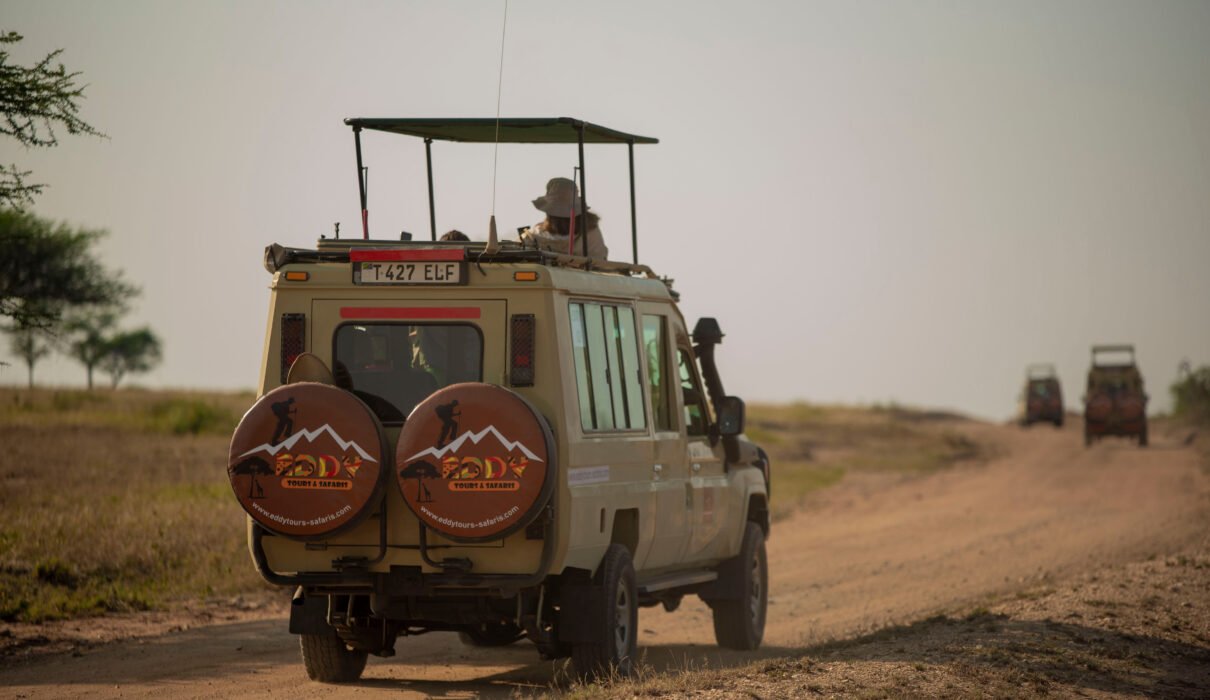
Tanzania Safari Seasons Explained: When Wildlife Viewing Is at Its Best 2026, 2027 & 2028 is a helpful guide for travelers who want to choose the right time for a Tanzania safari. Tanzania is a year-round safari destination, but every season offers a different experience. Some months are best for the Great Migration, some are perfect for Big Five safaris, while others are ideal for lower crowds, green landscapes, birdwatching, and better travel value.
Understanding Tanzania safari seasons helps you plan your journey with confidence. Whether you dream of seeing lions in Serengeti, elephants in Tarangire, rhinos in Ngorongoro Crater, flamingos around soda lakes, or wildebeest calves in the southern plains, the timing of your safari can shape your experience. This guide explains the dry season, green season, calving season, migration season, and shoulder months so you can choose the best travel period for 2026, 2027, and 2028.
Tanzania Safari Seasons Explained for First-Time Travelers
For many visitors, Tanzania safari planning begins with one important question: when is the best time to visit? The honest answer is that Tanzania can be visited throughout the year. However, the best season depends on what you want to see, your budget, your preferred weather, and your tolerance for crowds.
The dry season from June to October is often considered the best time for classic wildlife viewing because animals gather near rivers and water sources. The green season from November to May brings fresh landscapes, dramatic skies, newborn animals, excellent birdlife, and fewer tourists. Both seasons can be rewarding when planned well.
For expert safari planning, you can explore tailor-made Tanzania safari options with Eddy Tours and Safaris, where routes can be adjusted based on your preferred travel month and wildlife interests.
Tanzania Safari Seasons Explained: Dry Season Wildlife Viewing
The dry season usually runs from June to October. This is one of the most popular times for Tanzania safaris because wildlife is easier to find. Grass becomes shorter, water becomes limited, and many animals gather around rivers, lakes, and permanent water points. This makes game drives very productive, especially in Serengeti, Tarangire, Ngorongoro Crater, and other northern safari destinations.
During this period, the weather is generally comfortable, with sunny days and cooler mornings. Travelers who want classic safari conditions often choose June, July, August, September, or October. These months are also good for photography because visibility is strong and animals are easier to spot in open landscapes.
June to October: Best for Classic Safari Experiences
June marks the beginning of the dry season in many safari areas. The landscapes are still beautiful after the rains, but wildlife starts becoming easier to locate. July, August, and September are peak safari months, especially for travelers hoping to see the Great Migration in the western or northern Serengeti. October can also be excellent, especially in Tarangire, where elephants and other wildlife concentrate near the Tarangire River.
Tanzania Safari Seasons Explained: When Wildlife Viewing Is at Its Best 2026, 2027 & 2028 is especially useful for travelers booking during these peak months because accommodations can fill quickly. If you plan to travel between July and September, early booking is strongly recommended.
Tanzania Safari Seasons Explained: Green Season Safaris
The green season usually runs from November to May. This period is sometimes misunderstood by travelers, but it can be one of the most beautiful times to visit Tanzania. The landscapes become fresh and colorful, the air feels clean, and many parks are less crowded compared to peak dry season months.
Wildlife viewing is still possible during the green season, especially in Serengeti and Ngorongoro Crater. The southern Serengeti and Ndutu region become especially important from January to March because this is the famous wildebeest calving season. Thousands of calves are born, attracting lions, cheetahs, hyenas, jackals, and other predators.
November to December: Short Rains and Fresh Landscapes
November and December often bring short rains. These rains are usually not all-day storms, and safaris can still be very enjoyable. The scenery becomes greener, birdlife improves, and many animals begin moving toward fresh grazing areas. This is a good time for travelers who want beautiful landscapes with fewer crowds.
January to March: Calving Season in Southern Serengeti
January, February, and March are excellent months for the southern Serengeti and Ndutu area. This is when many wildebeest gather on the short-grass plains for calving season. Newborn calves attract predators, creating dramatic wildlife moments and excellent photography opportunities.
For travelers who want action, predator sightings, and a more emotional wildlife experience, calving season is one of the best times to travel. It is also a strong option for honeymooners, photographers, and safari guests who want something different from the dry season.
April to May: Long Rains and Low Crowds
April and May are generally the long rainy season months. Some roads may become muddy, and certain camps may close temporarily. However, this period can offer lower prices, fewer tourists, and very beautiful scenery. Ngorongoro Crater and Serengeti can still offer good wildlife viewing, especially for flexible travelers.
Tanzania Safari Seasons Explained by Destination
Serengeti National Park
Serengeti is rewarding throughout the year, but the best region depends on the season. From January to March, southern Serengeti and Ndutu are excellent for calving season. From April to June, the herds often move through central and western areas. From July to October, northern Serengeti becomes popular for river crossing possibilities. From November to December, the herds begin moving south again.
Ngorongoro Crater
Ngorongoro Crater is excellent almost all year because many animals live inside the crater permanently. It is one of the best places to see lions, buffalo, elephants, hippos, zebras, wildebeest, and black rhinos. Dry season offers easier visibility, while green season provides beautiful scenery and fewer visitors.
Tarangire National Park
Tarangire is especially strong from June to October. During the dry season, animals gather around the Tarangire River, making wildlife viewing very rewarding. Elephants are a major highlight, and the park’s baobab landscapes create a unique safari atmosphere.
Lake Manyara National Park
Lake Manyara is scenic throughout the year. It is good for birdlife, forest wildlife, monkeys, elephants, hippos, and lake views. It is often included as a gentle introduction to a northern Tanzania safari route.
Tanzania Safari Seasons Explained for the Great Migration
The Great Migration is one of the biggest reasons travelers visit Tanzania. However, it is important to understand that the migration is a natural movement, not a fixed event in one place. The herds move according to rainfall, grazing, and seasonal patterns.
From January to March, the southern Serengeti and Ndutu area are best for calving. From April to June, the herds move through central and western Serengeti. From July to October, many travelers visit northern Serengeti for possible Mara River crossings. From November to December, the herds move back toward the southern plains.
Travelers researching routes, maps, flights, and seasonal travel information can also use Google to compare travel dates before requesting a professional safari quotation.
Best Safari Months for 2026, 2027 & 2028
| Month | Safari Experience | Best For |
|---|---|---|
| January | Green season and early calving movement | Photography and fewer crowds |
| February | Peak calving season in Ndutu and southern Serengeti | Predator action and newborn wildlife |
| March | Calving season continues with green landscapes | Wildlife drama and scenic safaris |
| April – May | Long rains and low tourist numbers | Value safaris and quiet travel |
| June | Start of dry season | Balanced weather and good wildlife viewing |
| July – September | Peak dry season and migration movement | Classic safaris and Serengeti experiences |
| October | Late dry season | Tarangire elephants and strong wildlife viewing |
| November – December | Short rains and fresh scenery | Green landscapes and fewer crowds |
Tanzania Safari Seasons Explained for Different Travel Styles
Best Season for First-Time Visitors
First-time visitors often prefer June to October because wildlife is easier to spot and the weather is generally reliable. This period is ideal for classic northern circuit safaris including Tarangire, Serengeti, Ngorongoro Crater, and Lake Manyara.
Best Season for Photographers
Photographers may enjoy both dry and green seasons. Dry season gives clear wildlife visibility, while green season offers dramatic skies, newborn animals, flowers, and rich colors. February is excellent for calving season photography, while August and September are strong for Serengeti migration trips.
Best Season for Honeymoon Safaris
Honeymooners can travel almost any time of year, depending on their preferred style. Luxury lodges are popular from June to October, while January to March can be romantic, green, and full of wildlife action in southern Serengeti.
Best Season for Budget Travelers
Budget travelers may find better value during April, May, November, and early December. These months can offer fewer crowds and sometimes better lodge availability, while still giving rewarding safari experiences.
Combining Tanzania Safari with Kilimanjaro
Some travelers combine safari with Mount Kilimanjaro before or after their wildlife journey. If you are planning a climb, you can explore useful mountain trekking information through Kilimanjaro Climb Specialist. Combining a safari with Kilimanjaro creates a complete Tanzania adventure for travelers who want both wildlife and mountain experiences.
What to Pack for Different Tanzania Safari Seasons
For dry season safaris, pack light clothing for daytime, a warm layer for early mornings, sunglasses, sunscreen, a hat, and comfortable shoes. For green season safaris, include a light rain jacket, waterproof bag for electronics, and neutral-colored clothing that dries easily.
Binoculars are useful in all seasons, especially for birdwatching and distant wildlife. A good camera, extra memory cards, and power banks are also recommended. Since safari mornings can be cold even in warm months, layered clothing is always a smart choice.
Why Book with Eddy Tours and Safaris?
Choosing the right safari season is easier when you work with experienced local planners. Eddy Tours and Safaris can help you choose the best route, parks, accommodation, and travel dates based on your wildlife goals. Whether you want the Great Migration, Big Five, family safari, honeymoon safari, luxury safari, or budget adventure, your itinerary can be designed around the right season.
Frequently Asked Questions
Tanzania Safari Seasons Explained: What is the best month for wildlife viewing?
July to October is often best for classic wildlife viewing because animals gather near water sources and vegetation is thinner. February is excellent for calving season in southern Serengeti and Ndutu.
Is Tanzania good for safari all year?
Yes. Tanzania is a year-round safari destination. The best time depends on your interests, such as migration, Big Five, birdwatching, photography, fewer crowds, or better travel value.
When is the best time to see the Great Migration?
January to March is best for calving season, while July to October is popular for northern Serengeti and possible Mara River crossings. The exact movement depends on rainfall and natural grazing patterns.
Is the rainy season bad for safari?
No. The rainy season can still be rewarding, especially for green landscapes, fewer crowds, birdwatching, and photography. However, some roads may be muddy, and flexible planning is important.
When should I book a Tanzania safari for 2026, 2027, or 2028?
For peak months such as July, August, September, December, January, and February, it is best to book early. Popular lodges and migration camps can fill quickly.
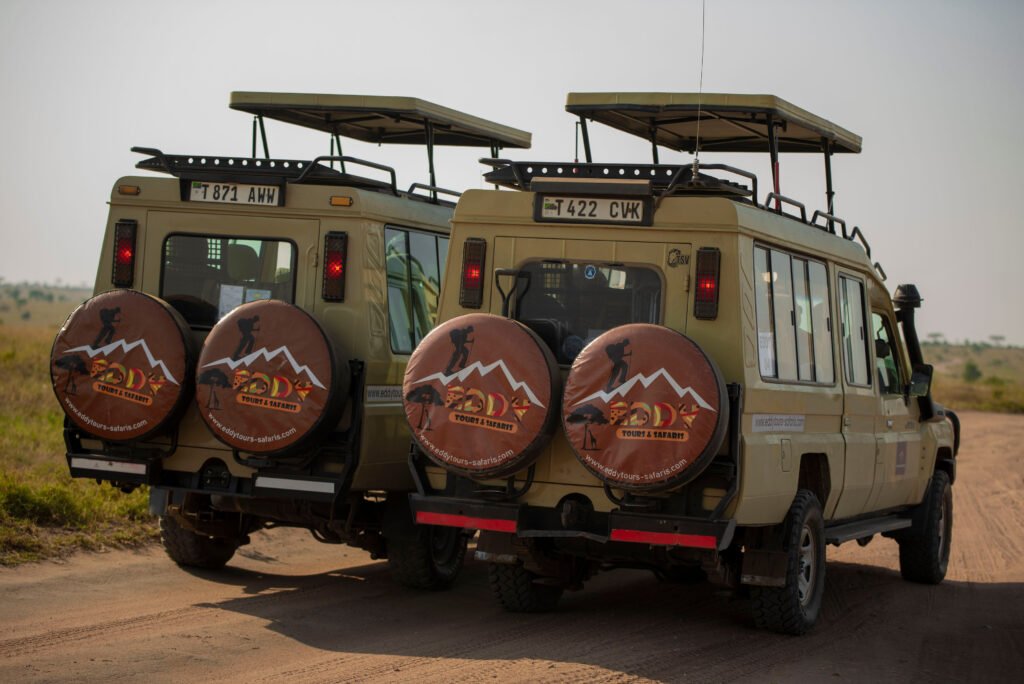
Book Tanzania Safari Seasons Explained: When Wildlife Viewing Is at Its Best 2026, 2027 & 2028
Tanzania Safari Seasons Explained: When Wildlife Viewing Is at Its Best 2026, 2027 & 2028 helps you understand when to travel, what to expect, and how to choose the best safari month for your dream experience. Whether you prefer dry season wildlife viewing, green season beauty, calving season drama, or Great Migration movement, Tanzania has a safari season that matches your travel style.
Start planning your 2026, 2027, or 2028 Tanzania safari today and choose the season that gives you the best wildlife experience, the right comfort level, and the most memorable journey through Africa’s most iconic safari landscapes.