
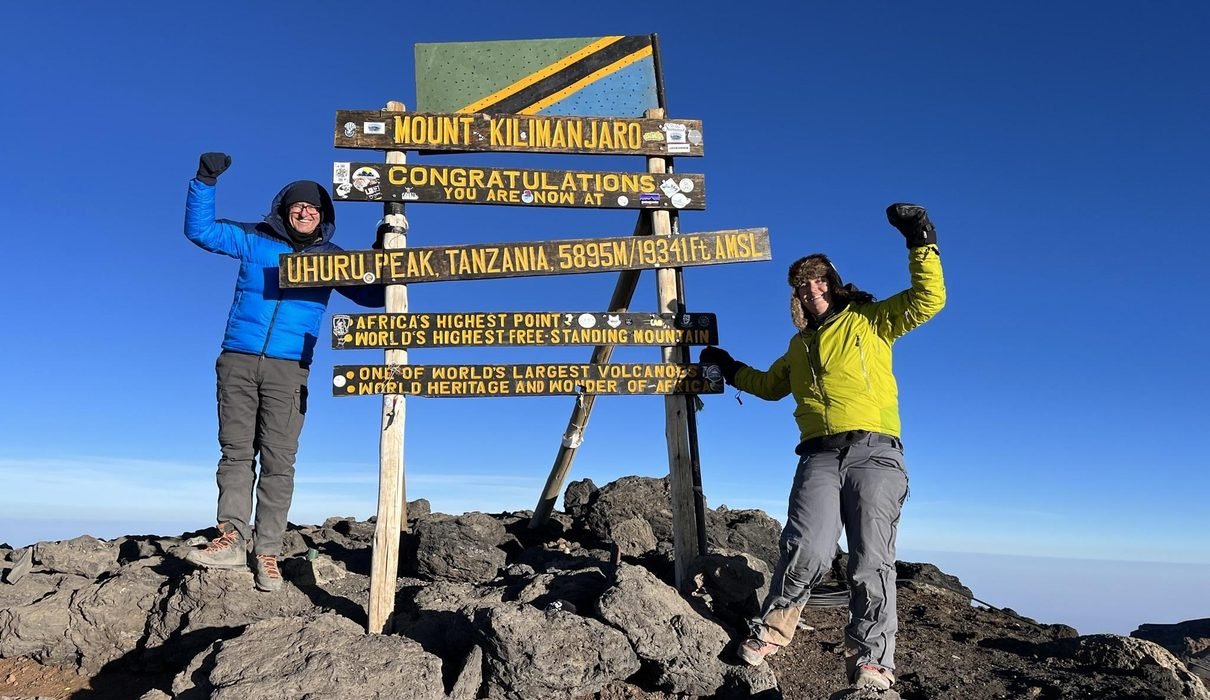
Africa is one of the most exciting continents for trekking. From the snow-covered summit of Mount Kilimanjaro to the golden dunes of the Sahara Desert and the thick rainforests of Uganda, there are walking adventures for almost every type of traveller.
Some African treks take several days and require good physical preparation. Others are shorter walks through beautiful landscapes, where visitors can enjoy nature without climbing a mountain.
If you’re planning an African trekking adventure in 2027, you’ll find plenty of options across the continent. You can climb high mountains in Tanzania, explore Morocco’s Atlas Mountains, walk through Namibia’s desert landscapes, or trek through tropical forests in search of mountain gorillas. This guide explores some of the best African treks for 2027, including where to go, how difficult they are, and the best times to visit.
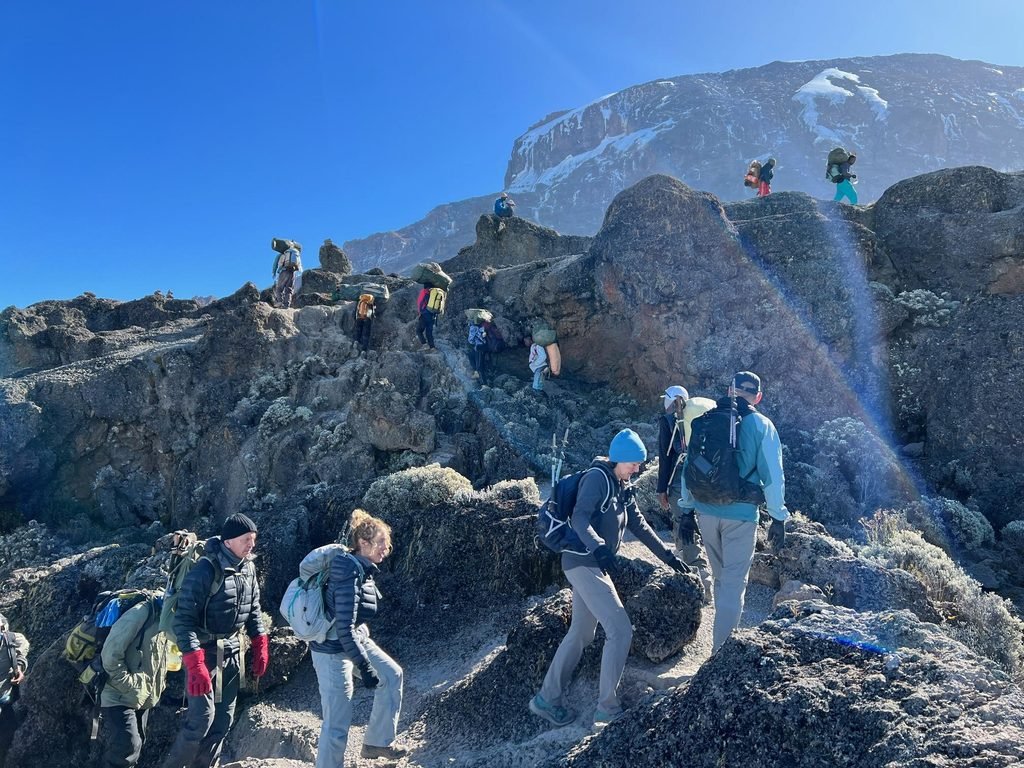
Best African Treks for 2027 at a Glance
| Trekking Destination | Country | Typical Duration | Difficulty |
|---|---|---|---|
| Mount Kilimanjaro | Tanzania | 5–9 days | Challenging |
| Mount Meru | Tanzania | 3–4 days | Moderate to challenging |
| Mount Toubkal | Morocco | 2–4 days | Moderate to challenging |
| Rwenzori Mountains | Uganda | 7–10 days for high summit routes | Challenging to technical |
| Simien Mountains | Ethiopia | 3–7 days | Moderate to challenging |
| Fish River Canyon | Namibia | Around 5 days | Challenging |
| Sahara Desert | Morocco | 2–5 days | Easy to moderate |
| Drakensberg Mountains | South Africa/Lesotho | 2–6 days | Moderate to challenging |
| Bwindi Impenetrable Forest | Uganda | One day for gorilla trekking | Moderate to challenging |
| Mount Kenya | Kenya | 4–6 days for trekking routes | Challenging |
These durations are approximate. Actual trekking times depend on the route, weather, fitness level, and arrangements with local guides.
1. Mount Kilimanjaro, Tanzania – Africa’s Highest Mountain
Best for: Travellers who dream of reaching Africa’s highest point.
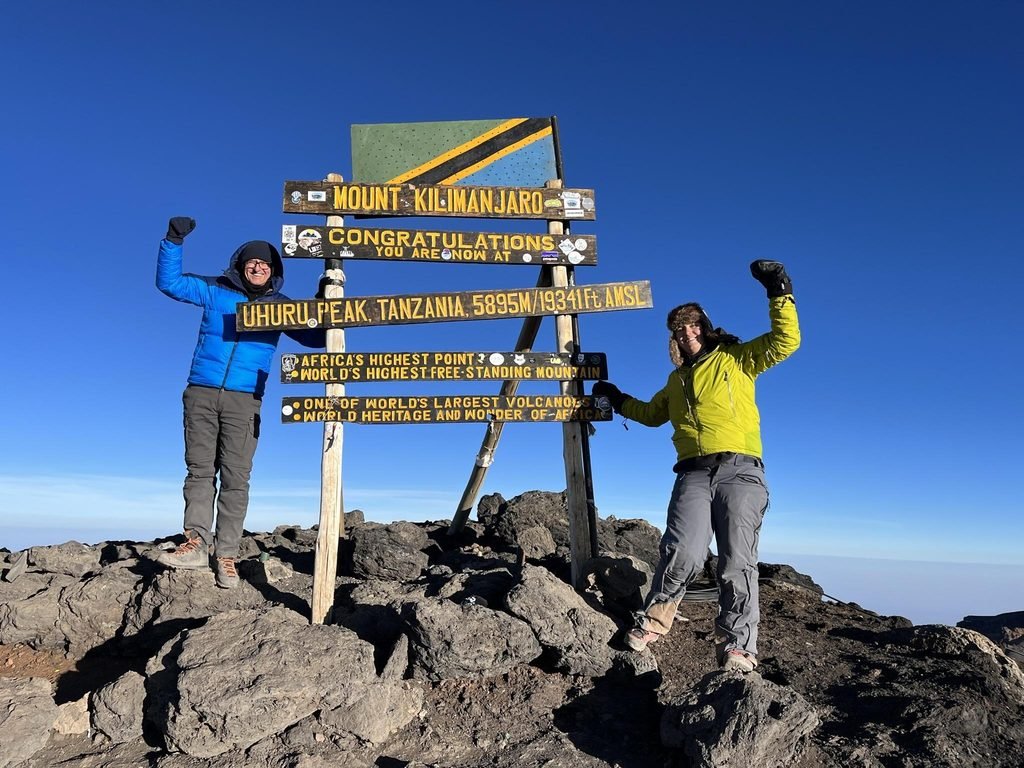
Mount Kilimanjaro is one of the most famous trekking destinations in the world. Standing at 5,895 metres above sea level, it is the highest mountain in Africa and the world’s tallest free-standing mountain above its surrounding terrain.
Located in northern Tanzania, Kilimanjaro attracts thousands of climbers who want to reach Uhuru Peak. Unlike many high mountains, the standard trekking routes do not require technical rock climbing, although the altitude makes the journey physically demanding.
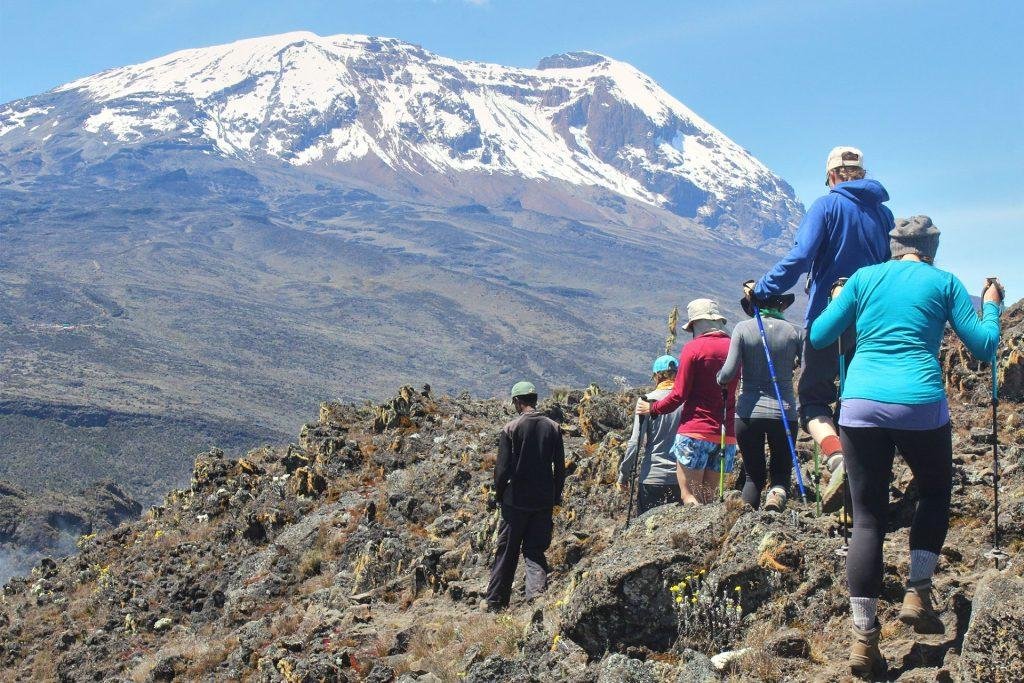
One of the most interesting things about climbing Kilimanjaro is the changing landscape. Trekkers begin in cultivated foothills or rainforest, depending on the route, before crossing heathland, alpine desert, and eventually the cold summit zone.
Popular Kilimanjaro Routes for 2027
Machame Route: A scenic route that usually takes six or seven days. It is popular among climbers who enjoy varied landscapes and a challenging trekking experience.
Lemosho Route: Often completed in seven or eight days, this route approaches the mountain from the western side and provides additional time for altitude acclimatisation.
Marangu Route: Commonly called the Coca-Cola Route, Marangu offers mountain hut accommodation instead of camping. It generally takes five or six days.
Rongai Route: Approaches Kilimanjaro from the northern side and is often less crowded than some southern routes.
Northern Circuit: One of the longest standard routes, usually taking eight or nine days. It provides excellent scenery and more time to adjust to altitude.
For many first-time climbers, a seven-day Machame or eight-day Lemosho itinerary provides a reasonable balance between trekking time and acclimatisation.
Best time to climb: January to early March and June to October are generally popular periods because conditions are often drier.
2. Mount Meru, Tanzania – A Beautiful Alternative to Kilimanjaro
Mount Meru is Tanzania’s second-highest mountain, reaching approximately 4,566 metres above sea level. Located inside Arusha National Park, it offers one of the most scenic mountain trekking experiences in East Africa.
The climb normally takes three or four days and passes through forests, open vegetation, and volcanic landscapes. On the lower slopes, trekkers may encounter wildlife such as buffaloes, giraffes, and monkeys.
The upper sections provide spectacular views of the mountain’s volcanic crater and surrounding landscape. On clear mornings, climbers may also see Mount Kilimanjaro in the distance.
Mount Meru is often used as preparation for Kilimanjaro because it allows trekkers to experience high-altitude conditions before attempting a longer climb.
However, Meru should not be considered an easy mountain. The final ascent involves steep terrain, cold temperatures, and considerable physical effort.
Best time to climb: June to October and December to February are generally favourable periods.
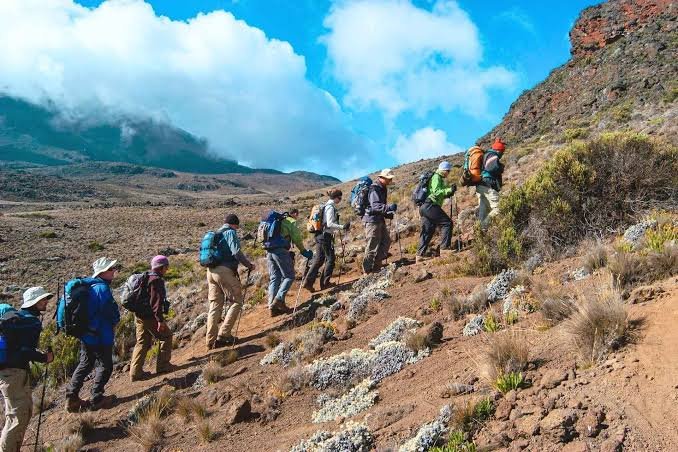
3. Mount Toubkal, Morocco – Trekking in the Atlas Mountains
Mount Toubkal is the highest peak in Morocco and North Africa, standing at approximately 4,167 metres above sea level.
Located in the High Atlas Mountains, it is a popular destination for travellers who want to experience mountain trekking while exploring Morocco’s traditional Berber, or Amazigh, communities.
Many trekkers begin their journey from Imlil, a mountain village that serves as a gateway to Toubkal. The standard summer ascent is commonly completed over two days, although longer itineraries allow more time to explore the surrounding valleys.
The route passes through rocky mountain landscapes, small settlements, and high-altitude terrain before reaching the summit.
During winter, snow and ice can make the climb significantly more difficult, requiring additional equipment and mountaineering experience.
Best time to trek: April to October is generally suitable for non-winter trekking, depending on conditions.
4. Rwenzori Mountains, Uganda – Trekking Through the Mountains of the Moon
The Rwenzori Mountains, located along the border between Uganda and the Democratic Republic of the Congo, offer one of Africa’s most unusual mountain environments.
These mountains are famous for their mist-covered valleys, giant lobelias, moss-covered vegetation, and high-altitude landscapes.
The highest point, Margherita Peak on Mount Stanley, reaches approximately 5,109 metres above sea level.
Unlike Kilimanjaro’s standard trekking routes, reaching Margherita Peak involves technical mountaineering sections, including glacier travel where conditions require it. It is therefore suitable for well-prepared climbers with appropriate guiding and equipment.
However, visitors do not need to reach the highest summit to enjoy the Rwenzori Mountains. Shorter trekking routes provide opportunities to explore forests, waterfalls, and remarkable mountain vegetation.
Best time to trek: December to February and June to August are often considered relatively favourable periods, although rain and difficult conditions can occur throughout the year.
5. Simien Mountains, Ethiopia – Trekking Along Dramatic Cliffs
The Simien Mountains in northern Ethiopia are known for their steep cliffs, deep valleys, and dramatic highland scenery.
Trekking here offers a combination of mountain landscapes and unusual wildlife. Visitors may encounter geladas, sometimes called bleeding-heart monkeys because of the distinctive red patches on their chests.
The mountains also support rare wildlife, including the Ethiopian wolf and Walia ibex, although sightings are uncommon.
Popular trekking routes explore highland villages, viewpoints, and sections of Simien Mountains National Park. Longer routes may include an ascent of Ras Dashen, Ethiopia’s highest mountain.
Trekking conditions vary according to the route, and some sections involve long walking days at considerable altitude.
Best time to trek: October to March is generally the drier period.
Travel note: Security conditions and access restrictions in parts of Ethiopia can change. Travellers should check current official travel advice and local operating conditions before booking a 2027 trek.
6. Fish River Canyon, Namibia – One of Africa’s Great Desert Hikes
Fish River Canyon in southern Namibia offers a completely different trekking experience from Africa’s high mountains.
Instead of climbing towards a summit, hikers descend into a vast canyon and follow a route through rocky desert terrain.
The classic Fish River Canyon hiking trail is approximately 85 kilometres long and is usually completed over five days.
The landscape features towering rock walls, dry riverbeds, natural pools, and wide desert views.
This trek is physically demanding because hikers must carry essential supplies, navigate uneven ground, and manage changing temperatures.
Access to the canyon hiking trail is seasonal and subject to permits, medical requirements, and park regulations.
Best time to trek: The official hiking season is generally during Namibia’s cooler months, often May to September, subject to current park rules.
7. Sahara Desert, Morocco – Walking Across Golden Sand Dunes
A Sahara Desert trek offers an experience completely different from climbing a mountain.
In Morocco, travellers can explore desert landscapes around areas such as Erg Chebbi and Erg Chigaga, where enormous sand dunes stretch towards the horizon.
Desert trekking trips may last from a single day to several days, depending on the itinerary.
During the journey, visitors walk across sand dunes, rocky plains, and remote desert landscapes. Some trips include overnight stays in desert camps, where travellers can enjoy the night sky away from city lights.
Although desert trekking does not involve extreme altitude, walking on soft sand can be tiring. Temperatures may also change considerably between daytime and nighttime.
Best time to trek: October to April is generally more comfortable than the hottest summer months.
8. Drakensberg Mountains, South Africa and Lesotho
The Drakensberg Mountains are among southern Africa’s most beautiful trekking destinations.
This mountain range stretches through parts of South Africa and Lesotho, offering dramatic cliffs, waterfalls, valleys, and high-altitude grasslands.
One of the most famous hiking destinations is the Amphitheatre in the northern Drakensberg, where visitors can enjoy impressive mountain views.
The region is also known for the Tugela Falls area, which attracts hikers interested in mountain scenery and photography.
Trekking options range from short day hikes to demanding multi-day routes. Some trails require experience with navigation, steep terrain, and changing mountain weather.
Best time to trek: April to May and September to November can offer pleasant conditions, although weather varies considerably by elevation.
9. Bwindi Impenetrable Forest, Uganda – Gorilla Trekking Adventure
Bwindi Impenetrable National Park offers one of Africa’s most rewarding forest trekking experiences.
Located in southwestern Uganda, the park is home to mountain gorillas living within dense tropical forest.
Visitors join guided trekking groups and walk through the forest to locate habituated gorilla families.
The trek may take several hours, depending on the location of the gorillas and the terrain.
Once the group is located, visitors are generally allowed up to one hour observing the animals under standard gorilla trekking rules.
Watching mountain gorillas in their natural environment is a remarkable experience, but the trek can be physically demanding because of steep slopes, thick vegetation, and muddy paths.
Best time to trek: June to August and December to February are often preferred because conditions can be relatively drier.
Gorilla trekking permits are limited, so early booking is recommended for 2027.
10. Mount Kenya, Kenya – A High-Altitude Trekking Adventure
Mount Kenya is the second-highest mountain in Africa, reaching approximately 5,199 metres at Batian Peak.
The mountain offers several trekking routes through forests, moorlands, alpine valleys, and rocky high-altitude landscapes.
Many trekkers aim to reach Point Lenana, a popular trekking summit standing at approximately 4,985 metres.
Unlike Batian and Nelion, which require technical climbing skills, Point Lenana can be reached through non-technical trekking routes under suitable conditions.
Popular approaches include the Sirimon, Naro Moru, and Chogoria routes.
Mount Kenya is particularly attractive to travellers who want a challenging mountain experience without the same level of international visitor traffic associated with Kilimanjaro.
Best time to trek: January to March and July to October are often preferred, depending on weather conditions.
Which African Trek Is Best for Beginners?
Not every African trekking experience requires advanced climbing skills.
If you’re new to trekking, consider starting with shorter mountain walks, guided forest hikes, or moderate desert adventures.
Mount Meru can be an excellent option for physically fit beginners who want to experience high-altitude trekking, although the summit route is demanding.
In Morocco, shorter Atlas Mountains treks provide beautiful scenery without requiring a major summit attempt.
For travellers interested in Kilimanjaro, choosing a longer route can provide more time for acclimatisation, but good physical preparation remains essential.
The most important thing is to choose a trek that matches your fitness, experience, and comfort with altitude or difficult terrain.
How Much Does Trekking in Africa Cost in 2027?
The cost of an African trekking holiday depends on the destination, duration, accommodation, guiding services, and required permits.
Mount Kilimanjaro climbs generally involve park fees, guides, porters, meals, camping equipment or hut accommodation, and transport arrangements.
Gorilla trekking in Uganda requires a special permit, which can represent a significant portion of the trip’s total cost.
Desert treks in Morocco may be less expensive than high-altitude mountain expeditions, particularly for shorter itineraries.
Technical mountain climbs and remote expeditions can cost more because of specialised equipment, experienced guides, and logistical requirements.
Before booking, check exactly what is included in the quotation. A lower advertised price may exclude important services such as park fees, equipment, transfers, or accommodation.
Essential Tips for Planning an African Trek in 2027
A successful trekking adventure begins with proper preparation.
Choose the right season. Weather conditions can make a major difference, particularly on high mountains and in desert environments.
Prepare physically. Regular walking, hiking, and cardiovascular exercise can help improve endurance before your trip.
Understand altitude risks. High-altitude destinations such as Kilimanjaro, Mount Kenya, and the Rwenzori Mountains require careful acclimatisation. Fitness alone does not prevent altitude sickness.
Use qualified guides. Experienced local guides understand the terrain, weather conditions, and safety requirements.
Pack suitable equipment. Comfortable hiking boots, layered clothing, rain protection, and appropriate sleeping equipment are important for many multi-day treks.
Book early. Popular trekking routes and limited-permit activities may fill up during busy travel periods.
Frequently Asked Questions About African Trekking in 2027
What is the best mountain to climb in Africa?
Mount Kilimanjaro is one of the most popular choices because it is Africa’s highest mountain and can be climbed through established trekking routes without technical mountaineering on the standard routes.
Is Kilimanjaro suitable for beginners?
Yes, physically prepared beginners can attempt Kilimanjaro with qualified guides. However, the mountain is challenging because of its altitude, and no route guarantees a successful summit.
What is the hardest trek in Africa?
There is no single answer because difficulty depends on the route and conditions. Technical summit routes in the Rwenzori Mountains and Mount Kenya are among Africa’s more demanding mountain challenges.
Can I combine a Kilimanjaro climb with a Tanzania safari?
Yes. Many travellers climb Kilimanjaro before visiting Serengeti National Park, Ngorongoro Crater, or Tarangire National Park.
Is desert trekking difficult?
Desert trekking can be physically demanding because of soft sand, heat, limited shade, and remote conditions. The difficulty depends on the route, season, and distance covered.
How many days do I need to climb Kilimanjaro?
Most standard Kilimanjaro itineraries take between five and nine days. Longer routes generally provide more time for altitude acclimatisation.
Plan Your African Trekking Adventure for 2027
Africa offers an extraordinary variety of trekking experiences. You can climb Mount Kilimanjaro, explore Morocco’s desert dunes, walk through Uganda’s rainforests, or discover the dramatic mountain landscapes of southern Africa.
Each destination offers something different, from challenging summit climbs to peaceful walks through remote natural environments.
For travellers interested in Tanzania, Mount Kilimanjaro and Mount Meru are two of the country’s most rewarding trekking destinations. Both mountains offer beautiful scenery, experienced local guiding services, and opportunities to combine trekking with a wildlife safari.
Eddy Tours & Safaris is a local tour company in Arusha, Tanzania, highly recommended by travellers. We arrange guided Kilimanjaro climbs, Mount Meru trekking adventures, private Tanzania wildlife safaris, and personalised holidays.
Our team can help you choose a suitable trekking route based on your fitness, available days, travel dates, and budget.
Contact Eddy Tours & Safaris
Website: Eddy Tours & Safaris
Trekking enquiries: Contact our team
Email: sales@eddytours-safaris.com
WhatsApp: +255 711 906 664 — Chat with us
Explore Africa’s mountains, deserts, and forests in 2027 with an adventure that matches your interests and experience.