
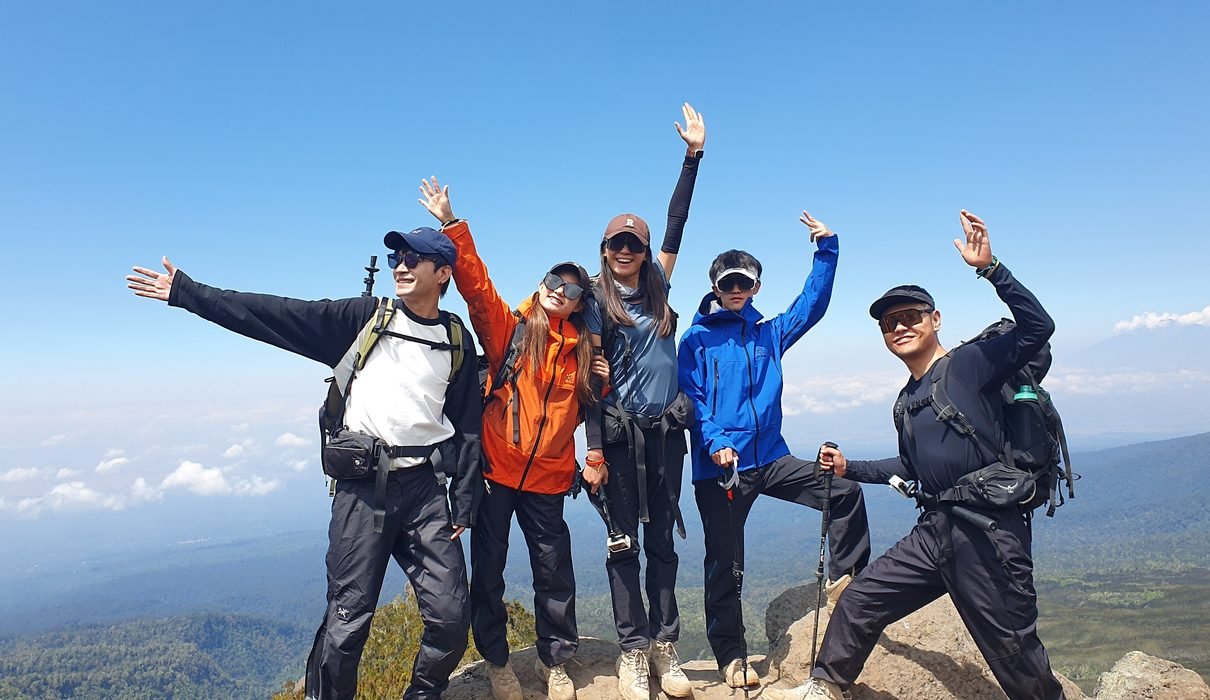
Climbing Mount Kilimanjaro through the seven-day Machame Route is one of the best ways to experience Africa’s highest mountain while allowing more time to adjust to the altitude. This route takes you through thick rainforest, open moorland, rocky mountain slopes and the cold alpine desert before reaching Uhuru Peak at 5,895 metres above sea level. For travellers planning a Kilimanjaro climb in 2027 or 2028, the seven-day itinerary offers a good balance between daily walking, rest and preparation for the final summit attempt.
The 7 Days Machame Route Kilimanjaro Climbing package is suitable for reasonably fit travellers who want a complete mountain experience without rushing through the most important stages. Unlike the shorter six-day option, this itinerary includes an overnight stay at Karanga Camp, giving climbers another day on the mountain before reaching Barafu Camp. The additional time supports acclimatisation, although altitude sickness can affect anyone regardless of fitness or previous hiking experience.
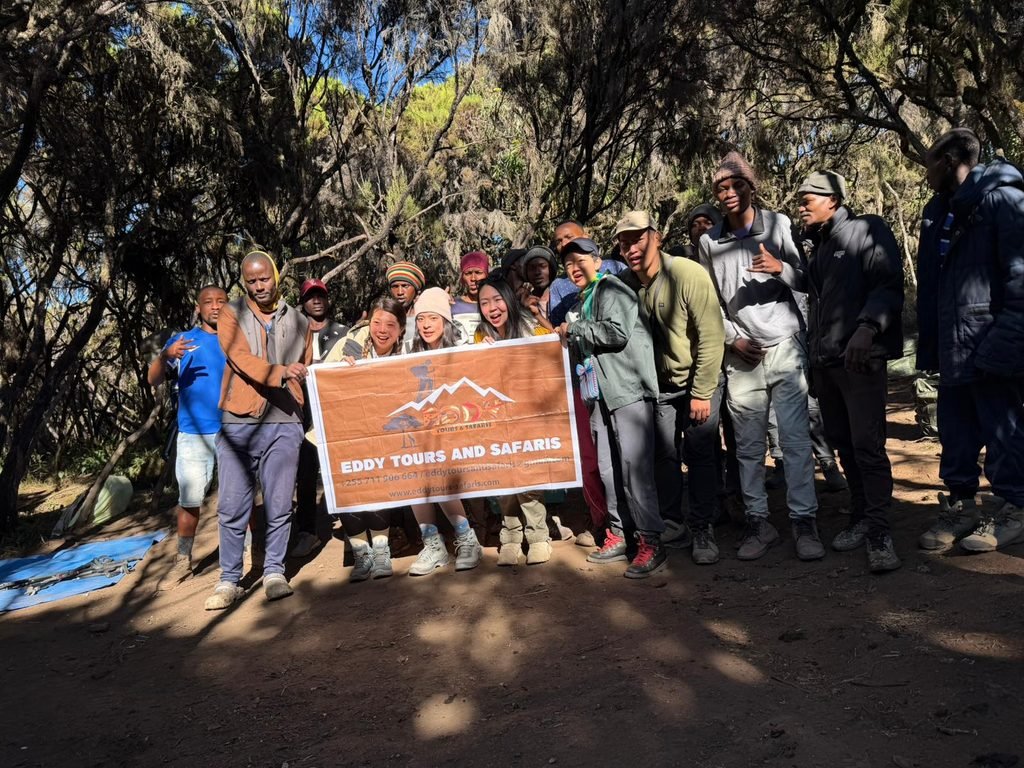
At Eddy Tours & Safaris, we arrange guided Kilimanjaro climbs for solo travellers, couples, families and groups visiting Tanzania. Our climbing arrangements cover the mountain crew, camping equipment, meals, park procedures and transport to and from the mountain. Whether you are visiting Tanzania for the first time or returning for another adventure, the Machame Route offers a well-established way to experience Kilimanjaro with a professional mountain team.
Overview of the 7 Days Machame Route Kilimanjaro Climbing Package
| Package details | Information |
|---|---|
| Destination | Mount Kilimanjaro, Tanzania |
| Route | Machame Route |
| Duration | 7 days and 6 nights |
| Highest point | Uhuru Peak, 5,895 metres |
| Starting point | Machame Gate |
| Finishing point | Mweka Gate |
| Accommodation | Mountain camping tents |
| Difficulty | Challenging |
| Summit attempt | Day 6 |
| Best travel periods | January–March and June–October |
| Travel years | 2027 and 2028 |
| Departure | Private or group joining, subject to availability |
| Price | Available upon request |
The seven days cover the mountain trekking programme and do not include international travel or additional hotel nights before and after the climb. Travellers are encouraged to arrive in Tanzania at least one day before their trek to attend a briefing, check their equipment and prepare for the mountain. You can also review other Kilimanjaro climbing programmes when comparing different routes and travel arrangements.
Why Choose the 7 Days Machame Route for Kilimanjaro?
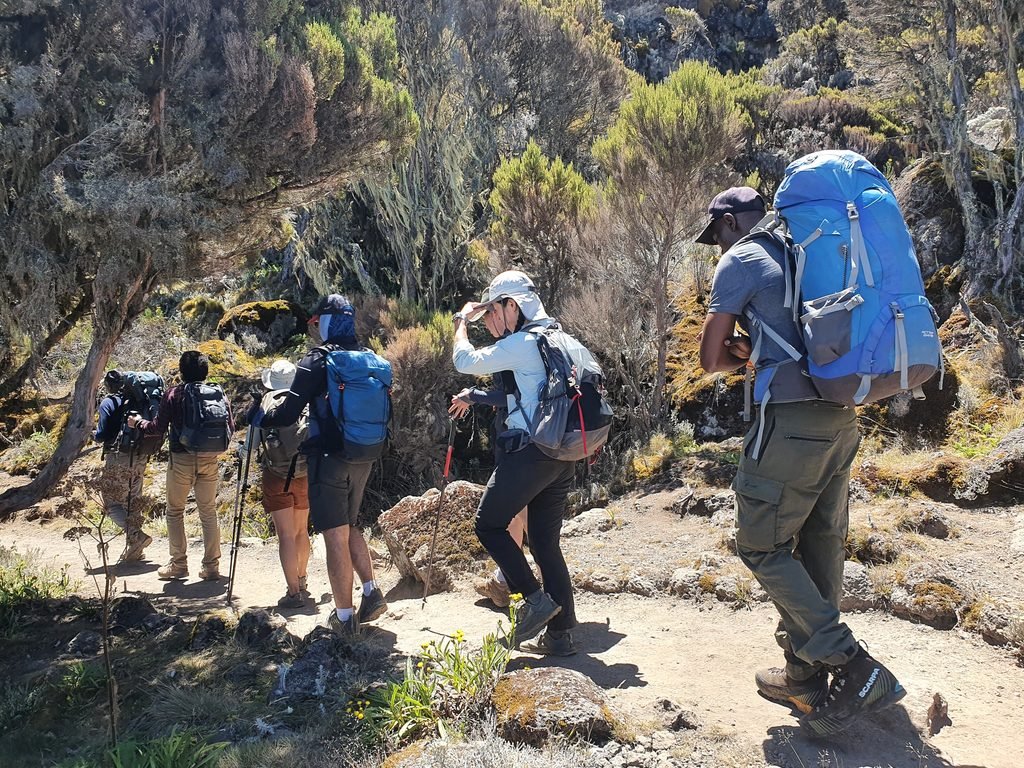
The Machame Route, sometimes called the Whiskey Route, is known for its changing landscapes and varied walking conditions. It approaches Kilimanjaro from the southwest before crossing the Shira Plateau and continuing along the southern slopes. Climbers pass through several vegetation zones, which makes the journey interesting even before reaching the higher sections of the mountain. The trail includes steep climbs, rocky paths and the famous Barranco Wall, where hikers use their hands for balance in some places.
One of the main reasons travellers choose seven days instead of six is the additional overnight stop at Karanga Camp. This separates the walk from Barranco to Barafu into two stages and gives climbers more time to recover before the summit attempt. The route also passes near Lava Tower, where hikers reach a higher elevation during the day before descending to sleep at Barranco Camp. This approach, often described as climbing high and sleeping low, can help the body adjust to reduced oxygen levels.
However, the longer itinerary should not be understood as a guarantee of reaching the summit. Success depends on several factors, including acclimatisation, weather, physical condition and the decisions made by your mountain guide. Travellers comparing climbing programmes can read additional information from Kilimanjaro Climb Specialist, which provides route descriptions, preparation advice and climbing itineraries.
Complete 7 Days Machame Route Kilimanjaro Climbing Itinerary
Day 1: Machame Gate to Machame Camp – Entering the Rainforest
- Starting elevation: Approximately 1,800 metres
- Finishing elevation: Approximately 2,835 metres
- Walking distance: Approximately 11 km
- Walking time: 5–7 hours
- Accommodation: Machame Camp
Your Kilimanjaro climb begins with a morning transfer from your hotel in Arusha or Moshi to Machame Gate, located on the southwestern side of the mountain. Upon arrival, your mountain guide will complete the park registration process while the porters organise camping equipment, food supplies and other items needed for the coming days. After a final briefing and equipment check, you will begin walking through the lower rainforest, where tall trees, thick vegetation and damp conditions are common throughout the year.
The first section of the trail follows a gradual climb through the forest, although some parts become steep and muddy, especially after rainfall. You may see different birds and occasionally monkeys moving through the trees. The walking pace is deliberately slow to help everyone settle into the climb and conserve energy for the days ahead. Your guide will encourage regular water breaks and monitor how the group is feeling as the elevation increases.
By late afternoon, you will arrive at Machame Camp, where the mountain crew will have prepared your tents and an evening meal. After dinner, your guide will explain the following day’s walk and discuss how everyone is adjusting to the altitude. The first night is spent camping on the mountain, surrounded by forest and cooler temperatures than those experienced at the starting gate.
Day 2: Machame Camp to Shira Camp – Leaving the Forest Behind
- Starting elevation: Approximately 2,835 metres
- Finishing elevation: Approximately 3,750 metres
- Walking distance: Approximately 5 km
- Walking time: 4–6 hours
- Accommodation: Shira Camp
After breakfast, the second day begins with a steady climb out of the rainforest and into the heath and moorland zone. The trees gradually become smaller, and the landscape opens into rocky ridges, shrubs and wide views of the surrounding mountain slopes. Although today’s distance is shorter than the first day, the trail includes several steep sections that require patience and careful footing.
As you gain elevation, you will begin to see the upper slopes of Kilimanjaro more clearly when the weather allows. The route continues across rocky ground towards the Shira Plateau, one of the mountain’s most distinctive landscapes. Your guide will maintain a manageable walking pace, giving the group time to rest and adjust to the thinner air. It is normal for hikers to notice that walking feels more demanding as the altitude increases.
Upon reaching Shira Camp, you will have time to rest, enjoy a warm meal and take photographs of the surrounding scenery. Temperatures can drop considerably after sunset, so warm clothing becomes increasingly important. The evening is also an opportunity to discuss any headaches, nausea or unusual tiredness with your guide rather than ignoring possible signs of altitude illness.
Day 3: Shira Camp to Lava Tower and Barranco Camp – Important Acclimatisation Day
- Starting elevation: Approximately 3,750 metres
- Highest point: Lava Tower, approximately 4,600 metres
- Finishing elevation: Approximately 3,900 metres
- Walking distance: Approximately 10 km
- Walking time: 6–8 hours
- Accommodation: Barranco Camp
The third day is an important part of the seven-day Machame itinerary because it involves climbing to a higher altitude before descending to sleep. After leaving Shira Camp, the trail continues through increasingly dry and rocky terrain towards Lava Tower. Vegetation becomes sparse as you move into the alpine desert, and the effects of altitude may become more noticeable. Your guide will encourage slow walking and regular breaks while checking the group’s condition.
Lava Tower is a prominent volcanic rock formation located at approximately 4,600 metres above sea level. Depending on the weather and the group’s progress, lunch may be taken near this area before beginning the descent towards Barranco Valley. Although descending can feel easier on the legs, it remains important to maintain a steady pace and continue drinking water. Reaching a higher point during the day and sleeping lower at Barranco is one of the main acclimatisation features of the Machame Route.
The afternoon descent leads towards Barranco Camp, where giant groundsels and other unusual high-altitude plants can be seen. The campsite sits below the impressive Barranco Wall, which you will climb the following morning. After dinner, your guide will explain the next day’s route and assess how the group is responding to the altitude. Anyone experiencing worsening symptoms must inform the guide immediately, as continuing upwards with altitude illness can be dangerous.
Day 4: Barranco Camp to Karanga Camp – Crossing the Barranco Wall
- Starting elevation: Approximately 3,900 metres
- Finishing elevation: Approximately 3,995 metres
- Walking distance: Approximately 5–6 km
- Walking time: 4–5 hours
- Accommodation: Karanga Camp
The fourth day begins with one of the most talked-about sections of the Machame Route: the Barranco Wall. From a distance, the wall can look intimidating, but it is generally climbed by following a well-used scrambling path rather than using technical mountaineering equipment. There are narrow sections and places where you need to use your hands for balance, so your guide will explain how to move safely and allow enough space between climbers.
Once you reach the upper section of the wall, the trail continues across a series of ridges and valleys with views towards Kilimanjaro’s southern glaciers when conditions are clear. The route includes several uphill and downhill sections before reaching Karanga Valley and making the final climb to Karanga Camp. Although the distance is relatively short, the terrain and altitude mean that the walk still requires effort and concentration.
The overnight stop at Karanga is one of the main advantages of choosing the seven-day itinerary. Instead of continuing directly to Barafu Camp, you have the afternoon to rest, eat and prepare for the higher altitude ahead. This makes the programme less compressed than the six-day Machame option. Travellers interested in comparing different schedules can also review the 7 Days Machame Route itinerary from Kilimanjaro Climb Specialist.
Day 5: Karanga Camp to Barafu Camp – Preparing for the Summit
- Starting elevation: Approximately 3,995 metres
- Finishing elevation: Approximately 4,673 metres
- Walking distance: Approximately 4 km
- Walking time: 3–4 hours
- Accommodation: Barafu Camp
After breakfast, you will leave Karanga Camp and continue towards Barafu Camp, the main base for the summit attempt on this route. The landscape becomes increasingly barren, with loose rocks, exposed slopes and very little vegetation. Although the walking distance is short compared with previous days, the higher altitude makes even moderate uphill sections feel demanding. Your guide will maintain a slow pace and encourage the group to conserve energy.
Upon reaching Barafu Camp, the mountain crew will prepare lunch while you organise your clothing and equipment for the summit attempt. Your guide will explain the planned departure time, expected walking conditions, turnaround procedures and safety arrangements. Essential items such as a headlamp, warm gloves, insulated jacket, water, snacks and spare batteries should be packed where they can be reached easily during the night.
The afternoon is mainly reserved for resting, eating and preparing mentally for the final ascent. Most groups begin their summit attempt around midnight, although the exact departure time depends on the guide’s assessment and prevailing conditions. Temperatures can fall well below freezing, and strong winds are possible. The priority is to remain warm, hydrated and ready to follow the guide’s instructions throughout the climb.
Day 6: Barafu Camp to Uhuru Peak and Down to Mweka Camp – Summit Day
- Starting elevation: Approximately 4,673 metres
- Summit elevation: 5,895 metres
- Finishing elevation: Approximately 3,100 metres
- Total walking distance: Approximately 17–19 km
- Walking time: Approximately 12–16 hours
- Accommodation: Mweka Camp
Summit day is the longest and most demanding part of the entire Kilimanjaro climb. The ascent normally begins during the night, with hikers using headlamps to follow the trail through loose volcanic scree and steep mountain slopes. Walking becomes slower as the altitude increases, and the cold conditions make proper clothing particularly important. Your guide will monitor the group’s progress, encourage regular short breaks and assess whether everyone is fit to continue.
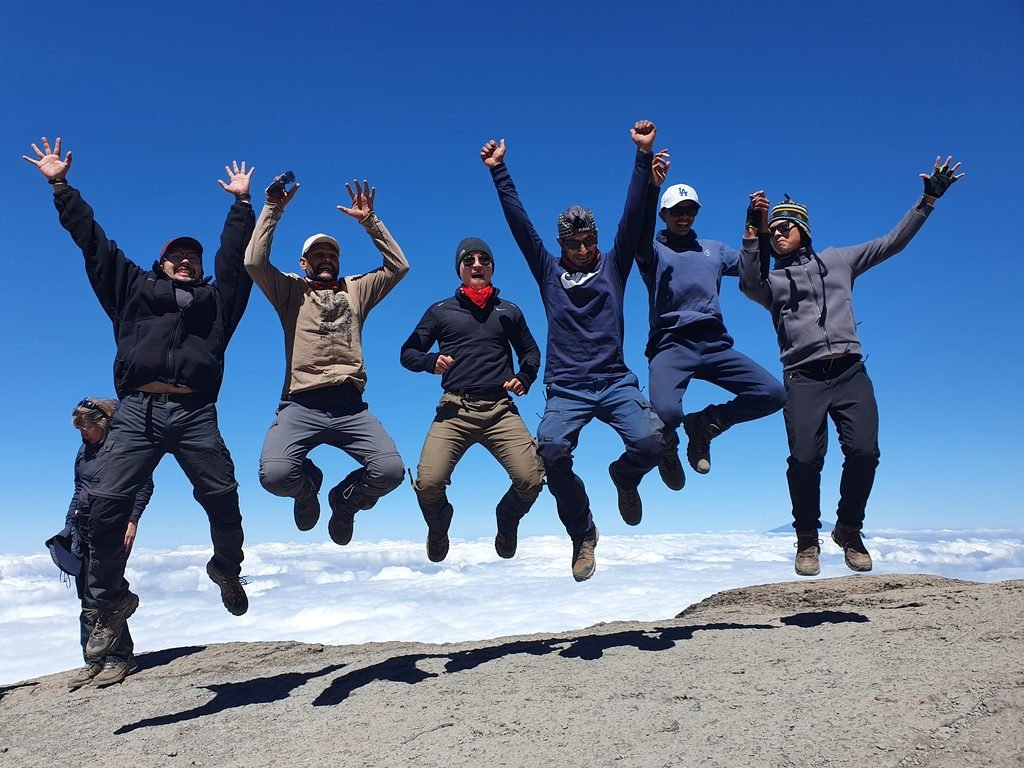
The first major objective is Stella Point, located on the crater rim at approximately 5,756 metres. From here, the route continues towards Uhuru Peak, the highest point on Mount Kilimanjaro and the African continent. Depending on the group’s condition, the final section can take another hour or more. Reaching Uhuru Peak is a major achievement, but safety remains the priority, and the guide may decide that a climber needs to descend before reaching the summit.
After the summit attempt, the group begins the long descent towards Barafu Camp, where there is usually an opportunity to rest and eat before continuing to Mweka Camp. The downhill walking can be hard on the knees and legs, particularly after many hours on the trail. Trekking poles are useful, and careful footing is important on loose rocks. By the time you reach Mweka Camp, you will have descended into a lower and generally warmer environment, where the crew will prepare the final mountain dinner.
Day 7: Mweka Camp to Mweka Gate – Completing Your Kilimanjaro Climb
- Starting elevation: Approximately 3,100 metres
- Finishing elevation: Approximately 1,640–1,800 metres
- Walking distance: Approximately 10 km
- Walking time: 3–5 hours
- Accommodation: Hotel after the climb, if booked
The final day begins with breakfast at Mweka Camp before starting the descent through Kilimanjaro’s rainforest. The trail gradually returns to thicker vegetation, with tall trees, bird calls and warmer temperatures replacing the exposed mountain landscape of the previous days. Although the walking is mostly downhill, sections can become slippery and muddy, especially during periods of rainfall. Your guide will continue to assist the group until everyone reaches the park exit.
At Mweka Gate, the mountain team completes the necessary exit procedures, and eligible climbers receive their summit certificates. You will then meet your transfer vehicle for the journey back to Moshi or Arusha, depending on your accommodation arrangements. After several days of camping and walking, most travellers appreciate a warm shower, a comfortable bed and time to rest before continuing their holiday.
For those who would like to spend more time in Tanzania, Eddy Tours & Safaris can help arrange a Tanzania wildlife safari after the climb. Visiting destinations such as Tarangire National Park, Serengeti National Park and the Ngorongoro Crater is a popular way to combine mountain trekking with wildlife viewing, provided you allow enough time for recovery.
What Is Included in the 7 Days Machame Route Package?
The standard mountain package is planned to cover the main services required for a guided seven-day climb. The exact inclusions should be confirmed in your written quotation before payment.
Package Inclusions
- Professional, licensed Kilimanjaro mountain guides
- Mountain porters and a cook
- Salaries for the mountain crew
- Kilimanjaro National Park entrance and conservation fees
- Applicable mountain camping and rescue fees
- Government taxes applicable to the quoted package
- Transfers from the agreed Moshi or Arusha pickup point to Machame Gate and from Mweka Gate back to the agreed drop-off point
- Six nights of mountain camping accommodation
- Quality mountain sleeping tents, normally on a sharing basis
- Sleeping mattresses
- Dining tent with tables and chairs
- Breakfast, lunch and dinner during the mountain programme
- Clean, treated drinking water during the climb
- Emergency oxygen and basic mountain first-aid equipment
- Mountain briefing before departure
- Summit certificate for eligible climbers who reach the relevant summit point
Package Exclusions
- International and domestic flights
- Tanzania entry visa fees
- Travel and medical insurance, including appropriate evacuation cover
- Hotel accommodation before and after the climb unless stated in the quotation
- Airport transfers unless specifically included
- Personal trekking equipment such as boots, jackets, sleeping bags and walking poles
- Rental charges for personal equipment
- Tips for mountain guides, porters and cooks
- Alcoholic drinks, soft drinks and bottled beverages
- Meals outside the mountain itinerary
- Personal expenses such as laundry, telephone calls and shopping
- Additional activities, safaris or excursions
- Costs arising from personal itinerary changes or additional services not included in the booking
How Difficult Is the 7 Days Machame Route?
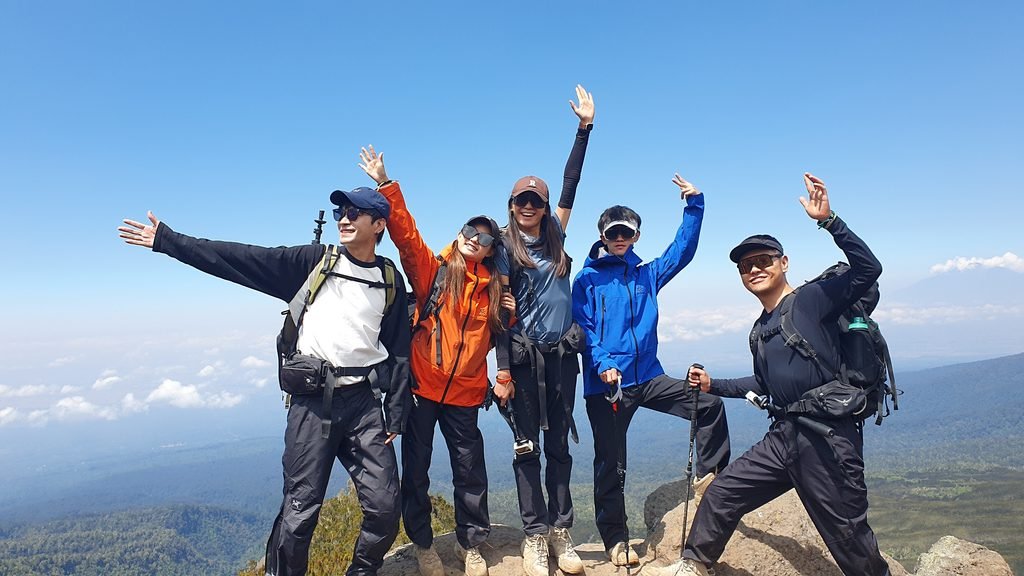
The seven-day Machame Route is considered a challenging high-altitude trek rather than a technical mountain climb. Most of the journey involves walking on established trails, although there are steep sections, loose volcanic rocks and the Barranco Wall scrambling section. Climbers should be comfortable walking for several hours on consecutive days and prepared for cold temperatures, basic camping conditions and a particularly long summit day.
Good physical fitness helps with the daily walking, but it does not prevent altitude sickness. Even experienced hikers can experience headaches, nausea, dizziness or other symptoms as the elevation increases. The most important approach is to follow a sensible acclimatisation schedule, communicate openly with your guide and avoid pushing through worsening symptoms. Severe altitude illness requires prompt descent and medical attention rather than simply resting or taking painkillers.
Before travelling, consider preparing with regular hiking, stair climbing, cardiovascular exercise and walks carrying a small daypack. Breaking in your hiking boots and testing your clothing before departure will also help reduce avoidable discomfort. You can find further route information and preparation guidance through Kilimanjaro Climb Specialist and the official Tanzania National Parks website.
Best Time to Climb Kilimanjaro Through the Machame Route in 2027 and 2028
Mount Kilimanjaro can be climbed throughout the year, but the weather varies considerably between seasons. January to March often provides favourable trekking opportunities, although conditions at higher elevations can still be cold and unpredictable. June to October is another popular period because the weather is generally drier and visibility can be good. These months also attract more climbers, particularly along established routes such as Machame.
April and May are commonly associated with heavier rainfall, which can make the lower forest trails muddy and reduce visibility. November may also bring shorter periods of rain. However, mountain weather cannot be predicted solely from the month of travel, and snow, wind, rain and freezing temperatures can occur at high altitude during any season.
If you are planning a climb for 2027 or 2028, it is advisable to arrange your dates early enough to organise flights, accommodation, travel insurance and suitable trekking equipment. You can contact Eddy Tours & Safaris to discuss your preferred travel month and receive guidance on the arrangements required before your departure.
What Should You Pack for the Machame Route?
Packing properly is important because the Machame Route passes through several different climate zones. You may begin your journey in warm and humid rainforest conditions before experiencing freezing temperatures during the summit attempt. Clothing should therefore be arranged in layers that can be added or removed as conditions change. Waterproof protection is necessary even during the drier months.
Essential personal equipment includes sturdy hiking boots, moisture-wicking base layers, warm fleece clothing, an insulated jacket, waterproof trousers and jacket, gloves, warm socks, a sun hat, sunglasses and a headlamp with spare batteries. A comfortable daypack, refillable water bottles or hydration system, trekking poles and a sleeping bag suitable for cold mountain temperatures are also important. Personal medication, sunscreen and basic toiletries should be included in your packing arrangements.
Before your climb, the mountain team will explain the luggage arrangements and any weight restrictions that apply to porter-carried equipment. Travellers who do not own suitable mountain gear may be able to arrange rental equipment locally, subject to availability and additional charges. Confirm rental items in advance rather than assuming that everything will be available on arrival.
Why Book Your Kilimanjaro Climb with Eddy Tours & Safaris?
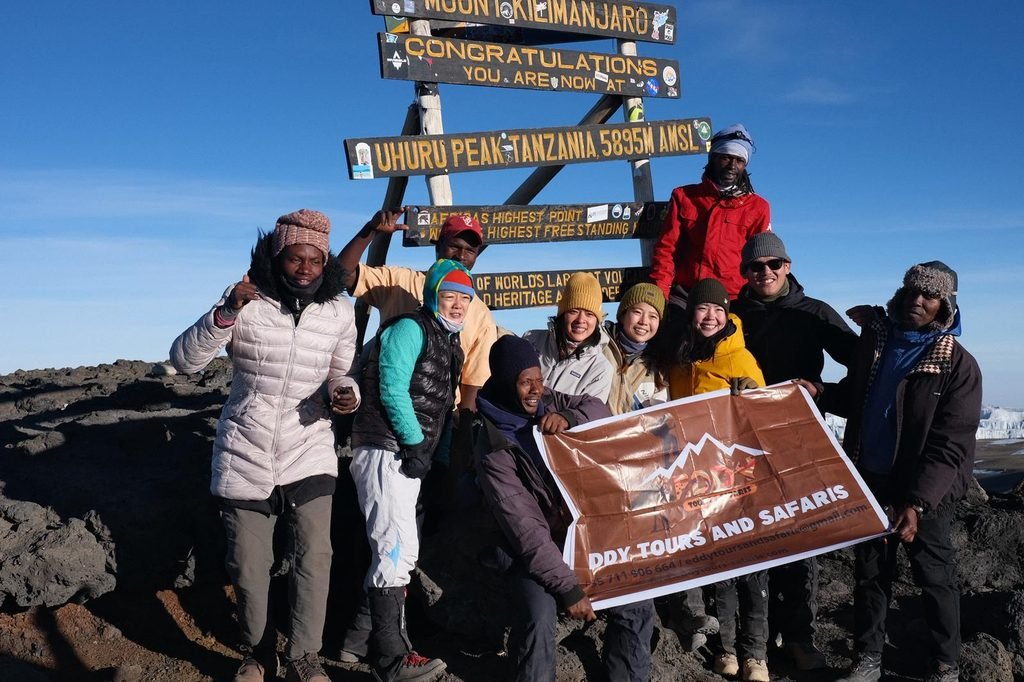
Choosing a local tour operator makes it easier to arrange your Kilimanjaro climb together with other travel services in Tanzania. Eddy Tours & Safaris is based in Arusha and helps travellers plan mountain trekking, wildlife safaris and other holidays across the country. Our aim is to provide clear itineraries, practical preparation information and properly organised mountain services so that clients understand what to expect before their climb begins.
When planning your Machame Route package, we can discuss your travel dates, group size, accommodation needs and preferred services. We can also help you compare the seven-day Machame programme with other Kilimanjaro routes if you are unsure which itinerary best matches your available time and trekking experience. Travellers who would prefer a longer mountain programme may wish to consider an eight-day Lemosho climb, while those interested in hut accommodation can ask about the Marangu Route.
After completing Kilimanjaro, you may also want to explore Tanzania beyond the mountain. Our Tanzania safari packages can be arranged around your climbing dates, allowing you to visit national parks and wildlife areas before returning home.
Frequently Asked Questions About the 7 Days Machame Route
Is seven days enough to climb Mount Kilimanjaro?
Seven days is a commonly recommended duration for the Machame Route because it includes an additional night at Karanga Camp compared with the shorter six-day itinerary. The schedule provides more time for acclimatisation, but reaching the summit is never guaranteed. Weather, health and individual responses to altitude can affect the outcome.
Can a beginner climb Kilimanjaro using the Machame Route?
A beginner with reasonable fitness and proper preparation may be able to attempt the seven-day Machame Route. Previous hiking experience is helpful, especially for understanding pacing, equipment and long walking days. However, anyone considering the climb should assess their health, prepare physically and discuss relevant medical concerns with a qualified healthcare professional before travelling.
How many nights will I spend camping?
The seven-day Machame itinerary includes six nights camping on Mount Kilimanjaro. The overnight stops are Machame Camp, Shira Camp, Barranco Camp, Karanga Camp, Barafu Camp and Mweka Camp. Hotel nights before and after the climb are separate unless specifically included in your booking.
What is the summit success rate of the Machame Route?
Success rates vary between operators, seasons, group profiles and the methods used to calculate them. The seven-day itinerary generally offers better acclimatisation opportunities than the shorter six-day version, but no percentage can guarantee an individual climber’s success. Ask your chosen operator how its reported success figures are measured.
Do I need technical climbing experience?
No technical rock-climbing experience is normally required for the standard Machame Route. However, the Barranco Wall involves scrambling, and the summit ascent requires stamina, careful footing and the ability to cope with high altitude and cold conditions.
How much does the 7 Days Machame Route cost in 2027 or 2028?
The price depends on your travel dates, number of climbers, departure arrangements and services included in the package. Private climbs and group-joining departures may have different prices. Contact Eddy Tours & Safaris for a written quotation that clearly explains all included services and any additional costs.
Can I combine Kilimanjaro climbing with a Tanzania safari?
Yes. Many travellers choose to combine their Kilimanjaro climb with a wildlife safari to destinations such as Tarangire, Serengeti and Ngorongoro. The safari can be arranged before or after the mountain trek, although allowing time to recover after the climb is recommended.
Book Your 7 Days Machame Route Kilimanjaro Climb for 2027/2028
If you are planning to climb Mount Kilimanjaro in 2027 or 2028, the seven-day Machame Route is a practical choice for travellers who want varied scenery, a well-established trekking itinerary and an additional acclimatisation day before the summit attempt. From the rainforest at Machame Gate to the high slopes near Uhuru Peak, each stage brings different walking conditions and a new experience of Tanzania’s highest mountain.
Eddy Tours & Safaris can help you arrange your climb according to your preferred dates, group size and travel requirements. We will discuss the itinerary, mountain services, accommodation and transport arrangements before preparing your quotation.
Contact Eddy Tours & Safaris
Website: Eddy Tours and Safaris
Email: sales@eddytours-safaris.com
Alternative email: eddytoursandsafaris@gmail.com