
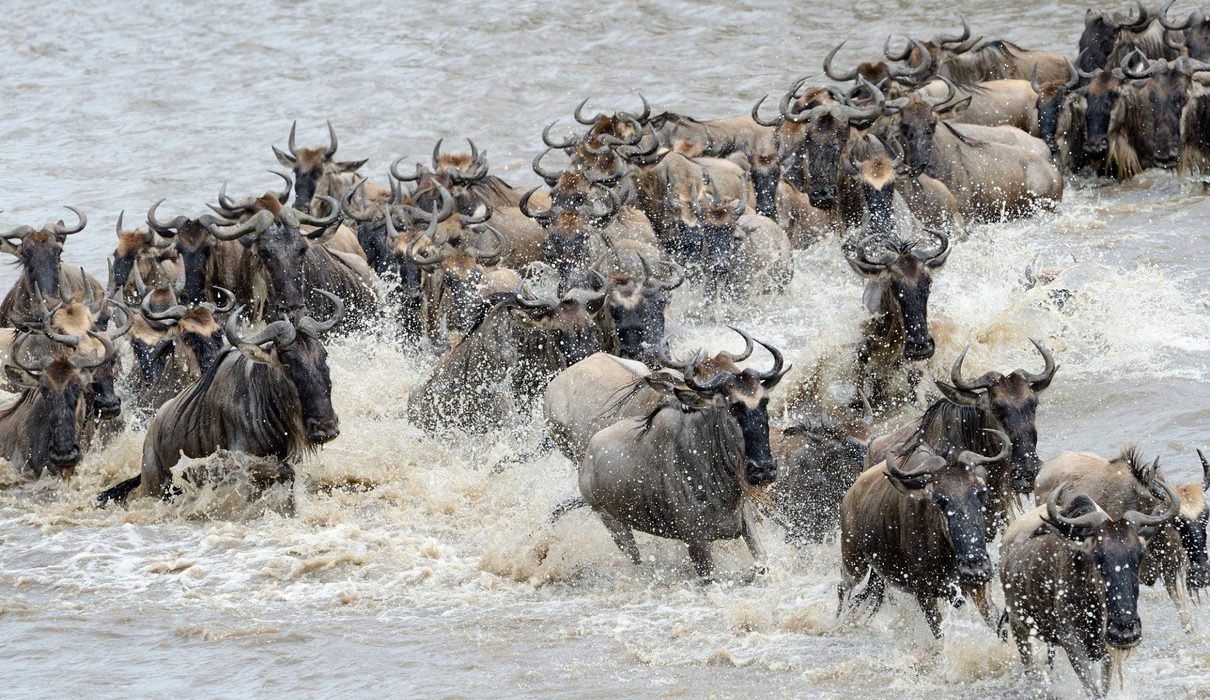
Tanzania is one of the best countries in Africa for a wildlife safari. From the wide plains of Serengeti National Park to the elephant herds of Tarangire and the wildlife-rich Ngorongoro Crater, the country offers excellent opportunities to see animals in their natural habitats. However, one of the most common questions travelers ask before booking is: What are the best months for a wildlife safari in Tanzania?
The answer depends on the experience you are looking for. Some visitors want to see the Great Wildebeest Migration, while others dream of watching lions, elephants, giraffes, zebras and other animals during game drives. Some travelers prefer dry weather and easier wildlife viewing, while others enjoy green landscapes, fewer tourists and the possibility of more affordable accommodation.
For travelers planning a Tanzania safari in 2027 or 2028, June through October is generally the best period for classic wildlife viewing. During these months, rainfall is usually lower, vegetation becomes thinner and many animals gather near permanent water sources. This can make wildlife easier to find, particularly in Tarangire National Park and other areas where seasonal water availability strongly influences animal movements.
However, the dry season is not the only good time to visit Tanzania. January and February are especially attractive for travelers interested in the wildebeest calving season around the southern Serengeti and Ndutu plains. November and December can also provide rewarding wildlife experiences, with greener landscapes, migratory birds and fewer visitors in some areas.
At Eddy Tours & Safaris, we help travelers organize Tanzania wildlife safaris for different seasons, budgets and travel interests. This guide explains the best months to visit Tanzania in 2027 and 2028, including the weather, wildlife movements, Great Migration seasons, national parks, travel costs and practical safari planning advice.
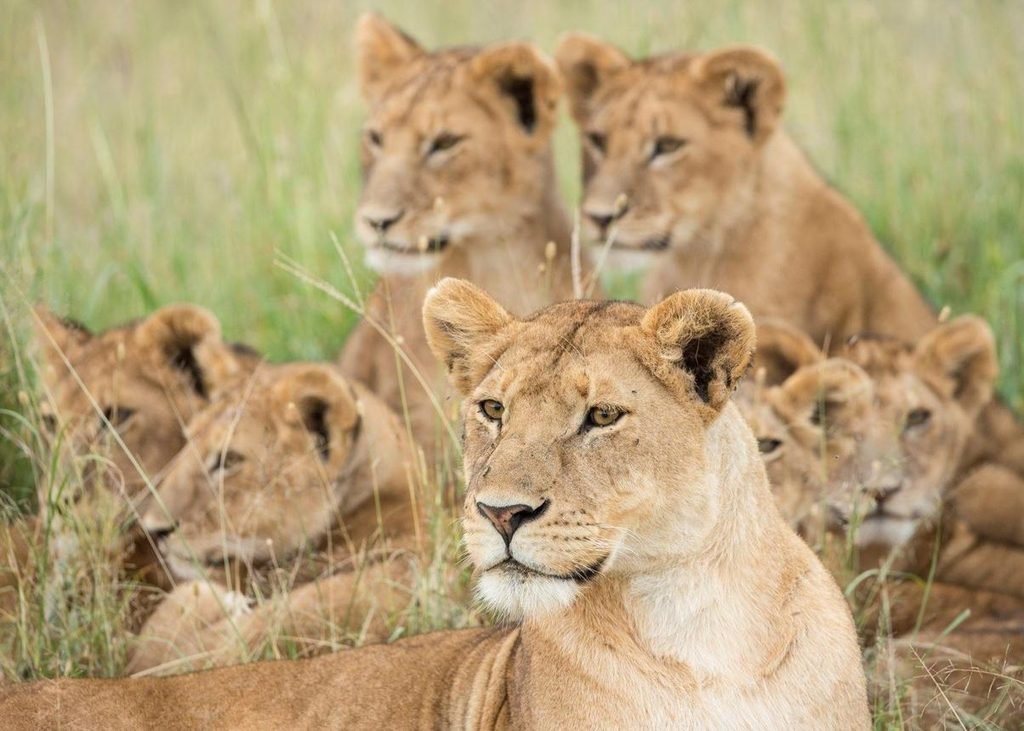
What Is the Best Month for a Tanzania Wildlife Safari?
If your main goal is to see a wide variety of wildlife in generally dry conditions, July, August, September and October are among the strongest months to consider. Animals often gather around rivers and waterholes as the dry season progresses, and shorter grass can make wildlife easier to observe. These months are particularly popular for visiting Serengeti National Park, Tarangire National Park and Ngorongoro Crater.
For travelers who want to see the Great Wildebeest Migration, the ideal month depends on which stage of the migration interests them. January and February are usually associated with calving in the southern Serengeti and Ndutu region. From around May to June, the herds often move through central and western Serengeti. Between July and October, many travelers visit the northern Serengeti hoping to witness crossings of the Mara River.
Travelers who prefer quieter safari experiences may find March, November or early December attractive, depending on rainfall and accommodation availability. April and May are generally the wettest months in northern Tanzania, but they can still offer beautiful scenery, birdwatching and rewarding game drives in accessible areas.
The most important thing to understand is that Tanzania’s wildlife does not follow an exact calendar. Rainfall, grass growth and water availability influence animal movements, so the best location for your safari can change from one year to another.
Tanzania Wildlife Safari Calendar for 2027 and 2028
| Month | General weather | Main wildlife highlights | Overall safari outlook |
|---|---|---|---|
| January | Warm, some showers | Southern Serengeti migration herds, early calving | Excellent |
| February | Often warm with intermittent rain | Wildebeest calving and predator activity | Excellent |
| March | Rainfall generally increases | Late calving, green landscapes, birdlife | Good, weather-dependent |
| April | Long rains | Green scenery, birds, fewer vehicles | Variable |
| May | Wet conditions often begin easing | Migration movement toward central and western Serengeti | Good, weather-dependent |
| June | Beginning of the main dry season | Moving migration herds, improving wildlife visibility | Excellent |
| July | Dry, cooler mornings | Northern migration movement, strong game viewing | Excellent |
| August | Generally dry | Mara River crossing opportunities, concentrated wildlife | Excellent |
| September | Dry and increasingly warm | Northern Serengeti migration and Tarangire elephants | Excellent |
| October | Late dry season | Wildlife around water sources, possible migration crossings | Excellent |
| November | Short rains may begin | Green landscapes, returning migratory birds | Good |
| December | Warm with variable showers | Migration moving toward southern plains | Very good |
This calendar describes typical seasonal patterns rather than guaranteed conditions for 2027 or 2028. The exact rainfall, animal locations and river crossing dates cannot be predicted so far in advance.
Tanzania Wildlife Safari in January: Green Plains and Early Calving
January is an excellent month for travelers interested in the Great Wildebeest Migration and the southern Serengeti ecosystem. During this period, large numbers of wildebeest and zebras are often found on the short-grass plains around Ndutu and the southern Serengeti, where seasonal rainfall supports fresh grazing. The landscape is usually greener than during the main dry season, creating attractive conditions for wildlife photography.
One of January’s main attractions is the beginning of the wildebeest calving period. Pregnant females gather on the plains, and the first large numbers of calves may begin appearing as the season develops. Predators such as lions, cheetahs and hyenas are also active in the region, taking advantage of the concentration of grazing animals. However, the exact timing of births depends on seasonal conditions, and visitors should not expect the same wildlife activity every year.
January can also be a rewarding time to visit Ngorongoro Crater, where resident wildlife provides game-viewing opportunities throughout the year. Travelers planning a safari during this month should consider including the Ndutu area rather than focusing entirely on the central Serengeti.
Best for: Wildebeest calving, predators, green landscapes and photography.
Tanzania Wildlife Safari in February: One of the Best Months for the Calving Season
February is often considered one of the most interesting months for a Serengeti wildlife safari because it usually falls within the main wildebeest calving period. Large numbers of calves are born over a relatively short time on the southern plains, attracting predators and creating opportunities to observe the relationship between grazing animals and carnivores.
The Ndutu region is particularly popular during this period because its open plains provide suitable grazing for the migrating herds. Travelers may encounter wildebeest, zebras, gazelles, lions, cheetahs and hyenas during game drives. Watching newborn animals take their first steps or seeing predators searching for opportunities can be a memorable part of a February safari, although specific encounters are never guaranteed.
The weather is generally warm, with the possibility of rain showers. Compared with the dusty conditions of the late dry season, the southern plains may appear green and full of life. February is a strong choice for wildlife photographers and travelers who want to experience a different stage of the Great Migration rather than concentrating only on river crossings.
Best for: Wildebeest calving, big cats, wildlife photography and southern Serengeti safaris.
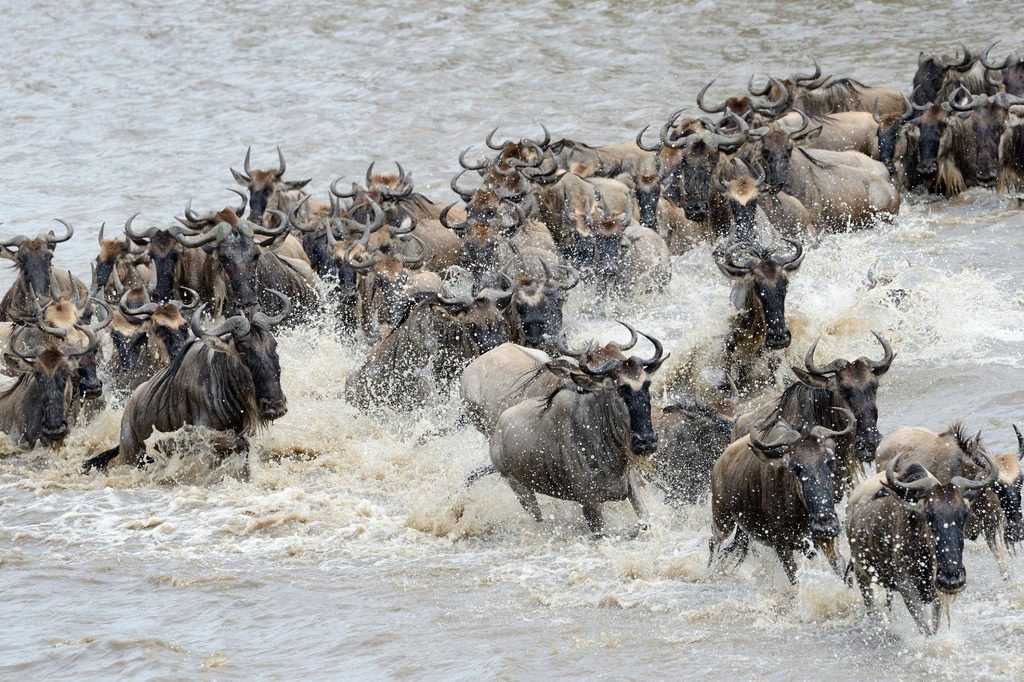
Tanzania Wildlife Safari in March: Fewer Crowds and Beautiful Green Landscapes
March is a transitional month in northern Tanzania, with rainfall often becoming more frequent as the long rainy season approaches. The landscape remains green, and wildlife viewing can still be rewarding, particularly in the Serengeti and Ngorongoro Crater. Some migrating herds may remain on the southern plains during the early part of the month, while others begin moving as grazing conditions change.
One advantage of traveling in March is that some safari areas may receive fewer visitors than during the busiest dry-season months. This can create a quieter atmosphere at certain wildlife sightings and allow more time to enjoy the scenery. The greener vegetation also provides attractive backgrounds for photography, although animals can sometimes be harder to locate in areas where grass has grown tall.
Travelers should prepare for possible afternoon showers and muddy tracks, particularly toward the end of the month. A well-planned itinerary should allow some flexibility because rain can affect driving conditions and travel times between safari destinations.
Best for: Green scenery, photography, quieter travel and late calving-season opportunities.
Tanzania Wildlife Safari in April: The Green Season Experience
April is generally one of the wettest months in northern Tanzania. Heavy rainfall can affect unpaved roads, and some seasonal camps or lodges may close temporarily. For this reason, April is not usually the first recommendation for travelers who want the most predictable road conditions or a safari focused on covering long distances.
However, April can still be attractive to travelers who enjoy green landscapes and do not mind occasional changes to their plans. The vegetation is lush, birdlife can be rewarding, and some popular wildlife areas may have fewer safari vehicles. The Serengeti and Ngorongoro Crater continue to support resident wildlife, although the movement of migration herds depends on rainfall and grazing conditions.
Accommodation providers may offer seasonal rates during this period, but discounts and availability vary between properties. Travelers considering an April safari should confirm which camps are operating and whether the planned routes are suitable for the expected conditions.
Best for: Green-season photography, birdwatching, fewer visitors and flexible travelers.
Tanzania Wildlife Safari in May: The Transition Toward the Dry Season
May marks a gradual transition as the long rains begin to ease in many parts of northern Tanzania. The landscape is still green, and wildlife viewing can improve as conditions become drier. In the Serengeti, migrating wildebeest may be moving through central areas toward the Western Corridor, although the exact location of the herds depends on seasonal rainfall.
The Western Corridor becomes increasingly interesting around this period because the migration often moves toward the Grumeti River and surrounding grasslands. Large herds may gather in the region, and predators continue to follow the movement of grazing animals. However, river crossings are unpredictable and should not be promised as part of any fixed safari itinerary.
May may appeal to travelers looking for a quieter safari before the main dry-season visitor numbers increase. Road conditions can still be difficult after heavy rainfall, so it is important to choose suitable accommodation and allow realistic travel times.
Best for: Green landscapes, migration movement, fewer visitors and early-season safari opportunities.
Tanzania Wildlife Safari in June: The Beginning of Excellent Dry-Season Game Viewing
June is one of the best months to consider for a Tanzania safari because it marks the beginning of the main dry season in much of the northern safari circuit. Rainfall generally decreases, vegetation begins to thin, and wildlife becomes easier to locate in some areas. The weather is often comfortable during the day, although mornings and evenings can be cool, especially around Ngorongoro and other highland locations.
In the Serengeti, the Great Migration may be moving through the Western Corridor or continuing northward, depending on the year’s rainfall. Travelers can sometimes encounter large columns of wildebeest and zebras moving across the plains. The Grumeti River region can be particularly interesting during this period, although wildlife movements and river activity vary from year to year.
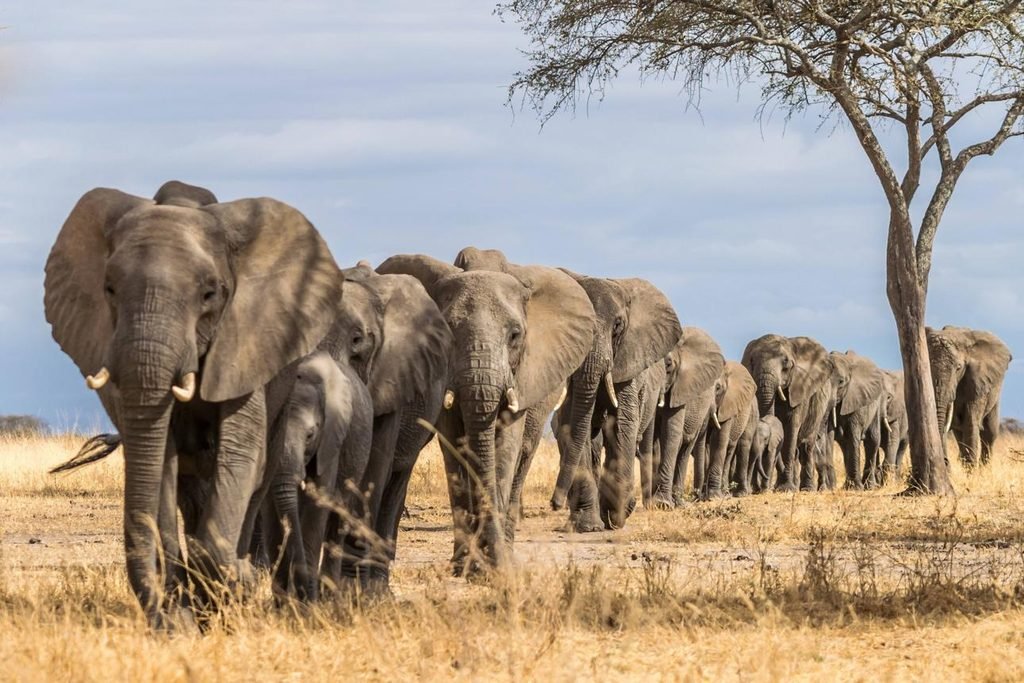
Tarangire National Park also becomes increasingly attractive as the dry season develops. The Tarangire River is an important water source, and elephants and other animals may begin concentrating around the river and nearby habitats. June is a good choice for travelers who want a combination of wildlife viewing, relatively comfortable weather and the beginning of the dry-season safari experience.
Best for: Dry-season wildlife, migration movement, elephants and comfortable safari weather.
Tanzania Wildlife Safari in July: One of the Best Overall Safari Months
July is among the most popular months for a Tanzania wildlife safari because the dry season is well established. Rainfall is generally low, vegetation becomes thinner, and animals often gather near water sources. These conditions can improve wildlife visibility, particularly in Tarangire National Park and other areas where the availability of water strongly influences animal movements.
In the Serengeti, migrating herds may be moving toward the northern plains and the Mara River. Travelers visiting northern Serengeti during July may have opportunities to observe large concentrations of wildebeest and zebras, and some river crossings can occur. However, migration timing changes from year to year, and the presence of herds near the river does not guarantee that a crossing will happen during a particular game drive.
July is also an excellent month for visiting Ngorongoro Crater, where wildlife viewing remains rewarding throughout the year. Because this is a popular travel period, accommodation should be arranged well in advance, particularly for travelers who want specific camps or lodges.
Best for: Classic wildlife viewing, northern Serengeti, Tarangire elephants and dry weather.
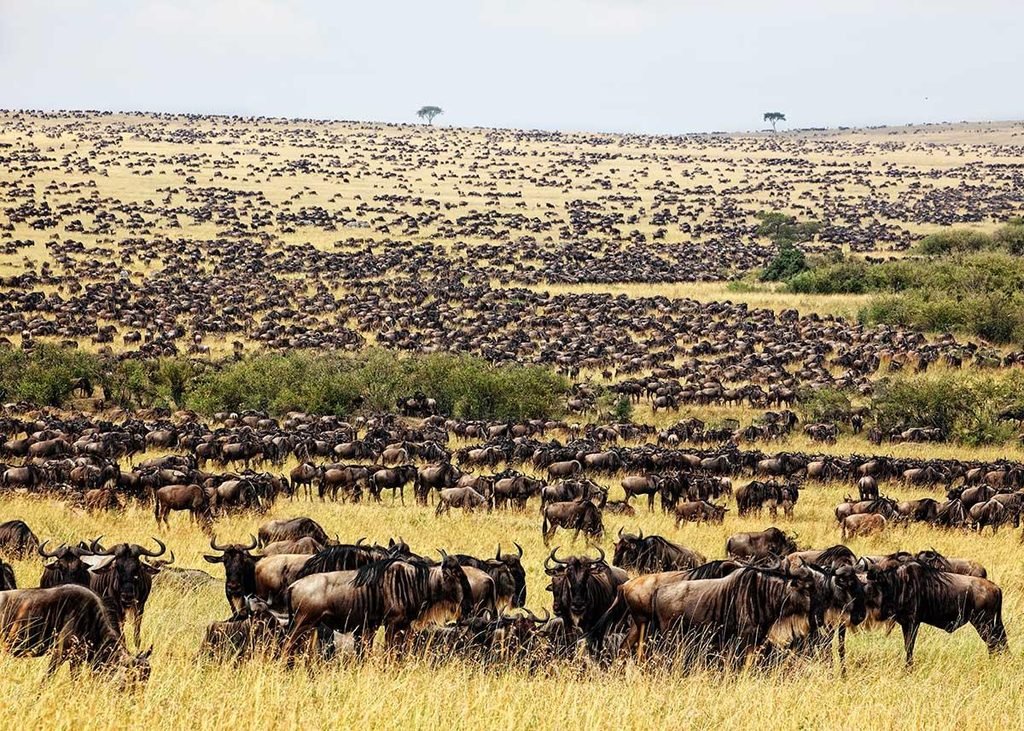
Tanzania Wildlife Safari in August: Peak Dry-Season Wildlife Viewing
August is one of the strongest months for travelers planning a wildlife-focused holiday in Tanzania. Dry conditions generally make game drives more comfortable, and wildlife often concentrates around rivers and permanent water sources. The Serengeti, Tarangire and Ngorongoro Crater are particularly popular during this period.
For Great Migration enthusiasts, August is commonly associated with the northern Serengeti and the possibility of dramatic Mara River crossings. Large herds may gather near the riverbanks before attempting to cross, while crocodiles and other predators remain part of the surrounding ecosystem. These crossings are among the most famous wildlife events in Africa, but they are natural and unpredictable. Some herds may wait for hours or days, change direction, or cross at locations that are difficult to reach.
August is also a very busy month, so travelers should expect higher demand for accommodation in popular safari areas. Booking early is particularly important for northern Serengeti camps because their location can make a significant difference when planning a migration-focused itinerary.
Best for: Mara River crossing opportunities, large herds, dry-season game drives and wildlife photography.
Tanzania Wildlife Safari in September: Excellent Wildlife and Migration Opportunities
September continues the main dry season and is another excellent month for a Tanzania wildlife safari. The grass is often shorter, water sources become increasingly important, and animals may be easier to locate during game drives. Temperatures generally begin to rise as the season progresses, although early mornings can still be cool.
Northern Serengeti remains a popular destination for travelers hoping to see the Great Migration. Wildebeest and zebras may move back and forth across the Mara River region, depending on rainfall and grazing conditions. Because the migration is constantly changing, a safari guide’s knowledge of current animal movements is especially valuable when deciding where to spend time.
Tarangire National Park is also a strong destination during September. Large elephant herds may gather near the Tarangire River, and visitors can often see a variety of herbivores and predators during game drives. Combining Tarangire with Serengeti and Ngorongoro provides a varied safari experience.
Best for: Northern Serengeti migration, elephants, predators and excellent general wildlife viewing.
Tanzania Wildlife Safari in October: The Final Stage of the Main Dry Season
October is an excellent month for travelers who want strong wildlife-viewing opportunities before the short rains begin. In many areas, water availability is limited, and animals continue gathering near rivers, waterholes and other reliable sources. These conditions can make Tarangire particularly rewarding, especially for visitors interested in elephants and large herbivore groups.
In the Serengeti, the Great Migration may still be present in northern areas, although some herds begin moving south as seasonal conditions change. Mara River crossings can still occur during October, but the timing is unpredictable and depends on rainfall patterns. Travelers should avoid assuming that all migration herds will be in one location throughout the month.
October can also be attractive for photographers because dry landscapes, open grasslands and concentrated wildlife create interesting scenes. However, dust and increasing daytime temperatures should be considered when preparing for game drives.
Best for: Tarangire wildlife, late dry-season game viewing, northern Serengeti and photography.
Tanzania Wildlife Safari in November: Short Rains and Fresh Green Landscapes
November generally marks the beginning of the short rainy season in northern Tanzania, although the timing and amount of rainfall vary. After several dry months, fresh grass begins growing in some areas, and the landscape gradually becomes greener. Wildlife movements respond to these changes, particularly in the Serengeti ecosystem.
The Great Migration may begin moving southward from the northern plains as rainfall creates new grazing opportunities. However, the herds do not move according to a fixed calendar, and some may remain in northern or central areas longer than expected. For this reason, November safari itineraries should be designed with flexibility rather than promising a particular migration location.
November can also be rewarding for birdwatchers because migratory species begin arriving in Tanzania. Visitor numbers may be lower than during the busiest dry-season months, and some accommodation providers offer attractive seasonal arrangements.
Best for: Birdwatching, green landscapes, fewer crowds and flexible safari travel.
Tanzania Wildlife Safari in December: A Beautiful Time for Family Safaris
December is a popular time for travelers planning Christmas and New Year holidays in Tanzania. The short rains may continue in some areas, but they are often less persistent than the long rains of April and May. The landscape becomes greener, and the combination of fresh vegetation, resident wildlife and seasonal birdlife creates rewarding safari conditions.
In the Serengeti, the migration herds may be moving toward the southern plains and Ndutu region in preparation for the next calving season. However, their exact location depends on rainfall and grazing conditions. Travelers who want to see large herds should confirm recent wildlife movements before deciding which Serengeti region to visit.
December is also a good month for families who want to combine a safari with a Zanzibar beach holiday. Because Christmas and New Year are popular travel periods, accommodation demand can be high, and booking early is advisable.
Best for: Family safaris, green landscapes, birdwatching and Christmas holidays.
Best Months for the Great Wildebeest Migration in 2027 and 2028
The Great Wildebeest Migration is one of Tanzania’s most famous wildlife attractions. Every year, large numbers of wildebeest, zebras and other grazing animals move through the Serengeti ecosystem in search of fresh grass and water. Unlike a scheduled event, the migration is a continuous natural movement influenced by rainfall and seasonal grazing conditions.
Travelers planning a migration safari should choose their travel period according to the particular stage they want to experience. The southern Serengeti and Ndutu plains are generally associated with calving, while the central and western Serengeti become important during the northward movement. Northern Serengeti is especially popular during the months when Mara River crossings may occur.
Great Migration Calendar
| Period | Typical migration area | Main attraction |
|---|---|---|
| January–March | Southern Serengeti and Ndutu | Calving and predator activity |
| April–May | Central Serengeti and moving west | Herd movement and green plains |
| May–June | Western Corridor and Grumeti area | Large moving herds and possible river activity |
| July–October | Northern Serengeti and Mara River region | Possible Mara River crossings |
| November–December | Movement toward central and southern plains | Return migration and fresh grazing |
This is a general seasonal guide. For 2027 and 2028, the actual location of the herds will depend on rainfall and other environmental conditions. River crossings and predator encounters cannot be guaranteed.
Best Months to Visit Tanzania’s Major Safari Parks
Serengeti National Park
Serengeti is a year-round wildlife destination, but the best month depends on whether you want to see the Great Migration or resident wildlife. January and February are especially interesting for the southern plains and calving season, while July through October is commonly associated with northern Serengeti migration activity. Central Serengeti supports resident wildlife throughout the year, making it a useful destination even when the migration herds are elsewhere.
Ngorongoro Crater
Ngorongoro Crater provides rewarding wildlife viewing throughout the year because many animals remain within the crater ecosystem. The dry season from June through October generally offers comfortable game-driving conditions, but the green months can also be attractive because of the scenery and birdlife. Visitors should remember that wildlife sightings are never guaranteed, even in an area known for high animal concentrations.
Tarangire National Park
Tarangire is particularly rewarding during the dry season, especially from July through October, when animals often gather near the Tarangire River and other permanent water sources. The park is famous for its elephants, baobab trees and varied habitats. During the wetter months, some animals disperse into surrounding areas as water becomes more widely available, although resident wildlife remains.
Lake Manyara National Park
Lake Manyara can be visited throughout the year, with different attractions depending on the season. The park is known for its groundwater forest, lake environments, birdlife and wildlife habitats. Drier months may make some game drives easier, while wetter periods can create lush scenery and rewarding birdwatching opportunities. The best time depends on your interests and current park conditions.
Nyerere National Park and Ruaha National Park
The dry season from June through October is generally a strong period for visiting southern Tanzania’s wildlife destinations, including Nyerere and Ruaha. As seasonal water sources become limited, animals may concentrate near major rivers and remaining waterholes. These parks are attractive to travelers interested in longer safaris and areas that often receive fewer visitors than the busiest northern destinations.
Best Time for a Budget-Friendly Tanzania Safari in 2027 and 2028
Travelers planning a budget-friendly safari should consider the relationship between travel season, accommodation rates and wildlife-viewing conditions. July, August and September are popular months, and demand for accommodation can be high. This may increase the overall cost of a safari, particularly when staying in sought-after lodges or migration camps.
March, May and November may offer opportunities for better accommodation value, depending on the property and travel dates. April can also be relatively affordable, but heavy rainfall may affect road conditions and the availability of some camps. Travelers should compare the total package cost rather than looking only at the nightly accommodation price because park fees, transport and other services also influence the budget.
A well-planned budget safari can still provide rewarding wildlife experiences. Choosing suitable destinations, traveling during a less busy period and allowing enough time for game drives are often more important than selecting the most expensive accommodation.
Best Months for a Luxury Tanzania Safari
Luxury safaris can be arranged throughout the year, but the most suitable months depend on the experience you want. July through September is particularly popular for luxury migration safaris in northern Serengeti, where travelers may choose high-end tented camps near the Mara River region. These months are in high demand, so early reservations are important.
January and February are excellent alternatives for travelers interested in the calving season around Ndutu and southern Serengeti. Luxury mobile camps may operate in areas selected according to the expected migration movements, providing access to different wildlife environments during the year.
For travelers who prefer quieter conditions, certain green-season periods may provide opportunities to enjoy high-quality accommodation with fewer visitors. However, the availability of individual lodges and camps should always be confirmed before booking.
How Many Days Should You Spend on a Tanzania Safari?
The ideal safari duration depends on your budget, available time and preferred destinations. A two- or three-day safari can provide an introduction to northern Tanzania, particularly when visiting Tarangire, Lake Manyara or Ngorongoro Crater. However, shorter trips offer limited time for exploring the Serengeti because of the long travel distances involved.
A five- or six-day safari is a popular choice for travelers who want to combine Serengeti with Ngorongoro and one additional park. This provides more time for game drives and reduces the need to rush between destinations. A seven- or eight-day itinerary allows a more relaxed schedule, with opportunities to spend additional nights in Serengeti or explore several wildlife areas.
For travelers specifically interested in the Great Migration, spending several nights in the appropriate Serengeti region can be more useful than trying to visit too many parks in a short period. The best itinerary should reflect the season and the wildlife experience you hope to see.
Suggested Tanzania Safari Itineraries for 2027 and 2028
3-Day Tanzania Safari: Tarangire, Ngorongoro and Lake Manyara
A three-day safari is suitable for travelers with limited time who want to experience several northern Tanzania wildlife destinations. The journey can begin with a game drive in Tarangire, where elephants and baobab trees are major attractions. The second day can focus on Ngorongoro Crater, while the final day includes Lake Manyara before returning to Arusha.
This itinerary is particularly suitable for travelers who want a short safari before or after another Tanzania holiday. However, spending one day in each destination means there is limited time for extended wildlife viewing.
5-Day Tanzania Safari: Serengeti and Ngorongoro Crater
A five-day safari provides an opportunity to explore Serengeti National Park and Ngorongoro Crater without attempting to cover too many destinations. Travelers can spend several days in Serengeti, allowing time for morning and afternoon game drives before continuing toward Ngorongoro.
This itinerary is attractive throughout much of the year because Serengeti supports resident wildlife even when migration herds are located elsewhere. The specific Serengeti region should be selected according to the travel dates and current wildlife movements.
6-Day Great Wildebeest Migration Safari
A six-day migration safari can be planned around the expected seasonal location of the wildebeest herds. During January and February, the itinerary may focus on Ndutu and southern Serengeti, while July through September may be more suitable for northern Serengeti. The exact accommodation and travel route should be confirmed according to the selected month.
This package is suitable for travelers whose main interest is the Great Migration. However, it is important to understand that the migration is a natural event and that specific crossings or wildlife encounters cannot be guaranteed.
8-Day Tanzania Wildlife Safari
An eight-day safari allows travelers to explore several northern Tanzania destinations at a more comfortable pace. A typical itinerary may include Tarangire, Serengeti, Ngorongoro Crater and Lake Manyara, with additional time for game drives and rest between longer journeys.
This option is especially attractive for families, photographers and travelers visiting Tanzania for the first time. The extra days allow the itinerary to be adjusted according to seasonal wildlife activity and personal interests.
What to Pack for a Tanzania Safari in 2027 and 2028
Packing for a Tanzania safari should be based on the season, destinations and type of accommodation. During the dry season, mornings and evenings can be cool, particularly around Ngorongoro and other highland areas. Light layers, a warm jacket and comfortable clothing are useful for early game drives, while breathable clothing is practical during warmer afternoons.
Travelers visiting during the rainy season should bring a lightweight waterproof jacket and suitable
Frequently Asked Questions About the Best Months for a Tanzania Safari
1. What is the best month for a Tanzania safari?
There is no single best month for everyone, but July through September is particularly popular for dry-season wildlife viewing. January and February are excellent for the wildebeest calving season.
2. Is Tanzania good for a safari in January?
Yes. January is especially attractive for green landscapes and early calving activity in the southern Serengeti and Ndutu.
3. What happens in the Serengeti in February?
Large wildebeest herds commonly gather on the southern plains for the calving season, attracting predators.
4. Is March a good month for a safari?
Yes. March can offer rewarding wildlife viewing, green scenery and fewer visitors, although rainfall may increase.
5. Can I visit Tanzania in April?
Yes, but April is generally wet, and some roads or seasonal accommodations may be affected.
6. Is May a good time to see the migration?
May can be interesting because the herds commonly begin moving through central and western Serengeti, depending on rainfall.
7. Is June a good safari month?
Yes. June marks the beginning of the main dry season and often provides improving wildlife viewing conditions.
8. What is special about a July safari?
July offers excellent general wildlife viewing and the possibility of northern Serengeti migration activity.
9. Is August the best month for Mara River crossings?
August is one of the most popular months for northern Serengeti river-crossing safaris, but crossings cannot be guaranteed.
10. Is September good for wildlife photography?
Yes. Dry conditions and wildlife concentrations around water can provide excellent photography opportunities.
11. What is the best park to visit in October?
Tarangire is particularly attractive in October because wildlife often gathers near permanent water sources.
12. Is November too rainy for a safari?
Not necessarily. November often brings short rains, but rewarding game drives are still possible.
13. Can I visit Tanzania in December?
Yes. December is popular for festive holidays, green landscapes and the movement of migration herds toward the southern plains.
14. When is the Great Wildebeest Migration in Tanzania?
The migration takes place throughout the year, but its location changes according to rainfall and grazing conditions.
15. When is the wildebeest calving season?
Calving commonly peaks around late January and February in the southern Serengeti and Ndutu area.
16. When can I see Mara River crossings?
July to October is the main seasonal window, although exact crossings are unpredictable.
17. Are migration sightings guaranteed?
No. Wildlife movements are natural, and herds can change location according to weather and grazing.
18. What is the best time to visit Tarangire?
July to October is generally excellent because animals often concentrate around the Tarangire River and other water sources.
19. Can I visit Ngorongoro Crater throughout the year?
Yes. Ngorongoro supports resident wildlife year-round, although weather and visibility vary.
20. What is the cheapest month for a Tanzania safari?
April and May may offer lower accommodation rates, but exact package prices depend on the itinerary and available services.
21. Is the rainy season bad for wildlife viewing?
Not always. Green-season safaris can be excellent for birdwatching, newborn animals and photography, although road conditions may be more difficult.
22. How many days do I need for Serengeti?
Three to four days is a useful starting point, while longer stays provide more flexibility for migration-focused safaris.
23. Is Tanzania suitable for a family safari?
Yes. Tanzania offers a wide range of family-friendly safari arrangements, although daily driving distances and accommodation should be planned carefully.
24. Can I combine a Tanzania safari with Zanzibar?
Yes. Many travelers combine a wildlife safari with several days on Zanzibar’s beaches.
25. How early should I book a safari for 2027 or 2028?
Booking several months ahead is sensible, particularly for July, August, September and the Christmas holiday period.
Book Your Tanzania Wildlife Safari for 2027 and 2028 with Eddy Tours & Safaris
Choosing the best month for a Tanzania safari depends on what you want to experience. Travelers interested in traditional dry-season wildlife viewing should consider June to October, while those hoping to see wildebeest calving and predator activity may prefer January or February. The green season can also be rewarding for visitors who enjoy birdwatching, beautiful landscapes and quieter national parks.
A well-planned safari should match the season with the right destination. For example, southern Serengeti and Ndutu are particularly attractive during the calving season, while northern Serengeti becomes an important destination during the Mara River crossing period. Tarangire is especially rewarding during the dry season, and Ngorongoro offers excellent year-round wildlife opportunities.
At Eddy Tours & Safaris, we help travelers organize Tanzania wildlife safaris for 2027 and 2028, including private safaris, budget camping trips, mid-range lodge packages, luxury holidays and Great Migration itineraries. Our team can help you choose suitable travel dates, compare national parks and request a detailed safari quotation based on your preferences.
Request Your Tanzania Safari Quotation
Chat with Eddy Tours & Safaris on WhatsApp
Email: sales@eddytours-safaris.com
Contact our team to plan your Tanzania wildlife safari with suitable travel dates, carefully selected destinations and realistic expectations about seasonal wildlife movements.