
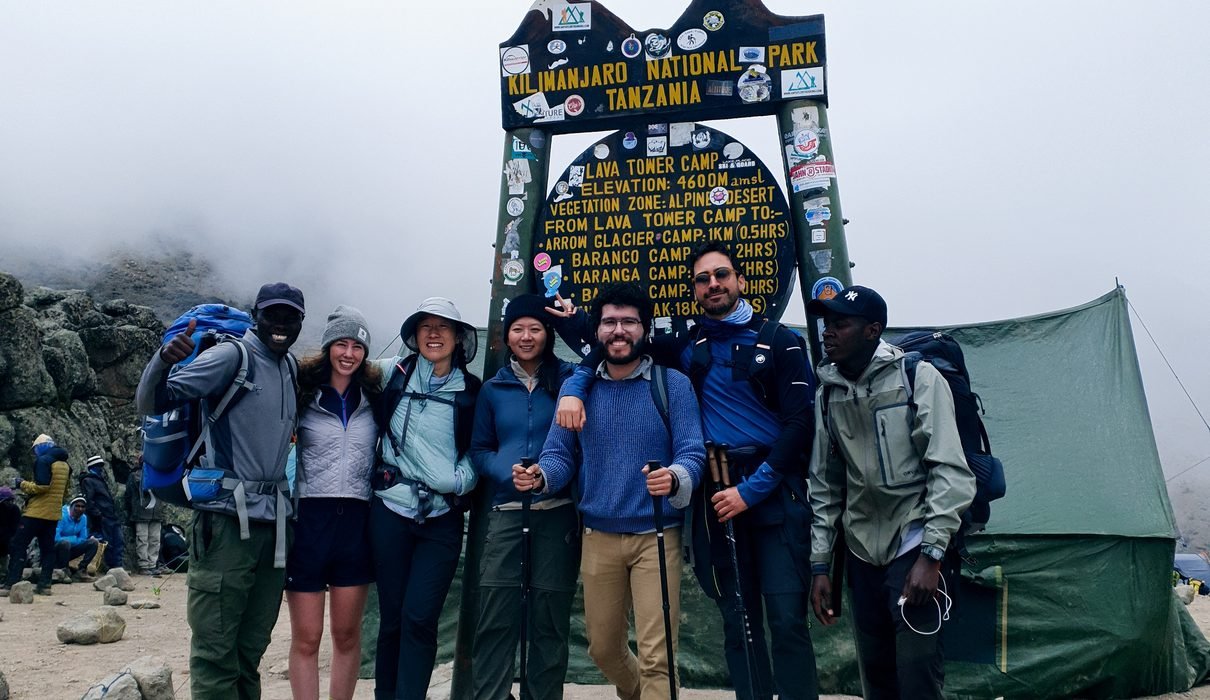
Standing at the summit of Mount Kilimanjaro is a dream for many travelers. At 5,895 metres (19,341 feet) above sea level, Uhuru Peak is the highest point in Africa and one of the most famous trekking destinations in the world. Every year, people travel to Tanzania with different reasons for climbing the mountain. Some want to celebrate a personal achievement, others want to challenge themselves physically, and many simply want to experience what it feels like to stand above the clouds on Africa’s highest mountain.
But the most interesting Kilimanjaro summit stories are not only about reaching the top. They are about the long walks through the rainforest, the conversations around mountain camps, the cold nights, the encouragement from guides, and the moments when climbers begin to question whether they can continue. These experiences often become just as memorable as the summit itself.
For travelers planning to climb Kilimanjaro in 2027, reading inspirational mountain stories can help build confidence while also providing a realistic understanding of the challenges ahead. Kilimanjaro is not a technical mountaineering expedition on its standard trekking routes, but it still requires physical preparation, patience, suitable equipment, and careful acclimatization. Even experienced hikers can find the altitude difficult, and reaching Uhuru Peak is never guaranteed.
At Eddy Tours & Safaris, we help travelers plan guided Kilimanjaro climbing expeditions across different mountain routes. In this article, we explore inspiring situations that climbers may experience, the lessons they can learn from the journey, and practical advice for preparing for a Kilimanjaro adventure in 2027.
A note about these stories: The following accounts are illustrative examples based on common climbing experiences. They are not presented as actual customer testimonials or verified accounts of specific expeditions.
Why Kilimanjaro Summit Stories Inspire So Many Travelers
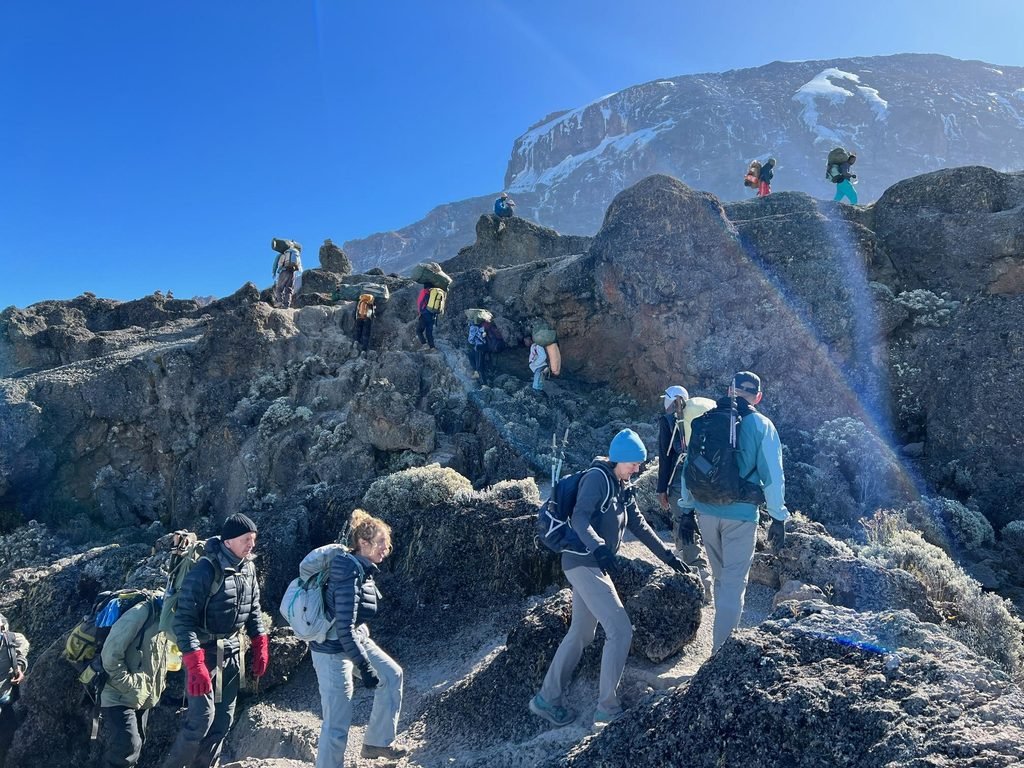
Kilimanjaro is different from many ordinary hiking destinations because the journey takes several days and passes through dramatically changing environments. A climber may begin the expedition in a warm rainforest and later find themselves walking across exposed volcanic landscapes, surrounded by cold winds and distant mountain peaks. By summit night, the same traveler may be wearing several layers of insulated clothing while climbing slowly toward the crater rim under a dark sky.
These changes make the mountain experience both exciting and demanding. Climbers often discover that the most difficult part is not simply walking uphill but managing fatigue, uncertainty, cold temperatures, and the effects of high altitude. A person who feels strong on the first two days may struggle later, while someone who begins slowly may find that a steady pace helps them manage the journey.
The mountain also creates opportunities for teamwork. Guides, porters, cooks, and fellow climbers all contribute to the expedition, and the encouragement received along the trail can make a meaningful difference. The best summit stories often highlight this shared effort rather than describing the climb as something achieved entirely alone.
Story 1: The First-Time Climber Who Learned to Walk Slowly
Imagine a traveler arriving in Moshi for their first Kilimanjaro expedition. They have spent several months preparing, walking regularly and exercising at home, but they have never experienced a multi-day trek at high altitude. On the morning of the climb, they feel excited and want to move quickly through the rainforest, hoping to prove that their training has been worthwhile.
During the first day, their guide repeatedly encourages them to slow down. At first, the advice seems unnecessary because the trail feels manageable and the climber has plenty of energy. However, as the expedition continues toward higher camps, walking becomes more demanding. The climber begins to understand why experienced mountain guides emphasize a steady pace rather than speed.
By the time the group reaches the upper mountain, the traveler has learned to conserve energy, take regular breaks, and focus on manageable sections of the trail. Instead of thinking constantly about how far remains to the summit, they concentrate on the next few steps and pay attention to how their body responds to altitude.
The lesson is simple: Kilimanjaro is not a race. Moving slowly does not mean that someone is weak or unprepared. A controlled pace helps manage effort, although it does not eliminate altitude illness. Climbers should follow their guide’s advice and report symptoms promptly rather than pushing themselves simply to keep up with others.
What Future Climbers Can Learn
First-time climbers should prepare for long walking days and avoid treating the expedition as a competition. A suitable route, sufficient acclimatization time, and realistic expectations are more important than reaching each campsite quickly.
Travelers considering the southern approach can explore the Machame Route climbing guide to understand the mountain’s daily stages and the importance of choosing an appropriate itinerary.
Story 2: The Climber Who Nearly Gave Up During Summit Night
Summit night is one of the most talked-about parts of a Kilimanjaro expedition. On routes approaching from Barafu Camp, climbers often begin walking around midnight, wearing insulated jackets, warm gloves, headlamps, and several layers of clothing. The trail climbs steeply through rocky terrain and loose volcanic material, while the cold air and reduced oxygen availability make every movement more demanding.
Imagine a climber who has completed the earlier trekking days without major difficulty but begins to struggle during the summit ascent. Their legs feel heavy, their breathing is faster, and the darkness makes the journey seem endless. They begin to wonder whether they can continue, even though they have trained carefully for the expedition.
Their guide stops to assess their condition and asks about possible altitude-related symptoms. If the climber is medically fit to continue, the group may proceed slowly, with regular breaks and careful monitoring. If concerning symptoms develop or worsen, the correct decision is to stop ascending and descend rather than continue toward the summit.
This example illustrates an important part of Kilimanjaro climbing: determination is valuable, but it must never replace sound judgment. Some climbers can safely continue after resting, while others need to turn around. Both situations require respect for the mountain and the decisions made by the guiding team.
What Future Climbers Can Learn
Mental preparation matters because summit night can be uncomfortable and exhausting. However, climbers should never interpret serious symptoms as something they must overcome through willpower.
Before booking, ask your tour operator about guide training, health assessments, emergency communication, and descent procedures. A responsible mountain team should always place safety ahead of summit achievements.
Story 3: The Group of Friends Who Discovered the Value of Teamwork
Climbing Kilimanjaro with friends can be an exciting experience because the group shares several days of walking, camping, meals, and mountain challenges. However, people who train together at home do not necessarily respond to altitude in the same way. One person may feel comfortable at 4,000 metres while another develops a headache or struggles with fatigue.
Imagine four friends who decide to climb Kilimanjaro together. During the early days, they enjoy taking photographs, sharing stories, and watching the landscape change as they move higher. Their different personalities become noticeable as the expedition progresses. One is always ready to walk, another prefers frequent breaks, and another becomes quieter as the altitude increases.
Rather than treating the expedition as a competition, the group learns to respect each person’s pace and health. They encourage one another during difficult sections and understand that the guide may need to make different recommendations for different climbers. When someone needs additional rest or medical attention, the group supports the decision instead of creating pressure to continue.
The strongest lesson from this type of experience is that teamwork does not mean everyone must reach the summit together. It means respecting individual limits and helping one another make responsible decisions throughout the journey.
What Future Climbers Can Learn
When planning a group expedition, discuss fitness levels, previous hiking experience, and expectations before departure. Choose an itinerary suitable for the group’s needs, and understand that individual health decisions may require different outcomes on the mountain.
At Eddy Tours & Safaris, travelers can enquire about private Kilimanjaro arrangements through our contact page, including routes and schedules appropriate for friends or family groups.
Story 4: The Traveler Who Chose a Longer Route Instead of a Faster Climb
Some travelers begin researching Kilimanjaro with one question: what is the shortest route to the summit? This is understandable because international travel can be expensive, and not everyone has several weeks available for a holiday. However, shorter itineraries generally provide less time for acclimatization, which can make the expedition more demanding.
Imagine a traveler who initially considers a five-day climb because it fits their schedule. After comparing the routes and discussing the effects of altitude, they decide to extend their expedition and choose an eight-day Lemosho itinerary instead. The longer schedule allows them to spend additional time walking through different mountain environments before attempting the summit.
During the expedition, they discover that the extra days are not simply additional walking. They provide more opportunities to observe the landscape, become familiar with mountain camping, and adjust to the daily routine. The traveler also appreciates having more time to manage the physical demands of the climb.
A longer itinerary cannot guarantee summit success, but it can provide valuable acclimatization opportunities. The decision to allow additional days is often one of the most practical steps travelers can take when planning Kilimanjaro.
What Future Climbers Can Learn
Compare route duration and sleeping elevations rather than choosing only by price. The eight-day Lemosho, seven-day Machame, longer Rongai itineraries, and nine-day Northern Circuit are worth considering when planning a climb.
For travelers researching route options, our Kilimanjaro climbing information provides a starting point for discussing suitable expeditions with the Eddy Tours & Safaris team.
Story 5: The Climber Who Reached Uhuru Peak at Sunrise
One of the most memorable moments climbers hope to experience is reaching Kilimanjaro’s crater rim as daylight begins to appear. After several hours of walking in darkness, the sky gradually changes color, revealing the mountain’s volcanic landscape and distant views over Tanzania.
Imagine a climber approaching Stella Point after a long and tiring ascent from Barafu Camp. Their legs are exhausted, and the cold has made the journey uncomfortable, but the guide confirms that they are fit to continue. As the group moves along the crater rim, the first light of morning begins to illuminate the surrounding landscape.
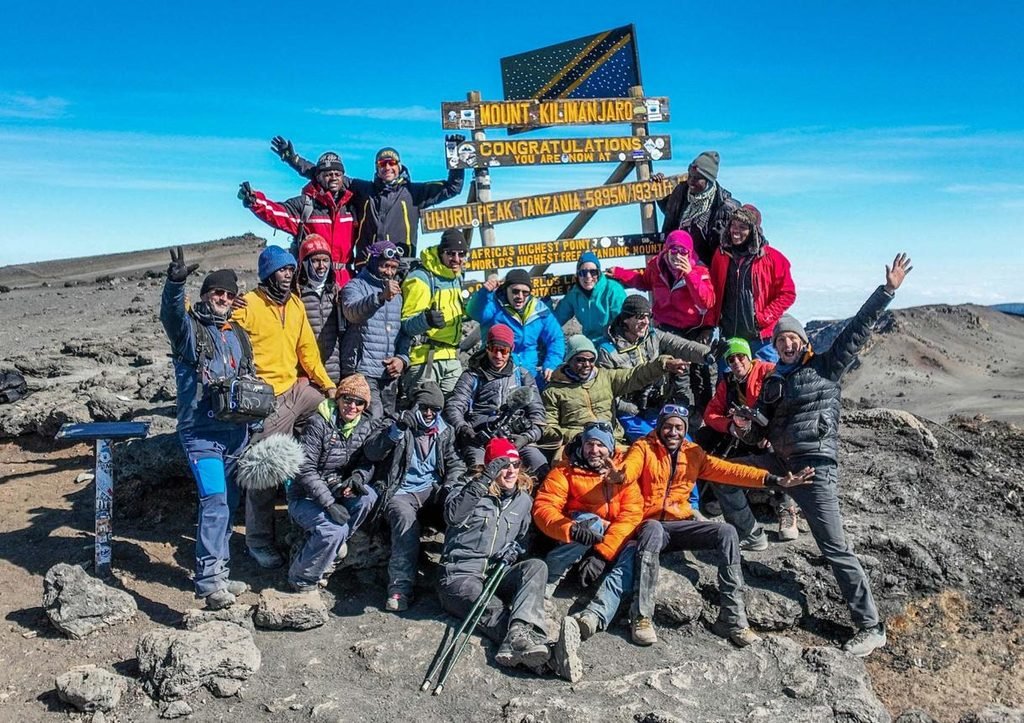
When they finally reach Uhuru Peak, the climber takes a moment to appreciate the achievement. They remember the months of preparation, the rainforest trail, the camps, and the encouragement received from the mountain team. A photograph beside the summit sign becomes a meaningful reminder of the journey.
However, reaching Uhuru Peak is not the end of the expedition. The climber must still descend safely, often walking for several more hours before reaching the next camp. The mountain experience therefore continues long after the summit photographs have been taken.
What Future Climbers Can Learn
Prepare for the entire summit day, not only the ascent. Save energy for the descent, wear suitable cold-weather clothing, and continue following your guide’s instructions after leaving the summit.
Remember that sunrise views depend on weather and timing. Clear skies and visibility are never guaranteed.
Story 6: The Traveler Who Turned Back and Returned with Better Preparation
Not every Kilimanjaro story ends at Uhuru Peak, and that does not make the experience meaningless. Some climbers develop altitude illness, injuries, or other difficulties that make continuing unsafe. Turning around can be disappointing, particularly after months of preparation and the expense of international travel, but descending when necessary is an important part of responsible mountaineering.
Imagine a traveler who begins experiencing a persistent headache and nausea during the ascent. They inform their guide, who assesses the symptoms and determines that continuing upward would not be appropriate. The traveler descends with the necessary assistance and returns safely to a lower elevation.
Although disappointed, the traveler later reflects on the experience and recognizes that the decision protected their health. They learn more about acclimatization, review their route choice, and consider whether a longer itinerary might be suitable for a future attempt after receiving appropriate medical advice.
A return attempt should never be automatic. Anyone who experienced significant altitude illness should discuss the circumstances with a qualified healthcare professional before considering another high-altitude expedition.
What Future Climbers Can Learn
The summit is a goal, not an obligation. Reporting symptoms honestly and following professional guidance are essential parts of mountain safety.
A safe descent is a responsible outcome, and no tour operator should pressure a climber to continue when their health is at risk.
Story 7: The Climber Who Appreciated the Mountain Crew
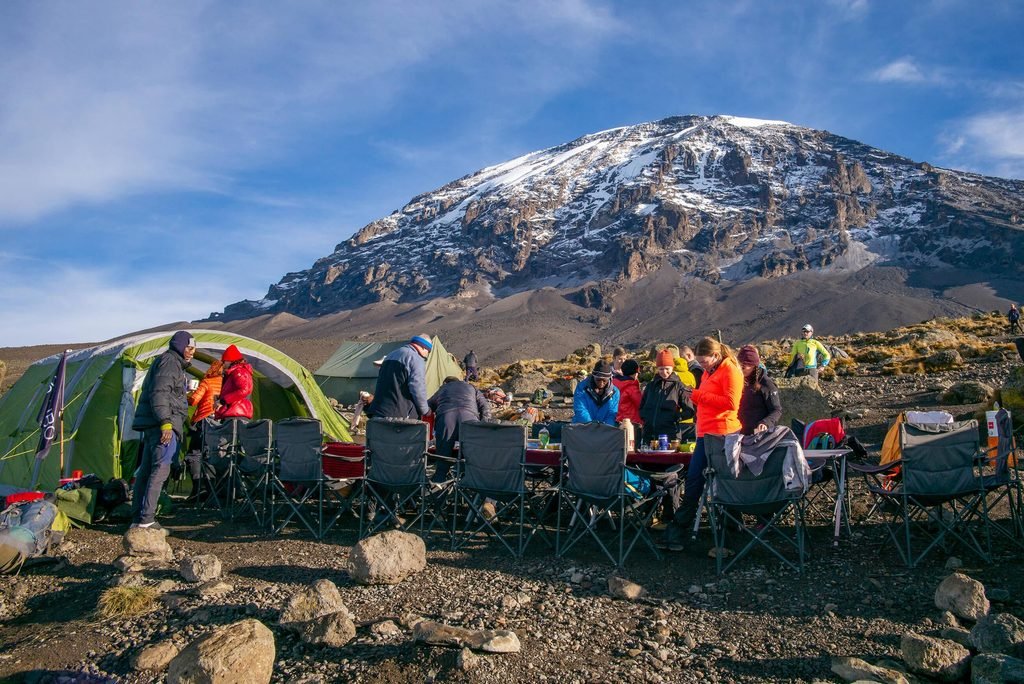
Behind every organized Kilimanjaro expedition is a team of people who help make the journey possible. Mountain guides manage the route and climbing decisions, cooks prepare meals, and porters transport essential supplies and camping equipment. Their work supports climbers through difficult terrain and changing weather conditions.
Imagine a traveler who arrives in Tanzania focused entirely on the summit. During the first few days, they begin to notice how much effort the crew contributes. While the climbers walk with their daypacks, the support team manages camp arrangements, carries equipment within applicable load limits, and prepares the facilities needed for the next stage.
As the expedition progresses, the traveler develops a greater appreciation for the crew’s knowledge and work. Conversations during meals and rest periods help them understand the importance of teamwork, local experience, and responsible mountain operations.
By the end of the expedition, the traveler recognizes that reaching the summit is not simply an individual achievement. It is supported by the efforts of many people, and their safety and welfare should be treated with respect.
What Future Climbers Can Learn
When choosing a Kilimanjaro operator, ask about porter welfare, appropriate equipment, load management, fair working conditions, and guide training. Responsible tourism involves caring for the people who make mountain expeditions possible.
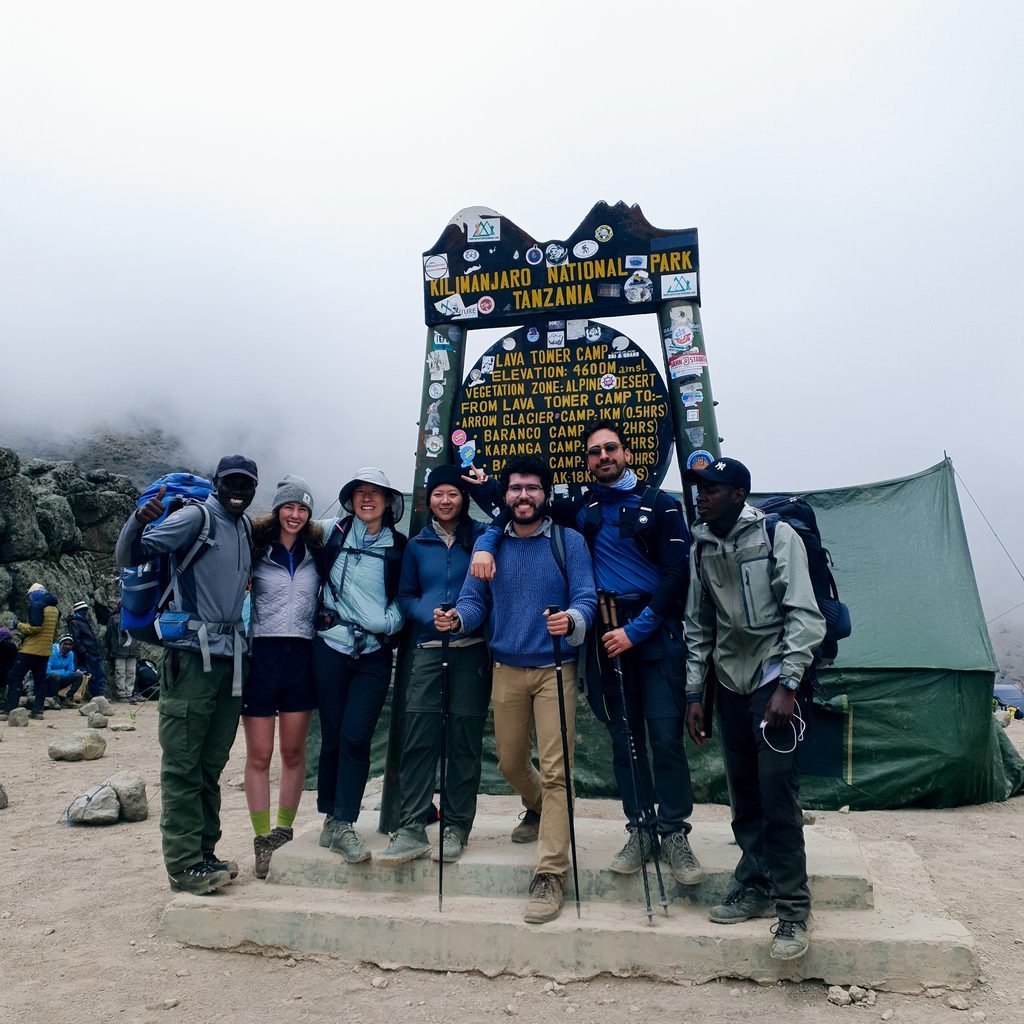
What Makes Reaching Uhuru Peak So Special?
Uhuru Peak stands at 5,895 metres above sea level on Kibo, the highest volcanic cone of Mount Kilimanjaro. Reaching this elevation requires climbers to move through several mountain environments, manage physical fatigue, and adapt to conditions that are very different from everyday life.
For many travelers, the summit represents a personal achievement because of the preparation and commitment required. Some people climb to celebrate a birthday or anniversary, while others use the expedition to mark an important change in their lives. The meaning of the experience is personal, and there is no single reason that makes one climber’s journey more valuable than another’s.
The mountain also offers an opportunity to disconnect from everyday routines. During the expedition, the day is shaped by walking, eating, resting, and preparing for the next stage. This simpler routine can give travelers time to reflect on their goals and appreciate the natural environment around them.
However, the most meaningful Kilimanjaro stories often include moments of difficulty as well as achievement. They show that preparation, patience, teamwork, and sensible decisions are important whether a climber reaches the summit or turns back safely.
Best Kilimanjaro Routes for Inspirational Climbing Adventures in 2027
Choosing the right route can influence the type of mountain experience you have. Some climbers prefer quieter trails and longer itineraries, while others are interested in dramatic scenery or mountain hut accommodation. Every route presents different challenges, and the best choice depends on your available time, fitness, previous hiking experience, and acclimatization needs.
| Kilimanjaro route | Common duration | What makes the experience memorable |
|---|---|---|
| Machame | 6–7 days | Shira Plateau, Lava Tower and Barranco Wall |
| Lemosho | 7–8 days | Western rainforest, open plateau and varied scenery |
| Northern Circuit | 8–9 days | Longer journey around the northern slopes |
| Rongai | 6–8 days | Northern approach and Mawenzi landscapes |
| Marangu | 5–6 days | Classic mountain route with hut accommodation |
| Umbwe | 6–7 days, with shorter versions offered | Steep approach and demanding terrain |
For many first-time climbers, longer itineraries are generally preferable because they provide additional time for acclimatization. Travelers should not select Umbwe or another short, demanding route simply because it sounds more adventurous.
How to Prepare for Your Own Kilimanjaro Summit Story
A memorable climbing experience begins with practical preparation. Several months before departure, start building your hiking endurance through regular walks, hill training, and suitable strength exercises. Practice walking for several hours with a daypack, and test your boots and clothing before traveling. The objective is to become comfortable with repeated trekking days rather than focusing only on speed or physical strength.
Your choice of itinerary is equally important. Routes with additional acclimatization days generally provide better opportunities for adjusting to altitude than compressed schedules. The CDC’s guidance on African climbing expeditions recommends adding extra acclimatization days where possible, particularly on shorter Kilimanjaro climbs.
Before arriving in Tanzania, prepare suitable clothing for rainforest conditions, cold mountain camps, and freezing summit temperatures. Waterproof hiking boots, insulated layers, gloves, trekking poles, a headlamp, and a suitable sleeping bag are among the important items to consider. Your tour operator should provide a detailed packing list based on your route and travel dates.
It is also important to understand altitude sickness before the expedition. Symptoms such as headache, nausea, dizziness, and unusual fatigue should be reported promptly. More serious warning signs require urgent action, and continuing to ascend with worsening symptoms can be dangerous. Physical fitness does not prevent altitude illness, so climbers should follow medical advice and their guide’s safety instructions.
Finally, allow enough time for arrival, the pre-climb briefing, and recovery after the mountain. Travelers planning a longer Tanzania holiday can also combine Kilimanjaro with a wildlife safari or Zanzibar beach stay, provided their schedule allows appropriate rest.
Best Time to Create Your Kilimanjaro Summit Story in 2027
Kilimanjaro can be climbed throughout the year, but some periods generally offer more favorable trekking conditions. January to March and June to October are commonly popular because they often experience relatively drier weather. Nevertheless, weather can change quickly, and even during these months, climbers may encounter rain, freezing temperatures, strong winds, or poor visibility.
April and May are generally associated with heavier rainfall, which can make lower mountain trails muddy and slippery. November and December may also bring seasonal rain, although conditions vary between years. Choosing a popular climbing month does not guarantee clear skies or a successful summit. For 2027, travelers should discuss their preferred departure dates, route duration, and accommodation arrangements before confirming international flights. Exact package prices and availability should be provided in a written quotation.
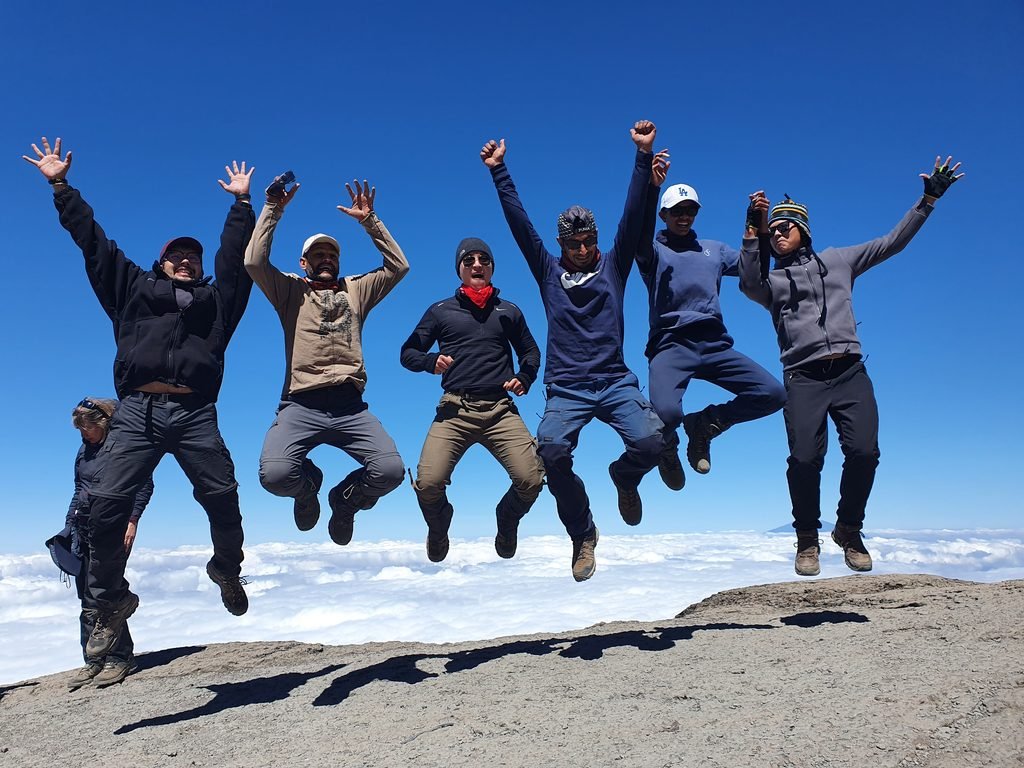
Frequently Asked Questions About Kilimanjaro Summit Stories and Climbing
1. Why do people climb Mount Kilimanjaro?
People climb Kilimanjaro for personal achievement, adventure, mountain scenery, physical challenges, and the experience of reaching Africa’s highest peak.
2. How high is Uhuru Peak?
Uhuru Peak stands at 5,895 metres (19,341 feet) above sea level.
3. Is Kilimanjaro suitable for beginners?
Yes, some standard trekking routes can be suitable for physically prepared beginners, especially when they choose longer itineraries and receive professional guidance.
4. Which Kilimanjaro route is best for beginners?
Eight-day Lemosho and nine-day Northern Circuit are strong options to consider because they provide additional acclimatization time.
5. What is the most emotional part of climbing Kilimanjaro?
This varies between climbers. Some find reaching the summit most meaningful, while others remember teamwork, difficult moments, or the support of their guides.
6. Is summit night difficult?
Yes. Summit night is often the most demanding part of the expedition because of altitude, cold temperatures, darkness, and fatigue.
7. What happens if I cannot reach the summit?
Your guide will assess your condition and arrange an appropriate descent or other response according to the circumstances.
8. Can I climb Kilimanjaro without previous experience?
Many climbers do, but suitable physical preparation, route selection, and medical considerations remain important.
9. How many days does it take to climb Kilimanjaro?
Common itineraries range from five to nine days, depending on the route, with longer schedules generally providing more acclimatization opportunities.
10. Does physical fitness guarantee summit success?
No. Physical fitness improves endurance but does not prevent altitude illness.
11. What is the best month to climb Kilimanjaro?
January to March and June to October are generally popular periods, although conditions vary.
12. Can I climb Kilimanjaro in 2027?
You can request a quotation and discuss suitable 2027 departure dates, subject to confirmation.
13. Can I climb Kilimanjaro alone?
Climbers require appropriate authorized guiding arrangements. Private expeditions can be organized for individual travelers.
14. Is Kilimanjaro a technical climb?
The standard trekking routes generally do not require technical mountaineering skills under suitable conditions.
15. What should I pack for summit night?
Warm insulated clothing, gloves, a hat, suitable boots, a headlamp, and essential supplies are important.
16. What is altitude sickness?
Altitude sickness occurs when the body struggles to adjust to reduced oxygen availability at higher elevations.
17. Can I prevent altitude sickness completely?
No. Gradual acclimatization can reduce risk, but no approach guarantees prevention.
18. Is the Machame Route good for scenic trekking?
Yes. Machame passes through varied mountain environments and includes several well-known landmarks.
19. Is the Northern Circuit worth considering?
Yes. It offers a longer trekking itinerary and access to Kilimanjaro’s quieter northern slopes.
20. Can I combine Kilimanjaro with a safari?
Yes. Many travelers visit Tarangire, Serengeti, Ngorongoro Crater, or other northern Tanzania destinations after their climb.
21. Do guides help during difficult mountain stages?
Yes. Guides manage the walking pace, assess conditions, and make important safety decisions throughout the expedition.
22. How should I prepare mentally for Kilimanjaro?
Set realistic expectations, understand that some days will be difficult, and remain willing to follow safety advice even when plans change.
23. Is reaching Stella Point the same as reaching Uhuru Peak?
No. Stella Point is on the crater rim below Uhuru Peak, which is Kilimanjaro’s highest point.
24. Can I try Kilimanjaro again after an unsuccessful attempt?
A future attempt may be possible, depending on the reasons for turning back. Significant altitude illness should be discussed with a qualified healthcare professional first.
25. How do I organize a Kilimanjaro expedition with Eddy Tours & Safaris?
Contact our team with your preferred route, travel dates, group size, and hiking experience to request a suitable quotation.
Start Your Own Kilimanjaro Summit Story in 2027 with Eddy Tours & Safaris
Every Kilimanjaro climbing experience is different. Some travelers remember the excitement of entering the rainforest, while others remember the dramatic landscapes around Barranco Wall, the cold hours of summit night, or the encouragement they received from their mountain crew. For those who reach Uhuru Peak, the summit can become a powerful personal memory, but a safe and meaningful expedition is valuable even when plans change.
The most important lesson from these climbing stories is that preparation matters. Choosing an appropriate route, allowing sufficient time for acclimatization, training consistently, and following professional safety advice can help you approach the mountain with realistic expectations. Kilimanjaro is challenging, but it offers an extraordinary opportunity to experience Tanzania’s natural landscapes and test your endurance.
At Eddy Tours & Safaris, we help travelers organize guided Kilimanjaro climbing expeditions for 2027. Our team can discuss Machame, Lemosho, Rongai, Marangu, Umbwe, and Northern Circuit options, along with mountain arrangements, preparation requirements, and suitable travel schedules.
Request Your Kilimanjaro Climbing Quotation
Chat with Eddy Tours & Safaris on WhatsApp
Email: sales@eddytours-safaris.com
Your Kilimanjaro story begins long before summit night. Start with the right preparation, choose a route that suits your experience, and make safety a priority throughout the journey.