
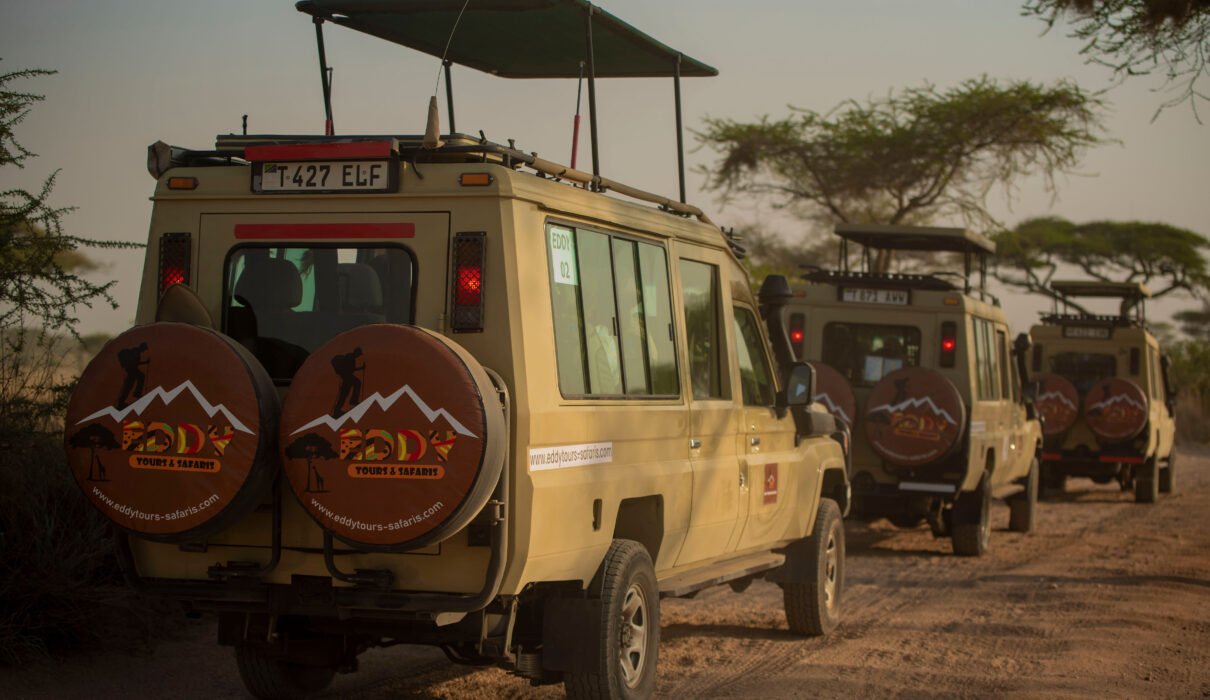
Best Safari Photography Locations in Serengeti is the first thing serious wildlife photographers search for when they want more than random sightings and rushed game drives. The Serengeti is not only famous for big animals, but also for its wide open horizons, shifting light, dramatic skies and natural movement corridors that create powerful and honest wildlife images. Knowing where to position yourself, when to wait and how to move through this protected landscape makes a bigger difference than camera brand or lens size.
This guide explains the real photographic value of the Serengeti using ecological research, conservation science and professional wildlife monitoring information. If you are planning your photography journey with a trusted local team such as Eddy Tours & Safaris, these insights will help you choose the right areas, reduce disturbance to wildlife and return home with meaningful photographs rather than rushed snapshots.
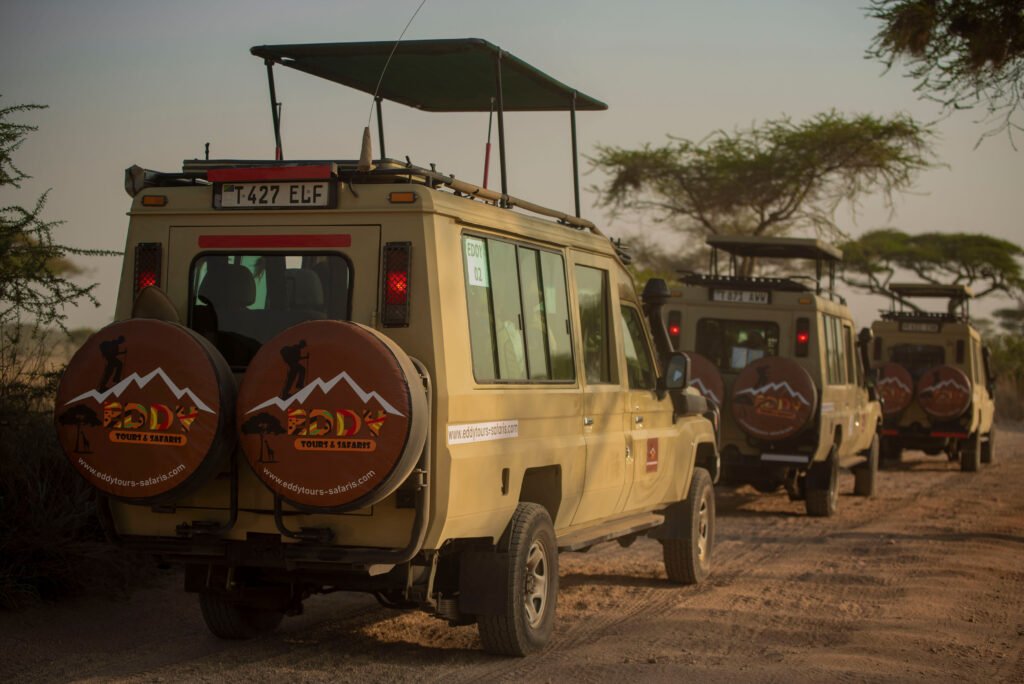
Best Safari Photography Locations in Serengeti and why landscape structure matters
Understanding the Best Safari Photography Locations in Serengeti starts with understanding how the landscape itself shapes animal movement and light. The Serengeti ecosystem is one of the most studied savannah systems in the world and is supported by long-term conservation research from the World Wide Fund for Nature, the African Wildlife Foundation and the Wildlife Conservation Society.
Open grass plains, riverine woodlands and rocky outcrops create natural stages where animals feed, rest and interact. Ecological mapping programs coordinated by the International Union for Conservation of Nature and biodiversity assessments supported by the Intergovernmental Science-Policy Platform on Biodiversity and Ecosystem Services show that these structural habitats are directly linked to species density and photographic opportunity.
Best Safari Photography Locations in Serengeti around central open plains
The central plains represent one of the most consistent Best Safari Photography Locations in Serengeti because predators and grazing animals remain present throughout the year. Long-term carnivore studies coordinated by Panthera and bird monitoring projects led by BirdLife International confirm that open hunting grounds and high prey availability attract large predators and scavenging species.
From a photography perspective, this area allows wide-angle compositions with animals framed against the horizon and dramatic cloud systems. If you want to design a dedicated photographic safari through professionally planned routes, you can explore carefully structured programs via Serengeti and Tanzania safari itineraries that prioritize slow positioning and extended time at sightings.
Best Safari Photography Locations in Serengeti near river systems
Another powerful category within the Best Safari Photography Locations in Serengeti is found along permanent and seasonal rivers. River corridors attract elephants, antelope, predators and large bird concentrations, creating layered photographic scenes. Hydrological and ecosystem monitoring supported by the United Nations Environment Programme and habitat studies published by Conservation International demonstrate how water access determines animal distribution patterns.
Riverine woodlands also soften light during early morning and late afternoon, making them ideal for controlled exposure and clean subject separation. Conservation mapping from the United States Geological Survey further shows how stable river banks support both wildlife movement and long-term vegetation structure.
Best Safari Photography Locations in Serengeti around kopjes and rocky outcrops
Kopjes are among the most iconic Best Safari Photography Locations in Serengeti because they provide natural platforms for lions, leopards and raptors. Geological assessments coordinated by the United States Geological Survey explain how these granite formations create elevated viewpoints and cooling surfaces for wildlife.
Scientific documentation published through National Geographic Society shows how kopjes serve as both hunting observation points and social gathering areas for predators. For photographers, this creates strong compositional lines and natural framing opportunities without needing artificial positioning.
Best Safari Photography Locations in Serengeti and seasonal movement corridors
The movement corridors of grazing animals represent one of the most dynamic Best Safari Photography Locations in Serengeti. Long-term migration research supported by the Food and Agriculture Organization and large-scale ecosystem modelling coordinated by the UNESCO Man and the Biosphere Programme highlight how grass availability, rainfall and predator pressure drive herd movement.
Understanding these ecological drivers allows photographers to position themselves along natural routes instead of chasing vehicles. This approach reduces stress on animals and results in more natural behavioural photographs.
Best Safari Photography Locations in Serengeti and climate influence on light
Light quality plays a central role when selecting the Best Safari Photography Locations in Serengeti. Climate research published by NASA Climate and atmospheric assessments produced by the Intergovernmental Panel on Climate Change show how cloud cover, dust levels and humidity influence contrast and colour temperature.
Open plains produce softer, wide-angle light in the morning and dramatic shadows in the evening, while riverine and woodland zones create more diffused highlights. Photographers who understand this natural lighting behaviour consistently produce stronger visual stories.
Best Safari Photography Locations in Serengeti and bird photography zones
For bird photographers, the Best Safari Photography Locations in Serengeti include wetlands, seasonal pools and acacia-rich zones. Avian biodiversity assessments coordinated by BirdLife International and wetland ecosystem research supported by the Ramsar Convention on Wetlands show how water availability shapes breeding and feeding sites.
These areas provide excellent opportunities for flight shots, feeding behaviour and mixed-species interactions, especially during early morning light when wind conditions remain stable.
Best Safari Photography Locations in Serengeti and ethical wildlife distance
Professional wildlife photography depends on respecting animal comfort zones within the Best Safari Photography Locations in Serengeti. Conservation behaviour guidelines published by the International Union for Conservation of Nature and wildlife stress research shared through Nature Research confirm that repeated close approach alters feeding and resting patterns.
Responsible photographers use longer focal lengths and patient positioning rather than crowding animals. This approach protects wildlife and leads to more authentic behaviour-based images.
Best Safari Photography Locations in Serengeti and guide interpretation
One often overlooked part of the Best Safari Photography Locations in Serengeti is professional interpretation by trained guides. Ecological communication research published via ScienceDirect demonstrates how knowledgeable guides help visitors recognise early signs of animal movement and behaviour.
This skill allows photographers to anticipate interactions rather than reacting late to sightings. When working with experienced local professionals, your photographic success improves significantly. You can organise specialist photographic trips with local support through direct Serengeti planning support from experienced safari teams.
Best Safari Photography Locations in Serengeti and research collaboration zones
Some of the most reliable Best Safari Photography Locations in Serengeti overlap with long-term research areas. Population monitoring programs coordinated by University of Oxford research networks and conservation data shared by Harvard University research programmes help identify high-use wildlife zones.
These research landscapes often experience stricter movement control and better habitat protection, making them valuable both for science and responsible photography.
Best Safari Photography Locations in Serengeti and vehicle positioning rules
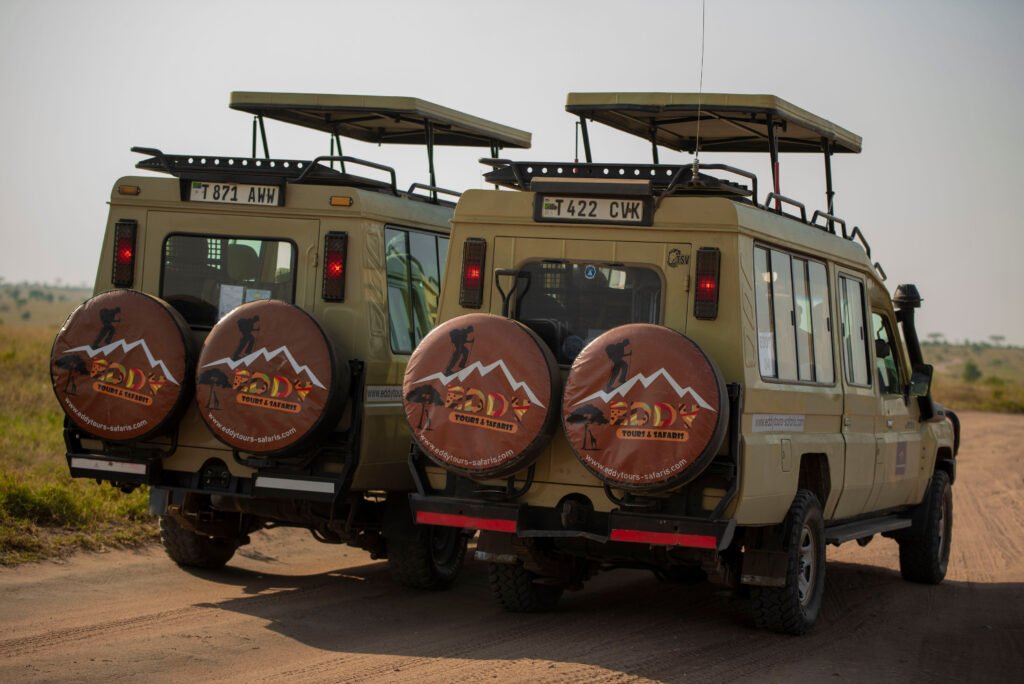
Correct positioning is essential within the Best Safari Photography Locations in Serengeti. Road safety and mobility research promoted by the World Health Organization Road Safety Programme and sustainable transport guidance published by the International Energy Agency highlight how controlled vehicle movement reduces accidents and habitat disturbance.
Professional safari drivers maintain respectful distances, avoid blocking animal paths and coordinate positioning to prevent crowding, which protects both wildlife and photographic integrity.
Best Safari Photography Locations in Serengeti and community conservation areas
Some of the most authentic Best Safari Photography Locations in Serengeti are found near community-supported conservation zones. Social and livelihood research promoted by the International Labour Organization and community development studies supported by Oxfam International demonstrate how tourism income supports habitat protection outside core park boundaries.
Photographing wildlife in these shared landscapes tells a more complete story of coexistence between people and nature.
Best Safari Photography Locations in Serengeti and health and field readiness
Physical readiness influences your productivity within the Best Safari Photography Locations in Serengeti. Travel health guidance published by the World Health Organization emphasizes hydration, heat management and basic field safety during extended outdoor activity.
Long shooting days require planning for energy levels, equipment protection and communication support, especially in remote landscapes.
Best Safari Photography Locations in Serengeti and professional trip design
Designing your route correctly transforms access to the Best Safari Photography Locations in Serengeti. Professional local planning ensures slow pacing, correct timing and flexible positioning rather than fixed sightseeing schedules.
If you are combining photography with adventure travel, professionally structured routes can also be arranged through responsible mountain and safari extensions for a complete Tanzanian experience.
Why photographers choose the Serengeti for serious wildlife work
The Best Safari Photography Locations in Serengeti are not defined by popularity, but by ecological structure, animal behaviour and responsible access. The Serengeti offers photographers a rare opportunity to work within a living, protected ecosystem supported by some of the strongest conservation organisations in the world.
When you plan your journey with experienced local professionals who understand both wildlife science and photographic needs, you gain more than images. You gain a deeper connection to Africa’s most celebrated savannah and become part of a wider effort to protect it for future generations.