
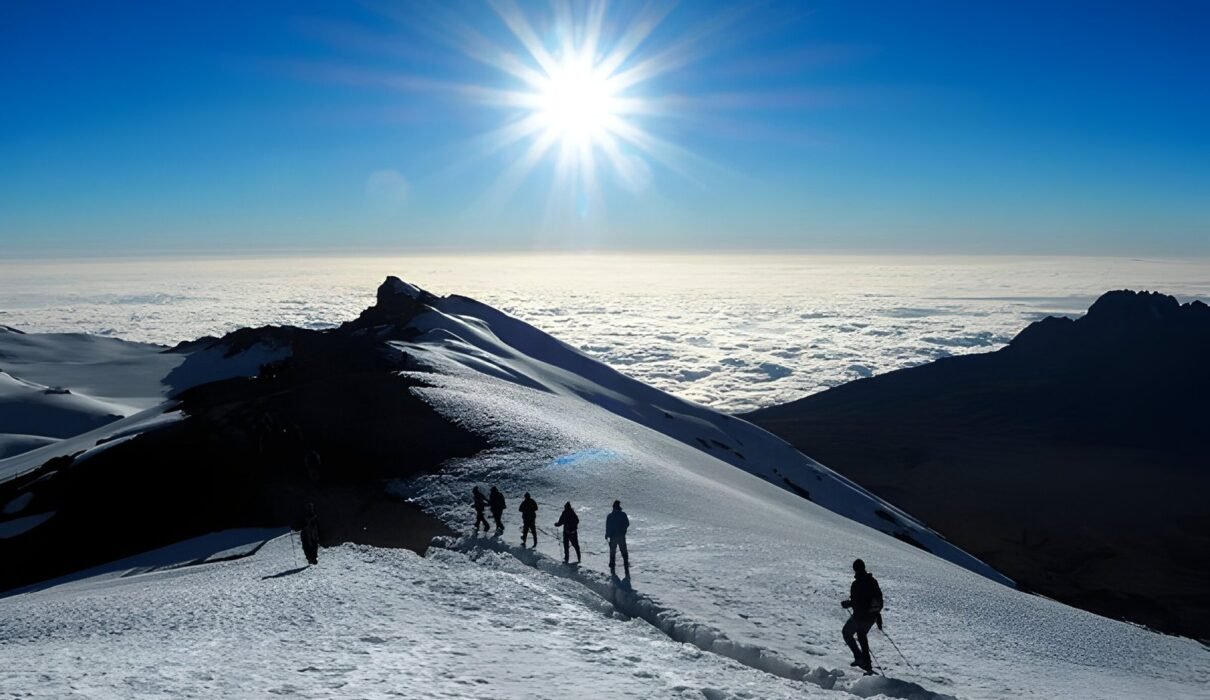
Is climbing Kilimanjaro dangerous? Yes—Kilimanjaro involves real risks, including altitude illness, cold exposure, falls and exhaustion. Good preparation, appropriate guiding and a carefully considered itinerary can reduce those risks, but no operator can make the mountain completely safe.
That does not mean you need to abandon your plans. It means understanding what the climb demands before choosing a route, paying a deposit or committing yourself to reaching the summit.
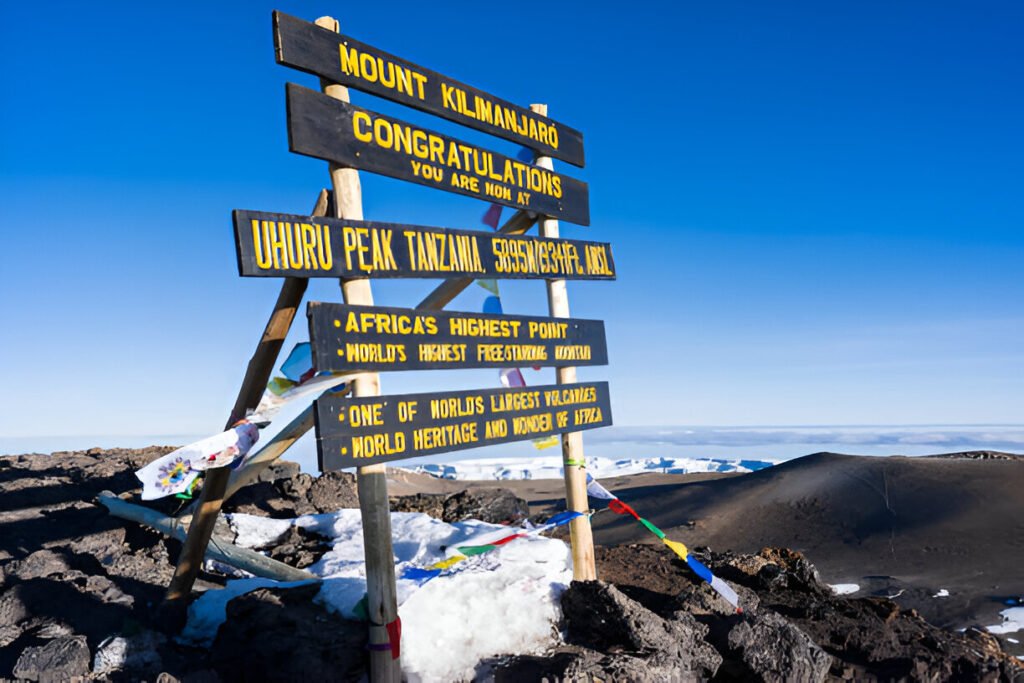
Kilimanjaro’s highest point, Uhuru Peak, stands at 5,895 metres above sea level. Its elevation makes this a serious mountain expedition, even when the journey is sold as a trekking holiday.
This guide explains the main Kilimanjaro climbing risks, the decisions that can make your trip safer, and the questions to ask your tour operator.
Why Kilimanjaro’s Reputation Can Be Misleading
Photographs of smiling climbers at the summit can make Kilimanjaro look straightforward. Marketing phrases such as “anyone can do it” can reinforce that impression.
However, a route that mainly involves walking can still expose you to serious mountain hazards. You must manage repeated trekking days, changing conditions and a demanding descent after your summit attempt.
The important question is more specific than whether Kilimanjaro is easy or difficult:
Does the proposed expedition suit your health, preparation, experience and available time?
A suitable itinerary for one traveller may be a poor choice for another. Understanding those differences matters more than comparing summit photographs.
1. Altitude Illness Is a Major Risk
Altitude deserves attention from the beginning of your planning.
The CDC explains that ascent rate and individual susceptibility affect altitude-illness risk. Physical fitness does not protect against it. A strong runner or experienced gym user can still become ill at altitude.
This is why choosing a climb solely because it fits a short holiday can be a mistake.
Ask your operator to explain:
- The elevation of each overnight stop.
- How the itinerary allows time for acclimatisation.
- The demands of the summit stage.
- What happens if you develop symptoms.
- How an early descent would be organised.
Look at the actual daily schedule rather than relying on the route name. Two packages advertised as the same route can have different durations and overnight arrangements.
Symptoms You Should Report
Possible altitude-sickness symptoms include headache, nausea, dizziness, unusual tiredness, loss of appetite and difficulty sleeping. Report symptoms promptly rather than deciding for yourself that they are harmless.
Be honest with your guide. Hiding symptoms to avoid disappointing your group can delay an important decision.
Do not ascend with altitude-illness symptoms. If symptoms worsen while you remain at the same elevation, descent is necessary. Medication should never become a reason to ignore deterioration or postpone an indicated descent.
2. Severe Altitude Illness Can Become an Emergency
Some altitude-related problems are life-threatening.
Confusion, difficulty walking steadily or breathlessness at rest require urgent attention. These can indicate serious altitude illness affecting the brain or lungs. Alert your guide immediately; urgent descent and medical assistance are needed. Do not wait until the next scheduled camp.
Before booking, ask how the expedition responds to such a situation.
Useful questions include:
- Who makes the decision to stop an ascent?
- Who accompanies an ill climber during descent?
- How is the remaining group supported?
- What communication equipment is available?
- What emergency equipment is carried, and who is trained to use it?
A list of equipment is only part of the answer. You also need to understand the response procedure and the people responsible for carrying it out.
3. Cold and Changing Weather Affect Your Climb
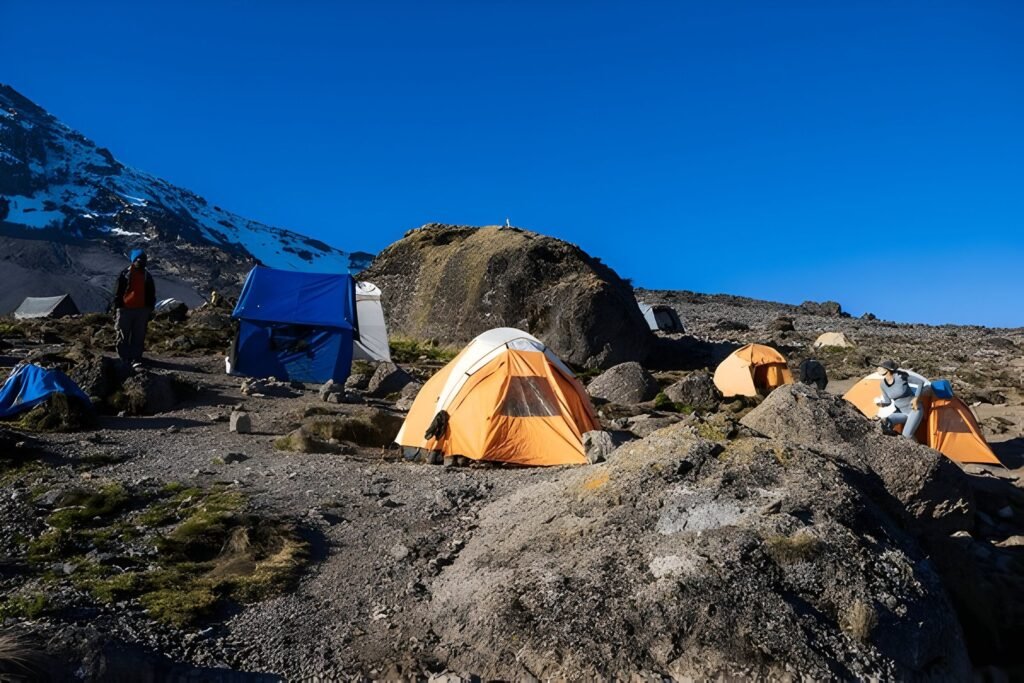
Kilimanjaro requires clothing and equipment suitable for changing mountain conditions. TANAPA advises climbers to carry proper cold-weather and rain gear, a headlamp and personal medication, and warns that high-altitude weather can change quickly.
Prepare your equipment before travelling. Do not assume that ordinary holiday clothing will be sufficient.
Ask for a detailed packing list covering:
- Insulating layers and an outer waterproof layer.
- Gloves, warm headwear and spare socks.
- Suitable footwear.
- Sleeping equipment appropriate to the expedition.
- A headlamp and spare power.
- Protection for equipment and clothing inside your bags.
If you rent equipment, confirm its specifications and condition. “Sleeping bag included” tells you little about whether it is suitable for the climb being offered.
Practise using your layers, headlamp and gloves at home. Small equipment problems become more frustrating when you are tired or walking in darkness.
4. Exhaustion Can Affect Your Decisions
A Kilimanjaro climb involves more than reaching the summit. You must also descend, often after a long and demanding summit attempt.
Plan your preparation around sustained walking and recovery rather than one impressive training session.
Useful preparation can include regular hikes, gradual increases in walking time and practice on consecutive days. Include descents so that your training reflects the return journey.
Your preparation should also help you answer practical questions:
Can you walk comfortably in your boots for several hours? Can you manage your daypack? Do you know which clothing combinations work for you?
Discuss the expedition’s physical demands with your operator. If the proposed schedule feels too compressed for your experience, examine alternatives before booking.
5. Slips, Falls and Foot Problems Can Disrupt the Trip
A blister, strained ankle or fall can change the course of an expedition.
Check footwear carefully and use it before departure. Bring the socks you have trained in rather than relying on an entirely new combination.
If you plan to use trekking poles, practise with them beforehand. Adjusting unfamiliar equipment for the first time on the mountain adds unnecessary difficulty.
During the climb, stay with your guiding arrangements and tell the team about foot pain or equipment problems early.
TANAPA’s visitor guidance instructs climbers to keep to designated paths, follow guide instructions and avoid hiking alone.
A summit photograph should never require leaving an approved route or ignoring a guide’s instructions.
6. Poor Expedition Arrangements Create Avoidable Problems
A low price alone does not establish that an operator is unsafe. Equally, an expensive package does not prove that its arrangements are appropriate.
Review what the company actually proposes.
TANAPA states that Kilimanjaro climbs must be guided through a licensed operator and that solo trekking is not permitted. Ask for the legal business name and relevant operating details.
Then request a written proposal explaining the itinerary, staffing, equipment, accommodation and emergency arrangements.
| Area to check | Question to ask |
|---|---|
| Itinerary | What are the daily stages and overnight elevations? |
| Guiding | How are different walking speeds managed? |
| Health concerns | How do guides assess and respond to reported symptoms? |
| Early descent | Who accompanies a climber who leaves the mountain? |
| Communication | How can the team contact assistance? |
| Equipment | What is provided, and what must I bring or rent? |
| Booking terms | What costs apply if the itinerary changes or ends early? |
| Crew welfare | How are crew workloads, equipment, food and shelter arranged? |
Clear answers help you compare operators. General promises such as “excellent safety” need a practical explanation.
7. Summit Pressure Can Lead to Poor Choices
You may have saved for years, travelled a long distance and told friends about your climb. Those commitments can make turning around feel difficult.
Agree on your priorities before departure.
Tell your operator that you expect health concerns and turnaround decisions to be taken seriously. Ask how guides handle a climber who wants to continue against advice.
Within your own group, avoid making the summit a test of courage or loyalty. Someone who descends early should receive support rather than pressure.
Your booking buys an expedition and its services. It cannot buy a particular response to altitude or a guaranteed summit.
Does a Longer Route Make Kilimanjaro Safer?
Additional time can support acclimatisation, but the benefit depends on how the itinerary uses it.
The CDC’s guidance on African climbing expeditions suggests allowing an additional one or two days on Kilimanjaro to improve acclimatisation. This reduces risk; it does not eliminate it.
Compare trekking days, overnight elevations and daily demands. Check whether the advertised package length includes hotel nights.
For example, an eight-day holiday containing arrival and departure days is different from eight days spent trekking.
Ask the operator to explain what each extra mountain day contributes. A thoughtful answer is more useful than a claim that one route is automatically safe for everyone.
Should You See a Doctor Before Climbing?
Discuss your plans with a clinician familiar with high-altitude travel if you have a relevant medical condition, take regular medication or have previously experienced serious altitude illness.
CDC guidance recommends specialist discussion for travellers with underlying conditions such as heart or lung disease. Bring the proposed itinerary so the clinician can assess the actual trip.
A health condition does not always rule out climbing. The decision depends on its severity, stability and treatment, along with the demands of the expedition.
If preventive altitude medication is appropriate, obtain individual advice. Do not copy another climber’s prescription or assume medication replaces acclimatisation.
Insurance and Evacuation: Check the Details
Before purchasing travel insurance, explain exactly what you plan to do.
Ask the insurer to confirm in writing that the policy covers your Kilimanjaro trek up to 5,895 metres, including relevant emergency medical treatment and evacuation.
Check exclusions, assistance procedures and any requirements involving guides or approved operators.
Also ask your tour company how evacuation would be arranged. Avoid assuming that a helicopter will be available whenever someone requests one.
Keep your policy details, assistance number and emergency contacts accessible. Share the relevant information with your operator before departure.
Common Kilimanjaro Safety Myths
“I am very fit, so altitude will not affect me.”
Fitness helps with physical effort, but it does not protect against altitude illness.
“The most expensive company must be the safest.”
Price does not explain an itinerary, guiding procedure or emergency response. Examine those arrangements directly.
“A high summit-success rate guarantees my result.”
Ask how the percentage was calculated, which itineraries it covers and whether it counts everyone who started. It cannot predict your individual outcome.
“Turning around means the expedition failed.”
An early descent may be the appropriate decision. Discuss that possibility before leaving home so it does not feel like an unexpected breach of the plan.
Frequently Asked Questions
Can people die climbing Kilimanjaro?
Yes. Serious altitude illness and other mountain hazards can be fatal. Treat the expedition seriously and ask how your operator manages emergencies.
This article does not give an annual death figure because a useful statistic needs a reliable source, a defined period and a clear explanation of who is included.
Is Kilimanjaro suitable for beginners?
Some first-time high-altitude trekkers attempt Kilimanjaro. Suitability depends on individual health, preparation and the proposed expedition. Being a beginner is a reason to discuss those details carefully.
Which Kilimanjaro route is safest?
There is no single route that is safest for every climber. Review duration, ascent profile, daily demands, current access and expedition arrangements.
Can an operator guarantee a safe climb?
No. An operator can explain its procedures and provide the contracted services, but it cannot remove every mountain risk.
Plan Your Kilimanjaro Climb with Eddy Tours & Safaris
Start with a written itinerary and clear answers about how the expedition will operate.
Contact Eddy Tours & Safaris with your preferred dates, available trekking days, group size and previous hiking experience. Request the daily schedule, complete quotation, guiding arrangements and emergency procedures.
Use those details to assess whether the proposed climb suits your needs.
- Enquiries: Contact Eddy Tours & Safaris
- Sales email: sales@eddytours-safaris.com
- Alternative email: eddytoursandsafaris@gmail.com
- Phone and WhatsApp: +255 711 906 664
Prepare carefully, report concerns early and allow the mountain itinerary to change when circumstances require it.