
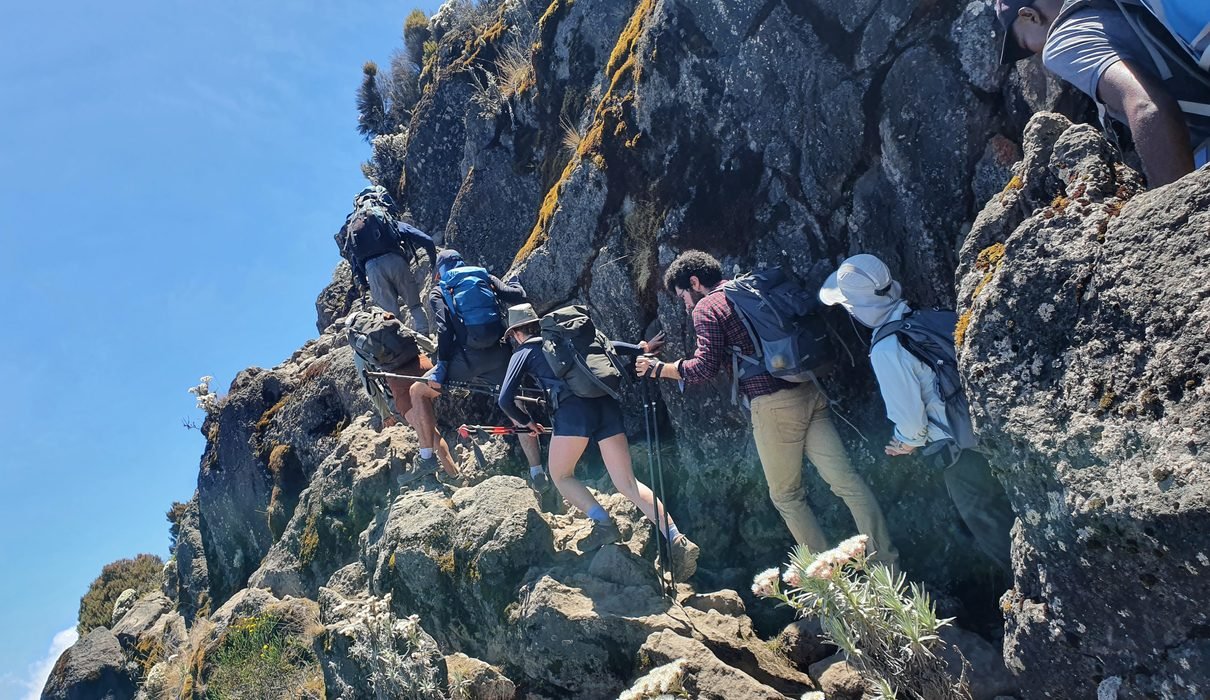
Climbing Kilimanjaro in April 2027 is possible, but it requires careful planning because April falls within Tanzania’s main rainy season. Mount Kilimanjaro, standing at 5,895 metres (19,341 feet) above sea level, is Africa’s highest mountain and one of the most popular trekking destinations in the world. While many travelers prefer climbing during the drier months, April offers a different experience, with greener landscapes, fewer climbers and quieter mountain camps.
The biggest challenge of climbing Kilimanjaro in April is the weather. Rainfall is generally heavier on the lower slopes, particularly in the rainforest, where trails can become muddy and slippery. Higher up, climbers may encounter thick clouds, cold winds, rain, snow and reduced visibility. These conditions can make an already demanding expedition more difficult, especially for travelers who have limited hiking experience.
However, April also has some advantages. The mountain is usually much quieter than during the popular climbing months of January, February, July, August and September. Travelers who prefer less crowded trails may appreciate the peaceful environment, particularly on routes approaching from the northern side of Kilimanjaro. The rainforest is also especially green during this period, creating beautiful scenery for hikers who enjoy nature and photography.
At Eddy Tours & Safaris, we help travelers plan Kilimanjaro climbing expeditions based on their available time, preferred routes, physical preparation and expected mountain conditions. This guide explains what to expect when climbing Kilimanjaro in April 2027, including weather conditions, recommended routes, accommodation, equipment, altitude sickness, costs and important travel arrangements.
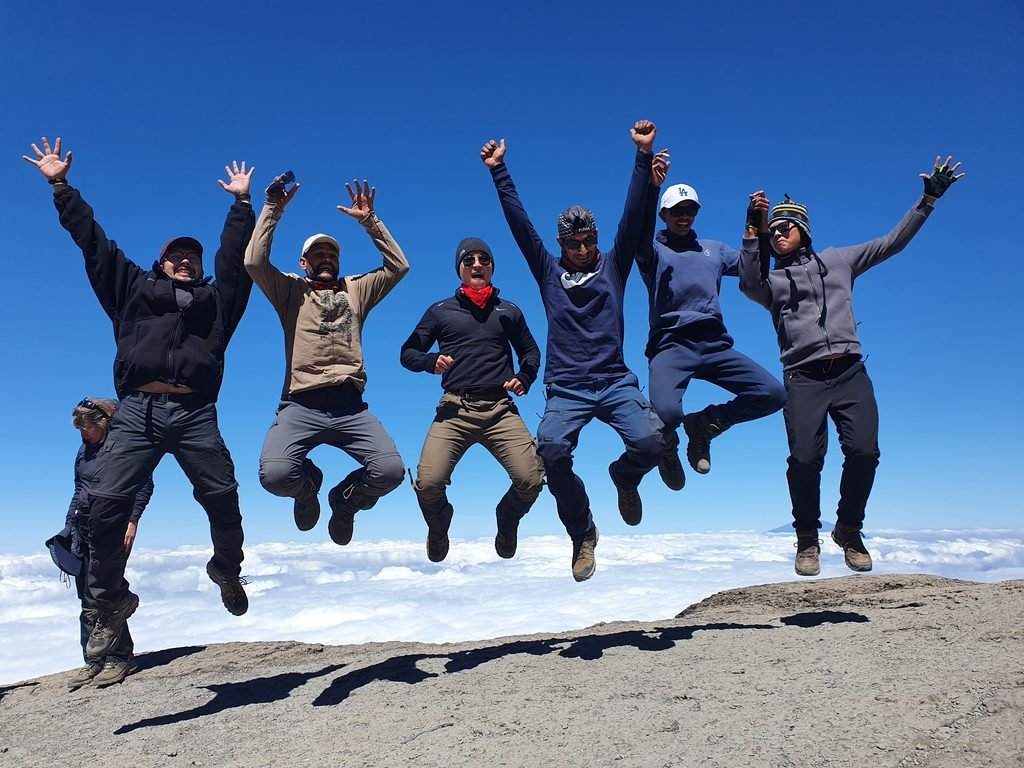
Is April 2027 a Good Time to Climb Kilimanjaro?
April is not generally considered one of the best months for climbing Kilimanjaro because it falls within the long rainy season, which normally extends from March into May. Rainfall can affect the lower mountain trails, while cloud cover and wet conditions may continue into the higher elevations. Travelers should therefore expect a greater possibility of difficult trekking conditions compared with the main dry-season climbing months.
Nevertheless, climbing during April is not automatically impossible. Some experienced trekkers choose this period because they prefer quieter routes and are comfortable hiking in wet weather. With suitable equipment, a carefully selected itinerary and experienced mountain guides, an April expedition can still be organized when park access and conditions permit.
The most important consideration is understanding that April requires greater flexibility. Heavy rain, poor visibility or difficult trail conditions may affect walking times and the overall experience. Travelers who have never completed a multi-day mountain trek may find it more comfortable to choose a drier month, while experienced hikers who are prepared for wet conditions may still consider April.
Kilimanjaro Weather in April 2027
Kilimanjaro’s weather changes considerably with altitude, and climbers pass through several different environments during the expedition. The lower slopes are generally warmer and wetter, while temperatures decrease as the trail climbs toward the alpine desert and summit. April’s rainy conditions are particularly noticeable in the rainforest, where rainfall can continue for several hours and make the ground slippery.
At intermediate elevations, the weather may alternate between cloud, mist, rain and occasional clear periods. Visibility can change quickly, meaning that mountain views may be hidden for part of the day. Near the summit, temperatures can fall well below freezing, and precipitation may occur as snow rather than rain. Strong winds can make conditions feel considerably colder.
It is important to understand that exact weather conditions for April 2027 cannot be predicted this far in advance. Historical seasonal patterns provide useful guidance, but the actual conditions will depend on the weather systems affecting Kilimanjaro during your climbing dates.
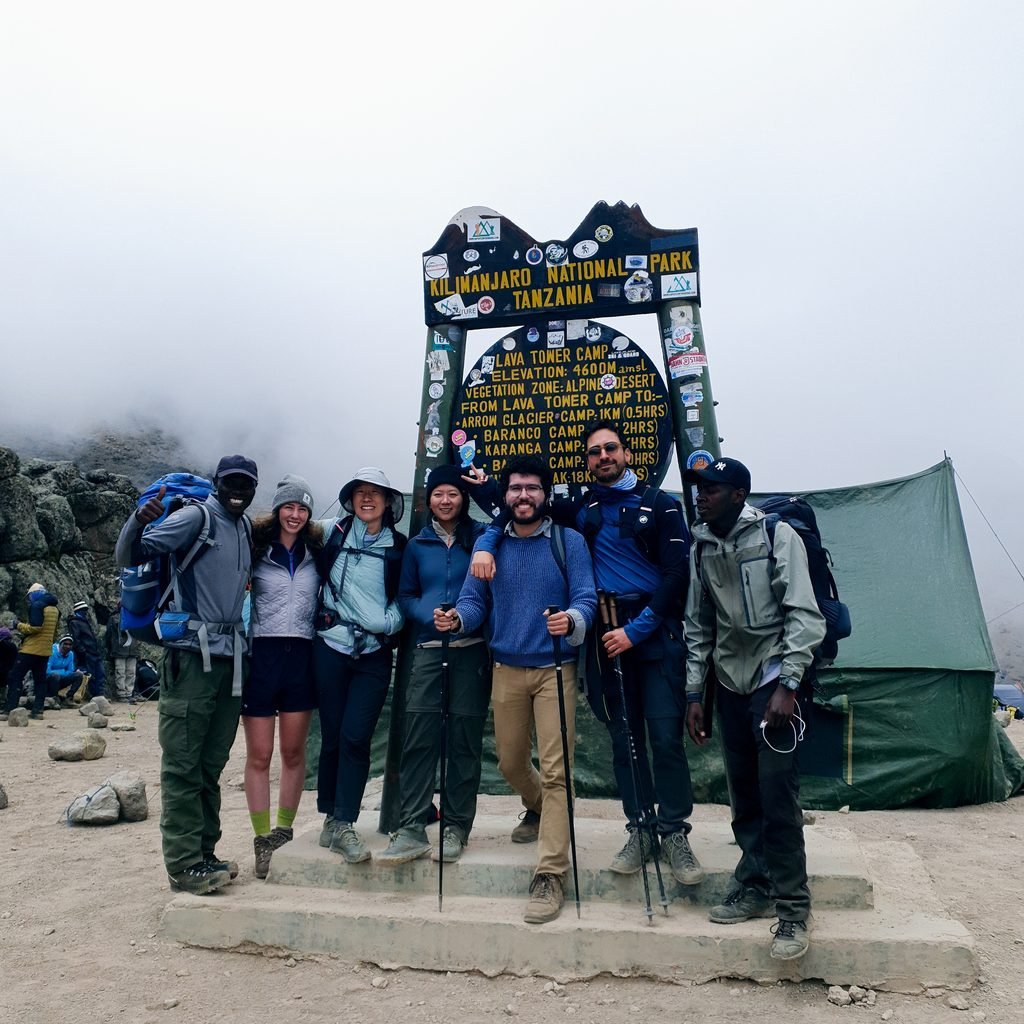
Expected Kilimanjaro Conditions in April
| Mountain zone | Typical April conditions | Main challenges |
|---|---|---|
| Rainforest | Frequent rain, humidity and green vegetation | Muddy and slippery trails |
| Heath and moorland | Cool temperatures, mist and showers | Wet clothing and reduced visibility |
| Alpine desert | Cold temperatures, wind and changing cloud cover | Exposure and fatigue |
| High mountain camps | Very cold conditions, possible snow or freezing precipitation | Difficult camping conditions |
| Summit zone | Freezing temperatures, possible snow and strong winds | Extreme cold, altitude and poor visibility |
These are general seasonal conditions rather than a specific forecast for April 2027.
Advantages of Climbing Kilimanjaro in April
Fewer Climbers on the Mountain
One of the main advantages of visiting Kilimanjaro in April is the relatively low number of climbers. During popular months, routes such as Machame and Lemosho can attract large numbers of trekking groups, particularly around major campsites and shared trail sections. In April, visitor numbers are generally lower because many travelers prefer to avoid the rainy season.
For those who enjoy quieter surroundings, this can make the mountain feel more peaceful. You may encounter fewer groups along the trail and experience less activity around some campsites. However, the number of climbers depends on the route, departure date and operating conditions, so complete solitude should never be guaranteed.
Beautiful Green Landscapes
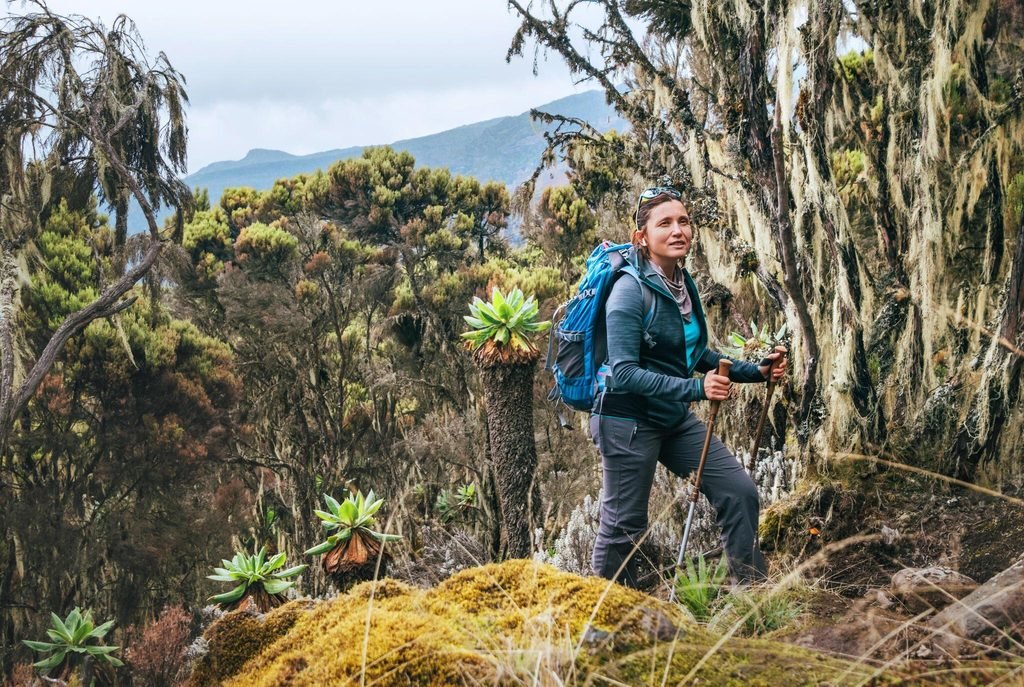
Rainfall transforms Kilimanjaro’s lower slopes into a particularly green environment. The rainforest becomes dense with vegetation, while moss-covered trees, ferns and other plants benefit from the increased moisture. Travelers who enjoy natural scenery may find these conditions especially attractive, even though the trails can be wet and muddy.
The changing vegetation is one of Kilimanjaro’s most interesting features, and the contrast between the rainforest and the upper volcanic landscape remains impressive. However, clouds may limit views of Kibo and Mawenzi, so travelers should not expect clear mountain photography every day.
A Different Mountain Experience
Climbing Kilimanjaro during April provides a different experience from trekking during the busiest dry-season months. The changing weather, quieter trails and wet mountain environment create an expedition that may appeal to experienced hikers who enjoy challenging conditions.
However, these advantages should be weighed against the additional difficulties caused by rainfall. Travelers who prioritize comfortable camping conditions, clear views and more predictable weather will generally find the dry-season months more suitable.
Challenges of Climbing Kilimanjaro in April
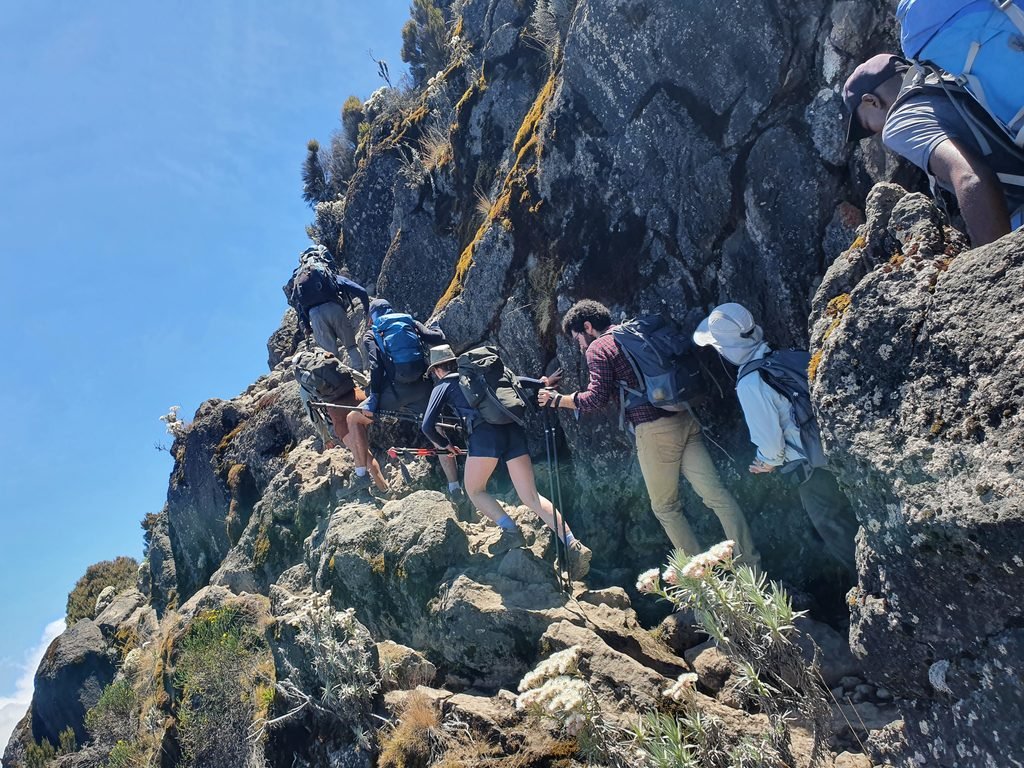
The main difficulty of an April climb is managing wet conditions over several consecutive days. Rain can make clothing and equipment damp, while muddy trails increase the effort required for walking. On steep sections, slippery ground can make descending particularly difficult, and climbers may need to move more slowly than they would during dry weather.
Camping can also become less comfortable when rain continues into the evening. Although good-quality tents provide protection, wet boots, damp clothing and cold temperatures can make recovery between trekking days more difficult. This is why waterproof equipment, dry storage bags and appropriate clothing are particularly important for April departures.
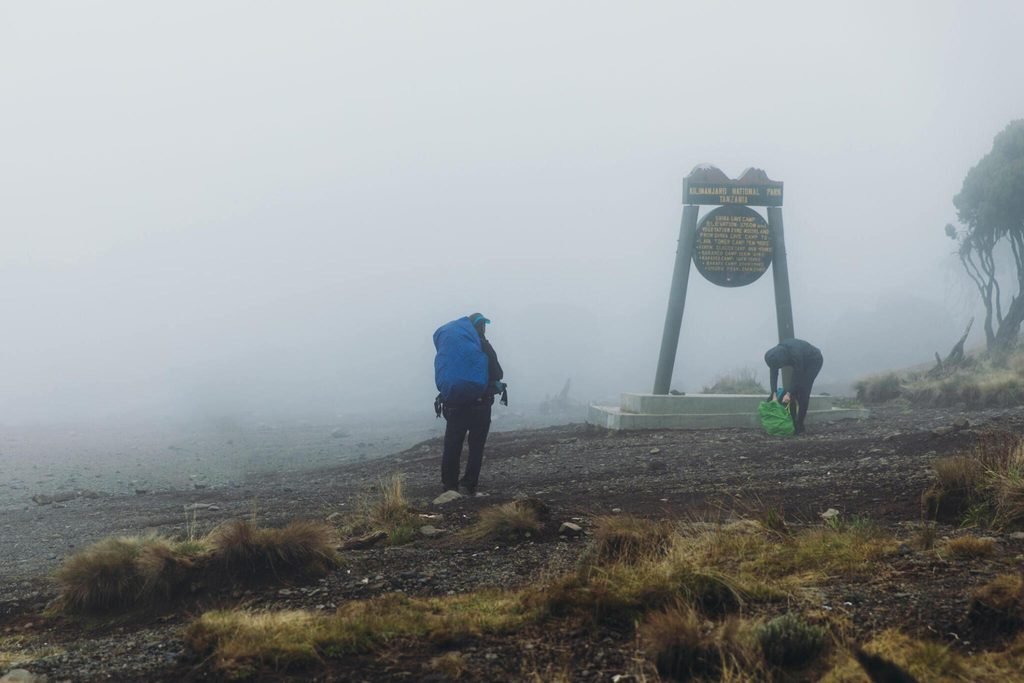
Another challenge is reduced visibility. Thick clouds may hide the mountain’s upper slopes, and rain or mist can affect the views normally enjoyed from locations such as the Shira Plateau, Barranco Valley and the Saddle. Near the summit, snow and strong winds may create additional difficulties.
These conditions make route selection and guide experience especially important. An April itinerary should allow sufficient acclimatization time and should never depend on reaching the summit regardless of weather or health concerns.
Best Kilimanjaro Climbing Routes for April 2027
Choosing the right route is particularly important during April because rainfall affects different sides of Kilimanjaro differently. Routes approaching from the northern side may experience relatively drier conditions than those on the southern slopes, although this does not mean they are protected from rain. Travelers should also consider accommodation arrangements, route duration and acclimatization opportunities.
1. Rongai Route: A Strong Option for April
The Rongai Route approaches Kilimanjaro from the north, near the Tanzania–Kenya border. This side of the mountain is generally drier than the southern slopes, making Rongai one of the routes worth considering during the rainy season. The trail passes through forest, moorland and high-altitude landscapes before reaching the area surrounding Mawenzi and continuing toward Kibo.
A seven- or eight-day Rongai itinerary is preferable to a shorter version because it allows additional time for acclimatization. Some longer itineraries include an extra night near Mawenzi Tarn, giving climbers more time before the final ascent. However, the summit approach remains physically demanding, and the northern location does not guarantee dry weather.
For travelers planning an April 2027 climb, Rongai is a sensible route to discuss with a mountain operator, particularly if they are comfortable with camping and want to reduce their exposure to the wetter southern approaches.
2. Marangu Route: Mountain Hut Accommodation
Marangu is another route worth considering because it uses established mountain huts rather than tents. The trail begins at Marangu Gate and passes through Mandara Hut, Horombo Hut and Kibo Hut before the summit attempt. Accommodation in huts can be more comfortable during wet weather because climbers do not need to sleep in personal camping tents.
However, the availability of huts does not mean that the trail itself remains dry. Marangu passes through rainforest and other exposed mountain environments, where climbers can still experience heavy rain, mud and cold conditions. The route also has a relatively direct ascent profile, so acclimatization requires careful attention.
A six-day Marangu itinerary is generally preferable to the five-day version because it includes an additional acclimatization day around Horombo. Travelers should discuss whether the itinerary provides enough time for their individual needs before booking.
3. Lemosho Route: Scenic but Wetter in April
Lemosho begins on Kilimanjaro’s western slopes and is known for its varied scenery, rainforest, Shira Plateau and southern circuit. The eight-day itinerary is popular because it provides additional time for acclimatization and allows climbers to experience several distinctive mountain landscapes.
However, the western and southern sections can be particularly wet during April. Rainforest trails may become muddy, while the exposed upper camps can experience rain, cloud and cold winds. Although Lemosho remains an established climbing route, travelers considering it during April should be prepared for demanding weather conditions.
For climbers who have flexibility, Lemosho may be more comfortable during a drier month. Those who specifically want to climb in April should discuss the expected conditions and available arrangements with their operator.
4. Machame Route: Challenging During the Rainy Season
Machame is one of Kilimanjaro’s most popular trekking routes, known for its varied scenery and landmarks such as Lava Tower and Barranco Wall. The trail begins in rainforest before continuing through moorland and alpine desert toward Barafu Camp.
During April, the lower rainforest can become very muddy, while rocky sections such as Barranco Wall may require additional care when wet. The exposed upper route can also experience cold rain, snow and strong winds. These conditions make Machame more demanding than during relatively dry periods.
Travelers considering Machame in April should generally favor the seven-day itinerary over the six-day version because the additional overnight stay at Karanga Camp provides more time before summit night.
Kilimanjaro Route Comparison for April 2027
| Route | Suggested duration | April considerations |
|---|---|---|
| Rongai | 7–8 days | Northern approach may be relatively drier |
| Marangu | 6 days | Hut accommodation offers shelter from rain |
| Lemosho | 8 days | Good acclimatization opportunities, but wet western and southern sections |
| Machame | 7 days | Scenic but potentially muddy and slippery |
| Northern Circuit | 9 days | Longer acclimatization schedule, but extended exposure to weather |
| Umbwe | Longer itinerary only, with careful assessment | Steep terrain makes wet conditions particularly challenging |
Our recommendation: For an April climb, consider Rongai or Marangu first, while recognizing that neither route guarantees favorable weather. For most first-time climbers with flexible travel dates, moving the expedition to a drier month may be the better choice.
How Many Days Should You Spend Climbing Kilimanjaro in April?
A longer itinerary is particularly important when planning a high-altitude expedition. Although several Kilimanjaro routes can be completed in five or six days, these shorter schedules provide limited time for acclimatization. Climbers who ascend too quickly may develop altitude sickness, regardless of their physical fitness.
For April 2027, travelers should consider routes that provide seven to nine days on the mountain, depending on the selected itinerary. Longer schedules can allow additional time for altitude adjustment, although they also mean spending more days exposed to potentially wet weather.
The best itinerary is therefore not necessarily the longest or shortest. It should balance acclimatization, route conditions, physical preparation and the climber’s experience. A responsible mountain operator should explain these considerations before recommending a package.
What to Pack for Climbing Kilimanjaro in April 2027
Packing suitable equipment is one of the most important preparations for an April Kilimanjaro expedition. Because the rainy season can bring prolonged wet conditions, climbers need reliable waterproof clothing and a practical system for keeping essential items dry. A lightweight rain jacket alone is not enough for several days of mountain trekking, particularly when temperatures decrease at higher elevations.
Waterproof hiking boots with reliable grip are important for muddy forest trails and rocky sections. Climbers should also carry waterproof trousers, moisture-wicking base layers, insulating clothing and a substantial warm jacket for summit night. Gloves, warm socks, a hat and a neck covering help protect against freezing temperatures, especially when wind increases the effect of the cold.
A waterproof pack cover and internal dry bags are useful for protecting spare clothing, electronics and other essential items. A suitable sleeping bag is also necessary for camping routes, while Marangu climbers still need appropriate sleeping equipment for the huts.
Essential April Kilimanjaro Packing List
| Equipment | Why it matters |
|---|---|
| Waterproof hiking boots | Better protection on wet and muddy trails |
| Waterproof jacket | Protects against rain and wind |
| Waterproof trousers | Keeps lower clothing dry during rainfall |
| Insulated summit jacket | Essential for freezing summit conditions |
| Thermal base layers | Helps retain warmth at higher elevations |
| Warm gloves and hat | Protects against cold and wind |
| Trekking poles | Useful on slippery ascents and descents |
| Waterproof dry bags | Protects clothing and electronics |
| Headlamp | Essential for summit night |
| Suitable sleeping bag | Provides warmth during cold mountain nights |
| Comfortable daypack | Carries water, snacks and essential equipment |
| Spare hiking socks | Important when footwear becomes damp |
Equipment should be tested before departure. New boots and unfamiliar clothing can create unnecessary problems during a multi-day climb.
Physical Preparation for an April Kilimanjaro Climb
Climbing Kilimanjaro requires good physical endurance because travelers walk for several consecutive days over changing terrain. In April, wet conditions may increase the effort required, particularly when ascending muddy trails or descending slippery slopes. Training should therefore prepare climbers for both long walking distances and difficult ground conditions.
For many first-time climbers, beginning physical preparation three to six months before departure is a useful approach. Regular hill walking, stair climbing, cardiovascular exercise and leg-strength training can help build endurance. Practicing with a daypack is also valuable because climbers carry personal essentials during the expedition.
If possible, include training hikes in different weather conditions so that you become familiar with walking in rain and managing wet equipment. However, training should be carried out safely, and there is no need to expose yourself to dangerous conditions simply to prepare for Kilimanjaro.
Physical fitness improves trekking endurance, but it does not prevent altitude sickness. Acclimatization time, health monitoring and responsible guiding remain essential.
Altitude Sickness and Safety During April Climbs
Altitude sickness is one of the main risks associated with climbing Kilimanjaro, regardless of the season. As climbers ascend, the reduced oxygen availability can cause symptoms such as headache, nausea, dizziness, poor appetite, unusual fatigue and difficulty sleeping. More serious symptoms can include confusion, difficulty walking normally and breathlessness at rest.
April’s wet and cold conditions can make the expedition more uncomfortable, but they do not replace the need to focus on altitude safety. Climbers should choose an itinerary with appropriate acclimatization opportunities, maintain a steady walking pace and report symptoms promptly to their mountain guides.
Before traveling, consult a qualified healthcare professional about high-altitude trekking, particularly if you have an existing medical condition or previous altitude-related problems. Appropriate travel insurance should cover trekking at Kilimanjaro’s elevation and emergency evacuation.
Reaching Uhuru Peak should never take priority over personal safety. If a guide determines that continuing upward would be dangerous because of altitude illness or severe weather, descending is the appropriate decision.
How Much Does It Cost to Climb Kilimanjaro in April 2027?
The cost of climbing Kilimanjaro in April 2027 will depend on the selected route, number of trekking days, group size, accommodation arrangements and services included in the package. Park fees, mountain crew expenses, transport, meals and equipment all contribute to the total price.
Some travelers assume that climbing during the rainy season will always be cheaper because fewer people visit the mountain. However, this is not necessarily true. Park fees and essential operating costs still apply, and the price of a private expedition may depend more on group size and itinerary duration than on the month itself.
When comparing quotations, travelers should check whether the price includes park entry fees, camping or hut fees, professional guides, porters, meals, mountain equipment and transport. International flights, visas, travel insurance, personal equipment and crew tips may be excluded unless specifically stated.
For an accurate April 2027 quotation, contact Eddy Tours & Safaris with your preferred route, travel dates and number of climbers.
Can Beginners Climb Kilimanjaro in April?
Beginners can attempt Kilimanjaro during April, but it is generally not the most comfortable time for a first high-altitude expedition. Wet trails, changing weather and cold mountain conditions can make the climb more demanding, particularly for travelers who have limited experience hiking over several consecutive days.
A beginner who is physically prepared and chooses a suitable itinerary may still consider an April climb with professional guidance. However, it is important to understand that the rainy season introduces additional challenges beyond the normal demands of altitude and long trekking days.
For most first-time climbers who can choose their travel dates, January, February, July, August or September may provide more favorable conditions. Those who must travel in April should discuss their experience and expectations with their operator before selecting a route.
Can You Combine an April Kilimanjaro Climb with a Tanzania Safari?
Yes. Travelers can combine a Kilimanjaro expedition with a wildlife safari in northern Tanzania. Popular destinations include Tarangire National Park, Serengeti National Park, Ngorongoro Crater and Lake Manyara National Park. April’s rainfall can make some landscapes especially green, although wildlife viewing conditions and road accessibility vary by location.
The Serengeti is particularly interesting because wildebeest herds are often found across the southern and central areas during parts of the green season, depending on rainfall and migration movements. However, the Great Migration does not follow a fixed calendar, and the exact location of the herds cannot be guaranteed for April 2027.
Travelers who prefer a relaxing holiday after the climb can also consider Zanzibar. The island experiences seasonal rainfall during April, so beach conditions may be less predictable than during drier months.
Allow suitable recovery time after Kilimanjaro before beginning a demanding safari schedule, especially if you experienced exhaustion, injury or altitude-related symptoms.
Frequently Asked Questions About Climbing Kilimanjaro in April 2027
1. Can you climb Kilimanjaro in April 2027?
Yes. Kilimanjaro can generally be climbed in April when routes are open and conditions permit, but the rainy season makes the expedition more challenging.
2. Is April a good month to climb Kilimanjaro?
April is not usually recommended for most first-time climbers because of heavy rainfall and muddy trails.
3. Does it rain every day on Kilimanjaro in April?
Rain is common during April, but the exact frequency and intensity vary.
4. Is Kilimanjaro crowded in April?
April is generally one of the quieter climbing months.
5. Which Kilimanjaro route is best in April?
Rongai and Marangu are often worth considering because of the northern approach and hut accommodation, respectively.
6. Is Rongai dry during April?
Not necessarily. Rongai may be relatively drier than southern routes, but rain remains possible.
7. Is Marangu suitable for April?
Marangu’s huts provide shelter, although climbers still encounter wet trails and cold conditions.
8. Can I climb Machame in April?
Yes, subject to conditions and park access, but wet trails can make the route more demanding.
9. Is Lemosho suitable for April?
Lemosho can be climbed in suitable conditions, but the western and southern sections may experience significant rainfall.
10. Is Umbwe recommended during April?
Umbwe’s steep terrain can become particularly challenging when wet, so it is generally not a preferred rainy-season option.
11. Does Kilimanjaro have snow in April?
Snow is possible at higher elevations, including near the summit.
12. How cold is Kilimanjaro in April?
Temperatures vary by altitude, but summit conditions can fall well below freezing.
13. Are Kilimanjaro trails slippery in April?
Yes. Rain can make forest trails, rocky sections and descents slippery.
14. Can beginners climb Kilimanjaro in April?
It is possible, but most beginners with flexible dates may prefer a drier month.
15. How many days should I spend climbing Kilimanjaro?
Seven to nine days is often a useful range to consider, depending on the route and acclimatization schedule.
16. Is altitude sickness more common in April?
Altitude illness is primarily related to ascent and individual acclimatization rather than the calendar month.
17. What should I wear when climbing Kilimanjaro in April?
Waterproof clothing, warm insulating layers and suitable hiking boots are essential.
18. Do I need waterproof hiking boots?
Waterproof boots with reliable grip are strongly recommended for April conditions.
19. Is camping comfortable during April?
Camping can be less comfortable because of rain, damp conditions and cold temperatures.
20. Can I rent Kilimanjaro equipment in Moshi?
Some equipment may be available for rental, depending on local suppliers.
21. Are Kilimanjaro climbing packages cheaper in April?
Not necessarily. Prices depend on the route, duration, group size and included services.
22. Can I see Uhuru Peak clearly in April?
Clear views are possible, but clouds and poor visibility are more common during the rainy season.
23. Can I combine Kilimanjaro with a Serengeti safari in April?
Yes. A safari can be arranged after the climb, although rainfall may affect road and wildlife-viewing conditions.
24. Should I book my April 2027 climb early?
Early planning is useful for arranging guides, travel documents, equipment and suitable accommodation.
25. How do I book a Kilimanjaro climb for April 2027?
Contact Eddy Tours & Safaris with your preferred route, travel dates, group size and previous hiking experience to request a detailed quotation.
Book Your April 2027 Kilimanjaro Climb with Eddy Tours & Safaris
Climbing Kilimanjaro in April 2027 offers a quieter mountain experience, but it also comes with the challenges of Tanzania’s main rainy season. Wet rainforest trails, changing weather, cold mountain camps and possible snow near the summit mean that travelers must prepare carefully before beginning their expedition.
For climbers who specifically want to travel in April, Rongai and Marangu are useful routes to consider. Rongai approaches from the relatively drier northern side of the mountain, while Marangu offers established hut accommodation. However, neither route guarantees dry conditions, and every itinerary must provide suitable time for acclimatization.
At Eddy Tours & Safaris, we help travelers plan Kilimanjaro expeditions based on their available time, physical preparation and preferred mountain experience. Our team can help you compare routes, understand the expected conditions and request a climbing quotation for April 2027.
Contact Eddy Tours & Safaris
Website: Eddy Tours & Safaris
Email: sales@eddytours-safaris.com
Phone / WhatsApp: +255 711 906 664
Plan your Kilimanjaro climb with realistic expectations, suitable equipment and enough time to make mountain safety a priority.