
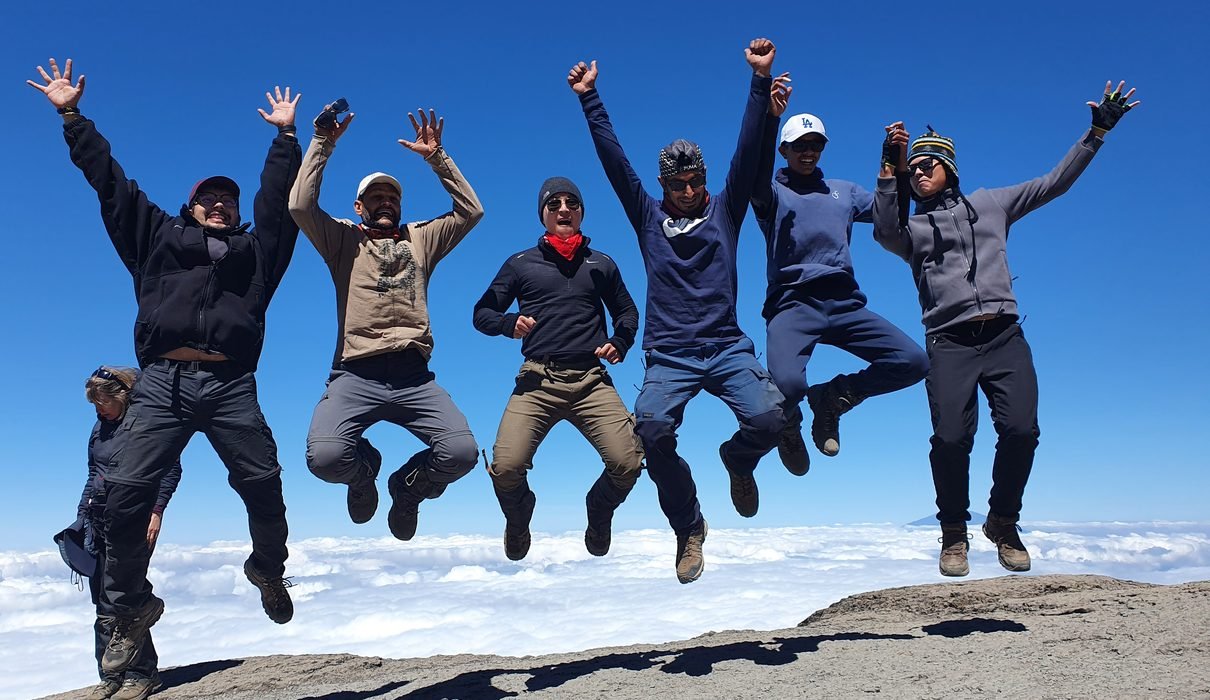
Climbing Mount Kilimanjaro is a dream for many people who have never climbed a mountain before. Standing at 5,895 metres (19,341 feet) above sea level, Kilimanjaro is the highest mountain in Africa and the world’s highest free-standing mountain above sea level. While its height may seem intimidating, reaching the summit does not normally require professional mountaineering experience, technical climbing skills or previous experience with ropes. Many ordinary travellers, office workers, business owners and outdoor enthusiasts attempt Kilimanjaro every year with proper preparation and professional mountain support.
If you are planning to climb Mount Kilimanjaro in 2027, 2028 or 2029, understanding what the mountain requires is an important part of preparing for your adventure. Choosing a suitable route, improving your physical fitness, allowing enough time for acclimatisation and travelling with experienced mountain guides can improve your chances of reaching Uhuru Peak safely. At Eddy Tours & Safaris, we help beginners and experienced trekkers organise Kilimanjaro climbing holidays according to their fitness levels, travel dates, budgets and personal preferences.
Can a Normal Person Climb Mount Kilimanjaro?
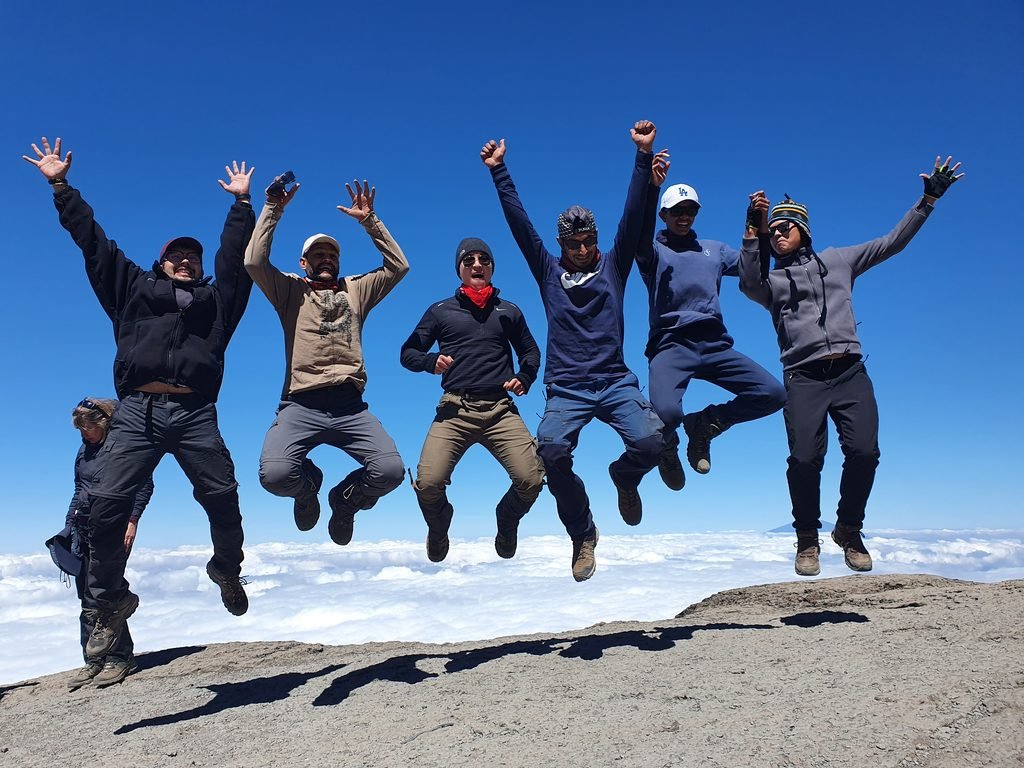
Yes, a person without mountaineering experience can climb Mount Kilimanjaro. Unlike many of the world’s highest mountains, Kilimanjaro is primarily a high-altitude trekking destination. Most established routes follow walking trails that take climbers through forests, open moorlands, rocky landscapes and eventually the cold summit region. Technical climbing equipment is not normally required on these routes, making the mountain accessible to people who have never participated in a mountaineering expedition.
However, being accessible does not mean that Kilimanjaro is easy. Climbers must be prepared to walk for several hours each day, sleep in unfamiliar conditions and cope with decreasing oxygen levels as they gain altitude. Even experienced athletes can struggle with altitude sickness, while beginners who prepare carefully and maintain a steady walking pace may adapt well to the mountain. Read more about climbing Mount Kilimanjaro without technical climbing experience before planning your expedition.
Why Mount Kilimanjaro Is Suitable for Non-Mountaineers
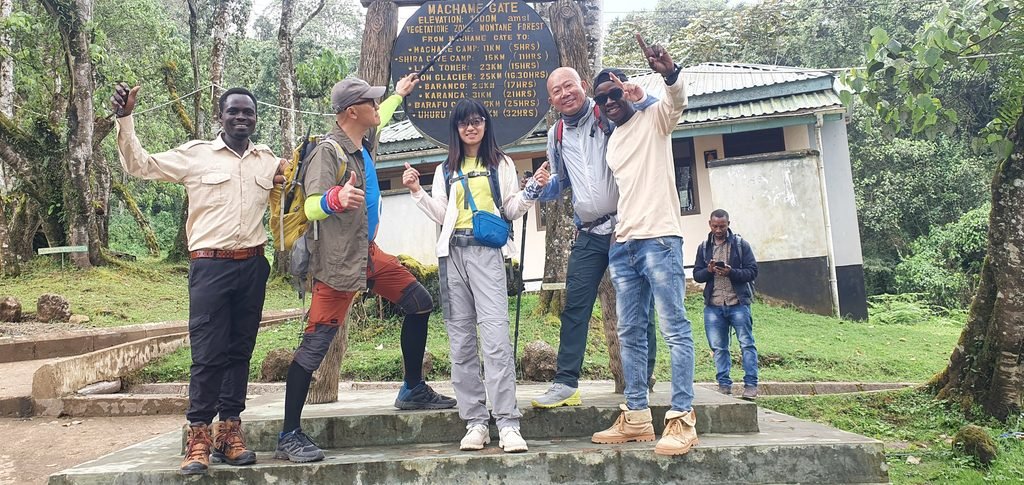
Kilimanjaro offers several advantages for people who want to experience a major mountain expedition without becoming professional climbers. Established trails, organised campsites, mountain huts, experienced guides and porter support allow visitors to concentrate on walking, resting and adjusting to altitude rather than carrying heavy expedition equipment or navigating unfamiliar mountain terrain independently.
Some of the reasons Kilimanjaro attracts first-time climbers include:
- No technical mountaineering experience required on standard routes.
- Professional mountain guides and supporting crew.
- Different climbing routes and trekking durations.
- Porters available to carry communal equipment and personal luggage within permitted limits.
- Meals prepared during the expedition.
- Established campsites and mountain huts.
- Private and group-joining climbing arrangements.
- Opportunities for gradual acclimatisation.
Travellers who are uncertain about their ability can also read this guide on whether beginners can climb Kilimanjaro to understand the preparation involved.
How Difficult Is Climbing Mount Kilimanjaro for Beginners?
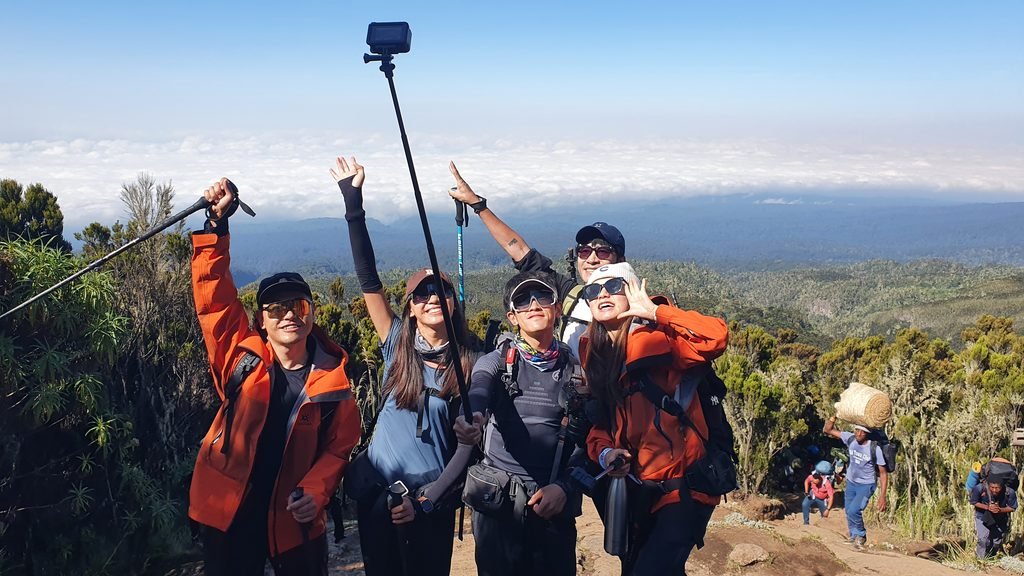
The difficulty of climbing Kilimanjaro depends on several factors, including the selected route, trekking duration, weather conditions, physical preparation and how well an individual responds to altitude. Most trekking days involve approximately four to eight hours of walking, although summit day can be considerably longer. The mountain becomes more demanding as climbers approach higher elevations, where breathing requires greater effort and temperatures become significantly colder.
For non-mountaineers, the greatest challenge is often not the steepness of the trail but the combination of altitude, tiredness, cold weather and limited sleep. Beginners should avoid treating the mountain as a competition. Walking slowly, eating regularly, drinking sufficient water and communicating openly with mountain guides are important habits throughout the expedition.
Best Kilimanjaro Climbing Routes for Beginners in 2027, 2028 & 2029
Choosing the right Kilimanjaro route is one of the most important decisions for a first-time climber. Although several routes lead to Uhuru Peak, they differ in trekking distance, accommodation, scenery, terrain and opportunities for acclimatisation. Beginners should generally consider longer itineraries rather than selecting the shortest route simply because it is cheaper.
8-Day Lemosho Route
The Lemosho Route is an excellent option for beginners who have enough time to spend eight days on the mountain. Starting from the western side of Kilimanjaro, the route passes through rainforest, the Shira Plateau and several high-altitude landscapes before approaching the summit through the southern circuit. Its extended itinerary provides additional opportunities for the body to adjust to increasing elevations, although altitude sickness remains possible.
The 8-Day Lemosho Route Kilimanjaro Climb is particularly suitable for first-time trekkers who prefer scenic surroundings, camping accommodation and a more gradual climbing programme.
7-Day Machame Route
The Machame Route is among the most popular routes on Mount Kilimanjaro because of its varied landscapes and impressive mountain views. The trail passes through rainforest, rocky valleys, moorlands and the well-known Barranco Wall before reaching the higher camps. While some sections are physically demanding, most of the route involves trekking rather than technical climbing.
The seven-day itinerary provides more acclimatisation time than the six-day alternative, making it generally preferable for beginners. Travellers can compare Machame with other options through our Kilimanjaro climbing routes guide.
6-Day Marangu Route
The Marangu Route is particularly attractive to travellers who are uncomfortable sleeping in tents. It is the only standard Kilimanjaro climbing route that provides mountain hut accommodation throughout the expedition. Climbers stay at Mandara, Horombo and Kibo huts before attempting the summit and returning along the same route.
Although Marangu has relatively straightforward walking trails, its shorter itineraries can make acclimatisation more difficult. Beginners should consider the 6-Day Marangu Route Kilimanjaro Trek, which includes an additional acclimatisation day at Horombo Hut.
7-Day Rongai Route
The Rongai Route approaches Kilimanjaro from the northern side, close to the Kenyan border. It generally receives less rainfall than some southern and western approaches and offers a quieter trekking experience. The landscapes include forest, open mountain terrain and impressive views of Mawenzi Peak.
The seven-day Rongai itinerary is worth considering for beginners who prefer less crowded trails and additional acclimatisation time. However, climbers should still prepare for long walking days and challenging conditions near the summit.
9-Day Northern Circuit Route
The Northern Circuit is one of the longest established Kilimanjaro climbing routes. It follows a gradual journey around the mountain’s northern slopes, offering extensive scenery and several opportunities for altitude adjustment. The longer trekking duration makes it an attractive choice for beginners who want to avoid rushing their expedition.
Although the Northern Circuit generally costs more because of the additional mountain days, it is worth considering for travellers who prioritise acclimatisation and have sufficient time for their holiday.
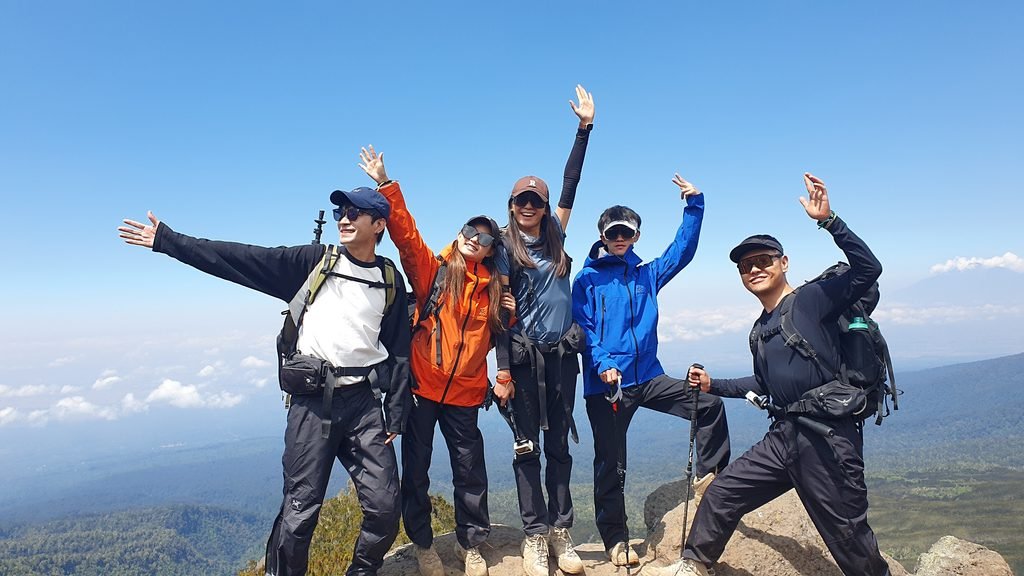
Kilimanjaro Routes Comparison for Non-Mountaineers
| Climbing Route | Recommended Duration | Physical Difficulty | Accommodation | Beginner Suitability |
|---|---|---|---|---|
| Lemosho | 8 days | Moderate to challenging | Camping | Highly recommended |
| Machame | 7 days | Challenging | Camping | Recommended |
| Marangu | 6 days | Moderate to challenging | Mountain huts | Recommended with preparation |
| Rongai | 7 days | Moderate to challenging | Camping | Recommended |
| Northern Circuit | 9 days | Moderate to challenging | Camping | Highly recommended |
| Umbwe | 6–7 days | Very challenging | Camping | Generally not recommended |
All Kilimanjaro routes become physically demanding at higher elevations. Selecting a longer itinerary may improve acclimatisation opportunities, but no route guarantees that a climber will reach the summit.
How to Prepare for Kilimanjaro Without Mountain Climbing Experience
First-time climbers should ideally begin preparing at least three to six months before travelling to Tanzania. People who are not physically active may require a longer preparation period. Training should concentrate on improving endurance, strengthening the legs and developing the ability to walk comfortably for several consecutive days rather than focusing only on short, intense gym workouts.
Regular walking, hill climbing, stair climbing, cycling and swimming can help improve general fitness. Where possible, practise walking on uneven terrain while wearing the hiking boots and carrying the daypack you intend to use on Kilimanjaro. This allows you to identify uncomfortable equipment and develop confidence before arriving in Tanzania.
Suggested 12-Week Kilimanjaro Training Programme
| Training Period | Recommended Activities |
|---|---|
| Weeks 1–2 | Regular walking for 30–45 minutes and light strength exercises |
| Weeks 3–4 | Walking for 60 minutes, stair climbing and moderate cardio exercises |
| Weeks 5–6 | Two-hour hikes, hill walking and leg-strengthening exercises |
| Weeks 7–8 | Three-hour hikes while carrying a light backpack |
| Weeks 9–10 | Four-to-six-hour hikes and consecutive walking days |
| Week 11 | Longer practice hikes using your mountain equipment |
| Week 12 | Reduce training intensity, rest and prepare for travel |
The programme should be adjusted according to individual fitness and health conditions. Avoid increasing exercise intensity too quickly, as injuries before departure can affect your entire climbing holiday. Additional advice is available in this Kilimanjaro climbing preparation guide.
Understanding Altitude Sickness on Mount Kilimanjaro
Altitude sickness is one of the main concerns for anyone climbing Mount Kilimanjaro, regardless of their age, fitness or previous mountain experience. As elevation increases, atmospheric pressure decreases, reducing the oxygen available with each breath. The body needs time to adjust to these conditions through a process known as acclimatisation.
Some climbers experience headaches, nausea, dizziness, unusual tiredness, loss of appetite or difficulty sleeping. These symptoms should never be ignored or hidden from mountain guides. Continuing to ascend while experiencing altitude sickness can make the condition worse and may result in serious medical complications.
How Beginners Can Reduce the Risk of Altitude Sickness
- Choose a climbing itinerary with sufficient acclimatisation days.
- Maintain a slow and comfortable walking pace.
- Follow the advice of professional mountain guides.
- Drink according to hydration needs and avoid overhydration.
- Eat regularly to maintain energy levels.
- Avoid alcohol during the expedition.
- Report unusual symptoms immediately.
- Do not ascend further while experiencing altitude sickness.
- Discuss altitude medication with a qualified medical professional before travelling.
Severe symptoms, including confusion, difficulty walking or breathlessness at rest, require urgent medical attention and descent. Reaching the summit should never take priority over personal safety.
Best Time to Climb Mount Kilimanjaro in 2027, 2028 & 2029
Mount Kilimanjaro can be climbed throughout the year, but some months generally provide more favourable trekking conditions than others. Beginners often prefer the drier months because walking trails are usually less slippery, visibility may be better and there is a lower likelihood of prolonged rainfall. Nevertheless, weather conditions on Kilimanjaro can change rapidly during any season.
January to March
January and February are popular months for climbing Kilimanjaro because they often provide relatively dry conditions and good mountain visibility. March can also offer suitable trekking opportunities, particularly earlier in the month, although rainfall generally increases as the long rainy season approaches.
June to October
June through October is another popular climbing period, with July, August and September attracting many international travellers. These months generally experience drier conditions, making them suitable for beginners who want to reduce the likelihood of trekking through heavy rainfall. Higher elevations remain cold, especially during the night and summit ascent.
April, May and November
April and May are generally associated with the long rainy season, while November often experiences shorter seasonal rains. Climbing remains possible, but beginners should prepare for muddy trails, wet clothing, reduced visibility and more demanding trekking conditions.
| Month | Typical Conditions | Beginner Recommendation |
|---|---|---|
| January | Relatively dry | Recommended |
| February | Relatively dry | Recommended |
| March | Increasing rainfall | Early March preferable |
| April | Frequent rainfall | Less suitable |
| May | Wet conditions | Less suitable |
| June | Drier and cooler | Recommended |
| July | Dry and cold at altitude | Highly recommended |
| August | Generally dry | Highly recommended |
| September | Generally dry | Highly recommended |
| October | Mostly dry | Recommended |
| November | Short seasonal rains | Possible with preparation |
| December | Variable conditions | Suitable with preparation |
What Should Beginners Pack for Mount Kilimanjaro?
Packing correctly can make a considerable difference to your comfort during the expedition. Kilimanjaro has several climatic zones, ranging from warm and humid rainforest to freezing summit conditions. Clothing should therefore be selected using a layering system that allows climbers to adjust their clothing as temperatures change throughout the day.
Essential Kilimanjaro Packing List
Clothing
- Waterproof and windproof jacket.
- Waterproof trekking trousers.
- Thermal base layers.
- Fleece jacket.
- Insulated winter jacket.
- Comfortable hiking trousers.
- Moisture-wicking shirts.
- Warm gloves and glove liners.
- Warm hat and sun hat.
- Thermal hiking socks.
Footwear and trekking equipment
- Comfortable, broken-in hiking boots.
- Lightweight camp shoes.
- Trekking poles.
- Headlamp with spare batteries.
- Daypack of approximately 25–35 litres.
- Waterproof luggage protection.
- Suitable cold-weather sleeping bag.
- Water bottles or hydration system.
Personal items
- Sunscreen and lip protection.
- Sunglasses with UV protection.
- Personal hygiene products.
- Personal medication.
- Quick-energy snacks.
- Travel documents and insurance details.
- Small personal first-aid kit.
- Reusable waterproof bags.
Before purchasing expensive equipment, check which items are available for rental through your mountain operator. You can also consult this detailed Kilimanjaro equipment and preparation guide when preparing your luggage.
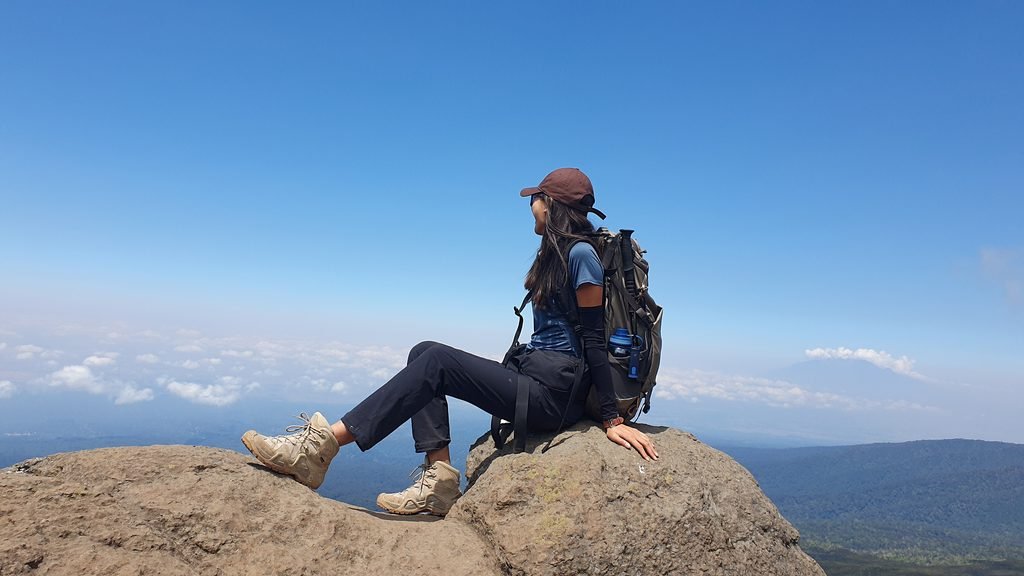
What Happens During a Typical Day on Kilimanjaro?
A normal trekking day begins with breakfast at the campsite or mountain hut, followed by preparations for the day’s walk. The mountain guides explain the expected trekking conditions, walking duration and destination before the group begins moving. Climbers carry their personal daypacks containing water, snacks, extra clothing and other essential items, while porters transport the larger bags and communal camping equipment.
Walking is usually broken into manageable sections with opportunities to rest, take photographs, drink water and enjoy the surrounding scenery. After reaching the next campsite, climbers have time to rest, change clothes and enjoy meals prepared by the mountain crew. Depending on the itinerary, an afternoon acclimatisation walk may be organised before dinner and an early night’s sleep.
What Is Summit Night Like for First-Time Climbers?
Summit night is often the most demanding stage of the Kilimanjaro expedition. Climbers usually leave their high camp during the night and begin ascending towards the crater rim under cold and dark conditions. Walking becomes slower as altitude increases, and the combination of freezing temperatures, tiredness and reduced oxygen makes this stage particularly challenging.
The mountain guides carefully monitor the group and encourage climbers to maintain a manageable pace. Depending on the route, participants may reach Stella Point or Gilman’s Point before continuing towards Uhuru Peak, the highest point in Africa. After reaching the summit, climbers must still descend to a lower elevation, making summit day one of the longest and most physically demanding days of the entire expedition.
How Much Does It Cost to Climb Kilimanjaro in 2027, 2028 & 2029?
The cost of climbing Mount Kilimanjaro depends on the selected route, number of mountain days, group size, accommodation before and after the climb, equipment requirements and the level of service provided. Longer routes generally cost more because they involve additional national park fees, meals and mountain crew expenses.
The following figures provide approximate planning estimates per person for standard guided expeditions, excluding international flights.
| Climbing Package | Estimated Price Per Person |
|---|---|
| 6-Day Marangu Route | USD 1,600–2,400 |
| 7-Day Machame Route | USD 1,900–2,800 |
| 7-Day Rongai Route | USD 1,900–2,900 |
| 8-Day Lemosho Route | USD 2,100–3,200 |
| 9-Day Northern Circuit | USD 2,500–3,800 |
These are indicative prices rather than confirmed Eddy Tours & Safaris quotations. Actual costs for 2027, 2028 and 2029 may change depending on national park fees, group arrangements and operational expenses. Travellers should request a personalised quotation before confirming their booking.
You can explore available options through our Kilimanjaro climbing tours and group-joining packages.
Standard Kilimanjaro Climbing Package Inclusions and Exclusions
Before booking your Kilimanjaro expedition, it is important to understand exactly what is covered by the advertised price. A complete climbing package should clearly explain mountain services, transportation, accommodation, government fees and any additional personal expenses.
Typical Package Inclusions
- Kilimanjaro National Park entrance fees.
- Camping or mountain hut fees.
- Applicable mountain rescue fees.
- Professional mountain guides.
- Mountain porters and cooks.
- Meals during the mountain expedition.
- Treated drinking water during the climb.
- Camping equipment where applicable.
- Transportation to and from the mountain gates.
- Pre-climbing briefing and equipment inspection.
- Routine health monitoring during the expedition.
- Official climbing certificate for qualifying climbers.
Typical Package Exclusions
- International and domestic flights.
- Tanzania visa fees.
- Personal travel and medical insurance.
- Personal trekking equipment and clothing.
- Mountain crew gratuities.
- Personal medication and expenses.
- Additional hotel nights.
- Optional wildlife safaris and Zanzibar holidays.
- Emergency evacuation expenses not covered by applicable arrangements or insurance.
Airport transfers and hotel accommodation before and after the climb may be included depending on the selected package. All inclusions and exclusions should be confirmed in writing before booking.
Private Kilimanjaro Climbing vs Group Joining for Beginners
Beginners can choose between private climbing expeditions and scheduled group-joining departures. A private climb offers greater flexibility when selecting travel dates, routes and personal arrangements. It can be particularly suitable for couples, families and travellers who prefer climbing with people they already know.
Group-joining expeditions are often attractive to solo travellers and individuals looking to share the experience with other climbers while reducing certain expedition costs. Meeting people from different countries can also provide encouragement during challenging stages of the climb.
Travellers who prefer shared mountain accommodation can consider our 6-Day Marangu Route Group Climb for 2027, 2028 and 2029, subject to confirmed departure availability.
Common Mistakes Beginners Make When Climbing Kilimanjaro
Many first-time climbers underestimate the importance of preparation because Kilimanjaro does not normally require technical climbing skills. Others spend considerable time improving their fitness but overlook the importance of acclimatisation, suitable clothing and choosing a reliable mountain operator.
The most common mistakes include:
- Selecting the shortest route to save money.
- Beginning physical preparation too late.
- Walking too quickly during the first few days.
- Purchasing hiking boots immediately before departure.
- Underestimating cold weather near the summit.
- Ignoring symptoms of altitude sickness.
- Carrying unnecessary equipment in the daypack.
- Arriving in Tanzania without sufficient rest.
- Travelling without appropriate high-altitude insurance.
- Continuing towards the summit despite medical concerns.
Avoiding these mistakes can improve your overall mountain experience. Even if you have no previous climbing experience, careful planning and realistic expectations can help you approach Kilimanjaro with greater confidence.
Combining Kilimanjaro Climbing with a Tanzania Safari or Zanzibar Holiday
After completing a Kilimanjaro expedition, many travellers choose to spend additional days exploring Tanzania. A wildlife safari provides an opportunity to visit destinations such as Serengeti National Park, Ngorongoro Crater, Tarangire National Park and Lake Manyara National Park. These destinations offer excellent wildlife viewing and a different travel experience after several demanding days on the mountain.
Alternatively, visitors can travel to Zanzibar for a relaxing beach holiday, enjoying the Indian Ocean, historical streets of Stone Town, spice plantations and coastal activities. Through Eddy Tours & Safaris, travellers can arrange a combined Kilimanjaro climbing, Tanzania wildlife safari and Zanzibar beach holiday according to their available time and budget.
Frequently Asked Questions About Climbing Kilimanjaro for Non-Mountaineers
Can I climb Kilimanjaro with no previous mountain climbing experience?
Yes. Previous technical climbing experience is not normally required on the standard routes. However, you should prepare physically, understand the risks associated with altitude and select a suitable climbing itinerary with experienced mountain guides.
What is the easiest Kilimanjaro route for beginners?
There is no completely easy route to Uhuru Peak. The Marangu Route has relatively straightforward trails and mountain huts, while longer Lemosho and Northern Circuit itineraries provide more opportunities for acclimatisation.
Can I climb Kilimanjaro without training?
Attempting Kilimanjaro without physical preparation is not recommended. Regular exercise and walking practice help prepare your body for consecutive trekking days. Read more about climbing Kilimanjaro without training before making your decision.
Do I need ropes to climb Mount Kilimanjaro?
No. Standard Kilimanjaro trekking routes do not normally require ropes, harnesses or technical rock-climbing equipment. Some sections may require scrambling and using your hands for balance.
How many days should a beginner spend climbing Kilimanjaro?
Seven to nine days on the mountain is generally a sensible option for beginners, particularly those who have never experienced high-altitude trekking. Longer itineraries provide additional opportunities for altitude adjustment.
Can overweight people climb Mount Kilimanjaro?
Body weight alone does not determine whether someone can climb Kilimanjaro. General health, physical endurance, mobility and altitude tolerance are important considerations. Travellers with health concerns should consult a qualified medical professional before booking.
Can someone over 50 or 60 climb Kilimanjaro?
Yes, many people in their fifties, sixties and beyond undertake Kilimanjaro expeditions. Physical preparation, medical suitability and selecting an appropriate itinerary are more important than age alone.
Is climbing Kilimanjaro safe for beginners?
Kilimanjaro involves genuine risks associated with altitude, cold weather, exhaustion and falls. These risks can be reduced through appropriate preparation, professional mountain support, gradual ascent and responsible safety decisions.
Do beginners need travel insurance for Kilimanjaro?
Yes. Travellers should obtain insurance that specifically covers trekking up to 5,895 metres, emergency medical treatment and evacuation. Standard holiday insurance may not provide adequate high-altitude coverage.
Can I climb Kilimanjaro as a solo traveller?
Yes. Solo travellers can book private guided expeditions or join organised climbing groups. Independent climbing without the required mountain guide arrangements is not permitted.
How early should I book Kilimanjaro for 2027, 2028 or 2029?
Booking six to twelve months in advance can provide sufficient time for physical preparation, flight arrangements, equipment purchases and selecting suitable departure dates. Earlier enquiries are particularly useful for popular climbing months.
Is reaching Uhuru Peak guaranteed?
No responsible mountain climbing operator can guarantee that every participant will reach Uhuru Peak. Weather conditions, altitude sickness, physical health and individual circumstances can affect the outcome of an expedition.
Book Your Kilimanjaro Climb for 2027, 2028 & 2029 with Eddy Tours & Safaris
You do not need to be a professional mountaineer to experience Africa’s highest mountain. With appropriate physical preparation, realistic expectations, a suitable climbing itinerary and experienced mountain support, Kilimanjaro can be an achievable goal for many first-time trekkers. The most important decision is choosing an expedition that gives you sufficient time to adjust to altitude while enjoying the journey through Tanzania’s remarkable mountain landscapes.
Eddy Tours & Safaris is a local tour company based in Arusha, Tanzania, arranging private and group-joining Kilimanjaro climbing expeditions. Whether you are considering the Lemosho, Machame, Marangu, Rongai or Northern Circuit route, our team can help you compare available options and prepare a climbing programme according to your travel dates, experience and budget.
Visit our 2027 Kilimanjaro climbing guide or explore additional mountain information at Kilimanjaro Climbing Specialist to begin preparing for your adventure.
Contact Eddy Tours & Safaris
Website: www.eddytours-safaris.com
Email: sales@eddytours-safaris.com
Location: Arusha, Tanzania
Available climbing years: 2027, 2028 and 2029, subject to confirmed arrangements.
Start preparing early, choose the right route and give yourself enough time to experience Mount Kilimanjaro responsibly.