
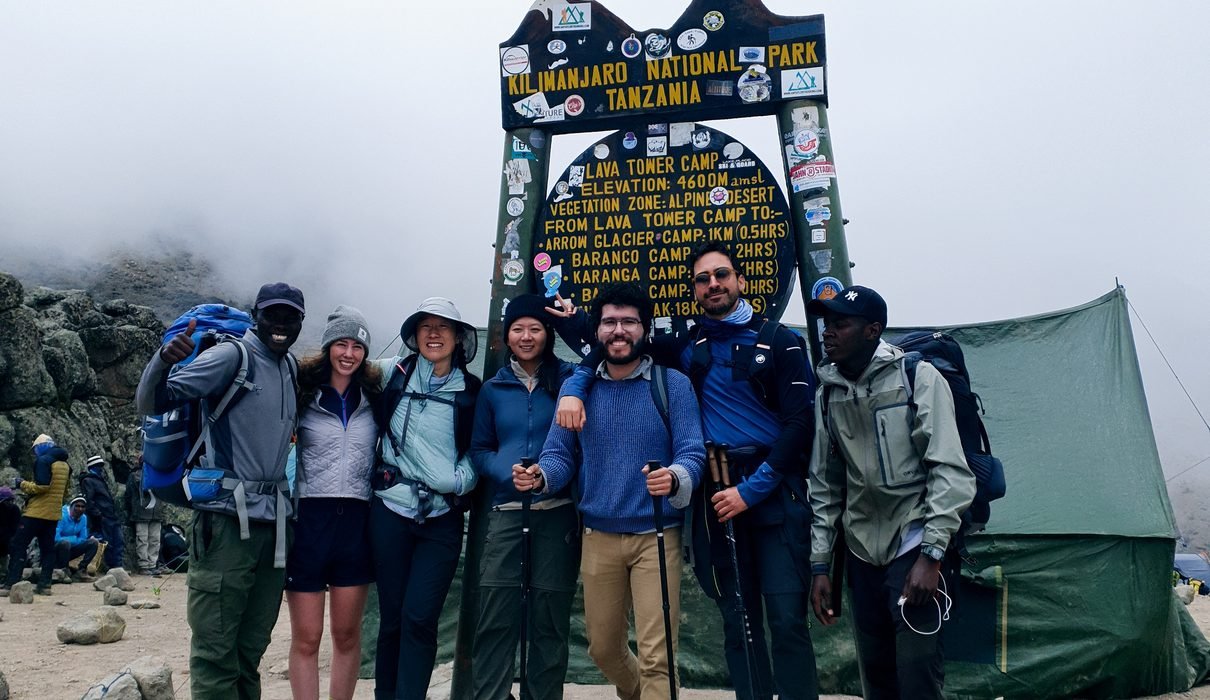
Climbing Mount Kilimanjaro is one of the most remarkable hiking experiences in Africa, but reaching its summit requires more than enthusiasm and a pair of hiking boots. Rising 5,895 metres (19,341 feet) above sea level in northern Tanzania, Kilimanjaro is the highest mountain in Africa and one of the world’s best-known trekking destinations. Every year, travelers arrive in Tanzania hoping to reach Uhuru Peak, but the journey involves several days of walking, changing weather conditions, high-altitude challenges, and careful preparation before the expedition begins.
If you are planning to climb Kilimanjaro in 2027 or 2028, preparing early can make a significant difference to your comfort, confidence, and ability to manage the mountain’s physical demands. Unlike an ordinary day hike, Kilimanjaro requires you to walk for several consecutive days while gradually ascending through rainforest, moorland, alpine desert, and the cold summit environment. The higher you climb, the more challenging physical activity becomes because the available oxygen decreases with altitude.
One of the most common mistakes travelers make is focusing entirely on reaching Uhuru Peak without paying enough attention to the preparation required along the way. Some climbers choose very short itineraries, arrive without suitable equipment, or underestimate the importance of acclimatization. Others train extensively but do not understand that physical fitness alone cannot prevent altitude sickness. A successful climbing experience depends on selecting a suitable route, preparing your body, understanding the health risks, bringing appropriate equipment, and working with a responsible mountain operator.
At Eddy Tours & Safaris, we help travelers organize guided Kilimanjaro expeditions, including route selection, mountain arrangements, and practical advice before departure. This guide explains the five essential preparations every climber should consider before attempting Mount Kilimanjaro in 2027 or 2028, whether you are planning your first high-altitude trek or returning to Tanzania for another mountain adventure.
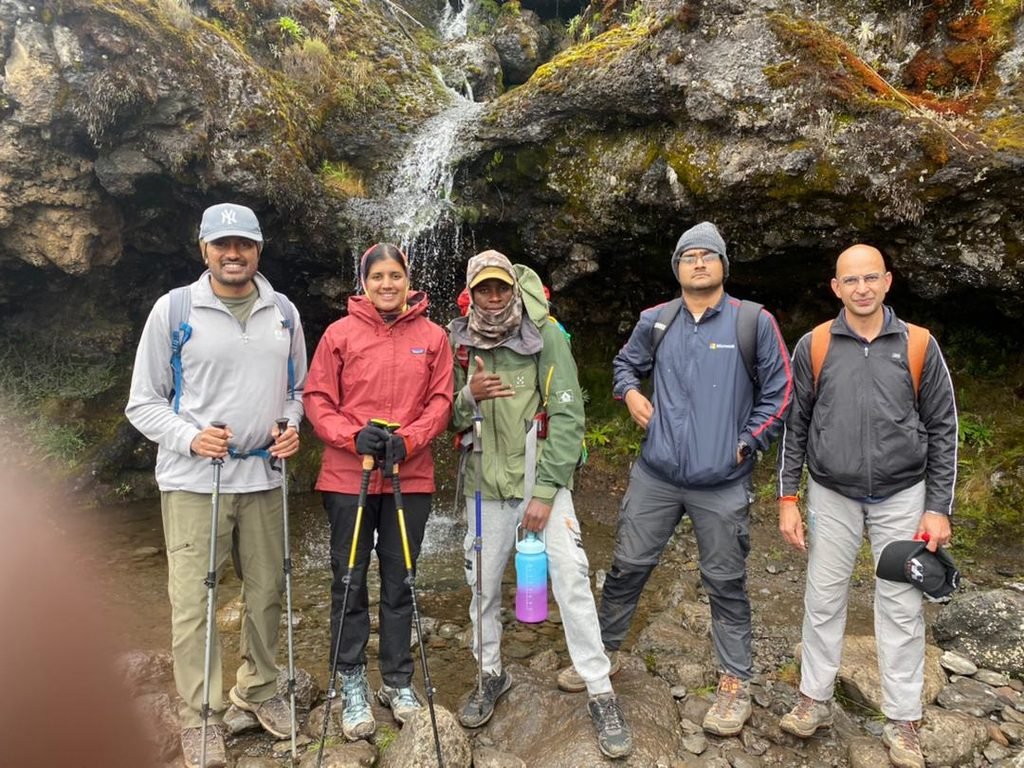
Why Is Preparation Important Before Climbing Kilimanjaro?
Mount Kilimanjaro is often described as a trekking mountain because its standard routes generally do not require technical mountaineering skills under suitable conditions. However, this does not mean the climb is easy. The mountain reaches an extreme elevation, and climbers must cope with long walking days, steep sections, rocky trails, cold nights, and the possibility of altitude-related illness. Summit day is particularly demanding because it often begins around midnight and may involve more than twelve hours of walking before reaching the next camp.
Proper preparation helps climbers understand what to expect and reduces avoidable problems during the expedition. Well-tested hiking boots can prevent unnecessary foot discomfort, suitable clothing can protect against changing temperatures, and regular training can make consecutive trekking days more manageable. Equally important, a carefully selected route can provide additional time for acclimatization, allowing the body a better opportunity to adjust to reduced oxygen availability.
Preparation also involves realistic expectations. Not everyone who attempts Kilimanjaro reaches Uhuru Peak, and a responsible guide may recommend stopping the ascent or descending when a climber develops concerning symptoms. Reaching the summit is an important goal, but returning safely is always more important than completing the itinerary.
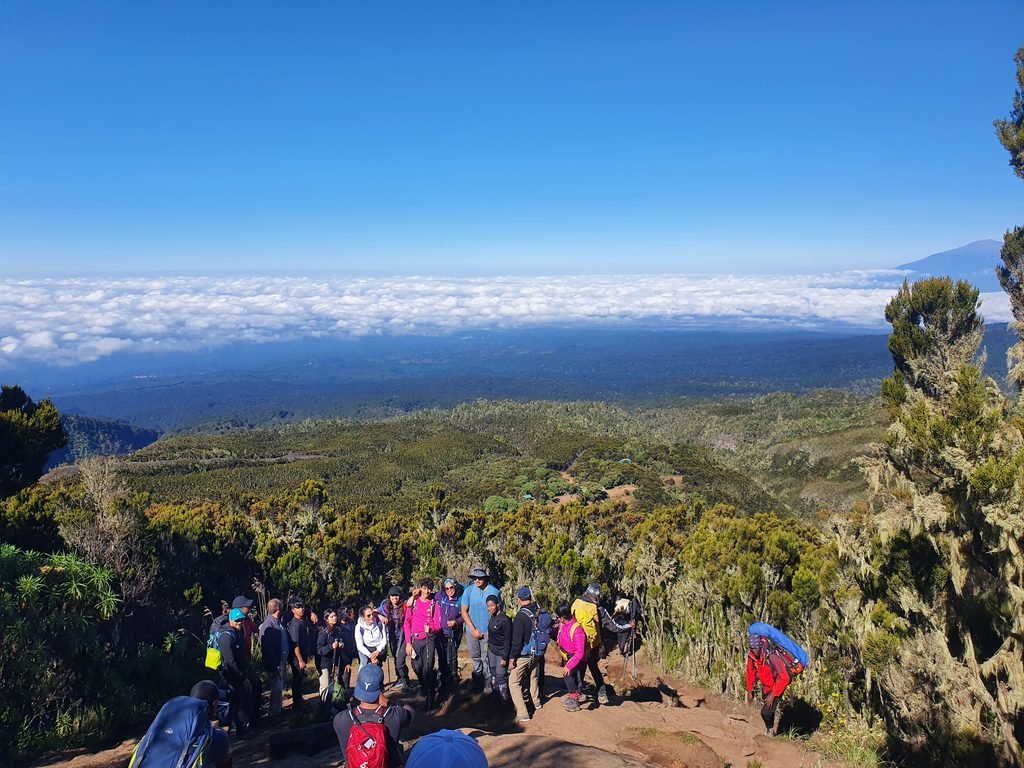
1. Choose the Right Kilimanjaro Climbing Route and Duration
Choosing a suitable climbing route is one of the most important decisions you will make when planning Kilimanjaro. The mountain has several established trekking approaches, including Machame, Lemosho, Marangu, Rongai, Northern Circuit, Umbwe, and Shira. Each route offers different scenery, trekking distances, sleeping elevations, accommodation arrangements, and acclimatization opportunities. Selecting the shortest or cheapest option without considering these differences can result in a more demanding expedition than expected.
For many first-time climbers, the eight-day Lemosho Route and nine-day Northern Circuit are strong options because they provide additional time on the mountain. Lemosho begins on the western slopes and passes through rainforest and the Shira Plateau before joining the southern circuit. The Northern Circuit follows a longer journey around Kilimanjaro’s northern slopes, offering quieter sections and a gradual itinerary. Both routes are attractive for travelers who can dedicate more time to the expedition and want to prioritize acclimatization.
The Machame Route is another popular choice because of its changing landscapes and famous landmarks, including Lava Tower and Barranco Wall. Although six-day Machame itineraries are available, the seven-day version is generally preferable because it includes an additional overnight stay at Karanga Camp. Rongai approaches from the north near the Tanzania–Kenya border and may suit travelers interested in a different mountain environment. Marangu is known for its hut accommodation, but its shorter itineraries can provide limited time for acclimatization.
Umbwe is one of the steepest established routes and is generally better suited to experienced trekkers who understand the demands of rapid elevation gain. Travelers should be especially cautious about compressed five-day itineraries, which provide limited opportunities for altitude adjustment. When comparing routes for 2027 or 2028, consider your fitness, previous hiking experience, available time, and tolerance for mountain camping rather than relying only on advertised summit success percentages.
Kilimanjaro Route Comparison for 2027 and 2028
| Climbing route | Common duration | Main characteristics | General recommendation |
|---|---|---|---|
| Lemosho | 7–8 days | Scenic western approach and varied landscapes | Eight days for better acclimatization opportunities |
| Northern Circuit | 8–9 days | Long itinerary around the northern slopes | Nine days for travelers with sufficient time |
| Machame | 6–7 days | Scenic route with Barranco Wall | Seven days generally preferable |
| Rongai | 6–8 days | Northern approach near the Kenyan border | Seven or eight days |
| Marangu | 5–6 days | Established mountain hut accommodation | Six days preferable to five |
| Umbwe | 5–7 days, depending on itinerary | Steep and physically demanding approach | Longer itinerary; experienced trekkers |
| Shira | 7–8 days | Western approach with a high starting elevation | Requires careful altitude planning |
A longer itinerary does not guarantee summit success, but it can provide more time for acclimatization. Before booking, ask your tour operator to explain the daily elevation gains, overnight camps, and opportunities for adjusting to altitude.
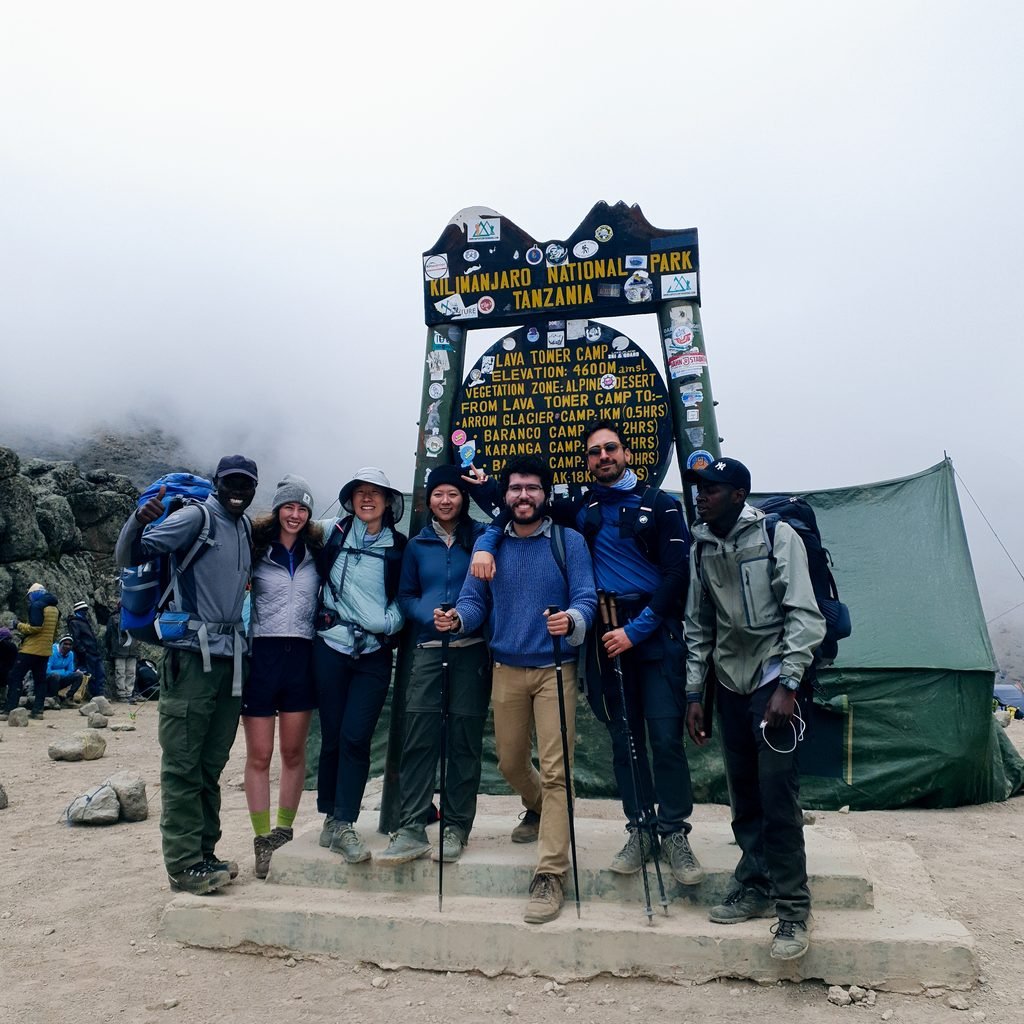
2. Start Physical Training Several Months Before Your Climb
Physical preparation is essential because climbing Kilimanjaro involves walking for several consecutive days, often on steep or uneven terrain. Although you do not need to be a professional athlete, you should be comfortable hiking for several hours while carrying a daypack. The challenge is not simply reaching a particular distance on one day but maintaining enough energy to continue walking throughout the expedition, including the demanding summit ascent and long descent afterward.
For many beginners, starting a structured training program three to six months before departure is a practical approach. The exact preparation period depends on your current fitness, hiking experience, and the route you have selected. Someone who regularly hikes in mountainous terrain may require a different training schedule from a traveler who spends most of the day working at a desk. The important thing is to increase your activity gradually rather than attempting difficult workouts immediately before traveling.
Walking and hiking should form the foundation of your training. Begin with comfortable distances and gradually increase the duration, elevation gain, and difficulty of your walks. Hill hiking is particularly useful because Kilimanjaro involves sustained uphill sections, while downhill training helps prepare your legs for the long descent after summit day. If you live in an area without mountains, stair climbing, treadmill incline walking, and repeated walks on hilly terrain can help develop the necessary endurance.
Cardiovascular exercises such as cycling, swimming, and jogging can support your overall fitness, while strength training helps prepare the legs, hips, and core for repeated trekking days. Exercises such as step-ups, squats, lunges, and controlled downhill movements can be useful when performed with appropriate technique. However, training should include rest and recovery, because injuries or exhaustion shortly before the expedition can interfere with your travel plans.
Suggested 12-Week Kilimanjaro Training Plan
| Training period | Main focus | Suggested activities |
|---|---|---|
| Weeks 1–4 | Build basic endurance | Regular walks, moderate cardio, light strength training |
| Weeks 5–8 | Increase hiking capacity | Longer hill walks, stair climbing, leg and core exercises |
| Weeks 9–10 | Practice mountain-style trekking | Longer hikes with a daypack, varied terrain and elevation gain |
| Week 11 | Maintain fitness | Moderate hikes, equipment testing and recovery |
| Week 12 | Reduce training intensity | Light activity, rest and final travel preparation |
This is a general example rather than a personalized exercise prescription. Training intensity should reflect your current fitness and any medical advice you have received.
Practice Hiking with Your Kilimanjaro Daypack
During the climb, porters generally transport the main expedition equipment while climbers carry personal daypacks. Your daypack may contain water, snacks, waterproof clothing, warm layers, sunscreen, medication, and other essential items. Practicing with a similar pack before departure helps you become comfortable with the weight and allows you to adjust the shoulder straps and waist belt.
It is also important to test your hiking boots during longer walks rather than wearing them for the first time on Kilimanjaro. Foot discomfort can become a major problem during a multi-day expedition, particularly when descending steep trails. Training hikes provide an opportunity to identify problems with footwear, socks, clothing, and equipment before arriving in Tanzania.
3. Understand Altitude Sickness and Prepare for Acclimatization
Altitude acclimatization is one of the most important aspects of climbing Kilimanjaro. As you ascend, atmospheric pressure decreases, reducing the amount of oxygen available to your body with each breath. This can make walking feel increasingly difficult and may cause altitude-related symptoms even in climbers who are physically strong and well trained. Because Kilimanjaro rises to 5,895 metres, understanding these risks before departure is essential.
Acute mountain sickness can cause headaches, nausea, dizziness, poor appetite, unusual fatigue, and difficulty sleeping. Symptoms may develop during the ascent and can worsen if a climber continues gaining altitude without sufficient adjustment. More serious altitude illnesses can affect the brain or lungs and may produce warning signs such as confusion, difficulty walking normally, or breathlessness at rest. These conditions require urgent attention and may make immediate descent necessary.
The most important preparation is choosing an itinerary that allows adequate acclimatization opportunities. Longer routes such as eight-day Lemosho and nine-day Northern Circuit generally provide more time at intermediate elevations than shorter climbs. Some itineraries also include stages where climbers ascend to a higher point during the day before returning to sleep at a lower elevation, such as the Lava Tower to Barranco section of Machame. However, this approach does not remove the risk of altitude sickness, and the complete elevation profile must still be considered.
Before traveling, consult a qualified healthcare professional, particularly if you have an existing medical condition, take regular medication, or have experienced altitude-related problems in the past. A clinician familiar with high-altitude travel can discuss your personal risk and whether preventive medication such as acetazolamide is appropriate. Medication should never be treated as a substitute for a sensible ascent schedule or professional medical assessment.
Important Altitude Safety Practices
- Choose a route with suitable acclimatization time rather than rushing to the summit.
- Walk at the pace recommended by your mountain guide.
- Eat regularly and maintain appropriate hydration without forcing excessive water intake.
- Report headaches, nausea, dizziness, or unusual fatigue promptly.
- Never continue ascending with worsening altitude illness.
- Follow the guide’s emergency instructions and descend when medically necessary.
- Obtain travel insurance appropriate for high-altitude trekking and emergency evacuation.
The objective is to enjoy the climb while responding responsibly to your body’s condition. No summit achievement is worth ignoring potentially serious medical symptoms.
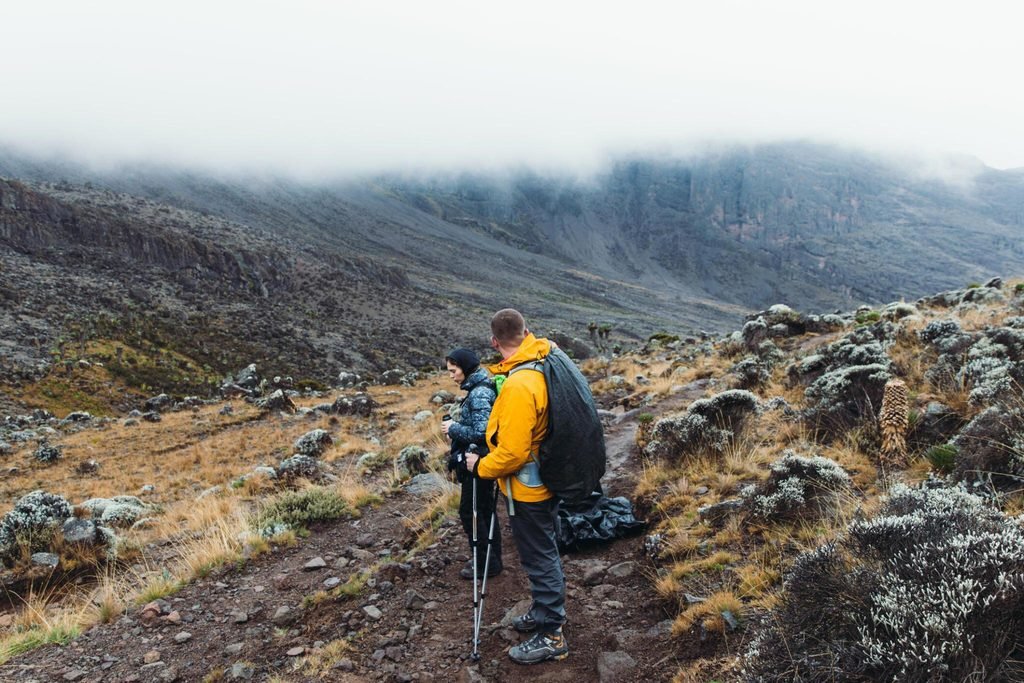
4. Prepare the Right Kilimanjaro Clothing and Hiking Equipment
Mount Kilimanjaro passes through several ecological zones, and climbers may experience very different weather conditions during the same expedition. The lower rainforest can be warm, humid, and wet, while the higher camps are colder and more exposed. Near the summit, temperatures can fall well below freezing, particularly when strong winds are present. Preparing the right equipment is therefore essential for comfort and safety throughout the climb.
A layered clothing system is one of the most practical approaches. Moisture-wicking base layers help manage perspiration, insulating mid-layers provide warmth, and waterproof outer layers protect against rain and wind. A substantial insulated jacket is especially important for cold evenings and summit night, when climbers may spend several hours walking in freezing conditions. Warm gloves, thermal trousers, suitable headwear, and a neck covering also help protect against the cold.
Footwear deserves particular attention because Kilimanjaro involves long walking days on varied terrain. Waterproof hiking boots with good ankle support and reliable grip are commonly recommended, although the most important consideration is a comfortable fit suited to your feet and the conditions. Boots should be tested during training hikes, and suitable hiking socks should be included in your packing preparations.
Other important equipment includes trekking poles, a comfortable daypack, a headlamp with spare power, sunglasses, sunscreen, a reusable water-carrying system, and a sleeping bag appropriate for freezing mountain conditions. The exact equipment requirements may vary by season and tour arrangements, so it is important to request a detailed packing list from your operator before departure.
Essential Kilimanjaro Packing Checklist
| Equipment category | Recommended items |
|---|---|
| Footwear | Waterproof hiking boots, hiking socks, camp footwear |
| Base clothing | Moisture-wicking shirts, thermal tops and trousers |
| Insulation | Fleece or insulated mid-layer, warm summit jacket |
| Weather protection | Waterproof jacket and trousers |
| Summit protection | Warm gloves, insulated hat, neck covering |
| Trekking equipment | Daypack, trekking poles, headlamp |
| Sleeping equipment | Suitable cold-weather sleeping bag |
| Personal essentials | Sunglasses, sunscreen, lip balm, toiletries |
| Health and safety | Personal medication, basic first-aid supplies, travel insurance details |
| Water and nutrition | Suitable water containers and preferred trekking snacks |
Should You Buy or Rent Kilimanjaro Equipment?
Not every climber needs to purchase an entirely new collection of mountain equipment. Some items, including sleeping bags, insulated jackets, and trekking poles, may be available for rental in Moshi, depending on local supplier availability and the arrangements made with your tour operator. Renting selected items can be practical for travelers who do not regularly hike in cold mountain environments.
However, personal footwear is generally best purchased and tested before departure. Hiking boots should fit comfortably and be suitable for several consecutive days of walking. Regardless of whether equipment is purchased or rented, confirm its condition, fit, and suitability before beginning the expedition.
5. Organize Your Kilimanjaro Booking, Travel Documents and Mountain Arrangements
The final essential preparation is organizing the practical details of your Kilimanjaro expedition. A successful trip requires more than choosing a route and purchasing equipment. Travelers must consider international flights, entry requirements, travel insurance, airport transfers, accommodation before and after the climb, and the services included in the mountain package. Preparing these arrangements early can reduce unnecessary complications when you arrive in Tanzania.
Most international travelers visiting Kilimanjaro arrive through Kilimanjaro International Airport, which serves the Moshi and Arusha areas. Moshi is a common departure town for Kilimanjaro expeditions because of its proximity to several mountain access routes. Arriving at least one day before the climb is useful for attending a pre-climb briefing, checking equipment, meeting the mountain team, and resting after international travel.
Travelers should verify the entry requirements applicable to their nationality, including passport validity and whether a Tanzania visa is required. Requirements can change, so official government information should be checked before departure. You should also arrange travel insurance that explicitly covers trekking at Kilimanjaro’s altitude and includes appropriate emergency medical assistance and evacuation arrangements.
Choosing a responsible climbing company is another important part of preparation. Ask for a detailed itinerary showing daily trekking stages, mountain camps, accommodation arrangements, included services, and the total price. A reliable operator should also explain its mountain safety procedures, guide arrangements, porter support, and what happens if a climber develops altitude-related symptoms or needs to descend.
What Should Be Included in Your Kilimanjaro Climbing Package?
A professionally organized Kilimanjaro expedition commonly includes authorized mountain guides, porters, a mountain cook, required park fees, meals during the climb, designated mountain accommodation, and transport between the departure town and park gates. Camping routes generally involve tents and group camping equipment, while Marangu uses established mountain huts. The exact inclusions depend on the selected itinerary and written quotation.
Travelers should also confirm which services are excluded. International flights, Tanzania visa fees, travel insurance, personal hiking equipment, tips for the mountain crew, equipment rental, and hotel accommodation before or after the climb may not be included unless specifically stated. Understanding these details in advance makes it easier to compare packages fairly and avoid unexpected expenses.
How Early Should You Book Kilimanjaro for 2027 or 2028?
Booking several months in advance is often useful, particularly when planning travel during popular climbing periods such as January to March and June to October. Early planning gives you more time to compare routes, organize flights, arrange travel insurance, purchase equipment, and complete physical training.
However, travelers should not assume that future prices, departure dates, or park fees are fixed until they receive confirmation. For 2027 and 2028, request a written quotation showing the applicable arrangements, payment terms, and any conditions that could affect the final cost.
Best Time to Climb Mount Kilimanjaro in 2027 and 2028
Mount Kilimanjaro can be climbed throughout the year, although some periods generally provide more favorable trekking conditions. January to March and June to October are commonly popular because they often experience relatively drier weather. Nevertheless, conditions can change quickly on the mountain, and even during popular climbing months, travelers may encounter rain, strong winds, freezing temperatures, or poor visibility.
April and May are generally associated with heavier rainfall, which can make rainforest trails muddy and slippery. November and December may also experience seasonal rainfall, although weather patterns vary between years. Climbers should choose their travel dates according to their schedule, preferred conditions, and the confirmed arrangements available through their tour operator.
The mountain’s high elevation means that freezing temperatures are possible during any month, especially near the summit. Choosing a popular season does not remove the need for appropriate equipment or careful preparation.
Common Mistakes to Avoid When Preparing for Kilimanjaro
One common mistake is choosing a short itinerary without understanding the importance of acclimatization. Although five- and six-day climbs are available on some routes, these schedules may provide limited time for the body to adjust to altitude. Travelers who can allow an additional day or two should compare longer itineraries before making a final decision.
Another mistake is relying entirely on physical fitness. Strong hikers sometimes assume that regular running or gym training will prevent altitude sickness, but the body’s response to reduced oxygen availability is not determined by fitness alone. Climbers should understand the symptoms of altitude illness and be prepared to change their plans if necessary.
Poor equipment preparation can also make the expedition unnecessarily difficult. New boots, unsuitable clothing, an inadequate sleeping bag, or a poorly fitted daypack may cause discomfort over several days. Testing equipment during training hikes and reviewing the packing list before departure can prevent many of these problems.
Finally, travelers should avoid selecting a climbing operator solely because it offers the lowest price or promises an exceptionally high summit success rate. The quality of guiding, safety procedures, acclimatization schedule, and crew welfare are more important than unsupported guarantees.
Frequently Asked Questions About Preparing for Kilimanjaro
1. How early should I start preparing for Kilimanjaro?
Many first-time climbers benefit from beginning physical training three to six months before departure, depending on their current fitness and hiking experience.
2. Do I need previous mountain climbing experience?
Technical mountaineering experience is not normally required on standard Kilimanjaro trekking routes, but previous hiking experience is helpful.
3. Which Kilimanjaro route is best for beginners?
Eight-day Lemosho and nine-day Northern Circuit are strong options because they provide additional acclimatization time.
4. Is the seven-day Machame Route suitable for beginners?
Yes. It can be suitable for physically prepared beginners who understand the challenges of high-altitude trekking.
5. How fit do I need to be?
You should be comfortable walking for several hours on consecutive days, including uphill and downhill terrain.
6. Can I climb Kilimanjaro without training?
Attempting Kilimanjaro without adequate preparation is not recommended, particularly if you are not accustomed to regular hiking.
7. What is the highest point of Kilimanjaro?
Uhuru Peak, at 5,895 metres above sea level.
8. What is the hardest part of climbing Kilimanjaro?
For many climbers, summit night is the most demanding stage because of altitude, cold temperatures, darkness, and fatigue.
9. What is altitude sickness?
Altitude sickness occurs when the body struggles to adjust to reduced oxygen availability at higher elevations.
10. Does physical fitness prevent altitude sickness?
No. Even physically strong and experienced hikers can develop altitude-related illness.
11. How can I improve acclimatization?
Choose an appropriate itinerary with sufficient time at altitude, follow your guide’s pace, and report symptoms early.
12. Should I take altitude sickness medication?
Discuss preventive medication with a qualified healthcare professional before traveling.
13. What is the best time to climb Kilimanjaro?
January to March and June to October are generally popular climbing periods.
14. Can I climb Kilimanjaro during the rainy season?
Yes, but wet conditions may make trails slippery and the expedition less comfortable.
15. How cold does Kilimanjaro get?
Temperatures near the summit can fall well below freezing, particularly during windy conditions.
16. Do I need waterproof hiking boots?
Waterproof hiking boots are commonly recommended because the route may include rain, mud, and wet terrain.
17. Can I rent Kilimanjaro equipment in Moshi?
Some equipment may be available for rental, subject to local supplier availability.
18. Do I need a sleeping bag?
Yes. A suitable cold-weather sleeping bag is important for mountain camping and should be confirmed against your itinerary.
19. Do I need travel insurance?
Appropriate travel insurance covering high-altitude trekking and emergency assistance is strongly recommended.
20. Can I climb Kilimanjaro without a guide?
No. Kilimanjaro climbs require authorized guiding arrangements.
21. How many days should I spend on Kilimanjaro?
Seven to nine days is often a sensible range to consider, depending on the route and acclimatization schedule.
22. Is Kilimanjaro suitable for older travelers?
Suitability depends on individual health, fitness, medical considerations, and the selected itinerary rather than age alone.
23. Can I climb Kilimanjaro in 2027?
You can request a quotation and discuss suitable departure dates for 2027, subject to confirmation.
24. Can I book a Kilimanjaro climb for 2028?
Yes. You can enquire about 2028 travel arrangements, although prices and availability must be confirmed.
25. Can I combine Kilimanjaro with a Tanzania safari?
Yes. Many travelers continue to Tarangire, Serengeti, Ngorongoro Crater, or Zanzibar after their climb, allowing suitable recovery time.
Plan Your Kilimanjaro Climb for 2027 and 2028 with Eddy Tours & Safaris
Preparing to climb Mount Kilimanjaro requires careful attention to route selection, physical training, acclimatization, equipment, and travel arrangements. These five areas form the foundation of a well-organized expedition and help travelers understand the challenges they may face before reaching the mountain. Although no amount of preparation can guarantee summit success, arriving with suitable equipment, realistic expectations, and an appropriate itinerary can make the experience more manageable.
For many first-time climbers, choosing a longer route such as eight-day Lemosho or nine-day Northern Circuit is a sensible starting point. Seven-day Machame and longer Rongai itineraries are also worth considering, depending on your preferences and available time. Whatever route you choose, mountain safety and appropriate acclimatization should remain more important than completing the climb quickly.
At Eddy Tours & Safaris, we help travelers plan guided Kilimanjaro expeditions for 2027 and 2028. Our team can assist with route comparisons, preparation advice, mountain arrangements, and personalized climbing quotations. Whether you are traveling alone, with friends, or as part of a private group, we can help you explore suitable options for your planned expedition.
Request Your Kilimanjaro Climbing Quotation
Chat with Eddy Tours & Safaris on WhatsApp
Email: sales@eddytours-safaris.com
Start preparing early, choose your climbing route carefully, and give yourself enough time to approach Mount Kilimanjaro with confidence and realistic expectations.