
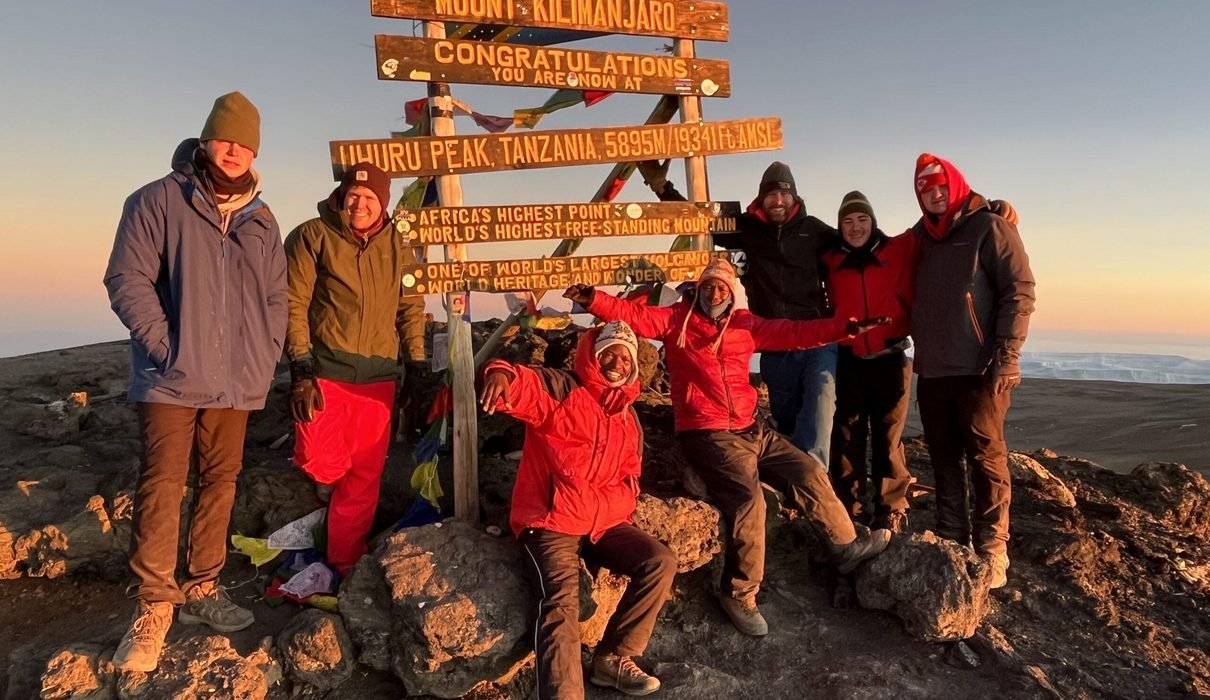
Climbing Mount Kilimanjaro after the age of 50 is an achievable goal for many people, provided they prepare properly, understand the physical demands, and choose a suitable climbing itinerary. Reaching the summit of Africa’s highest mountain is not reserved for young athletes or experienced mountaineers. People in their 50s, 60s, and even older age groups can attempt Kilimanjaro, although their individual health, fitness, previous hiking experience, and ability to adjust to high altitude are far more important than their age alone.
Standing at 5,895 metres (19,341 feet) above sea level, Mount Kilimanjaro is the highest mountain in Africa and one of the world’s best-known trekking destinations. Located in northern Tanzania, the mountain attracts travellers from different countries and age groups who want to experience its forests, moorlands, alpine landscapes, and summit views. Unlike technical mountaineering expeditions, the established trekking routes on Kilimanjaro do not normally require ropes or specialist climbing techniques, but they involve several days of uphill walking, cold temperatures, reduced oxygen availability, and a demanding final ascent.
For travellers over 50, the most important decision is not simply whether they can climb Kilimanjaro, but how they should prepare for the journey. Choosing a longer route, building walking endurance, discussing existing medical conditions with a qualified doctor, and travelling with an experienced mountain crew can make the experience more manageable.
At Eddy Tours & Safaris, based in Arusha, Tanzania, we help travellers plan Kilimanjaro climbing holidays according to their available time, experience, and preferred routes. This guide explains what climbers over 50 should know before booking a trek, including recommended routes, altitude sickness, training, accommodation, equipment, costs, and common questions about climbing later in life.
Can You Really Climb Mount Kilimanjaro After 50?
Yes, many people over 50 can climb Mount Kilimanjaro, but age alone cannot determine whether someone is ready for the mountain. A healthy and active 60-year-old who regularly walks long distances may be better prepared than a younger person who rarely exercises. What matters most is the ability to sustain several hours of walking over consecutive days, recover between hiking sessions, cope with uneven ground, and respond appropriately to the effects of altitude.
Kilimanjaro is often described as a trekking mountain because most standard routes do not require technical climbing skills. However, this description should not be confused with an easy walk. The mountain rises to nearly 6,000 metres, and the reduced oxygen pressure at higher elevations places considerable demands on the body. Even physically strong people can develop altitude sickness, and reaching the summit is never guaranteed.
For older climbers, preparation should begin with a realistic assessment of general health and physical ability. Someone who regularly enjoys hiking, cycling, swimming, or long walks may already have a useful fitness foundation. Others may need several months of gradual conditioning before attempting the trek. A doctor familiar with high-altitude travel can help assess medical concerns, especially when a traveller has an existing heart, lung, metabolic, or mobility condition.
The important point is that turning 50 does not automatically make Kilimanjaro too difficult. It simply makes thoughtful preparation, appropriate medical advice, and a suitable climbing schedule especially valuable.
Is 50, 60 or 70 Too Old to Climb Kilimanjaro?
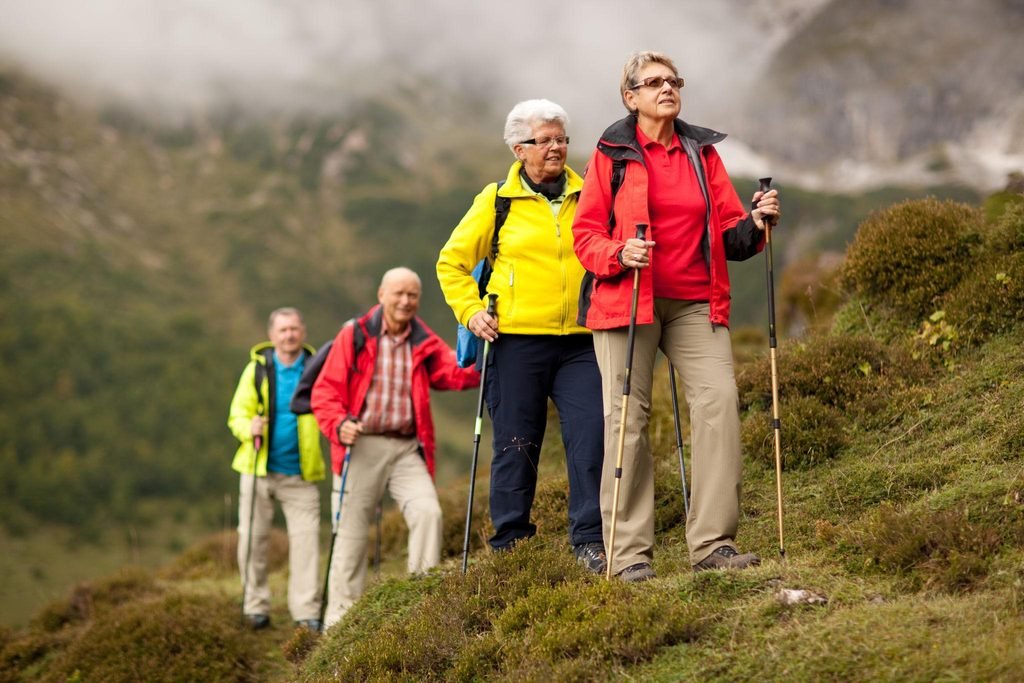
There is no general rule that reaching 50, 60, or 70 makes someone too old to attempt Mount Kilimanjaro. Older adults have different levels of physical fitness, medical histories, and hiking experience, which means two people of the same age may have very different abilities on the mountain. A traveller who has maintained an active lifestyle for many years may be comfortable with long walking days, while someone who has recently started exercising may need more preparation.
Climbers in their 50s often find that they can prepare effectively by combining cardiovascular exercise with regular hiking and strength training. Those in their 60s may benefit from giving particular attention to recovery, joint comfort, balance, and maintaining muscle strength. Travellers in their 70s or beyond should take an especially individual approach, including a thorough medical assessment and realistic discussions with their trekking operator about the demands of the proposed route.
It is also important to understand that older age does not necessarily mean a greater likelihood of acute mountain sickness. The CDC’s high-altitude travel guidance notes that adults over 50 may have slightly lower susceptibility to altitude illness than younger adults, although individual responses vary and everyone remains at risk. Fitness and previous climbing experience do not guarantee protection against altitude sickness.
A successful Kilimanjaro climb should therefore be judged by preparation, safe decision-making, and the ability to complete the trek without placing health at unnecessary risk. Reaching the summit is a wonderful achievement, but turning around when conditions or symptoms require it is equally important.
Why Mount Kilimanjaro Appeals to Travellers Over 50
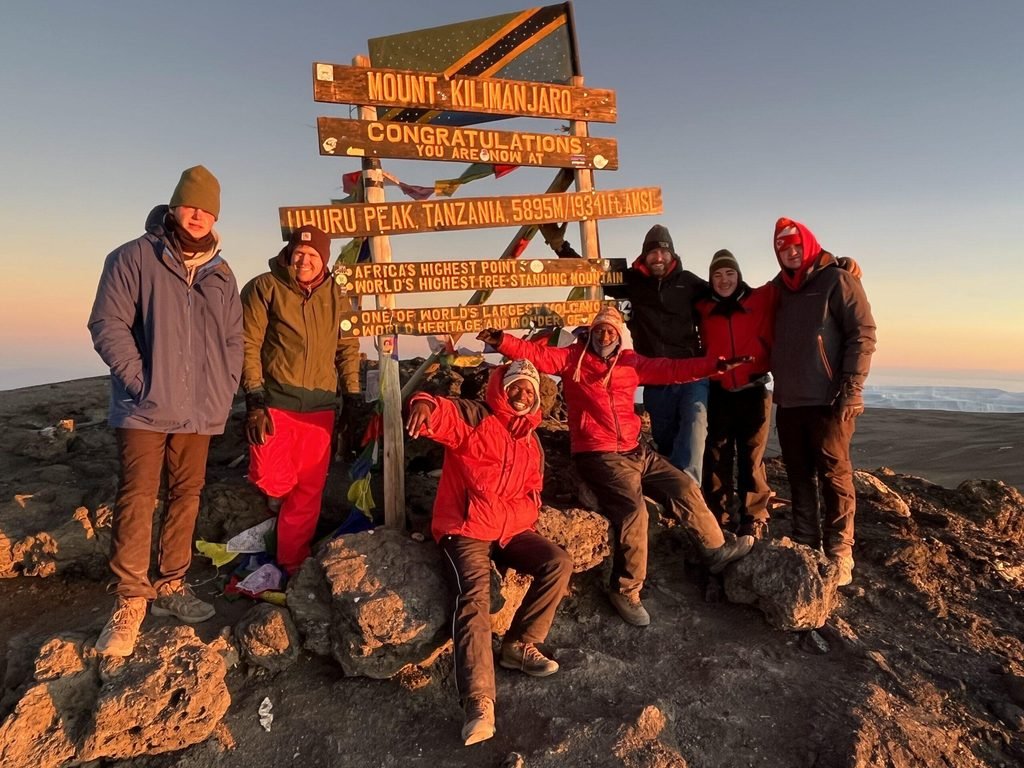
For many travellers, climbing Kilimanjaro later in life is connected to a personal goal they have considered for years. Some want to celebrate a birthday or retirement, while others are looking for a physically demanding holiday that offers something different from traditional sightseeing. The mountain provides an opportunity to spend several days outdoors, explore changing landscapes, and work towards a challenging but clearly defined objective.
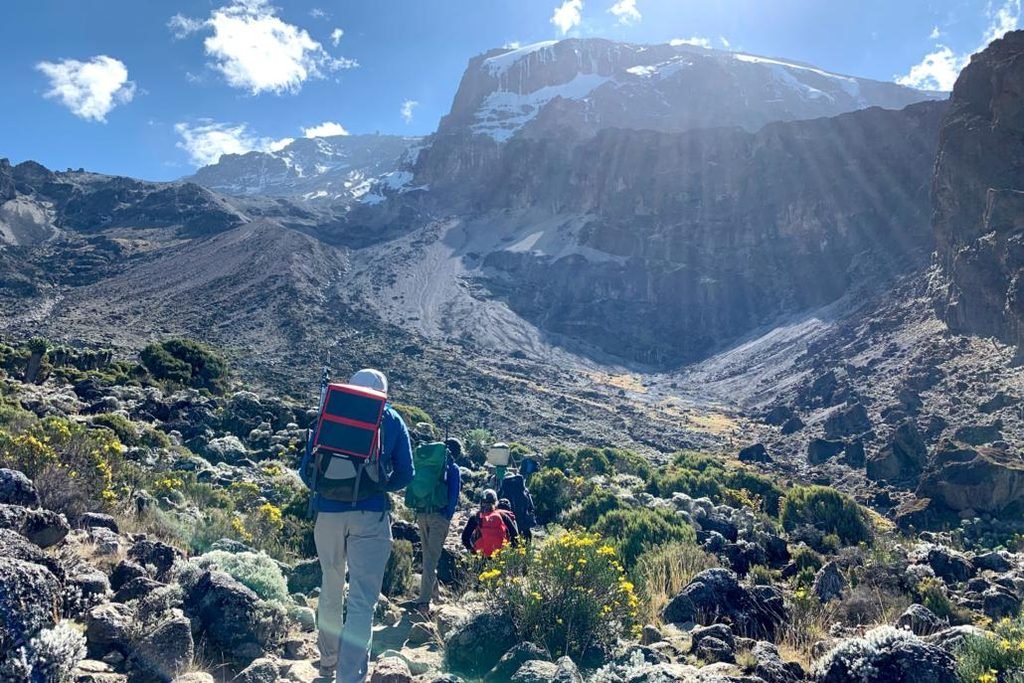
One of Kilimanjaro’s attractions is the variety of environments encountered during the climb. Depending on the chosen route, trekkers begin in tropical forest before progressing through heathland, moorland, alpine desert, and the cold summit zone. Each section has its own scenery, weather conditions, and walking challenges, so the journey offers much more than the final view from Uhuru Peak.
The climb is also supported by professional mountain crews. Licensed guides lead the trekking groups, while porters transport much of the camping equipment and supplies. On camping routes, cooks prepare meals, and designated campsites provide places to rest between hiking days. This support makes a multi-day expedition more practical for travellers who have suitable fitness but do not want to carry a heavy expedition backpack.
Best Kilimanjaro Climbing Routes for People Over 50
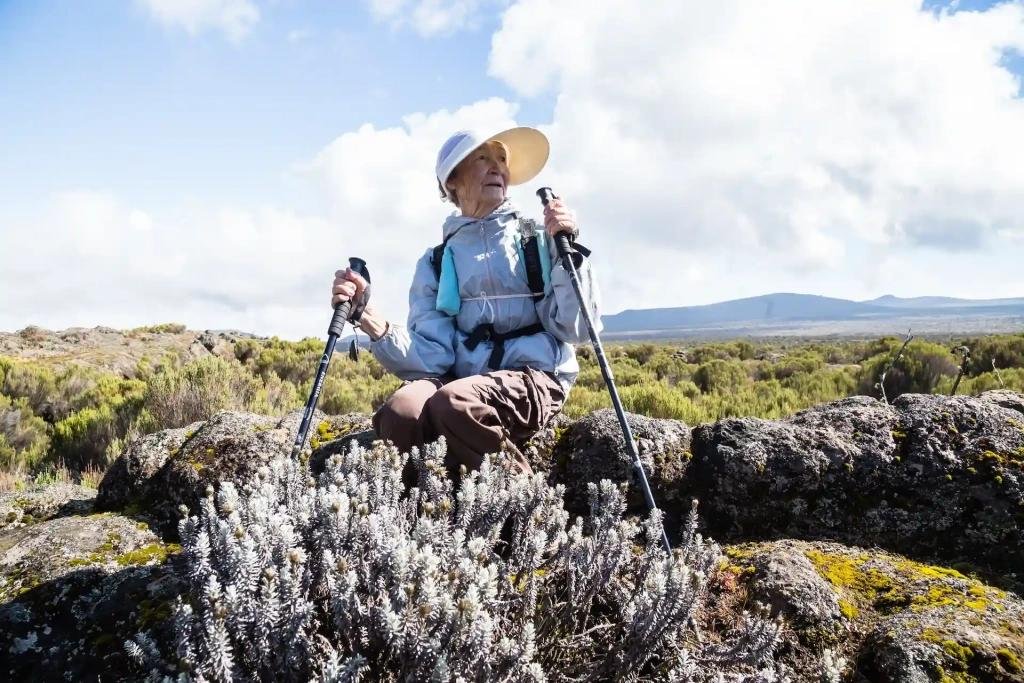
Choosing the right route is one of the most important parts of planning a Kilimanjaro climb. Routes differ in duration, scenery, accommodation, daily walking distances, and opportunities for acclimatization. For many travellers over 50, an itinerary lasting seven to nine days is preferable to a shorter climb because it provides more time to adjust to altitude and can reduce the pressure of a rapid ascent.
1. Lemosho Route – An Excellent Choice for a Longer, Gradual Climb
The Lemosho Route is a strong option for travellers over 50 who want a scenic approach and sufficient time for acclimatization. The route begins on the western side of Mount Kilimanjaro, passing through forest before reaching the Shira Plateau and joining the southern circuit towards the summit. It is known for its varied scenery and relatively gradual early stages, although some sections are steep and physically demanding.
An eight-day Lemosho itinerary is often a sensible choice because it provides additional time on the mountain compared with shorter trekking programmes. The route includes important altitude changes that allow climbers to walk to higher elevations before returning to lower camps to sleep. This approach can support acclimatization, although it does not eliminate the risk of altitude sickness.
Travellers who prefer a longer itinerary can also consider nine-day arrangements where available. These may be particularly useful for people who want to avoid rushing, although the actual benefit depends on how the extra day is incorporated into the route.
For more information, explore Kilimanjaro climbing tours with Eddy Tours & Safaris or visit Kilimanjaro Climb Specialist for additional mountain trekking information.
2. Machame Route – A Scenic Trek for Active Climbers Over 50
The Machame Route is one of Kilimanjaro’s most popular trekking routes, attracting visitors who enjoy varied landscapes and are comfortable with several days of sustained hiking. It passes through forest, moorland, the Shira Plateau, and the southern slopes of the mountain before reaching the high camps used for the summit attempt.
For climbers over 50, a seven-day Machame itinerary is generally preferable to a six-day version because the additional time can help with acclimatization. However, the route still includes demanding sections, including the Barranco Wall, where trekkers use their hands for balance while moving over steep rocky terrain. Although this is not normally considered technical rock climbing, it can be uncomfortable for people with significant balance difficulties, limited mobility, or a strong fear of heights.
Active travellers who regularly hike hills and have good lower-body strength may find the Machame Route suitable. Those who are uncertain about steep terrain should discuss the route carefully before booking.
You can learn more about the route through the Machame Route climbing information and compare available trekking arrangements with Eddy Tours & Safaris.
3. Northern Circuit Route – A Longer Option With More Acclimatization Time
The Northern Circuit is particularly worth considering for travellers who want a longer trekking programme. Often completed over nine days, this route travels around the quieter northern slopes of Kilimanjaro before approaching the summit. Its extended itinerary provides additional opportunities for acclimatization and allows visitors to experience landscapes that are less frequently visited on some of the busier routes.
The Northern Circuit may suit experienced walkers over 50 who prefer a more measured ascent and are comfortable spending more nights camping. However, a longer route does not necessarily mean an easier holiday. Travellers still need enough stamina for consecutive walking days, cold nights, and the demanding summit attempt.
The route’s principal advantage is the opportunity to spend more time adjusting to elevation rather than attempting to gain altitude too quickly. For many older trekkers, this is a worthwhile consideration when choosing between a shorter and longer climbing programme.
4. Marangu Route – Hut Accommodation Instead of Camping
The Marangu Route is sometimes called the Coca-Cola Route and is the only main Kilimanjaro trekking route that uses mountain huts for overnight accommodation rather than tents. This arrangement can appeal to travellers over 50 who prefer sleeping in a permanent structure instead of camping on the ground.
The huts provide shared sleeping facilities, although they should not be confused with comfortable hotels. Climbers still need warm sleeping bags, suitable clothing, and realistic expectations about basic mountain accommodation. Shared sleeping areas and limited facilities are part of the experience.
A six-day Marangu itinerary is generally preferable to the shorter five-day version because it includes additional acclimatization time. However, even six days can involve a relatively rapid ascent, so travellers should not choose Marangu solely because it has huts or is sometimes advertised as an easier route.
For travellers who value hut accommodation and are comfortable with the itinerary’s altitude profile, Marangu can be a practical option after suitable preparation and medical assessment.
Which Kilimanjaro Route Is Best for Climbers Over 50?
| Route | Suggested duration | Main advantage | Important consideration |
|---|---|---|---|
| Lemosho | 8–9 days | Scenic route with more acclimatization time | Camping and some steep sections |
| Northern Circuit | 9 days or more | Extended itinerary and quieter northern sections | More days of walking and camping |
| Machame | 7 days | Varied scenery and established acclimatization profile | Steep terrain, including Barranco Wall |
| Marangu | 6 days | Hut accommodation | Relatively rapid ascent despite the extra day |
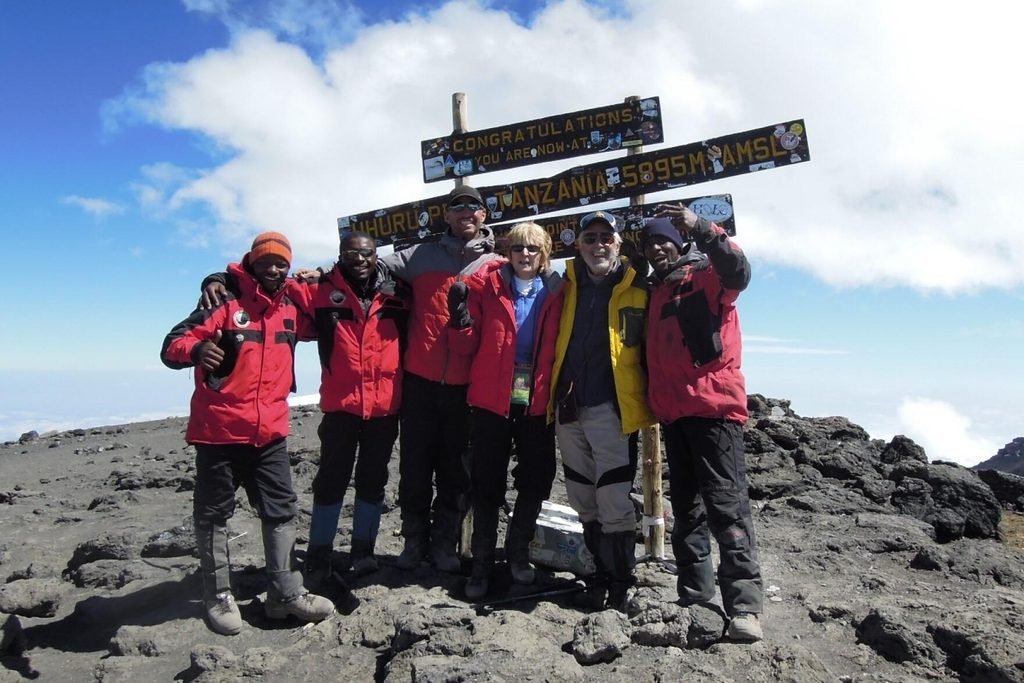
For a reasonably fit first-time climber over 50, an eight-day Lemosho itinerary is often a good starting point for comparison. Travellers who want a longer programme may prefer the Northern Circuit, while those who strongly favour hut accommodation may consider Marangu. The final choice should depend on medical suitability, previous hiking experience, available time, and personal preferences rather than age alone.
How Fit Do You Need to Be to Climb Kilimanjaro Over 50?
You do not need to be a professional athlete to climb Mount Kilimanjaro, but you should have enough endurance to walk for several hours on consecutive days. Most trekking routes involve daily hiking over uneven ground, with changes in elevation and weather conditions. The summit attempt is especially demanding because it commonly begins during the night and may involve many hours of walking before returning to a lower camp.
Cardiovascular endurance is important because it allows you to maintain a steady walking pace without becoming excessively exhausted. Activities such as brisk walking, hiking, cycling, and swimming can help develop this endurance. However, hiking should remain a central part of your preparation because it closely resembles the activity you will perform on the mountain.
Strength training is also useful, particularly for the legs, hips, and core. Stronger muscles can help support the knees and improve stability when walking downhill or carrying a daypack. Balance exercises are valuable for people who are less comfortable on uneven terrain, while flexibility and mobility work can make long walking days more comfortable.
The goal is not to train for speed. Kilimanjaro guides commonly encourage climbers to walk slowly, allowing the body to manage physical effort while adjusting to altitude. A person who can walk steadily for several hours, recover well, and repeat the activity the following day is generally developing the kind of endurance needed for the trek.
How to Prepare for Kilimanjaro After 50: A Practical Training Plan
A preparation period of approximately three to six months can be useful for many travellers, although the appropriate length depends on their starting fitness and medical circumstances. Someone who already hikes regularly may need less time, while a person returning to exercise after several inactive years may need a longer and more gradual programme.
Months 1–2: Build Your Walking Endurance
Begin with regular walks on manageable terrain, gradually increasing the duration as your fitness improves. If you are not accustomed to exercise, start with shorter sessions and allow enough recovery time between them. As your endurance develops, introduce hills or gentle inclines to strengthen the muscles used during mountain trekking.
During this stage, focus on establishing a consistent routine rather than covering long distances immediately. Walking three or four times a week, combined with appropriate strength exercises, can provide a useful foundation. Travellers with joint discomfort or medical conditions should seek professional advice before increasing training intensity.
Months 3–4: Introduce Longer Hikes and Hills
Once regular walking feels comfortable, begin adding longer weekend hikes that include uphill and downhill sections. Practise walking with the daypack you intend to use on Kilimanjaro, gradually increasing its weight to match the clothing, water, and personal items you will carry during the trek.
It is also useful to complete occasional hikes on consecutive days. This helps you understand how your body responds to repeated physical activity and whether your recovery routine is adequate. Training on uneven paths can improve confidence and balance, particularly for people who normally exercise on flat roads or indoor equipment.
Months 5–6: Prepare for Consecutive Mountain Walking Days
During the final preparation period, aim to complete several substantial hikes under conditions similar to those you may encounter on Kilimanjaro. This does not mean pushing yourself to exhaustion, but rather becoming comfortable with sustained walking, hills, a loaded daypack, and changing weather.
Practise using trekking poles, wearing your hiking boots, and adjusting clothing layers. If possible, complete a multi-day hiking trip to assess your endurance and recovery. Reduce demanding training shortly before travelling so that you arrive in Tanzania rested rather than fatigued.
Medical Check-Ups Before Climbing Kilimanjaro Over 50
A pre-climb medical consultation is strongly recommended for travellers over 50, especially those with existing health conditions or limited experience of strenuous exercise. Kilimanjaro combines physical exertion with high altitude, cold weather, and limited access to advanced medical facilities. A doctor can review your medical history, current medications, exercise tolerance, and any symptoms that might require further investigation.
People with high blood pressure, diabetes, heart disease, respiratory conditions, or sleep-related breathing disorders should discuss their plans with a clinician familiar with high-altitude medicine. Having one of these conditions does not automatically mean climbing is impossible, but some conditions require additional precautions, treatment adjustments, or may make high-altitude trekking inadvisable.
Travellers should also discuss any history of chest pain, fainting, unusual breathlessness, or significant joint problems. Depending on the individual, the doctor may recommend further assessment before approving strenuous activity. There is no single medical test that can guarantee safe acclimatization or predict whether someone will reach the summit.
If you take prescription medication, bring enough for the entire trip and discuss how altitude, dehydration, changes in appetite, or strenuous exercise might affect your treatment. Never stop or adjust prescribed medication simply because you are planning to climb Kilimanjaro without first consulting the prescribing clinician.
Understanding Altitude Sickness When Climbing Kilimanjaro Over 50
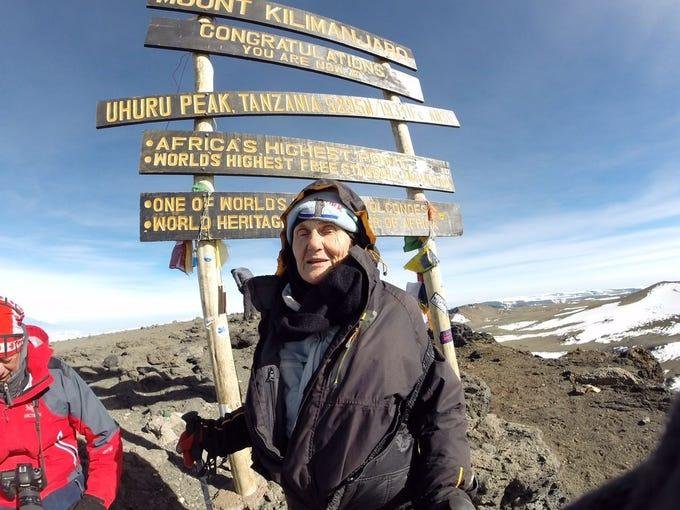
Altitude sickness is one of the most important risks associated with climbing Mount Kilimanjaro. As you ascend, atmospheric pressure decreases, reducing the amount of oxygen available with each breath. Your body needs time to adjust to these conditions, and ascending too quickly increases the likelihood of developing altitude-related illness.
Acute mountain sickness commonly causes headache accompanied by symptoms such as nausea, dizziness, fatigue, or loss of appetite. These symptoms may appear after arriving at a higher elevation, particularly during the first night. Although mild cases can improve with rest and appropriate management, worsening symptoms require prompt attention.
More serious altitude illnesses include high-altitude pulmonary edema, which affects the lungs, and high-altitude cerebral edema, which affects the brain. Warning signs can include breathlessness at rest, a worsening cough, confusion, unusual drowsiness, or difficulty walking in a straight line. These symptoms require immediate action, including descent and urgent medical assistance.
Climbers should never continue ascending to a higher sleeping altitude while experiencing symptoms of altitude illness. If symptoms worsen despite rest or treatment, descent is essential. Severe symptoms require immediate descent with assistance, oxygen when available, and emergency medical care.
The CDC Yellow Book guidance on altitude illness explains the importance of gradual acclimatization, early recognition of symptoms, and prompt descent when necessary. These precautions apply to climbers of every age.
Can Altitude Sickness Medication Help Older Climbers?
Some travellers may benefit from medication such as acetazolamide, commonly known by the brand name Diamox, which can help the body acclimatize more quickly. However, the decision to use this medication should be made with a qualified medical professional who understands the traveller’s medical history and current prescriptions.
Acetazolamide is not a substitute for a sensible climbing itinerary, and taking it does not guarantee protection against altitude sickness. It can also cause side effects and may be unsuitable for some people. Travellers over 50 who take several medications should pay particular attention to possible interactions and medical advice.
An experienced mountain guide should monitor climbers for signs of altitude illness, but guides cannot replace professional medical assessment or emergency treatment. Before booking, ask your operator about guide training, emergency oxygen, communication equipment, evacuation arrangements, and how decisions are made when a climber becomes unwell.
Why Acclimatization Days Matter More Than Climbing Speed
One of the most common mistakes made by Kilimanjaro climbers is choosing the shortest available itinerary to reduce costs or save holiday time. Although shorter routes can be completed successfully by some travellers, they generally provide less time for the body to adjust to altitude. For people over 50, particularly first-time high-altitude trekkers, allowing more time is often a sensible choice.
Acclimatization occurs as the body gradually responds to lower oxygen availability. The process cannot be forced simply by being physically fit, and strong athletes can develop altitude sickness just as other travellers can. A longer route may allow for more gradual changes in sleeping elevation and additional time to observe how the body responds.
Many Kilimanjaro itineraries include sections where climbers walk to a higher elevation during the day before descending to a lower campsite for the night. This approach can support acclimatization, although the actual sleeping altitude and rate of ascent remain important. Even with additional days, Kilimanjaro involves a substantial gain in elevation, so no route should be described as free from altitude risk.
When planning a climb, it is usually better to compare the complete altitude profile rather than simply counting the number of days. An eight-day route with a sensible progression of sleeping elevations may be more suitable than a shorter itinerary that gains altitude rapidly.
What Is Summit Night Like for Climbers Over 50?
Summit night is usually the most physically and mentally demanding part of a Kilimanjaro climb. On many routes, climbers begin the final ascent around midnight or shortly before, walking slowly through darkness and cold conditions towards Stella Point or Gilman’s Point before continuing to Uhuru Peak, depending on the route.
Temperatures can fall well below freezing, and strong winds may make conditions feel considerably colder. At high altitude, even slow walking can require significant effort. Climbers often experience fatigue, reduced appetite, and difficulty maintaining their normal pace, which makes adequate clothing, hydration, and careful monitoring particularly important.
The summit ascent may take approximately six to eight hours or longer, followed by several additional hours of descent. Exact times vary according to the route, weather, group pace, and individual condition. This is why training for long days and downhill walking is just as important as preparing for the climb uphill.
For travellers over 50, a steady pace and willingness to communicate openly with the guide are essential. There is no benefit in trying to keep up with faster climbers if doing so causes excessive exhaustion. Guides should assess the group throughout the climb and make decisions based on safety rather than pressure to reach the summit.
Reaching Uhuru Peak can be an emotional moment, but the journey is not finished until the climber has descended safely. Fatigue, slippery ground, and tired leg muscles can make the descent challenging, so enough energy must be reserved for the return journey.
What Should Climbers Over 50 Pack for Kilimanjaro?
Packing appropriate clothing and equipment is essential because Kilimanjaro’s weather changes considerably between the lower forest and upper mountain. Travellers may experience warm conditions at the beginning of the trek, rain in the forest, strong sunshine at higher elevations, and freezing temperatures during the summit attempt.
Clothing should be organised in layers so that insulation can be adjusted as conditions change. A moisture-managing base layer, warm fleece or insulated jacket, waterproof outer layer, and suitable trekking trousers are important. For summit night, climbers generally need additional insulation, warm gloves or mittens, thermal headwear, and protection against wind and cold.
Well-fitting hiking boots are especially important for travellers concerned about foot comfort or joint strain. Boots should be broken in before departure, and socks should be tested during training hikes. Trekking poles can provide additional stability on uneven ground and reduce some of the strain experienced during long descents.
Recommended Kilimanjaro packing essentials
- Comfortable, waterproof hiking boots with suitable grip.
- Moisture-managing base layers and warm thermal clothing.
- Insulated jacket suitable for very cold summit conditions.
- Waterproof jacket and trousers.
- Warm gloves or mittens, hat, and neck protection.
- Trekking poles for stability on steep or uneven ground.
- Daypack for water, snacks, and essential clothing.
- Headlamp with spare batteries for summit night.
- Suitable sleeping bag for the expected mountain temperatures.
- Reusable water bottles or hydration system.
- Sunscreen, sunglasses, and lip protection.
- Personal medication and a basic first-aid kit.
- Energy snacks and personal hygiene supplies.
- Spare socks and comfortable clothing for evenings at camp.
Before travelling, ask your trekking operator which items are included in the climbing arrangement and which must be purchased or rented separately. Equipment quality matters, particularly for summit clothing and sleeping bags, because inadequate insulation can make the final stages of the trek considerably more difficult.
Is a Private Kilimanjaro Climb Better for People Over 50?
A private Kilimanjaro climb can be a good choice for travellers who want greater flexibility over group size, departure dates, and daily walking arrangements. In a private group, the guide can organise the pace around the participants rather than accommodating several unrelated travellers with different levels of experience.
This can be particularly helpful for couples, families, or friends who prefer to climb together and want more control over the itinerary. Private arrangements may also allow additional attention to rest periods, dietary requirements, and individual preferences, although the mountain’s safety procedures and altitude limitations remain the same.
Group-joining climbs can also work well for active travellers over 50. They generally cost less per person and provide an opportunity to meet other trekkers. However, participants should understand that the group will include people with different walking abilities and that the schedule is usually less flexible.
Neither a private nor a shared climb guarantees summit success. The quality of the guides, suitability of the route, emergency planning, and individual preparation are more important than the group format alone.
How Much Does It Cost to Climb Kilimanjaro Over 50?
The cost of climbing Mount Kilimanjaro depends mainly on the selected route, number of trekking days, group size, park fees, accommodation arrangements, and the services provided by the operator. Age alone does not normally determine the package price, although travellers may choose additional days or private arrangements that increase the total cost.
Longer routes such as eight-day Lemosho or nine-day Northern Circuit generally cost more than shorter itineraries because they involve additional park fees, food, crew services, and equipment use. However, choosing a shorter route solely to reduce expenses may not be the best decision when acclimatization and personal comfort are priorities.
Travellers should compare quotations carefully rather than choosing only by the advertised price. A complete climbing quotation should explain park fees, guide and porter services, meals, accommodation, transport, equipment, and any exclusions. It is also worth asking about crew working conditions, emergency procedures, and whether the operator follows responsible porter welfare practices.
For a detailed quotation, contact Eddy Tours & Safaris with your preferred travel dates, group size, and route. You can also explore Kilimanjaro Climb Specialist for further information about climbing arrangements and route options.
Best Time of Year to Climb Kilimanjaro Over 50
Mount Kilimanjaro can be climbed throughout the year, but weather conditions vary considerably between seasons. The periods from January to early March and from June to October are commonly preferred because they often provide relatively favourable trekking conditions. However, mountain weather is unpredictable, and cold temperatures, rain, wind, or snow can occur even during popular climbing months.
January and February often provide good opportunities for climbing, although conditions vary by elevation. June through October is another popular period, with generally drier weather on many parts of the mountain. These months can also be busy, particularly on well-known routes such as Machame and Marangu.
April and May are associated with the main rainy season in northern Tanzania, while November often brings shorter seasonal rains. Wet conditions can make forest trails muddy and increase the importance of waterproof clothing and suitable footwear.
For climbers over 50, choosing a period with generally favourable weather may improve comfort, particularly for those concerned about slippery paths, cold exposure, or prolonged wet conditions. Nevertheless, the decision should also consider route availability, training readiness, and the traveller’s overall health.
Common Mistakes to Avoid When Climbing Kilimanjaro After 50
Choosing a Short Route Without Considering Acclimatization
A shorter itinerary may look attractive because it costs less and requires fewer holiday days, but rapid altitude gain can increase the likelihood of altitude illness. Travellers should compare the full route profile and consider whether adding one or two days would provide a more suitable schedule.
Training Only on Flat Ground
Walking regularly is useful, but Kilimanjaro involves hills, rocky paths, and long descents. Preparing only on flat roads may leave climbers unfamiliar with the muscular effort required for mountain terrain. Training should gradually include hills, uneven ground, and longer hikes where practical.
Ignoring Existing Medical Conditions
Some travellers assume that because they feel healthy during normal daily activities, they will automatically cope well with high-altitude trekking. However, strenuous exercise and reduced oxygen availability can place additional demands on the body. Medical concerns should be discussed before travelling rather than waiting until symptoms appear on the mountain.
Buying New Hiking Boots Shortly Before Departure
New boots can cause blisters and discomfort when used for several consecutive days. Travellers should choose appropriate footwear well before the trip and test it during training hikes. Comfortable socks and careful foot care are equally important.
Trying to Walk Too Fast
Kilimanjaro is not a race. Walking too quickly can increase fatigue and make it harder to maintain a comfortable pace over several days. Climbers should follow their guide’s instructions and avoid competing with other members of the group.
Hiding Symptoms to Avoid Missing the Summit
Some climbers are reluctant to mention headaches, nausea, or unusual weakness because they fear being told to stop. This can be dangerous, particularly at high altitude. Reporting symptoms early allows guides to assess the situation and take appropriate action before the condition becomes more serious.
Can You Combine a Kilimanjaro Climb With a Tanzania Safari?
Many travellers over 50 choose to combine their Kilimanjaro adventure with a wildlife safari in northern Tanzania. After spending several days on the mountain, a safari provides an opportunity to experience a different side of the country, travelling through national parks in a comfortable vehicle rather than walking long distances.
Popular destinations include Serengeti National Park, Ngorongoro Crater, Tarangire National Park, and Lake Manyara. These parks offer opportunities to observe elephants, lions, giraffes, zebras, buffaloes, and many other species in their natural habitats. A safari can be a pleasant addition to a mountain holiday, although travellers should allow time for rest and recovery after the climb.
Visitors with limited holiday time may prefer a shorter safari, while those planning a longer stay can explore several parks over five or six days. For example, the Tanzania safari tours offered by Eddy Tours & Safaris can be arranged around a Kilimanjaro trekking itinerary according to travel dates and personal preferences.
Some travellers also choose to visit Zanzibar after climbing Kilimanjaro. The island’s beaches and coastal accommodation provide a different holiday experience, allowing visitors to relax after the physical demands of trekking.
Why Choose Eddy Tours & Safaris for Your Kilimanjaro Climb?
Eddy Tours & Safaris is a locally based tour company in Arusha, Tanzania, assisting visitors with Kilimanjaro climbing arrangements, wildlife safaris, and other travel experiences. We understand that travellers have different fitness levels, interests, and expectations, particularly when planning a physically demanding activity such as climbing Mount Kilimanjaro.
For climbers over 50, careful planning begins with selecting a suitable route and allowing enough time for the trek. We encourage travellers to discuss their hiking experience, preferred travel dates, accommodation requirements, and any practical concerns before confirming their arrangements. Medical suitability should always be assessed by an appropriately qualified healthcare professional.
Our aim is to help visitors understand what the journey involves before they arrive in Tanzania, including the daily walking schedule, mountain conditions, required equipment, and services included in the climbing quotation. Travellers can request private or group arrangements and discuss the possibility of combining their mountain holiday with a safari or other activities.
Frequently Asked Questions About Climbing Kilimanjaro Over 50
Can a 55-Year-Old Beginner Climb Mount Kilimanjaro?
A healthy 55-year-old beginner may be able to climb Kilimanjaro with appropriate preparation, medical assessment, and a suitable route. Previous mountaineering experience is not normally required on standard trekking routes, but regular hiking and physical conditioning are important. Beginners should allow sufficient time to prepare and should not underestimate the effects of altitude or the demands of summit night.
Can Someone Over 60 Reach the Summit of Kilimanjaro?
Yes, some climbers over 60 successfully reach Uhuru Peak. However, individual health, fitness, acclimatization, and mountain conditions are more important than age alone. A longer itinerary may provide more time to adjust to altitude, but summit success cannot be guaranteed.
Is Kilimanjaro Dangerous for People Over 50?
Kilimanjaro involves risks for climbers of every age, including altitude illness, falls, cold exposure, exhaustion, and medical emergencies. People over 50 should consider any existing health conditions and seek appropriate medical advice before travelling. Choosing an experienced operator and following safety instructions can help manage risks, although they cannot remove them completely.
Do You Need Previous Mountain Climbing Experience?
Technical climbing experience is not generally required for the main Kilimanjaro trekking routes. However, previous hiking experience is extremely useful because it helps travellers understand how their bodies respond to long walking days, uneven ground, and changing weather. Completing several demanding training hikes before departure is strongly recommended.
Which Is Better for Older Climbers: Lemosho or Machame?
Both routes can be suitable for well-prepared older climbers. An eight-day Lemosho itinerary is often attractive because it provides more time on the mountain and a relatively gradual early approach. A seven-day Machame climb also offers useful acclimatization opportunities but includes some steep sections. The better choice depends on the individual’s fitness, hiking experience, and comfort with the terrain.
Is It Better to Climb Kilimanjaro Before or After a Safari?
Both arrangements are possible. Some travellers prefer to climb first and enjoy a safari afterwards, using the wildlife holiday as a chance to rest from strenuous walking. Others prefer a safari before climbing, particularly if they want additional time in Tanzania before beginning the trek. The best arrangement depends on the travel schedule, recovery needs, and personal preferences.
Can You Climb Kilimanjaro With Knee Problems?
Some people with mild, well-managed knee problems may be able to complete a Kilimanjaro trek, but the long descents can place considerable strain on the knees. Travellers with persistent pain, previous surgery, instability, or significant joint disease should seek medical or physiotherapy advice before booking. Trekking poles, suitable footwear, and strength training may help with comfort, but they do not replace an individual assessment.
How Many Days Should a Person Over 50 Spend Climbing Kilimanjaro?
Many climbers over 50 may benefit from considering itineraries of seven to nine days rather than choosing the shortest possible route. Additional days can support acclimatization and allow a more gradual schedule, although the ideal duration depends on the route and individual circumstances. An eight-day Lemosho or longer Northern Circuit itinerary is worth considering for travellers who have sufficient time.
Can You Climb Kilimanjaro Without Taking Diamox?
Yes, some travellers climb Kilimanjaro without acetazolamide, but whether the medication is advisable depends on individual risk factors and medical guidance. A doctor familiar with high-altitude travel can help determine whether preventive medication is appropriate. Regardless of medication use, gradual acclimatization and prompt recognition of symptoms remain essential.
What Happens If You Cannot Reach the Summit?
Not every climber reaches Uhuru Peak, and there are several reasons why a summit attempt may need to end early, including altitude illness, exhaustion, weather, or other medical concerns. If continuing becomes unsafe, the guide should arrange an appropriate descent and any necessary medical assistance. Turning around should never be viewed as a personal failure because returning safely is the most important part of the expedition.
Plan Your Kilimanjaro Climb After 50 With Confidence
Climbing Mount Kilimanjaro after 50 is a realistic ambition for many travellers who are prepared to invest time in training, choose an appropriate route, and take the health risks seriously. The mountain does not require everyone to be an experienced athlete, but it does demand endurance, patience, suitable equipment, and respect for high-altitude conditions.
Whether you are planning your first major trekking holiday at 52, celebrating your 60th birthday with a mountain adventure, or considering Kilimanjaro later in retirement, the most important starting point is understanding your own abilities and preparing accordingly. A longer climbing itinerary, experienced mountain crew, and realistic expectations can help make the experience safer and more enjoyable.
At Eddy Tours & Safaris, we welcome enquiries from travellers of different ages who are interested in exploring Mount Kilimanjaro and northern Tanzania. Our team can help you compare trekking routes, understand available arrangements, and plan a mountain holiday that fits your travel schedule.
Contact Eddy Tours & Safaris
Location: Arusha, Tanzania
Website: https://eddytours-safaris.com/
Email: sales@eddytours-safaris.com
Start planning your Kilimanjaro climb for 2027 or 2028 by contacting our team for route information, available departures, and a personalised quotation. With suitable preparation and a responsible approach to safety, climbing Kilimanjaro after 50 can be a meaningful and rewarding travel experience.