
Tanzania is one of Africa’s most interesting countries for travellers who enjoy wildlife, mountain landscapes, beautiful beaches, and places where nature still dominates the surroundings. From the endless grasslands of Serengeti National Park to the snow-covered summit of Mount Kilimanjaro and the white-sand beaches of Zanzibar, the country offers a remarkable variety of destinations. Whether you are planning your first African safari, looking for a quiet holiday beside the Indian Ocean, or hoping to explore some of East Africa’s less-visited wilderness areas, Tanzania has plenty to offer.
The top 10 best places to visit in Tanzania include famous wildlife parks, volcanic landscapes, tropical islands, and remote natural areas that attract visitors from around the world. Each destination has its own character, and choosing where to go depends on your interests, available time, budget, and preferred travel season. Some places are ideal for short wildlife safaris, while others require several days of travelling or hiking to experience properly.
At Eddy Tours & Safaris, a locally based tour company in Arusha, Tanzania, we help travellers explore the country’s national parks and natural attractions through organised wildlife safaris, mountain climbing trips, and personalised holiday arrangements. This updated guide for 2027, 2028, and 2029 introduces ten destinations worth considering, explains what makes them special, and offers practical advice for planning your journey.
1. Serengeti National Park – Best for Wildlife Safaris and the Great Wildebeest Migration
Serengeti National Park is one of Tanzania’s most famous tourist destinations and an excellent place to experience African wildlife in its natural environment. Located in northern Tanzania, the park is known for its vast grasslands, scattered acacia trees, rocky outcrops, and large populations of wild animals. Its name is commonly associated with the Maasai expression for endless plains, a fitting description of the broad landscapes that stretch across much of the Serengeti ecosystem.
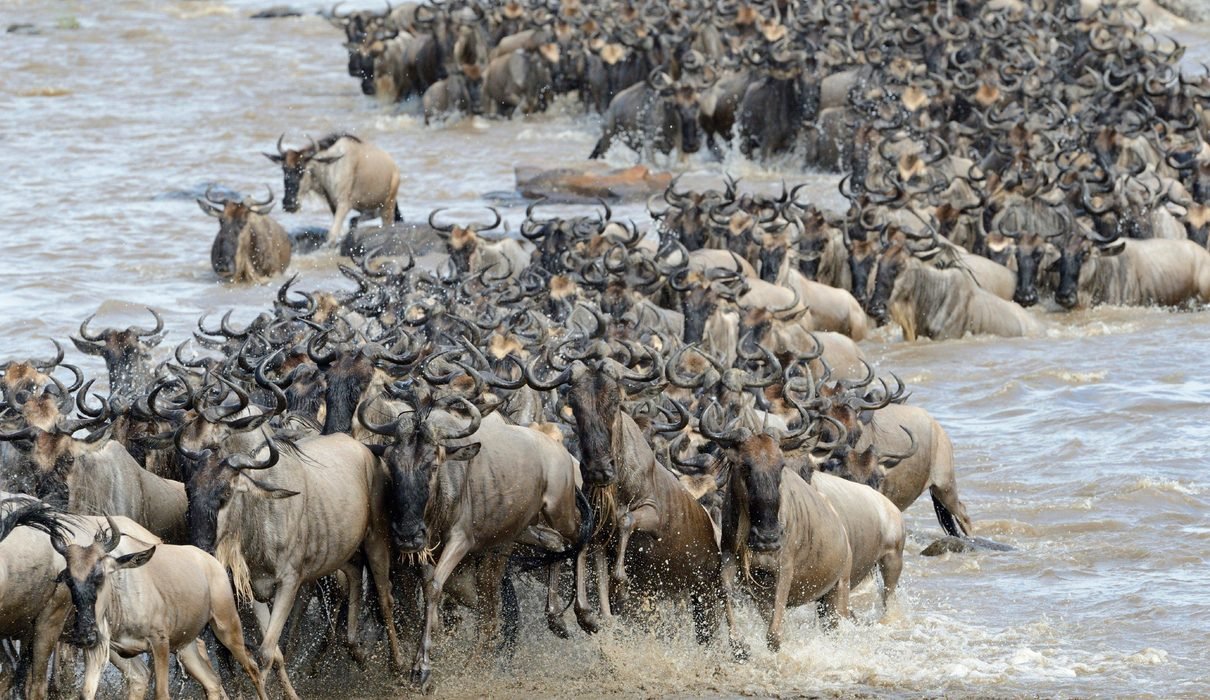
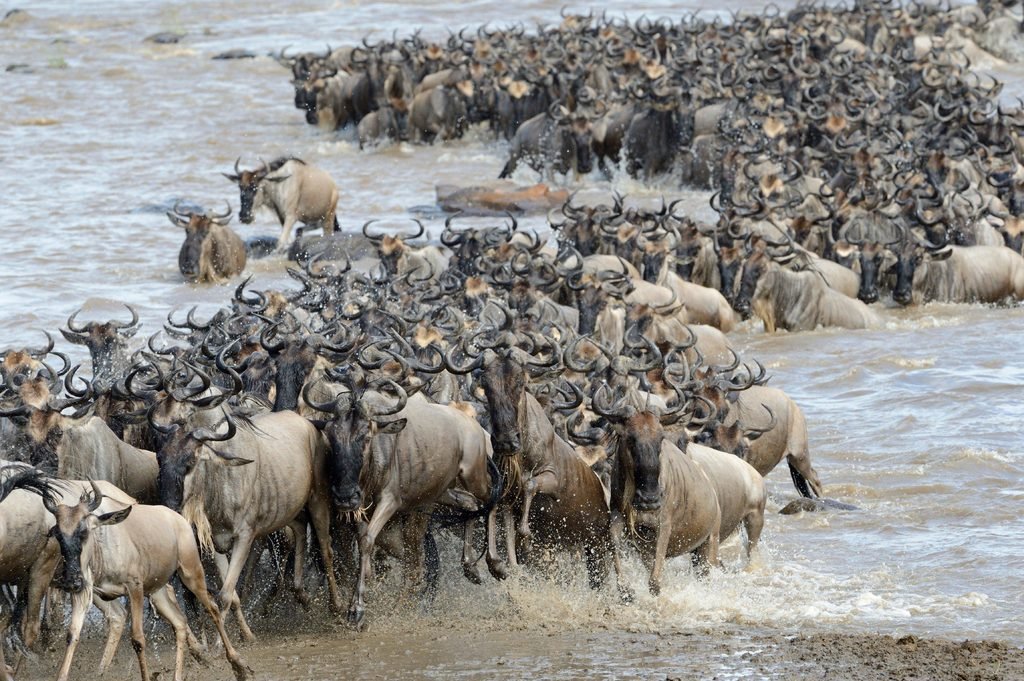
The park is particularly famous for the Great Wildebeest Migration, a seasonal movement involving enormous numbers of wildebeest, zebras, and other grazing animals travelling in search of fresh pasture and water. This movement follows changing rainfall and grazing conditions rather than a fixed calendar, meaning the location of the main herds varies throughout the year. Visitors may encounter large herds in the southern Serengeti during the calving season, while the western and northern areas become important as the animals move through the ecosystem.
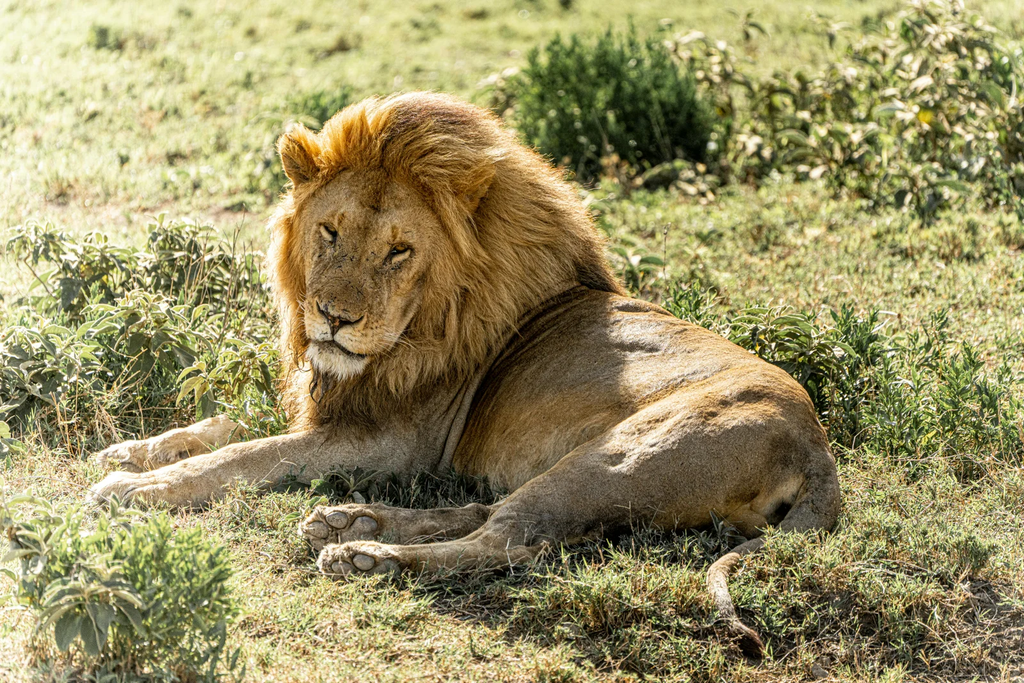
Beyond the migration, Serengeti National Park offers excellent opportunities to observe lions, leopards, cheetahs, elephants, buffaloes, giraffes, hyenas, and numerous antelope species. The central Serengeti, particularly around the Seronera Valley, is popular for wildlife viewing because it supports resident animal populations throughout the year. Experienced guides understand how animals use different habitats and can help visitors search for wildlife without disturbing their natural behaviour.
For travellers visiting Tanzania for the first time, spending at least two or three nights in the Serengeti is advisable. This provides enough time for several game drives and reduces the pressure of travelling long distances in a single day. Visitors interested in exploring the park alongside other northern destinations can consider a 6-Day Tanzania Safari or arrange a longer itinerary that includes the Ngorongoro Conservation Area.
Best time to visit: June to October is generally favourable for dry-season wildlife viewing, while December to March can be rewarding in the southern Serengeti ecosystem. The timing of the main migration varies each year.
Recommended duration: 3–4 days, or longer for travellers interested in wildlife photography and migration tracking.
2. Ngorongoro Crater – Best for Big Five Wildlife Viewing and Volcanic Scenery
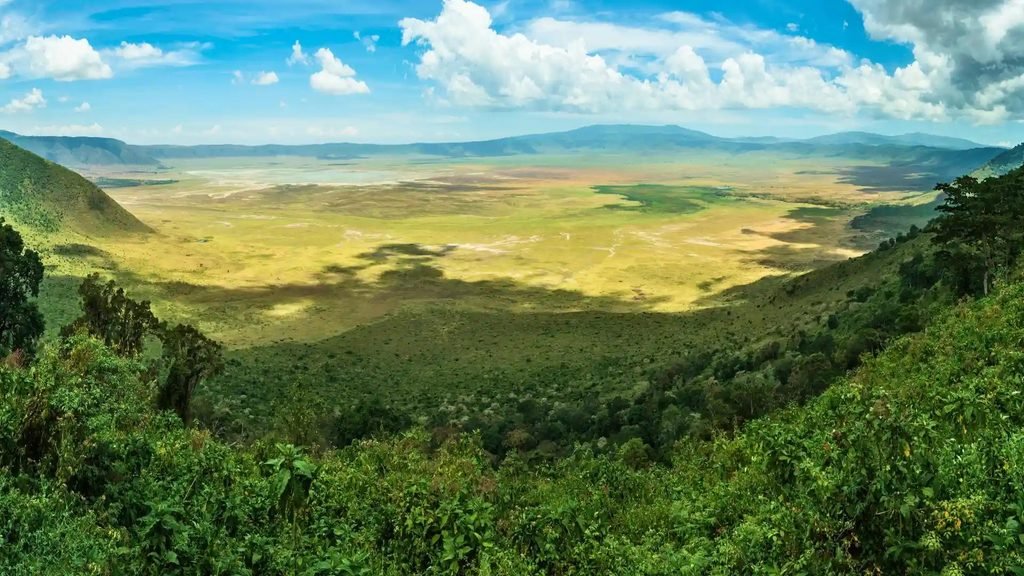
Ngorongoro Crater is one of Tanzania’s most remarkable natural attractions, located within the Ngorongoro Conservation Area in the northern highlands. The crater was formed following the collapse of a large volcano millions of years ago, leaving an enormous volcanic caldera surrounded by steep walls. Today, its floor contains grasslands, forests, wetlands, and freshwater areas that support a wide variety of animals throughout the year.
One of the main reasons travellers visit Ngorongoro is the opportunity to observe several large African mammals within a relatively small area. Lions, buffaloes, elephants, zebras, wildebeest, and spotted hyenas are regularly seen during game drives, while the endangered black rhinoceros remains one of the most sought-after sightings. Although Ngorongoro is considered a good location for searching for rhinos, these animals are not always easy to find, and no particular wildlife sighting can be guaranteed.
The experience begins before reaching the crater floor. From the rim, visitors can look down across the caldera and see its open plains, patches of woodland, and wetlands surrounded by high volcanic walls. The descent follows a designated road, allowing safari vehicles to enter the crater for wildlife viewing. Once inside, the landscape offers a different experience from the Serengeti because many animals remain within the caldera throughout the year, although some move between the crater and surrounding highlands.
Ngorongoro is commonly included in northern Tanzania safari itineraries because of its location between Arusha, Lake Manyara, and Serengeti National Park. Travellers can visit the crater during a multi-day safari or arrange a longer excursion from Arusha, depending on their schedule. A well-planned visit allows time for the crater descent, wildlife viewing, picnic lunch, and return journey without rushing the experience.
Best time to visit: Throughout the year, although the dry season often provides easier wildlife viewing and the rainy months bring greener scenery.
Recommended duration: One full day for the crater game drive, with an overnight stay nearby if travelling from Arusha.
3. Mount Kilimanjaro – Best for Mountain Climbing and High-Altitude Adventure
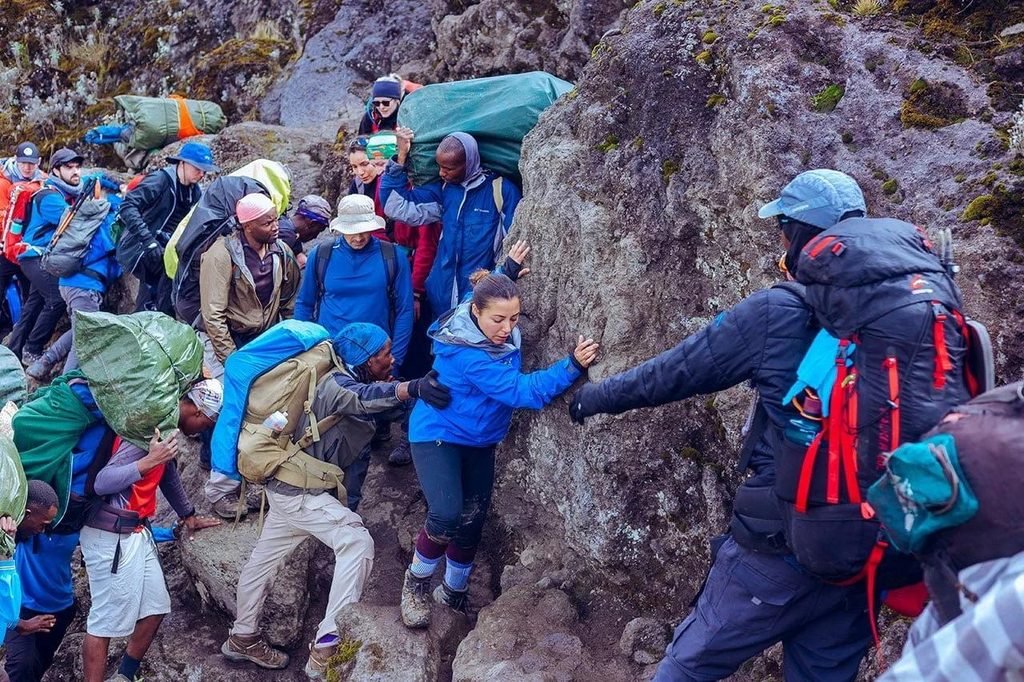
Mount Kilimanjaro is Africa’s highest mountain, rising approximately 5,895 metres above sea level in northeastern Tanzania. Its snow-covered summit, volcanic peaks, and changing vegetation zones make it one of the country’s most recognisable natural landmarks. Unlike mountains that require technical rock climbing on their standard trekking routes, Kilimanjaro can be climbed through organised hiking expeditions, although the altitude and physical demands make proper preparation essential.
The mountain has three main volcanic cones: Kibo, Mawenzi, and Shira. Kibo contains Uhuru Peak, the highest point on the mountain and the destination for most summit attempts. As climbers ascend, they pass through different ecological zones, beginning with cultivated lower slopes and mountain forest before reaching heathland, alpine desert, and the cold summit environment. These changes in landscape are an important part of the climbing experience, making the journey interesting even before reaching the highest point.
Several established routes lead towards the summit, including Machame, Marangu, Lemosho, Rongai, Umbwe, and the Northern Circuit. Each route differs in length, accommodation arrangements, scenery, and opportunities for acclimatisation. Machame and Lemosho are popular among hikers who enjoy varied landscapes, while Marangu is known for its mountain hut accommodation. Longer routes generally provide more time for altitude adjustment, which is an important consideration when planning a climb.
Travellers preparing for Kilimanjaro can explore the climbing information available through Kilimanjaro Climb Specialist, including route planning, trekking preparation, and mountain travel advice. Those who prefer combining mountain climbing with wildlife viewing can also arrange a safari through Eddy Tours & Safaris before or after their trek.
It is important to remember that reaching the summit is never guaranteed. Altitude sickness, weather conditions, fitness, and the chosen itinerary can all affect a climber’s experience. Travellers should choose a properly organised expedition, follow their mountain guide’s instructions, and allow sufficient time for acclimatisation.
Best time to visit: January to early March and June to October are commonly preferred climbing periods, although weather can change at any time.
Recommended duration: Approximately 6–9 days for many trekking itineraries, depending on the selected route.
4. Zanzibar Island – Best for Beaches, History and Relaxation
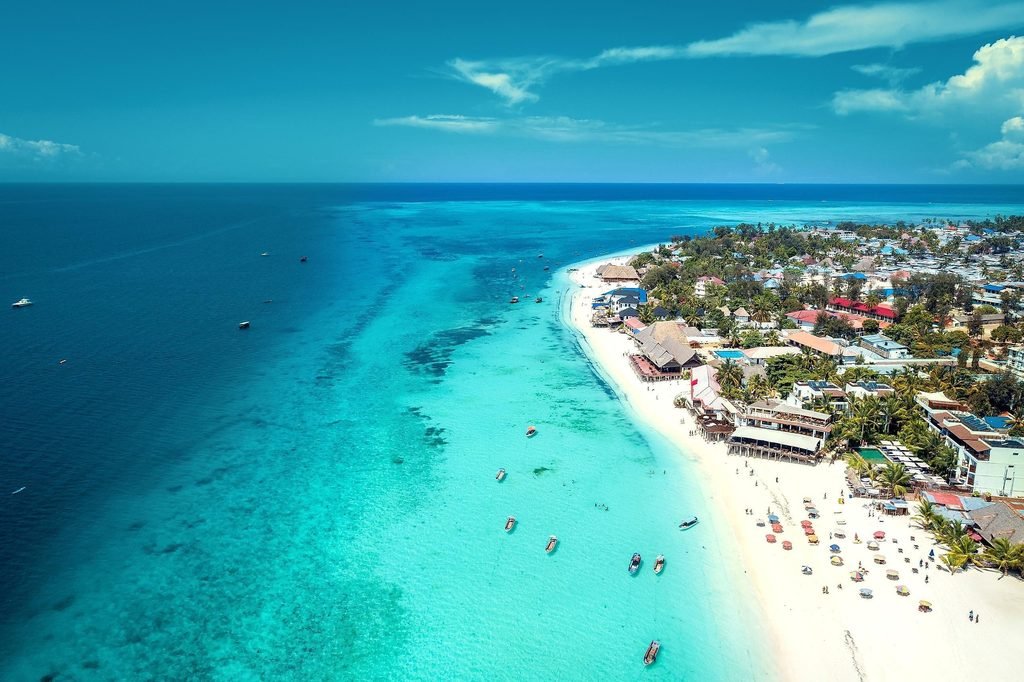
Zanzibar is one of Tanzania’s most popular holiday destinations, particularly among travellers who want to combine a wildlife safari with several days beside the Indian Ocean. The archipelago is known for its warm tropical climate, white-sand beaches, turquoise water, historic towns, and cultural traditions shaped by centuries of trade across the East African coast.
The main island, Unguja, offers a wide range of beach destinations. Nungwi and Kendwa in the north are popular for swimming, beach accommodation, and sunset views, while Paje and Jambiani on the southeastern coast are known for long stretches of sand, tidal scenery, and activities such as kite surfing. The experience varies considerably between different parts of the island because tides, beach conditions, and tourism development are not the same everywhere.
Zanzibar is also an important cultural destination. Stone Town, the historic centre of Zanzibar City, contains narrow streets, old buildings, carved wooden doors, markets, and landmarks connected to the island’s complex trading history. Visitors can explore the area with a local guide, learn about Swahili coastal culture, and visit historic sites that reflect African, Arab, Indian, and European influences. The island’s history includes the spice trade and the East African slave trade, both of which remain important subjects in its museums and heritage sites.
Other popular activities include spice farm visits, snorkelling, diving, dhow excursions, and exploring coastal villages. Travellers should choose marine activities carefully and use operators who follow responsible wildlife and environmental practices. Those interested in a longer holiday can combine several days in Serengeti or Ngorongoro with a beach stay in Zanzibar, creating a trip that balances active wildlife viewing with time to relax.
Best time to visit: June to October and December to February are generally popular periods for beach holidays, although conditions vary by month.
Recommended duration: 3–7 days, depending on whether the visit focuses on beaches, cultural activities, or marine excursions.
5. Tarangire National Park – Best for Elephants and Ancient Baobab Trees
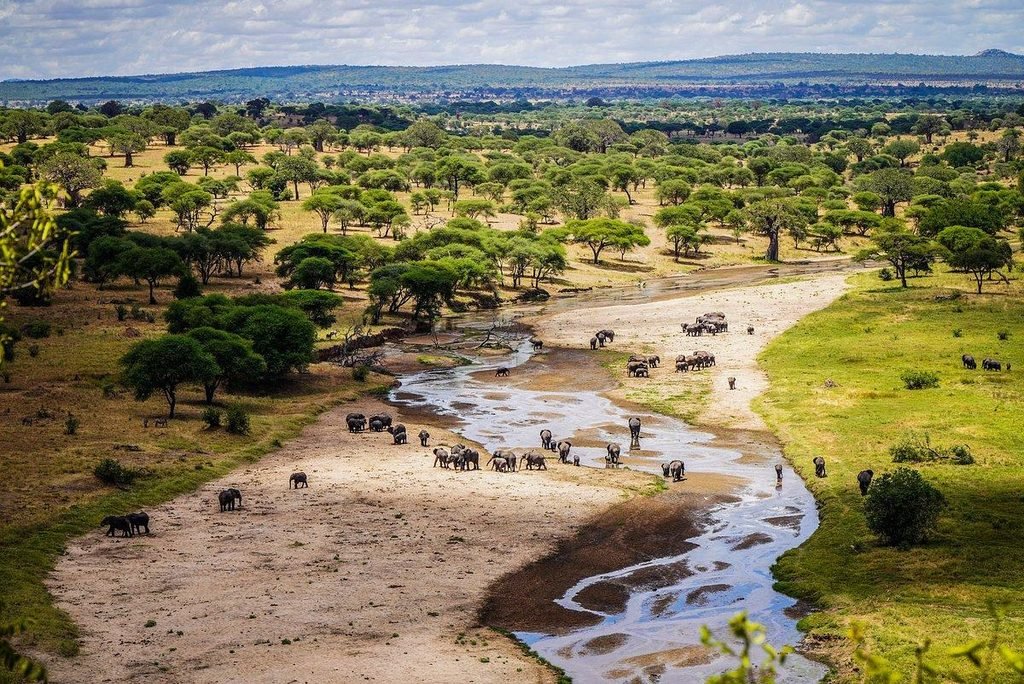
Tarangire National Park is located in northern Tanzania, approximately two to three hours by road from Arusha under normal driving conditions. The park is known for its elephant populations, impressive baobab trees, and seasonal wildlife gatherings around the Tarangire River. Although it is sometimes visited as a short stop on the way to Serengeti or Ngorongoro, Tarangire deserves more attention because its landscape and wildlife offer a different experience from the open plains of the Serengeti.
The Tarangire River is an important water source, particularly during the dry season when animals move towards areas where water remains available. Visitors may see large groups of elephants, buffaloes, zebras, wildebeest, giraffes, and various antelope species. Predators such as lions and leopards are also present, although sightings depend on animal movements and the conditions during the game drive.
One of the park’s most distinctive features is its population of large baobab trees. These trees have thick trunks and unusual shapes that stand out against the surrounding woodland and grassland. Some are very old, and their appearance gives Tarangire a character that is quite different from other northern parks. The landscape also supports a rich variety of birdlife, making the park interesting for travellers who enjoy observing both mammals and birds.
Tarangire can be visited as a day trip from Arusha, but staying overnight nearby or within the park provides more time for wildlife viewing. The park is particularly rewarding during the dry season, although the wetter months bring lush vegetation and attractive scenery. Travellers looking for a short introduction to Tanzania’s wildlife can arrange a Tarangire safari through Eddy Tours & Safaris or include it in a longer northern circuit holiday.
Best time to visit: June to October is especially popular for elephant viewing and dry-season wildlife concentrations.
Recommended duration: 1–2 days.
6. Lake Manyara National Park – Best for Birdwatching, Forest Wildlife and Rift Valley Scenery
Lake Manyara National Park lies beneath the western escarpment of the Great Rift Valley, between Arusha and the Ngorongoro highlands. Although the park is relatively small compared with Serengeti or Ruaha, it contains several different habitats, including groundwater forest, woodland, open grassland, wetlands, and the alkaline lake that gives the park its name.
The diversity of habitats makes Lake Manyara particularly interesting for travellers who want to see more than large mammals. Troops of baboons are frequently encountered along forest roads, while elephants, giraffes, buffaloes, and antelopes can be seen in suitable areas. The park is also associated with tree-climbing lions, although sightings are irregular and visitors should not expect to see them on every game drive.
Birdwatching is another major attraction. Depending on seasonal water levels, visitors may observe flamingos, pelicans, storks, herons, and numerous other bird species. The lake and surrounding wetlands change considerably throughout the year, and bird concentrations are influenced by rainfall and water conditions. The forested sections of the park provide a pleasant contrast to the open savannah found in many other Tanzanian wildlife destinations.
Lake Manyara is convenient for travellers following the northern safari circuit because it can be visited while travelling between Arusha, Tarangire, and Ngorongoro. It is also a suitable destination for visitors with limited time who want a shorter wildlife excursion without travelling all the way to Serengeti. Combining Lake Manyara with Tarangire or Ngorongoro creates a varied safari experience over just a few days.
Best time to visit: Throughout the year, with wildlife viewing and birdwatching conditions changing seasonally.
Recommended duration: One day.
7. Nyerere National Park – Best for River Safaris and Southern Tanzania Wildlife
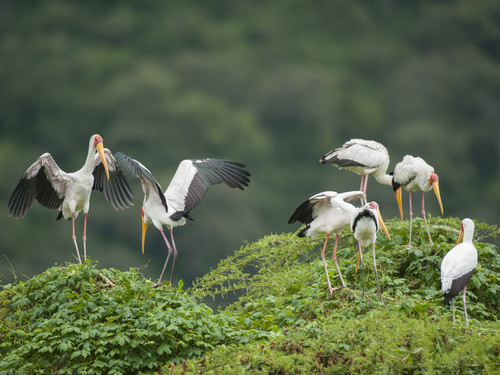
Nyerere National Park is one of Tanzania’s major protected wildlife areas and an important destination within the southern safari circuit. Established as a national park from part of the former Selous Game Reserve, it contains extensive woodland, grassland, wetlands, and river systems that support a wide variety of wildlife. The park is particularly associated with the Rufiji River, which creates channels, lakes, and floodplain habitats.
Unlike the more frequently visited northern parks, Nyerere offers travellers the opportunity to explore a large wilderness area through different safari activities. Game drives are popular, but boat safaris on suitable sections of the Rufiji River system are among the experiences that distinguish the destination. From the water, visitors may observe hippos, crocodiles, waterbirds, and animals approaching the riverbanks to drink. Walking safaris may also be available in designated areas under the supervision of qualified guides.
The park supports elephants, buffaloes, giraffes, lions, African wild dogs, and numerous antelope species. However, wildlife can be spread across large areas, and sightings depend on the season and the routes explored. Travellers should allow enough time for several activities rather than expecting to see everything during a single game drive.
Nyerere is commonly accessed from Dar es Salaam by road or scheduled and charter flights, depending on the travel arrangement. It is a good option for visitors who want to explore southern Tanzania or combine a safari with a holiday on the coast. The park’s size means that accommodation location and travel distances should be considered carefully when planning an itinerary.
Best time to visit: June to October is generally favourable for wildlife viewing and many safari activities, subject to local conditions.
Recommended duration: 3–4 days.
8. Ruaha National Park – Best for Remote Wilderness and Predator Viewing
Ruaha National Park is one of Tanzania’s most rewarding destinations for travellers who prefer quieter wildlife areas and extensive natural landscapes. Located in central-southern Tanzania, the park is characterised by rugged hills, open plains, rocky outcrops, baobab woodland, and the Great Ruaha River system. Its scenery is different from the northern safari circuit, and the relative remoteness of many areas contributes to a more secluded safari experience.
Ruaha is well known for its populations of large mammals and predators. Lions, leopards, elephants, buffaloes, giraffes, and several antelope species inhabit the park, while African wild dogs may also be encountered. The park’s mixture of woodland and open country creates varied wildlife habitats, and experienced guides can help visitors understand how different species use these landscapes throughout the year.
During the dry season, the availability of water becomes an important influence on animal movements. Wildlife may gather near remaining water sources, creating opportunities to observe interactions between predators and prey. The Great Ruaha River is particularly important to the park’s ecosystem, although water levels and conditions vary seasonally.
Ruaha is suitable for travellers who have already visited Tanzania’s northern parks or who want to explore a less crowded safari destination. Reaching the park may require longer road journeys or domestic flights, and visitors should plan their accommodation and transfers carefully. A stay of several days is recommended because the park is extensive and wildlife viewing is best enjoyed without rushing between locations.
Best time to visit: June to October is generally considered favourable for dry-season wildlife viewing.
Recommended duration: 3–4 days.
9. Lake Natron and Ol Doinyo Lengai – Best for Volcanic Landscapes and Flamingos
Lake Natron is one of northern Tanzania’s most unusual natural attractions, located in the Rift Valley near the Kenyan border. The lake is shallow, highly alkaline, and surrounded by dry landscapes, volcanic mountains, and dramatic escarpments. Its mineral-rich waters can produce striking colours under certain conditions, while the surrounding environment provides an interesting contrast to the greener national parks of the northern safari circuit.
Lake Natron is particularly important as a breeding area for lesser flamingos in East Africa. The lake’s alkaline conditions help support the organisms on which these birds feed, while its environment provides suitable breeding habitat when water levels and other conditions are favourable. Visitors may observe flamingos along suitable parts of the lakeshore, although access and sightings vary according to seasonal conditions.
The nearby Ol Doinyo Lengai volcano is another major attraction. Known to the Maasai as the Mountain of God, it is an active volcano with a distinctive geological character. Its steep slopes and exposed terrain attract experienced hikers, but climbing the mountain is physically demanding and should only be undertaken with suitable guidance and careful attention to current safety conditions. Volcanic activity can affect access, and visitors should not assume that climbing is always possible.
Lake Natron is generally reached by road from Arusha or as part of a longer northern Tanzania journey. The roads can be rough, and temperatures in the area are often high, so reliable transport, drinking water, and proper preparation are important. Travellers who enjoy photography, geology, birdwatching, and remote landscapes may find Lake Natron particularly rewarding.
Best time to visit: Often June to October for generally drier travel conditions, although flamingo activity and lake conditions vary.
Recommended duration: 2–3 days.
10. Gombe Stream National Park – Best for Chimpanzee Trekking and Forest Wildlife
Gombe Stream National Park is located on the eastern shore of Lake Tanganyika in western Tanzania. Although much smaller than the country’s major savannah parks, Gombe has an important place in wildlife conservation and scientific research because of its long history of chimpanzee studies. The park is closely associated with the work of Jane Goodall, whose research helped improve scientific understanding of chimpanzee behaviour and social relationships.
The park’s landscape consists of forested hills, valleys, streams, and steep slopes descending towards Lake Tanganyika. Visitors come primarily to track chimpanzees in their natural habitat, accompanied by authorised guides who understand the animals’ movements and the park’s terrain. Unlike a conventional vehicle safari, chimpanzee tracking involves walking through forest paths, sometimes over steep or uneven ground.
Observing chimpanzees in the wild can provide a very different wildlife experience from watching lions or elephants in open grassland. Visitors may see chimpanzees feeding, resting, grooming, or moving through the forest, although the length and difficulty of the trek depend on where the animals are located. Strict rules apply to chimpanzee viewing, including maintaining appropriate distances and following health precautions intended to protect the animals.
Gombe is usually accessed through Kigoma, followed by boat transport on Lake Tanganyika. Because the park is remote, travel arrangements require more planning than a typical northern safari. Visitors should consider flight schedules, boat transfers, accommodation availability, and the physical requirements of forest trekking before booking.
Best time to visit: June to October is often preferred for trekking conditions, although chimpanzees can be tracked at other times of the year.
Recommended duration: 2–3 days in the area, with additional time for travel connections.
Which Part of Tanzania Is Best for First-Time Visitors?
For travellers visiting Tanzania for the first time, the northern safari circuit is usually the most practical starting point. This region includes Serengeti National Park, Ngorongoro Crater, Tarangire National Park, Lake Manyara National Park, and Mount Kilimanjaro. Many of these destinations can be combined in one itinerary beginning in Arusha, reducing the need for complicated travel arrangements between distant parts of the country.
Visitors whose main interest is wildlife should prioritise Serengeti and Ngorongoro, while those with additional time can include Tarangire and Lake Manyara. Travellers interested in mountain climbing may prefer spending several days on Kilimanjaro before adding a short safari, while visitors who want relaxation after their adventure can finish their holiday in Zanzibar.
Southern Tanzania, including Ruaha and Nyerere, is particularly suitable for travellers seeking quieter safari destinations or those who have already explored the northern parks. Western Tanzania, including Gombe, offers more specialised wildlife experiences but generally requires additional travel time and planning.
For a first safari, it is often better to explore three or four destinations properly than to attempt to visit every famous attraction in a short holiday. Longer stays in individual parks provide more opportunities for wildlife viewing and make the journey more comfortable.
Best Time to Visit Tanzania for Wildlife and Natural Attractions
Tanzania can be visited throughout the year, but the best travel period depends on the activities you want to enjoy. Wildlife safaris, mountain climbing, beach holidays, and chimpanzee trekking are affected by different seasonal conditions, so there is no single month that is ideal for every destination.
The dry season, generally from June to October, is popular for wildlife safaris because animals may concentrate near water sources and vegetation can be less dense. This period is especially attractive for visiting Tarangire, Serengeti, Ngorongoro, Ruaha, and Nyerere. It is also a popular season for climbing Kilimanjaro and visiting Zanzibar, although temperatures and weather conditions vary between regions.
From November to March, many parts of Tanzania experience warmer weather and periods of rainfall. The landscape becomes greener, and some areas offer excellent birdwatching opportunities. The southern Serengeti ecosystem is particularly interesting during the wildebeest calving season, which generally takes place early in the year. January and February are also popular months for Kilimanjaro climbing and Zanzibar beach holidays.
April and May are commonly associated with heavier seasonal rainfall in many parts of Tanzania. These months can offer quieter travel experiences, but road conditions, outdoor activities, and wildlife viewing may be affected. Travellers visiting during the rainy season should plan their routes carefully and confirm accommodation and transport arrangements in advance.
How Many Days Do You Need to Explore Tanzania?
The number of days required for a Tanzania holiday depends on the destinations selected and the amount of travelling involved. A short trip of three or four days can provide a good introduction to wildlife viewing in Tarangire, Lake Manyara, or Ngorongoro, but visiting Serengeti generally benefits from additional time because of the distance from Arusha and the size of the park.
A six- or seven-day safari is a popular choice for travellers who want to explore several northern national parks without extending their holiday too much. This allows time for game drives in Serengeti and Ngorongoro while including one or two other destinations. Visitors planning a more relaxed journey may prefer eight to ten days, particularly if they want longer stays in Serengeti or wish to explore less-visited areas.
Travellers combining a safari with Mount Kilimanjaro should allow approximately two weeks or more, depending on the climbing route and safari duration. Those adding Zanzibar may need another three to five days to enjoy the beaches and cultural attractions without rushing.
For visitors with limited time, Eddy Tours & Safaris can help arrange a suitable itinerary based on the number of available days, preferred accommodation, and main travel interests.
How Much Does It Cost to Visit Tanzania?
The cost of travelling in Tanzania varies considerably depending on accommodation standards, transport, park entrance fees, group size, and the destinations included in the itinerary. Budget travellers may reduce expenses by joining shared safaris and staying at public campsites, while visitors seeking private vehicles and luxury lodges should expect higher costs.
Northern Tanzania safaris often involve significant operating expenses because of national park fees, conservation charges, vehicle costs, guide services, and accommodation. Visiting remote destinations such as Gombe, Ruaha, or Nyerere can also increase costs when domestic flights or specialised transport arrangements are required.
Travellers planning a holiday for 2027, 2028, or 2029 should request updated quotations rather than relying on older published prices. Park fees, accommodation rates, fuel costs, and other operating expenses may change, and the final amount will depend on the services selected.
When comparing safari quotations, it is important to check whether the price includes park fees, accommodation, meals, airport transfers, and guiding services. A lower advertised price does not necessarily mean a better-value holiday if important expenses are excluded.
Can You Combine Wildlife Safaris, Kilimanjaro and Zanzibar in One Trip?
Yes, combining wildlife safaris, Kilimanjaro climbing, and Zanzibar is one of the most practical ways to experience Tanzania’s different landscapes during a longer holiday. These destinations offer contrasting experiences, from high-altitude trekking and wildlife viewing to tropical beaches and historic coastal towns.
A typical combined holiday might begin with a Kilimanjaro climbing expedition from Moshi, followed by a safari through Tarangire, Serengeti, and Ngorongoro. After the safari, travellers can take a domestic flight to Zanzibar for several days of relaxation before returning home. The order can also be reversed depending on flight connections, personal preferences, and available travel time.
Visitors planning a mountain expedition should allow enough time for acclimatisation and recovery, particularly if they intend to climb to the summit. Information about different climbing routes and preparation can be found at Kilimanjaro Climb Specialist, while wildlife safari and holiday arrangements can be discussed with Eddy Tours & Safaris.
Frequently Asked Questions About the Best Places to Visit in Tanzania
What Is the Number One Tourist Attraction in Tanzania?
Serengeti National Park is among Tanzania’s most internationally recognised attractions because of its wildlife populations, open landscapes, and the Great Wildebeest Migration. However, the best destination depends on the visitor’s interests. Mount Kilimanjaro is especially popular among hikers, Ngorongoro is highly regarded for wildlife viewing, and Zanzibar attracts travellers interested in beaches and coastal culture.
Which National Park Is Best for Seeing the Big Five in Tanzania?
Serengeti National Park and Ngorongoro Crater are two of the best-known destinations for visitors hoping to see the African Big Five. Ngorongoro offers opportunities to search for black rhinoceroses, while Serengeti is particularly well known for lions, leopards, elephants, and buffaloes. Wildlife sightings remain unpredictable, and seeing all five species during one trip is never guaranteed.
Is Tanzania Good for a Family Holiday?
Tanzania can be an excellent destination for families, particularly those interested in wildlife, nature, and outdoor experiences. Many safari itineraries can be adapted to include shorter driving days, family-friendly accommodation, and activities suitable for children. Families should consider the ages of their children, travel distances, health requirements, and accommodation facilities when planning their holiday.
Is Zanzibar Better Than Serengeti?
Zanzibar and Serengeti offer completely different experiences, so neither is necessarily better than the other. Serengeti is ideal for wildlife viewing, photography, and traditional African safaris, while Zanzibar is more suitable for beach holidays, marine activities, and cultural exploration. Travellers with enough time can combine both destinations in one holiday.
Which Places in Tanzania Are Less Crowded?
Ruaha National Park, Nyerere National Park, Gombe Stream National Park, and Lake Natron can offer quieter experiences compared with some of the most frequently visited northern attractions. However, visitor numbers vary according to the season, location, and accommodation area. Travellers seeking fewer vehicles during game drives may also consider visiting popular parks outside peak travel periods.
Can I Visit Tanzania on a Budget?
Yes, Tanzania offers options for travellers with different budgets. Group-joining camping safaris, carefully selected accommodation, and well-planned routes can help reduce expenses. However, national park fees and other essential safari costs remain significant, so visitors should compare complete quotations rather than focusing only on the advertised price.
Is Tanzania Worth Visiting in 2027, 2028 or 2029?
Tanzania remains an attractive destination for travellers interested in wildlife, mountains, beaches, and cultural experiences. Its protected areas, natural landscapes, and established tourism routes provide opportunities for many different types of holidays. Visitors planning for 2027, 2028, or 2029 should confirm current entry requirements, park fees, travel conditions, and accommodation availability before departure.
Plan Your Tanzania Holiday With Eddy Tours & Safaris
Choosing the best places to visit in Tanzania depends on what you want to experience and how much time you have available. Serengeti and Ngorongoro are excellent choices for wildlife safaris, Tarangire offers impressive elephant viewing, and Lake Manyara provides varied habitats and birdlife. Mount Kilimanjaro attracts travellers looking for a physical challenge, while Zanzibar offers beaches and coastal history. For those who prefer remote landscapes and quieter wildlife areas, Ruaha, Nyerere, Lake Natron, and Gombe are worth considering.
At Eddy Tours & Safaris, we help travellers plan holidays that match their interests, available time, and travel budget. Whether you want a short wildlife safari from Arusha, a longer journey through northern Tanzania, or a combined safari and Zanzibar holiday, our team can assist with planning and travel arrangements.
Contact Eddy Tours & Safaris
Location: Arusha, Tanzania
Website: https://eddytours-safaris.com/
Email: sales@eddytours-safaris.com
Alternative Email: eddytoursandsafaris@gmail.com
Visit our website to explore Tanzania safari options and contact our team for assistance planning your 2027, 2028, or 2029 holiday.