
Complete Kilimanjaro Packing List for 2026, 2027 & 2028 Climbers is one of the most important resources for anyone planning to climb Africa’s highest mountain successfully and comfortably. Many climbers underestimate how much proper gear affects their overall experience on Mount Kilimanjaro, only realizing later that the right clothing, footwear, and equipment can make the difference between an enjoyable trek and a difficult struggle. Kilimanjaro is unique because climbers pass through multiple climate zones within only a few days, moving from warm rainforest conditions to freezing summit temperatures that can drop far below zero during the night. Because of this dramatic environmental change, smart packing becomes absolutely essential for both comfort and safety.
The reason the Complete Kilimanjaro Packing List for 2026, 2027 & 2028 Climbers matters so much is because Kilimanjaro is not a technical climbing mountain but rather a long high-altitude trek where endurance, preparation, and comfort play major roles in summit success. Many first-time trekkers focus only on fitness while ignoring gear preparation, yet experienced mountain guides consistently explain that poor packing decisions often create avoidable problems during the climb. Wet socks, inadequate layering, low-quality sleeping bags, and poorly fitted boots can quickly turn an exciting adventure into an uncomfortable experience. Travelers researching climbs through Kilimanjaro trekking packages often discover that the most successful climbers are not necessarily the strongest athletes but those who prepare carefully and carry the right equipment.
Another important reason the Complete Kilimanjaro Packing List for 2026, 2027 & 2028 Climbers is essential is because weather conditions on the mountain can change extremely quickly. During the lower rainforest stages, temperatures may feel warm and humid, while summit night brings freezing winds and icy conditions. This means climbers must think carefully about layering systems instead of packing random clothing items. According to National Geographic, proper layering remains one of the most effective ways to regulate body temperature during high-altitude trekking because it allows climbers to adjust quickly as weather and physical activity levels change throughout the journey.
The Complete Kilimanjaro Packing List for 2026, 2027 & 2028 Climbers also helps travelers avoid carrying unnecessary weight. Many beginners overpack items they never use while forgetting critical gear that becomes extremely important higher on the mountain. Smart packing focuses on balance, ensuring that climbers remain comfortable while keeping luggage manageable for porters and easier to organize during the trek. Conservation-focused travel organizations like WWF and IUCN continue encouraging sustainable trekking practices, including responsible gear use and minimizing unnecessary waste during mountain expeditions.
Why the Complete Kilimanjaro Packing List for 2026, 2027 & 2028 Climbers Matters
The Complete Kilimanjaro Packing List for 2026, 2027 & 2028 Climbers is not simply about comfort but also about improving safety, reducing stress, and increasing summit success rates. Climbers who prepare correctly usually enjoy the experience more because they spend less time worrying about cold temperatures, wet conditions, or physical discomfort. Mount Kilimanjaro challenges the body gradually over several days, and small issues like blisters, dehydration, or inadequate insulation can become much more serious at altitude.
Professional trekking operators frequently recommend investing in quality gear before focusing on luxury extras because practical equipment directly affects performance on the mountain. Travelers exploring preparation advice through Mount Kilimanjaro climbing information often notice that experienced guides repeatedly emphasize the importance of reliable boots, warm sleeping systems, and moisture-resistant clothing. Reports from Outside Online also explain that layering and proper footwear remain among the most important elements of successful trekking preparation worldwide.
Psychologically, proper packing also improves confidence. Climbers who know they are well-prepared tend to feel calmer and more focused during difficult sections of the trek. This becomes especially important on summit night when temperatures drop dramatically and mental resilience becomes just as important as physical strength. The mountain itself becomes more enjoyable when climbers are comfortable enough to appreciate the scenery instead of constantly struggling with poor gear choices.
Essential Clothing in the Complete Kilimanjaro Packing List for 2026, 2027 & 2028 Climbers
Clothing forms the foundation of the Complete Kilimanjaro Packing List for 2026, 2027 & 2028 Climbers because temperature management is critical throughout the trek. Instead of packing heavy individual items, climbers should focus on a layering system that allows flexibility in changing conditions. The base layer should include moisture-wicking thermal clothing that keeps sweat away from the body while helping maintain warmth during colder stages.
The mid-layer usually consists of fleece jackets or insulated clothing designed to trap body heat efficiently without creating excessive bulk. Finally, the outer shell should protect against wind, rain, and snow while remaining breathable enough for long hours of walking. Sources like REI consistently emphasize layering systems as the most effective approach for mountain environments where weather conditions fluctuate rapidly.
Down jackets become especially important during summit night because temperatures near Uhuru Peak can become extremely cold before sunrise. Waterproof trousers and jackets are equally important because rain is common in rainforest sections of Kilimanjaro. Travelers often underestimate how uncomfortable wet clothing becomes at altitude, making waterproof gear an essential investment rather than an optional extra.
Warm gloves, thermal hats, neck gaiters, and quality trekking socks should also be included in the Complete Kilimanjaro Packing List for 2026, 2027 & 2028 Climbers. Small accessories like these may seem minor during preparation, but they become extremely valuable in cold summit conditions where exposed skin can quickly become uncomfortable.
Footwear Recommendations in the Complete Kilimanjaro Packing List for 2026, 2027 & 2028 Climbers
Footwear remains one of the most critical parts of the Complete Kilimanjaro Packing List for 2026, 2027 & 2028 Climbers because climbers spend many consecutive days walking through different terrains ranging from muddy rainforest paths to rocky alpine sections. Proper trekking boots should provide ankle support, waterproof protection, and comfort during long hiking hours. One of the biggest mistakes beginners make is wearing brand-new boots without properly breaking them in before the climb.
Blisters become a major problem on Kilimanjaro when boots fit poorly or lack adequate support. Trekking experts from Switchback Travel continue recommending that climbers train in their boots for several weeks before arriving in Tanzania to ensure proper comfort and reduce injury risks. Good trekking socks also help prevent friction and moisture buildup during long hikes.
In addition to main trekking boots, lightweight camp shoes or sandals are highly recommended. After long days of hiking, changing into lighter footwear at camp provides relief for tired feet and improves overall comfort during the expedition.
Sleeping and Camping Gear in the Complete Kilimanjaro Packing List for 2026, 2027 & 2028 Climbers
A warm sleeping bag is another essential component of the Complete Kilimanjaro Packing List for 2026, 2027 & 2028 Climbers because nighttime temperatures become extremely cold at higher camps. Sleeping bags rated for at least -10°C are strongly recommended to ensure adequate warmth during summit preparation nights. While many trekking companies provide tents, climbers should still confirm equipment quality before arrival.
Organizations like Mountain Hardwear and The North Face consistently emphasize insulation quality and moisture resistance when selecting sleeping systems for high-altitude environments. A sleeping bag liner can also provide additional warmth while improving hygiene during multi-day treks.
Headlamps with extra batteries are equally important because summit attempts begin around midnight. Climbers depend heavily on reliable lighting during dark mountain conditions, making battery backup essential for safety and comfort.
Health and Safety Items in the Complete Kilimanjaro Packing List for 2026, 2027 & 2028 Climbers
The Complete Kilimanjaro Packing List for 2026, 2027 & 2028 Climbers should always include personal medical supplies and health essentials because altitude and weather conditions can affect people differently. Basic medications for headaches, stomach discomfort, blisters, and altitude sickness should be packed carefully in waterproof bags.
Hydration systems are especially important because staying hydrated significantly improves acclimatization performance. According to World Health Organization guidance regarding high-altitude trekking, maintaining hydration and nutrition levels helps reduce physical stress during prolonged mountain activity.
Sunscreen and lip balm are often overlooked but become extremely important because UV exposure increases dramatically at altitude. Sunglasses with proper UV protection are also necessary to protect the eyes from strong sunlight and snow glare near the summit.
Electronics and Accessories in the Complete Kilimanjaro Packing List for 2026, 2027 & 2028 Climbers
Modern climbers often bring cameras, smartphones, power banks, and GPS devices during their Kilimanjaro expeditions. The Complete Kilimanjaro Packing List for 2026, 2027 & 2028 Climbers should therefore include reliable charging solutions because electricity is unavailable on most trekking routes. High-capacity power banks become extremely valuable for keeping devices operational throughout the climb.
Photography enthusiasts should also consider weather-resistant camera protection because dust, moisture, and cold conditions can damage sensitive equipment. Many travelers exploring trekking advice through Kilimanjaro route preparation guides often realize that protecting gear becomes just as important as bringing it.
Trekking poles are another highly recommended accessory because they reduce pressure on knees during steep descents while improving balance on uneven terrain. Research from NCBI indicates that trekking poles can significantly reduce lower body strain during long-distance hiking.
Travel Tips for the Complete Kilimanjaro Packing List for 2026, 2027 & 2028 Climbers
One of the smartest travel tips related to the Complete Kilimanjaro Packing List for 2026, 2027 & 2028 Climbers is to pack gear in waterproof duffel bags instead of hard suitcases because porters carry luggage throughout the trek. Duffel bags are easier to transport and better suited for mountain conditions.
Another important tip is avoiding overpacking. Many climbers initially believe they need excessive clothing or unnecessary gadgets, but simplicity usually creates a more organized and comfortable experience. Travelers planning climbs through guided Kilimanjaro expeditions often receive detailed porter weight restrictions, making efficient packing especially important.
Renting gear in Tanzania can also help reduce travel costs, especially for items like sleeping bags, trekking poles, and insulated jackets. Additional trekking insights and route comparisons are available through Kilimanjaro Climb Specialist for climbers looking to improve preparation before arrival.
FAQ’S OF THE COMPLETE KILIMANJARO PACKING LIST FOR 2026, 2027 & 2028 CLIMBERS
- Do I need expensive gear to climb Kilimanjaro? No, but quality essentials like boots and warm layers are extremely important.
- Can I rent equipment in Tanzania? Yes, many operators offer rental gear including sleeping bags and jackets.
- How cold does Kilimanjaro get? Summit temperatures can drop below freezing, especially during the night.
- Do I need trekking poles? They are highly recommended for stability and reducing strain on knees.
- How much luggage can porters carry? Most operators allow around 15kg per climber in duffel bags.
Conclusion – Complete Kilimanjaro Packing List for 2026, 2027 & 2028 Climbers
The Complete Kilimanjaro Packing List for 2026, 2027 & 2028 Climbers is more than a simple checklist because proper preparation directly influences comfort, confidence, and summit success on Africa’s highest mountain. Climbers who prepare carefully often enjoy the journey more because they remain warm, organized, and physically comfortable throughout changing mountain conditions.
Whether you are a beginner or an experienced trekker, smart packing helps transform Kilimanjaro from a difficult challenge into an inspiring adventure filled with unforgettable scenery and personal achievement. Travelers planning future expeditions can explore additional preparation resources through Google while continuing research about routes, seasons, and acclimatization strategies.
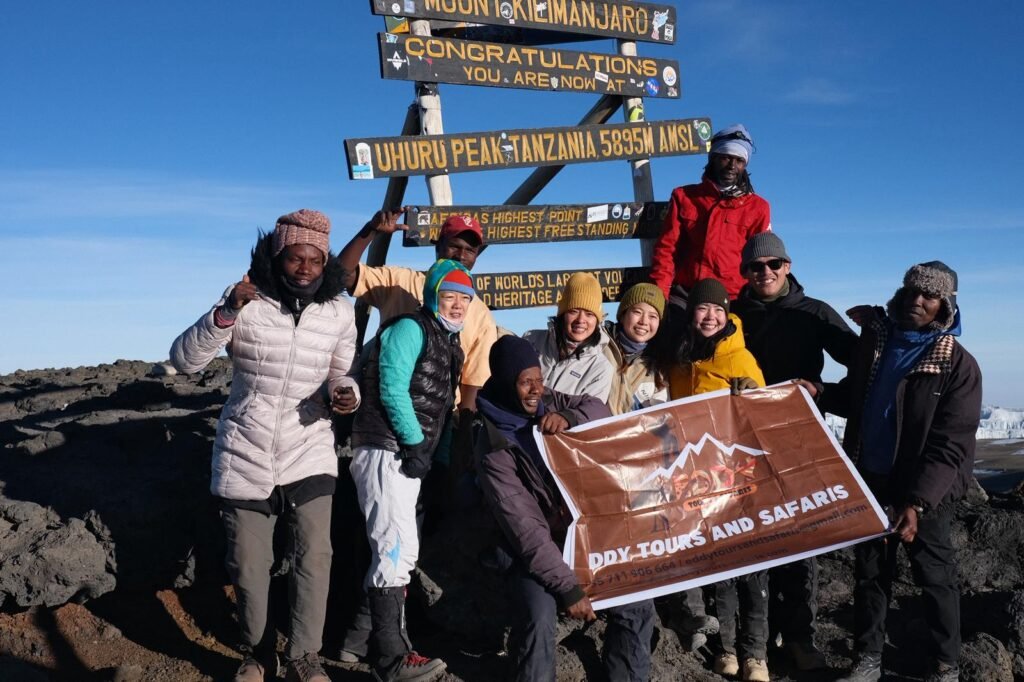
If you are preparing for your climb in 2026, 2027, or 2028, now is the perfect time to begin organizing gear, improving fitness, and planning your journey through professional Kilimanjaro climbing experts who can guide you through every stage of preparation. Mount Kilimanjaro rewards preparation, patience, and determination, and the right packing strategy becomes one of the most important steps toward standing successfully on Uhuru Peak.