
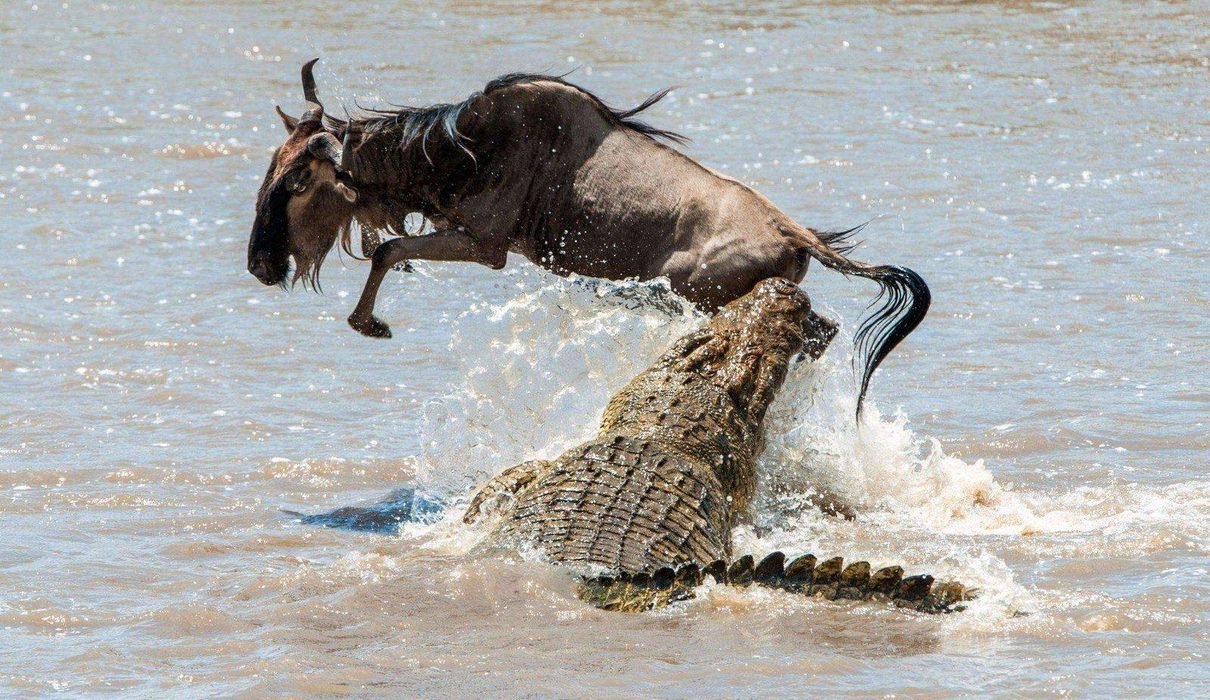
Planning a safari to Serengeti National Park is one of the most exciting parts of organizing a Tanzania holiday, but deciding how many days to spend in the park can be surprisingly difficult. Some travelers have only a few days available, while others want enough time to explore the different wildlife regions, follow the Great Wildebeest Migration, and enjoy the African wilderness without rushing between destinations. The ideal safari duration depends on your travel interests, budget, arrival point, preferred accommodation, and the time of year you plan to visit.
For most first-time visitors, spending three to four days inside Serengeti National Park provides a good balance between wildlife viewing and travel time. This allows opportunities for morning and afternoon game drives, exploration of the central Serengeti, and encounters with animals such as lions, elephants, giraffes, zebras, buffaloes, and antelopes. Travelers with a particular interest in wildlife photography, the Great Migration, or visiting more remote regions may benefit from spending five to seven days or longer.
Serengeti National Park covers approximately 14,763 square kilometres and forms part of the larger Serengeti–Mara ecosystem. Its landscapes include open grasslands, rocky kopjes, riverine forests, woodlands, and seasonal wetlands. Because the park is so extensive, wildlife experiences vary considerably between the central plains, western corridor, northern Serengeti, and southern grasslands. A short safari can be enjoyable, but visiting several distant regions requires additional travel time.
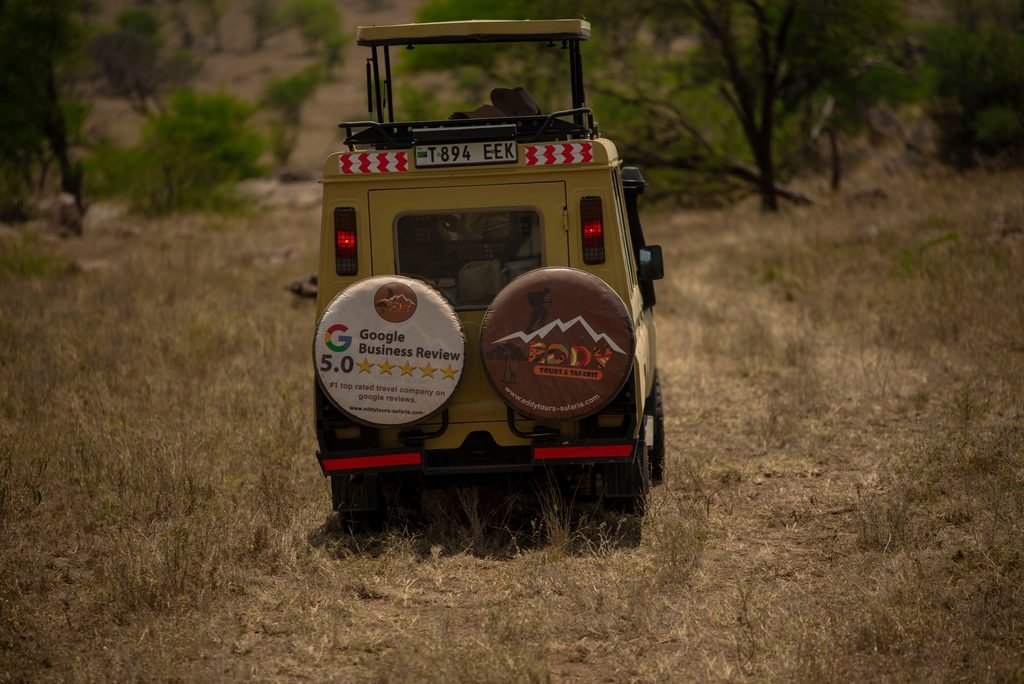
At Eddy Tours & Safaris, we help travelers plan private and group safari itineraries that suit their available time and interests. Whether you are visiting Tanzania for the first time, traveling with your family, planning a honeymoon, or hoping to photograph the Great Migration in 2027 or 2028, this guide explains how many days you should spend in the Serengeti and how to make the most of your safari.
How Many Days Are Enough for a Serengeti Safari?
The ideal Serengeti safari duration depends on the experience you want. A two-day visit may be worthwhile for travelers with limited time, especially when flying directly into the park, but it offers fewer opportunities to explore different wildlife habitats. Three to four days generally provide a better introduction, while five or more days are particularly valuable for travelers interested in the Great Migration, photography, or a slower travel schedule.
An important distinction is the difference between the total number of days in your safari package and the actual number of days spent inside Serengeti National Park. For example, a four-day safari beginning and ending in Arusha may include considerable driving time, leaving only part of the itinerary for wildlife viewing in the Serengeti. A four-day fly-in safari, on the other hand, can provide more time inside the park because it avoids some of the long road transfers.
Serengeti Safari Duration Comparison
| Days inside Serengeti | Best for | What to expect |
|---|---|---|
| 1 day | Travelers already nearby | A brief introduction with limited exploration |
| 2 days | Short holidays and tight schedules | A few game drives, generally in one region |
| 3 days | First-time visitors | A useful introduction to central Serengeti wildlife |
| 4 days | Couples, families and first-time safari travelers | More relaxed game drives and better flexibility |
| 5 days | Wildlife enthusiasts and photographers | More time for sightings and selected additional areas |
| 6–7 days | Migration-focused travelers | Extended wildlife viewing and greater regional flexibility |
| 8–10 days | Serious photographers and extended safari holidays | More time in multiple areas, depending on season and logistics |
These durations refer to time in or around the Serengeti, not necessarily the full length of a Tanzania safari that includes Arusha, Tarangire, Ngorongoro, or other destinations.
Is One Day Enough for a Serengeti Safari?
One day in the Serengeti can provide an introduction to the park, but it is not enough to appreciate its full size and wildlife diversity. The park is extensive, and traveling between its main regions takes time. A visitor arriving from Arusha by road may spend much of the day traveling before reaching the central Serengeti, leaving limited time for game viewing.
A one-day visit is more practical for travelers already staying near the park or arriving by an early flight with suitable onward arrangements. Even then, wildlife sightings depend on animal movements, weather, and the area visited. You may encounter lions, elephants, giraffes, zebras, or other animals during a single game drive, but there is no guarantee that every species will be seen.
For travelers making a special journey to Tanzania, we generally recommend allowing more than one day for the Serengeti. The park deserves sufficient time to enjoy the landscape, observe animal behavior, and experience wildlife without feeling pressured to move constantly.
Two Days in Serengeti: A Short but Rewarding Safari
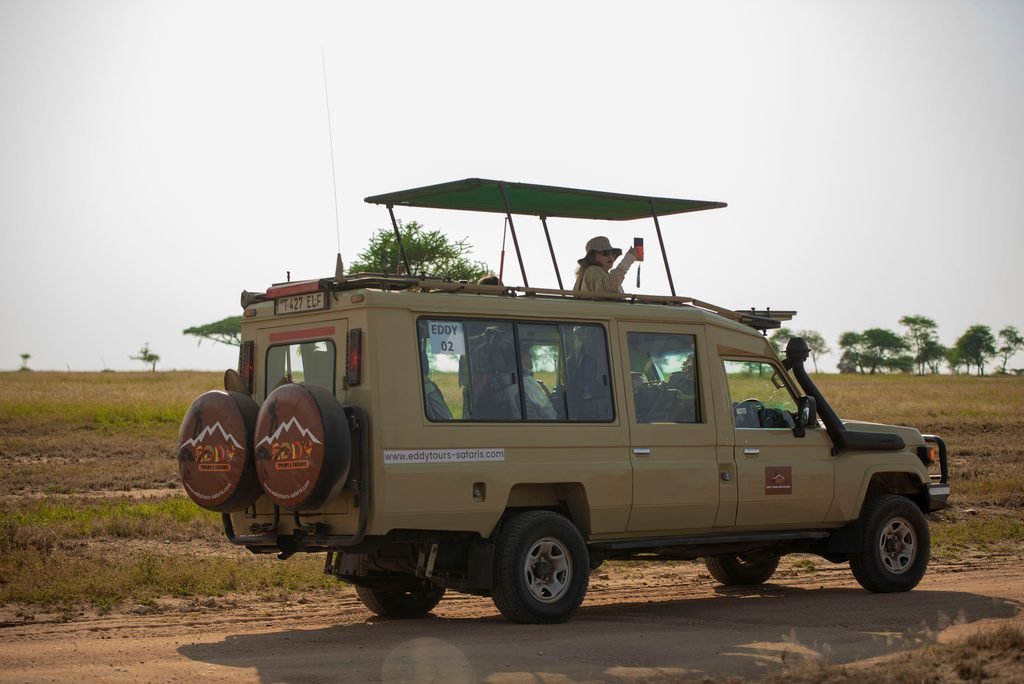
A two-day Serengeti safari is suitable for travelers who want a brief wildlife experience and have limited holiday time. It can be particularly practical when combined with flights into and out of the park, reducing the amount of time spent on road transfers. Visitors can focus on the central Serengeti, where the Seronera Valley and surrounding plains support resident wildlife throughout the year.
During a two-day visit, travelers may enjoy game drives through open grasslands, acacia woodland, and areas surrounding seasonal water sources. Lions, giraffes, elephants, buffaloes, antelopes, and zebras are among the animals that may be encountered, while leopards and cheetahs require patience and favorable conditions. The experience can be rewarding, but the short schedule provides limited flexibility when wildlife is difficult to locate.
If you choose a two-day Serengeti safari, it is important to understand how much actual game-viewing time the package includes. A road itinerary with one night in the park may provide significantly less time for wildlife viewing than a two-day fly-in arrangement.
Three Days in Serengeti: A Good Choice for First-Time Visitors
Three days in the Serengeti is a practical option for travelers who want more than a brief introduction without committing to a long safari. With two or three nights in or near the park, depending on the itinerary, visitors can enjoy several game drives and explore different parts of the central Serengeti. This region is particularly attractive because of its resident wildlife, varied habitats, and opportunities to observe predators.
The Seronera Valley is one of the best-known wildlife areas in the central Serengeti. Its combination of grasslands, riverine vegetation, and rocky kopjes supports many animal species. Lions may be observed resting near rocky outcrops or moving through open plains, while leopards are sometimes found in trees along riverine areas. Cheetahs are associated with more open terrain, where they hunt animals such as gazelles.
A three-day itinerary also provides greater flexibility than a one- or two-day visit. Instead of trying to cover as much ground as possible, your guide can spend more time in productive wildlife areas, return to locations where interesting activity has been reported, or adjust the route according to conditions.
For many travelers planning a broader northern Tanzania safari, three days in the Serengeti can be combined with Ngorongoro Crater or Tarangire National Park to create a well-balanced wildlife holiday.
Four Days in Serengeti: The Recommended Duration for Most Travelers
Four days is an excellent choice for travelers who want a more complete Serengeti experience without spending an entire week in the park. The additional time allows you to enjoy game drives at a comfortable pace, explore different habitats, and spend longer observing wildlife behavior rather than moving quickly from one sighting to another.
A four-day itinerary can include early morning game drives, when temperatures are cooler and predators may still be active, followed by opportunities to explore other areas during the day. Depending on your accommodation location and the park’s permitted operating arrangements, your guide can organize a schedule that balances wildlife viewing with time for meals and rest.
This duration is particularly suitable for couples, families, and first-time safari travelers. Children and older visitors may appreciate the opportunity to avoid excessively long days in the vehicle, while photography enthusiasts can benefit from spending more time with individual wildlife sightings.
Four days also provide some flexibility when weather or animal movements affect your plans. Although no safari duration guarantees seeing a particular animal, additional time generally creates more opportunities to encounter different species and observe their natural behavior.
Five Days in Serengeti: More Time for Wildlife and Photography
Five days in the Serengeti is a strong option for travelers who want to explore beyond the most frequently visited areas or spend more time photographing wildlife. Rather than concentrating on a single region, you may be able to combine the central Serengeti with another area, depending on the season, road conditions, and accommodation availability.
Wildlife photography often requires patience. A lion resting beneath a tree may remain inactive for several hours, while cheetahs can spend long periods scanning the surrounding plains before beginning a hunt. Having additional days allows photographers to wait for favorable light, observe animal behavior, and return to productive locations without sacrificing the rest of the itinerary.
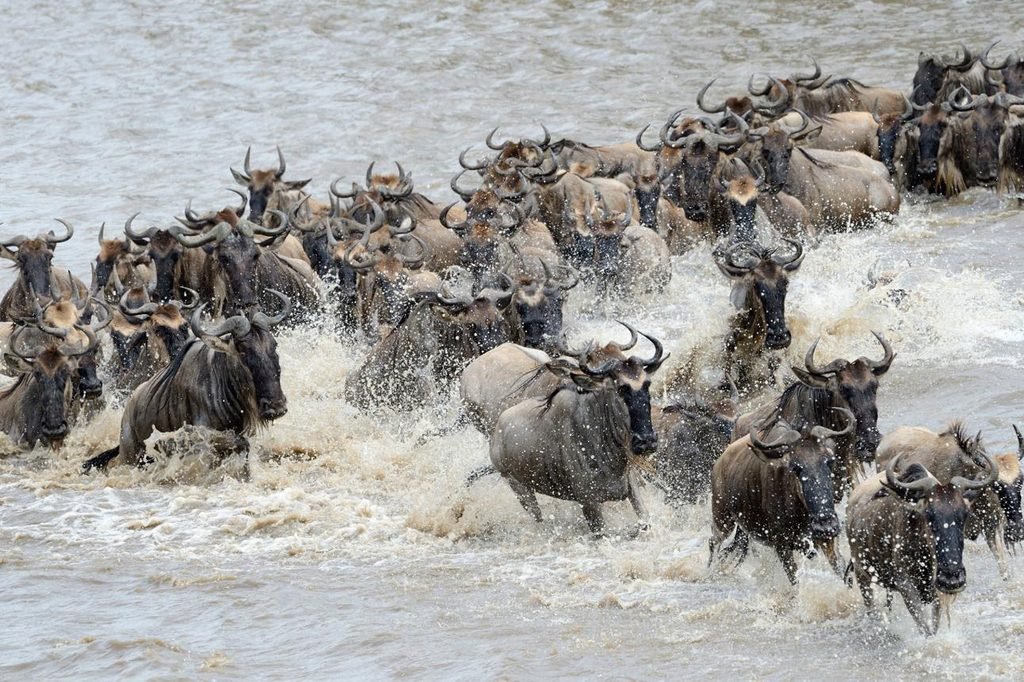
A five-day safari can also be valuable during migration periods. Wildebeest herds do not move according to a fixed tourist schedule, and rainfall can influence their location. Spending several days in an appropriate region provides greater flexibility than attempting to see a specific migration event during a single game drive.
For travelers with enough time and budget, five days can offer an excellent balance between wildlife viewing, photography, and relaxation.
Six to Seven Days in Serengeti: Ideal for a Migration-Focused Safari
Six to seven days in the Serengeti is particularly attractive for travelers whose main interest is the Great Wildebeest Migration. The migration is a year-round movement of wildebeest, zebras, and other grazing animals across the Serengeti–Mara ecosystem in search of fresh grass and water. Its timing varies according to rainfall and environmental conditions, so the best location for a safari depends on the month of travel.
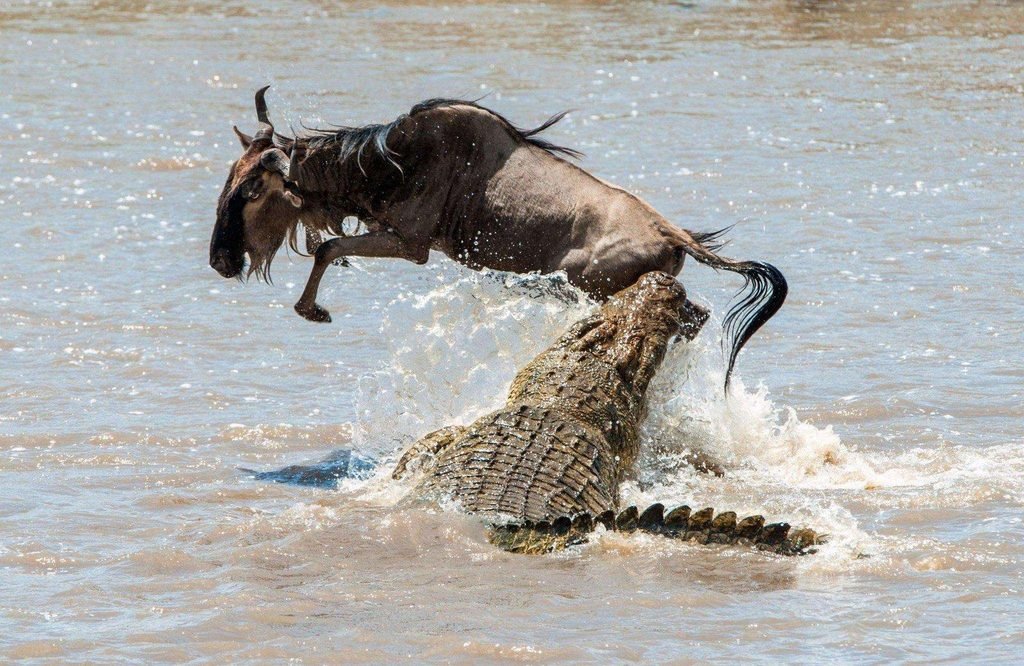
During the calving period, the southern Serengeti and Ndutu area can offer opportunities to observe large herds and newborn wildebeest. As the seasons change, the herds generally move toward the central and western areas before reaching the northern Serengeti and the wider Mara ecosystem. River crossings are among the most sought-after migration experiences, but they cannot be predicted or guaranteed on a particular day.
With six or seven days available, travelers can spend more time in the region most relevant to the season and avoid relying on a single day for an important wildlife event. A longer itinerary may also allow time in central Serengeti, where resident wildlife can provide excellent viewing even when the migrating herds are elsewhere.
For travelers hoping to witness a Mara River crossing, additional days in northern Serengeti are particularly valuable. Herds may gather near the river for hours or days without crossing, and some groups may change direction entirely. A responsible safari itinerary should explain these uncertainties rather than promising a crossing.
Eight to Ten Days in Serengeti: An Extended Wildlife Experience
An eight- to ten-day Serengeti safari is best suited to travelers who want an extended wildlife holiday, serious photography opportunities, or time in several regions of the park. With a longer schedule, it becomes possible to spend multiple nights in different locations rather than attempting to cover large distances in a single day.
Depending on the season, travelers may combine central Serengeti with northern or western areas, allowing time to experience different landscapes and wildlife habitats. The central region is known for resident predators and year-round game viewing, while the northern and western regions become especially relevant during certain stages of the migration.
Longer safaris also provide opportunities to slow down. Instead of focusing only on the Big Five, visitors can spend time observing birdlife, antelope behavior, giraffe feeding patterns, elephant family groups, and the smaller details of the Serengeti ecosystem.
For photographers, researchers, and travelers with a strong interest in wildlife, an extended Serengeti safari can be particularly rewarding. However, the itinerary should still be designed around the season and the regions you genuinely want to explore rather than adding unnecessary driving simply to fill more days.
How Many Days Do You Need to See the Great Wildebeest Migration?
The Great Wildebeest Migration is one of the main reasons travelers visit Serengeti National Park. However, the migration is not a single event that happens on a fixed date. It is a continuous seasonal movement influenced by rainfall, grazing conditions, and water availability across the greater Serengeti–Mara ecosystem.
If seeing large migrating herds is your main objective, five to seven days in the relevant region is a sensible starting point. This gives you time to explore the area, follow reports of herd movements, and enjoy other wildlife encounters if the migration is not immediately visible.
For travelers particularly interested in river crossings, additional days may be useful because crossings are unpredictable. Even when large herds are gathered near a river, they may not cross during your visit.
Serengeti Migration Seasons for 2027 and 2028
| Approximate period | Main areas to consider | Typical wildlife activity |
|---|---|---|
| January–March | Southern Serengeti and Ndutu | Calving season and predator activity |
| April–May | Southern, central and western movement corridors | Herds moving with changing grazing conditions |
| May–July | Western Corridor and Grumeti region | Large herds and possible river crossings |
| July–October | Northern Serengeti and Mara River area | Possible Mara River crossings |
| November–December | Central and southern movement corridors | Herds returning toward seasonal grazing areas |
These are general seasonal patterns, not guaranteed migration locations for 2027 or 2028. Rainfall may shift the timing by several weeks, and the Ndutu area extends into the Ngorongoro Conservation Area outside Serengeti National Park.
Best Serengeti Safari Duration by Travel Season
The number of days you need also depends on when you plan to visit Tanzania. During the dry season, animals may be easier to observe in certain areas because vegetation is shorter and wildlife often concentrates near reliable water sources. However, popular wildlife locations may also attract more safari vehicles, particularly during peak travel months.
During the wetter months, the Serengeti becomes greener and more productive, with seasonal changes in grazing and wildlife distribution. Some travelers prefer this period because of the scenery, birdlife, and opportunities to see young animals. However, rain can affect road conditions, and the movement of migratory herds may be more difficult to predict.
For a general wildlife safari, three to four days can work well throughout much of the year when the itinerary focuses on a suitable region. For migration-focused travel, five to seven days or longer may be preferable, especially when visitors are hoping to witness an unpredictable event such as a river crossing.
Road Safari Versus Fly-In Safari: How Does It Affect Your Time?
One of the most important factors when deciding how many days to spend in the Serengeti is whether you will travel by road or by air. Road safaris from Arusha are popular because they can be combined with other northern Tanzania destinations, including Tarangire National Park, Lake Manyara, and Ngorongoro Crater. However, reaching central Serengeti involves a substantial journey, and road conditions or stops along the way can affect the travel time.
A fly-in safari can reduce the time spent traveling between Arusha and the Serengeti. Scheduled or charter flights may serve airstrips such as Seronera and other locations, depending on the season and flight arrangements. This option can be especially useful for travelers with limited time, those visiting remote migration areas, or visitors who prefer to spend more of their holiday on game drives.
The choice between road and air travel also affects the overall safari budget. Road safaris may offer better value for certain groups, while fly-in arrangements often involve higher transport costs. Before booking, compare the actual wildlife-viewing time included in each itinerary rather than judging packages only by the total number of days.
How Many Days Should You Spend in Serengeti and Ngorongoro?
Serengeti National Park and Ngorongoro Crater are frequently combined because they offer different wildlife experiences. The Serengeti is known for its extensive plains, predator populations, and seasonal migration, while Ngorongoro Crater provides game-viewing opportunities within a distinctive volcanic landscape.
For travelers with five to six days available for a northern Tanzania safari, a practical arrangement may include two or three nights in the Serengeti and one night near Ngorongoro, with the remaining time allocated to transfers and a crater game drive. Longer itineraries allow additional time in the Serengeti or visits to Tarangire and Lake Manyara.
The best combination depends on where your journey begins, whether you are traveling by road or air, and the amount of time you want to spend in each destination. It is generally better to visit fewer parks properly than to include too many destinations and spend most of the holiday driving.
Suggested Serengeti Safari Itineraries for 2027 and 2028
Option 1: Three-Day Serengeti Fly-In Safari
A three-day fly-in safari is suitable for travelers who want to maximize wildlife viewing during a short holiday. On the first day, you fly from Arusha or another available departure point to a Serengeti airstrip, where your guide meets you for a game drive before transferring to your lodge or tented camp. The second day is dedicated to exploring the surrounding wildlife areas, while the third day includes a final game drive or transfer before your return flight, depending on the flight schedule.
This option works particularly well when accommodation is located near productive wildlife areas. However, the itinerary should be planned around actual flight availability, baggage restrictions, and the location of your chosen camp.
Option 2: Four-Day Serengeti Road Safari
A four-day road safari can begin in Arusha with a journey through the northern Tanzania highlands toward Serengeti National Park. Depending on departure time and road conditions, you may enjoy some wildlife viewing after entering the park before continuing to your accommodation. The second and third days provide more time for game drives in central Serengeti, while the fourth day is used for the return journey or onward travel.
Because road transfers occupy substantial time, this itinerary is best for travelers who understand that not every day will be a full game-viewing day. Those seeking a more relaxed experience may prefer to add another night.
Option 3: Five-Day Serengeti and Ngorongoro Safari
A five-day Serengeti and Ngorongoro itinerary provides a useful introduction to two of Tanzania’s best-known wildlife destinations. Travelers may begin in Arusha, continue toward Serengeti National Park, and spend several days exploring the central plains before traveling toward the Ngorongoro highlands. A crater game drive can then be arranged before returning to Arusha.
This itinerary is suitable for couples, families, and first-time safari travelers who want to experience both the Serengeti’s open landscapes and the concentrated wildlife habitats of Ngorongoro Crater. The exact number of nights in each area should be confirmed in the detailed itinerary.
Option 4: Seven-Day Serengeti Migration Safari
A seven-day migration-focused safari is designed around the seasonal location of the wildebeest herds. During the calving season, the itinerary may focus on Ndutu and the southern plains, while a northern Serengeti itinerary is more appropriate during periods when Mara River crossings are possible. Central Serengeti can also be included for resident wildlife viewing.
The main advantage of this itinerary is flexibility. Instead of moving rapidly between several destinations, travelers can spend more time in the relevant migration area and adjust game drives according to wildlife activity. However, no operator can guarantee that the herds will be in a specific location or that a river crossing will occur during the visit.
How Does Safari Duration Affect the Cost?
The cost of a Serengeti safari generally increases with the number of days because longer trips require additional accommodation, meals, park arrangements, vehicle use, and guiding services. However, the price per person may vary depending on group size, accommodation category, travel season, and transport arrangements.
A budget camping safari can cost considerably less than a luxury lodge or fly-in safari, but travelers should compare what is included rather than focusing only on the advertised price. Park fees, Ngorongoro transit or crater charges where applicable, vehicle arrangements, accommodation, and flights can all affect the final quotation.
For 2027 and 2028, exact prices should be confirmed through a written quotation because park fees, accommodation rates, and operating costs may change. Travelers should avoid relying on outdated package prices when preparing their budgets.
Should You Choose a Private or Group-Joining Serengeti Safari?
Private safaris offer flexibility because the vehicle and itinerary are arranged for your group. This can be particularly valuable for families, photographers, honeymooners, and travelers who want to spend longer at particular wildlife sightings. A private guide can adjust the daily schedule within park rules and practical operating conditions, making it easier to focus on your interests.
Group-joining safaris can be a more affordable option because certain vehicle and guiding costs are shared between travelers. They are suitable for visitors who are comfortable following a common schedule and sharing the safari experience with other guests. However, the itinerary may be less flexible, and the available departure dates depend on the operator’s confirmed arrangements.
Both options can provide excellent wildlife experiences. The most important considerations are the quality of the guiding, the amount of time allocated to game drives, and whether the itinerary suits your travel expectations.
Where Should You Stay During a Serengeti Safari?
Serengeti accommodation ranges from public camping arrangements to comfortable tented camps and high-end safari lodges. The best choice depends on your budget, preferred level of comfort, travel season, and the area of the park you intend to explore.
Central Serengeti accommodation is useful for general wildlife viewing because it provides access to several productive game-drive areas. Northern Serengeti camps are particularly relevant during periods when the migration is expected near the Mara River, while accommodation around the southern plains and Ndutu is popular during the calving season.
Choosing accommodation in the correct region can save considerable driving time. A cheaper lodge located far from your main wildlife interests may reduce the time available for game drives, while a well-positioned camp can make the itinerary more efficient. Always consider location alongside price and comfort.
Is Serengeti Worth Visiting for Only Two or Three Days?
Yes. A short Serengeti safari can still be worthwhile, particularly for travelers who have limited time or are combining the park with other destinations in Tanzania. The Serengeti supports resident wildlife throughout the year, so visitors do not need to witness the Great Migration to enjoy meaningful game-viewing opportunities.
However, a short safari should be planned realistically. Spending two or three days in one productive area is generally more practical than attempting to visit several distant regions. Wildlife sightings are unpredictable, and trying to cover too much ground can result in long driving hours with little time to observe animals properly.
If your budget and schedule allow, adding an extra day is often worthwhile. The additional time creates more opportunities for game drives, reduces the pressure to see everything immediately, and allows you to appreciate the Serengeti at a more comfortable pace.
Frequently Asked Questions About Serengeti Safari Duration
1. How many days do I need for a Serengeti safari?
For most first-time visitors, three to four days inside Serengeti National Park is a good starting point.
2. Is two days enough for Serengeti?
Two days can provide a worthwhile introduction, especially with a fly-in safari, but exploration will be limited.
3. Is three days enough for Serengeti?
Yes. Three days can provide several game drives and a good introduction to central Serengeti wildlife.
4. Is four days better than three days?
Four days generally offer more flexibility and additional time for wildlife viewing.
5. How many days should I spend in Serengeti for the Great Migration?
Five to seven days or longer can be useful, particularly when migration viewing is your main objective.
6. How many days do I need to see a Mara River crossing?
There is no guaranteed number of days. Additional time in northern Serengeti may improve your opportunity, but crossings are unpredictable.
7. Can I visit Serengeti in one day?
A one-day visit is possible under suitable travel arrangements, but it provides limited time for exploring the park.
8. What is the best duration for a first-time safari?
Three to four days in the Serengeti is a practical recommendation for many first-time visitors.
9. How many days should photographers spend in Serengeti?
Five to seven days or longer can provide more time for observing behavior and waiting for favorable photographic conditions.
10. Is Serengeti good for a family safari?
Yes. A three- to five-day visit can work well for families, depending on children’s ages and the travel schedule.
11. How many days should I spend in Serengeti and Ngorongoro?
A five- to six-day combined safari is a useful starting point, including road transfers and a crater game drive.
12. Can I combine Serengeti with Tarangire?
Yes. Both destinations can be included in a northern Tanzania safari itinerary.
13. Is a fly-in safari better for short holidays?
A fly-in safari can reduce travel time and provide more time inside the park, although it usually involves additional flight costs.
14. How long does it take to drive from Arusha to Serengeti?
The journey commonly takes much of a day, depending on the route, road conditions, stops, and final destination inside the park.
15. Can I see lions in three days?
Lions are present in Serengeti, and three days provide opportunities for sightings, but no particular encounter is guaranteed.
16. Can I see the Big Five in Serengeti?
Serengeti supports the Big Five, but rhinos are particularly difficult to encounter, and seeing all five species cannot be guaranteed.
17. Is Serengeti worth visiting without the migration?
Yes. The park supports substantial resident wildlife throughout the year.
18. Which part of Serengeti is best for a short safari?
Central Serengeti is often a practical choice because of its resident wildlife and established game-drive areas.
19. Which area is best for the calving season?
The southern Serengeti and Ndutu area are commonly associated with wildebeest calving.
20. Which area is best for river crossings?
Northern Serengeti near the Mara River is a key area during the relevant migration period.
21. Does a longer safari guarantee more wildlife sightings?
No. Additional days provide more opportunities, but animal movements and sightings remain unpredictable.
22. Can I do a budget Serengeti safari?
Yes. Budget camping and some group-joining arrangements can help reduce costs.
23. Are private Serengeti safaris better?
Private safaris provide greater flexibility, while group-joining safaris may offer better value for certain travelers.
24. Can I book a Serengeti safari for 2027?
You can request a quotation and discuss preferred dates, subject to confirmation of accommodation and other arrangements.
25. Can I book a Serengeti safari for 2028?
Yes. You can begin planning your 2028 safari, although future prices and availability must be confirmed.
Plan Your Serengeti Safari for 2027 and 2028 with Eddy Tours & Safaris
Choosing how many days to spend in Serengeti National Park depends on the type of wildlife experience you want, the season of travel, and the amount of time available for your Tanzania holiday. A short two-day safari can introduce you to the park, while three to four days generally provide a more balanced experience for first-time visitors. Travelers interested in wildlife photography, the Great Migration, or exploring multiple regions may benefit from five to seven days or longer.
The most important consideration is not simply the total number of days advertised in a safari package, but how those days are actually spent. A well-designed itinerary should account for travel distances, accommodation location, seasonal wildlife movements, and the amount of time available for game drives. Spending several days in the right region is often more rewarding than attempting to visit too many distant locations in a short period.
At Eddy Tours & Safaris, we help travelers organize Serengeti safaris for 2027 and 2028, including private wildlife safaris, budget camping adventures, family holidays, and migration-focused itineraries. Our team can help you compare safari durations, choose suitable accommodation, and request a personalized quotation based on your travel dates and interests.
Request Your Serengeti Safari Quotation
Chat with Eddy Tours & Safaris on WhatsApp
Email: sales@eddytours-safaris.com
Tell us how many days you have available, when you plan to travel, and which wildlife experiences interest you most. We can help you design a Serengeti safari that makes good use of your time in Tanzania.