
January is one of the most interesting months to visit Tanzania, especially for travelers who want to experience wildlife safaris, green landscapes, Mount Kilimanjaro, and the beaches of Zanzibar during the same holiday. Following the short rains of November and December, much of northern Tanzania experiences warm conditions with periods of sunshine and occasional showers. The countryside is often green, wildlife is active, and the southern Serengeti begins one of the most important stages of the annual Great Wildebeest Migration.
For safari enthusiasts, January is particularly attractive because large herds of wildebeest and zebras usually gather on the nutrient-rich short-grass plains of the southern Serengeti and Ndutu area. As the calving season approaches, predators such as lions, cheetahs, and spotted hyenas become an important part of the wildlife experience. Travelers may witness newborn animals, large grazing herds, and predator activity, although the exact timing and location of the migration depend on rainfall and grazing conditions.
Beyond the Serengeti, January offers opportunities to explore Ngorongoro Crater, Lake Manyara National Park, Tarangire National Park, and the cultural landscapes of northern Tanzania. It is also a popular period for climbing Mount Kilimanjaro, while Zanzibar’s warm tropical weather attracts visitors interested in swimming, snorkeling, diving, and relaxing along the Indian Ocean coast.
If you are considering a Tanzania holiday in January 2027, 2028, or 2029, understanding the weather, wildlife movements, travel costs, and regional differences will help you plan a more enjoyable journey. This guide from Eddy Tours & Safaris explains what January is really like in Tanzania, where to go, what to pack, and how to choose the right safari or holiday itinerary.
Is January a Good Time to Visit Tanzania?
Yes, January is an excellent time to visit Tanzania, particularly for travelers interested in the southern Serengeti wildebeest migration, wildlife photography, warm weather, and beach holidays. The northern safari circuit is accessible throughout the year, and January offers a different experience from the dry season between June and October. Instead of predominantly dry, golden grasslands, visitors often encounter green plains, fresh vegetation, seasonal water sources, and large herds of grazing animals.
One of January’s greatest attractions is the beginning of the wildebeest calving period in the southern Serengeti ecosystem. Depending on the rains, the herds usually concentrate around the southern plains and Ndutu, where fresh grass provides important feeding grounds. The main calving period generally intensifies toward late January and February, making this an appealing time for travelers who want to observe the migration beyond the famous Mara River crossings.
January is also a suitable month for travelers planning a combination holiday. Visitors can spend several days on safari, continue to Moshi for a guided Kilimanjaro expedition, or fly to Zanzibar for a beach holiday. However, Tanzania is a large country with different climatic regions, so conditions in the Serengeti, Ngorongoro Highlands, Mount Kilimanjaro, and Zanzibar are not identical.
Tanzania Weather in January: What Should You Expect?
January is generally warm across much of Tanzania, but the weather varies according to elevation, geography, and local rainfall patterns. Northern Tanzania commonly experiences a relatively drier interval between the short rains and the long rainy season, which normally begins around March. This can provide pleasant conditions for game drives and outdoor activities, although occasional showers and thunderstorms remain possible.
The Serengeti’s open plains often experience warm daytime temperatures and cooler evenings, particularly in exposed areas. Arusha and Moshi are generally warm during the day, while Ngorongoro’s highland locations can become noticeably cold at night because of their elevation. Zanzibar and the coastal regions are hotter and more humid, with warm sea temperatures that are attractive for beach activities.
It is important not to assume that every January will be dry. Rainfall patterns can vary significantly between years, and unusually wet conditions are possible. Travelers should check forecasts closer to departure and choose accommodation and transport arrangements suitable for occasional rain.
Typical January Temperatures in Tanzania
| Destination | Approximate daytime temperatures | General January conditions |
|---|---|---|
| Serengeti National Park | 25–30°C | Warm, green plains, occasional showers |
| Ngorongoro Crater area | 18–25°C | Mild days, cool highland mornings and nights |
| Arusha | 24–29°C | Warm, with possible afternoon rain |
| Moshi | 27–32°C | Warm at lower elevations |
| Tarangire National Park | 26–31°C | Warm, green vegetation, scattered rain |
| Zanzibar | 29–33°C | Hot, humid, warm ocean conditions |
| Dar es Salaam | 29–33°C | Hot and humid, occasional heavy showers |
These are broad planning ranges rather than forecasts for a specific date. Temperatures vary with elevation and weather conditions, and nights in the Ngorongoro Highlands or on Kilimanjaro can be considerably colder.
1. Serengeti National Park: January Wildebeest Migration and Calving Season
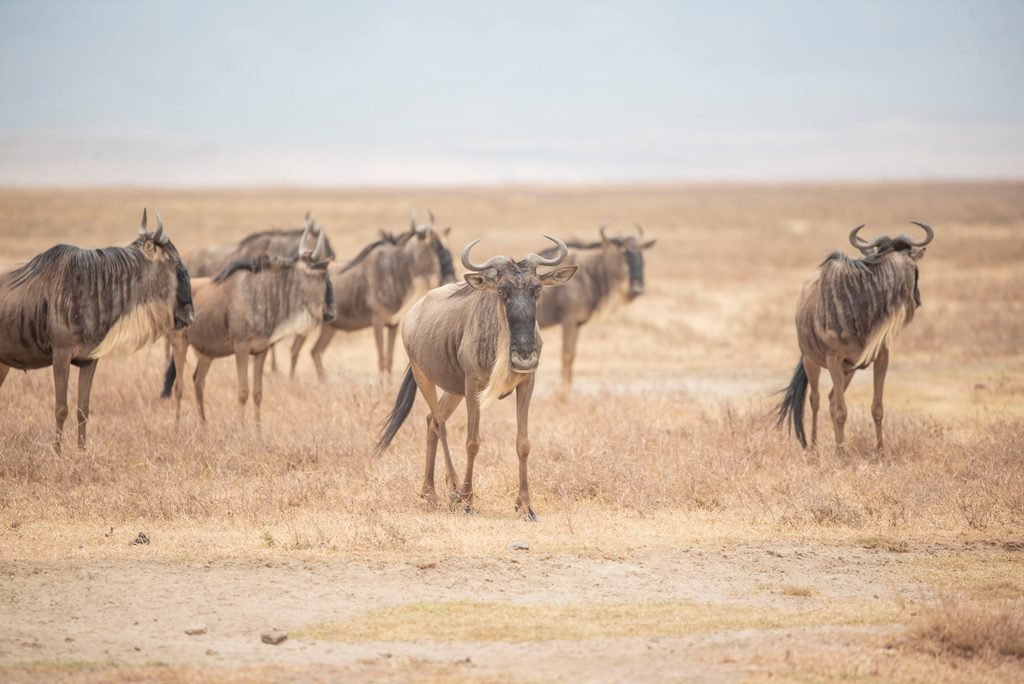
The Serengeti is one of the best destinations to include in a January Tanzania safari. During this period, the Great Wildebeest Migration usually moves toward or gathers across the southern Serengeti ecosystem, including the short-grass plains near Ndutu and the boundary with the Ngorongoro Conservation Area. The movement of the herds is closely connected to seasonal rainfall and the availability of fresh grass, so their exact location changes from year to year.
The southern plains become particularly important because the grass provides valuable nutrition for pregnant wildebeest. As the calving season begins, thousands of animals gather in open landscapes where visitors may observe large herds of wildebeest, zebras, and gazelles. The main concentration of births often occurs in February, but the first calves may arrive during January, especially toward the latter part of the month.
Predators are another major attraction. Lions, cheetahs, and spotted hyenas take advantage of the concentration of grazing animals and vulnerable newborns. This can create opportunities to observe hunting behavior, territorial interactions, and the complex relationships between predators and prey. However, wildlife sightings are unpredictable, and a responsible safari guide cannot guarantee that visitors will witness a particular hunt or birth.
For travelers whose main interest is the migration in January, it is worth spending sufficient time in the southern Serengeti and Ndutu area rather than concentrating exclusively on the central or northern Serengeti. The central Serengeti remains valuable for resident wildlife, but the southern plains are generally more relevant to the seasonal migration during this period.
Is January the Best Month to See Wildebeest Calving?
January is a very good month to visit the calving grounds, particularly toward the end of the month, but February is generally considered the main calving period. Travelers visiting in early January may find large grazing herds before the most concentrated period of births has begun. Those traveling later in the month may have better opportunities to observe newborn calves, depending on rainfall and herd movements.
If witnessing calving is your main objective, discuss the timing with your safari operator and allow flexibility in the itinerary. Nature does not follow a fixed calendar, and migration movements cannot be guaranteed for specific dates.
2. Ngorongoro Crater: Wildlife Viewing in a Green Landscape
Ngorongoro Crater is another excellent destination for a January safari. Located within the Ngorongoro Conservation Area, the crater is known for its distinctive volcanic landscape and high concentration of resident wildlife. Its floor contains grasslands, woodland, wetlands, and seasonal water sources that support a wide variety of animals throughout the year.
During January, the surrounding highlands and crater floor are often green following seasonal rainfall. Visitors may encounter large herds of buffalo, zebras, wildebeest, and gazelles, as well as elephants, lions, spotted hyenas, and numerous bird species. Black rhinoceroses also inhabit the crater, although sightings are not guaranteed and depend on animal movements and visibility.
The crater’s elevation creates cooler conditions than many of Tanzania’s lower safari areas. Early morning departures can feel particularly cold, especially near the crater rim, so warm clothing is advisable even when the rest of your Tanzania holiday takes place during hot weather.
A full-day visit to Ngorongoro Crater can be combined with Serengeti or Lake Manyara as part of a northern Tanzania safari. For January travelers, the crater offers a useful contrast to the migration plains because it provides opportunities to observe a variety of resident animals in a relatively compact area.
3. Tarangire National Park: Elephants, Birds and Green-Season Scenery
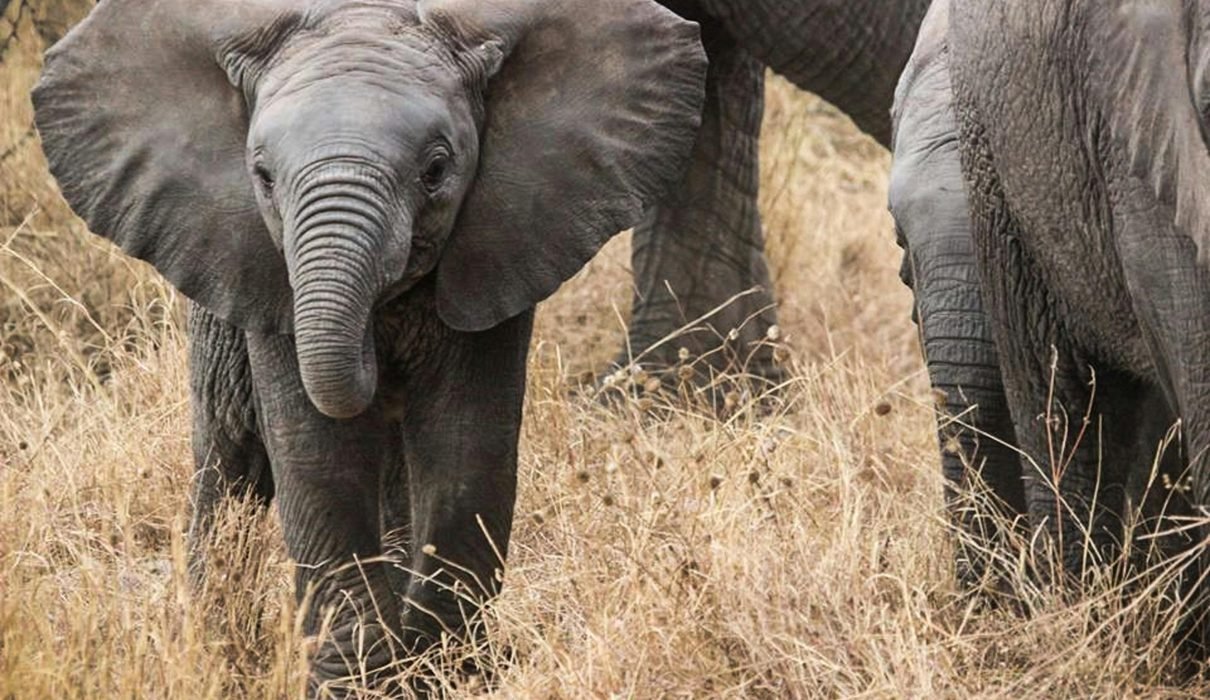
Tarangire National Park is well known for its elephant populations, baobab trees, and landscapes shaped by the Tarangire River. During the dry season, wildlife often concentrates around permanent water sources, making it one of the most popular destinations for game viewing. January offers a different experience because seasonal rainfall creates additional water sources and encourages animals to spread across a wider area.
Visitors can still encounter elephants, giraffes, zebras, impalas, and other wildlife, but the distribution of animals may be less concentrated than during the driest months. The greener vegetation can also make some animals harder to locate, particularly when they move away from the main river and established game-drive tracks.
One of January’s advantages is the opportunity for birdwatching. Seasonal rainfall supports vegetation growth and attracts migratory birds, while resident species remain active throughout the park. Travelers interested in bird photography and green landscapes may find Tarangire particularly rewarding during this period.
For visitors planning a longer safari, Tarangire can provide an enjoyable first destination before continuing to Lake Manyara, Ngorongoro, and the Serengeti. However, travelers whose main objective is the wildebeest migration should allocate sufficient days to the southern Serengeti rather than spending most of the itinerary in Tarangire.
4. Lake Manyara National Park: Forests, Birdlife and Rift Valley Scenery
Lake Manyara National Park offers a different safari environment from the open grasslands of the Serengeti. Situated along the Great Rift Valley escarpment, the park includes groundwater forest, woodland, grassland, wetlands, and the lake itself. This combination of habitats creates opportunities to observe wildlife and birds in a relatively compact destination.
January often brings green vegetation and attractive landscapes, particularly following the short rains. Visitors may encounter elephants, baboons, monkeys, giraffes, and various antelope species, depending on their movements. Lake Manyara is also known for its birdlife, although the number and distribution of waterbirds vary with lake levels and seasonal conditions.
The park is sometimes associated with tree-climbing lions, but these animals should never be presented as a guaranteed sighting. Wildlife observation depends on many factors, including habitat conditions, time of day, and the animals’ behavior.
Lake Manyara can be a practical addition to a northern Tanzania safari because it is accessible from Arusha and can be combined with Ngorongoro and the Serengeti. Travelers who enjoy scenery, forests, and birdwatching may appreciate the park’s variety, even when the main focus of their holiday is elsewhere.
5. Mount Kilimanjaro: Is January a Good Month for Climbing?
January is one of the commonly preferred periods for climbing Mount Kilimanjaro because it often falls within a relatively drier interval between Tanzania’s main rainy seasons. The lower slopes may experience warm conditions, while higher elevations can offer clear views during suitable weather. However, climbers should still prepare for rain, freezing temperatures, strong winds, and rapidly changing conditions, especially near the summit.
The most important consideration when planning a Kilimanjaro expedition is choosing a suitable climbing route and allowing enough time for acclimatization. Popular options include the Machame, Lemosho, Marangu, Rongai, and Northern Circuit routes. Longer itineraries, such as eight-day Lemosho or nine-day Northern Circuit, generally provide more time for gradual adjustment to altitude than shorter climbs.
Climbing Kilimanjaro requires good physical preparation, appropriate cold-weather equipment, and professional guiding arrangements. Even physically fit travelers can develop altitude sickness, so choosing a route based only on its advertised summit success rate or shortest duration is not advisable.
For visitors traveling to Tanzania in January, a Kilimanjaro climb can be combined with a safari or Zanzibar beach holiday. However, sufficient recovery time should be allowed between demanding mountain trekking and onward activities.
6. Zanzibar in January: Beaches, Snorkeling and Island Holidays
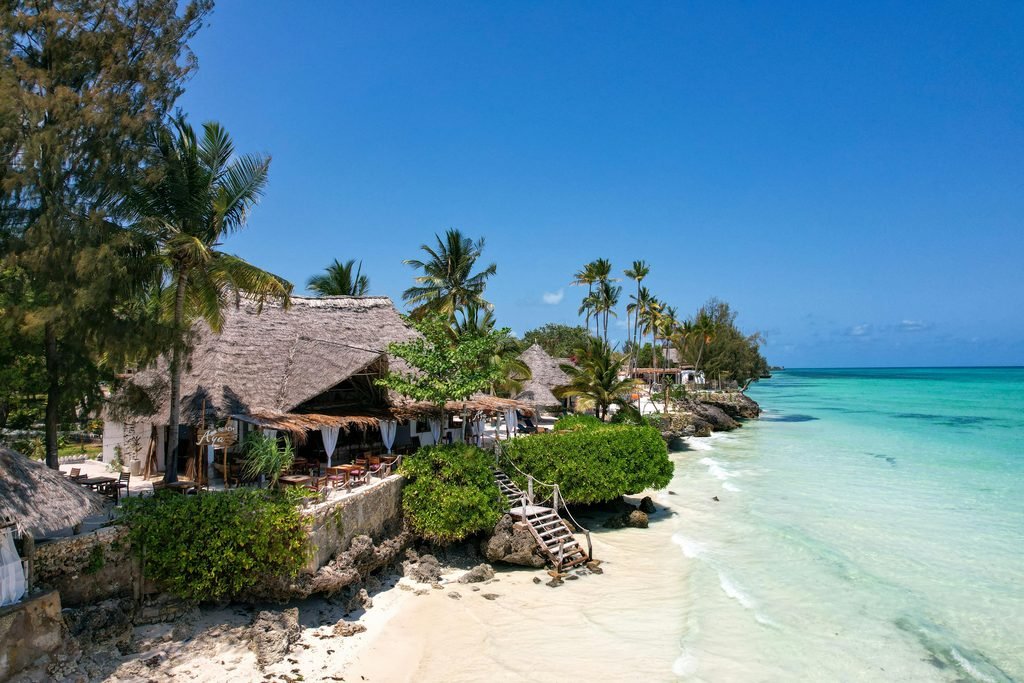
Zanzibar is an attractive destination in January because the island generally experiences hot tropical weather, warm ocean temperatures, and periods of sunshine. Visitors can enjoy white-sand beaches, coastal resorts, cultural attractions, and marine activities while escaping colder winter conditions in other parts of the world.
Popular beach areas include Nungwi and Kendwa in the north, Paje and Jambiani on the southeastern coast, and other locations around Unguja Island. Each area offers a different experience. Northern beaches are popular for swimming and sunset views, while the southeastern coast is known for its tidal landscapes and activities such as kitesurfing when wind conditions are suitable.
Stone Town provides opportunities to explore Zanzibar’s history, architecture, markets, and Swahili coastal culture. Travelers may also arrange spice farm visits, guided cultural excursions, snorkeling trips, or diving activities through appropriately licensed operators. Sea conditions vary, so boat trips and water activities should be planned according to local weather and marine safety advice.
January can be busy during the New Year holiday period, particularly at popular beach resorts. Travelers planning to visit during the first week of the month should arrange accommodation early. Prices and availability vary by property and travel dates.
7. Cultural Experiences and Day Trips in January
A Tanzania holiday does not need to focus entirely on national parks. January is also a suitable month to explore local communities, traditional markets, coffee-growing areas, and cultural attractions around Arusha, Moshi, and other destinations. These experiences can provide a deeper understanding of everyday life in Tanzania and create opportunities to learn about local history, agriculture, and traditions.
Travelers staying in Moshi may consider guided visits to coffee farms, waterfalls, and villages on the lower slopes of Kilimanjaro. Around Arusha, cultural excursions can be combined with local markets, walking activities, and visits to nearby attractions. The exact experience depends on the location, weather, and the interests of the group.
When arranging cultural visits, choose activities that respect local communities and provide fair opportunities for local guides and hosts. Responsible tourism involves asking permission before photographing people, respecting cultural practices, and supporting locally operated services where practical.
Tanzania Safari Prices in January: Is It an Expensive Month?
The cost of visiting Tanzania in January depends on the destinations included, accommodation standard, number of travelers, safari duration, and type of transport. A private safari with luxury lodges will generally cost more than a shared camping safari, while a longer itinerary that includes several national parks will usually require a larger budget than a short trip.
January pricing can also vary within the month. The New Year holiday period often attracts higher demand, while some properties may offer different rates later in January. However, accommodation near the southern Serengeti and Ndutu calving grounds may remain in high demand because of the seasonal migration. It is therefore misleading to describe the entire month as uniformly cheap or expensive.
Travelers looking for better value can compare accommodation categories, consider group-joining safari options, and avoid unnecessary travel between distant destinations. Spending more time in one wildlife-rich area can sometimes provide a better experience than rushing through several parks simply to include more names in the itinerary.
For 2027, 2028, and 2029, park fees, accommodation rates, and package prices should be confirmed through an updated quotation. Future prices should not be treated as fixed until the relevant suppliers and authorities have confirmed them.
Suggested 7-Day Tanzania Safari Itinerary for January
A seven-day northern Tanzania safari can provide a useful balance between wildlife viewing, travel time, and opportunities to explore the migration area. The following itinerary is an example that can be adjusted according to your preferred accommodation, arrival arrangements, and the seasonal location of the wildebeest herds.
| Day | Destination | Main activity |
|---|---|---|
| 1 | Arusha | Arrival, transfer and safari briefing |
| 2 | Tarangire National Park | Game drive and elephant viewing opportunities |
| 3 | Ngorongoro Crater | Crater game drive and highland scenery |
| 4 | Southern Serengeti / Ndutu | Travel to migration area and afternoon wildlife viewing |
| 5 | Southern Serengeti / Ndutu | Full-day game drives focused on seasonal herds |
| 6 | Southern Serengeti / Ndutu | Additional wildlife viewing and photography |
| 7 | Return toward Arusha | Departure arrangements, with travel method confirmed in advance |
This itinerary gives particular attention to the southern Serengeti and Ndutu because January is associated with the migration’s southern grazing and early calving period. Depending on your budget and preferred travel pace, the return journey may require an additional overnight stop or a scheduled domestic flight. The itinerary should be finalized only after checking realistic driving distances and flight arrangements.
What to Pack for Tanzania in January
Packing for Tanzania in January requires consideration of different weather conditions, particularly if your itinerary includes both wildlife areas and Zanzibar. Lightweight, breathable clothing is useful for warm daytime temperatures, while a light waterproof jacket provides protection against occasional rain. Neutral-colored clothing is practical for safari activities, and comfortable walking shoes are useful for lodges, airports, and cultural excursions.
Early morning game drives can be cool, particularly in Ngorongoro and other highland locations, so a warm fleece or light jacket should be included even during the hotter months. Sunglasses, sunscreen, a wide-brimmed hat, insect repellent, and a reusable water bottle are also useful. Travelers interested in photography may wish to bring binoculars and a camera with a suitable zoom lens.
For Zanzibar, lightweight clothing, swimwear, sandals, and sun protection are generally appropriate. When visiting towns, villages, or cultural sites, dress respectfully and follow local customs. Travelers climbing Kilimanjaro need a separate mountain packing list that includes insulated clothing, waterproof layers, hiking boots, and equipment suitable for freezing summit conditions.
Health, Safety and Travel Requirements for January Visitors
Before traveling to Tanzania, check the passport and visa requirements that apply to your nationality. Travelers should use official immigration information rather than relying on outdated travel blogs because entry rules and procedures can change. It is also advisable to arrange comprehensive travel insurance covering the activities included in your itinerary.
Discuss routine vaccinations, malaria prevention, and other travel health considerations with a qualified healthcare professional before departure. Requirements and recommendations may vary according to your medical history, travel route, and country of origin. Visitors arriving from certain countries may also need to provide proof of yellow fever vaccination under applicable entry rules.
During your safari, follow your guide’s instructions and remain inside the vehicle where required. Wildlife is unpredictable, and even animals that appear calm can become dangerous when approached too closely. In Zanzibar, choose reputable marine activity operators and pay attention to weather conditions before participating in boat excursions.
Frequently Asked Questions About Tanzania in January
1. Is January a good month to visit Tanzania?
Yes. January is particularly attractive for southern Serengeti wildlife viewing, Zanzibar beach holidays, and Kilimanjaro climbing.
2. Is Tanzania hot in January?
Most lowland areas are warm to hot, while highland locations such as Ngorongoro can be considerably cooler.
3. Does it rain in Tanzania in January?
Rain is possible, although northern Tanzania often experiences a relatively drier interval between the short and long rains.
4. Is January a good month for a Serengeti safari?
Yes. The southern Serengeti is especially attractive because wildebeest herds commonly gather on the short-grass plains.
5. Can I see the Great Wildebeest Migration in January?
Yes, depending on rainfall and herd movements. The southern Serengeti and Ndutu are generally the main areas to consider.
6. Does wildebeest calving happen in January?
Calving may begin during January, but the main concentration of births generally occurs toward late January and February.
7. Can I see the Mara River crossings in January?
January is not normally the main period for northern Serengeti Mara River crossings.
8. Is Ngorongoro Crater good in January?
Yes. The crater supports resident wildlife throughout the year and often has attractive green scenery during January.
9. Is Tarangire worth visiting in January?
Yes, particularly for elephants, birdwatching, and scenery, although wildlife may be more dispersed than during the dry season.
10. Is Lake Manyara good in January?
Yes. The park offers forest habitats, birdlife, Rift Valley scenery, and opportunities to observe various wildlife species.
11. Is January good for climbing Kilimanjaro?
January is a commonly preferred climbing period, but mountain weather remains unpredictable and proper acclimatization is essential.
12. Is Zanzibar hot in January?
Yes. Zanzibar is generally hot and humid, with warm ocean temperatures.
13. Can I swim in Zanzibar in January?
Yes, subject to local sea conditions, tides, and beach safety advice.
14. Is January a cheap month to visit Tanzania?
Prices vary. Some accommodations may offer better value after New Year, while popular migration camps can remain expensive.
15. Are Tanzania’s national parks crowded in January?
Visitor numbers vary by destination and date. Popular migration areas and holiday-period accommodations can be busy.
16. What should I wear on safari in January?
Lightweight clothing, comfortable shoes, sun protection, a light rain jacket, and a warm layer for early morning drives are useful.
17. Do I need a raincoat in January?
A lightweight waterproof jacket is advisable because occasional showers are possible.
18. Is January suitable for wildlife photography?
Yes. Green landscapes, large herds, and seasonal wildlife activity can provide excellent photographic opportunities.
19. Can I see lions in January?
Lions inhabit several Tanzanian parks throughout the year, but individual sightings cannot be guaranteed.
20. Can I see cheetahs in the southern Serengeti?
Yes, the southern plains are known for cheetah habitat, although sightings depend on wildlife movements.
21. Is January good for a honeymoon in Tanzania?
Yes. A combination of safari lodges and Zanzibar beach accommodation can work well for couples.
22. Can I combine a safari and Zanzibar in January?
Yes. Many travelers combine several days in northern Tanzania’s wildlife areas with a beach holiday in Zanzibar.
23. How many days should I spend in Tanzania in January?
Seven to ten days can provide a useful safari experience, while longer holidays allow time for Kilimanjaro or Zanzibar.
24. Should I book a January safari early?
Early booking is advisable for popular accommodation, particularly during New Year and the southern Serengeti calving period.
25. Can Eddy Tours & Safaris organize a January safari?
You can contact Eddy Tours & Safaris to request a customized quotation based on your preferred travel dates, group size, and destinations.
Plan Your Tanzania January Safari with Eddy Tours & Safaris
January offers a distinctive opportunity to explore Tanzania’s wildlife, landscapes, mountains, and beaches. The southern Serengeti and Ndutu area are particularly attractive because of the seasonal concentration of wildebeest herds and the beginning of the calving period. Ngorongoro Crater provides opportunities to observe resident wildlife in a remarkable volcanic landscape, while Tarangire and Lake Manyara add variety through their forests, grasslands, birdlife, and scenery.
For travelers who want more than a safari, January is also a suitable period to consider climbing Mount Kilimanjaro or relaxing on Zanzibar’s beaches. The best itinerary depends on your interests, budget, travel dates, and available time. Rather than attempting to visit every destination in a short holiday, a carefully planned route allows more time to enjoy the places that matter most to you.
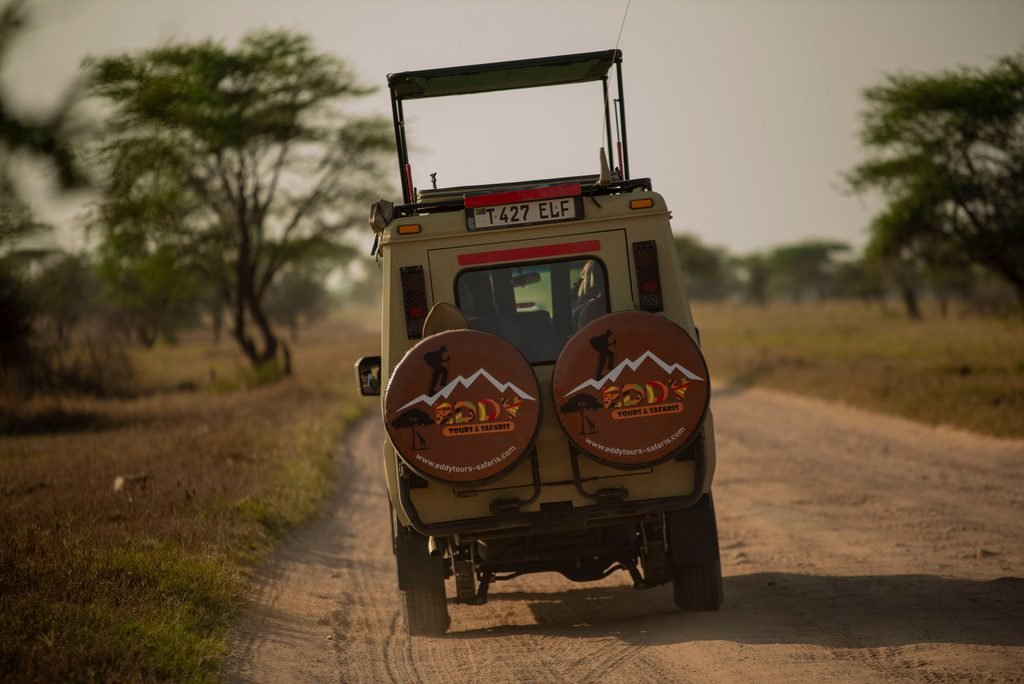
At Eddy Tours & Safaris, we help travelers organize private Tanzania wildlife safaris, Serengeti migration experiences, Kilimanjaro climbing expeditions, and Zanzibar holiday combinations. Our team can help you compare destinations, select suitable accommodation, and request a detailed quotation for January 2027, 2028, or 2029.
Plan Your Tanzania Safari in January
Chat with Eddy Tours & Safaris on WhatsApp
Email: sales@eddytours-safaris.com
Contact our team with your preferred January travel dates, number of travelers, and holiday interests to begin planning your Tanzania adventure.