6 Days Marangu Route Kilimanjaro Climbing 2027

9 DAYS CLIMBING KILIMANJARO–MARANGU ROUTE IN 6 DAYS

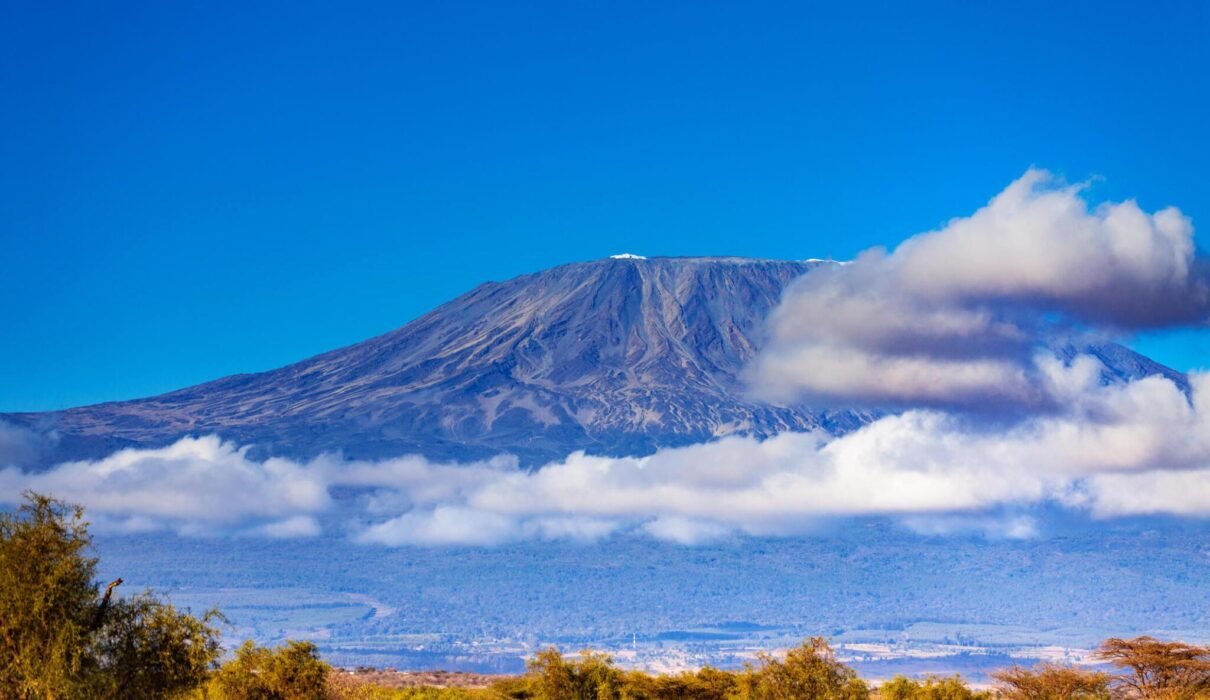
The 6 Days Marangu Route Kilimanjaro Climbing package is a practical choice for travellers who prefer sleeping in permanent mountain huts rather than tents. Marangu is Kilimanjaro’s classic eastern approach. It begins at Marangu Gate, follows a well-maintained path through rainforest and heath, reaches the open moorland around Horombo, then climbs to Kibo Hut for the summit attempt to Uhuru Peak.

The six-day version includes an extra acclimatisation day at Horombo Hut. That additional day is the main reason we recommend it over the shorter five-day Marangu schedule. Kilimanjaro reaches 5,895 metres at Uhuru Peak, and a little more time at altitude gives the guides a better opportunity to monitor how you are adapting before the final climb.

Eddy Tours & Safaris arranges private 2027 departures with local guides, porters, cooks, park procedures, hut accommodation and airport or Moshi transfers on request. Contact us through the booking page, by email at eddytoursandsafaris@gmail.com or sales@eddytours-safaris.com, or call and WhatsApp +255 711 906 664.

6 Days Marangu Route Kilimanjaro Climbing 2027

Why choose the 6-day Marangu Route?

Marangu is often called the “Coca-Cola Route,” a nickname from the days when drinks were available at the huts. The more useful fact is that it is the only main Kilimanjaro route with dormitory-style hut accommodation. You sleep in solid mountain huts with communal dining areas rather than setting up tents at each camp.

The 6 Days Marangu Route Kilimanjaro Climbing itinerary also builds in a full acclimatisation day at Horombo. The group takes a gentle higher walk towards Zebra Rocks, returns to Horombo to sleep lower and has time to rest. This does not guarantee a summit, but it is a more sensible approach than rushing directly from Horombo to Kibo the following morning.

Marangu uses the same trail for ascent and descent, so it is less varied than Lemosho or Machame. In return, it is straightforward to follow, has established hut facilities and offers a gradual journey through several vegetation zones. It still demands fitness, patience and respect for altitude. The route is non-technical, but summit night remains physically hard.

2027 route overview

DetailInformation
RouteMarangu Route, ascending and descending on the eastern side
DurationSix mountain days, including an acclimatisation day at Horombo
SummitUhuru Peak, 5,895 m / 19,341 ft
AccommodationShared permanent mountain huts, not camping tents
Start and finishMarangu Gate
DifficultyModerate trekking terrain, demanding high-altitude summit night
Ideal forTravellers who prefer hut accommodation and a more established trail

6 Days Marangu Route Kilimanjaro Climbing 2027 itinerary

Day 1: Marangu Gate to Mandara Hut

After breakfast in Moshi, drive to Marangu Gate for registration. Your guide completes the park procedures and introduces the team supporting your climb. The first section of the 6 Days Marangu Route Kilimanjaro Climbing trail passes through rainforest, usually green and humid, with tall trees, ferns and the chance of seeing blue monkeys or colobus monkeys.

The walking day is manageable, but rain can make the trail slippery. Keep your waterproof jacket easily available and start with a calm pace. The aim is to settle into the rhythm of the mountain rather than prove fitness on the first day.

Mandara Hut is your first overnight stop. Accommodation is in shared hut dormitories, with communal facilities. After lunch or tea, many groups take a short walk to Maundi Crater if the weather and timing allow. The viewpoint can give a first look towards the Kenyan plains and the Kilimanjaro slopes before returning to the hut for dinner.

Day 2: Mandara Hut to Horombo Hut

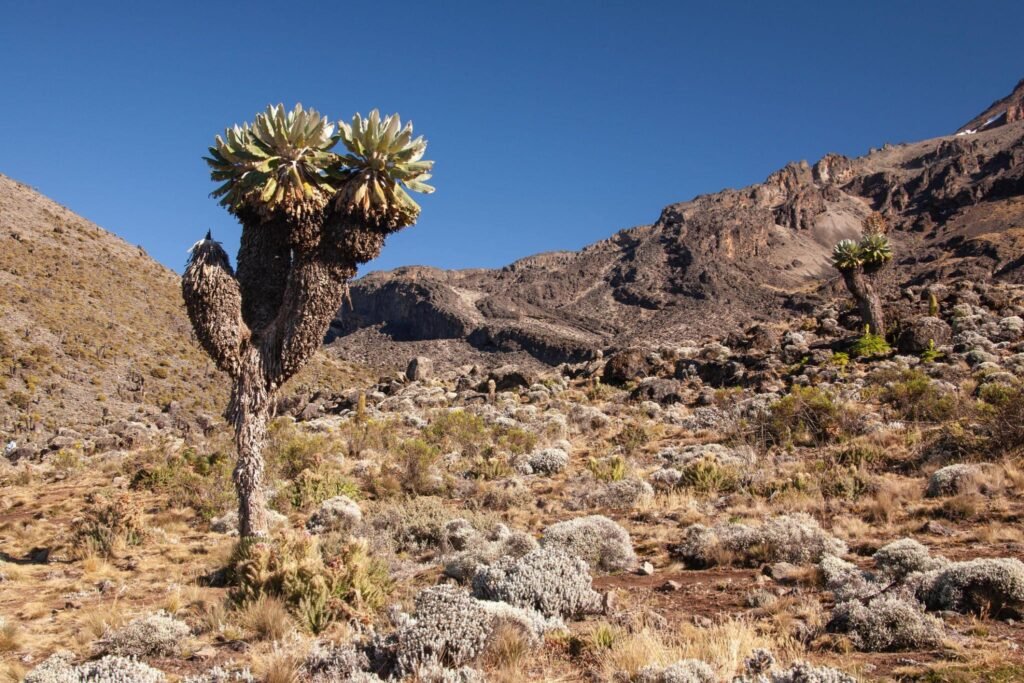
Leave the forest behind and climb into heath and moorland. The trees become smaller, the air cooler and the views wider. This is a longer day than the first, with the twin volcanic peaks of Mawenzi and Kibo gradually becoming more visible.

Walk slowly, drink regularly and do not ignore small symptoms. The altitude at Horombo is high enough that some climbers notice a light headache or less appetite. Tell the guide how you feel; that information is useful, not embarrassing.

Horombo Hut is a large and busy mountain stop, shared with hikers ascending and descending the route. It is set in broad moorland with impressive views of Mawenzi. Dinner, warm drinks and an early rest prepare you for the acclimatisation day ahead.

Day 3: Horombo Hut acclimatisation day – Zebra Rocks walk

The third day is one of the reasons people choose 6 Days Marangu Route Kilimanjaro Climbing. After breakfast, take an acclimatisation walk toward Zebra Rocks, known for the distinctive dark-and-light stripes across the stone. You climb higher, spend time in thinner air, then return to Horombo Hut to sleep at the same lower elevation.

The walk should be gentle and guided. It is not a competition or an extra endurance challenge. Use the time to notice whether you are drinking enough, eating properly and staying warm. The guides can assess how everybody is adapting before the route moves toward Kibo.

Back at Horombo, rest during the afternoon. Read, organise gear, charge devices if a suitable power source is available, and prepare a separate summit-night bag. The extra rest and altitude exposure make this 6 Days Marangu Route Kilimanjaro Climbing schedule a better fit for many travellers than the five-day version.

Day 4: Horombo Hut to Kibo Hut

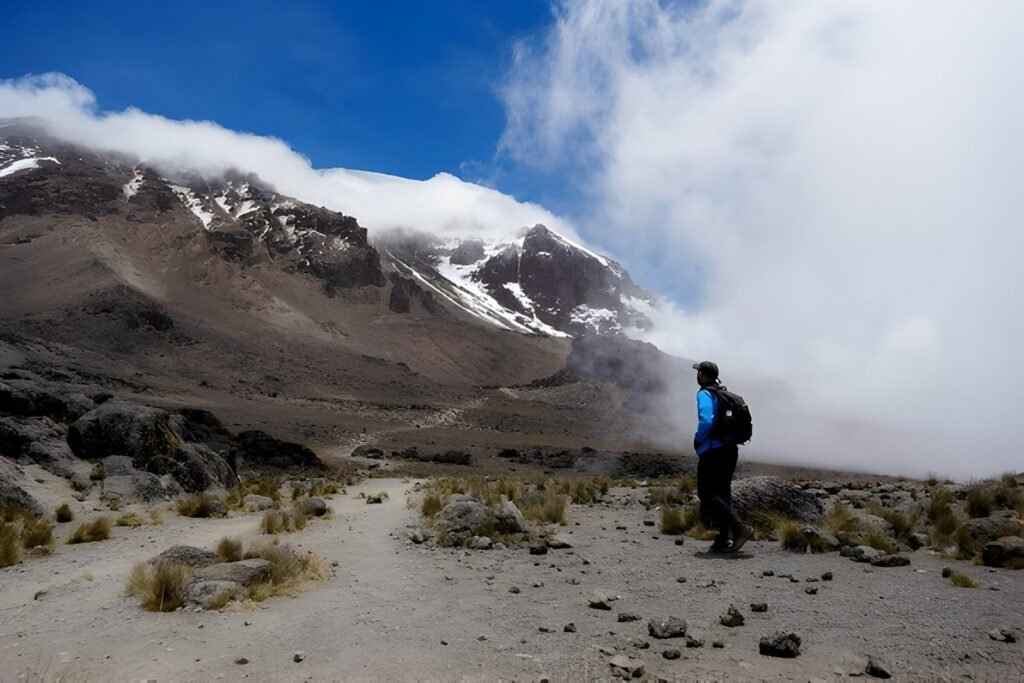
The trail moves across the open Saddle, the high, broad desert between Mawenzi and Kibo. Vegetation becomes sparse, temperatures fall and the summit cone dominates the view. This is not usually the steepest day, but the altitude makes walking feel slower than expected.

Kibo Hut is a basic high camp below the final ascent. Arrive, have an early meal and rest. Your guide checks your equipment: headlamp, batteries, gloves, warm jacket, thermal layers, water, snacks and boots. Keep all essential items close because the summit attempt begins around midnight.

Try to sleep, although many climbers only doze because of anticipation and altitude. Do not worry if sleep is light. Stay warm, avoid walking around unnecessarily and listen carefully to the briefing. The guide will explain the order of the group, rest stops and how to report symptoms during the climb.

Day 5: Kibo Hut to Uhuru Peak, then Horombo Hut

Summit day begins in darkness. The trail rises over loose volcanic scree towards Gillman’s Point on the crater rim. This is the most difficult part of 6 Days Marangu Route Kilimanjaro Climbing: steep, cold, slow and very high. Your guide controls the pace, usually stopping briefly for water and a snack.

From Gillman’s Point, continue along the crater rim to Uhuru Peak, Africa’s highest point. Sunrise often arrives as you near or leave the summit, revealing glaciers, the crater and the plains below. Take photographs, celebrate quietly and begin descending; the time at the top is intentionally limited due to the altitude.

Return to Kibo Hut for a rest and brunch, then continue down to Horombo Hut. The lower altitude normally makes breathing feel easier, although tired legs and knees need care. Trekking poles are especially helpful on the descent. At Horombo, enjoy dinner and your final mountain night in the hut.

Day 6: Horombo Hut to Marangu Gate – transfer to Moshi

After breakfast, descend through moorland and rainforest to Marangu Gate. The return can feel long because it follows the same route you used on the way up, but the changing direction offers a different perspective. Keep rain gear available near the forest and use poles if your knees are tired.

At the gate, the required sign-out process is completed. Climbers who reach Uhuru Peak receive their certificates. Your driver then transfers you back to Moshi for a shower, clean clothes and a proper bed. From here, you can rest, fly onward or add a safari and Zanzibar extension.

Hut accommodation on the Marangu Route

The huts are a genuine difference between Marangu and the camping routes. They are shared, basic mountain accommodation—not private hotel rooms—but they offer shelter from wind and rain, permanent sleeping platforms and communal dining spaces. Bring a warm sleeping bag, earplugs and a small headlamp for moving around the hut at night.

Mandara, Horombo and Kibo have different characters. Mandara is surrounded by forest, Horombo is broad and sociable, and Kibo is stark and high beneath the summit cone. Your crew still provides mountain meals, water and guidance, so the hut system does not mean you climb without support.

For travellers who prefer a tented experience and a more varied circular route, our Kilimanjaro climbing information can help compare Lemosho, Machame, Rongai and Marangu. The right route is about your comfort, fitness and time—not a one-size-fits-all answer.

6 Days Marangu Route Kilimanjaro Climbing 2027

Altitude safety and acclimatisation

The real challenge on Kilimanjaro is altitude. It can affect experienced athletes and first-time hikers alike. Headache, nausea, loss of appetite, unusual tiredness, dizziness and poor sleep should always be mentioned to your guide. Do not hide symptoms because you are worried about disappointing your group.

The extra Horombo day in 6 Days Marangu Route Kilimanjaro Climbing supports a better acclimatisation profile, but it does not make altitude risk disappear. Guides monitor the group and carry safety equipment, including emergency oxygen. If your health requires rest, treatment or descent, safety comes before the summit goal.

Simple habits help:

  • Walk at a deliberately slow pace.

  • Drink water throughout the day.

  • Eat regular meals and snacks.

  • Keep warm during breaks and at night.

  • Avoid alcohol before and during the mountain days.

  • Discuss medical conditions and personal medication before travel.

Please ask a qualified travel-health clinic for advice tailored to you. Google can help you find an accredited clinic locally, but it is not a substitute for a doctor or travel-health professional.

Training for 6 Days Marangu Route Kilimanjaro Climbing

You do not need technical climbing experience, but you should train. Begin with regular walking, cycling, jogging, swimming or gym cardio, then add hill walks, stairs and longer weekend hikes. The best preparation is consistent rather than extreme. Aim to become comfortable being on your feet for several hours on consecutive days.

Strength exercises for the legs, hips, core and back are useful, especially for the descent from Kibo to Horombo. Practice in the boots and socks you will use on the mountain. Test your pack and trekking poles too. A small equipment problem at home is easy to fix; at high altitude, it becomes far more irritating.

Training does not replace acclimatisation, but it gives you a stronger base for 6 Days Marangu Route Kilimanjaro Climbing and lets you focus your energy on adjusting to the altitude.

Packing essentials

Pack for sun, rain, wind and sub-zero summit temperatures. Layers work better than a single heavy item. Your final packing list is provided after booking, but essentials include:

  • Waterproof hiking boots, already broken in

  • Thermal base layers, trekking trousers and warm socks

  • Fleece or insulated mid-layer, down jacket and waterproof shell

  • Warm gloves, beanie, sun hat and buff

  • Headlamp and spare batteries

  • Sunglasses, sunscreen and lip balm

  • Reusable water bottles or a hydration bladder

  • Trekking poles, personal medication and blister care

  • A warm sleeping bag suited to cold mountain huts

Your main bag is carried by porters within responsible limits. You carry a daypack with water, rain gear, warm layers, snacks, medication, valuables and camera. Keep equipment organised in waterproof bags, especially for the rainforest days.

What is included and excluded

A standard 6 Days Marangu Route Kilimanjaro Climbing quotation normally includes Kilimanjaro National Park fees, professional guides, porters, cook, mountain meals, hut fees, drinking water, safety equipment and the transfers listed in your booking confirmation.

International flights, visas, travel insurance, personal gear, extra hotel nights, tips for the crew, alcoholic drinks and services not stated in the quote are generally separate. Travel insurance should include high-altitude trekking and emergency evacuation. Read the policy wording carefully before you buy it.

For a second source of route information, visit Kilimanjaro Climb Specialist. Compare practical details such as days on the route, accommodation, safety procedures and inclusions before making a decision.

Best time to climb Marangu in 2027

January to early March and June to October are the most popular periods because the trails are often drier. January and February can bring clear mornings, while July to September is generally busy with climbers from around the world. The huts can be livelier during those peak months.

April and May are usually wetter, particularly in the forest. November can bring shorter rains. The best time for 6 Days Marangu Route Kilimanjaro Climbing depends on your flight dates, training plan and tolerance for rain or busy huts. Contact us before confirming flights and we will help you choose a practical departure period.

Frequently asked questions

Is Marangu easier because it has huts?

Huts make camp life more comfortable for many people, but they do not make the altitude or summit day easy. You still need fitness, warm equipment, a good sleeping bag and a disciplined pace.

Why is the six-day Marangu itinerary better than five days?

The six-day plan includes a Horombo acclimatisation day. On 6 Days Marangu Route Kilimanjaro Climbing, you walk higher towards Zebra Rocks and sleep again at Horombo, giving the body more time to adapt before Kibo Hut and summit night.

Can a beginner book this route?

Yes, many first-time climbers choose Marangu because of the hut accommodation and clear trail. You still need to train and should be honest about your health and hiking experience. A longer route may be preferable for people who want a more gradual acclimatisation profile.

Is 6 Days Marangu Route Kilimanjaro Climbing a private tour?

Yes. 6 Days Marangu Route Kilimanjaro Climbing can be arranged as a private trip for a solo climber, couple, family or group of friends, subject to park availability and your chosen dates.

Can I add a Tanzania safari after the climb?

Yes. We can add Tarangire, Ngorongoro, Serengeti or Zanzibar after your return to Moshi. Send your dates through our contact page and we will build one itinerary and quotation.

Book your 6 Days Marangu Route Kilimanjaro Climbing 2027

The 6 Days Marangu Route Kilimanjaro Climbing package combines the comfort of mountain huts with an extra acclimatisation day and the full challenge of Uhuru Peak. It is an excellent option for travellers who want a clear, established route supported by a professional local crew.

Contact Eddy Tours & Safaris through our contact page, call or WhatsApp +255 711 906 664, or email eddytoursandsafaris@gmail.com and sales@eddytours-safaris.com for your 2027 quote.

Leave a Reply

Your email address will not be published. Required fields are marked *