
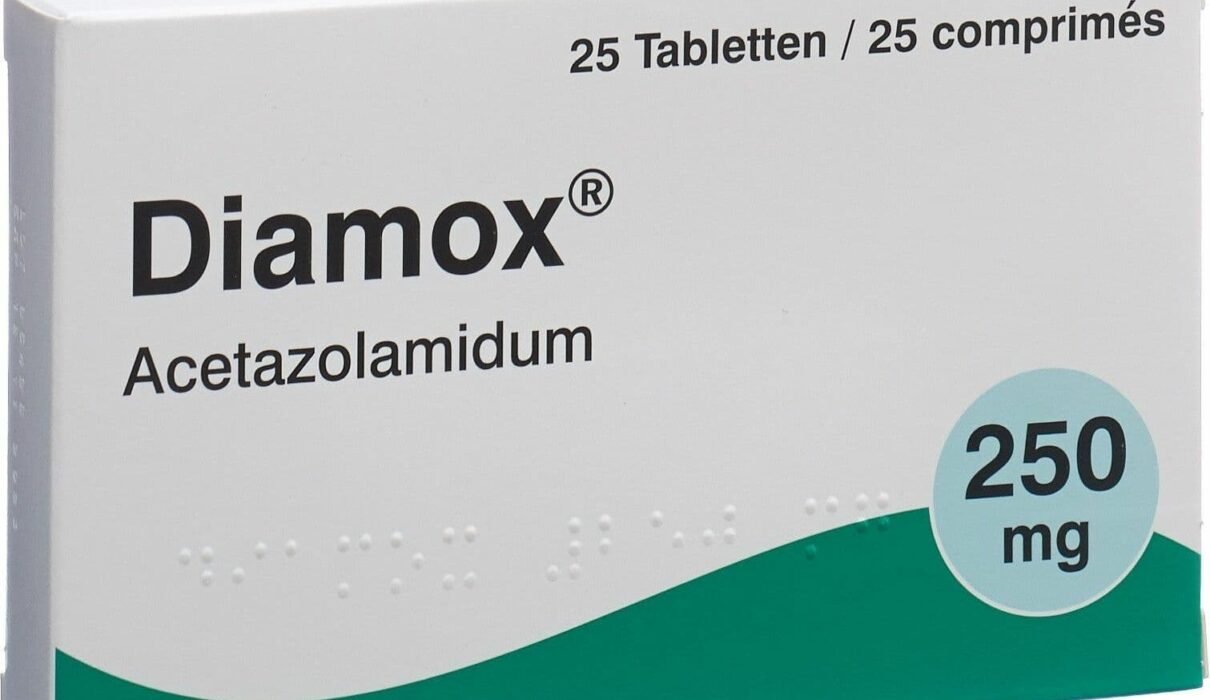
Diamox and Altitude Sickness on Kilimanjaro is one of the most searched topics by trekkers preparing to conquer Africa’s highest mountain. Reaching the summit is a dream for many, but the thin air and rapid elevation gain can challenge even the fittest hikers. Understanding how Diamox works, when to use it, and how to prevent altitude sickness naturally can make the difference between standing proudly at Uhuru Peak or turning back early.
Mount Kilimanjaro rises dramatically from the plains of Tanzania, and unlike many high mountains, it can be climbed without technical skills. However, altitude remains the greatest obstacle. According to research from cdc.gov and who.int, altitude sickness can affect anyone regardless of age or fitness level. That is why smart preparation is essential before booking your climb with experienced operators such as Eddy Tours & Safaris.

Understanding Diamox and Altitude Sickness on Kilimanjaro
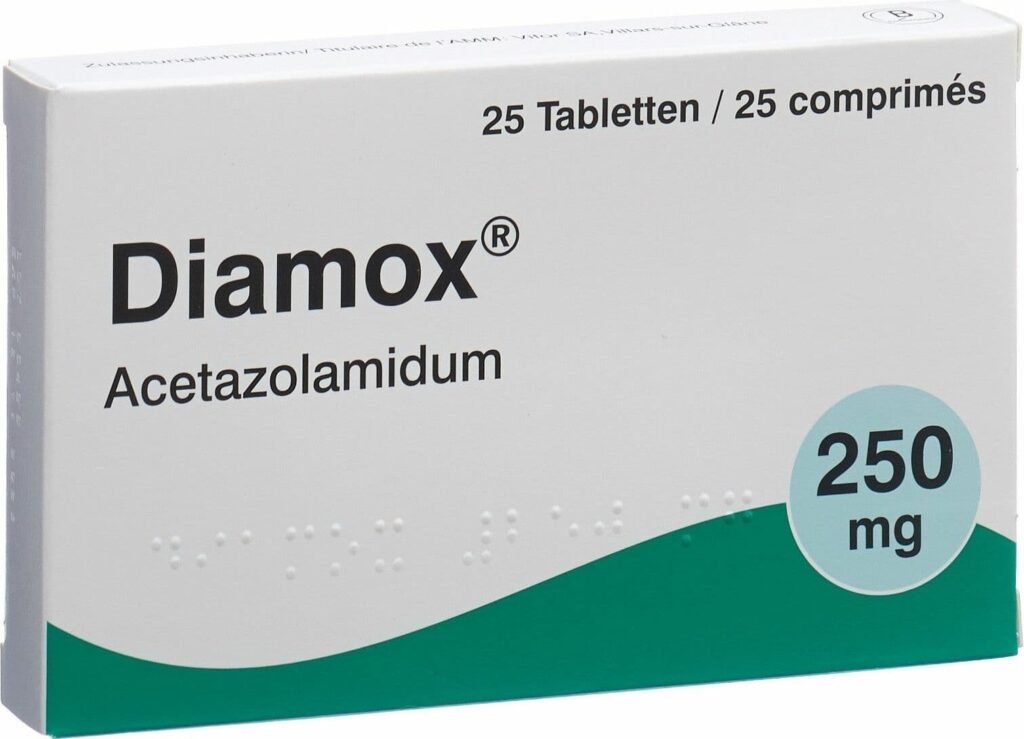
Diamox and Altitude Sickness on Kilimanjaro often go hand in hand in pre-climb discussions because Diamox, also known as acetazolamide, is widely used to prevent acute mountain sickness. Medical institutions like mayoclinic.org and medlineplus.gov explain that Diamox helps your body adjust to high altitude by speeding up breathing. This process increases oxygen levels in the blood and reduces symptoms such as headache, nausea, and dizziness.
Kilimanjaro’s summit stands at 5,895 meters above sea level. At that height, oxygen levels are significantly lower than at sea level. The nationalgeographic.com and studies published through pubmed.ncbi.nlm.nih.gov confirm that gradual acclimatization is the safest strategy. However, many climbers choose to use medication as an added layer of protection, especially on shorter routes.
Professional guides from Eddy Tours Kilimanjaro Climbing emphasize that medication should never replace proper acclimatization. Routes with more days on the mountain allow the body to adjust naturally, reducing reliance on drugs and increasing summit success rates.
How Diamox Works in High Altitude Conditions
When discussing Diamox and Altitude Sickness on Kilimanjaro, it is important to understand the science behind it. Diamox changes the body’s acid-base balance, encouraging deeper and faster breathing. According to ncbi.nlm.nih.gov and uptodate.com, this reaction mimics the body’s natural acclimatization process.
This medication is usually started one or two days before ascending and continued during the climb. Guidance from fda.gov stresses that climbers should consult a licensed healthcare professional before use. Side effects may include tingling in fingers, frequent urination, or mild taste changes. While these are generally harmless, it is wise to test tolerance before traveling to Tanzania.
Scientific data shared by organizations such as himalayanrescue.org and mountaineering.scot show that Diamox reduces the incidence and severity of acute mountain sickness. Still, it does not eliminate risk entirely, which is why climbing with trained guides from Eddy Tours About Us is crucial.
Natural Prevention Strategies Beyond Medication
Although Diamox and Altitude Sickness on Kilimanjaro are closely linked, medication is only one piece of the puzzle. Slow ascent remains the golden rule. The “climb high, sleep low” principle is supported by findings from alpineclub.org.uk and outsideonline.com, which highlight gradual exposure as the safest method.
Hydration also plays a major role. Experts from hsph.harvard.edu recommend drinking enough water to maintain clear urine, as dehydration can worsen symptoms. Balanced nutrition rich in carbohydrates supports energy levels during the trek.
Rest is equally important. Overexertion increases stress on the body at altitude. Reputable teams such as Machame Route specialists at Eddy Tours design itineraries that balance trekking and recovery time, improving overall safety.
Recognizing Symptoms Early on the Mountain
Understanding Diamox and Altitude Sickness on Kilimanjaro also means knowing the warning signs. Early symptoms include headache, loss of appetite, nausea, fatigue, and difficulty sleeping. Resources from redcross.org and mountsinai.org explain that these symptoms usually appear within hours after gaining elevation.
More severe conditions such as high altitude pulmonary edema and high altitude cerebral edema are rare but dangerous. Research available through britannica.com and educational materials at khanacademy.org outline how immediate descent is the only effective treatment in serious cases.
On Kilimanjaro, guides perform daily health checks including oxygen saturation readings. Teams working with Eddy Tours Contact Page are trained in wilderness first aid, ensuring rapid response if a climber shows concerning signs.
Should You Take Diamox Before Climbing?
The decision about Diamox and Altitude Sickness on Kilimanjaro should always involve medical advice. Authorities such as nhs.uk and healthline.com suggest that people with previous altitude sickness episodes may benefit most from preventive medication.
Healthy individuals climbing longer routes may succeed without it. However, shorter itineraries increase risk because the body has less time to adapt. Consulting your doctor well before travel allows you to review allergies, current medications, and personal risk factors.
It is also important to purchase medication from licensed pharmacies only. Reliable information about prescription safety can be found at ema.europa.eu and drugs.com.
Comparing Routes and Acclimatization Profiles
Route choice directly influences how climbers experience Diamox and Altitude Sickness on Kilimanjaro. Longer routes such as Lemosho and Northern Circuit offer better acclimatization profiles. Geographic insights from usgs.gov and mapping tools like google.com show the gradual elevation patterns that help the body adapt.
Shorter routes may appear attractive due to lower cost or limited time, but they can increase physical strain. Some climbers combine their trek with expert guidance from kilimanjaroclimbspecialist.com for technical insights while booking safari extensions through Eddy Tours & Safaris to complete their Tanzanian adventure.
Frequently Asked Questions
Is Diamox mandatory for Kilimanjaro?
No, it is not mandatory. Many climbers reach the summit without medication, especially on longer routes with proper acclimatization.
When should I start taking Diamox?
Most doctors recommend starting one or two days before ascent, but personal medical advice is essential.
Can Diamox guarantee I will avoid altitude sickness?
No medication offers a guarantee. It reduces risk but does not eliminate it completely.
Are there side effects I should worry about?
Common effects are mild, such as tingling or frequent urination. Severe reactions are rare but should be discussed with a doctor.
Does fitness prevent altitude sickness?
Fitness helps endurance, but altitude sickness can affect anyone regardless of physical condition.
What is the safest way to prevent altitude sickness?
Slow ascent, hydration, rest, and honest communication with your guide remain the most reliable strategies.
Final Thoughts on Preparation and Safety
Preparing for Diamox and Altitude Sickness on Kilimanjaro requires a balanced approach that combines medical advice, smart route planning, and experienced guidance. Medication can be helpful, but it should support, not replace, gradual acclimatization. Listening to your body, choosing a reputable operator, and respecting the mountain’s altitude will greatly improve your experience.
Kilimanjaro is more than a climb; it is a journey through changing ecosystems and personal determination. By understanding the realities of Diamox and Altitude Sickness on Kilimanjaro, you give yourself the confidence to ascend safely and responsibly. With thoughtful planning and the right team beside you, standing on the Roof of Africa becomes not just possible, but truly unforgettable.