
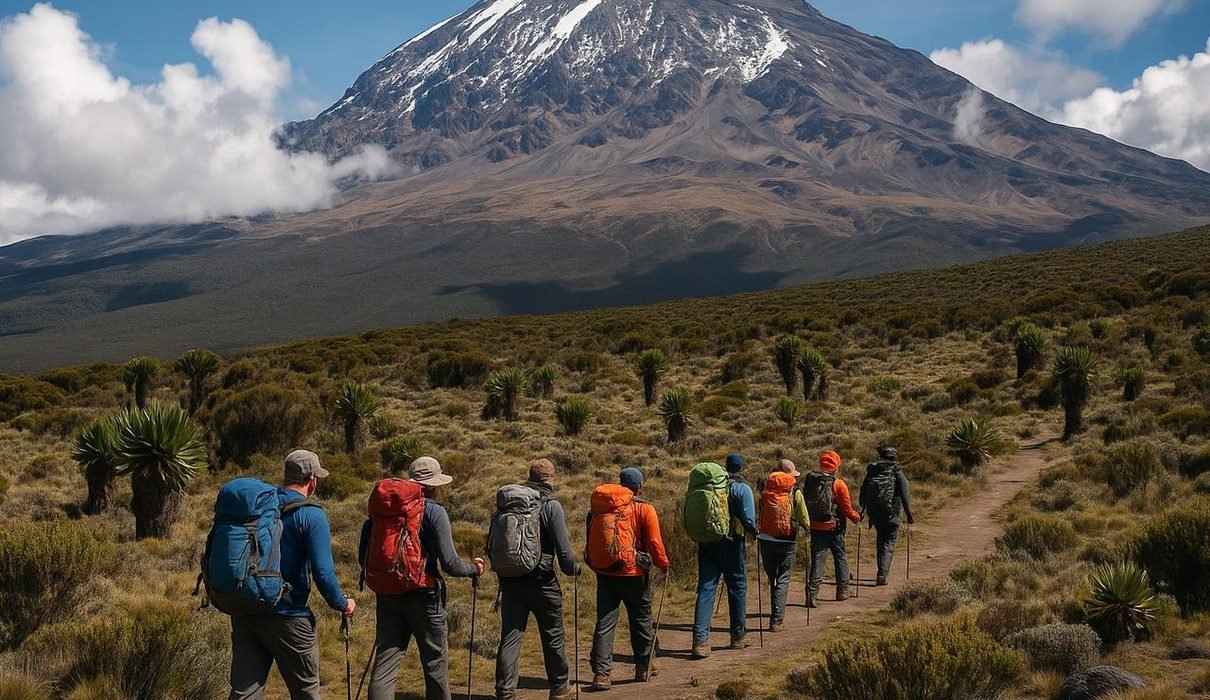
Are you planning to climb Mount Kilimanjaro in 2027 but do not want to organize a private expedition on your own? Joining a Kilimanjaro group climb could be a practical way to experience Africa’s highest mountain, meet other travelers and share some of the costs of a guided expedition. Whether you are traveling alone, with a friend or as a couple, a group climbing package allows you to follow an organized mountain itinerary alongside other hikers who have the same goal of reaching Uhuru Peak.
Mount Kilimanjaro stands at 5,895 metres (19,341 feet) above sea level in northern Tanzania. The mountain attracts travelers from around the world because its established trekking routes allow suitably prepared hikers to attempt the summit without technical mountaineering experience under normal conditions. However, the expedition is still demanding. Climbers must manage several days of walking, changing weather, freezing summit temperatures and the effects of high altitude.
For 2027, travelers can explore different climbing routes, including Machame, Lemosho, Marangu, Rongai and the Northern Circuit. Each route offers a different combination of trekking days, accommodation arrangements, scenery and acclimatization opportunities. Choosing a group departure is not simply about finding the lowest price or earliest available date. It is important to understand the itinerary, group arrangements, safety procedures and what is included in the package.
At Eddy Tours & Safaris, we help travelers plan Kilimanjaro climbing expeditions and discuss suitable group and private arrangements. This guide explains how Kilimanjaro group climbs work, the best routes to consider for 2027, popular climbing months, expected package costs and the questions to ask before confirming your place.
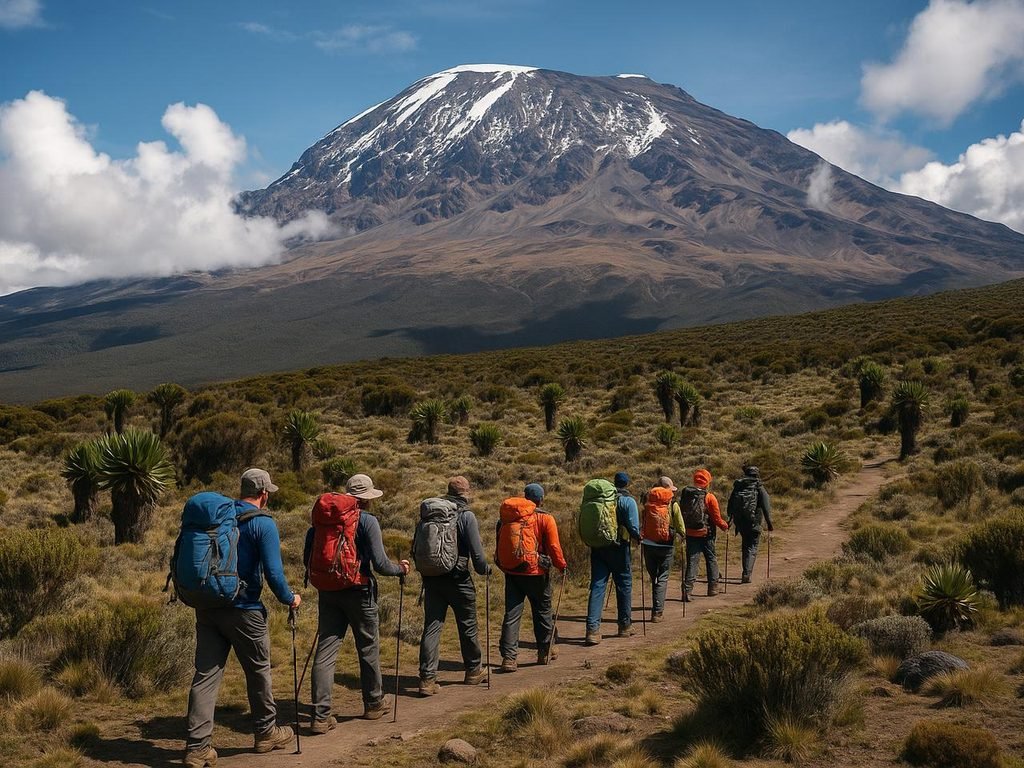
Kilimanjaro Group Climbs 2027: Quick Overview
| Tour information | Details |
|---|---|
| Destination | Mount Kilimanjaro, Tanzania |
| Travel year | 2027 |
| Highest point | Uhuru Peak, 5,895 metres |
| Climbing style | Guided group trekking |
| Popular routes | Machame, Lemosho, Marangu, Rongai and Northern Circuit |
| Typical mountain duration | 6–9 days, depending on route |
| Accommodation | Tents or mountain huts, depending on route |
| Main departure town | Moshi, Tanzania |
| Suitable travelers | Solo travelers, couples, friends and small groups |
| Departure dates | Subject to the operator’s confirmed 2027 schedule |
| Price | Available on request |
| Booking | Contact Eddy Tours & Safaris |
What Is a Kilimanjaro Group Climb?
A Kilimanjaro group climb is an organized expedition in which several travelers follow the same mountain route and itinerary with a professional guiding and support team. Instead of arranging a private climb for yourself or your travel companions, you join other hikers who have selected the same departure date. The group shares certain expedition arrangements, including guiding services, cooking facilities, transport and other operational costs, depending on the package.
Group climbs are particularly popular with solo travelers because they provide an opportunity to meet people with similar interests. You may begin the expedition without knowing anyone else in the group, but several days of walking, sharing meals and spending evenings at mountain camps can create a friendly atmosphere. Travelers often come from different countries and have different hiking backgrounds, which can make the experience interesting.
However, joining a group does not mean everyone will walk at exactly the same speed or respond to altitude in the same way. A responsible operator should have suitable guide arrangements to monitor individual climbers and respond when someone needs additional assistance. Before booking, ask about the maximum group size, guide-to-climber arrangements, emergency procedures and what happens if a participant needs to descend early.
Kilimanjaro Group Climbing Dates for 2027
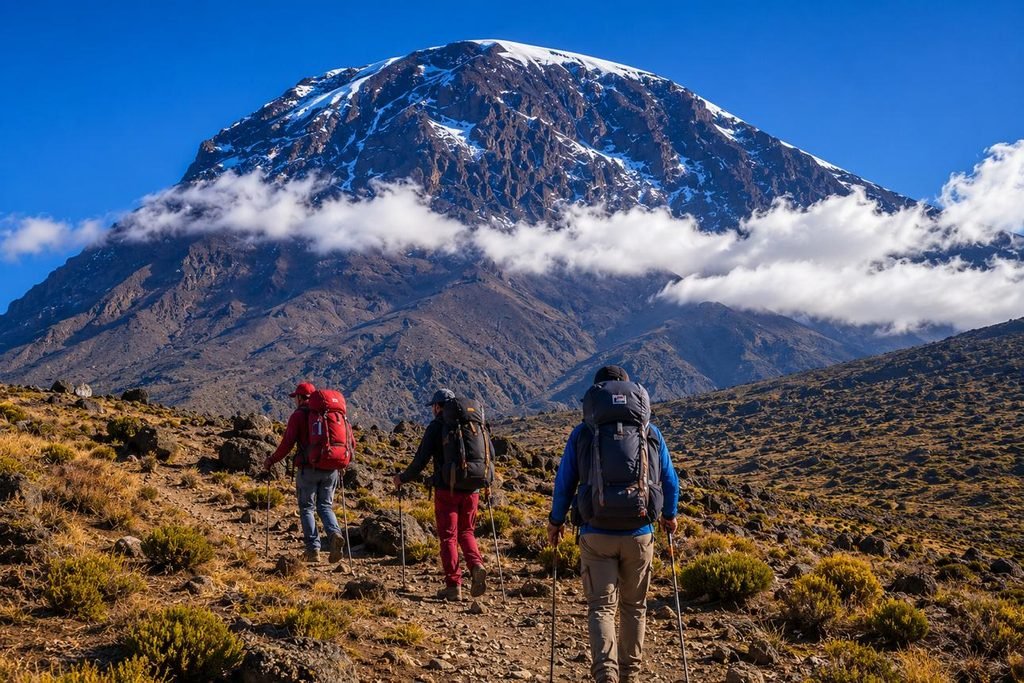
Kilimanjaro can be climbed throughout the year, and many tour operators organize group departures during the more popular trekking periods. January, February, July, August, September and October commonly attract climbers who prefer relatively drier conditions. Other months can also be suitable, but travelers should understand the likelihood of seasonal rainfall and changing mountain weather.
For Eddy Tours & Safaris, exact group departure dates and available spaces should be confirmed directly before they are advertised as guaranteed. Travelers can enquire about their preferred month, route and duration, and the team can discuss available joining arrangements or alternatives. A departure should only be described as confirmed when the operator has verified the necessary arrangements.
2027 Kilimanjaro Group Climbing Calendar
| Month | General weather outlook | Route options to consider | Booking status |
|---|---|---|---|
| January | Often relatively dry; cold summit conditions | Machame, Lemosho, Rongai | Dates on request |
| February | Often favorable trekking conditions | Machame, Lemosho, Northern Circuit | Dates on request |
| March | Conditions vary; rainfall may increase later | Machame, Rongai, Lemosho | Dates on request |
| April | Generally wetter | Routes subject to conditions | Dates on request |
| May | Generally wetter | Routes subject to conditions | Dates on request |
| June | Often becomes drier as the season progresses | Machame, Lemosho, Marangu | Dates on request |
| July | Popular relatively dry period | Machame, Lemosho, Rongai | Dates on request |
| August | Popular trekking month | Machame, Lemosho, Northern Circuit | Dates on request |
| September | Often favorable trekking conditions | Machame, Rongai, Lemosho | Dates on request |
| October | Often relatively dry, with variable conditions | Machame, Lemosho, Marangu | Dates on request |
| November | Seasonal rainfall is possible | Routes subject to conditions | Dates on request |
| December | Variable weather; holiday travel interest | Machame, Rongai, Lemosho | Dates on request |
Important: This table is a seasonal planning calendar, not a list of confirmed departures. Travelers should request actual starting dates, available places and written prices before arranging international flights.
Best Kilimanjaro Routes for Group Climbs in 2027
1. Seven-Day Machame Route: A Popular Group Climbing Choice
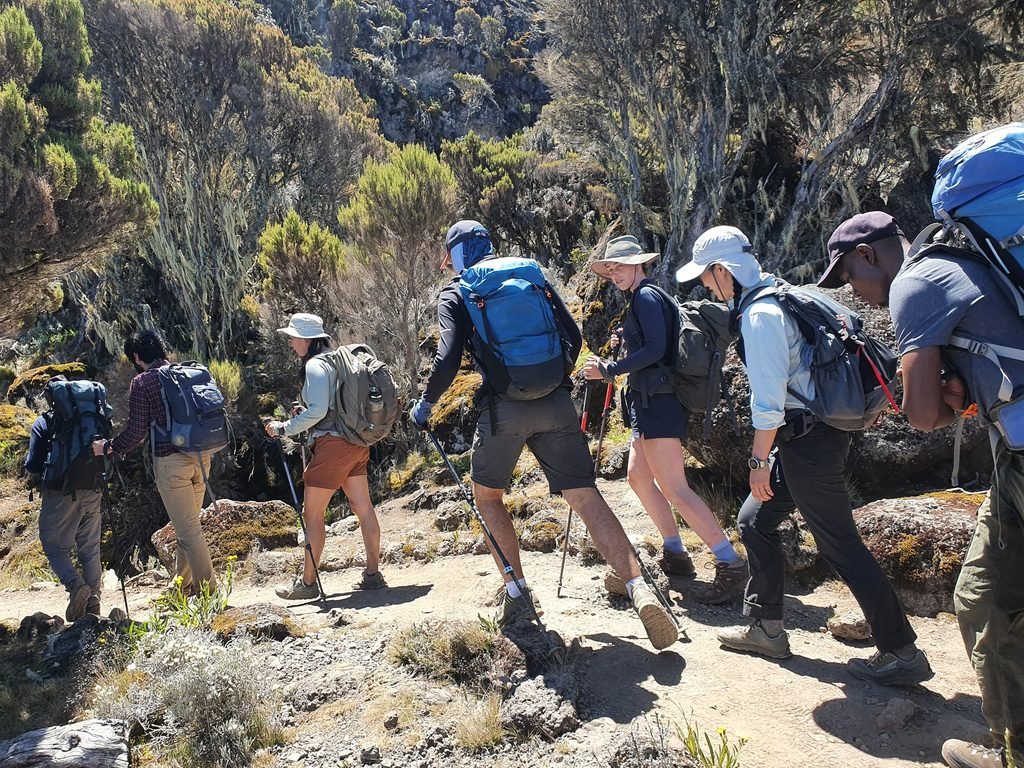
The seven-day Machame Route is one of the most popular options for travelers joining a Kilimanjaro climbing group. The route begins at Machame Gate on the southwestern side of the mountain and passes through rainforest, heath, moorland and alpine desert before reaching the summit area. Along the way, climbers experience the Shira Plateau, Lava Tower, Barranco Wall, Karanga Camp and Barafu Camp.
One of the advantages of the seven-day itinerary is the additional overnight stay at Karanga Camp. This divides the journey from Barranco to Barafu into two stages, providing more time for acclimatization than the six-day alternative. The route is still physically demanding, particularly during the ascent of Barranco Wall and the final summit attempt, but it offers a useful balance between duration and acclimatization opportunities.
Machame can be suitable for physically prepared first-time climbers who enjoy mountain camping and varied scenery. Travelers should be comfortable walking for several hours each day and understand that the summit ascent may begin around midnight. The route’s popularity also means that some sections and camps can be busy during peak travel periods.
For a detailed explanation of the mountain stages, read our Machame Route Full Itinerary.
Recommended group climbing duration: Seven days.
2. Eight-Day Lemosho Route: More Time for Acclimatization
The Lemosho Route begins on Kilimanjaro’s western slopes and is known for its varied scenery and longer trekking options. The early stages pass through rainforest before reaching the Shira Plateau, where climbers can enjoy wide views of the mountain when weather conditions allow. The route then continues toward Lava Tower, Barranco, Karanga and Barafu before the final summit attempt.
An eight-day Lemosho itinerary is a strong choice for group climbers who want additional time on the mountain. The longer schedule provides more opportunities for gradual acclimatization than compressed itineraries, which can be particularly valuable for travelers who have never previously trekked above 4,000 metres. However, the exact benefit depends on the daily sleeping elevations and each climber’s response to altitude.
Lemosho is attractive to travelers who want a scenic route without rushing through the expedition. The climb still includes steep terrain, cold mountain camps and a demanding summit day, so preparation remains essential. For many beginners with sufficient time, eight-day Lemosho deserves serious consideration.
Recommended group climbing duration: Eight days.
3. Six-Day Marangu Route: Mountain Hut Accommodation
Marangu is one of Kilimanjaro’s established climbing routes and is especially well known for its mountain huts. Unlike Machame and Lemosho, where climbers generally sleep in tents, Marangu uses permanent hut accommodation at designated camps. The route begins at Marangu Gate and continues through Mandara Hut, Horombo Hut and Kibo Hut before the summit attempt.
The availability of huts can appeal to travelers who prefer established sleeping facilities rather than camping. However, this does not make the climb easy. Marangu follows a relatively direct ascent, and shorter itineraries can provide limited acclimatization time. The six-day version is generally preferable to the five-day itinerary because it includes additional time around Horombo.
For group climbers, Marangu may offer a practical accommodation arrangement, but it is important to compare the complete elevation profile with other routes. The highest stages remain physically demanding, and the summit attempt requires the same careful attention to altitude symptoms and weather conditions.
Recommended group climbing duration: Six days rather than five.
4. Seven- or Eight-Day Rongai Route: Kilimanjaro’s Northern Approach
The Rongai Route approaches Kilimanjaro from the north, near the Tanzania–Kenya border. Its early stages pass through forest and open moorland before continuing toward the striking mountain landscape surrounding Mawenzi Peak. Climbers eventually cross the Saddle toward Kibo, where they prepare for the summit attempt.
Rongai is attractive to travelers who want to experience a different side of Kilimanjaro. The northern approach offers distinctive scenery, and some sections may feel quieter than the mountain’s more heavily used southern routes. However, the route still involves substantial altitude gain, particularly when approaching Kibo and climbing toward Gilman’s Point.
For group climbs, a seven- or eight-day Rongai itinerary is generally preferable to a shorter six-day schedule. Longer versions can include additional time near Mawenzi Tarn or other acclimatization arrangements. Travelers should confirm the exact daily itinerary because operators may organize their Rongai schedules differently.
Recommended group climbing duration: Seven or eight days.
5. Nine-Day Northern Circuit: A Longer Kilimanjaro Experience
The Northern Circuit is one of Kilimanjaro’s longest commonly offered trekking routes. It generally begins from the western side of the mountain before continuing around the quieter northern slopes of Kibo. The route passes through several ecological zones and provides a different perspective of Kilimanjaro compared with the more direct southern approaches.
The main attraction of the nine-day Northern Circuit is its extended trekking schedule. Climbers spend additional time at intermediate elevations before reaching the upper camps, which can support acclimatization. The route is especially appealing to travelers who have enough time and prefer a longer mountain expedition rather than trying to complete the climb as quickly as possible.
However, nine days of trekking still require good endurance, and the final summit attempt remains challenging. The additional days may also increase the overall package cost. For group travelers who prioritize acclimatization and are comfortable with a longer itinerary, the Northern Circuit is an excellent option to compare with Lemosho.
Recommended group climbing duration: Nine days.
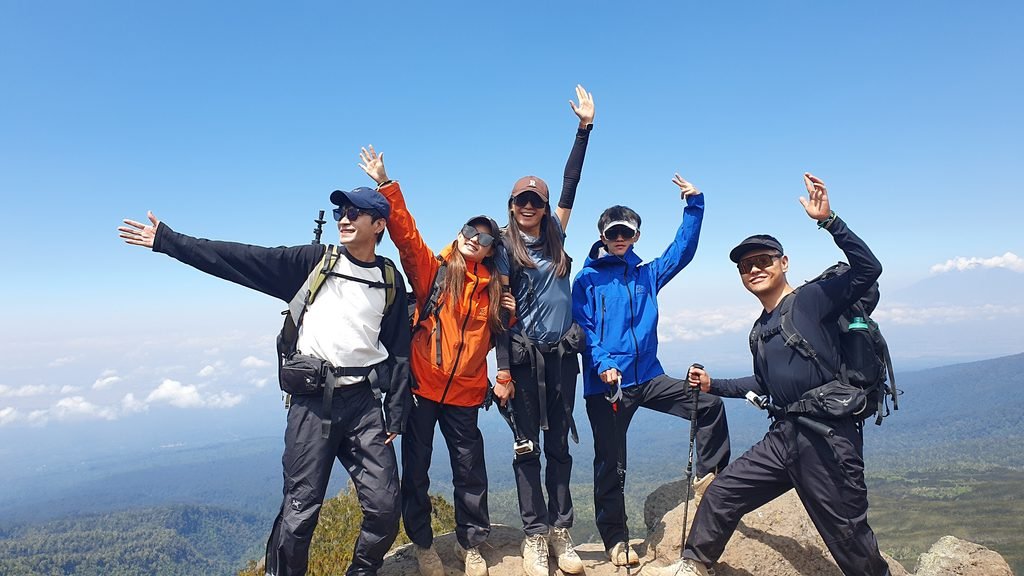
Kilimanjaro Group Climbing Route Comparison
| Route | Recommended duration | Accommodation | Main advantage |
|---|---|---|---|
| Machame | 7 days | Camping | Varied scenery and an established itinerary |
| Lemosho | 8 days | Camping | Longer acclimatization schedule |
| Marangu | 6 days | Mountain huts | Hut accommodation |
| Rongai | 7–8 days | Camping, with Kibo hut arrangements on common itineraries | Northern approach and Mawenzi scenery |
| Northern Circuit | 9 days | Camping | Longer, quieter northern traverse |
The best route is not necessarily the shortest or most popular. Travelers should choose an itinerary that matches their fitness, previous altitude experience and available time.
How Much Does a Kilimanjaro Group Climb Cost in 2027?
The price of a Kilimanjaro group climb depends on several factors, including the route, number of trekking days, group size, park fees, mountain crew arrangements, accommodation and included transfers. Longer routes generally require additional park fees, meals and crew services, which can increase the total cost. A group climb may reduce some shared expenses compared with a private expedition, but the final saving depends on the operator’s arrangements.
For 2027, it is important to request an updated quotation rather than relying on prices published for previous years. Park fees, transport costs and other operating expenses may change, and different operators may include different services in their packages. A lower advertised price is not automatically better value if important services or safety arrangements are excluded.
A detailed quotation should identify the route, number of trekking days, accommodation arrangements, included park fees, mountain guides, porters, meals, transport and any additional hotel nights. Travelers should also check the payment terms and cancellation conditions before confirming their place.
What Is Usually Included in a Group Climbing Package?
A professionally organized Kilimanjaro group expedition commonly includes authorized mountain guides, porters, a mountain cook, required park fees, mountain accommodation, meals during the trek and transport between Moshi and the park gates. Camping routes generally include group camping equipment, while Marangu uses established mountain huts. The exact services depend on the selected package.
The mountain support team normally transports the main expedition equipment while climbers carry their own daypacks containing water, snacks, rain protection and personal essentials. Travelers should ask whether drinking water arrangements, emergency equipment and health monitoring procedures are included and clearly explained before departure.
What Is Usually Excluded?
International flights, Tanzania visa fees, travel insurance, personal hiking clothing and equipment, tips for the mountain crew, equipment rental and hotel accommodation before or after the climb may be excluded unless specifically stated. Optional safari extensions, Zanzibar holidays and additional private transfers are generally quoted separately.
Before making a payment, review the written inclusions and exclusions carefully. This makes it easier to compare packages and avoid unexpected costs.
Group Climb or Private Kilimanjaro Climb: Which Is Better?
A group climb can be a practical option for solo travelers, couples and friends who want to share an organized expedition with other hikers. The group format provides opportunities to meet new people and may reduce some of the shared operating costs. It can also make planning easier when the operator already has a suitable route and departure schedule.
A private climb offers more flexibility because the itinerary is arranged specifically for your party. You may have greater freedom when selecting travel dates, group composition and certain logistical details. Private arrangements can be especially useful for families, groups of friends or travelers who have specific scheduling requirements.
Neither option is automatically safer or more successful. The quality of the itinerary, acclimatization schedule, guide arrangements and emergency procedures matters more than whether the expedition is private or shared. Travelers should choose the arrangement that suits their preferences while ensuring that mountain safety remains a priority.
How Difficult Is Joining a Kilimanjaro Group Climb?
Climbing Kilimanjaro is physically demanding, even when the route does not require technical mountaineering skills. Most itineraries involve walking for several consecutive days, gaining significant elevation and sleeping in increasingly cold mountain environments. Summit night is particularly challenging because climbers often begin walking in darkness and may spend many hours ascending steep volcanic terrain before descending to a lower camp.
The group format introduces another consideration: participants may have different levels of fitness and previous hiking experience. A responsible guide team should maintain a suitable pace and monitor climbers individually rather than expecting everyone to respond to altitude in the same way. Before booking, ask how the operator manages different walking speeds and what support is available if someone needs to descend.
Physical preparation is important, but it does not prevent altitude illness. Even experienced hikers can develop symptoms at high elevation. Climbers should report headaches, nausea, dizziness, unusual fatigue or other concerning symptoms promptly and follow the guide’s safety instructions.
How to Prepare for Your 2027 Kilimanjaro Group Climb
Preparation should begin several months before departure, particularly if you have limited hiking experience. Regular hill walking, cardiovascular exercise and leg-strength training can help improve endurance for repeated trekking days. Training with a daypack is also useful because climbers normally carry water, snacks, waterproof clothing and personal essentials while the mountain crew transports the main equipment.
Equipment preparation is equally important. Kilimanjaro passes through several climatic zones, so climbers need clothing suitable for warm rainforest conditions, rain, cold camps and freezing summit temperatures. Waterproof hiking boots, thermal layers, an insulated jacket, gloves, a headlamp, trekking poles and a suitable sleeping bag are among the important items to prepare.
Travelers should also consult a qualified healthcare professional about high-altitude trekking, particularly if they have existing medical conditions or previous altitude-related symptoms. Travel insurance should cover trekking at Kilimanjaro’s elevation and appropriate emergency assistance. A responsible tour operator should explain the mountain safety procedures before the climb begins.
For additional advice, read our Machame Route Full Itinerary and explore other Kilimanjaro climbing information on the Eddy Tours & Safaris website.
What Happens Before a Kilimanjaro Group Departure?
Most travelers arrive in the Moshi area before the mountain expedition begins. Kilimanjaro International Airport is a common arrival point for international visitors, and transfers can be arranged according to the package. Arriving at least one day before the climb is useful because it provides time to rest after travel, attend a briefing and check equipment.
During the pre-climb briefing, your guide or tour representative should explain the itinerary, mountain accommodation, daily walking routine, luggage arrangements and safety procedures. Climbers can also ask questions about the expected weather, summit preparation and what to do if they develop symptoms of altitude illness.
Before departure, confirm the exact meeting point, starting date, group arrangements and any hotel nights included in your booking. If you are traveling internationally, allow enough time for flight delays and avoid planning an unnecessarily tight connection immediately after the expedition.
Can You Combine a Kilimanjaro Group Climb with a Tanzania Safari?
Yes. Many travelers combine a Kilimanjaro expedition with a wildlife safari in northern Tanzania. After completing the climb, you can explore Tarangire National Park, Serengeti National Park, Ngorongoro Crater or Lake Manyara National Park. This allows you to experience both Tanzania’s mountain landscapes and its wildlife destinations during one holiday.
A short safari of three to five days can be a practical extension for travelers with limited time, while longer itineraries provide opportunities to explore several parks at a more relaxed pace. Some visitors also continue to Zanzibar for a beach holiday after their mountain and safari experiences.
It is sensible to allow time for recovery after the climb, especially if summit day was physically exhausting or you experienced any health concerns. Eddy Tours & Safaris can discuss suitable travel arrangements based on your preferred schedule.
Frequently Asked Questions About Kilimanjaro Group Climbs 2027
1. What is a Kilimanjaro group climb?
A group climb is an organized expedition in which several travelers follow the same route and schedule with a professional mountain team.
2. Can solo travelers join Kilimanjaro groups?
Yes. Group climbing is a practical option for solo travelers who want to join other hikers.
3. Are Kilimanjaro group climbs cheaper than private climbs?
They may cost less because some operating expenses are shared, but the exact price depends on the package.
4. Which route is best for group climbs?
Seven-day Machame and eight-day Lemosho are strong options, depending on your preferences and available time.
5. Is the Northern Circuit suitable for group climbing?
Yes. It can be suitable for travelers who want a longer itinerary with additional acclimatization opportunities.
6. How many days should I spend climbing Kilimanjaro?
Seven to nine trekking days is often a sensible range to consider, depending on the route and elevation profile.
7. Can beginners join Kilimanjaro group climbs?
Yes. Physically prepared beginners can join suitable guided expeditions, although the route and duration should be chosen carefully.
8. Do I need technical climbing experience?
Technical mountaineering experience is not normally required on standard trekking routes under suitable conditions.
9. What is the highest point on Kilimanjaro?
Uhuru Peak, at 5,895 metres above sea level.
10. Are 2027 Kilimanjaro group dates confirmed?
Dates depend on the operator. Request Eddy Tours & Safaris’ current confirmed schedule before booking.
11. What is the best month for a group climb?
January to March and June to October are commonly popular, although mountain weather varies.
12. Can I climb Kilimanjaro during the rainy season?
Yes, but wetter conditions can make trails muddy and the expedition less comfortable.
13. How much does a 2027 group climb cost?
The cost depends on the route, duration and included services. Request a written quotation for current pricing.
14. Are park fees included?
They are commonly included in organized packages, but this should be confirmed in writing.
15. Where do climbers sleep?
Most routes use mountain tents, while Marangu uses established huts.
16. Do I need a guide?
Yes. Kilimanjaro climbs require authorized guiding arrangements.
17. Can I join a group with a friend?
Yes. Friends and couples can request places on the same departure, subject to availability.
18. What happens if I walk more slowly than other group members?
The guide team should manage walking pace and individual needs according to its safety procedures.
19. What happens if I develop altitude sickness?
You should report symptoms immediately. Your guide may recommend rest, medical assessment or descent depending on the situation.
20. Does a longer route guarantee summit success?
No. Longer routes may support acclimatization, but no itinerary guarantees reaching Uhuru Peak.
21. What should I pack?
Bring suitable hiking boots, layered clothing, rain protection, a warm summit jacket, gloves, a headlamp and other equipment recommended by your operator.
22. Can I rent equipment in Moshi?
Some equipment may be available for rental, subject to local supplier arrangements.
23. How early should I book a 2027 group climb?
Several months in advance is useful, especially for popular travel periods, but availability should always be confirmed.
24. Can I combine a group climb with a Serengeti safari?
Yes. Safari arrangements can be discussed after the climb, with appropriate recovery time.
25. How do I request a Kilimanjaro group departure?
Contact Eddy Tours & Safaris with your preferred travel month, route, number of travelers and available trekking days.
Book Your 2027 Kilimanjaro Group Climb with Eddy Tours & Safaris
Joining a Kilimanjaro group climb in 2027 can be an excellent way to explore Africa’s highest mountain while sharing the experience with other travelers. Whether you prefer the scenic Machame Route, the longer Lemosho itinerary, Marangu’s mountain huts, Rongai’s northern approach or the extended Northern Circuit, the right choice depends on your experience, available time and acclimatization needs.
Before confirming your expedition, compare the complete itinerary, check the operator’s mountain safety arrangements and request written details of the included services. A suitable climbing schedule and responsible guiding are more important than choosing the shortest or cheapest available package.
At Eddy Tours & Safaris, we help travelers plan guided Kilimanjaro expeditions and discuss group joining opportunities for 2027. Our team can help you compare routes, enquire about departure dates, understand the preparation requirements and request a quotation suited to your travel plans.
Request Your 2027 Kilimanjaro Group Climbing Dates and Quotation
Chat with Eddy Tours & Safaris on WhatsApp
Email: sales@eddytours-safaris.com
Contact our team with your preferred month, route and number of travelers to discuss available group climbing arrangements for 2027.