
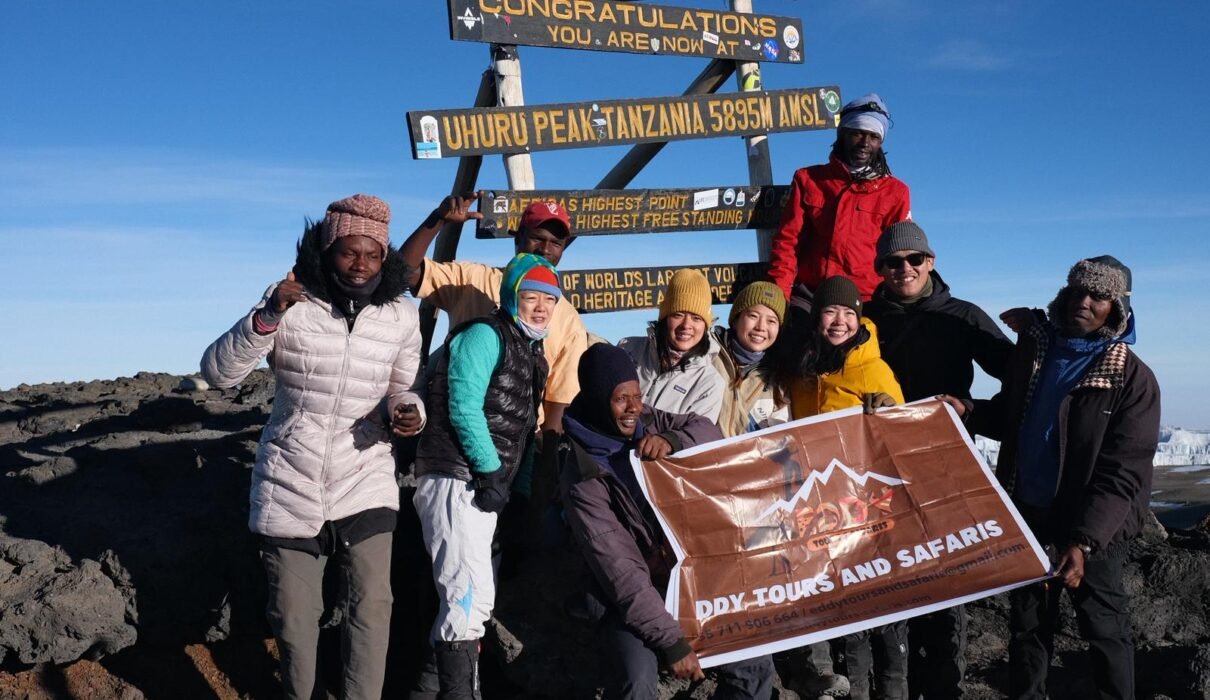
Ethical Trekking: How to Avoid Exploiting Porters is one of the most important questions every responsible traveler should ask before joining a mountain trek in East Africa. Behind every successful climb, every hot meal at camp and every tent set up before sunset, there are real men and women carrying heavy loads, walking long distances and working in difficult weather. Your trekking choices directly affect their health, dignity and long-term wellbeing.
This guide explains, in clear and simple language, how ethical trekking really works and how you can avoid unintentionally supporting unfair or unsafe working conditions. The information is based on international labour standards, public health research and conservation guidelines. When you plan your journey with a responsible local operator such as Eddy Tours & Safaris, you help create a trekking culture that protects both people and nature.
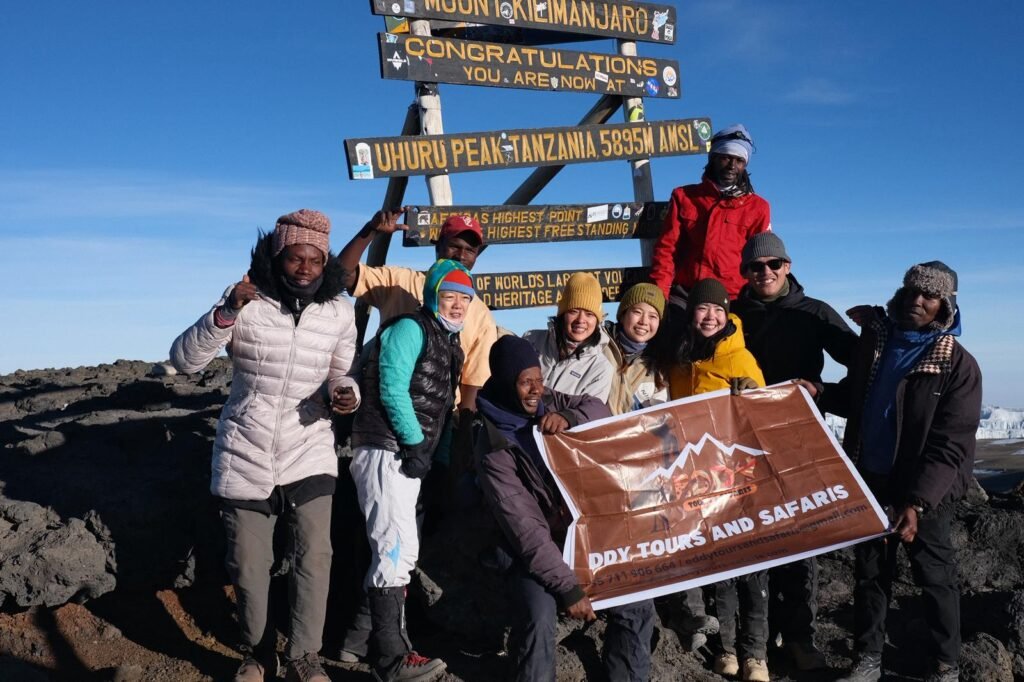
Ethical Trekking: How to Avoid Exploiting Porters through fair labour standards
Understanding Ethical Trekking: How to Avoid Exploiting Porters starts with recognising that porters are workers with rights, not invisible helpers. International labour frameworks developed by the International Labour Organization clearly define fair employment conditions, including reasonable working hours, safe workloads, medical protection and non-discrimination.
Social protection and poverty reduction research from Oxfam International and labour rights advocacy supported by Human Rights Watch show that informal tourism employment can easily become exploitative when clear rules are not enforced. Ethical trekking means choosing companies that apply written contracts, fair wages and clear job roles for every member of the support team.
Ethical Trekking: How to Avoid Exploiting Porters and health protection
Porter health is central to Ethical Trekking: How to Avoid Exploiting Porters. Occupational health guidance published by the World Health Organization highlights how heavy physical labour at altitude increases the risk of dehydration, hypothermia, respiratory stress and musculoskeletal injuries.
Clinical research made available through the U.S. National Library of Medicine and medical reviews indexed in PubMed show that repeated heavy load carrying without proper nutrition, footwear and rest significantly increases long-term injury risk. Ethical trekking operators provide medical screening, warm clothing, suitable boots and sufficient meals for all staff, not only for guests.
Ethical Trekking: How to Avoid Exploiting Porters and safe load limits
A practical and visible part of Ethical Trekking: How to Avoid Exploiting Porters is controlling how much weight a porter carries. Occupational safety and ergonomics research published through ScienceDirect and biomechanical studies reported in Nature demonstrate that excessive loads dramatically increase spinal injuries and chronic joint problems.
Ethical trekking companies monitor load distribution daily, ensure proper packing and prevent last-minute overloading at park gates. Responsible clients also help by packing realistically and avoiding unnecessary personal items that increase physical pressure on support teams.
Ethical Trekking: How to Avoid Exploiting Porters and environmental responsibility
Ethical Trekking: How to Avoid Exploiting Porters is also closely connected to environmental protection. Mountain ecosystems are fragile, and uncontrolled tourism affects both people and landscapes. Conservation organisations such as the International Union for Conservation of Nature, United Nations Environment Programme and the World Wide Fund for Nature highlight how erosion, waste and overcrowding increase health risks for workers operating in degraded environments.
Environmental research supported by the United States Geological Survey and conservation strategies promoted by Conservation International show that regulated trails, proper campsites and controlled visitor flow directly reduce both environmental damage and physical strain on trekking staff.
Ethical Trekking: How to Avoid Exploiting Porters and climate exposure
Climate pressure has become part of Ethical Trekking: How to Avoid Exploiting Porters. Climate science from NASA Climate and global assessments produced by the Intergovernmental Panel on Climate Change show that changing weather patterns increase exposure to cold, heat stress and unpredictable storms.
Ethical operators adjust departure times, camp locations and work schedules to protect both guests and porters from dangerous weather windows, rather than forcing staff to continue working simply to protect rigid itineraries.
Ethical Trekking: How to Avoid Exploiting Porters through proper training and leadership
Strong leadership is another pillar of Ethical Trekking: How to Avoid Exploiting Porters. Outdoor risk management research supported by the National Outdoor Leadership School and mountaineering safety standards developed by the International Climbing and Mountaineering Federation show that well-trained leaders protect both clients and support staff through better planning and realistic decision-making.
Leaders trained in first aid, group dynamics and emergency response can quickly identify exhaustion, cold stress and early injury among porters before serious harm occurs.

Ethical Trekking: How to Avoid Exploiting Porters and emergency response systems
Emergency preparedness is essential to Ethical Trekking: How to Avoid Exploiting Porters. Disaster response frameworks promoted by the International Federation of Red Cross and Red Crescent Societies and humanitarian health guidance from the International Red Cross emphasize reliable communication, evacuation planning and trained responders in remote terrain.
Ethical trekking companies maintain radios, satellite phones and structured evacuation procedures not only for guests, but equally for injured or ill porters.
Ethical Trekking: How to Avoid Exploiting Porters and community development
Ethical Trekking: How to Avoid Exploiting Porters also means supporting long-term community wellbeing. Development research supported by the World Bank and social policy analysis from UNICEF show that stable tourism employment improves access to education, healthcare and food security in rural regions.
When trekking companies hire locally, pay fairly and offer training opportunities, communities become stronger partners in environmental protection and cultural preservation.
Ethical Trekking: How to Avoid Exploiting Porters and scientific understanding
Scientific knowledge strengthens Ethical Trekking: How to Avoid Exploiting Porters. Public health and occupational research published by Harvard T.H. Chan School of Public Health and field studies shared through Frontiers in Public Health highlight how safe working environments reduce long-term disability and increase economic stability.
Ethical trekking aligns tourism practice with evidence-based health and safety systems rather than outdated traditions that normalise suffering as part of the job.
Ethical Trekking: How to Avoid Exploiting Porters and wildlife protection links
Porter welfare and wildlife protection are closely connected within Ethical Trekking: How to Avoid Exploiting Porters. Conservation organisations such as the African Wildlife Foundation, the Wildlife Conservation Society and BirdLife International show that tourism workers who benefit fairly from conservation are more motivated to protect habitats and report illegal activities.
Ethical trekking therefore strengthens both human and ecological security on protected mountains and trekking routes.
Ethical Trekking: How to Avoid Exploiting Porters when choosing your operator
For travelers, Ethical Trekking: How to Avoid Exploiting Porters becomes practical when selecting a company. Ask how staff are paid, how loads are checked, how equipment is provided and how injuries are handled. Responsible operators answer openly and provide clear information.
You can explore professionally structured trekking options through ethical Kilimanjaro climbing programs that integrate fair labour practices and safety systems.
Ethical Trekking: How to Avoid Exploiting Porters through responsible travel planning
Planning responsibly supports Ethical Trekking: How to Avoid Exploiting Porters. Realistic itineraries reduce fatigue, rushed schedules and unsafe night movements for staff and guests alike.
Well-balanced wildlife and trekking itineraries are available through responsible Tanzania travel programs designed around safety, conservation and community wellbeing.
Ethical Trekking: How to Avoid Exploiting Porters by working with local professionals
Local knowledge strengthens Ethical Trekking: How to Avoid Exploiting Porters. Local teams understand seasonal weather, trail conditions and porter availability better than overseas agents.
For direct and honest advice, travelers can speak with local specialists through professional trekking consultation support.
Why Ethical Trekking truly matters
At its heart, Ethical Trekking: How to Avoid Exploiting Porters is about human dignity. The people who support your journey deserve safe work, fair pay, proper equipment and respect. Ethical trekking does not reduce your adventure. It makes your experience deeper, more honest and far more meaningful.
By choosing responsible operators, packing thoughtfully and asking the right questions, you help create a trekking culture that protects people, wildlife and fragile mountain environments for generations to come.