
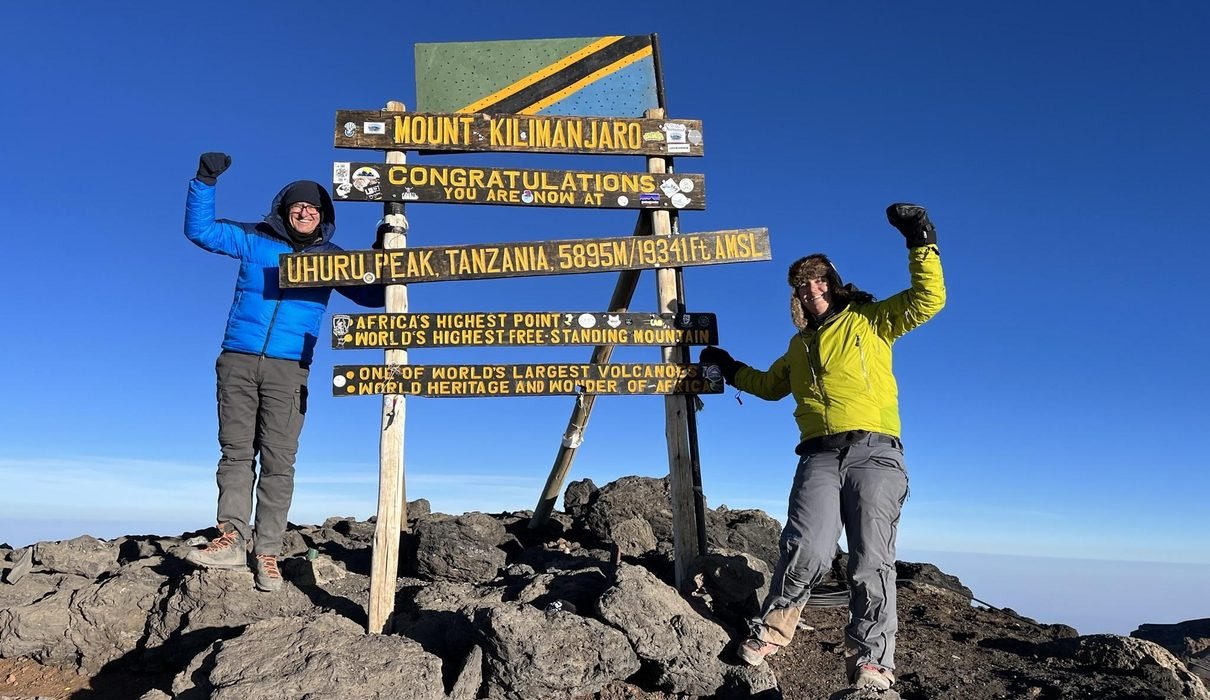
Mount Kilimanjaro is one of Africa’s most remarkable natural attractions, drawing thousands of travellers to northern Tanzania every year. Rising 5,895 metres above sea level, this enormous mountain is famous for its snow-covered summit, volcanic landscape, and beautiful natural surroundings. However, there is much more to Kilimanjaro than its impressive height. From its volcanic origins to its disappearing glaciers, the mountain has several fascinating features that make it different from other famous peaks around the world.
For travellers planning to visit Tanzania in 2027 or 2028, understanding these fascinating facts about Mount Kilimanjaro can make the climbing experience even more interesting. Kilimanjaro is not only Africa’s highest mountain but also an important part of Tanzania’s natural heritage, local culture, and tourism industry. Whether you are preparing to reach Uhuru Peak or simply want to learn more about this African landmark, these ten facts explain what makes Mount Kilimanjaro so special.
1. Mount Kilimanjaro Is the Highest Mountain in Africa
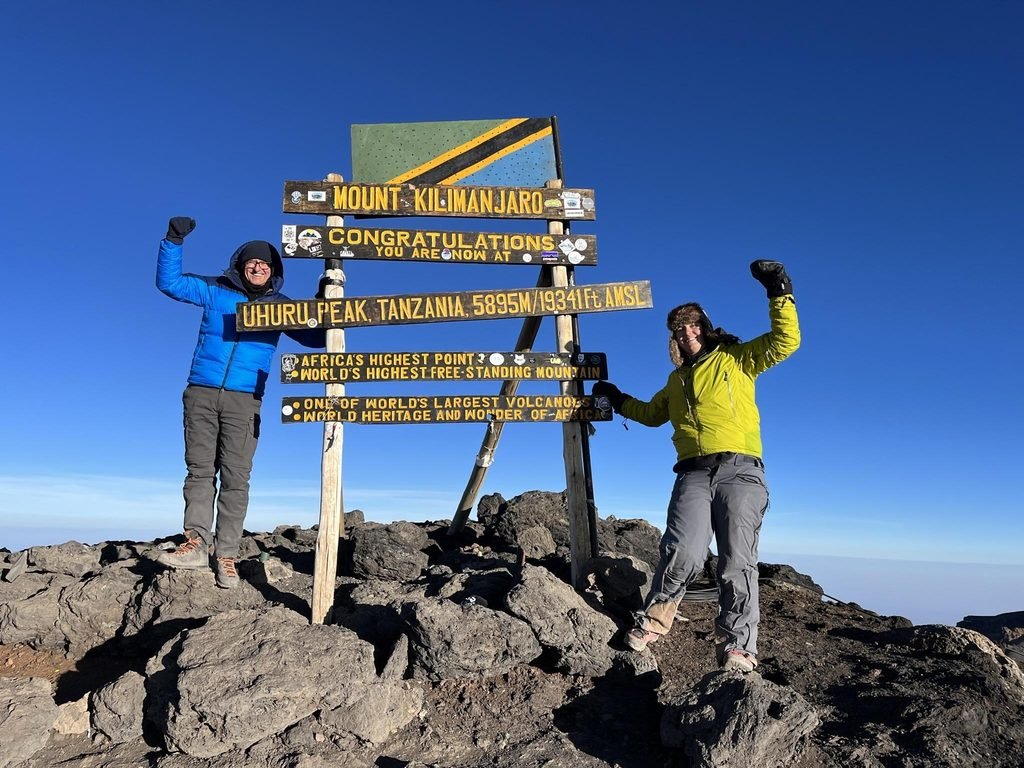
Mount Kilimanjaro stands at 5,895 metres (19,341 feet) above sea level, making it the highest mountain on the African continent. Its highest point, Uhuru Peak, is located on the rim of Kibo, the mountain’s largest volcanic cone. Reaching this summit allows climbers to stand above every other mountain peak in Africa, which is why Kilimanjaro is often called the Roof of Africa.
Unlike mountain ranges such as the Himalayas, Kilimanjaro rises independently above the surrounding plains of northern Tanzania. Its enormous height makes it visible from considerable distances when weather conditions are clear. The mountain is also one of the Seven Summits, a group representing the highest mountains on each of the world’s seven continents. This distinction makes Kilimanjaro particularly attractive to international climbers who want to experience high-altitude trekking without undertaking a highly technical mountaineering expedition.
The mountain’s height has been officially recognised by the Tanzania National Parks Authority, which manages Kilimanjaro National Park and provides information about its natural attractions.
2. Kilimanjaro Is the World’s Tallest Free-Standing Mountain
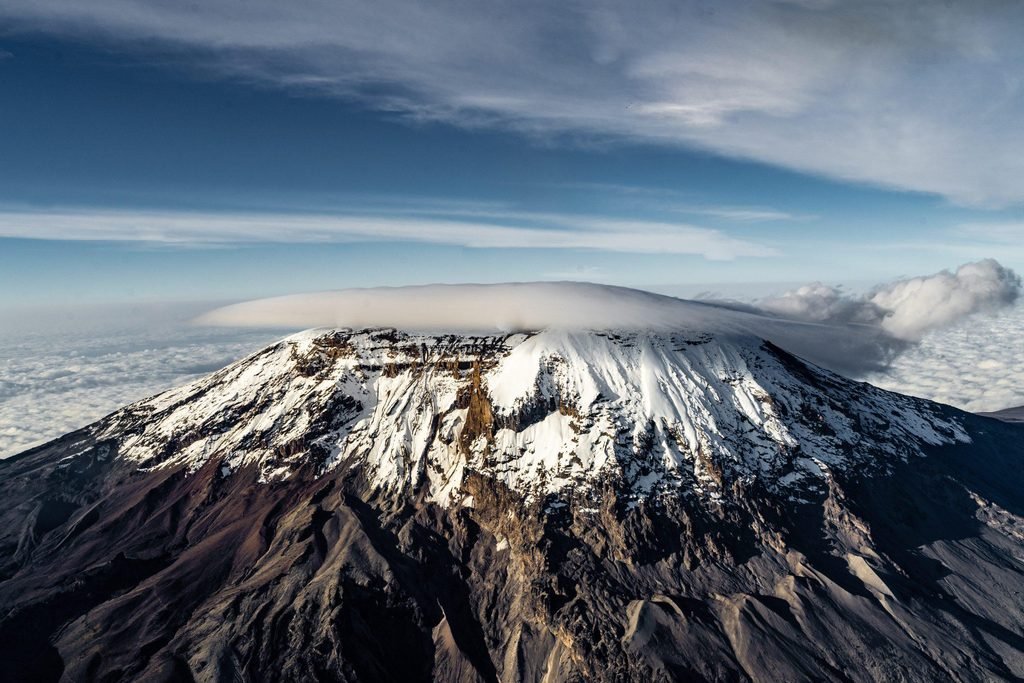
One of the most interesting facts about Mount Kilimanjaro is that it is widely recognised as the world’s tallest free-standing mountain above sea level. This means it rises as an individual mountain rather than forming part of a long mountain range. Its massive volcanic structure stands above the surrounding plains, creating the impressive appearance that visitors see when approaching Moshi and the Kilimanjaro region.
Kilimanjaro rises approximately 4,877 metres above the surrounding plains, making its vertical prominence particularly striking. On clear mornings, the mountain’s summit can appear to float above the clouds, while the lower slopes remain hidden beneath mist. This scenery is one reason Kilimanjaro is among Tanzania’s most photographed natural landmarks.
Its isolated position also influences the local environment. Moist air moving towards the mountain rises and cools, contributing to rainfall on some slopes. This helps explain why Kilimanjaro supports tropical forests, moorland vegetation, and much drier environments at higher elevations.
3. Mount Kilimanjaro Is Actually Made Up of Three Volcanoes
Many people think Kilimanjaro is a single volcanic mountain, but it is actually a volcanic complex formed by three main cones: Kibo, Mawenzi, and Shira. These volcanic formations developed during different geological periods and have distinctive shapes. Together, they created the enormous mountain that dominates the landscape of northern Tanzania.
Kibo is the highest and youngest of the three main cones, reaching 5,895 metres at Uhuru Peak. It is considered dormant rather than extinct, although there is no evidence of an imminent eruption. Mawenzi, standing at approximately 5,149 metres, has a rugged appearance with steep ridges and sharp rock formations. Shira is the oldest of the three cones and has undergone considerable erosion and collapse, leaving the broad Shira Plateau.
According to the Smithsonian Institution’s Global Volcanism Program, Kilimanjaro’s volcanic activity occurred over a long geological period, and its most recent known eruptions took place in prehistoric times. This volcanic history explains the mountain’s rocky summit, crater formations, and extensive deposits of volcanic material.
4. Kilimanjaro Has Five Different Climate Zones
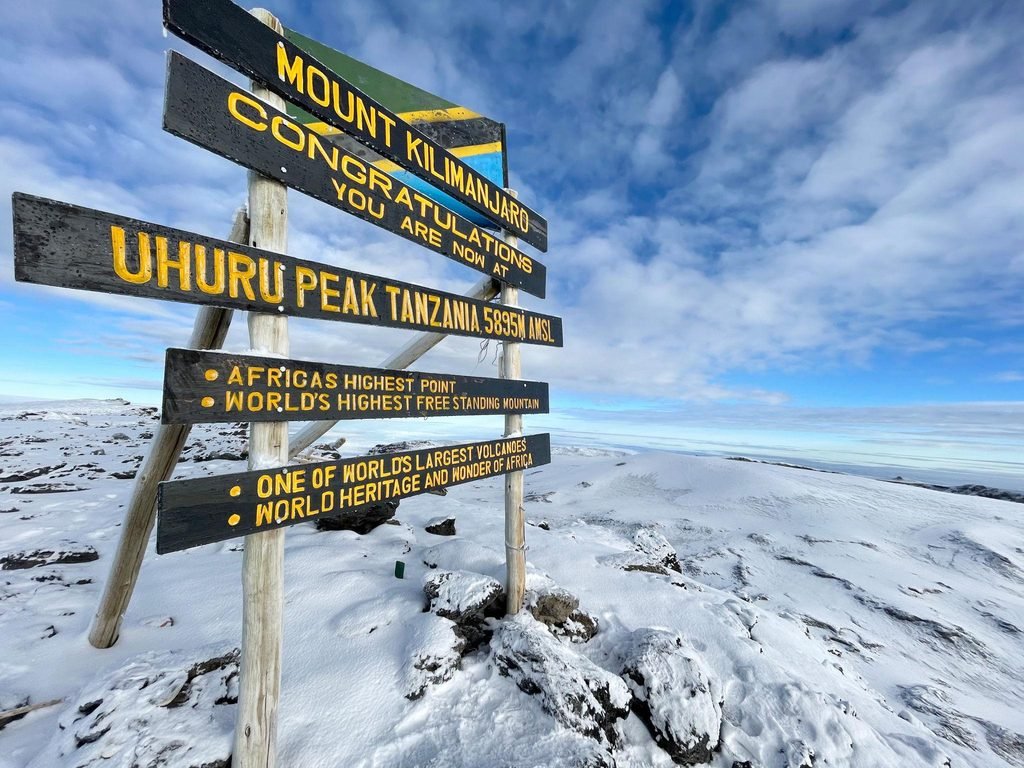
Climbing Mount Kilimanjaro is like travelling through several different environments within a single expedition. The mountain has five main ecological zones, each with its own vegetation, temperatures, and weather conditions. Climbers begin in relatively warm surroundings before passing through rainforest, heath and moorland, alpine desert, and finally the freezing summit zone.
The rainforest zone receives considerable moisture and supports dense vegetation, including tall trees, mosses, and flowering plants. Higher up, the forest gradually changes into open moorland, where giant groundsels and lobelias grow in the cooler environment. Beyond this area, the alpine desert has limited vegetation, rocky terrain, and strong exposure to sunlight and wind. The final summit zone experiences freezing temperatures and contains the mountain’s remaining glaciers.
These environmental changes make Kilimanjaro particularly interesting for nature lovers. Few trekking destinations allow visitors to experience such dramatic differences in vegetation and climate over a relatively short distance. Climbers preparing for 2027 or 2028 should pack clothing suitable for warm, wet, windy, and freezing conditions because the weather can change considerably as they gain altitude.
5. Mount Kilimanjaro Still Has Glaciers Despite Being Near the Equator
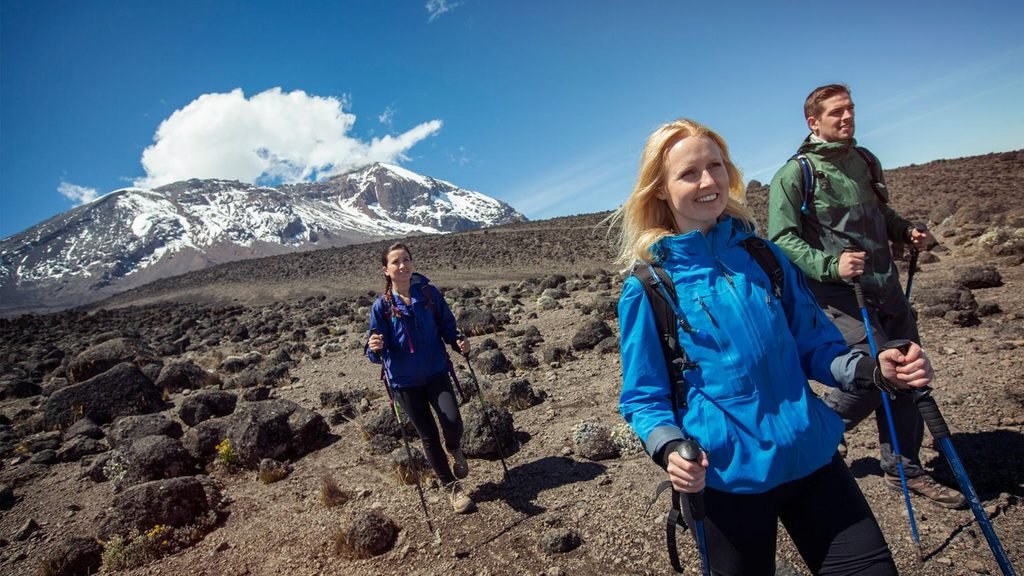
One of Kilimanjaro’s most surprising features is the presence of glaciers near the summit, even though the mountain lies only about three degrees south of the equator. These ice formations developed under much colder climatic conditions and have remained at high elevations for thousands of years. They are among the most recognisable features of the mountain, particularly around the upper slopes of Kibo.
However, Kilimanjaro’s glaciers have decreased significantly over the past century. Climate change and changes in local atmospheric conditions have contributed to the loss of ice, raising concerns about their long-term survival. Although the mountain still has remaining ice fields, their size and appearance continue to change. Visitors should therefore avoid assuming that historical photographs accurately represent the present extent of Kilimanjaro’s glaciers.
Research and conservation organisations continue to monitor these changes because the mountain provides important evidence of environmental change in tropical high-altitude regions. For climbers visiting in 2027 or 2028, seeing the remaining glaciers may be one of the most memorable parts of the summit experience, while also highlighting the importance of protecting fragile mountain environments.
6. You Can Climb Kilimanjaro Without Technical Mountaineering Skills
Unlike Mount Everest and several other famous high-altitude mountains, Kilimanjaro’s established trekking routes generally do not require technical climbing skills. Most visitors reach the summit by walking along designated trails rather than using ropes, climbing ice walls, or navigating technical rock faces. This makes Kilimanjaro accessible to many physically prepared travellers who have limited mountaineering experience.
However, climbing Kilimanjaro should never be considered an easy activity. The mountain’s altitude creates a significant challenge because oxygen availability decreases as climbers ascend. Long trekking days, steep sections, freezing summit temperatures, and physical fatigue can make the expedition demanding. Even experienced hikers may struggle with altitude sickness, which is why choosing an appropriate itinerary is essential.
Most Kilimanjaro climbs take approximately five to nine days, depending on the route. Longer itineraries generally provide more time for acclimatisation, although they cannot guarantee summit success. Travellers should prepare through regular walking, hiking, cardiovascular exercise, and appropriate medical advice before attempting the climb.
7. Mount Kilimanjaro Has Several Climbing Routes with Different Experiences
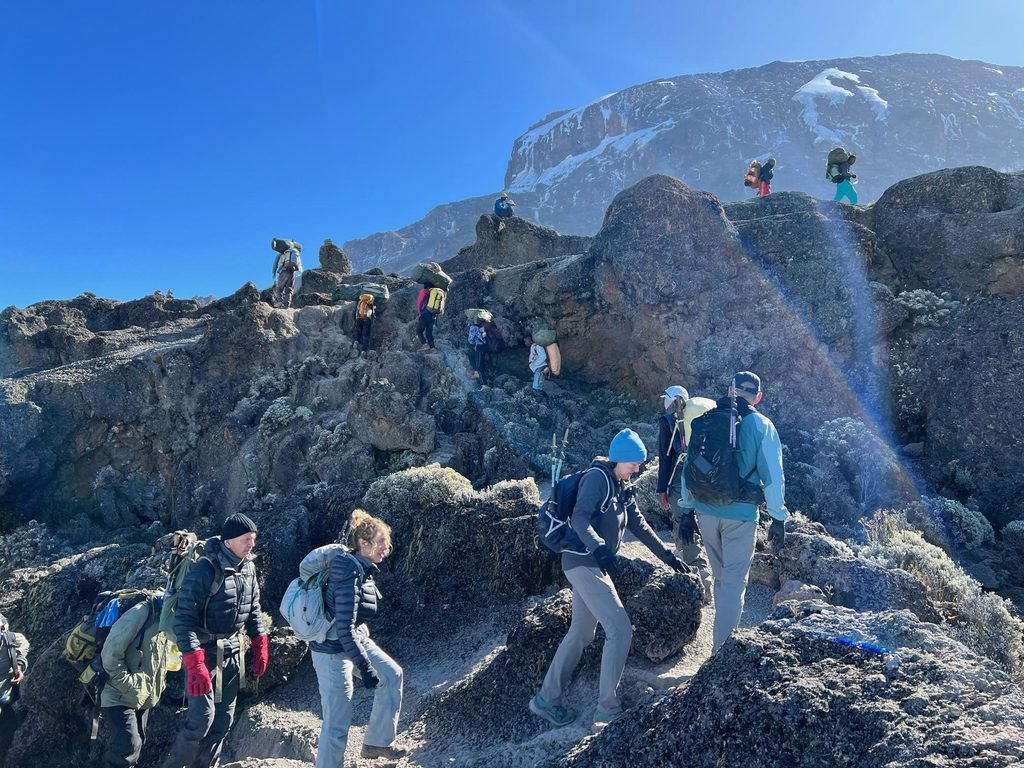
Another fascinating fact about Kilimanjaro is that climbers can approach the summit from different directions. Each established route offers a different combination of scenery, trekking distance, accommodation, and acclimatisation opportunities. This allows travellers to choose an itinerary that suits their experience, available time, and personal preferences.
The Machame Route is popular for its varied scenery, while the Marangu Route is known for its mountain huts. Lemosho offers a longer western approach, and Rongai approaches the mountain from the relatively dry northern side. The Northern Circuit follows a longer route around the northern slopes, while Umbwe is known for its steep initial ascent. The Shira Route also approaches from the west but begins at a relatively high elevation.
| Kilimanjaro Route | Typical Duration | Main Characteristic |
|---|---|---|
| Machame Route | 6–7 days | Varied scenery and challenging sections |
| Marangu Route | 5–6 days | Mountain hut accommodation |
| Lemosho Route | 7–8 days | Scenic western approach |
| Rongai Route | 6–7 days | Relatively dry northern approach |
| Northern Circuit | 8–9 days | Longer itinerary with additional acclimatisation time |
| Umbwe Route | 6–7 days | Steep and demanding initial ascent |
| Shira Route | 7–8 days | High starting elevation and western scenery |
For beginners, selecting a route with enough acclimatisation time is particularly important. A shorter itinerary may appear attractive because it requires fewer days, but rapid altitude gain can increase the risk of altitude illness. Travellers should discuss their fitness, hiking experience, and preferred climbing dates with a knowledgeable local tour operator before choosing a route.
8. Kilimanjaro National Park Is a UNESCO World Heritage Site
Mount Kilimanjaro is protected within Kilimanjaro National Park, one of Tanzania’s most important conservation areas. The park was established in 1973 and officially opened for tourism in 1977. In 1987, it was recognised as a UNESCO World Heritage Site because of its outstanding natural beauty, volcanic landscape, and ecological importance.
The protected area includes mountain forests, high-altitude vegetation, volcanic formations, and habitats that support numerous plant and animal species. Conservation activities are important because the mountain faces environmental pressures associated with climate change, human activities, and tourism. Protecting the forest belt is particularly important for maintaining biodiversity and supporting natural water systems.
UNESCO recognises Kilimanjaro as an outstanding natural phenomenon because of its height, isolated volcanic structure, and distinctive snow-covered summit. Travellers can learn more through the official UNESCO Kilimanjaro National Park World Heritage listing, which explains the mountain’s conservation significance and protected status.
9. Kilimanjaro Is Home to Wildlife and Unique Mountain Plants
Although Mount Kilimanjaro is mainly famous for climbing, its lower slopes support a surprisingly rich variety of wildlife. The mountain’s forest habitats provide suitable conditions for several mammals, birds, and smaller animals. Visitors walking through the rainforest may encounter blue monkeys, black-and-white colobus monkeys, and different bird species, although sightings are never guaranteed.
The mountain also supports distinctive vegetation adapted to different elevations. Giant groundsels and lobelias are among the most recognisable plants in the moorland zone, where temperatures can vary considerably between day and night. These plants have developed adaptations that help them survive cold conditions, strong sunlight, and occasional frost.
Wildlife becomes less common as climbers approach the summit because the environment becomes increasingly harsh. Nevertheless, the changing vegetation and landscapes remain interesting throughout the expedition. For travellers who enjoy photography and nature, Kilimanjaro offers much more than the final summit view.
10. Uhuru Peak Has an Important Connection to Tanzania’s Independence
The name Uhuru Peak carries special meaning in Tanzania because the Swahili word uhuru means freedom. The summit’s name is associated with Tanzania’s independence history and represents an important national symbol. For many Tanzanians, Mount Kilimanjaro is not simply a tourist attraction but also a source of national pride and cultural identity.
The mountain is closely connected to communities living around its lower slopes, particularly the Chagga people, whose history, agriculture, and traditions have developed alongside Kilimanjaro. The fertile volcanic soils support farming activities, including coffee and banana cultivation, while the mountain’s forests and water systems have long been important to surrounding communities.
Today, Kilimanjaro also supports employment through tourism. Mountain guides, porters, cooks, accommodation providers, and transport operators all contribute to the climbing industry. Choosing responsible trekking services that respect local workers and conservation requirements helps visitors support the communities connected to the mountain.
What Is the Best Time to Visit Mount Kilimanjaro in 2027 or 2028?
Mount Kilimanjaro can be visited throughout the year, but weather conditions vary considerably between seasons. January to early March and June to October are generally considered favourable periods for climbing because they often experience relatively dry conditions. However, temperatures near the summit remain cold throughout the year, and rain or snow can occur even during the dry season.
The long rainy season usually occurs between March and May, while shorter rains commonly arrive during November and December. These periods may bring muddy trails, increased cloud cover, and reduced visibility. Some travellers still choose to climb during wetter months, but suitable equipment and flexible expectations are particularly important.
For travellers planning a Kilimanjaro expedition in 2027 or 2028, booking early can help secure preferred climbing dates and accommodation. It is also worth considering the number of trekking days rather than selecting a route based entirely on seasonal weather. Proper acclimatisation, physical preparation, and experienced mountain support are essential regardless of the month.
How Much Does It Cost to Climb Mount Kilimanjaro?
The cost of climbing Mount Kilimanjaro depends on the selected route, number of trekking days, group size, accommodation arrangements, and services included in the package. A shorter itinerary may cost less overall, while longer routes generally involve additional park fees, staff expenses, food, and camping arrangements. Private expeditions may also differ in price from group departures.
When comparing climbing packages, travellers should examine what is included rather than choosing solely based on the lowest advertised price. Important considerations include national park fees, mountain guides, porter support, meals, drinking water, safety equipment, transport, and accommodation before or after the climb.
Travellers should also ask about porter welfare, emergency procedures, and guide experience. A properly organised expedition requires considerable logistical planning, particularly because mountain crews transport essential supplies between camps. For current park regulations and visitor information, consult the Tanzania National Parks Authority.
Frequently Asked Questions About Mount Kilimanjaro
Where is Mount Kilimanjaro located?
Mount Kilimanjaro is located in northern Tanzania, near the town of Moshi and the border with Kenya. The mountain lies within Kilimanjaro National Park and is accessible through several established climbing routes.
How tall is Mount Kilimanjaro?
Mount Kilimanjaro stands at 5,895 metres, or 19,341 feet, above sea level. Its highest point is Uhuru Peak on Kibo, making it the highest mountain in Africa.
Is Mount Kilimanjaro an active volcano?
Kilimanjaro is a volcanic complex with three main cones. Kibo is considered dormant, while Shira is extinct. There is no established evidence of an imminent eruption, although geological features such as fumaroles indicate residual geothermal activity.
Can beginners climb Mount Kilimanjaro?
Yes, many beginners climb Kilimanjaro after suitable physical preparation. However, the altitude and long trekking days make the mountain demanding. Choosing a longer itinerary and following experienced guides can help climbers manage the expedition more safely.
Does Kilimanjaro have snow throughout the year?
Kilimanjaro has remaining glaciers and ice near its summit, and snowfall can occur during different seasons. However, snow coverage changes with weather conditions, and the mountain’s glaciers have decreased considerably over time.
How many days does it take to climb Kilimanjaro?
Most established climbing itineraries take approximately five to nine days, depending on the route. Longer expeditions generally provide additional time for acclimatisation, which is important for reducing altitude-related risks.
What makes Mount Kilimanjaro famous?
Kilimanjaro is famous for being Africa’s highest mountain, its isolated volcanic structure, its remaining glaciers near the equator, and its varied ecological zones. It is also a UNESCO World Heritage Site and a popular destination for international trekking.
Can you see wildlife while climbing Kilimanjaro?
Yes, wildlife can sometimes be seen in the lower forest sections. Blue monkeys, colobus monkeys, and several bird species inhabit the mountain, although sightings depend on the route and conditions.
Plan Your Mount Kilimanjaro Climb with Eddy Tours & Safaris
Mount Kilimanjaro is more than Africa’s highest mountain. Its volcanic history, changing climate zones, remaining glaciers, wildlife, and cultural importance make it one of Tanzania’s most interesting natural destinations. Whether you are interested in reaching Uhuru Peak or exploring the mountain’s lower slopes, understanding these facts can help you appreciate the experience before your journey begins.
Eddy Tours & Safaris is a local tour company in Arusha, Tanzania, arranging guided Mount Kilimanjaro climbing expeditions, Tanzania wildlife safaris, and private travel experiences. Our team can help you compare climbing routes, select suitable travel dates, and plan your expedition for 2027 or 2028.
Visit Eddy Tours & Safaris to explore our travel services, or use our contact page to discuss your Kilimanjaro climbing plans.
Email: sales@eddytours-safaris.com
WhatsApp: +255 711 906 664 — Chat with our team