
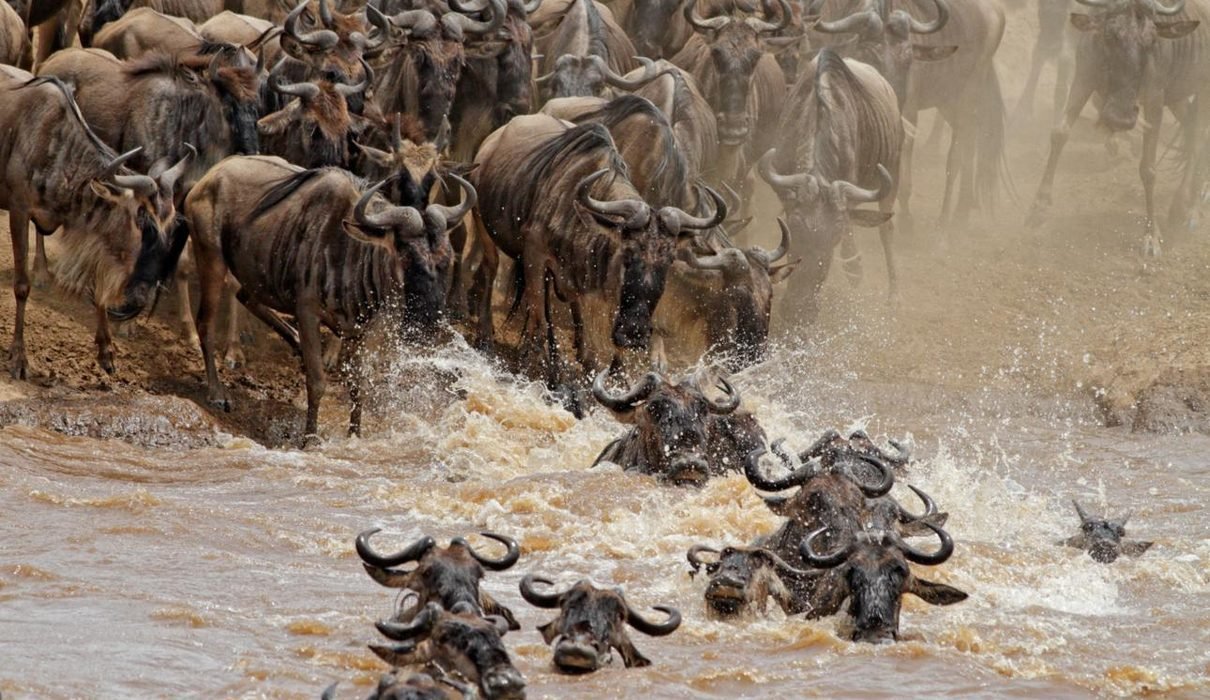
The Great Wildebeest Migration in Tanzania is one of the most remarkable wildlife events in Africa. Every year, more than a million wildebeest, accompanied by hundreds of thousands of zebras and gazelles, move across the vast Serengeti ecosystem in search of fresh grass and water. Their journey takes them through open plains, woodland areas, and dangerous rivers, creating some of the most exciting wildlife-viewing opportunities in the world.
For travellers planning a Tanzania safari in 2027, witnessing the wildebeest migration is an opportunity to experience wildlife in its natural environment. From the calving season in the southern Serengeti to the famous Mara River crossings in the north, each stage offers something different. Understanding when and where the herds are likely to gather will help you choose the right travel dates and plan a safari that matches your interests.
What Is the Great Wildebeest Migration?
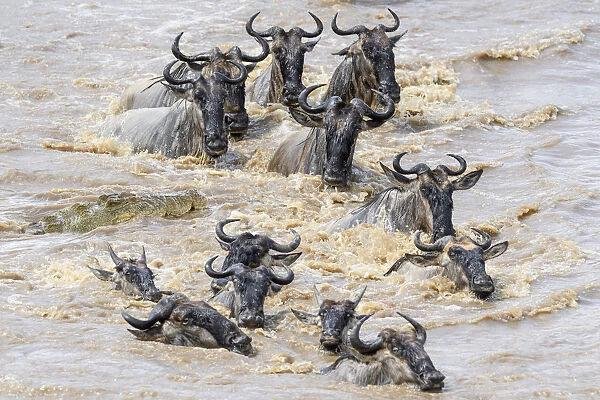
The Great Wildebeest Migration is the continuous seasonal movement of wildebeest, zebras, and other grazing animals across the Serengeti–Mara ecosystem in Tanzania and Kenya. Unlike animals that remain within a relatively small territory, migrating wildebeest travel considerable distances throughout the year, following seasonal rainfall and the growth of fresh grass. This movement forms a natural cycle that has supported the Serengeti ecosystem for generations.
The migration does not have a fixed starting or finishing date. Instead, the animals move according to environmental conditions, particularly rainfall, grazing availability, and access to water. During the wet season, large herds gather on the southern plains, where nutrient-rich grasses provide suitable conditions for raising newborn calves. As these areas become drier, the animals gradually move towards the central, western, and northern Serengeti before returning south when the rains arrive again.
The migration is also important for predators and scavengers. Lions, cheetahs, hyenas, leopards, and crocodiles depend on different parts of this natural cycle for feeding opportunities. As a result, a migration safari offers more than simply watching large herds move across the landscape. Visitors may observe hunting behaviour, newborn animals, interactions between species, and the challenges wildlife faces throughout the year.
When Is the Best Time to See the Wildebeest Migration in Tanzania in 2027?
The best time to witness the wildebeest migration depends on which stage of the journey you want to experience. Travellers interested in seeing newborn wildebeest and predator activity often choose January to March, particularly February, when calving usually reaches its peak. Those hoping to witness dramatic river crossings generally prefer July to October, when the herds are commonly found in the northern Serengeti near the Mara River.
However, the migration remains active throughout the year, and different regions of the Serengeti offer opportunities during different months. Rainfall patterns can cause the animals to move earlier or later than expected, so no specific location or river crossing can be guaranteed on a particular date. A well-planned safari should therefore consider the seasonal movement of the herds while allowing enough time for wildlife viewing.
Wildebeest Migration Calendar for 2027
| Months | Expected Migration Location | Main Wildlife Experience |
|---|---|---|
| January–March | Southern Serengeti and Ndutu | Calving season and predator activity |
| April–May | Central Serengeti and western movement routes | Large moving herds and green landscapes |
| June–July | Western Corridor and Grumeti region | Herd movements and possible river crossings |
| July–October | Northern Serengeti and Mara River | Famous river crossings and large herds |
| November–December | Central, eastern, and southern Serengeti | Herds returning towards the southern plains |
This calendar represents typical migration patterns rather than confirmed animal locations for 2027. The timing can shift depending on rainfall and grazing conditions, making updated local information important when planning your safari.
Witness the Wildebeest Calving Season in Southern Serengeti
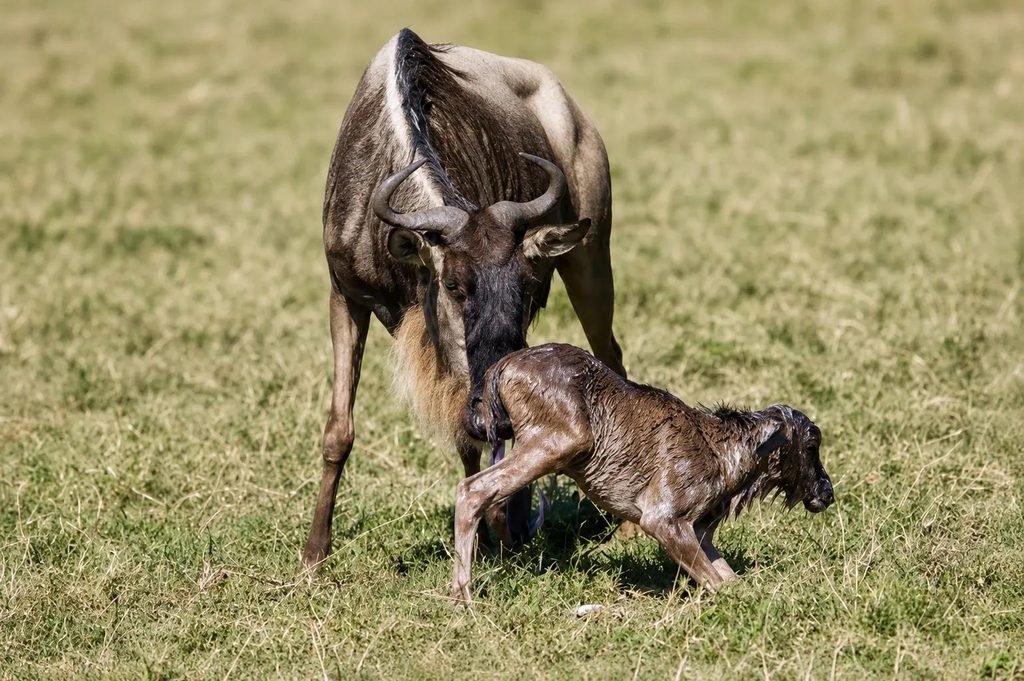
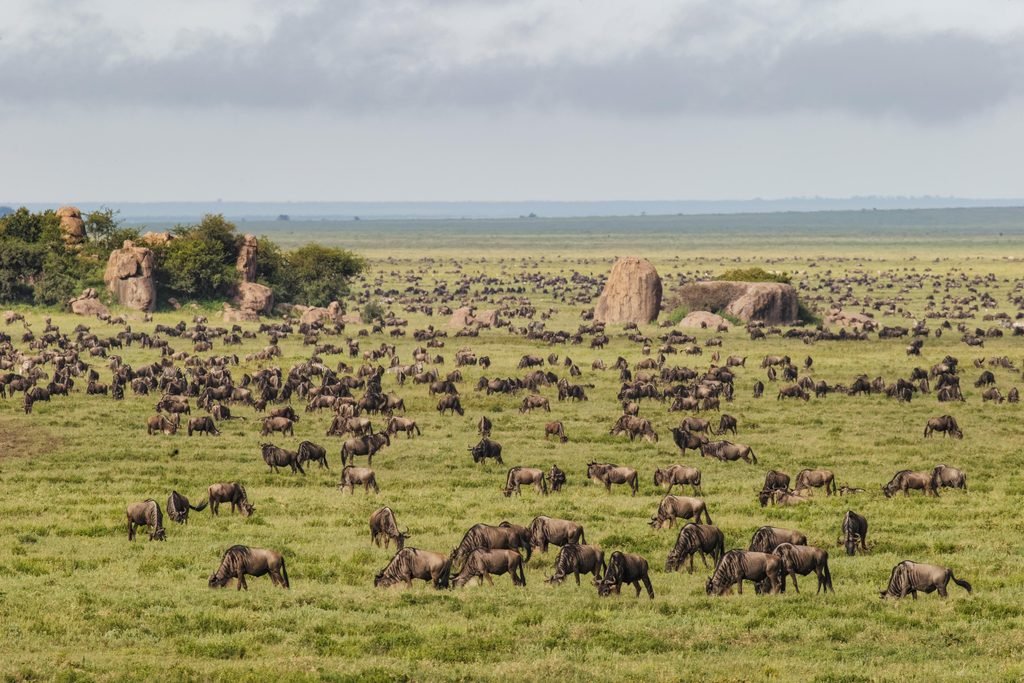
The wildebeest calving season is one of the most interesting periods to visit the southern Serengeti. Between January and March, large herds gather on the short-grass plains around Ndutu and neighbouring areas of the Ngorongoro Conservation Area. These grasslands provide nutritious grazing for pregnant females and suitable open environments for newborn calves. February is generally considered the peak calving month, although the exact timing depends on seasonal conditions.
During the peak period, hundreds of thousands of wildebeest calves are born within a relatively short time. Newborn calves must quickly learn to stand and follow their mothers because the surrounding plains are home to numerous predators. Lions, cheetahs, hyenas, and jackals are frequently associated with the calving areas, creating opportunities to observe natural predator-prey interactions.
For wildlife photographers, the calving season offers a different experience from the river crossings. The green landscape provides attractive backgrounds, while the presence of young animals creates opportunities to observe family behaviour and herd interactions. The Tanzania National Parks Authority has highlighted the importance of the southern Serengeti as a major wildebeest calving area.
Experience the Great Migration in Central Serengeti
As the rainy season progresses and grazing conditions begin to change, the wildebeest herds gradually move away from the southern plains. During April and May, many animals travel through central Serengeti and towards the western parts of the ecosystem. This period is associated with changing landscapes, seasonal rainfall, and large groups of wildebeest moving across open grasslands.
Central Serengeti, particularly the Seronera region, is also known for its resident wildlife populations. Even when the largest migration herds are elsewhere, visitors can encounter lions, elephants, giraffes, buffaloes, zebras, and numerous bird species. This makes central Serengeti an attractive destination for travellers who want a broader wildlife safari rather than concentrating entirely on the migration.
Rainfall during April and May can make some roads muddy, but the landscape often becomes greener and more attractive for photography. Visitor numbers may also be lower than during the busiest dry-season months. Travellers considering this period should prepare for changing weather and choose accommodation that provides convenient access to the areas where wildlife is expected.
Discover the Grumeti River Crossings in Western Serengeti
The western part of Serengeti National Park becomes particularly interesting as migrating wildebeest move towards the Grumeti River. This stage generally occurs around May to July, although rainfall and grazing conditions influence the exact timing. Large herds may gather along the river and surrounding woodland areas before continuing towards the northern Serengeti.
The Grumeti River is known for its crocodiles and the challenges it presents to migrating animals. However, crossings are not continuous, and some herds may cross at different points or avoid particular sections depending on water levels. Visitors should therefore approach this stage with realistic expectations rather than assuming that a dramatic crossing will occur during every game drive.
Western Serengeti also offers attractive scenery, including riverine forests, open plains, and woodland habitats. A safari in this region can provide opportunities to see resident wildlife alongside the migrating herds. Spending sufficient time in the area allows guides to explore different locations and respond to recent wildlife movements.
Witness the Famous Mara River Crossings in Northern Serengeti
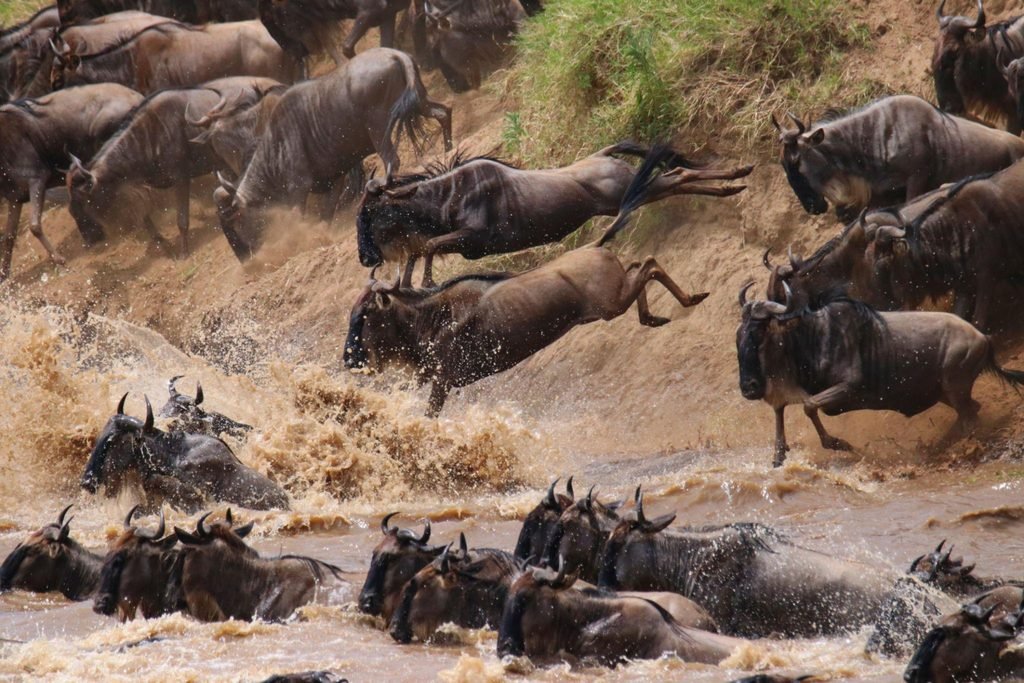
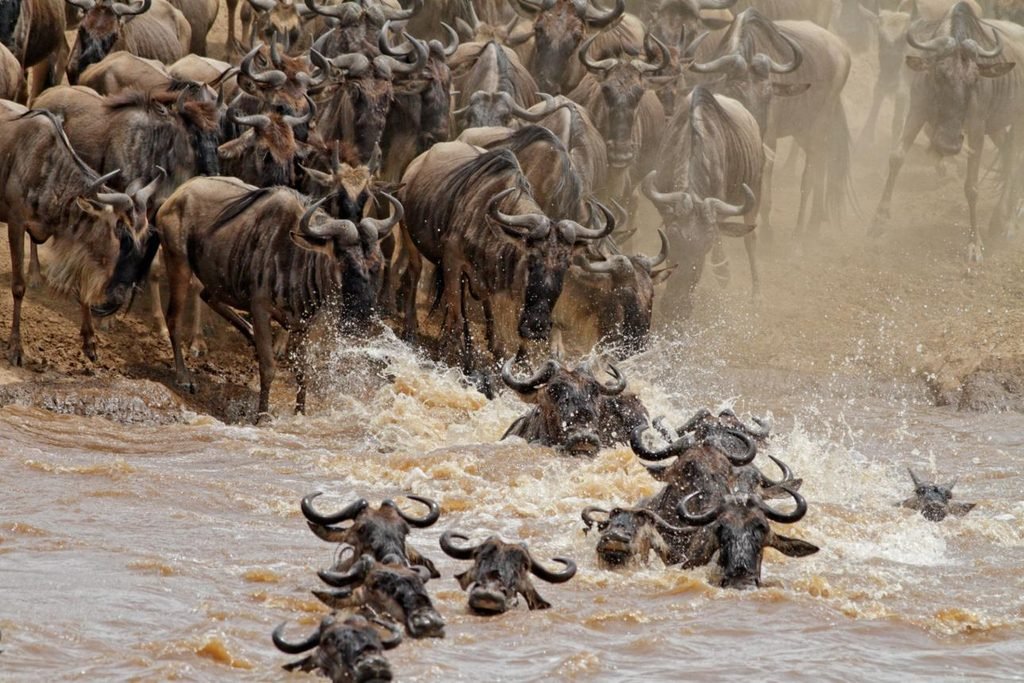
The Mara River crossings are among the most widely recognised scenes of the Great Wildebeest Migration. Between approximately July and October, large herds often gather in northern Serengeti around Kogatende, Lamai, and the Mara River. As the animals search for grazing areas, some attempt to cross the river, where steep banks, strong currents, and crocodiles create considerable risks.
Watching a river crossing can be an extraordinary wildlife experience, but the animals do not follow a predictable schedule. Herds may gather near the river for hours or even days before attempting to cross. Sometimes they move away without entering the water, while at other times large numbers cross within a relatively short period. Weather conditions, water levels, and herd behaviour all influence these movements.
For travellers planning to see the Mara River crossings in 2027, August and September are generally popular choices. However, crossings can occur outside these months, and no safari operator can guarantee a specific event. Spending several nights in northern Serengeti usually provides more opportunities than making a brief visit because guides have additional time to explore different crossing areas.
Why the Wildebeest Migration Is Important to the Serengeti Ecosystem
The Great Migration plays an important role in maintaining the natural balance of the Serengeti ecosystem. As wildebeest move across the grasslands, they graze on vegetation and redistribute nutrients through their waste. Their movement also influences grass growth and provides food for predators and scavengers. This relationship between grazing animals, vegetation, and carnivores is one of the reasons the Serengeti remains such an important wildlife conservation area.
Wildebeest are particularly well adapted to travelling long distances in search of suitable grazing. Their seasonal movements are closely connected to rainfall, which determines where fresh grasses become available. Zebras often accompany the herds, although the two species have different feeding preferences. Together, they form enormous concentrations of grazing animals that attract considerable attention from predators.
Protecting the migration requires maintaining suitable wildlife habitats and movement corridors across the wider Serengeti–Mara ecosystem. Conservation efforts are therefore important not only within Serengeti National Park but also in neighbouring protected areas. Visitors can support responsible tourism by following park regulations, respecting wildlife distances, and choosing safari operators that prioritise conservation.
How Many Days Do You Need for a Wildebeest Migration Safari?
The ideal duration of a wildebeest migration safari depends on your travel dates, budget, and preferred wildlife experience. Travellers with limited time may consider a three- or four-day Serengeti safari, although travelling from Arusha to distant parts of the park can take several hours. Shorter trips may be suitable for general wildlife viewing, but they provide less flexibility when searching for migrating herds.
A five- to seven-day safari generally allows more time to explore different areas of the Serengeti and combine the migration with other northern Tanzania destinations. Travellers interested in the Mara River crossings may benefit from spending at least three nights in northern Serengeti, where guides can monitor different crossing points and respond to animal movements.
Longer itineraries can also include Ngorongoro Crater, Tarangire National Park, or Lake Manyara National Park. These destinations provide opportunities to see additional wildlife and landscapes beyond the migration. When planning your safari, it is important to balance travel time with actual game-viewing time rather than simply including as many destinations as possible.
What Wildlife Can You See During the Great Migration?
Although wildebeest are the main attraction, the migration takes place within one of Africa’s richest wildlife ecosystems. Large numbers of zebras and gazelles move through the grasslands, while resident animals remain in different parts of the Serengeti throughout the year. Depending on the region and season, visitors may encounter elephants, giraffes, buffaloes, hippos, and several antelope species.
Predators are another important part of the experience. Lions and hyenas frequently take advantage of large concentrations of grazing animals, while cheetahs are particularly associated with open grassland habitats. Leopards may be seen in woodland and riverine areas, although sightings depend on individual animal behaviour and local conditions.
Birdwatching can also be rewarding, especially during the greener months when migratory birds are present. Ostriches, secretary birds, vultures, eagles, and many smaller species inhabit the Serengeti ecosystem. The variety of wildlife means that visitors can enjoy interesting game drives even when the main migration herds are temporarily outside their immediate location.
How Much Does a Wildebeest Migration Safari Cost in 2027?
The cost of a wildebeest migration safari in Tanzania depends on the number of travel days, accommodation category, group size, season, and transport arrangements. Budget camping safaris generally cost less than mid-range lodge safaris, while luxury tented camps and fly-in itineraries can be considerably more expensive. Prices may also increase during popular migration periods, particularly when demand for accommodation in northern Serengeti is high.
Travellers should compare safari packages carefully because the advertised price may not include the same services. Important considerations include national park fees, accommodation, meals, private or shared transport, professional guiding, and airport transfers. Some itineraries also include domestic flights, which can reduce road travel time but increase the overall cost.
For a safari in 2027, it is advisable to request a current quotation rather than relying on prices published for previous years. Park fees, accommodation rates, and transport costs can change, and the final price should reflect your preferred dates and travel arrangements.
Tips for Planning a Wildebeest Migration Safari in Tanzania
Planning a migration safari requires more than choosing a popular travel month. Because the animals move according to rainfall and grazing conditions, selecting accommodation in the appropriate region is particularly important. For example, travellers visiting in February should generally consider the southern Serengeti and Ndutu area, while those travelling in August or September may prefer northern Serengeti near the Mara River.
Booking accommodation early is recommended during the busiest months because well-located camps can fill quickly. It is also helpful to allow several days for wildlife viewing, especially when hoping to witness river crossings. Experienced safari guides use local knowledge and recent wildlife reports to decide which areas offer promising opportunities, although wildlife sightings remain unpredictable.
Visitors should bring binoculars, suitable clothing, sun protection, and a camera with enough storage for photographs. Early morning and late afternoon game drives often provide comfortable temperatures and good photographic light. Above all, travellers should remain patient and respect wildlife behaviour, allowing animals to move naturally without interference.
Frequently Asked Questions About the Wildebeest Migration in Tanzania
When is the Great Wildebeest Migration in Tanzania in 2027?
The migration takes place throughout the year, but the herds move between different regions. January to March is generally associated with calving in the southern Serengeti, while July to October is commonly associated with Mara River crossings in northern Serengeti.
What is the best month to see the Mara River crossings?
August and September are popular months for visiting northern Serengeti because large herds are often present near the Mara River. However, crossings depend on animal behaviour and environmental conditions, so they cannot be guaranteed.
Where is the best place to see wildebeest calving?
The Ndutu area and surrounding southern Serengeti plains are among the best-known locations for wildebeest calving. February is usually the peak month, although the timing varies with seasonal rainfall.
Can you see the Great Migration without visiting Kenya?
Yes. Much of the migration takes place within Tanzania’s Serengeti ecosystem, including the southern calving grounds, western movement routes, and northern Mara River crossing areas. Visitors can experience several important stages without crossing into Kenya.
How many wildebeest participate in the migration?
The migration involves well over one million wildebeest, accompanied by hundreds of thousands of zebras and gazelles. Population estimates vary depending on the survey and year.
Is the Great Migration guaranteed during a safari?
No. Although the migration follows recognisable seasonal patterns, the exact location and movement of the herds depend on rainfall and grazing conditions. Specific events, particularly river crossings, cannot be guaranteed.
How many days should I spend in Serengeti for the migration?
A five- to seven-day safari provides useful flexibility for many travellers. Those concentrating on Mara River crossings may benefit from spending several nights in northern Serengeti rather than making a short visit.
Plan Your 2027 Wildebeest Migration Safari with Eddy Tours & Safaris
Witnessing the Great Wildebeest Migration in Tanzania is an opportunity to experience one of Africa’s most important natural wildlife movements. Whether you prefer the calving season in southern Serengeti, the movement of large herds through the western corridor, or the famous Mara River crossings in the north, each stage offers a different perspective on life in the Serengeti.
Eddy Tours & Safaris is a local tour company in Arusha, Tanzania, highly recommended by travellers. We arrange guided Tanzania wildlife safaris, including Serengeti migration tours, Ngorongoro Crater safaris, and private travel itineraries. Our team can help you select suitable travel dates, compare accommodation options, and plan a safari based on the migration stage you would most like to experience.
For more information about planning your 2027 Serengeti safari, visit Eddy Tours & Safaris or contact our team to discuss your preferred itinerary.
Email: sales@eddytours-safaris.com
WhatsApp: +255 711 906 664 — Chat with our team