
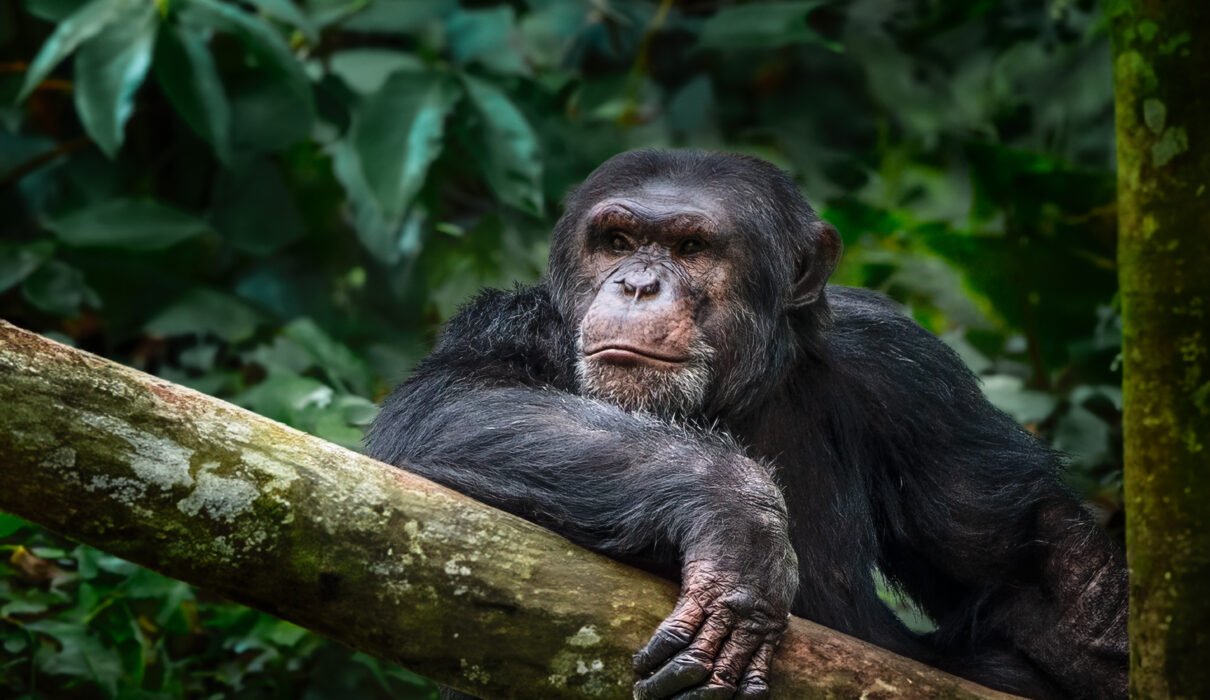
Gombe Stream National Park: Jane Goodall’s Legacy stands as one of the most powerful conservation stories in Africa, blending science, wildlife protection, and human compassion into a single extraordinary destination. Tucked along the shores of Lake Tanganyika in western Tanzania, this small yet globally respected park has shaped how the world understands chimpanzees and their fragile forest home. From groundbreaking behavioral research to community-based conservation, the influence of this park stretches far beyond its boundaries and continues to inspire travelers, researchers, and environmental advocates across continents.
Why Gombe Stream National Park: Jane Goodall’s Legacy Matters to the World
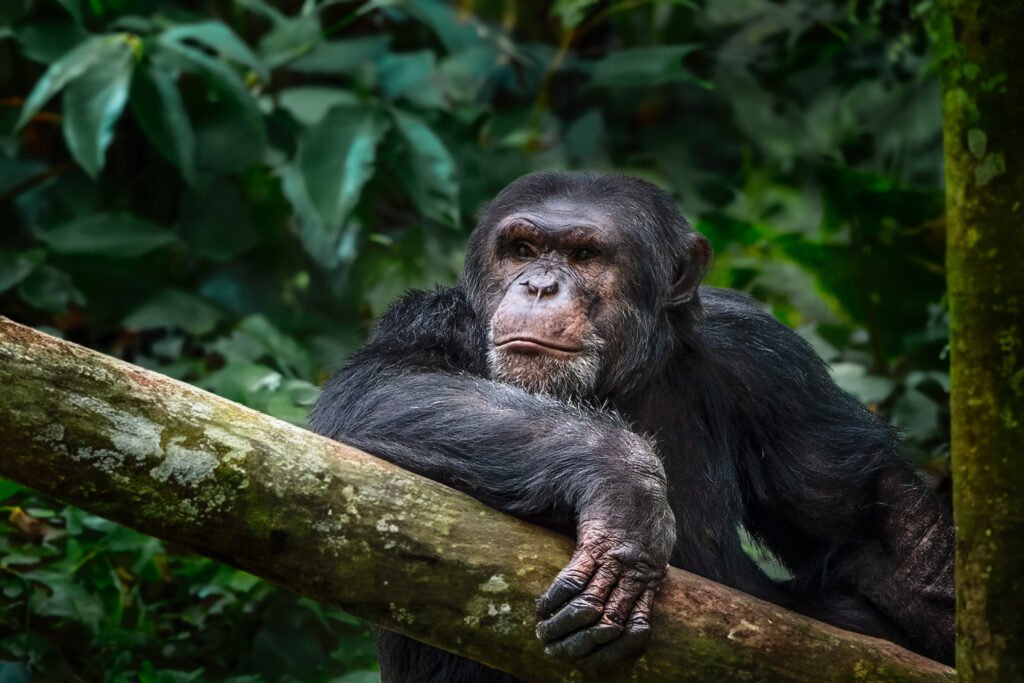
The global importance of Gombe Stream National Park: Jane Goodall’s Legacy lies in its role as the birthplace of long-term chimpanzee research that changed science forever. When Jane Goodall began observing chimpanzees in this forest, she revealed that they use tools, show complex emotions, and live in structured societies. These discoveries challenged long-held scientific beliefs and were later supported by institutions such as National Geographic, Encyclopaedia Britannica, and peer-reviewed journals like Nature and PNAS.
The park’s conservation value is also recognized by global organizations including World Wildlife Fund, WWF Panda, IUCN, and Conservation International. These institutions highlight how protecting chimpanzees also safeguards forests, water systems, and biodiversity. The forest canopy regulates climate patterns studied by NASA and NOAA, proving that even a small park can influence global environmental stability.
The Story Behind Gombe Stream National Park: Jane Goodall’s Legacy
The roots of Gombe Stream National Park: Jane Goodall’s Legacy are deeply personal and profoundly scientific. Jane Goodall arrived with curiosity rather than formal academic training, yet her patience and empathy transformed primatology. Her findings were later supported by the Jane Goodall Institute, which continues research and community programs around the world. Academic platforms such as ScienceDirect and environmental studies promoted by UNEP further validated the importance of long-term wildlife monitoring.
The Tanzanian government, through Tanzania National Parks, ensures that conservation policies align with international frameworks supported by United Nations environmental agreements. The park demonstrates how research, policy, and tourism can work together responsibly. Travelers who explore Tanzania through trusted operators like Eddy Tours & Safaris often combine Gombe with broader wildlife circuits to appreciate the country’s ecological diversity.
Chimpanzee Behavior and Scientific Breakthroughs
Research conducted in Gombe Stream National Park: Jane Goodall’s Legacy revealed that chimpanzees craft tools from twigs to extract termites, display mourning rituals, and form alliances. These behaviors reshaped how humans understand intelligence and emotion in animals. Studies referenced by Smithsonian Magazine and supported by environmental data from FAO highlight how forest preservation is essential for sustaining primate populations.
Conservation Challenges and Sustainable Solutions
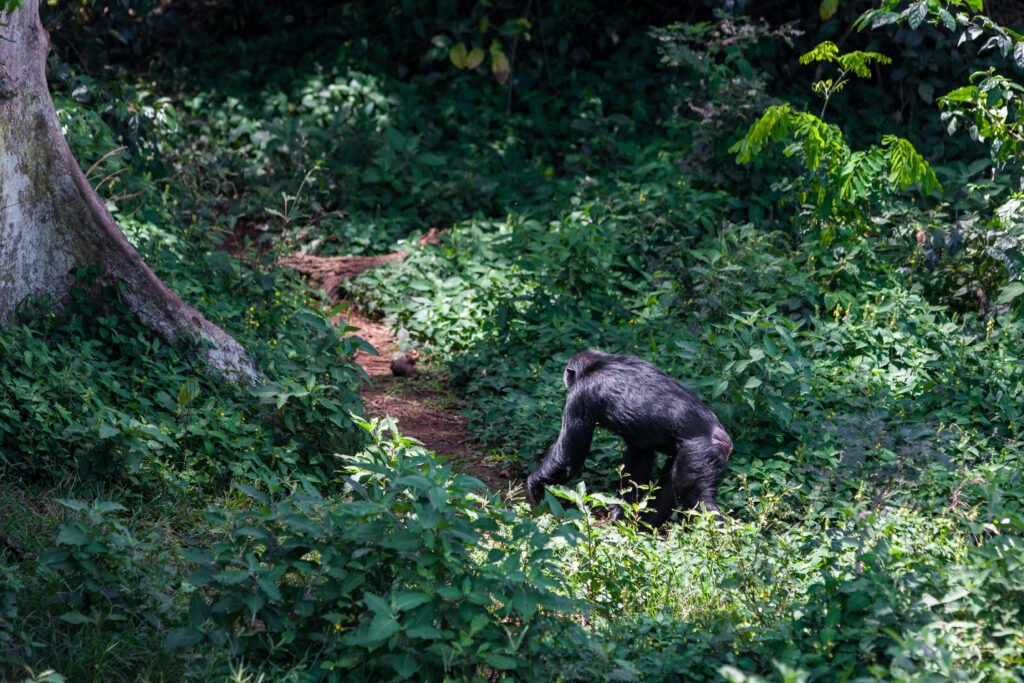
Despite its global fame, Gombe Stream National Park: Jane Goodall’s Legacy faces challenges such as habitat fragmentation, human settlement pressures, and climate variability. Satellite monitoring tools from Global Forest Watch reveal how deforestation patterns impact primate corridors. Health considerations linked to zoonotic diseases are studied by World Health Organization, emphasizing the connection between wildlife and human well-being.
Community engagement programs supported by institutions like World Bank encourage sustainable agriculture and alternative livelihoods around the park. Environmental standards promoted by EPA and African wildlife protection initiatives from African Wildlife Foundation reinforce the idea that conservation must benefit both people and nature.
Responsible Tourism in Gombe Stream National Park: Jane Goodall’s Legacy
Responsible tourism plays a vital role in sustaining Gombe Stream National Park: Jane Goodall’s Legacy. Visitor numbers are carefully managed to reduce stress on chimpanzee communities, and trekking guidelines ensure safe observation distances. Ethical safari planning through https://eddytours-safaris.com/ allows travelers to experience the forest while supporting conservation funding and local employment. Combining this experience with a Kilimanjaro climb through Kilimanjaro Climb Specialist offers a broader appreciation of Tanzania’s natural heritage.
Wildlife Beyond Chimpanzees
While chimpanzees are the stars, Gombe Stream National Park: Jane Goodall’s Legacy is home to olive baboons, red colobus monkeys, bush pigs, and vibrant birdlife. Ecological assessments shared on platforms like Google Scholar and conservation data hubs confirm that preserving mixed habitats strengthens biodiversity resilience. The park’s lakefront location also contributes to freshwater ecosystem studies supported by global research institutions.
Planning a Meaningful Visit
Visiting Gombe Stream National Park: Jane Goodall’s Legacy requires thoughtful planning due to its remote location. Access is primarily by boat from Kigoma, creating a sense of adventure from the start. Many travelers integrate Gombe into a wider Tanzanian safari booked through Eddy Tours & Safaris, ensuring smooth logistics, experienced guides, and compliance with conservation rules.
Travelers interested in broader wildlife circuits may also explore Serengeti or Ngorongoro options available at https://eddytours-safaris.com/, creating a balanced itinerary that combines savannah game drives with intimate forest trekking. This combination enriches the overall Tanzanian experience while maintaining a conservation-first approach.
Community Impact and Education Programs
Education remains central to Gombe Stream National Park: Jane Goodall’s Legacy. Local youth programs teach environmental stewardship, empowering communities to protect forests for future generations. Partnerships with global conservation networks encourage reforestation and sustainable land management practices. Visitors who book responsible safaris through https://eddytours-safaris.com/ indirectly support these grassroots initiatives.
Frequently Asked Questions About Gombe Stream National Park: Jane Goodall’s Legacy
What makes Gombe different from other parks?
Gombe Stream National Park: Jane Goodall’s Legacy is unique because of its long-term chimpanzee research history and intimate trekking experience rather than traditional vehicle safaris.
How difficult is chimpanzee trekking?
The terrain can be steep and forested, requiring moderate fitness, but guides ensure a steady pace suitable for most travelers.
Is the park suitable for families?
Older children with interest in wildlife and conservation often find the experience educational and inspiring.
How does tourism support conservation?
Park fees fund research, ranger patrols, and community programs that protect chimpanzees and their habitat.
Can I combine Gombe with other destinations?
Yes, many visitors combine it with Serengeti, Ngorongoro, or Kilimanjaro itineraries arranged through reputable operators.
Why is Jane Goodall’s work still relevant?
Her research continues to guide global primate conservation strategies and environmental education programs worldwide.
A Living Conservation Icon
Gombe Stream National Park: Jane Goodall’s Legacy is more than a protected area; it is a symbol of patience, scientific curiosity, and hope. The park reminds us that meaningful change often begins with one determined individual observing quietly in a forest. Today, it stands as proof that research, tourism, and community partnership can coexist responsibly. For travelers seeking a destination that combines adventure with purpose, Gombe offers a rare opportunity to witness conservation history while contributing to its future. By choosing ethical travel partners and respecting park guidelines, visitors become part of a continuing story that protects chimpanzees and preserves one of Africa’s most inspiring landscapes.