Great Migration Safari vs. Regular Safari in Tanzania – Understanding the Difference and How to Choose 2026/2027/2028
Great Migration Safari vs Regular Safari in Tanzania is one of the most important comparisons travelers make when planning their African adventure. Tanzania offers some of the most breathtaking wildlife experiences in the world, but choosing between these two safari styles can shape your entire journey. Whether you are dreaming of dramatic river crossings or peaceful game drives through iconic landscapes, understanding the difference will help you make the right decision for your 2026, 2027, or 2028 trip.
Tanzania is home to globally recognized conservation areas such as the Serengeti ecosystem, supported by organizations like World Wildlife Fund and IUCN. These ecosystems offer unmatched biodiversity, making every safari unforgettable. However, not all safaris are the same. Let’s explore how these two experiences differ and which one suits you best.
What is a Great Migration Safari in Tanzania?
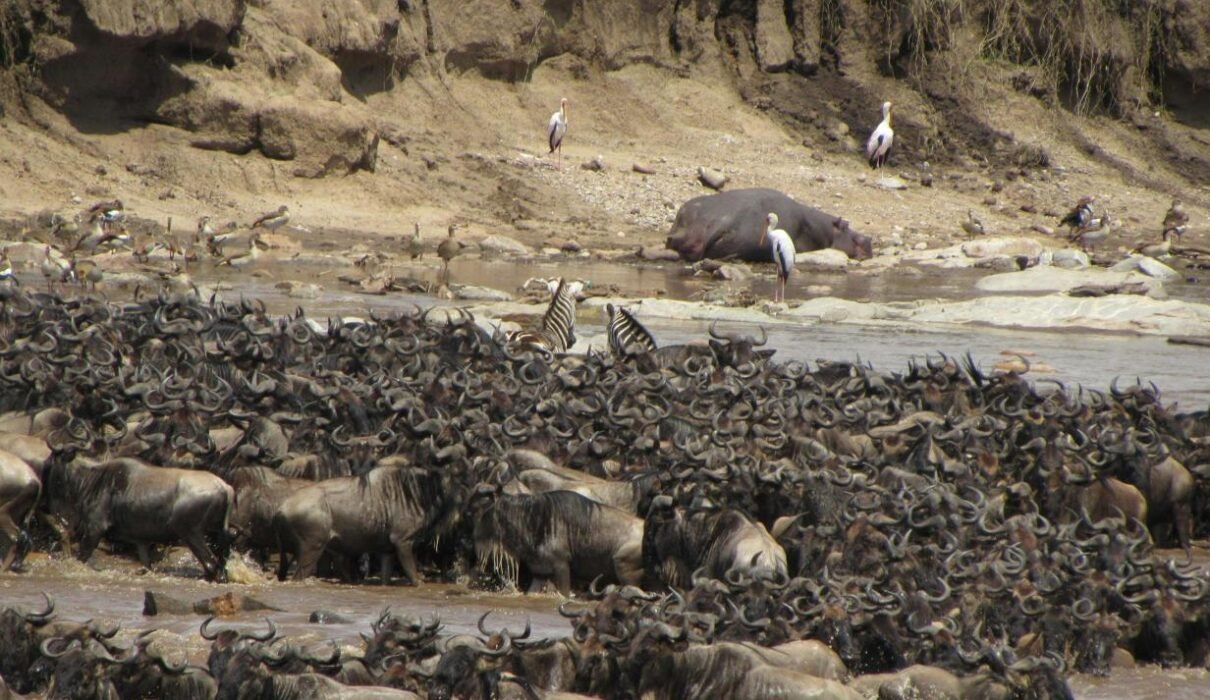
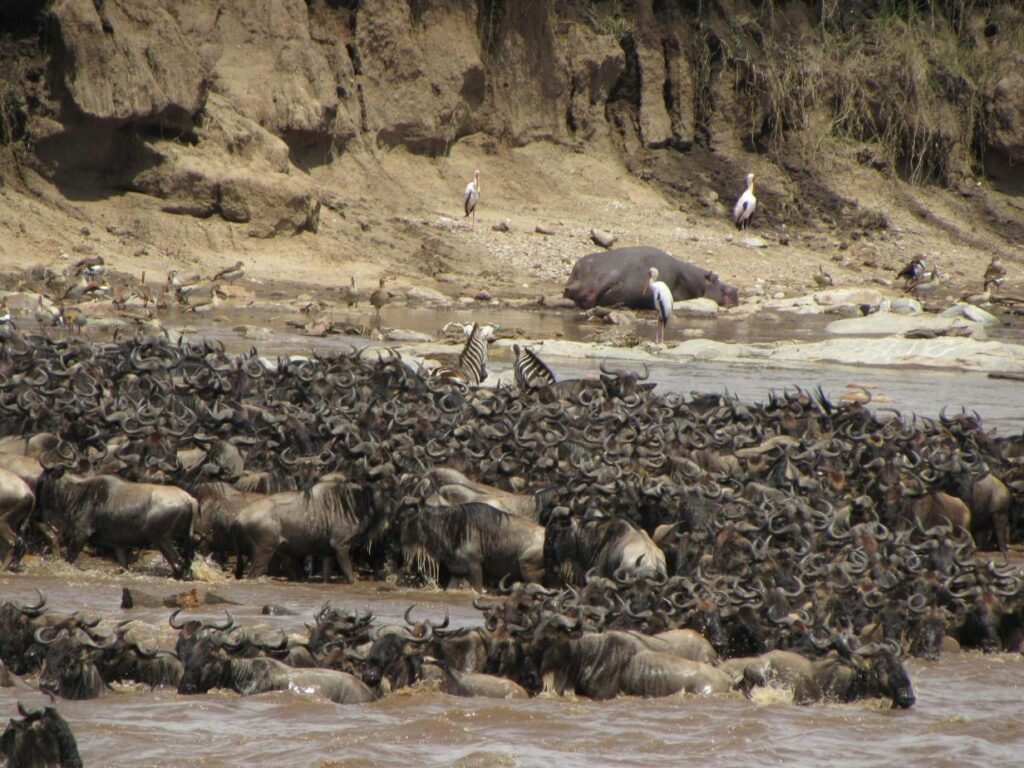
A Great Migration safari focuses on witnessing one of the most spectacular wildlife events on Earth—the annual movement of over 1.5 million wildebeest, zebras, and gazelles across the Serengeti and Maasai Mara ecosystem. This movement is driven by rainfall patterns and the search for fresh grazing land, making it a dynamic and ever-changing experience.
Researchers from institutions like National Geographic and Encyclopaedia Britannica describe this migration as one of the Seven Natural Wonders of Africa. The journey includes dramatic river crossings, predator-prey interactions, and vast herds stretching across the plains.
If you are planning a tailored migration experience, you can explore customized options at Eddy Tours Safaris, where expert guides track the herds for optimal viewing.
Key Highlights of the Great Migration Safari
The migration safari is intense, dramatic, and highly seasonal. It includes iconic moments such as wildebeest crossing crocodile-filled rivers and lions stalking prey across open savannahs. According to The Nature Conservancy, this ecosystem supports one of the largest intact wildlife populations on Earth.
Travelers often choose this safari for its raw, emotional wildlife encounters. It’s not just about seeing animals—it’s about witnessing survival in its purest form.
What is a Regular Safari in Tanzania?
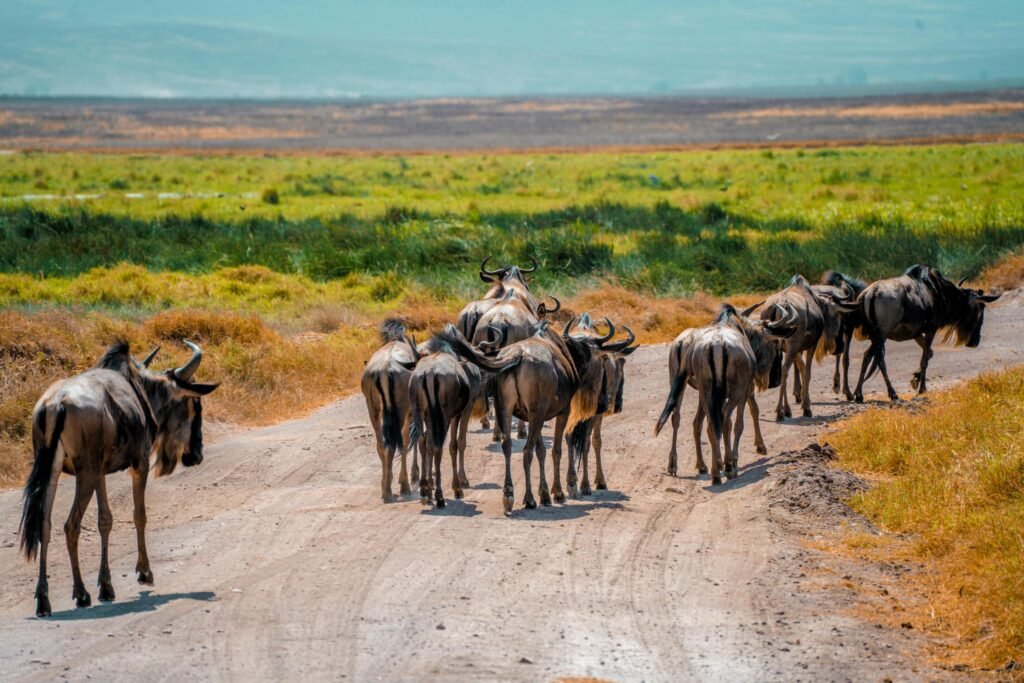
A regular safari in Tanzania offers a broader and more relaxed wildlife experience. Instead of focusing on one major event, it allows you to explore multiple national parks such as Ngorongoro Crater, Tarangire, and Lake Manyara. These parks are supported by conservation research from institutions like UN Environment Programme and African Wildlife Foundation.
This type of safari is ideal for travelers who want variety. You can see elephants, giraffes, lions, and even rare species without the need to follow migrating herds. The pace is slower, and the experience is more flexible.
You can also combine your safari with mountain adventures through Kilimanjaro Climb Specialist for a complete Tanzanian journey.
Key Highlights of a Regular Safari
A regular safari offers consistent wildlife viewing throughout the year. Unlike migration safaris, you don’t have to worry about timing your visit perfectly. According to Fauna & Flora International, Tanzania’s protected areas ensure stable wildlife populations across seasons.
This safari is perfect for first-time visitors, families, and those looking for a balanced experience without the intensity of migration tracking.
Great Migration Safari vs Regular Safari in Tanzania – Key Differences
1. Timing and Seasonality
The migration safari is highly seasonal, with specific months offering the best viewing opportunities. Studies by NASA Earth Observatory show how rainfall patterns influence herd movement. In contrast, a regular safari is available year-round.
2. Wildlife Experience
Migration safaris focus on massive herds and predator action, while regular safaris offer diverse wildlife across different landscapes. Both are supported by conservation research from Wildlife Conservation Society.
3. Crowds and Popularity
The migration attracts more visitors, especially during river crossing seasons. Regular safaris tend to be quieter, offering more privacy and relaxed game drives.
4. Cost Differences
Migration safaris are generally more expensive due to demand and logistics. According to World Bank tourism data, peak-season travel significantly impacts pricing.
5. Flexibility
Regular safaris allow more flexibility in itinerary planning. Migration safaris require precise timing and expert tracking, which you can arrange through Eddy Tours Safaris.
Which Safari Should You Choose?
Choosing between these two options depends on your travel goals, budget, and expectations. If you want dramatic wildlife action and iconic moments, the migration safari is your best choice. However, if you prefer a relaxed and diverse experience, a regular safari might suit you better.
Experts from University of Oxford wildlife studies suggest that both safari types contribute equally to conservation awareness and sustainable tourism.
Best Time to Visit Tanzania for Each Safari Type
The best time for a migration safari depends on herd movement. From June to October, river crossings are common. For calving season, January to March is ideal. Regular safaris can be enjoyed year-round, with dry seasons offering better wildlife visibility.
Climate research from NOAA helps predict seasonal patterns that influence safari experiences.
Combining Both Safari Experiences
Many travelers choose to combine both safari types for a complete experience. You can witness the migration and then explore other parks for a more relaxed adventure. This approach is recommended by UNESCO for maximizing cultural and ecological understanding.
Customized packages are available at Eddy Tours Safaris, allowing you to enjoy the best of both worlds.
Why Tanzania is the Best Destination for Safaris
Tanzania stands out due to its vast protected areas, rich biodiversity, and strong conservation efforts. Organizations like Convention on Biological Diversity recognize Tanzania as a global leader in wildlife preservation.
The country offers unmatched landscapes, from the Serengeti plains to the Ngorongoro Crater, making it a top choice for safari enthusiasts worldwide.
FAQs
1. Is the Great Migration safari worth it?
Yes, it is one of the most extraordinary wildlife experiences on Earth.
2. Can I see the Big Five on a regular safari?
Absolutely, regular safaris offer excellent chances to see all Big Five animals.
3. Which safari is better for families?
Regular safaris are generally more suitable for families due to flexibility.
4. How far in advance should I book?
It’s recommended to book at least 6–12 months in advance, especially for migration safaris.
5. Are safaris safe in Tanzania?
Yes, safaris are safe when organized by reputable operators like Eddy Tours Safaris.
6. Can I combine safari with other activities?
Yes, you can combine safaris with cultural tours or mountain climbing.
Conclusion
Understanding Great Migration Safari vs Regular Safari in Tanzania helps you choose the perfect adventure for your travel style. Both options offer incredible wildlife experiences, but they cater to different preferences. Whether you seek dramatic action or peaceful exploration, Tanzania has something for everyone. Plan wisely, choose the right safari, and prepare for a journey that will stay with you forever.