
A Grumeti safari in Tanzania offers a different way to experience the Serengeti, especially for travellers who want excellent wildlife viewing without spending their entire holiday in the busiest parts of the national park. Located in the western Serengeti ecosystem, the Grumeti region is known for its winding river, large Nile crocodiles, resident wildlife, beautiful landscapes and the seasonal movement of wildebeest during the Great Migration. It is an interesting destination for wildlife photographers, couples, families and travellers who prefer a quieter safari environment.
For anyone planning a Grumeti safari in 2027, 2028 or 2029, understanding the seasons is particularly important. The region changes considerably throughout the year, and the wildlife experience in June can be very different from what visitors encounter in September or February. This updated guide explains when to visit, which animals to look for, how to reach Grumeti, where to stay and how to include the western Serengeti in a longer Tanzania safari with Eddy Tours & Safaris.

Where Is Grumeti Located in Tanzania?
Grumeti lies in the western part of the Serengeti ecosystem in northern Tanzania, extending towards Lake Victoria. The area is closely associated with the Grumeti River, the Western Corridor of Serengeti National Park and neighbouring privately managed wildlife areas. Its landscape includes open grasslands, riverine forests, wooded hills and seasonal wetlands, creating suitable habitats for many different animal species. Unlike the wide, open plains commonly associated with central Serengeti, Grumeti has a mixture of vegetation and river environments that make game drives particularly interesting.
It is important to understand that the Western Corridor inside Serengeti National Park and the neighbouring private Grumeti concessions are not exactly the same destination. National park visitors follow designated routes and park regulations, while certain private concessions may offer additional activities such as guided walking safaris and night drives, subject to their operating permissions. Accommodation choices, safari activities and access arrangements therefore depend on the exact area selected. Travellers planning a wider journey can begin by exploring the Tanzania safari options offered by Eddy Tours & Safaris and asking for a route that includes western Serengeti.
Why Choose a Grumeti Safari in 2027, 2028 or 2029?
Grumeti is especially attractive because it combines seasonal migration activity with rewarding wildlife viewing at other times of the year. Visitors can spend the morning following lion tracks, watch hippos resting in the river during the afternoon and photograph elephants moving through the woodlands before sunset. The varied habitats also create opportunities to see birds and smaller animals that may receive less attention on a traditional Big Five safari. Travellers who enjoy spending time observing animal behaviour rather than moving quickly between sightings may particularly appreciate this part of Tanzania.
Another advantage is the opportunity to experience quieter sections of the Serengeti, although visitor numbers vary by season and accommodation location. The region has both established safari camps and exclusive luxury properties, making it suitable for different travel styles. It can also be combined with Ngorongoro Crater, central Serengeti, Tarangire National Park or a Zanzibar beach holiday. For travellers who want to see several destinations during one visit, Eddy Tours & Safaris can help arrange a northern Tanzania itinerary with sufficient time for wildlife viewing.
Best Time to Visit Grumeti in 2027, 2028 and 2029
The best time for a Grumeti safari depends on whether the main interest is the Great Migration, resident wildlife, birdwatching, photography or a quieter holiday. Although wildlife can be seen throughout the year, the seasonal movement of wildebeest makes May, June and July especially important. The dry months are generally favourable for game viewing, while the greener months bring beautiful scenery and different photographic opportunities.
May to July: Best Time for the Great Migration
May to July is generally the most interesting period for travellers hoping to encounter the Great Migration in the Western Corridor. As rainfall and grazing conditions change across the Serengeti, wildebeest and zebras begin moving towards the western and northern regions. Some herds travel through the Grumeti area, where they may gather near the river before crossing. June is often a particularly promising month, although the exact location and timing of the migration can change considerably between years.
The Grumeti River is famous for its large Nile crocodiles, which may be seen resting along the banks or moving through the water. During migration periods, visitors may also encounter large herds of wildebeest, zebras and accompanying predators. However, a river crossing is never guaranteed, even during the expected migration season. Travellers planning for 2027, 2028 or 2029 should allow several days in the region and remain flexible rather than booking a single game drive with the expectation of witnessing a crossing.
For travellers interested in following the herds through different parts of the Serengeti, the Great Migration safari information on the Eddy Tours & Safaris website provides a useful starting point for planning a seasonal itinerary.
August to October: Excellent Dry-Season Wildlife Viewing
Between August and October, many migrating herds may have continued towards the northern Serengeti, but Grumeti remains a rewarding destination for visitors interested in resident animals. As the dry season progresses, vegetation becomes less dense in many areas, and animals may concentrate around rivers and reliable water sources. This can make it easier to observe elephants, buffaloes, giraffes, antelopes and predators during game drives. The weather is often relatively dry, with warm afternoons and cooler mornings.
This period is particularly suitable for travellers who prefer a combination of wildlife photography, comfortable game drives and quieter surroundings. Lions, leopards and spotted hyenas remain in the wider ecosystem, although sightings depend on animal movements, vegetation and the skill of the guide. If witnessing the famous Mara River crossings is the main priority, northern Serengeti may be a more suitable destination during these months. A well-planned Tanzania safari with Eddy Tours & Safaris can combine Grumeti with northern or central Serengeti according to the season.
November to March: Green Landscapes and Birdwatching
From November through March, seasonal rainfall brings fresh vegetation to much of the Serengeti ecosystem. Grumeti becomes greener, with attractive river scenery, flowering plants and opportunities to photograph wildlife against lush backgrounds. Resident animals remain present, including elephants, giraffes, buffaloes, hippos and various antelope species. Although the main migration herds are generally expected farther south during much of this period, the western Serengeti still offers meaningful wildlife experiences.
Birdwatching can be especially rewarding during the greener months, when migratory species join the resident bird population. Visitors may see kingfishers, bee-eaters, rollers, hornbills, eagles and other birds around rivers and wooded areas. Rainfall can occasionally affect road conditions and game-drive schedules, so travellers should prepare for changing weather. This season can be a good choice for those who value landscapes, bird photography and a more relaxed safari rather than concentrating exclusively on migration crossings.
April to May: Rainy-Season Safaris
April and May are associated with the longer rainy season in northern Tanzania. The countryside becomes green, rivers may carry more water, and wildlife viewing can still be productive when conditions allow. However, muddy roads, heavy rainfall and reduced access to certain areas can affect travel plans. Some seasonal camps may also close temporarily, making accommodation selection especially important.
For travellers comfortable with flexible arrangements, this period can provide a peaceful safari experience and attractive scenery. Nevertheless, anyone planning to visit Grumeti during the rainy season should confirm that the selected lodge, roads and activities are operating. It is also worth remembering that the migration may begin moving into the western Serengeti during May, but its timing cannot be predicted precisely.
Wildlife Highlights: What Animals Can You See in Grumeti?
Grumeti supports a wide variety of wildlife because its rivers, woodlands and open plains provide different feeding and shelter opportunities. Although the Great Migration attracts considerable attention, the resident animal populations are equally important to the safari experience. A good guide will help visitors understand how animals use the landscape, why predators choose particular hunting areas and how seasonal changes influence wildlife movements.
1. Wildebeest and Zebras During the Great Migration
Wildebeest and zebras are among the most recognisable animals associated with Grumeti. During the migration season, large herds may move across the plains, graze near wooded areas and gather around river crossings. Their movements are influenced by rainfall, pasture conditions and access to water, meaning the number of animals present can change from one week to another. Observing the herds is not only about watching a crossing; it also provides opportunities to see grazing behaviour, herd movement and interactions with predators.
2. Lions and Other Predators
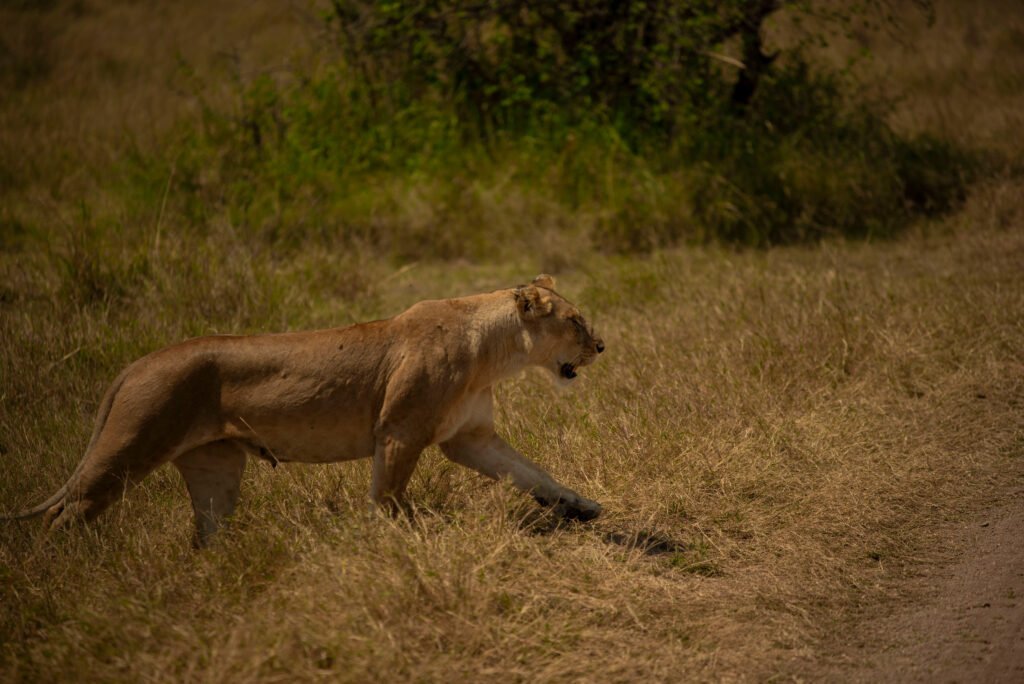
Lions are among the main attractions of a Grumeti safari, particularly for visitors interested in predator behaviour. They may be found resting in shaded areas, moving across grasslands or watching prey from suitable hunting positions. Leopards are more elusive and often favour areas with trees and suitable cover, while spotted hyenas may be encountered moving across the plains or feeding near carcasses. Predator sightings are never guaranteed, but spending more time in suitable habitats generally provides better opportunities than rushing through the region.
3. Nile Crocodiles Along the Grumeti River
The Nile crocodiles of the Grumeti River are among the region’s best-known wildlife attractions. Large crocodiles can sometimes be seen basking on riverbanks or remaining almost completely submerged in the water. Their presence becomes particularly interesting during the migration period, when wildebeest and other animals may attempt river crossings. Visitors should always observe these animals from a safe distance and follow their guide’s instructions, as crocodiles are powerful wild predators.
4. Elephants, Buffaloes and Giraffes
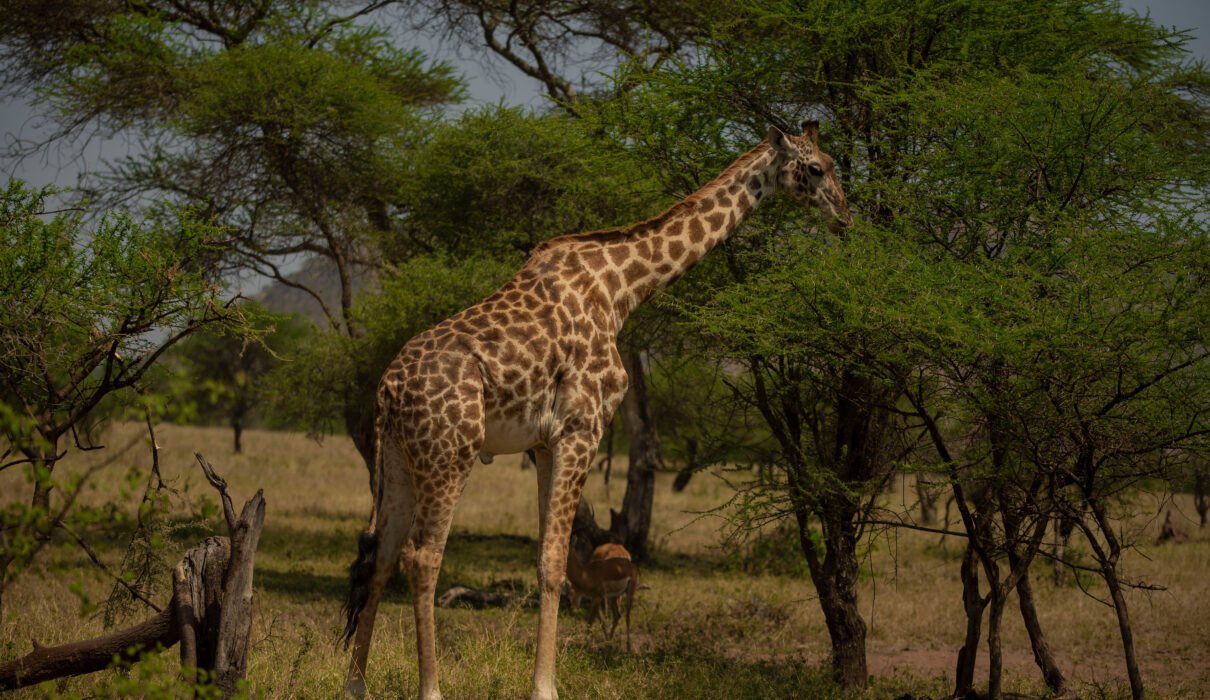
Elephants are important residents of the western Serengeti ecosystem, and visitors may encounter family groups feeding in woodlands or travelling towards water. Buffaloes are also present, sometimes forming substantial groups in suitable grazing areas. Giraffes are commonly associated with the region’s wooded landscapes, where they feed on leaves and move between patches of vegetation. These animals offer excellent photographic opportunities throughout the year, particularly when morning or late-afternoon light provides good visibility.
5. Hippos and River Wildlife
The Grumeti River and associated waterways provide important habitats for hippos and other aquatic wildlife. Hippos often spend much of the day resting in water before emerging to graze during cooler periods. Visitors may hear their calls or observe them interacting within pools, depending on the location and water conditions. River environments can also attract birds, antelopes and other mammals, making them useful areas for patient wildlife observation.
6. Birdlife in the Western Serengeti
Birdwatchers visiting Grumeti can enjoy a mixture of grassland, woodland and river-associated species. Depending on the season and habitat, possible sightings include African fish eagles, kingfishers, hornbills, lilac-breasted rollers, vultures and bee-eaters. The wider Serengeti ecosystem supports more than 500 recorded bird species, although no single safari will encounter all of them. Bringing binoculars and allowing time for slower game drives can greatly improve the experience for travellers interested in birds.
Grumeti River Crossings vs Mara River Crossings
Many travellers planning a Great Migration safari confuse the Grumeti River with the Mara River, but they are found in different parts of the Serengeti ecosystem and are generally associated with different periods of the migration. The Grumeti River lies in the western region, where crossings may occur during the mid-year movement of wildebeest. The Mara River is farther north, near the Tanzania–Kenya border, and is especially associated with migration activity from approximately July to October.
The Grumeti crossing experience can be less crowded in some areas, and the surrounding landscape includes woodlands and riverine vegetation. Mara River crossings are often associated with larger, more open viewing areas and dramatic movement along steep riverbanks. Neither location offers guaranteed crossings, and travellers should avoid treating migration dates as fixed. Choosing between the two depends on the travel month, available safari days and whether the visitor wants to focus on migration or include other wildlife destinations.
For additional destination information, visitors can consult the official Tanzania National Parks Serengeti guide, which provides background on the park’s wildlife and tourism attractions.
Best Safari Activities in Grumeti
Guided Game Drives
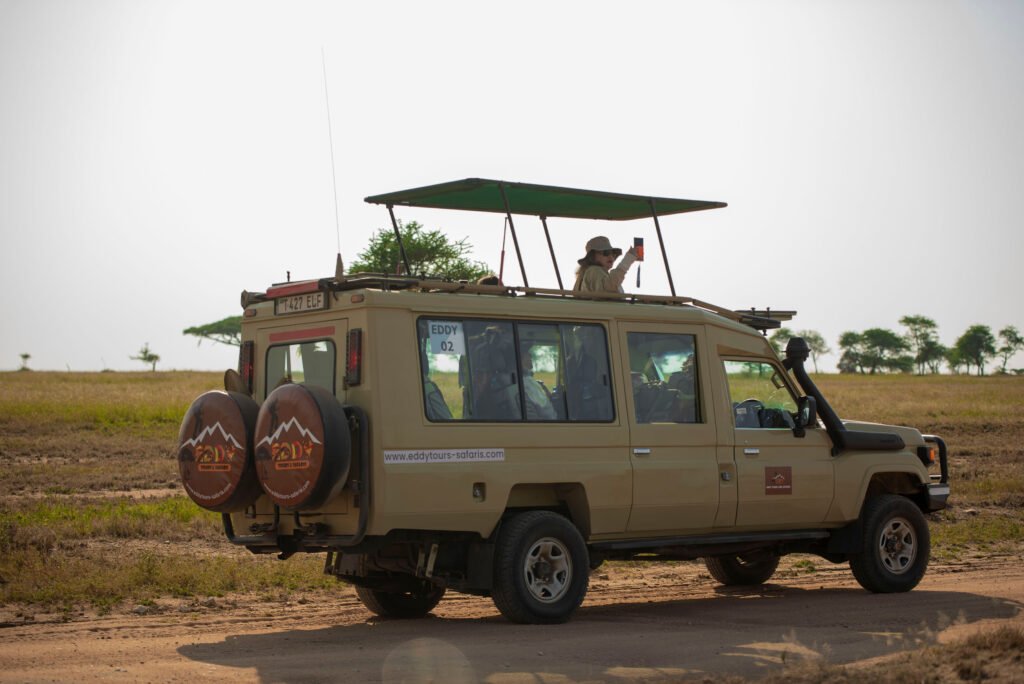
Game drives are the main activity for most visitors to Grumeti. Early morning excursions are particularly enjoyable because temperatures are cooler and many animals are more active. Afternoon game drives offer different lighting conditions and opportunities to observe wildlife returning to feeding areas as the heat decreases. Depending on the camp location, visitors may explore grasslands, riverbanks, woodland tracks and other habitats while accompanied by a professional safari guide.
Wildlife Photography
Grumeti is suitable for photographers who want more than traditional photographs of large animals standing in open grassland. The region’s rivers, trees, changing light and varied habitats create opportunities for environmental wildlife portraits and landscape photography. A telephoto lens is useful for photographing distant animals, while binoculars help identify subjects before approaching suitable viewing positions. Photographers should allow enough time to wait for natural behaviour and should never pressure guides to drive too close to wildlife.
Guided Walking Safaris
Certain authorised private concessions and designated areas may offer guided walking safaris, depending on local regulations and the operator. Walking allows visitors to learn about tracks, plants, animal signs and the smaller details of the ecosystem that can be missed during vehicle safaris. These activities require experienced guides and appropriate safety arrangements, and they are not available everywhere in Grumeti. Travellers should confirm the specific activities included before booking their accommodation.
Night Game Drives
Some private wildlife concessions around Grumeti permit night game drives, offering a different perspective on animal behaviour after sunset. Depending on the area and conditions, visitors may have opportunities to observe nocturnal mammals and predators that are less active during daylight. Night driving should not be assumed to be included in a standard Serengeti National Park safari, where different operating regulations apply. Always check the lodge’s permissions and activity schedule when planning this experience.

Where to Stay During a Grumeti Safari
Accommodation in and around Grumeti ranges from safari camps and established lodges to exclusive luxury properties in private wildlife areas. Some camps are positioned for access to the Western Corridor, while others focus on private concession experiences with more personalised services. The best accommodation depends on the season, travel budget, desired activities and distance from the areas where wildlife is expected. Choosing a beautiful lodge is important, but its location relative to the planned game drives is equally significant.
Travellers booking for 2027, 2028 or 2029 should compare accommodation carefully rather than assuming every property advertised as Grumeti offers the same wildlife access. During the migration season, a camp near suitable western Serengeti routes may reduce unnecessary travel time. Families may prefer properties with appropriate room arrangements and child policies, while couples may prioritise privacy and smaller camps. The team at Eddy Tours & Safaris can help travellers discuss accommodation preferences when requesting a customised itinerary.
How to Get to Grumeti from Arusha
Most international visitors begin their northern Tanzania safari in Arusha, which serves as an important departure point for Serengeti tours. Travellers can reach the western Serengeti by road as part of a longer safari itinerary or arrange a domestic flight to a suitable airstrip, depending on the selected camp and available flight schedules. Road journeys allow visitors to include other destinations along the way, while flying can reduce time spent travelling between distant safari regions.
For travellers who want to combine several national parks, a road safari from Arusha through Tarangire, Ngorongoro and central Serengeti before continuing west can be a practical arrangement. Visitors with limited time may prefer a fly-in safari, particularly when staying at a remote luxury camp. Flight schedules, airstrip access, baggage limits and transfer arrangements should be checked before booking, as these details can change between seasons and operators.
Suggested 7-Day Grumeti and Serengeti Safari Itinerary
A seven-day safari can provide a useful introduction to Grumeti while also allowing time to explore other parts of the Serengeti ecosystem. The itinerary below is an example rather than a fixed departure programme, and the number of nights in each location can be adjusted according to migration conditions and personal interests.
Day 1: Arrival in Arusha
Arrive at Kilimanjaro International Airport or Arusha Airport, where your safari arrangements begin. After transferring to your accommodation, you can rest and meet your safari representative to discuss the itinerary, travel times and wildlife expectations. Depending on your arrival schedule, there may be time to explore part of Arusha before dinner. Spending the first night in town allows a more comfortable start to the safari the following morning.
Day 2: Arusha to Tarangire National Park
Travel from Arusha to Tarangire National Park for a guided game drive through landscapes known for baobab trees, elephants and seasonal wildlife concentrations. The park offers a different environment from the Serengeti, making it an interesting addition to the journey. Depending on the season, visitors may encounter giraffes, zebras, antelopes, buffaloes and predators. After the game drive, continue to your selected accommodation in the Tarangire or Karatu area.
Day 3: Transfer to Central Serengeti
Continue towards Serengeti National Park, travelling through the Ngorongoro Conservation Area along the established safari route. The journey offers changing scenery, from the highlands to the open Serengeti plains. Depending on departure time and road conditions, wildlife viewing may be possible along the way. Arrive at your central Serengeti accommodation and prepare for further game drives.
Day 4: Central Serengeti Wildlife Safari
Spend the day exploring the central Serengeti, particularly areas known for year-round wildlife and predator activity. Your guide will select suitable routes based on recent sightings, weather and the interests of your group. The central region is a useful addition to a Grumeti safari because it provides access to different habitats and can improve the overall variety of wildlife encounters. Return to your camp after an afternoon game drive.
Day 5: Travel to Western Serengeti and Grumeti
Leave central Serengeti and travel west towards the Grumeti region, observing how the landscape gradually changes from open plains to more wooded and river-associated habitats. Depending on the season, there may be opportunities to encounter migrating wildebeest or resident wildlife along the route. After arriving at your selected accommodation, enjoy an afternoon game drive if time and conditions permit. Your guide can also explain the expected wildlife activity in the western region.
Day 6: Full-Day Grumeti Safari
Dedicate the day to exploring Grumeti and its surrounding wildlife areas. During May, June or July, the safari may focus on areas where migrating herds have recently been reported, while visits during other months can concentrate on resident animals and river habitats. A full day provides flexibility to follow wildlife activity without rushing between locations. Depending on the accommodation and its operating permissions, additional activities may be available.
Day 7: Return to Arusha or Continue Your Tanzania Holiday
After breakfast, begin the journey back to Arusha or take a scheduled domestic flight, depending on the travel arrangements. Travellers with additional time can extend the holiday to northern Serengeti, Ngorongoro Crater or Zanzibar. The best departure option should be selected according to the camp’s location and onward travel plans. Visitors can discuss these arrangements directly with Eddy Tours & Safaris when planning their trip.
How Much Does a Grumeti Safari Cost in 2027, 2028 or 2029?
The cost of a Grumeti safari depends on accommodation category, travel season, transport arrangements, number of travellers and the activities included. A road-based safari using established camps will generally have a different cost structure from a fly-in luxury holiday in a private concession. Park fees, concession charges, domestic flights and accommodation prices may also change before 2027, 2028 or 2029, so future rates should always be confirmed when requesting a quotation.
Travellers comparing prices should check exactly what each package includes. Important details include the number of safari nights, vehicle arrangements, meals, guide services, applicable park fees, airport transfers and any additional concession activities. A lower advertised price may not necessarily represent better value if it involves less time in the wildlife areas or excludes important services. Requesting a detailed quotation from Eddy Tours & Safaris makes it easier to compare available options.
Practical Travel Tips for Your Grumeti Safari
Book Early for the Migration Season
Accommodation in suitable western Serengeti locations can become popular during the migration months, especially when travellers are seeking particular luxury camps or private arrangements. Booking early provides more choice, but it does not guarantee that the herds will be in one specific location. When planning for 2027, 2028 or 2029, consider allowing several nights in the region rather than arranging only a brief visit. Flexibility remains one of the most useful parts of a successful migration safari.
Pack for Changing Weather Conditions
Temperatures can vary between cool mornings, warm afternoons and rainy periods, so lightweight layers are more practical than packing only summer clothing. Neutral-coloured clothes, comfortable shoes, a light jacket, sun protection and a rain jacket are useful for most safari seasons. Travellers should also bring personal medication, binoculars and suitable camera equipment. Those using light aircraft should check luggage restrictions before packing large suitcases.
Choose the Right Safari Duration
Although a short visit can provide enjoyable wildlife encounters, spending two or three nights in Grumeti usually offers more flexibility for game drives and changing conditions. Travellers particularly interested in migration crossings may benefit from a longer stay because wildlife movements are unpredictable. Combining Grumeti with central Serengeti can also provide a more varied safari experience. The ideal duration depends on available holiday time, travel budget and the main purpose of the trip.
Respect Wildlife and Park Regulations
All wildlife should be observed from a safe distance, and visitors should follow their guide’s instructions throughout the safari. Feeding animals, making excessive noise or encouraging drivers to approach wildlife too closely can disturb natural behaviour and create unnecessary risks. Visitors should also respect rules governing vehicle movement, walking activities and night drives in the areas they visit. Responsible safari practices help protect both travellers and the animals they have come to see.
Combining Grumeti with Ngorongoro, Zanzibar or Kilimanjaro
A Grumeti safari can be part of a longer Tanzania holiday, especially for travellers visiting the country for the first time. Ngorongoro Crater offers a different wildlife environment, with a concentrated variety of animals inside a volcanic caldera. Tarangire is particularly interesting for elephant viewing and baobab landscapes, while Zanzibar provides beaches, coastal culture and opportunities to relax after several days of game drives. Combining these destinations allows visitors to experience different sides of Tanzania without planning separate international trips.
Travellers interested in mountain trekking can also combine their safari with Mount Kilimanjaro. Since climbing requires physical preparation, acclimatisation and several days on the mountain, it is important to allocate sufficient time rather than treating it as a short excursion. Those considering this option can read the Kilimanjaro climbing guide covering routes and suitable trekking seasons from Kilimanjaro Climb Specialist before deciding how to organise their holiday. For safari arrangements, accommodation and a personalised travel programme, visitors can contact Eddy Tours & Safaris.
Frequently Asked Questions About Grumeti Safari
What is the best month to visit Grumeti in 2027, 2028 or 2029?
June is often one of the most promising months for travellers hoping to encounter the Great Migration in the Grumeti region. However, May and July can also be rewarding, depending on rainfall and the movement of wildebeest herds. Travellers primarily interested in resident wildlife can consider other months, particularly during the dry season.
Can I see the Great Migration in Grumeti?
Yes, the western Serengeti and Grumeti region form part of the annual migration route. Wildebeest and zebras may move through the area between approximately May and July, but the exact timing varies from year to year. River crossings cannot be guaranteed, even during the expected migration period.
Is Grumeti better than central Serengeti?
Neither region is automatically better because they offer different safari experiences. Central Serengeti is well known for reliable year-round wildlife viewing and predator habitats, while Grumeti is especially attractive for its river scenery, seasonal migration movement and quieter western landscapes. Combining both regions can provide a more complete Serengeti safari.
How many days should I spend in Grumeti?
Two to three nights is a reasonable starting point for many travellers, although longer stays provide more time for wildlife viewing and changes in migration activity. Visitors hoping to photograph particular animals or observe river crossings may prefer additional days. Travel time between safari regions should also be considered when choosing the itinerary.
Is Grumeti suitable for family safaris?
Yes, Grumeti can be suitable for families, particularly when accommodation and activities are selected according to the children’s ages. Some lodges have specific age restrictions for walking safaris or other activities, so these requirements should be confirmed in advance. Private game drives may also offer greater flexibility for families travelling with younger children.
Can I visit Grumeti and Zanzibar on the same holiday?
Yes, a Grumeti safari can be combined with a Zanzibar beach holiday, provided sufficient travel time is allowed. Depending on available flights and the selected safari itinerary, travellers may connect through Arusha or another suitable airport before continuing to Zanzibar. This combination is popular with visitors who want wildlife viewing followed by time at the coast.
Plan Your Grumeti Safari for 2027, 2028 or 2029 with Eddy Tours & Safaris
Grumeti is an excellent choice for travellers who want to explore a quieter side of the Serengeti while enjoying diverse wildlife, beautiful river landscapes and the possibility of seeing the Great Migration. Whether you travel during the mid-year migration period or choose a different season for resident wildlife and photography, the most important decision is selecting an itinerary that matches your interests and provides enough time in the region.
Eddy Tours & Safaris, a local tour company based in Arusha, Tanzania, can help you plan a personalised Grumeti safari and combine it with other destinations such as Serengeti National Park, Ngorongoro Crater, Tarangire, Mount Kilimanjaro or Zanzibar. Contact the team to discuss your preferred travel dates, number of travellers, accommodation standard and safari budget.
Plan your Tanzania safari:
Website: www.eddytours-safaris.com
Email: sales@eddytours-safaris.com
Contact Eddy Tours & Safaris for a customised Grumeti safari quotation
Start planning your Grumeti safari for 2027, 2028 or 2029 and experience the western Serengeti at a pace that allows you to appreciate its wildlife, landscapes and natural seasonal changes.