
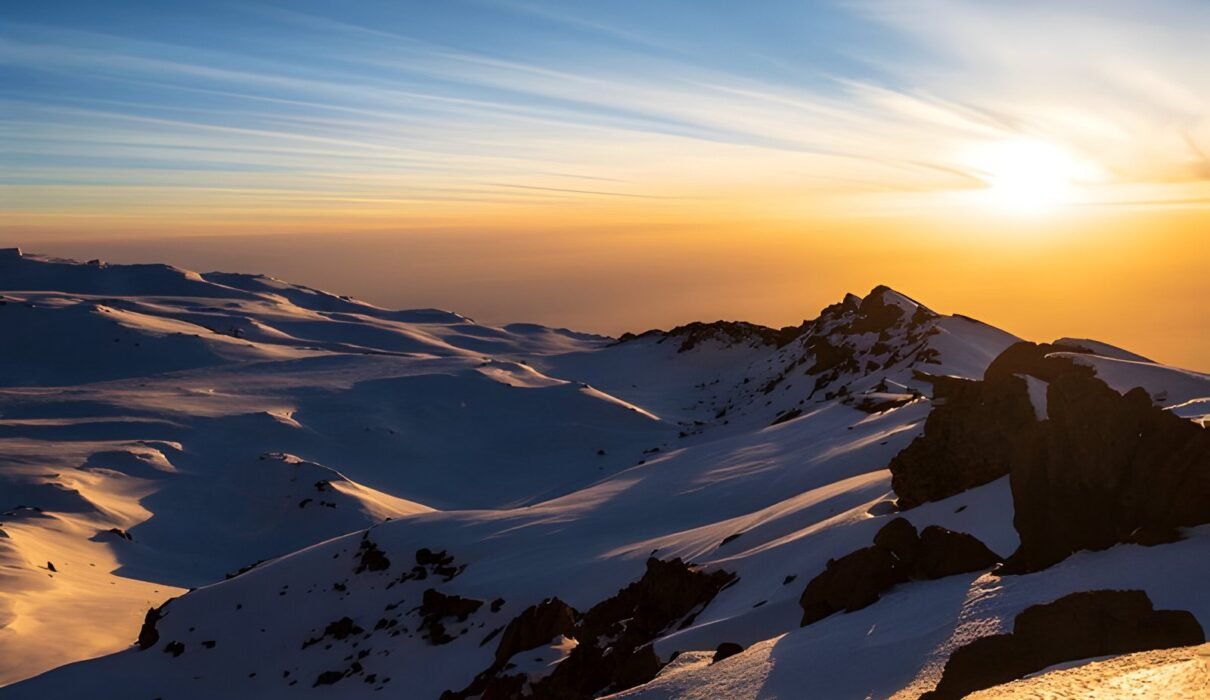
Tanzania is famous for its wildlife safaris, Mount Kilimanjaro, and beautiful national parks, but the country also offers some of the most varied hiking experiences in East Africa. From climbing Africa’s highest mountain to walking through tropical rainforests, exploring volcanic landscapes, and following trails toward hidden waterfalls, hiking in Tanzania allows travelers to experience the country beyond traditional game drives.
The country’s hiking destinations are remarkably diverse. Experienced trekkers can spend several days climbing Mount Kilimanjaro or Mount Meru, while travelers who prefer shorter walks can explore the Usambara Mountains, visit Materuni Waterfalls near Moshi, or enjoy guided nature walks in Arusha National Park. Other destinations, including the Udzungwa Mountains, Ngorongoro Highlands, and Lake Natron region, offer opportunities to discover forests, wildlife habitats, and dramatic geological features.
One of the greatest attractions of hiking in Tanzania is the opportunity to combine mountain trekking with wildlife and cultural experiences. Depending on your destination, you may encounter monkeys, colorful birds, antelopes, giraffes, or other animals while exploring the landscape on foot. Some trails also pass through local communities, providing opportunities to learn about traditional farming, conservation, and everyday life.
At Eddy Tours & Safaris, we help travelers plan Kilimanjaro climbing expeditions, Tanzania hiking adventures, day trips, and wildlife safaris. This guide explores the best hiking destinations in Tanzania, what makes each trail special, and how to prepare for a safe and enjoyable outdoor adventure.
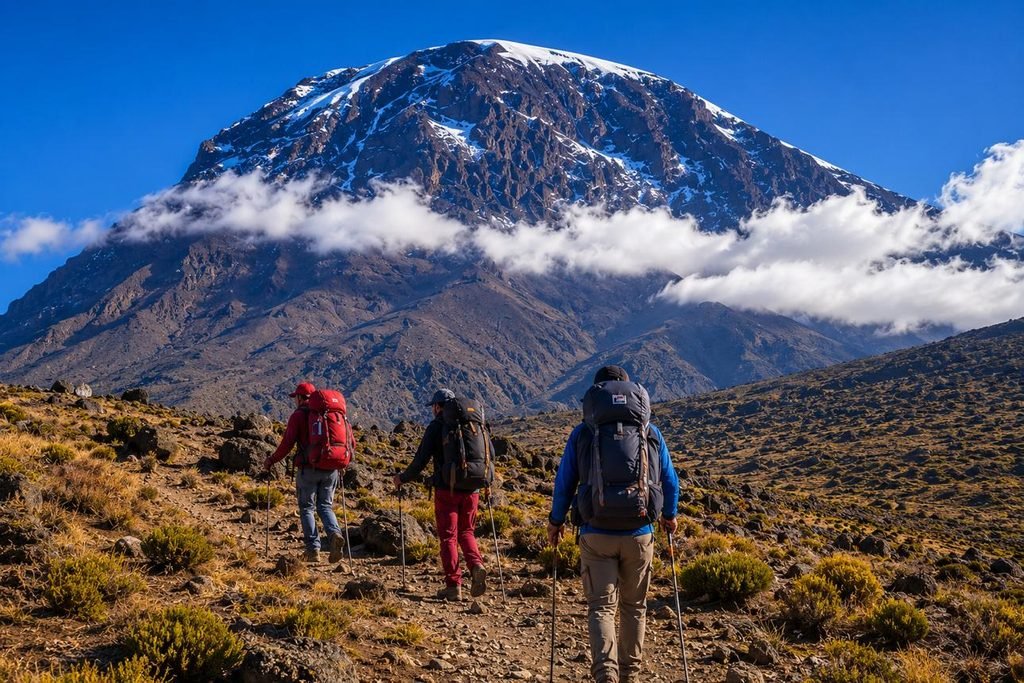
Why Tanzania Is One of Africa’s Best Hiking Destinations
Tanzania offers a combination of mountains, forests, volcanic highlands, waterfalls, and protected wildlife areas that makes it suitable for many different types of hikers. Some destinations require several days of trekking and significant physical preparation, while others can be explored comfortably during a half-day or full-day excursion.
The country also has remarkable differences in elevation and climate. Mount Kilimanjaro rises to 5,895 metres above sea level, while the Usambara and Udzungwa Mountains contain forested ridges, valleys, and cooler highland environments. Around Lake Natron, hikers encounter dry volcanic landscapes and steep mountain slopes that provide a completely different experience.
Another advantage is the possibility of combining hiking with a traditional safari. Travelers can climb Kilimanjaro before visiting Serengeti National Park or enjoy shorter guided walks around Arusha and Moshi before continuing to Tarangire or Ngorongoro Crater. This combination makes Tanzania particularly attractive to visitors interested in both outdoor activities and African wildlife.
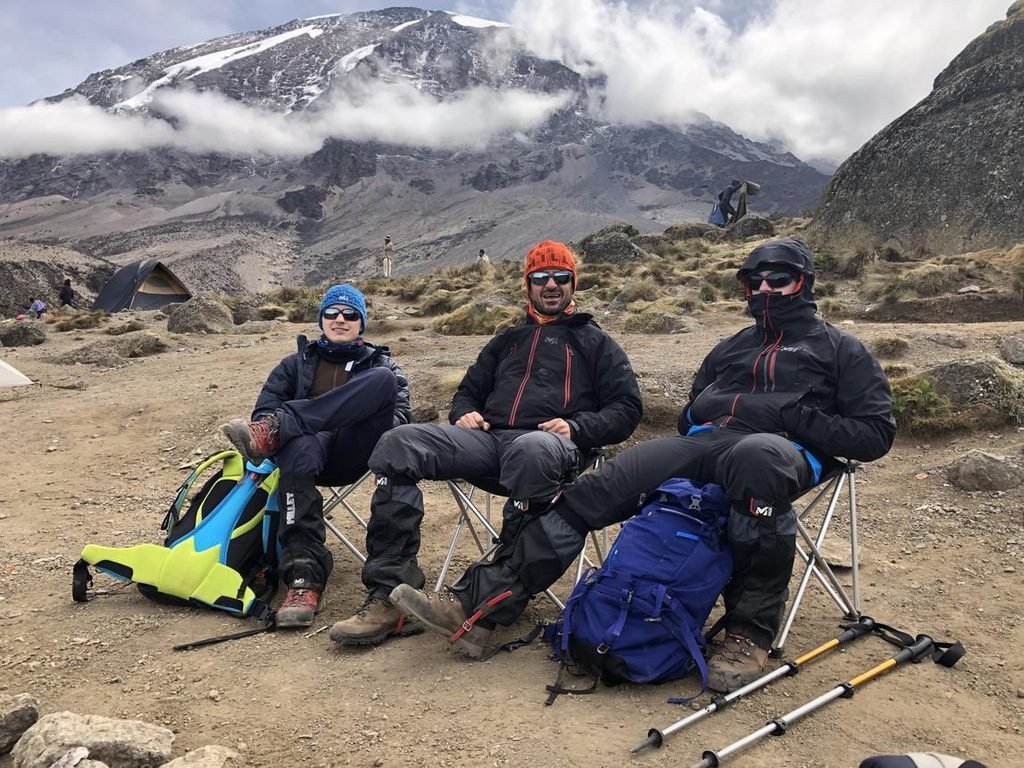
Best Hiking Trails and Mountains in Tanzania
The following destinations include Tanzania’s major mountain treks, forest trails, waterfall walks, and guided hiking experiences. The best choice depends on your fitness, available time, preferred scenery, and whether you want a challenging climb or a relaxed nature walk.
| Hiking destination | Typical duration | Difficulty | Main attraction |
|---|---|---|---|
| Mount Kilimanjaro | 5–9 days | Challenging | Africa’s highest summit |
| Mount Meru | 3–4 days | Challenging | Volcanic scenery and wildlife |
| Usambara Mountains | 1–5 days | Easy to moderate | Forests, villages and viewpoints |
| Udzungwa Mountains | Half-day to several days | Moderate to strenuous | Rainforest and Sanje Waterfalls |
| Ngorongoro Highlands | Half-day to multi-day | Moderate to challenging | Volcanic craters and highland scenery |
| Ol Doinyo Lengai | Usually an overnight summit excursion | Very strenuous | Active volcano and Rift Valley views |
| Materuni Waterfalls | Half-day to full-day | Easy to moderate | Waterfall and coffee experience |
| Arusha National Park | Half-day to full-day | Easy to moderate | Guided wildlife walking |
| Mount Hanang | 1–2 days | Strenuous | Highland mountain summit |
| Uluguru Mountains | 1–3 days | Moderate to challenging | Forest trails and mountain villages |
Walking times are approximate and depend on the route, weather, fitness, and local arrangements.
1. Mount Kilimanjaro – Tanzania’s Most Famous Hiking Adventure
Mount Kilimanjaro is the country’s best-known trekking destination and the highest mountain in Africa. Located in northern Tanzania near Moshi, the mountain attracts hikers from around the world who want to reach Uhuru Peak at 5,895 metres above sea level. Unlike technical mountaineering expeditions, Kilimanjaro’s standard trekking routes do not normally require ropes or advanced climbing techniques, but the altitude and demanding summit conditions make proper preparation essential.
A Kilimanjaro climb takes hikers through several ecological zones. The lower slopes contain montane rainforest, followed by heath and moorland, alpine desert, and the cold summit environment. Each stage provides different scenery, vegetation, and weather conditions. Climbers also experience remarkable changes in temperature as they gain elevation.
Popular Kilimanjaro Hiking Routes
Machame Route: Often called the Whiskey Route, Machame is known for varied scenery, challenging trekking sections, and a route profile that includes useful opportunities to gain altitude before sleeping lower. It is commonly completed in six or seven days, with the seven-day option allowing a more gradual schedule.
Lemosho Route: Approaching from the western side of the mountain, Lemosho passes through rainforest and the Shira Plateau before joining the southern circuit. Seven- and eight-day itineraries are popular, particularly among travelers who want more time for acclimatization.
Marangu Route: Marangu is distinguished by its mountain hut accommodation rather than tents. Five- and six-day itineraries are available, although the shorter schedule provides limited acclimatization time.
Rongai Route: This route approaches Kilimanjaro from the north, near the Kenyan border. It provides a different perspective of the mountain and is often selected by travelers interested in a quieter approach.
Northern Circuit Route: The Northern Circuit follows a longer route around the northern slopes of Kilimanjaro. Its extended eight- or nine-day itineraries provide more time for gradual acclimatization and access to less frequently visited areas.
Umbwe Route: Umbwe is steep and demanding, with rapid elevation gain during its early stages. It is generally better suited to experienced trekkers who understand the challenges of high-altitude climbing.
For detailed information, read our Machame Route Kilimanjaro Itinerary, Marangu Kilimanjaro Climbing Guide, and Umbwe Route Kilimanjaro Itinerary.
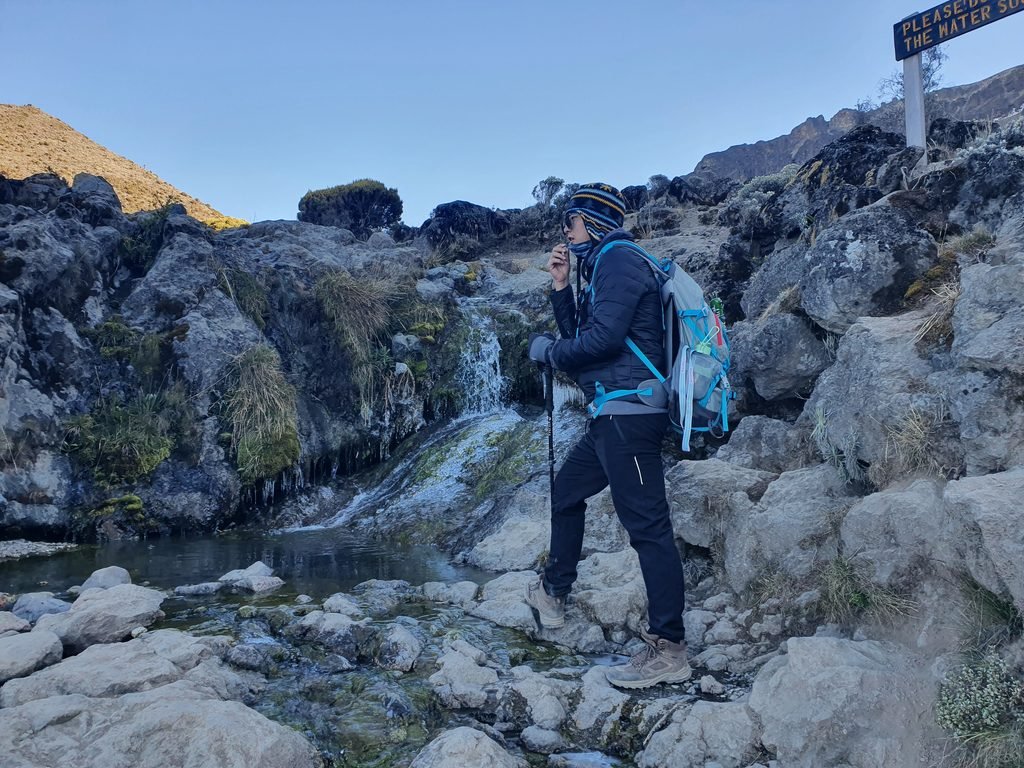
Is Kilimanjaro Suitable for Beginners?
Kilimanjaro can be suitable for well-prepared first-time high-altitude trekkers, but beginners should not underestimate the mountain. Long walking days, cold temperatures, limited oxygen availability, and altitude sickness are serious considerations. Choosing a suitable itinerary, training consistently, and following professional mountain guides are important parts of preparation.
2. Mount Meru – A Challenging Mountain Trek with Wildlife
Mount Meru is located inside Arusha National Park and rises to approximately 4,566 metres above sea level. It is Tanzania’s second-highest mountain and provides an excellent alternative to Kilimanjaro for travelers interested in a demanding but shorter mountain expedition.
The trek usually takes three or four days and passes through forest, grassland, and volcanic terrain. The mountain’s landscape includes a large crater, steep ridges, and views toward Mount Kilimanjaro when weather conditions are clear. Summit day involves a challenging ascent, often beginning during the night.
One of Mount Meru’s distinctive features is its location within a wildlife-rich national park. During the lower stages, hikers may encounter giraffes, buffaloes, monkeys, and other animals. For this reason, climbing groups are accompanied by authorized armed park rangers in accordance with park requirements.
Mount Meru is also used by some climbers as preparation for Kilimanjaro. Spending several days trekking at altitude can provide valuable hiking experience, although it does not guarantee acclimatization for a later Kilimanjaro expedition.
Who Should Choose Mount Meru?
Mount Meru is particularly suitable for physically prepared hikers who want a challenging mountain trek with forest scenery, volcanic landscapes, and wildlife viewing. It can also be combined with a longer Tanzania safari or a subsequent Kilimanjaro climb.
3. Usambara Mountains – Forest Trails, Villages and Scenic Viewpoints
The Usambara Mountains in northeastern Tanzania offer a different hiking experience from the country’s famous volcanic peaks. These mountains form part of the Eastern Arc mountain system and are known for forested landscapes, agricultural villages, cool highland conditions, and scenic viewpoints.
Hiking routes around Lushoto and the western Usambara Mountains are popular among travelers who enjoy moderate walking and cultural experiences. Trails may pass through farmland, forest reserves, villages, and ridges overlooking valleys and surrounding plains. The landscape is particularly attractive during periods when vegetation is green and visibility is good.
Some guided walks include visits to local markets, farms, and viewpoints such as the Irente area. Longer trekking itineraries can connect villages and forested areas over several days, with accommodation arranged in local guesthouses or lodges.
The Usambara Mountains are an excellent choice for travelers who want to experience rural Tanzania while enjoying nature. They are also suitable for visitors who prefer walking at moderate elevations rather than attempting a high-altitude summit.
4. Udzungwa Mountains – Rainforest Hiking and Sanje Waterfalls
Udzungwa Mountains National Park is located in south-central Tanzania near the Kilombero Valley. The park protects important Eastern Arc forest habitats and is known for its biodiversity, waterfalls, forest trails, and rare primates. Unlike Tanzania’s savannah national parks, Udzungwa is primarily explored through hiking rather than conventional vehicle-based game drives.
One of the most popular activities is the hike to Sanje Waterfalls. The trail climbs through forested slopes toward viewpoints overlooking the waterfall and surrounding valley. Along the way, hikers may encounter monkeys, butterflies, and numerous bird species. The route includes uphill sections and can become slippery after rainfall.
Udzungwa is particularly important for its endemic wildlife, including the Udzungwa red colobus and Sanje mangabey. Sightings depend on the trail, time of day, and animal movements, and visitors should follow park regulations when observing wildlife.
The park also offers longer hiking routes for travelers interested in more demanding forest expeditions. Trail availability, guide requirements, and camping arrangements should be confirmed before travel.
Why Visit Udzungwa Mountains?
Udzungwa is a strong choice for hikers interested in tropical forests, waterfalls, conservation, and wildlife that differs from the animals commonly seen on a Serengeti safari. It is also a useful addition to a southern Tanzania itinerary that includes Mikumi National Park.
5. Ngorongoro Highlands – Crater Walks and Volcanic Landscapes
The Ngorongoro Highlands provide opportunities for guided hiking through volcanic landscapes, forested slopes, grasslands, and areas associated with Maasai pastoral communities. While most visitors know Ngorongoro for its famous crater game drives, the wider conservation area contains additional destinations that can be explored on foot with appropriate authorization.
Olmoti Crater is associated with shorter guided walks through highland scenery. Empakaai Crater offers a more demanding hiking experience, with a steep descent toward the crater lake and views of the surrounding volcanic landscape. Weather conditions can affect visibility, and the return climb requires reasonable fitness.
Longer trekking expeditions may connect highland locations toward the Lake Natron region, although these require careful logistical planning, suitable guides, and the relevant permissions. The terrain can be remote, and some routes involve significant elevation changes.
Hiking and Wildlife Safety in Ngorongoro
The Ngorongoro Conservation Area supports wild animals, including potentially dangerous species. Visitors should never assume that hiking is permitted independently. Guided walking arrangements, ranger requirements, access restrictions, and conservation fees must be confirmed through authorized operators and the relevant authorities.
6. Ol Doinyo Lengai – Hiking Tanzania’s Active Volcano
Ol Doinyo Lengai is an active volcano near Lake Natron in northern Tanzania. Its name is commonly translated as the Mountain of God in the Maasai language, reflecting its cultural importance to communities living in the region.
The mountain is known for its steep slopes, loose volcanic material, and demanding ascent. Many climbing itineraries begin at night to avoid the intense daytime heat and aim to reach a suitable high point around sunrise. However, the route is physically strenuous, and volcanic conditions can create additional hazards.
Unlike Kilimanjaro’s established trekking routes, Ol Doinyo Lengai involves a particularly steep and unstable environment. Travelers should arrange experienced local guides, check current volcanic and access conditions, and understand that reaching the summit may not be safe or possible.
The surrounding Lake Natron landscape is also worth exploring. Visitors can enjoy views of the Rift Valley, volcanic formations, and seasonal flamingo habitats while respecting local communities and protected natural areas.
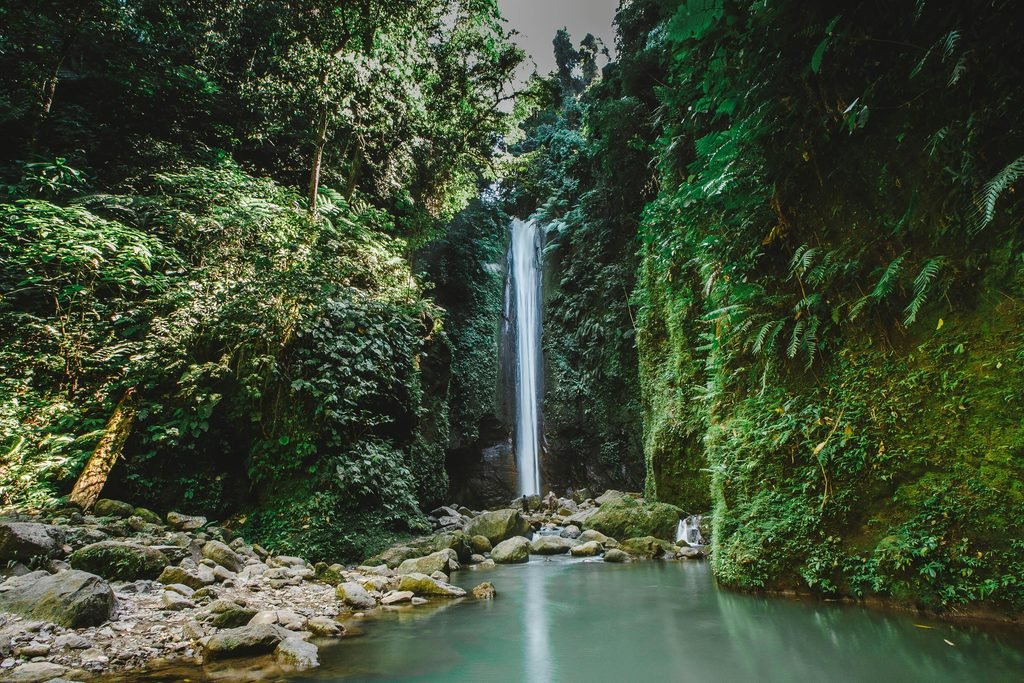
7. Materuni Waterfalls – One of the Best Day Hikes Near Moshi
Materuni Waterfalls is a popular hiking destination on the lower slopes of Mount Kilimanjaro, within reach of Moshi. It is particularly suitable for travelers who want a shorter outdoor experience before or after a Kilimanjaro climb.
The walk passes through green agricultural landscapes and village surroundings before reaching a tall waterfall. Depending on the route and weather conditions, the trail may include muddy or slippery sections, so comfortable walking shoes are recommended.
Many Materuni excursions combine the waterfall hike with a coffee experience organized by local residents. Visitors may learn how coffee is grown, processed, roasted, and prepared using traditional methods. This provides an opportunity to understand an important part of the local economy and culture.
Materuni is a good choice for couples, families, and travelers with limited time. However, the path is not completely flat, and visitors should assess their mobility and fitness before booking.
8. Arusha National Park – Guided Walking Safaris and Forest Trails
Arusha National Park offers one of the most accessible combinations of hiking and wildlife viewing in northern Tanzania. Located near Arusha, the park contains forested slopes, open grasslands, lakes, and volcanic landscapes associated with Mount Meru.
Guided walking safaris allow visitors to explore selected areas on foot while accompanied by an authorized park ranger. Depending on the approved route and wildlife movements, hikers may encounter giraffes, zebras, buffaloes, warthogs, monkeys, and different bird species. The experience differs from a conventional game drive because visitors observe the landscape at walking pace.
The park is particularly attractive for travelers who want to experience wildlife without committing to a multi-day mountain climb. Walking activities can often be combined with a scenic game drive, views of the Momella Lakes, or other approved park attractions.
Because large wild animals inhabit the park, walking independently is not appropriate. All activities should follow ranger instructions and park regulations.
9. Mount Hanang – A Rewarding Challenge in Central Tanzania
Mount Hanang rises above the town of Katesh in central Tanzania and reaches approximately 3,417 metres above sea level. It is an attractive destination for hikers who want a demanding mountain experience away from the country’s busiest trekking routes.
The ascent passes through changing vegetation and steep mountain terrain, with broad views of the surrounding countryside in suitable weather. Some climbers complete the hike in a long day, while others prefer a two-day arrangement that allows more time for rest and exploration.
Mount Hanang is physically challenging because of its elevation gain and steep sections. Travelers should arrange a knowledgeable local guide, carry adequate water, and begin early enough to allow a safe return.
This destination is particularly suitable for adventurous hikers interested in exploring a less frequently visited part of Tanzania.
10. Uluguru Mountains – Forest Hiking Near Morogoro
The Uluguru Mountains rise near Morogoro in eastern Tanzania and form another important part of the Eastern Arc mountain system. They contain forest habitats, agricultural communities, waterfalls, and trails that offer impressive views of the surrounding lowlands.
Guided hikes may pass through village landscapes, forested slopes, and viewpoints overlooking Morogoro and nearby valleys. The duration and difficulty depend on the selected trail, with options ranging from shorter walks to more demanding mountain excursions.
The Uluguru Mountains are particularly interesting for travelers who enjoy birdwatching, forest ecology, and rural landscapes. Visitors should use suitable local guides, respect community land, and follow restrictions that protect sensitive forest habitats.
Hiking and Wildlife Adventures in Tanzania
One of the most interesting aspects of hiking in Tanzania is the possibility of observing wildlife while exploring different habitats. However, wildlife encounters vary significantly between destinations, and not every national park permits independent walking.
In Arusha National Park, guided walks may provide opportunities to observe giraffes, buffaloes, and monkeys. In Udzungwa, forest hiking focuses more on primates, birds, and rainforest biodiversity. On Mount Meru, hikers travel through areas where larger wild animals may be present during the lower stages of the climb.
Ngorongoro’s highland walking experiences provide another perspective on the country’s natural environment, but they require careful planning because the conservation area supports dangerous wildlife. Visitors should never approach animals for photographs or leave designated trails without authorization.
For travelers interested primarily in lions, elephants, leopards, and large grazing herds, a conventional safari in Serengeti, Tarangire, or Ngorongoro Crater is generally more appropriate than expecting to encounter these animals during a mountain hike.
Best Time for Hiking in Tanzania
Tanzania offers hiking opportunities throughout the year, although the most suitable months depend on the destination and the type of activity. June to October is generally a popular period because many regions experience relatively dry conditions. January to March can also provide favorable opportunities for mountain trekking, although conditions vary.
The main rainy season usually affects many northern destinations during March, April, and May, while shorter seasonal rains may occur around November and December. Rain can make forest trails muddy and increase the risk of slippery surfaces, particularly around waterfalls and steep mountain paths.
| Season | General hiking conditions |
|---|---|
| January–March | Often suitable for mountain trekking, with variable rainfall |
| April–May | Wetter conditions and potentially muddy trails |
| June–October | Popular for mountain hiking and many outdoor activities |
| November–December | Variable weather with possible seasonal rainfall |
These are broad seasonal patterns rather than guaranteed forecasts. High-altitude mountains such as Kilimanjaro and Meru can experience cold, rain, strong winds, and rapidly changing conditions at any time of year.
How Difficult Is Hiking in Tanzania?
The difficulty of hiking in Tanzania varies considerably. A guided village walk or waterfall excursion may be suitable for travelers with ordinary fitness, while a multi-day Kilimanjaro expedition requires substantial preparation and an understanding of high-altitude risks.
Moderate hikes in the Usambara Mountains, Udzungwa, or Ngorongoro Highlands may involve steep slopes, uneven ground, and several hours of walking. More demanding destinations, such as Mount Meru, Mount Hanang, and Ol Doinyo Lengai, require greater endurance and careful planning.
When choosing a hiking trip, consider your experience, fitness, medical condition, available time, and comfort with outdoor conditions. Travelers should also understand that distance alone does not determine difficulty. Elevation gain, trail conditions, temperature, and altitude can make a relatively short hike demanding.
Essential Packing List for Hiking in Tanzania
The equipment you need depends on the destination and duration of your hike. For shorter day trips, comfortable hiking shoes, water, snacks, sunscreen, a hat, and a light rain jacket may be sufficient. Longer mountain expeditions require more specialized clothing, sleeping equipment, and personal supplies.
Important items to consider include:
- Comfortable hiking boots with suitable grip
- Lightweight, moisture-wicking clothing
- Waterproof jacket and warm layers
- Daypack and drinking water
- Sunscreen, sunglasses and sun hat
- Trekking poles for steep or uneven trails
- Insect repellent where appropriate
- Personal medication and basic first-aid supplies
- Camera or binoculars for wildlife observation
- Headlamp for early departures or overnight hikes
For Kilimanjaro and other high-altitude expeditions, additional equipment such as insulated clothing, warm gloves, and a suitable sleeping bag is essential. Your tour operator should provide a route-specific packing list before departure.
Important Hiking Safety Tips
Safety should always be a priority when hiking in Tanzania, particularly in remote mountains and wildlife areas. Choose routes appropriate for your fitness, follow the instructions of authorized guides, and confirm weather conditions before departure. Carry adequate drinking water and allow enough time to complete the planned route safely.
For high-altitude trekking, understand the symptoms of altitude sickness and report any concerns immediately. Headache, nausea, dizziness, and unusual fatigue can indicate difficulty adjusting to altitude. More serious symptoms require urgent medical attention and descent.
In wildlife areas, maintain safe distances from animals and never attempt to approach them for photographs. Walking activities should be arranged only where permitted and with the required guides or rangers.
Travel insurance should cover your planned hiking activities, including high-altitude trekking and emergency evacuation when relevant.
Can You Combine Hiking with a Tanzania Wildlife Safari?
Yes. Combining hiking with a wildlife safari is one of the best ways to experience Tanzania’s different landscapes and attractions. Many travelers begin with a Kilimanjaro climb before continuing to Tarangire, Serengeti, and Ngorongoro Crater. Others prefer shorter hikes around Moshi or Arusha followed by several days of wildlife viewing.
A popular combination is a seven- or eight-day Kilimanjaro climb followed by a three- to five-day northern Tanzania safari. Travelers with less time may choose a Materuni Waterfalls excursion, an Arusha National Park walking safari, and a shorter wildlife tour.
Another option is to combine hiking in the Udzungwa Mountains with a safari in Mikumi National Park. This provides opportunities to experience both rainforest habitats and savannah wildlife during the same holiday.
The best combination depends on your travel dates, fitness, budget, and preferred activities. It is important to allow sufficient recovery time after a demanding mountain climb before beginning additional activities.
How Much Does Hiking in Tanzania Cost?
The cost of hiking in Tanzania depends on the destination, duration, park fees, guide requirements, transportation, accommodation, and equipment. A short guided waterfall walk generally involves fewer services than a multi-day Kilimanjaro expedition with guides, porters, cooks, camping equipment, and national park charges.
Mount Kilimanjaro and Mount Meru packages involve additional logistical and safety requirements, while shorter hikes in the Usambara Mountains or around Moshi may be more affordable. Private transportation, luxury accommodation, and additional safari activities can also influence the total price.
For accurate prices, request a quotation that clearly identifies the route, number of days, included services, accommodation, park fees, and transportation arrangements. This helps you compare packages fairly and avoid unexpected expenses.
Responsible Hiking and Conservation in Tanzania
Tanzania’s mountains and forests support important wildlife habitats and provide water, natural resources, and economic opportunities for surrounding communities. Responsible hiking helps protect these environments while supporting local guides and tourism businesses.
Stay on designated trails, carry away litter, avoid disturbing wildlife, and respect local cultural practices. When visiting villages, ask permission before photographing residents and use community-approved guides where appropriate.
On mountain expeditions, choose operators that provide appropriate equipment, reasonable working conditions, and fair treatment for guides and porters. Responsible tourism is not only about protecting the landscape; it also involves respecting the people who make hiking experiences possible.
Frequently Asked Questions About Hiking in Tanzania
1. Is Tanzania good for hiking?
Yes. Tanzania offers high-altitude mountain treks, rainforest trails, waterfall walks, volcanic landscapes, and guided wildlife hiking experiences.
2. What is the most famous hiking destination in Tanzania?
Mount Kilimanjaro is the country’s most famous hiking destination and Africa’s highest mountain.
3. Can beginners hike in Tanzania?
Yes. Beginners can choose shorter guided walks, waterfall hikes, and suitable forest trails.
4. What is the best mountain to climb in Tanzania?
Kilimanjaro is the best-known choice, while Mount Meru provides another challenging mountain expedition.
5. How long does it take to climb Kilimanjaro?
Standard trekking itineraries commonly take five to nine days, depending on the route.
6. Is Mount Meru easier than Kilimanjaro?
Mount Meru is lower, but its steep terrain and demanding summit sections make it a serious mountain climb.
7. Can I see wildlife while hiking?
Yes, particularly in places such as Arusha National Park, Mount Meru, and Udzungwa Mountains National Park.
8. Are walking safaris safe?
Authorized guided walking safaris use established safety procedures, but wildlife encounters carry risks and ranger instructions must be followed.
9. What is the best time for hiking?
June to October and parts of January to March are generally popular periods, depending on the destination.
10. Can I hike during the rainy season?
Some trails remain accessible, but rain can make paths muddy, slippery, or unsuitable.
11. Is Materuni Waterfalls suitable for beginners?
Many visitors with ordinary fitness can complete the walk, although the trail may be muddy or uneven.
12. Where are the Usambara Mountains?
They are located in northeastern Tanzania, with popular hiking areas around Lushoto.
13. What makes Udzungwa Mountains special?
Udzungwa is known for rainforest trails, waterfalls, endemic primates, and rich birdlife.
14. Can I hike inside Ngorongoro?
Authorized guided walking activities are available in selected parts of the wider conservation area.
15. Is Ol Doinyo Lengai difficult to climb?
Yes. The mountain is steep, physically demanding, and affected by volcanic hazards.
16. Do I need a guide for hiking in Tanzania?
Requirements vary by destination. National parks and conservation areas may require authorized guides, rangers, or permits.
17. Can I combine hiking with Serengeti safari?
Yes. Many travelers combine Kilimanjaro or other hiking experiences with a Serengeti wildlife safari.
18. What should I wear for hiking?
Wear comfortable hiking footwear, suitable clothing layers, and weather protection appropriate to the trail.
19. Is hiking in Tanzania expensive?
Costs vary significantly between short day hikes and multi-day mountain expeditions.
20. Can families enjoy hiking in Tanzania?
Yes. Suitable shorter walks can be arranged according to children’s ages, fitness, and trail conditions.
21. Do I need travel insurance?
Travel insurance is strongly recommended, particularly for remote hiking and high-altitude trekking.
22. Can I book a private hiking tour?
Yes. Private guided hiking arrangements can be organized according to your preferred destination and schedule.
23. What is the best hike near Moshi?
Materuni Waterfalls is a popular shorter option, while Kilimanjaro offers more demanding trekking experiences.
24. How do I book a hiking trip in Tanzania?
Contact a local tour operator with your preferred destination, travel dates, number of travelers, and hiking experience.
Plan Your Tanzania Hiking Adventure with Eddy Tours & Safaris
Hiking in Tanzania offers far more than reaching the summit of Mount Kilimanjaro. The country’s mountains, forests, volcanic landscapes, and waterfalls provide opportunities for travelers with different interests and fitness levels. Whether you want to spend several days climbing a mountain, explore a rainforest trail, visit a waterfall, or enjoy a guided walk in a wildlife area, Tanzania has destinations worth discovering.
At Eddy Tours & Safaris, we help travelers organize Kilimanjaro climbing expeditions, hiking excursions, day trips, and Tanzania wildlife safaris. Our team can help you choose a suitable destination, understand the physical requirements, and arrange professional guiding and transportation.
Plan Your Tanzania Hiking Adventure
Chat with Eddy Tours & Safaris on WhatsApp
Email: sales@eddytours-safaris.com
Explore Tanzania’s mountain trails, rainforest paths, waterfalls, and wildlife destinations with a hiking experience planned around your interests and available time.