
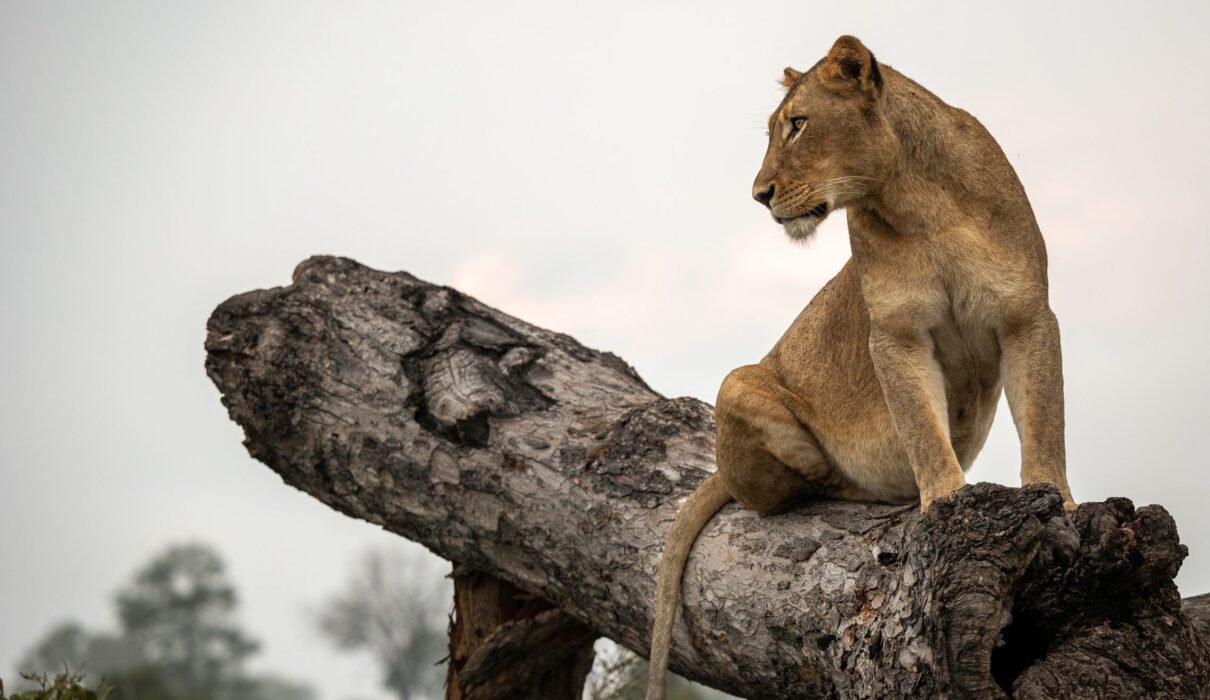
How Do Lions Hunt? The Science Behind the Stalk is one of the most fascinating topics in wildlife behavior, revealing how these iconic predators combine teamwork, patience, and precision to dominate the African savannah. Lions are not just powerful animals; they are strategic hunters that rely on calculated moves and deep social coordination to secure their prey. Understanding their hunting methods gives us a deeper appreciation of nature’s balance and the intelligence behind one of the world’s most feared carnivores.
Across Africa, especially in destinations featured by Eddy Tours Safaris, witnessing lions in action is an unforgettable experience. Observing how they stalk, chase, and capture prey in the wild brings this scientific understanding to life. This article explores the science, strategies, and secrets behind lion hunting behavior in a way that is both engaging and easy to understand.
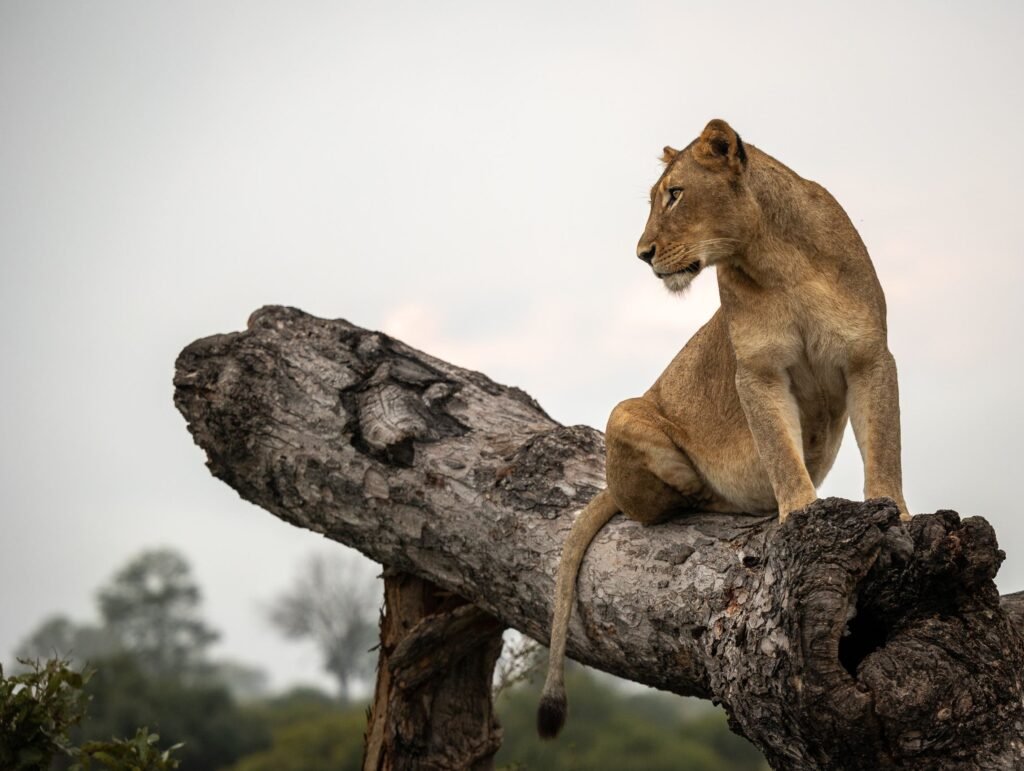
The Evolutionary Science Behind Lion Hunting
Lions have evolved over millions of years to become highly efficient hunters. Their bodies are designed for strength rather than speed, unlike cheetahs. This means they rely heavily on stealth and cooperation instead of long-distance chases. Their retractable claws, powerful jaws, and muscular limbs allow them to take down large prey such as zebras and buffalo.
Scientific studies from institutions like National Geographic and Smithsonian Institution show that lions conserve energy by hunting strategically rather than frequently. This energy-saving approach is crucial for survival in harsh environments where prey is not always available.
Their night vision is another evolutionary advantage. Lions often hunt during dusk or nighttime when visibility is low. This gives them a significant edge over prey animals that rely more on daylight vision.
Why Strength Matters More Than Speed
Unlike faster predators, lions depend on explosive bursts of power. Research from Encyclopedia Britannica highlights that lions can reach speeds of up to 50 km/h, but only for short distances. This limitation makes stealth and proximity essential before launching an attack.
How Do Lions Hunt? The Science Behind the Stalk Explained
The phrase How Do Lions Hunt? The Science Behind the Stalk perfectly describes their methodical approach. Hunting begins with observation. Lions spend hours watching potential prey, identifying the weakest or most vulnerable individual in a herd.
They then move silently through tall grass, keeping low to avoid detection. Their golden coats blend perfectly with the savannah, acting as natural camouflage. This stalking phase is critical, as getting within 20–30 meters of prey significantly increases their chances of success.
Experts from World Wildlife Fund explain that lions succeed in only about 20–30% of hunts, which shows how challenging the process is despite their strength.
The Role of Patience in the Stalk
Patience is everything. Lions may spend hours positioning themselves before making a move. This careful planning reduces wasted energy and increases efficiency. Observing this behavior during safaris booked through Eddy Tours Safaris offers travelers a rare glimpse into raw nature.
Teamwork: The Secret Weapon of Lionesses
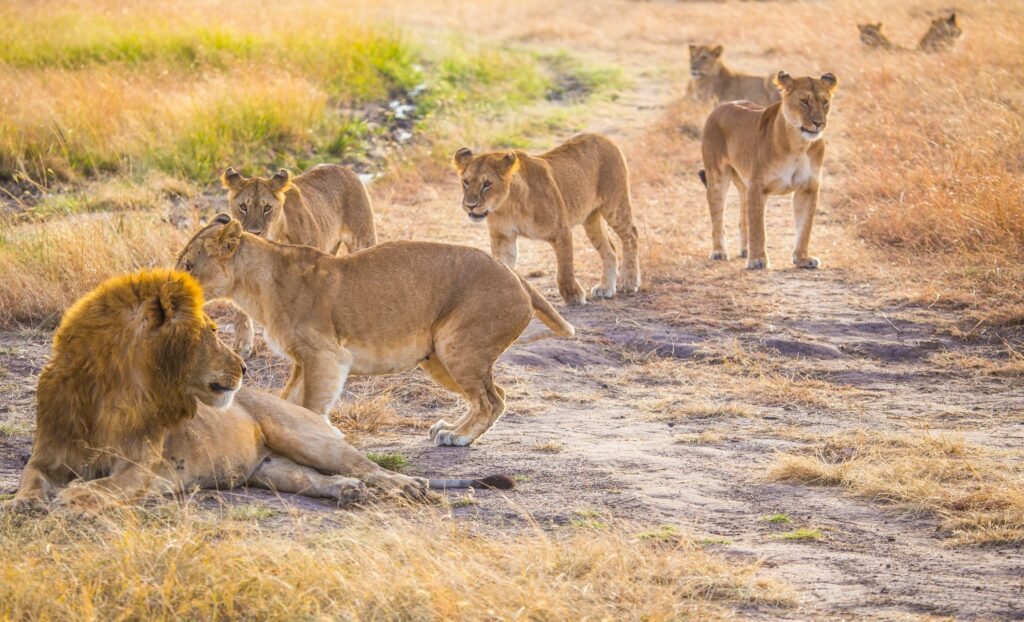
One of the most remarkable aspects of lion hunting is teamwork. Lionesses are the primary hunters and work together in coordinated groups. Each member plays a specific role, such as flanking, chasing, or ambushing.
Studies from Nature Research show that cooperative hunting significantly increases success rates. By surrounding prey, lions reduce escape routes and create confusion within the herd.
Division of Roles During a Hunt
Some lionesses act as “drivers,” pushing prey toward others hidden in ambush. This level of coordination is rare among big cats and highlights their social intelligence. Observing such behavior in the wild, especially through guided tours from Eddy Tours Safaris, can be truly eye-opening.
The Final Attack: Speed, Power, and Precision
Once lions are close enough, the attack begins with a sudden burst of speed. The goal is to knock the prey off balance quickly. Lions typically aim for the neck or throat, using their powerful jaws to suffocate the animal.
Research from ScienceDaily explains that this method minimizes risk of injury to the lion. A single kick from a large herbivore can be deadly, so precision is essential.
Why the Throat Bite Is Effective
The throat bite cuts off airflow, leading to a quick and efficient kill. This reduces struggle and ensures the safety of the hunting group. It’s a technique refined over thousands of years of evolution.
Environmental Factors That Influence Lion Hunting
Weather, terrain, and prey availability all impact how lions hunt. During the dry season, prey gathers near water sources, making hunting easier. In contrast, the wet season spreads animals out, requiring more effort.
Organizations like IUCN emphasize how environmental changes affect predator-prey dynamics. Climate shifts can alter migration patterns, directly influencing lion hunting strategies.
The Impact of Habitat on Hunting Success
Open plains favor group hunting, while dense vegetation allows for more ambush tactics. Each environment demands a slightly different approach, showcasing the adaptability of lions.
How Do Lions Hunt? The Science Behind the Stalk in Modern Research
Modern technology has allowed scientists to study lions in greater detail. GPS tracking and motion sensors provide insights into movement patterns and hunting success rates.
Institutions like University of Oxford and Harvard University have contributed to understanding how lions adapt to changing environments.
This research helps conservationists protect lion populations by identifying critical habitats and behaviors.
The Role of Cubs and Learning to Hunt
Lion cubs learn hunting skills by observing adults. Play behavior mimics real hunting scenarios, helping them develop coordination and timing.
According to African Wildlife Foundation, this learning phase is crucial for survival. Cubs that fail to learn effective hunting techniques have lower chances of reaching adulthood.
Human Interaction and Its Impact on Lion Hunting
Human activities such as habitat destruction and poaching have affected lion populations. Reduced prey availability forces lions to adapt, sometimes leading to conflicts with humans.
Efforts by UN Environment Programme and Conservation International aim to protect ecosystems and ensure sustainable coexistence.
Responsible tourism, like that promoted by Eddy Tours Safaris, plays a key role in conservation by supporting local communities and wildlife protection initiatives.
Why Observing Lion Hunts Is a Must-Experience Safari Moment
Watching lions hunt in the wild is one of the most thrilling experiences a traveler can have. It combines suspense, beauty, and raw nature in a single moment.
Safari experts often recommend destinations like the Serengeti and Ngorongoro Crater, where lion populations are strong. Planning your journey with Eddy Tours Safaris ensures you have the best chance of witnessing this incredible behavior.
Frequently Asked Questions (FAQs)
1. How do lions choose their prey?
Lions usually target weak, injured, or young animals to increase their chances of success.
2. Do male lions hunt?
Male lions can hunt, but lionesses do most of the hunting due to their agility and teamwork.
3. How successful are lion hunts?
On average, lions succeed in about 20–30% of their hunting attempts.
4. When do lions hunt most often?
Lions typically hunt at night or during early morning and evening hours.
5. Why do lions hunt in groups?
Group hunting increases success rates and allows them to take down larger prey.
6. Can lions hunt alone?
Yes, but solo hunts are less successful compared to group efforts.
Conclusion: The Intelligence Behind the Hunt
How Do Lions Hunt? The Science Behind the Stalk reveals a world of intelligence, cooperation, and survival. Lions are not just powerful predators; they are strategic thinkers that rely on teamwork and patience to thrive.
Understanding their hunting behavior deepens our respect for wildlife and highlights the importance of conservation. Experiencing this firsthand through ethical safari adventures with Eddy Tours Safaris allows travelers to connect with nature in a meaningful way.
As research continues and conservation efforts grow, the future of lions depends on our ability to protect their habitats and respect their role in the ecosystem. Their story is not just about survival—it is about balance, beauty, and the enduring power of nature.