
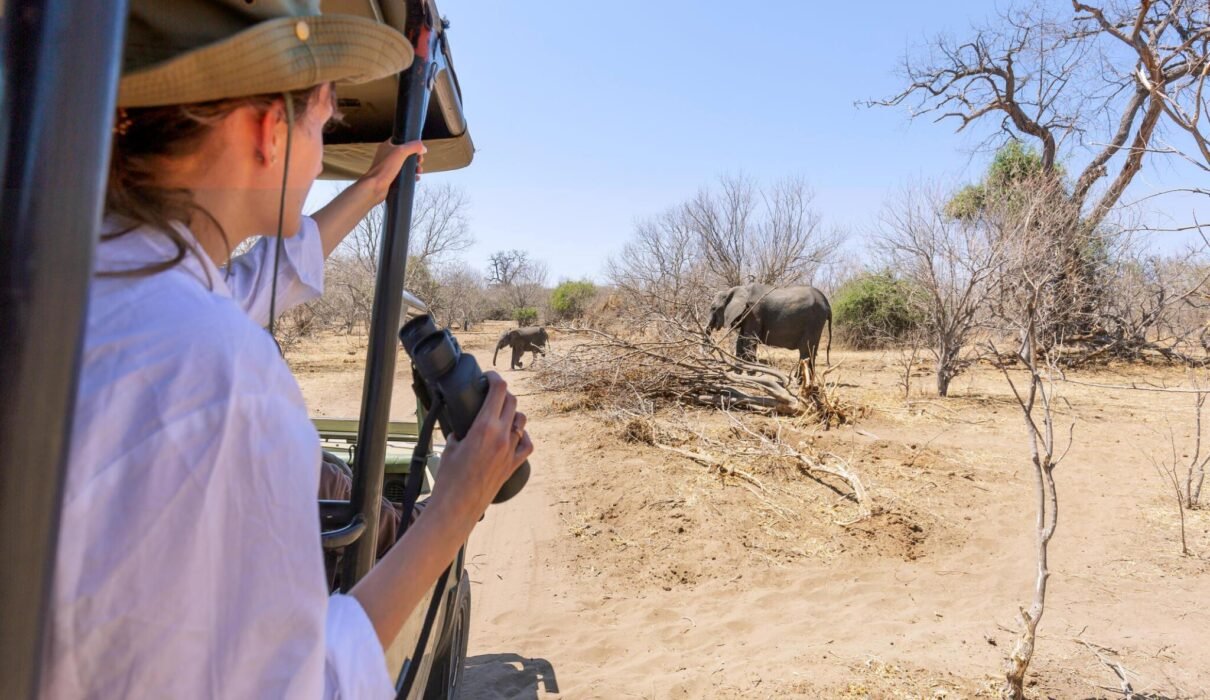
Planning a Tanzania safari is exciting, but deciding how many days to spend in the national parks can be surprisingly difficult. Some travelers have only three days available, while others want to spend two weeks exploring different wildlife destinations.
So, how long should a Tanzania safari be?
For most first-time visitors, a Tanzania safari lasting five to seven days is an excellent choice. This allows time to explore famous wildlife destinations such as Serengeti National Park, Ngorongoro Crater, and Tarangire National Park while keeping the journey manageable.
However, the ideal duration depends on what you want to experience. Travelers who want a short introduction to African wildlife can enjoy a two- or three-day safari. Those interested in the Great Wildebeest Migration, photography, remote wilderness, or a more relaxed itinerary may benefit from eight to fourteen days.
The most important consideration is not how many national parks appear on your itinerary. It is how much time you actually spend enjoying wildlife rather than traveling between destinations.
Tanzania is a large country, and its national parks cover enormous areas. Serengeti alone extends across approximately 14,763 square kilometers, meaning that reaching different wildlife regions can involve several hours of driving.
This guide explains the advantages of different safari durations, how much time to spend in each national park, sample itineraries, and how to choose the best Tanzania safari length for your holiday.
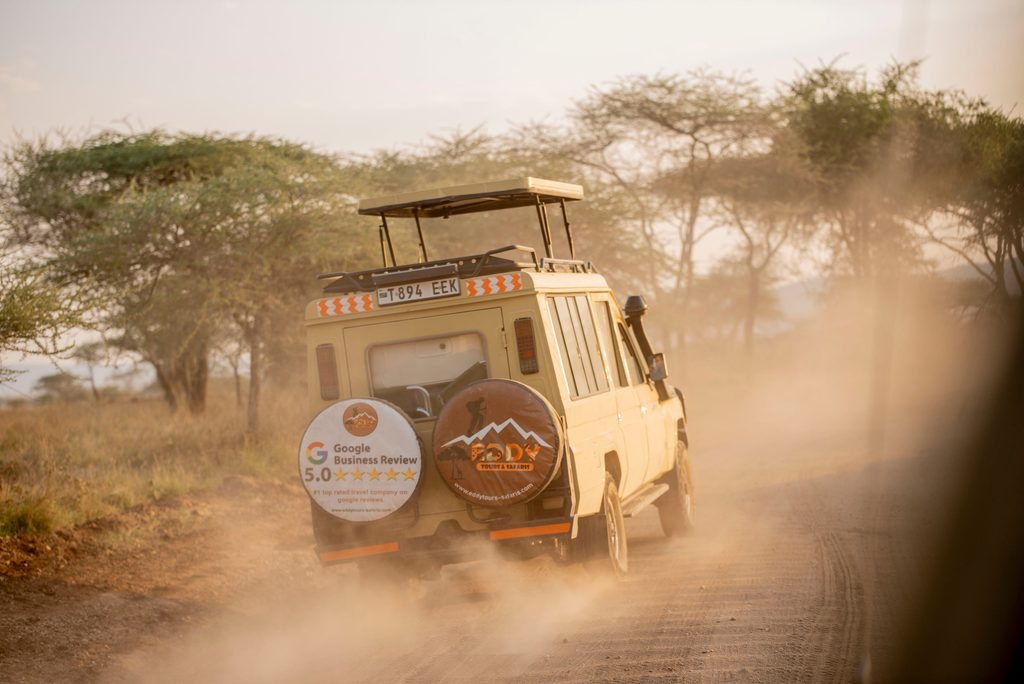
How Many Days Do You Need for a Tanzania Safari?
The ideal Tanzania safari duration depends on your travel interests, available time, and budget.
A short safari can provide excellent wildlife viewing, particularly in destinations such as Tarangire National Park and Ngorongoro Crater.
A longer safari allows you to explore the Serengeti more thoroughly, spend additional time observing animals, and avoid rushing between accommodation properties.
Tanzania Safari Duration Comparison
| Safari duration | Recommended destinations | Best suited for |
|---|---|---|
| 2 days | Tarangire and Ngorongoro, or one park with more time | Travelers with very limited time |
| 3 days | Tarangire and Ngorongoro, possibly Lake Manyara | Short wildlife holidays |
| 4 days | Selected northern parks, potentially including Serengeti | Travelers with limited time who accept longer drives |
| 5 days | Tarangire, Serengeti and Ngorongoro | First-time visitors on a tighter schedule |
| 6–7 days | Serengeti, Ngorongoro and Tarangire | Most first-time safari travelers |
| 8–10 days | Extended Serengeti and additional parks | Wildlife enthusiasts and photographers |
| 11–14 days | Multiple regions or safari combined with Zanzibar | Travelers seeking a longer holiday |
These are suggested itineraries rather than fixed rules. Flight arrangements, accommodation locations, and travel seasons can change what is practical.
Is a Two-Day Tanzania Safari Worth It?
Yes. A two-day Tanzania safari can be worthwhile if your holiday schedule is limited.
Although two days are not enough to explore the entire northern safari circuit, you can still enjoy rewarding wildlife experiences.
The most practical option is usually to focus on parks relatively close to Arusha.
Two Days in Tarangire and Ngorongoro
A common short itinerary begins with Tarangire National Park.
Tarangire is known for its elephants, baobab trees, and seasonal wildlife concentrations around the Tarangire River.
On the second day, travelers visit Ngorongoro Crater, where lions, buffaloes, zebras, wildebeest, hippos, and other animals may be encountered.
After the crater visit, the journey continues back toward Arusha.
This itinerary involves substantial driving but provides two very different wildlife environments.
Who Should Choose a Two-Day Safari?
A two-day safari may suit travelers visiting Tanzania for business, people who have recently completed a Kilimanjaro climb, or visitors adding a short wildlife experience to another holiday.
However, it is not ideal for travelers who want to spend several days in the Serengeti.
Is Three Days Enough for a Tanzania Safari?
Three days can provide a rewarding introduction to Tanzania’s wildlife.
It is particularly suitable for travelers who want to visit two or three northern destinations without committing to a longer expedition.
Recommended Three-Day Tanzania Safari
Day 1: Arusha to Tarangire National Park
Travel to Tarangire for a game drive among baobab trees, river habitats, and elephant populations. Spend the night in or near the park.
Day 2: Tarangire to Ngorongoro Highlands
Enjoy additional wildlife viewing where practical, then travel toward the Ngorongoro highlands. Depending on the itinerary, a visit to Lake Manyara may be possible, but including too many activities can make the day rushed.
Day 3: Ngorongoro Crater and Return to Arusha
Descend into Ngorongoro Crater for a wildlife drive before returning to Arusha.
Can You Visit Serengeti in Three Days?
It is possible to arrange a three-day Serengeti safari, particularly with domestic flights.
However, a three-day road safari from Arusha that includes Serengeti may involve considerable travel time.
For most travelers, a short itinerary focused on closer parks offers better value than spending much of the holiday driving to and from Serengeti.
Four-Day Tanzania Safari: A Shorter Northern Circuit Adventure
A four-day Tanzania safari gives you more flexibility than a two- or three-day trip.
It can include several major wildlife destinations, although time in the Serengeti may remain limited.
Sample Four-Day Safari
Day 1: Arusha to Tarangire National Park for wildlife viewing.
Day 2: Travel toward Serengeti National Park, with wildlife viewing where practical.
Day 3: Full-day game drive in Serengeti.
Day 4: Return toward Arusha, potentially via the Ngorongoro highlands.
This is a demanding road itinerary, and including a proper Ngorongoro Crater descent may require changing the schedule or adding another day.
Travelers who want a more relaxed four-day safari may be better served by focusing on Tarangire, Lake Manyara, and Ngorongoro.
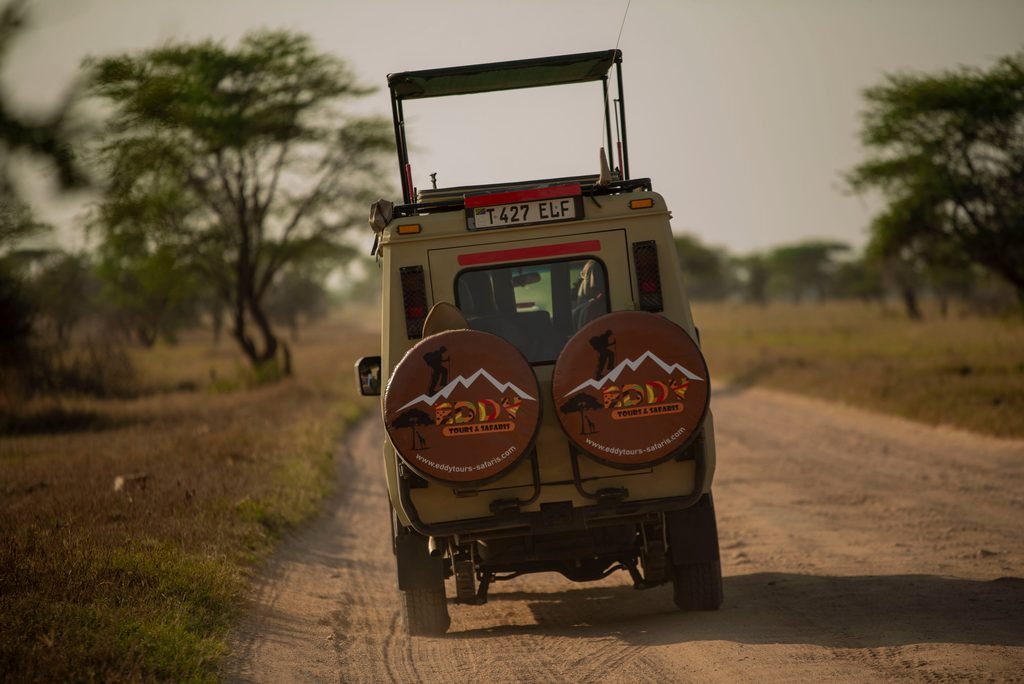
Why Five Days Is a Good Tanzania Safari Duration
Five days is a practical choice for travelers who want to experience the major northern wildlife destinations but cannot spend a full week on safari.
It is possible to combine Tarangire, Serengeti, and Ngorongoro Crater in five days.
However, careful route planning is important.
Sample Five-Day Tanzania Safari Itinerary
Day 1: Arusha to Tarangire National Park
Begin with a game drive in Tarangire, where elephants, giraffes, zebras, and other wildlife may be encountered.
Day 2: Tarangire Area to Serengeti National Park
Travel through the Ngorongoro highlands toward Serengeti. Depending on departure time and road conditions, enjoy wildlife viewing during the journey.
Day 3: Full Day in Serengeti
Spend the day exploring the Serengeti plains and searching for resident wildlife.
Day 4: Serengeti to Ngorongoro Highlands
Enjoy morning wildlife viewing before traveling toward Ngorongoro.
Day 5: Ngorongoro Crater and Return to Arusha
Descend into the crater for a wildlife drive before returning to Arusha.
Is Five Days Enough for Serengeti?
Five days can be enough to include Serengeti as part of a broader northern Tanzania safari.
However, you may have only one full day in the park.
If Serengeti is your main priority, consider adding more days or using a domestic flight to reduce road travel.
Six to Seven Days: The Ideal Tanzania Safari for Most Travelers
For many first-time visitors, six or seven days provides the best balance between wildlife viewing, travel time, and overall cost.
This duration allows you to visit Tarangire, Ngorongoro, and Serengeti without compressing every activity into a short schedule.
A seven-day itinerary can also provide two or three nights in Serengeti, depending on how the journey is organized.
Sample Seven-Day Tanzania Safari Itinerary
| Day | Destination | Main activity |
|---|---|---|
| Day 1 | Arusha to Tarangire | Afternoon wildlife drive |
| Day 2 | Tarangire to Karatu | Morning wildlife viewing and transfer |
| Day 3 | Ngorongoro Crater | Crater game drive and overnight near the highlands |
| Day 4 | Serengeti National Park | Travel and afternoon wildlife viewing |
| Day 5 | Serengeti National Park | Full-day game drive |
| Day 6 | Serengeti National Park | Additional wildlife viewing |
| Day 7 | Arusha | Return by arranged domestic flight or road transfer |
A road return from Serengeti can take much of the final day. Domestic flights may be preferable when time is limited.
Why Seven Days Works Well
The main advantage is having additional time in Serengeti.
Instead of rushing through the park, you can explore different habitats and spend longer at interesting sightings.
Your guide can also adjust game drives according to weather, wildlife activity, and road conditions.
Seven days is especially attractive for first-time visitors who want a well-rounded northern Tanzania safari.
Eight to Ten Days: A Better Choice for Wildlife Enthusiasts
An eight- to ten-day Tanzania safari is suitable for travelers who want more than a quick introduction to the national parks.
With additional days, you can spend more time in Serengeti, visit a second region of the park, or include destinations such as Lake Manyara and Arusha National Park.
Why Spend More Time in Serengeti?
Serengeti is enormous.
Different areas support different wildlife habitats and seasonal activities.
Central Serengeti is well known for resident wildlife and predators.
Southern Serengeti and Ndutu are important during the usual wildebeest calving period.
Northern Serengeti is popular during the seasonal Mara River migration period.
Traveling between these areas can take several hours.
A longer itinerary makes it easier to visit more than one region without rushing.
Sample Nine-Day Tanzania Safari
| Day | Destination | Experience |
|---|---|---|
| 1 | Arusha | Arrival and rest |
| 2 | Tarangire | Elephant viewing and game drive |
| 3 | Lake Manyara or Karatu | Wildlife viewing and highland scenery |
| 4 | Ngorongoro Crater | Crater safari |
| 5 | Central Serengeti | Transfer and game drive |
| 6 | Central Serengeti | Full-day wildlife viewing |
| 7 | Another Serengeti region | Seasonal wildlife exploration |
| 8 | Serengeti | Additional game drives |
| 9 | Arusha | Return transfer or flight |
The second Serengeti region should be selected according to travel dates and wildlife interests.
Eleven to Fourteen Days: Extended Tanzania Safari Holidays
A safari lasting eleven to fourteen days offers more flexibility.
You can explore several national parks at a relaxed pace or combine wildlife viewing with other experiences.
For example, a longer northern Tanzania safari might include Tarangire, Lake Manyara, Ngorongoro, and several nights in different parts of Serengeti.
Alternatively, you could focus on a southern safari involving Nyerere National Park and Ruaha National Park.
Can You Combine Northern and Southern Tanzania?
Yes, but this requires careful planning.
Northern and southern safari regions are separated by considerable distances.
Domestic flights are often more practical than attempting to drive between them.
For travelers with only seven days, concentrating on one region usually produces a better experience.
Adding Zanzibar to Your Safari
Another option is to spend six or seven days on safari followed by four or five nights in Zanzibar.
This provides a combination of wildlife viewing and beach relaxation.
The total holiday may last eleven to fourteen days, even though the wildlife safari itself occupies only part of the trip.
How Many Days Should You Spend in Each Tanzania National Park?
The ideal number of days varies by destination.
Some parks are suitable for a day visit, while others deserve several nights.
Serengeti National Park: Three to Five Days
Serengeti is one of Tanzania’s largest and most important wildlife destinations.
For travelers who want meaningful wildlife viewing, two or three nights is a practical minimum.
Three to five days is preferable when Serengeti is the main focus of the holiday.
A longer stay is particularly valuable for wildlife photographers and travelers interested in the Great Migration.
Ngorongoro Crater: One Day
For most visitors, one crater descent provides an excellent introduction to Ngorongoro’s wildlife.
The crater contains grassland, wetlands, and woodland habitats within a dramatic volcanic setting.
Additional time in the wider Ngorongoro Conservation Area can be worthwhile for cultural and highland experiences.
Tarangire National Park: One to Two Days
Tarangire is particularly attractive during the dry season, when many animals gather around remaining water sources.
One day can provide rewarding wildlife viewing.
Two days allows more time to explore different areas of the park.
Lake Manyara National Park: Half a Day to One Day
Lake Manyara is known for its diverse habitats, birdlife, forest areas, and wildlife.
A half-day or full-day visit is commonly included in northern safari itineraries.
Arusha National Park: One Day
Arusha National Park is suitable for a day excursion from Arusha.
It offers forest scenery, Mount Meru views, giraffes, monkeys, and authorized walking activities.
Nyerere National Park: Three to Four Days
Nyerere offers extensive wilderness habitats and opportunities for varied safari experiences in authorized areas.
Several days allow visitors to explore its river systems and wildlife environments.
Ruaha National Park: Three to Four Days
Ruaha is known for its rugged landscapes, baobab woodland, and large mammals.
Its size and remote setting make a multi-day stay particularly worthwhile.
How Long Should a Great Wildebeest Migration Safari Be?
A Great Migration safari generally benefits from more time than a short wildlife holiday.
The migration is a continuous seasonal movement of animals through the Serengeti-Mara ecosystem.
Its exact location changes with rainfall and grazing conditions.
Calving Season Safari
January and February are commonly associated with wildebeest calving in the Southern Serengeti and Ndutu area.
A five- to seven-day safari can combine this region with other northern destinations.
For travelers focused mainly on calving and predator activity, spending several nights near Ndutu is advisable.
Mara River Crossing Safari
July through October is the usual period when many migration herds may occupy Northern Serengeti.
However, river crossings are unpredictable.
Animals may gather near the river for extended periods without crossing.
For this reason, travelers interested in river crossings should consider spending at least three or four nights in the relevant northern region when possible.
Even with additional time, a crossing cannot be guaranteed.
Is a Three-Day Migration Safari Enough?
A short fly-in safari may provide opportunities to encounter migration herds if the itinerary is well timed.
However, three days offers less flexibility if wildlife movements or weather conditions differ from expectations.
For migration-focused travel, five to eight days is generally a more practical planning range.
How Long Should a Tanzania Safari Be for Families?
Family safaris should balance wildlife viewing with rest, comfort, and manageable driving times.
Young children may become tired during long game drives or extended road transfers.
For many families, a five- to seven-day safari is a suitable starting point.
Tips for Planning a Family Safari
Choose accommodation with appropriate family facilities.
Avoid changing lodges every night.
Include breaks between long game drives.
Consider a private safari vehicle for greater flexibility.
Check age restrictions for activities and accommodation before booking.
Families traveling with younger children may prefer Tarangire, Lake Manyara, and Ngorongoro rather than a rushed itinerary covering many distant destinations.
How Long Should a Tanzania Honeymoon Safari Be?
A honeymoon safari should provide enough time for wildlife viewing without making every day feel rushed.
Six to eight safari days can work well for couples who want to experience Serengeti, Ngorongoro, and another northern park.
Travelers may then add several nights in Zanzibar.
Sample Tanzania Honeymoon Holiday
Days 1–2: Tarangire and Ngorongoro highlands.
Days 3–6: Serengeti wildlife safari.
Days 7–11: Zanzibar beach holiday.
The exact itinerary can be adjusted according to accommodation preferences and flight arrangements.
How Long Should a Photography Safari Be?
Wildlife photographers often benefit from longer stays in fewer destinations.
A ten-day itinerary focused on two or three areas may provide better opportunities than a trip attempting to cover six national parks.
Photography requires patience.
A leopard may remain hidden for hours.
Lions may spend much of the day resting.
A herd may move into better light only after a long wait.
Additional days provide more opportunities to observe behavior and respond to changing conditions.
For serious wildlife photography, eight to twelve days is a useful planning range.
Private safari vehicles can also provide greater flexibility over stopping locations and time spent at sightings.
Does the Best Safari Length Depend on the Season?
Yes.
Seasonal wildlife distribution can influence where you should travel and how long you should stay.
January to February
The Southern Serengeti and Ndutu region is particularly important during the usual wildebeest calving season.
Travelers may choose to spend additional nights in this area.
March to May
The long rains can create green landscapes and rewarding birdwatching opportunities.
However, some roads may become difficult, and certain seasonal camps may close.
Travel arrangements should allow flexibility.
June to October
The dry season is popular for wildlife viewing.
Tarangire can be especially rewarding, while Northern Serengeti becomes important during the usual migration period.
November to December
The short rains bring fresh vegetation to many areas.
Wildlife distribution may change as water and grazing become more widely available.
These patterns are typical rather than guaranteed.
Does Safari Travel Time Affect How Many Days You Need?
Yes. This is one of the most important factors when planning a Tanzania safari.
A destination may appear relatively close on a map but require several hours of driving.
National park roads are often unpaved, and wildlife viewing involves slower travel.
Stops for park entry procedures, photography, meals, and rest can extend journey times.
Typical Northern Tanzania Travel Times
| Journey | Approximate driving time |
|---|---|
| Arusha to Tarangire | 2–3 hours |
| Arusha to Ngorongoro highlands | 3–4 hours |
| Arusha to Central Serengeti | 6–9 hours |
| Ngorongoro highlands to Central Serengeti | 3–5 hours |
| Central Serengeti to Northern Serengeti | 3–5 hours or longer |
These are broad planning estimates. Actual travel time depends on the exact lodges, route, weather, road conditions, and stops.
Should You Use Domestic Flights?
Domestic flights can reduce long road journeys, particularly when visiting Serengeti.
A fly-in safari may be attractive for travelers with limited time, families, or visitors seeking greater comfort.
However, flights increase costs and may involve baggage restrictions and schedule changes.
The best transport arrangement depends on your budget and itinerary.
How Does Safari Duration Affect the Price?
Longer safaris generally cost more because they require additional accommodation, meals, park visits, guide services, vehicle use, and other operating expenses.
However, a shorter safari is not always better value.
A three-day itinerary involving extensive driving may provide less actual wildlife-viewing time than a slightly longer trip.
Main Factors Affecting Safari Cost
Accommodation category is one of the largest influences.
Camping, mid-range lodges, and luxury tented camps have different prices.
Group size also matters because private vehicle and guide costs can be shared among travelers.
Other important factors include travel season, national park charges, domestic flights, and the number of nights spent inside premium wildlife areas.
For 2027 travel, request a current quotation based on your dates rather than relying on old published prices.
Common Mistakes When Choosing a Tanzania Safari Duration
Trying to Visit Too Many Parks
A long list of destinations may look impressive, but it can result in excessive driving and limited time for wildlife viewing.
Spending Only One Night in Serengeti
One night provides very little time in such a large national park, especially when arriving and departing by road.
Ignoring Arrival and Departure Days
International arrival days should not automatically be treated as full safari days.
Flight delays, airport transfers, and travel fatigue can affect the schedule.
Choosing the Shortest Migration Itinerary
Migration movements are unpredictable.
Allowing more time in the appropriate region improves flexibility but does not guarantee particular sightings.
Forgetting About Rest
Early departures, long game drives, and changing accommodation can become tiring.
A good safari itinerary should balance wildlife activities with adequate rest.
How to Choose Your Ideal Tanzania Safari Duration
Begin by identifying your main reason for visiting Tanzania.
If your priority is seeing elephants, lions, giraffes, and other familiar wildlife, a shorter northern circuit safari may be sufficient.
If you want to spend meaningful time in Serengeti, consider six or seven days.
If you are particularly interested in the Great Migration, photography, or remote wilderness, a longer itinerary may be worthwhile.
Also consider whether you want to combine the safari with Kilimanjaro or Zanzibar.
Your overall holiday duration should include international travel, airport transfers, and any rest days required.
The best itinerary is one that gives you enough time to enjoy the destinations you have chosen.
Frequently Asked Questions About Tanzania Safari Duration
How many days are enough for a Tanzania safari?
Five to seven days is generally a good duration for first-time visitors who want to explore Serengeti, Ngorongoro, and Tarangire.
Is three days enough for a Tanzania safari?
Yes. Three days can provide rewarding wildlife viewing, particularly in Tarangire and Ngorongoro. However, it is usually too short for a relaxed road safari including Serengeti.
Is five days enough for Serengeti and Ngorongoro?
Yes. A five-day itinerary can include both destinations, although travel time limits the number of full wildlife-viewing days.
Is seven days too long for a Tanzania safari?
No. Seven days is a practical duration for a well-rounded northern Tanzania safari.
How many days should I spend in Serengeti?
Three to five days is a good choice for travelers who want substantial wildlife-viewing time. Shorter stays are possible.
How many days do I need for Ngorongoro Crater?
One crater descent is generally sufficient for most first-time visitors.
Can I do a Tanzania safari in two days?
Yes. Short safaris commonly focus on parks near Arusha, particularly Tarangire and Ngorongoro.
How long should a Great Migration safari last?
Five to eight days is a useful planning range, with several nights in the Serengeti region most relevant to your travel dates.
How long should a Tanzania safari and Zanzibar holiday be?
Ten to fourteen days can provide a good balance between wildlife viewing and beach relaxation.
Is a longer safari always better?
Not necessarily. A focused five-day safari can be more rewarding than a poorly planned ten-day itinerary involving excessive travel.
What is the best safari duration for families?
Five to seven days often works well, especially when accommodation changes and driving times are kept manageable.
Should I choose a road safari or fly-in safari?
Road safaris allow travelers to experience landscapes between destinations, while fly-in safaris can reduce transfer time. The best choice depends on budget and available days.
Can I combine Kilimanjaro climbing with a safari?
Yes. Many travelers combine a Kilimanjaro climb with a three- to five-day safari. Allow additional time for rest and travel arrangements.
How early should I book a Tanzania safari?
Booking several months in advance is advisable for popular travel periods, particularly when seeking specific lodges or migration-region accommodation.
What Is the Best Tanzania Safari Length Overall?
For most first-time visitors, a six- or seven-day Tanzania safari is the strongest all-round choice.
It provides time to visit several major wildlife destinations while allowing more meaningful wildlife viewing than a very short itinerary.
A five-day safari is a good alternative for travelers with limited time.
Eight to ten days is preferable for visitors who want a slower pace, additional Serengeti nights, or more photography opportunities.
Longer itineraries are suitable for travelers combining different safari regions or adding Zanzibar and other experiences.
Rather than choosing the itinerary with the greatest number of destinations, focus on the quality of time spent in each location.
A carefully planned safari gives you the opportunity to enjoy Tanzania’s landscapes, observe wildlife behavior, and travel without unnecessary pressure.
Plan Your Tanzania Safari with Eddy Tours and Safaris
Are you trying to decide how many days to spend on safari in Tanzania?
Eddy Tours and Safaris can help you explore short wildlife holidays, classic northern circuit itineraries, Great Migration safaris, and longer Tanzania travel experiences.
Whether you have three days, five days, seven days, or two weeks, our team can discuss suitable destinations, accommodation preferences, travel arrangements, and safari activities.
You can also combine your wildlife safari with Mount Kilimanjaro climbing or a Zanzibar beach holiday.
Visit Eddy Tours and Safaris to explore our Tanzania travel services.
For a personalized itinerary and quotation, contact us through our official contact page.
Email: sales@eddytours-safaris.com
WhatsApp: +255 711 906 664
Contact Eddy Tours and Safaris to plan a Tanzania safari that matches your available time, budget, and wildlife interests.