
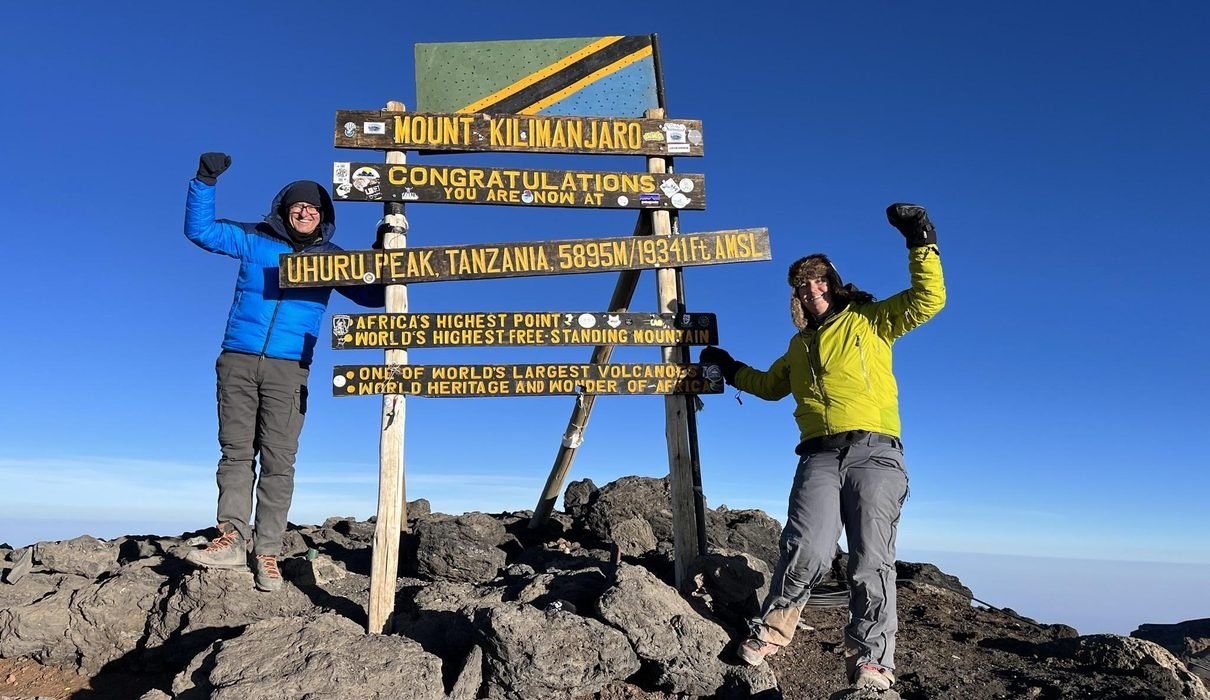
Climbing Mount Kilimanjaro usually takes between 5 and 9 days, depending on the route you choose and the time allowed for acclimatization. Some climbers complete shorter itineraries, while others prefer spending eight or nine days on the mountain to adjust gradually to the altitude. For most first-time climbers, a seven- or eight-day itinerary is a sensible option because it provides more time to prepare for the final ascent to Uhuru Peak.
Mount Kilimanjaro is located in northern Tanzania and stands at 5,895 metres (19,341 feet) above sea level. It is Africa’s highest mountain and attracts thousands of travelers who want to experience the challenge of reaching its summit. Unlike mountains that require technical climbing equipment on their standard routes, Kilimanjaro can be climbed through established trekking trails. However, the journey is physically demanding, and the high altitude presents challenges that should never be underestimated.
One of the first questions travelers ask when planning their trip is how many days they need to climb Kilimanjaro. The answer depends on several factors, including the selected route, physical preparation, previous hiking experience, and available travel time. Most importantly, the duration determines how much time your body has to adjust to the reduced oxygen availability at higher elevations.
At Eddy Tours & Safaris, we help travelers plan Kilimanjaro climbing expeditions based on their experience, preferred routes, and travel schedules. This guide explains how long each Kilimanjaro route takes, why additional days matter, what to expect during the climb, and how to choose a suitable itinerary for 2027 and 2028.

How Many Days Do You Need to Climb Kilimanjaro?
Most Kilimanjaro climbing packages range from five to nine trekking days, including the ascent and descent. Marangu offers some of the shortest established itineraries, while the Northern Circuit usually takes eight or nine days. Machame, Lemosho, and Rongai fall between these options, depending on the specific schedule.
Although it is possible to reach the summit on a shorter itinerary, climbing quickly gives the body less time to adjust to altitude. This can increase the risk of altitude sickness and make the expedition more difficult. For this reason, travelers should avoid choosing a route simply because it offers the fastest journey to the summit.
The following table compares the typical duration of Kilimanjaro’s main climbing routes.
| Kilimanjaro route | Typical duration | Accommodation | Recommended itinerary |
|---|---|---|---|
| Marangu Route | 5–6 days | Mountain huts | 6 days |
| Machame Route | 6–7 days | Camping | 7 days |
| Lemosho Route | 7–8 days | Camping | 8 days |
| Rongai Route | 6–8 days | Camping | 7–8 days |
| Northern Circuit | 8–9 days | Camping | 9 days |
| Umbwe Route | 5–7 days | Camping | Longer itineraries for experienced hikers |
| Shira Route | 7–8 days | Camping | 8 days with careful altitude planning |
These durations represent common trekking arrangements. Some operators offer alternative schedules, and the exact number of days should be confirmed before booking.

1. Marangu Route: 5 to 6 Days
The Marangu Route is one of Kilimanjaro’s oldest and best-known climbing trails. Often called the Coca-Cola Route, it approaches the mountain from the southeastern side and is particularly popular because climbers sleep in permanent mountain huts rather than tents. The route passes through rainforest, moorland, and alpine desert before reaching Kibo Hut, where the final summit attempt begins.
The five-day Marangu itinerary is among the shortest ways to climb Kilimanjaro. However, it provides limited time for acclimatization because climbers gain considerable elevation over a relatively short period. The six-day version includes an additional day around Horombo Hut, allowing more time to adjust before continuing toward Kibo. This makes the six-day option generally preferable for travelers considering Marangu.
Despite its reputation as an easier route, Marangu should not be underestimated. The final ascent from Kibo Hut toward Gilman’s Point and Uhuru Peak is steep and physically demanding. Travelers who prefer mountain huts may find Marangu attractive, but they should understand that comfortable accommodation does not eliminate the challenges of high-altitude trekking.
Recommended duration: 6 days.
2. Machame Route: 6 to 7 Days
Machame is one of the most popular routes on Mount Kilimanjaro. Known as the Whiskey Route, it approaches the mountain from the southwest and passes through several different landscapes, including rainforest, the Shira Plateau, Lava Tower, Barranco Valley, and the rocky slopes beneath Barafu Camp. Its changing scenery makes it particularly appealing to travelers who enjoy varied trekking environments.
The six-day Machame itinerary is physically demanding because climbers travel from Barranco Camp through Karanga Valley to Barafu Camp in one long day. After reaching Barafu, they have only a limited period to rest before beginning the summit attempt, usually around midnight. This compressed schedule can be challenging, especially for travelers who have never experienced high-altitude trekking.
The seven-day Machame itinerary includes an overnight stay at Karanga Camp, dividing the journey from Barranco to Barafu into two stages. This additional day allows more time for acclimatization and recovery before summit night. For many first-time climbers, seven days is a better option than attempting the shorter six-day schedule.
If you are considering this route, explore the Machame Route climbing guide to understand the mountain camps, daily trekking stages, and preparation required.
Recommended duration: 7 days.
3. Lemosho Route: 7 to 8 Days
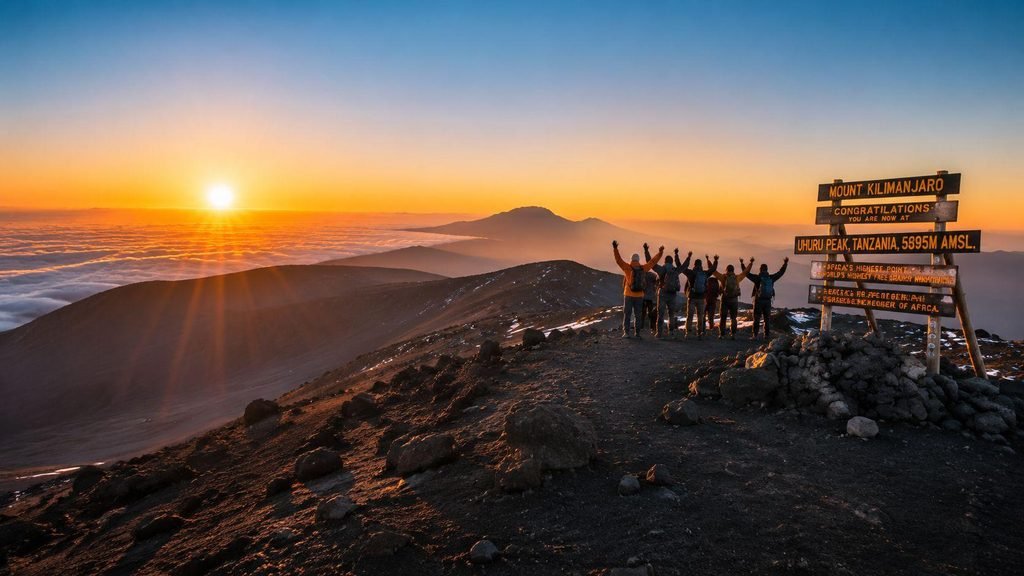
The Lemosho Route is an excellent choice for travelers who want to spend more time on Kilimanjaro while enjoying varied mountain scenery. The route begins on the western side of the mountain, passing through rainforest before reaching the Shira Plateau. From there, climbers continue toward Lava Tower, Barranco Camp, Karanga, and Barafu before attempting the summit.
One of Lemosho’s main advantages is its longer itinerary. The eight-day schedule allows climbers to approach the higher elevations more gradually than many shorter routes. This gives the body additional time to adjust to altitude and can make the overall experience more manageable. The route also offers impressive views across Kilimanjaro’s western slopes and volcanic landscapes.
The seven-day Lemosho itinerary is available for travelers with limited time, but the eight-day version is generally preferable for those who want additional acclimatization opportunities. Although the longer itinerary involves more time on the mountain, it does not necessarily mean that each day is harder. In many cases, the extra time helps divide the journey into more manageable stages.
Recommended duration: 8 days.
4. Rongai Route: 6 to 8 Days
The Rongai Route approaches Mount Kilimanjaro from the northern side, close to the border between Tanzania and Kenya. It is known for its relatively quiet early stages and different views of the mountain. The trail passes through forest, moorland, and the landscapes surrounding Mawenzi before crossing the Saddle toward Kibo Hut.
Rongai itineraries commonly take six or seven days, although some operators offer eight-day versions with additional acclimatization time. The longer schedules are particularly useful because they allow climbers to spend more time at intermediate elevations before reaching Kibo. Some itineraries include an additional day near Mawenzi Tarn, where climbers can take a short acclimatization walk before continuing.
The route is often considered suitable for travelers who prefer a quieter approach, but its final summit ascent remains demanding. Climbers normally attempt the summit from Kibo Hut, ascending toward Gilman’s Point before continuing along the crater rim to Uhuru Peak. The steep upper slopes, cold temperatures, and high altitude make this stage challenging regardless of the number of days spent on the mountain.
Recommended duration: 7 to 8 days.
5. Northern Circuit Route: 8 to 9 Days
The Northern Circuit is one of Kilimanjaro’s longest established trekking routes. It generally begins on the western side of the mountain before continuing around the quieter northern slopes of Kibo. The journey offers extensive mountain scenery and provides an opportunity to experience areas that receive fewer visitors than the main southern routes.
The nine-day Northern Circuit is particularly attractive because it allows more time for acclimatization. Instead of gaining elevation quickly, climbers follow a longer itinerary that includes several nights at intermediate elevations. This can help the body adjust more gradually, although individual responses to altitude still vary.
For travelers who have enough time and want to prioritize acclimatization, the nine-day Northern Circuit is one of the strongest routes to consider. However, the expedition still requires good physical preparation because climbers walk for many consecutive days and must complete a demanding summit ascent.
Recommended duration: 9 days.
6. Umbwe Route: 5 to 7 Days
The Umbwe Route is one of the steepest and most direct approaches to Mount Kilimanjaro. It begins on the southern side of the mountain and climbs rapidly through rainforest and along a narrow ridge before reaching Barranco Camp. From there, the route generally joins the southern circuit toward Karanga, Barafu, and the summit.
Umbwe is particularly demanding because climbers gain elevation quickly during the early stages. Some operators offer five-day itineraries, but these provide very limited time for acclimatization. Even physically strong hikers may experience altitude-related problems because the body needs time to adjust to the reduced oxygen availability at higher elevations.
For this reason, Umbwe is generally more appropriate for experienced trekkers who understand the challenges of steep mountain terrain and high altitude. Travelers considering the route should compare longer itineraries and discuss their previous mountain experience with their operator before making a decision.
Recommended duration: Consider 6 to 7 days or a longer suitable alternative rather than a compressed five-day climb.
7. Shira Route: 7 to 8 Days
The Shira Route approaches Kilimanjaro from the western side and begins at a relatively high elevation on the Shira Plateau. It shares parts of its upper itinerary with Lemosho and other western approaches, including the journey toward Lava Tower, Barranco, and the southern circuit.
The high starting elevation is an important consideration because travelers arriving directly from lower altitudes may have little time to adjust before beginning the trek. This can increase the risk of altitude-related symptoms during the early stages. Although the route offers impressive scenery, it requires careful planning and may not be the best starting point for climbers without previous altitude exposure.
For many first-time climbers, Lemosho is a more practical western approach because it begins lower and allows a more gradual ascent. Travelers interested in Shira should discuss their previous altitude experience and the complete itinerary before booking.
Recommended duration: 7 to 8 days, with careful acclimatization planning.

Why Does Spending More Days on Kilimanjaro Matter?
The main reason to choose a longer Kilimanjaro itinerary is acclimatization. As you climb higher, atmospheric pressure decreases, reducing the amount of oxygen available to your body. This makes physical activity more demanding and can cause altitude-related symptoms, including headaches, nausea, dizziness, unusual tiredness, and difficulty sleeping.
The body needs time to adjust to these conditions. A gradual ascent with suitable overnight elevations gives climbers a better opportunity to acclimatize than a rapid climb. Longer itineraries may include additional nights at intermediate camps or stages where climbers walk to a higher elevation before returning to sleep lower.
However, spending more days on the mountain does not guarantee reaching the summit. Altitude illness can affect climbers regardless of their physical fitness, previous hiking experience, or chosen route. A responsible guide should monitor symptoms and recommend descent when necessary.
For more information about altitude-related risks, travelers can read the CDC’s High-Altitude Travel and Altitude Illness guide before planning their expedition.
Is It Better to Climb Kilimanjaro in 5, 6, 7, 8 or 9 Days?
Choosing the right number of days depends on your previous hiking experience, available travel time, physical preparation, and ability to adjust to altitude. Although shorter itineraries may appear convenient, they often involve more demanding schedules and fewer opportunities for acclimatization.
Five-Day Kilimanjaro Climb
A five-day climb is among the shortest available options and is generally not recommended for most first-time climbers. The schedule provides limited time for altitude adjustment, and climbers must complete the ascent and descent within a compressed period. Even travelers with good physical fitness may struggle with the rapid elevation gain.
Six-Day Kilimanjaro Climb
Six-day itineraries are available on routes such as Marangu and Machame. They provide slightly more time than five-day climbs but can still involve demanding stages and relatively rapid ascent. A six-day Marangu itinerary includes an extra acclimatization day compared with the five-day version, while six-day Machame remains particularly challenging before summit night.
Seven-Day Kilimanjaro Climb
Seven days is a popular choice because it provides additional time for acclimatization without requiring an especially long holiday. Routes such as Machame and Rongai offer seven-day itineraries, allowing climbers to spend more nights on the mountain before attempting the summit. For many physically prepared travelers, this duration provides a reasonable balance between time and acclimatization opportunities.
Eight-Day Kilimanjaro Climb
Eight days is an excellent option for travelers who want a more gradual climbing schedule. The eight-day Lemosho Route is particularly popular because it combines varied scenery with additional time at altitude. Longer Rongai itineraries may also include useful acclimatization stages.
Nine-Day Kilimanjaro Climb
Nine-day itineraries, especially the Northern Circuit, are suitable for travelers who have enough time and want to prioritize acclimatization. The longer journey allows climbers to experience more of Kilimanjaro while spending additional nights at intermediate elevations. Although the expedition requires more days away from home, it can offer a more gradual approach to the summit.
How Long Does It Take to Reach Uhuru Peak?
The time required to reach Uhuru Peak depends on the route and the location of the final summit camp. On Machame, Lemosho, and several other routes, climbers normally begin the summit attempt from Barafu Camp. On Marangu and Rongai, the final ascent generally begins from Kibo Hut.
Summit night often begins around midnight, although the departure time depends on the weather, group condition, and guide’s assessment. Climbers usually spend approximately six to eight hours ascending toward the summit, but some groups take longer. The journey involves steep volcanic terrain, cold temperatures, and reduced oxygen availability, making even slow walking physically demanding.
After reaching Stella Point or Gilman’s Point, climbers continue toward Uhuru Peak if their health and conditions permit. The time spent at the summit is normally limited because of the extreme altitude and cold. The descent then continues toward a lower mountain camp, often making summit day the longest and most demanding stage of the expedition.

How Many Hours Do You Walk Each Day on Kilimanjaro?
Most ordinary trekking days involve approximately four to seven hours of walking, although some stages may be shorter or considerably longer. The exact duration depends on the route, terrain, elevation gain, weather conditions, and the group’s pace.
The early stages generally pass through rainforest and moorland, where climbers gradually become familiar with the mountain routine. Higher up, the terrain becomes more exposed and rocky, while reduced oxygen availability can make walking feel harder. Guides normally encourage a slow, steady pace rather than rushing between camps.
Summit day is different from the other trekking days because it often involves twelve to sixteen hours of walking or longer, including the ascent and descent. This is why physical preparation, suitable equipment, and enough rest before the summit attempt are important.
How Many Days Should Beginners Spend on Kilimanjaro?
For many first-time climbers, seven to nine days is a sensible range to consider. Longer itineraries generally provide more time for acclimatization and allow travelers to approach the summit more gradually. However, the best choice also depends on the route’s daily elevation profile and the climber’s individual health.
The seven-day Machame Route is a popular option for physically prepared beginners who enjoy varied scenery. Eight-day Lemosho provides additional time and a gradual western approach, while nine-day Northern Circuit is attractive for travelers who want a longer expedition with quieter sections.
Beginners should avoid assuming that the easiest-looking route is necessarily the safest. Marangu, for example, offers mountain huts and some relatively gradual trail sections, but the shorter itineraries still involve significant altitude gain. Choosing sufficient acclimatization time is generally more important than selecting a route based only on its reputation.
How Long Should You Train Before Climbing Kilimanjaro?
For many first-time climbers, beginning physical preparation three to six months before departure is a practical approach. The exact training period depends on current fitness, hiking experience, and the selected route. Someone who regularly hikes in mountainous terrain may require less preparation than a traveler who rarely exercises.
Training should focus on walking endurance, leg strength, and the ability to hike on consecutive days. Regular hill walking, stair climbing, cycling, and strength exercises can help prepare your body for the demands of the mountain. Longer training hikes with a daypack are particularly useful because they allow you to practice using your equipment while building endurance.
However, physical fitness does not prevent altitude sickness. Even well-trained athletes can experience serious altitude-related symptoms. For this reason, physical training should be combined with a suitable itinerary and an understanding of the risks associated with high-altitude trekking.
How Many Days Should You Spend in Tanzania for a Kilimanjaro Climb?
The number of days required for your entire Tanzania holiday is usually greater than the number of trekking days. Travelers should allow time to arrive, rest after international travel, attend a pre-climb briefing, complete the mountain expedition, and recover before returning home.
For example, a seven-day Kilimanjaro climb may require approximately nine or ten days in Tanzania when arrival and departure arrangements are included. An eight-day climb may require ten or eleven days, while a nine-day expedition may require eleven or twelve days.
| Mountain itinerary | Suggested total time in Tanzania |
|---|---|
| 5-day climb | 7–8 days |
| 6-day climb | 8–9 days |
| 7-day climb | 9–10 days |
| 8-day climb | 10–11 days |
| 9-day climb | 11–12 days |
These are general planning estimates. Travelers with long international journeys, additional acclimatization plans, or other activities may benefit from allowing more time.
Can You Combine Kilimanjaro with a Tanzania Safari?
Yes. Many travelers combine a Kilimanjaro climb with a wildlife safari in northern Tanzania. After completing the mountain expedition, you can visit Tarangire National Park, Serengeti National Park, Ngorongoro Crater, or Lake Manyara National Park.
A three-day safari may be suitable for travelers with limited time, while a five- to seven-day itinerary allows more opportunities to explore several wildlife destinations. The Serengeti is particularly attractive for travelers interested in the Great Migration, although the location of the migrating herds changes throughout the year and wildlife sightings cannot be guaranteed.
At Eddy Tours & Safaris, travelers can request a combined Kilimanjaro climbing and Tanzania safari itinerary based on their preferred travel dates. Some visitors also choose to finish their holiday with a few relaxing days in Zanzibar after the mountain and safari experiences.
Best Time to Climb Kilimanjaro in 2027 and 2028
Mount Kilimanjaro can be climbed throughout the year, but some months generally offer more favorable trekking conditions. January to March and June to October are commonly popular because they often experience relatively drier weather. However, conditions can change quickly at high altitude, and even during popular climbing periods, travelers may encounter rain, freezing temperatures, strong winds, or poor visibility.
April and May are generally associated with heavier rainfall, which can make rainforest trails muddy and slippery. November and December may also experience seasonal rainfall, although conditions vary from year to year.
For travelers planning to climb in 2027 or 2028, choosing dates early can help with flight arrangements, physical training, and equipment preparation. However, actual package prices, park fees, and departure availability should always be confirmed before booking.
What Should You Pack for a Kilimanjaro Climb?
Packing suitable equipment is important because Kilimanjaro passes through several different climatic zones. The lower rainforest can be warm and humid, while the higher camps may experience freezing temperatures. Summit night is particularly cold, making appropriate insulation and weather protection essential.
Climbers should bring comfortable hiking boots, warm clothing, waterproof layers, thermal base layers, gloves, a hat, sunglasses, and a reliable headlamp. Trekking poles can be useful on steep descents, while a comfortable daypack allows you to carry water, snacks, rain protection, and personal essentials.
A suitable sleeping bag is also important for camping routes. Some equipment may be available for rental in Moshi, depending on supplier availability, but hiking boots should ideally be tested before departure.
How Much Does the Duration Affect Kilimanjaro Climbing Costs?
The number of days spent on Kilimanjaro affects the total cost of a climbing package. Longer itineraries generally require additional park fees, mountain crew services, meals, and accommodation arrangements. For example, an eight-day Lemosho climb will often cost more than a six-day Machame climb because it involves additional time on the mountain.
However, travelers should not choose the shortest itinerary simply to reduce costs. The extra expense of a longer route may be worthwhile when it provides additional acclimatization time and a more manageable trekking schedule.
The final price also depends on the number of travelers, the selected route, accommodation before and after the climb, airport transfers, equipment rental, and other services included in the package. For 2027 and 2028, request a detailed quotation rather than relying on estimates that may change.
Frequently Asked Questions About How Long It Takes to Climb Kilimanjaro
1. How many days does it take to climb Kilimanjaro?
Most Kilimanjaro climbing itineraries take between five and nine days, including the ascent and descent.
2. Can you climb Kilimanjaro in five days?
Yes, some routes offer five-day itineraries, but they provide limited time for acclimatization and are not recommended for most first-time climbers.
3. Is six days enough for Kilimanjaro?
Six-day itineraries are available, but a longer schedule generally provides more time for altitude adjustment.
4. Is seven days enough to climb Kilimanjaro?
Seven days can provide a reasonable schedule on routes such as Machame and Rongai, depending on the individual climber.
5. Is eight days better than seven days?
An additional day can provide more acclimatization time, although the complete elevation profile also matters.
6. What is the longest common Kilimanjaro route?
The Northern Circuit is among the longest commonly offered routes, usually taking eight or nine days.
7. Which route is the shortest?
Marangu offers one of the shortest established itineraries, commonly taking five or six days.
8. Which route is best for beginners?
Eight-day Lemosho, seven-day Machame, and nine-day Northern Circuit are strong options to consider.
9. How many hours do you walk each day?
Most ordinary trekking days involve approximately four to seven hours of walking, although some stages take longer.
10. How long does summit night take?
The complete summit ascent and descent often takes twelve to sixteen hours or longer.
11. Can I climb Kilimanjaro without experience?
Yes, standard trekking routes do not normally require technical mountaineering experience, but physical preparation is important.
12. Do I need to train before climbing?
Yes. Regular hiking, cardiovascular exercise, and strength training can help prepare your body.
13. How long should I train?
Many beginners benefit from three to six months of consistent preparation.
14. Does physical fitness prevent altitude sickness?
No. Even physically fit climbers can experience altitude illness.
15. What is acclimatization?
Acclimatization is the process through which the body adjusts to reduced oxygen availability at higher elevations.
16. Why are longer Kilimanjaro routes recommended?
Longer routes generally provide additional time for acclimatization and recovery.
17. Is Machame harder than Marangu?
Machame includes steeper sections and more varied terrain, while Marangu’s shorter itineraries can present greater acclimatization challenges.
18. How long does the Lemosho Route take?
Lemosho commonly takes seven or eight days.
19. How long does the Rongai Route take?
Rongai commonly takes six to eight days, depending on the itinerary.
20. How long does the Northern Circuit take?
The Northern Circuit commonly takes eight or nine days.
21. Can I climb Kilimanjaro during the rainy season?
Yes, but wet conditions can make trails slippery and the expedition less comfortable.
22. What is the best month to climb Kilimanjaro?
January to March and June to October are generally popular climbing periods.
23. Can I combine Kilimanjaro with a safari?
Yes. Many travelers visit Serengeti, Tarangire, Ngorongoro Crater, or Lake Manyara after the climb.
24. How many days should I stay in Tanzania?
Allow the trekking days plus additional time for arrival, briefing, recovery, and departure.
25. How do I book a Kilimanjaro climb for 2027 or 2028?
Contact Eddy Tours & Safaris with your preferred route, travel dates, and group size to request a detailed quotation.
Plan Your Kilimanjaro Climb with Eddy Tours & Safaris
The time required to climb Mount Kilimanjaro depends mainly on your chosen route and the number of days available for acclimatization. Although five- and six-day itineraries are available, many travelers benefit from spending seven to nine days on the mountain. Longer schedules generally provide more time for altitude adjustment and can make the journey more manageable.
For first-time climbers, the seven-day Machame Route and eight-day Lemosho Route are excellent options to compare. Travelers with more time may prefer the nine-day Northern Circuit, while those interested in mountain huts may consider the six-day Marangu Route. Whatever itinerary you choose, physical preparation, appropriate equipment, and professional guiding remain important.
At Eddy Tours & Safaris, we help travelers organize Kilimanjaro climbing expeditions for 2027, 2028, and beyond. Our team can help you compare routes, understand the number of days required, and arrange a climbing package that suits your travel plans.
Ready to climb Mount Kilimanjaro?
Contact our team to discuss your preferred dates, climbing experience, and suitable itinerary.
Website: Eddy Tours & Safaris
Contact: Request a Kilimanjaro Climbing Quotation
WhatsApp: Chat with Our Travel Team
Email: sales@eddytours-safaris.com