
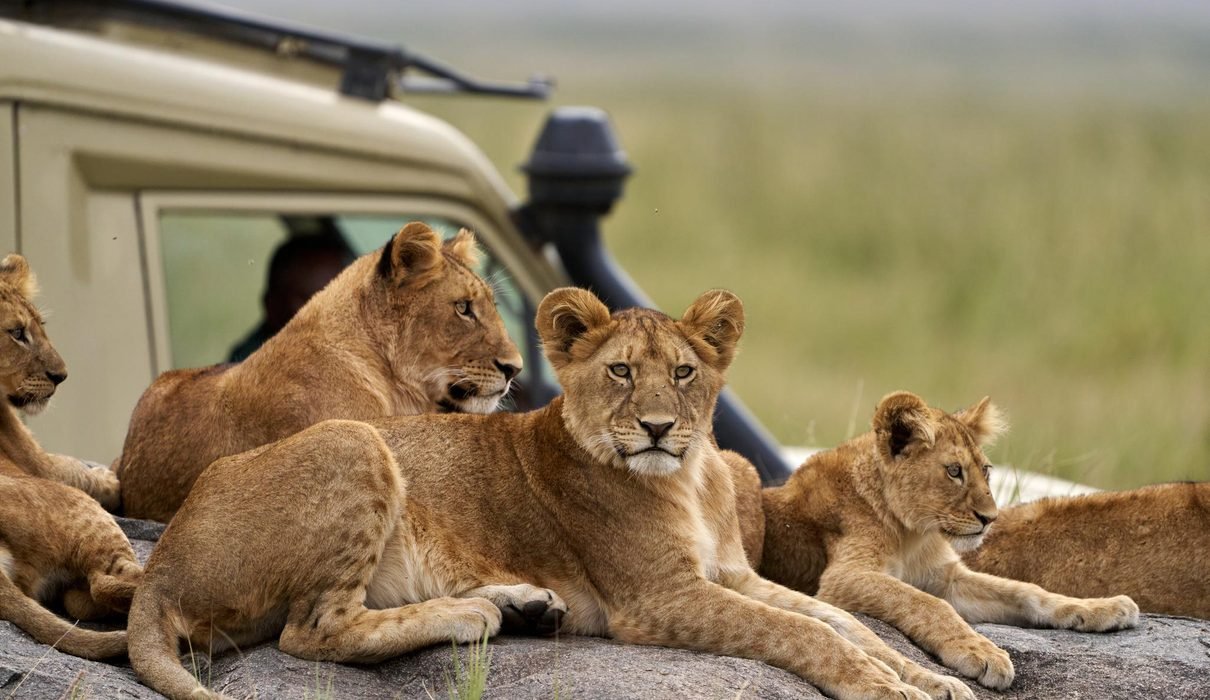
Serengeti National Park is one of the best places to visit in Tanzania if you love wildlife, nature, and outdoor adventures. Located in northern Tanzania, the park covers approximately 14,763 square kilometres and is famous for its large populations of wild animals, open grasslands, and the annual Great Wildebeest Migration. It is a place where you can spend hours watching lions resting under acacia trees, elephants walking across the plains, or thousands of wildebeest moving together in search of fresh grass.
For many travelers, visiting Serengeti National Park is the main reason for booking a Tanzania safari. The park offers excellent wildlife viewing throughout the year, with different areas providing different experiences depending on the season. Whether you are planning your first African safari, a family holiday, a photography trip, or a luxury safari, the Serengeti has plenty to offer.
Unlike visiting a zoo or wildlife sanctuary, a Serengeti safari allows you to observe wild animals living freely in their natural habitats. Animals move across the landscape according to rainfall, food availability, and their daily activities. Some encounters happen close to the safari vehicle, while others require patience and careful observation. Every game drive is different, which makes spending several days in the park worthwhile.
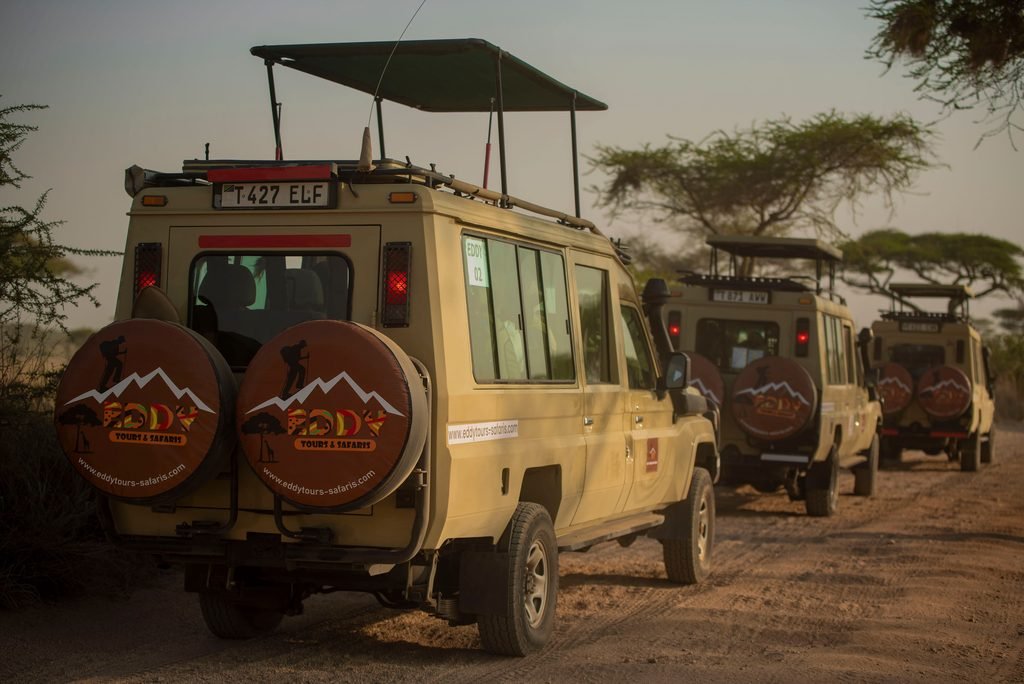
At Eddy Tours & Safaris, we help travelers plan Tanzania safaris that include Serengeti National Park and other popular destinations in northern Tanzania. If you are wondering whether the Serengeti deserves a place on your travel itinerary, here are ten good reasons why it should be at the top of your list.
1. Witness the Great Wildebeest Migration
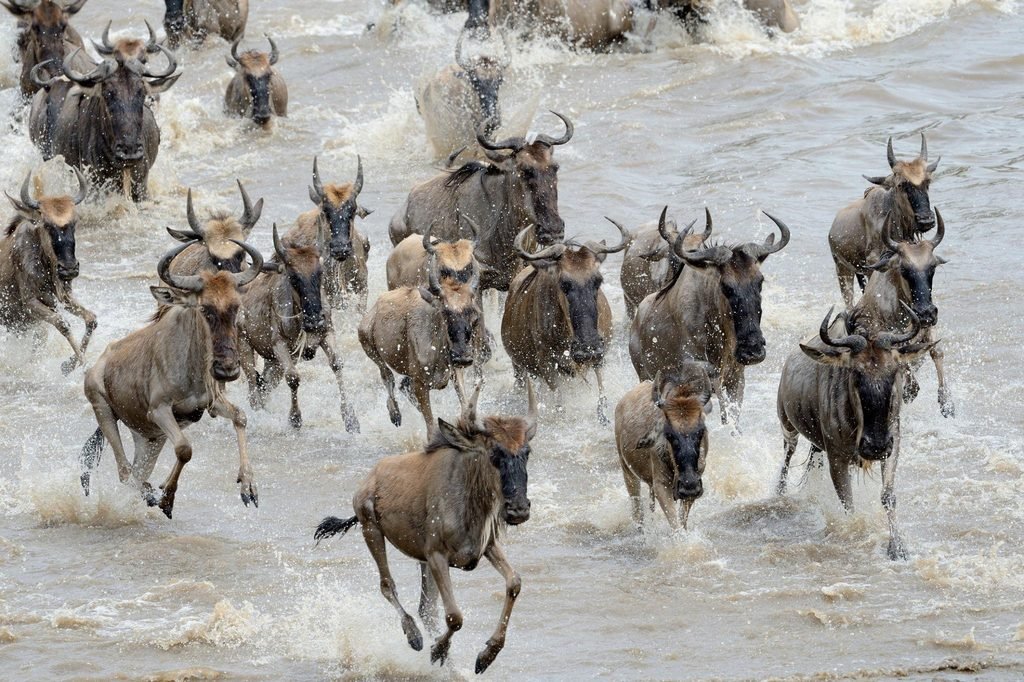
The Great Wildebeest Migration is one of the main reasons travelers visit Serengeti National Park. Every year, enormous herds of wildebeest, accompanied by zebras and gazelles, move through the wider Serengeti ecosystem in search of fresh grazing and water. Their movements follow seasonal rainfall and changing vegetation, taking them across the southern plains, western areas, and northern parts of the ecosystem.
The migration is not a single event that happens on one particular day. It is a continuous movement that takes place throughout the year, with different stages occurring in different locations. During the early months, large herds often gather on the short-grass plains of the southern Serengeti and Ndutu area, where many wildebeest give birth. As the seasons change, the animals gradually move toward the western and northern areas.
Between approximately July and October, many travelers visit the northern Serengeti hoping to see wildebeest crossing the Mara River. These crossings can involve large groups of animals entering the water while crocodiles wait nearby. However, river crossings are unpredictable, and no safari company can guarantee that visitors will witness one during a particular game drive.
The migration is worth experiencing even when the animals are not crossing rivers. Watching thousands of wildebeest grazing together, hearing their calls across the plains, or observing predators following the herds provides a fascinating look at the natural relationships between wildlife and the environment.
If witnessing the migration is your main travel goal, it is important to choose the right part of the Serengeti for your travel dates. You can contact Eddy Tours & Safaris for advice on planning a migration-focused safari based on the time of year you intend to visit.
2. See Lions, Leopards, Cheetahs, and Other Predators
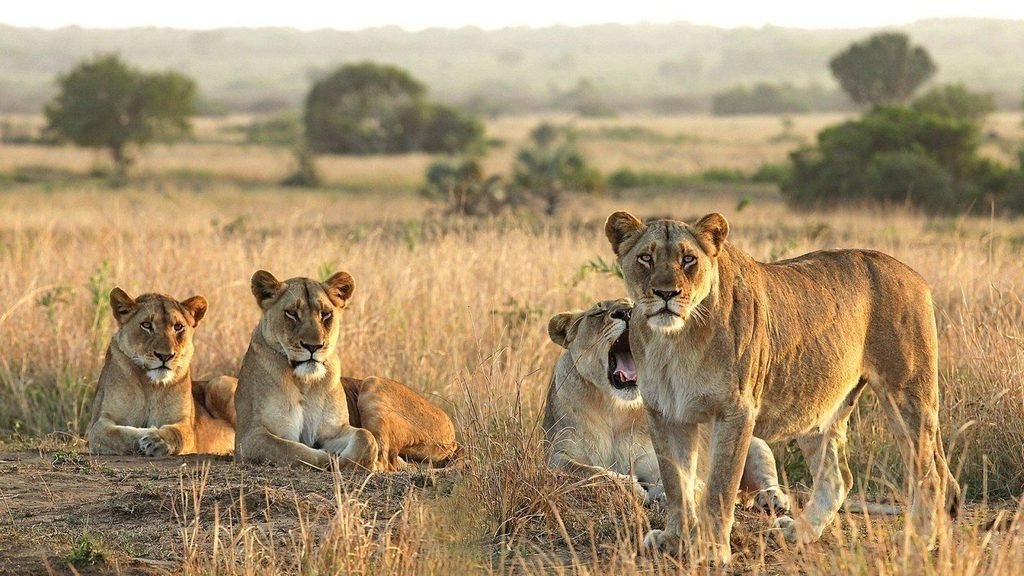
Serengeti National Park is one of Africa’s leading destinations for observing large predators in the wild. Lions, leopards, cheetahs, and spotted hyenas are among the animals visitors may encounter during game drives. The park supports a rich predator population because its grasslands, woodlands, and river systems provide suitable habitats and access to prey.
Lions are particularly associated with the central Serengeti, especially around the Seronera area. Visitors may see prides resting in the shade, walking through the grass, or watching nearby herds of antelope and zebras. Early morning and late afternoon game drives can be especially interesting because lions are often more active during cooler periods, although sightings depend on the animals’ movements.
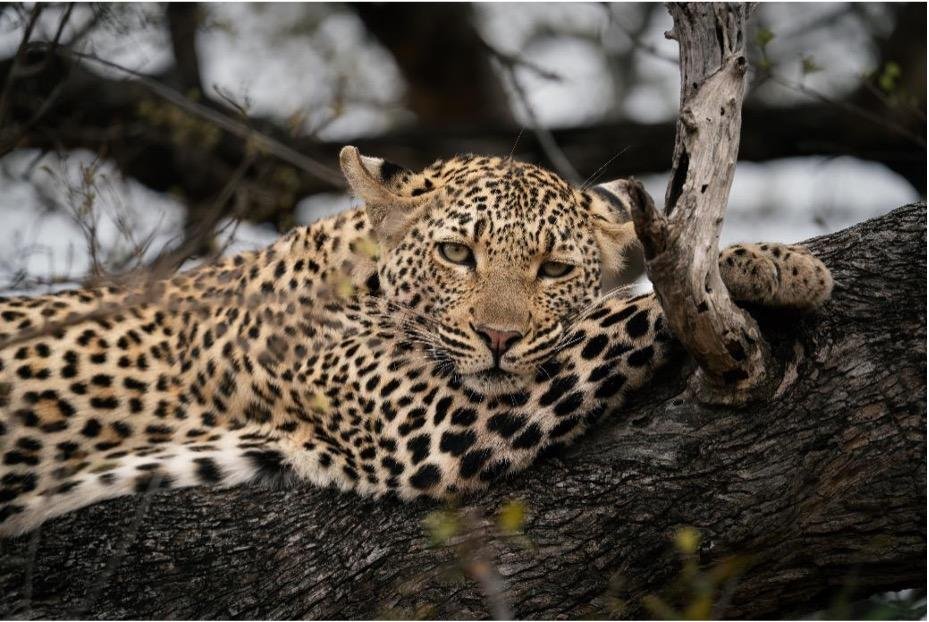
Leopards are more difficult to find because they are solitary and often spend time resting in trees or hiding in thick vegetation. Areas with riverine woodland can provide suitable leopard habitat, but spotting one usually requires patience and a guide who understands the animals’ behaviour. Cheetahs are commonly associated with open grassland, where their speed helps them hunt animals such as gazelles.
Seeing predators is not only about watching animals hunt. You may observe lions interacting with their cubs, cheetahs scanning the plains, or hyenas communicating with one another. These quieter moments can be just as interesting as dramatic wildlife encounters and help visitors understand how the animals live.
For travelers who want to spend more time searching for predators, a safari with several nights in the central Serengeti is often a good choice.
3. Enjoy Excellent Opportunities to See the Big Five
Many travelers arrive in Tanzania hoping to see Africa’s Big Five: lion, leopard, elephant, African buffalo, and rhinoceros. Serengeti National Park provides habitat for all five species, making it an important destination for visitors interested in seeing these well-known African mammals.
Lions, elephants, and buffaloes may be encountered in different parts of the park, while leopards require more careful searching. Black rhinoceroses are much rarer and considerably more difficult to observe. Travelers should therefore avoid expecting to see all five species during a short visit, even though they occur within the Serengeti ecosystem.
Elephants are among the most interesting animals to watch because of their social behaviour. A family group may include adult females, young calves, and older juveniles moving together through the woodland or across open areas. Watching elephants interact, feed, and protect their young provides an opportunity to appreciate the complexity of their social lives.
Buffaloes are also commonly seen in herds, sometimes gathering in large numbers around suitable grazing areas and water sources. Their size and behaviour make them interesting subjects for wildlife photography, particularly when accompanied by oxpeckers and other birds.
Travelers who are especially interested in the Big Five can combine Serengeti with Ngorongoro Crater, which provides additional wildlife-viewing opportunities. A well-planned northern Tanzania safari allows visitors to experience different habitats rather than relying on a single park for every sighting.
4. Explore the Famous Endless Plains of the Serengeti
The Serengeti is known for its extensive open grasslands, which stretch across large parts of the landscape. The name Serengeti is commonly linked to the Maasai word Siringet, referring to wide or extended plains. When you visit the park, it becomes easy to understand why this landscape is so closely associated with African wildlife safaris.
The open plains provide excellent opportunities for observing animals from a distance. On some game drives, you may see herds of zebras and wildebeest stretching across the horizon, with giraffes or elephants appearing farther away. The landscape also changes throughout the year, becoming greener during rainy periods and drier as the seasons progress.
However, Serengeti is not made up entirely of grassland. The park also contains woodlands, rivers, valleys, and rocky outcrops known as kopjes. These different habitats support a wide range of animals and make game drives more interesting because the scenery changes as you travel between areas.
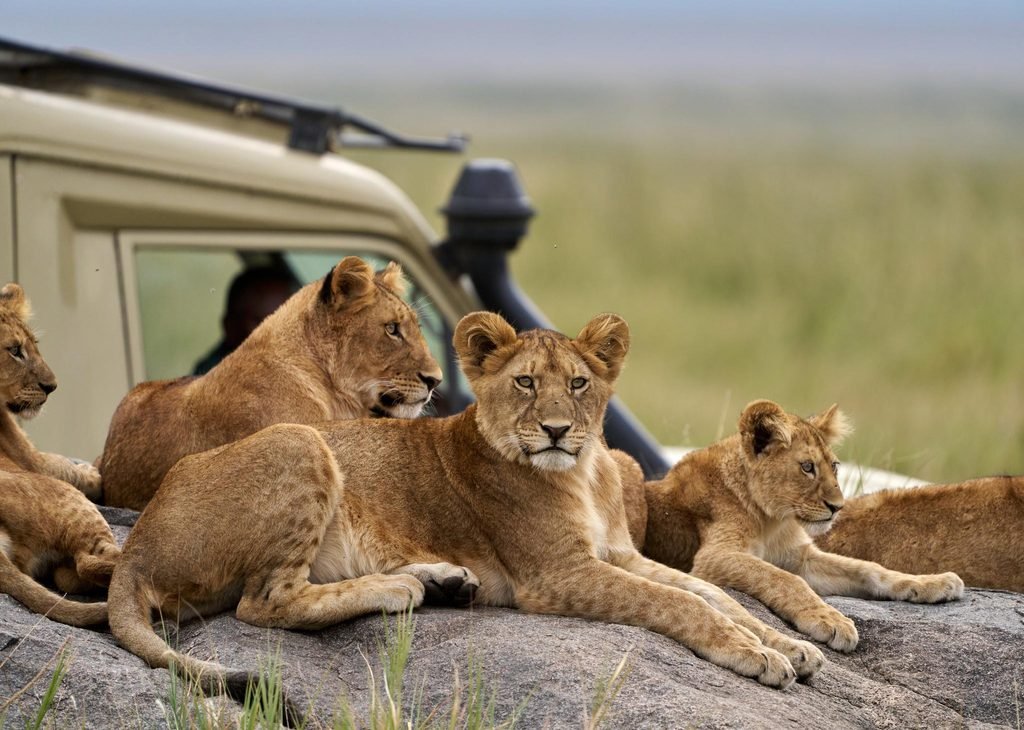
Kopjes are particularly interesting because they provide resting places and lookout points for wildlife. Lions may rest on the rocks, while smaller animals use the surrounding vegetation and crevices for shelter. The combination of open plains and rocky formations also provides excellent opportunities for landscape photography.
One of the pleasures of visiting Serengeti is simply spending time in this environment. Even when large animals are not immediately visible, the changing light, wide skies, and quiet stretches of grassland make the journey enjoyable.
5. Experience Wildlife Viewing Throughout the Year
One of the advantages of Serengeti National Park is that it can be visited throughout the year. Although the Great Migration moves between different areas, many animals remain within particular parts of the park or follow smaller local movements according to food and water availability. This means that visitors do not have to travel during the river-crossing season to enjoy a rewarding safari.
The central Serengeti, particularly the Seronera area, is known for year-round wildlife viewing. Its grasslands, river systems, and woodland habitats support lions, leopards, elephants, giraffes, buffaloes, antelopes, and many other species. This makes the central region a practical choice for travelers visiting during different months of the year.
During the wetter months, the landscape becomes greener, and animals may spread across wider areas as water and grazing become more available. The scenery can be particularly attractive for photography, with fresh grass, dramatic clouds, and young animals appearing in some areas.
During drier periods, animals may gather more frequently around permanent water sources and suitable grazing areas. The shorter vegetation can also make some wildlife easier to observe, although sightings still depend on the species and location.
If you are planning a Tanzania safari with Eddy Tours & Safaris, the most useful approach is to select the areas of Serengeti that best match your travel dates rather than assuming that one location offers the same experience throughout the year.
6. Take a Hot Air Balloon Safari Over the Serengeti
A hot air balloon safari is one of the most interesting activities available in selected parts of Serengeti National Park. The experience normally begins before sunrise, when guests are transferred from their accommodation to a designated balloon launch area. As daylight begins to appear, the balloon rises above the landscape, providing a different perspective of the plains, rivers, trees, and wildlife below.
Unlike a game drive, which follows established roads, a balloon safari allows visitors to view the landscape from above. Depending on the wind direction, flight conditions, and route, passengers may see grazing animals, herds moving across the grassland, or the changing colours of the plains in the early morning light.
The experience is particularly attractive for couples, photographers, and travelers celebrating a special occasion. However, wildlife sightings from the balloon are not guaranteed, and flights depend on suitable weather conditions and operational approval.
Balloon safaris are generally offered as an additional activity rather than being included automatically in standard safari packages. They must be booked through an authorized operator, and availability varies by location and travel date.
If you would like to include a balloon safari in your itinerary, ask your tour operator to confirm the available departure area, additional cost, and accommodation arrangements before booking.
7. Discover More Than 500 Species of Birds
Serengeti National Park is an excellent destination for birdwatching, with more than 500 bird species recorded in the wider park environment. Its combination of grasslands, wetlands, river systems, and woodlands provides habitats for birds with very different feeding and nesting requirements.
Visitors may encounter large birds such as ostriches, secretary birds, kori bustards, and various species of storks. Birds of prey, including eagles, vultures, and other raptors, can also be observed searching for food or resting in trees. Around rivers and wetland areas, travelers may see herons, kingfishers, and other water-associated birds.
Birdwatching adds another dimension to a Serengeti safari because interesting sightings can occur even when larger mammals are resting or difficult to locate. A knowledgeable guide can help visitors identify different species and explain their behaviour, feeding habits, and relationship with the surrounding habitat.
For photography enthusiasts, birds provide opportunities to capture details that are easy to overlook during a safari focused only on lions and elephants. Colourful feathers, unusual beaks, courtship behaviour, and birds interacting with mammals can make excellent subjects.
Travelers with a particular interest in birds should mention this when arranging their safari so that the itinerary allows enough time for observation and photography.
8. Choose from Budget Camping, Mid-Range Lodges, and Luxury Safari Camps
Another good reason to visit Serengeti National Park is the variety of accommodation available in and around the park. Travelers can choose between different comfort levels depending on their budget, preferred travel style, and the areas they want to explore.
Budget camping safaris are suitable for travelers who want to experience the Serengeti while keeping accommodation costs relatively low. These trips typically use designated campsites and provide a more basic outdoor experience. Camping can be particularly enjoyable for visitors who like spending time close to nature, although facilities and arrangements vary between campsites and operators.
Mid-range tented camps and lodges offer additional comfort, often including proper beds, private bathrooms, prepared meals, and comfortable areas where guests can relax after a day of game drives. These properties are popular with couples, families, and travelers who want a balance between comfort and cost.
Luxury safari camps and lodges provide higher levels of service, more spacious accommodation, and carefully arranged dining experiences. Some properties are located in areas selected for their scenery or proximity to seasonal wildlife movements, although location and availability should always be confirmed before booking.
The best accommodation choice is not necessarily the most expensive. A well-located mid-range camp can sometimes be more practical for a wildlife-focused itinerary than a luxury property that requires long drives to reach the areas you want to explore.
At Eddy Tours & Safaris, travelers can request personalized safari arrangements based on their accommodation preferences, travel dates, and available budget.
9. Capture Excellent Wildlife and Landscape Photographs
Serengeti National Park is a popular destination for wildlife photographers because of its open landscapes, variety of animals, and changing natural light. Whether you are using a professional camera or a smartphone, the park provides opportunities to photograph animals in their natural surroundings.
Early morning game drives are particularly useful for photography because the light is often softer and many animals are active during the cooler hours. You may find lions walking across the plains, giraffes feeding from trees, or herds of zebras moving through the grass. Late afternoon can also provide attractive lighting, especially when the sun is low and the landscape takes on warmer colours.
The Serengeti’s open grasslands allow photographers to include the surrounding environment rather than focusing only on close-up animal portraits. A photograph of elephants moving beneath a wide sky or a cheetah standing on a termite mound can show both the animal and the landscape it inhabits.
For travelers who want to spend more time taking photographs, a private safari can be particularly useful. Private arrangements may allow greater flexibility to remain at a sighting, wait for better light, or spend more time observing particular species, subject to park rules and the guide’s safety assessment.
It is important to respect wildlife during photography. Visitors should remain in permitted areas, avoid disturbing animals, and follow their guide’s instructions. Good wildlife photography requires patience, and the welfare of the animals should always come before obtaining a particular photograph.
10. Combine Serengeti with Other Famous Tanzania Safari Destinations
A visit to Serengeti National Park can be combined with several other destinations in northern Tanzania, making it possible to experience different wildlife habitats during one holiday. This is particularly useful for international travelers who want to make the most of their time in Tanzania.
Ngorongoro Crater is one of the most popular additions to a Serengeti safari. Its enclosed volcanic landscape supports a wide variety of wildlife, including lions, buffaloes, elephants, and black rhinoceroses. A visit to the crater provides a different game-viewing experience from the wide-open plains of Serengeti.
Tarangire National Park is another excellent destination, especially for travelers interested in elephants, baobab trees, and seasonal wildlife concentrations. During the dry season, animals may gather around the Tarangire River and other water sources, providing opportunities for wildlife observation.
Lake Manyara National Park can also be included in a northern Tanzania safari. The park contains groundwater forest, woodland, open areas, and lake-associated habitats, offering a different landscape from the Serengeti.
Travelers with additional time may combine their safari with a Mount Kilimanjaro climb or a Zanzibar beach holiday. These combinations allow visitors to experience Tanzania’s mountains, wildlife, and coast during one trip.
For travelers planning a longer holiday, Eddy Tours & Safaris can help arrange a suitable itinerary that includes Serengeti and other destinations according to the number of days available.
Best Time to Visit Serengeti National Park
Serengeti National Park is open throughout the year, but the best time to visit depends on what you want to see. Travelers interested in the Great Migration should consider the seasonal movement of the herds, while visitors mainly interested in resident wildlife can enjoy game drives in different parts of the park throughout the year.
The migration calendar is a general guide rather than a fixed schedule. Rainfall, grazing conditions, and other environmental factors influence the movement of the animals, so the exact location of the herds can vary between years.
| Travel period | General wildlife experience |
|---|---|
| January–March | Calving season often occurs on the southern plains and in the wider Ndutu area |
| April–May | Green landscapes and migration movements toward central and western areas |
| June–July | Herds may move through the western corridor and toward northern areas |
| August–October | Northern Serengeti migration activity and possible Mara River crossings |
| November–December | Herds often begin moving south as seasonal rainfall changes grazing conditions |
If your main goal is to see a particular stage of the Great Migration, it is worth spending several nights in the relevant region. A single game drive may not provide enough time to locate the herds, particularly when they are moving across large areas.
How Many Days Should You Spend in Serengeti National Park?
The number of days you spend in Serengeti can make a significant difference to your safari experience. Although it is possible to visit the park on a short itinerary, its large size means that traveling between different areas can take several hours. A longer stay provides more time for game drives and reduces the pressure to see everything in one day.
For travelers combining Serengeti with Ngorongoro Crater and other northern Tanzania parks, a four- or five-day safari can provide an introduction to the region. However, if Serengeti is your main priority, spending at least two or three nights inside or near the park is often a better choice.
Travelers interested in the Great Migration, wildlife photography, or exploring both central and northern Serengeti may benefit from four or more nights. The additional time allows for more flexible game drives and gives visitors a better opportunity to enjoy the park without spending most of their holiday traveling between destinations.
Suggested Safari Durations
| Safari duration | Recommended experience |
|---|---|
| 3 days | Short Serengeti-focused safari, often best with flights or carefully planned transfers |
| 4–5 days | Serengeti combined with Ngorongoro Crater |
| 6–7 days | Serengeti, Ngorongoro, and another northern Tanzania park |
| 8–10 days | More relaxed safari with additional time in different Serengeti regions |
Your ideal itinerary will depend on your budget, preferred accommodation, arrival location, and the wildlife experiences you want to prioritize.
How to Get to Serengeti National Park
Most travelers begin their northern Tanzania safari from Arusha, a major tourism centre with access to Kilimanjaro International Airport and Arusha Airport. From Arusha, visitors can reach Serengeti by road or by scheduled and chartered flights to airstrips serving different parts of the park.
Traveling by road allows visitors to enjoy the changing landscapes of northern Tanzania and may include a journey through the Ngorongoro Conservation Area. However, the drive to central Serengeti is long, and travel times vary depending on road conditions, stops, and the chosen route.
Flying into Serengeti is a practical alternative for travelers with limited time or those who prefer to avoid long road transfers. Flights operate to selected airstrips, including Seronera and other locations depending on the season and service availability. Your tour operator can help determine which arrival point is most suitable for your accommodation and itinerary.
What Should You Pack for a Serengeti Safari?
Packing for Serengeti does not require complicated equipment, but a few practical items can make your trip more comfortable. Lightweight clothing is suitable for warm daytime conditions, while a fleece or light jacket is useful during early morning game drives when temperatures may be cooler.
Neutral-coloured clothing, comfortable shoes, sunglasses, sunscreen, and a wide-brimmed hat are useful for most safaris. Binoculars are particularly valuable because they allow you to observe animals that are too far away to see clearly with the naked eye.
If you enjoy photography, bring a camera with suitable zoom capability, spare batteries, and enough storage space for your photographs. A reusable water bottle, personal medication, and insect repellent are also useful additions to your packing list.
Travelers should avoid bringing unnecessary luggage, especially when using small aircraft to reach safari airstrips, because baggage restrictions may apply.
Is Serengeti National Park Worth Visiting?
Yes. Serengeti National Park is worth visiting for travelers who want to experience wildlife in one of Africa’s most important protected landscapes. The park offers much more than the Great Migration, with resident predators, elephants, giraffes, antelopes, birds, and different habitats providing interesting experiences throughout the year.
What makes Serengeti particularly appealing is the opportunity to spend time observing natural animal behaviour. You may watch lions resting with their cubs, elephants moving between feeding areas, or zebras interacting within a herd. Some days bring exciting sightings, while others are quieter and provide time to appreciate the landscape and smaller wildlife.
A well-planned safari allows you to enjoy these experiences without rushing from one sighting to another. Choosing suitable accommodation, allowing enough time in the park, and traveling with a knowledgeable guide can make your visit more enjoyable.
Frequently Asked Questions About Visiting Serengeti National Park
1. Where is Serengeti National Park located?
Serengeti National Park is located in northern Tanzania and forms part of the larger Serengeti–Mara ecosystem.
2. What is Serengeti National Park famous for?
It is famous for the Great Wildebeest Migration, large predator populations, open grasslands, and excellent wildlife viewing.
3. Is Serengeti worth visiting?
Yes. It is one of Tanzania’s leading wildlife safari destinations and offers game-viewing opportunities throughout the year.
4. What animals can I see in Serengeti?
Visitors may see lions, leopards, cheetahs, elephants, giraffes, buffaloes, wildebeest, zebras, gazelles, hyenas, and many other species.
5. Can I see the Big Five in Serengeti?
All five species occur in the park, but sightings are not guaranteed. Black rhinoceroses are particularly difficult to observe.
6. When is the best time to see the Great Migration?
The best time depends on which migration stage you want to see. Calving often occurs early in the year, while northern river-crossing activity is commonly associated with July to October.
7. Are Mara River crossings guaranteed?
No. River crossings are unpredictable and depend on the movements of the migrating herds.
8. Can I visit Serengeti during the rainy season?
Yes. The park remains open, and rainy periods can provide green scenery and interesting wildlife experiences.
9. How many days do I need in Serengeti?
Two or three nights is a useful starting point, while longer stays provide more time to explore different areas.
10. Can I visit Serengeti on a budget?
Yes. Budget camping and shared safari arrangements may be available, depending on the itinerary and travel dates.
11. Are luxury lodges available in Serengeti?
Yes. The park and surrounding areas offer luxury lodges and tented camps, subject to availability.
12. Can I take a hot air balloon safari?
Yes. Balloon safaris operate in selected areas and require advance booking and suitable weather conditions.
13. Is Serengeti good for photography?
Yes. The open plains, varied wildlife, and changing natural light provide excellent photography opportunities.
14. Can children visit Serengeti?
Yes. Families can visit Serengeti, although accommodation policies and activity restrictions may vary.
15. Can I combine Serengeti with Ngorongoro Crater?
Yes. Serengeti and Ngorongoro are commonly included in the same northern Tanzania safari itinerary.
16. Can I combine Serengeti with Zanzibar?
Yes. Many travelers enjoy a wildlife safari followed by a beach holiday in Zanzibar.
17. Can I fly directly into Serengeti?
Yes. Scheduled and chartered flights serve selected airstrips within the Serengeti ecosystem.
18. Is Serengeti safe for tourists?
Guided safaris are a well-established activity, but visitors must follow park regulations and their guide’s wildlife safety instructions.
19. What should I wear on a Serengeti safari?
Comfortable, lightweight clothing in neutral colours is practical, along with a warm layer for early morning game drives.
20. How do I book a Serengeti safari?
You can contact Eddy Tours & Safaris with your travel dates, group size, accommodation preferences, and budget to request a suitable itinerary.
Plan Your Serengeti Safari with Eddy Tours & Safaris
Serengeti National Park offers many reasons to visit, from the Great Wildebeest Migration and large predator populations to its open grasslands, birdlife, and opportunities for wildlife photography. Whether you are planning a short safari or a longer holiday across northern Tanzania, spending time in the Serengeti gives you the chance to observe wildlife in its natural environment.
The best safari is one that matches your interests and allows enough time to enjoy the park. Travelers interested in the migration should choose their travel dates and accommodation locations carefully, while those who want a broader wildlife experience may prefer combining central Serengeti with Ngorongoro Crater and other nearby destinations.
At Eddy Tours & Safaris, we help travelers plan Tanzania safaris based on their available time, preferred accommodation, and wildlife interests. Whether you are looking for a budget camping safari, a comfortable mid-range holiday, or a luxury wildlife experience, our team can help you explore suitable options.
Contact Eddy Tours & Safaris to plan your Serengeti safari.
Website: Eddy Tours & Safaris
Safari enquiries: Contact Our Safari Team
WhatsApp: Chat with Us
Email: sales@eddytours-safaris.com
Tell us when you would like to travel, how many people are joining, and what you would most like to see. We will help you plan a Serengeti safari that suits your interests and budget.