

Planning a safari in Serengeti National Park is one of the most exciting parts of visiting Tanzania. The park is famous for its open grasslands, large predators, elephants, giraffes, and the Great Wildebeest Migration. However, one of the most important decisions travelers face is how many days to spend exploring this enormous wildlife destination.
Serengeti National Park covers approximately 14,763 square kilometers, making it impossible to experience every part of the park in a short visit. Its landscapes include grasslands, river valleys, rocky outcrops, and woodland habitats, each supporting different wildlife.
So, how many days should you spend on a Serengeti safari?
For most first-time visitors, four to five days is an excellent choice, while three days is a reasonable minimum for travelers who want a meaningful introduction to the park. If your main interest is the Great Wildebeest Migration, wildlife photography, or exploring several regions, six or seven days may be more suitable.
The best duration also depends on whether you arrive by road or domestic flight. Traveling from Arusha to Serengeti takes considerable time, and the location of your accommodation can influence how much of each day is available for game drives.
In this guide, we explain the differences between short and extended Serengeti safaris, recommend the best number of days for different travelers, and share sample itineraries to help you plan your Tanzania wildlife holiday.
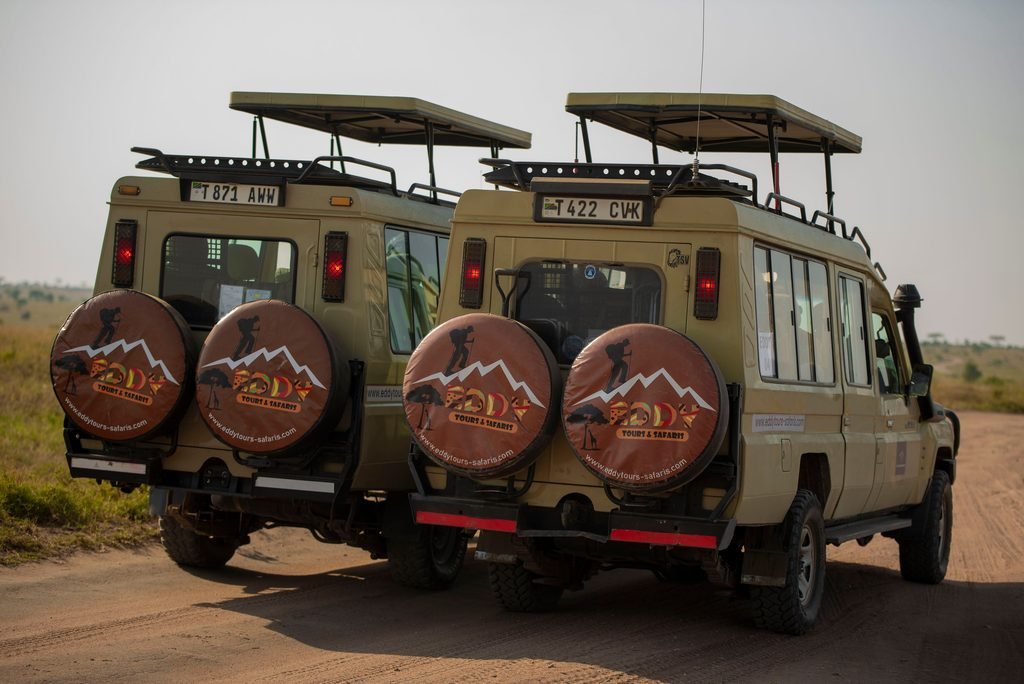
How Many Days Are Enough for a Serengeti Safari?
The ideal Serengeti safari duration depends on your interests, budget, travel season, and the areas you want to visit.
Some visitors have only two days available, while others spend more than a week following wildlife across different parts of the park.
The table below provides a practical comparison.
| Safari duration | Recommended for | Main advantage |
|---|---|---|
| 1 day | Travelers already close to the park | Brief introduction to the landscape |
| 2 days | Short fly-in safaris | Limited but worthwhile wildlife viewing |
| 3 days | First-time visitors with limited time | One full day plus arrival and departure opportunities |
| 4 days | Most first-time Serengeti visitors | More relaxed wildlife viewing |
| 5 days | Wildlife enthusiasts and couples | Additional game drives and flexibility |
| 6–7 days | Migration safaris and photographers | More time in one region or exploration of two regions |
| 8–10 days | Specialist wildlife expeditions | Extended observation and multiple locations |
These recommendations assume the days are spent primarily in Serengeti. If your package also includes Ngorongoro, Tarangire, or Lake Manyara, the total holiday will need to be longer.
Is One Day Enough to Visit Serengeti National Park?
A one-day Serengeti safari is generally not recommended for travelers starting from Arusha.
Central Serengeti is a long drive from Arusha, and the journey can take much of the day. Traveling into the park and returning on the same day would leave little time for wildlife viewing.
A one-day visit may be possible if you are already staying nearby or have special flight arrangements, but it is not the best way to experience the park.
Serengeti wildlife viewing often involves patience. A lion pride may be resting when you first encounter it, while a leopard may remain hidden in a tree for several hours. With only a short visit, you have less time to observe natural behavior or explore different habitats.
If Serengeti is an important part of your Tanzania holiday, we recommend staying at least two nights.
Two Days in Serengeti: A Short Wildlife Experience
A two-day Serengeti safari is possible, particularly when you arrive by domestic flight.
Flying directly into a suitable airstrip can save several hours of road travel and allow more time for game drives.
Sample Two-Day Serengeti Safari Itinerary
Day 1: Arrival in Serengeti and Afternoon Game Drive
Arrive at a Serengeti airstrip, meet your guide, and begin exploring the surrounding wildlife area.
Depending on your arrival time, you may see lions, elephants, giraffes, zebras, buffaloes, and other animals before reaching your lodge or tented camp.
After an afternoon game drive, return to your accommodation for dinner and overnight.
Day 2: Morning Game Drive and Departure
Begin the day with an early wildlife drive, when temperatures are cooler and some animals are more active.
Return for breakfast or continue according to your flight schedule before transferring to the airstrip.
Is Two Days Worth It?
Yes, if your time is very limited.
However, two days normally means only one night in the park. Flight schedules and transfers can reduce the amount of time available for wildlife viewing.
For a more comfortable experience, three or four days is preferable.
Three Days in Serengeti: A Good Starting Point
Three days is a practical choice for travelers who want to experience Serengeti without spending their entire holiday in one destination.
A three-day itinerary can provide one full day of game drives, along with wildlife viewing during arrival and departure.
Sample Three-Day Serengeti Safari
Day 1: Travel to Serengeti National Park
Depart from Arusha or the Ngorongoro highlands and travel toward Serengeti.
If arriving by road, the journey passes through beautiful northern Tanzania landscapes.
Depending on the route and arrival time, enjoy a game drive before reaching your accommodation.
Day 2: Full-Day Serengeti Game Drive
Spend the day exploring the park with your safari guide.
Central Serengeti is a practical area for a short visit because it supports resident wildlife throughout the year.
Your guide may explore the Seronera Valley, grasslands, rocky outcrops, and nearby riverine habitats.
Day 3: Morning Wildlife Viewing and Departure
Enjoy a final game drive before continuing to your next destination.
If returning to Arusha by road, allow most of the day for the journey.
Who Should Choose Three Days?
A three-day Serengeti safari is suitable for travelers combining the park with Ngorongoro Crater or Tarangire.
It can also work well for visitors with limited time who arrange flights into or out of Serengeti.
However, travelers interested in the Great Migration or photography should consider staying longer.
Four Days in Serengeti: The Best Balance for First-Time Visitors
Four days is one of the best choices for a first Serengeti safari.
It provides enough time to enjoy several game drives, explore different habitats, and avoid feeling rushed.
With three nights in the park, you can spend two full days wildlife viewing, in addition to arrival and departure activities.
Sample Four-Day Serengeti Safari
Day 1: Arrival and Afternoon Game Drive
Travel into Serengeti and begin exploring the wildlife areas near your accommodation.
Day 2: Full-Day Game Drive
Spend the day searching for lions, leopards, cheetahs, elephants, giraffes, and other resident animals.
Day 3: Explore Another Wildlife Area
Enjoy another full day of wildlife viewing. Your guide can revisit promising areas or explore different habitats depending on animal movements.
Day 4: Morning Game Drive and Departure
Enjoy your final wildlife viewing before leaving the park.
Why Four Days Works Well
Wildlife sightings are unpredictable.
Some mornings may produce excellent predator encounters, while others are quieter.
An additional full day gives your guide more flexibility and allows you to spend longer at interesting sightings.
Four days is also a good choice for couples and families who want a balanced itinerary.
Five Days in Serengeti: More Time for Wildlife
A five-day Serengeti safari is particularly suitable for travelers who enjoy wildlife photography, predator sightings, and a slower travel pace.
You can spend several days exploring one region or combine two nearby areas.
Sample Five-Day Serengeti Safari
| Day | Destination | Main activity |
|---|---|---|
| 1 | Central Serengeti | Arrival and afternoon game drive |
| 2 | Central Serengeti | Full-day wildlife viewing |
| 3 | Central Serengeti | Explore different habitats |
| 4 | Selected Serengeti area | Additional game drives |
| 5 | Serengeti | Morning game drive and departure |
The fourth day can be used for another area when travel conditions and seasonal wildlife movements make it worthwhile.
Should You Change Camps During a Five-Day Safari?
Not necessarily.
Staying at one well-located lodge reduces packing and transfers.
However, moving to a second camp can be worthwhile if you want to explore a different region of Serengeti.
For example, during the usual Mara River migration period, you might combine Central Serengeti with Northern Serengeti.
Your itinerary should avoid spending too much time driving between accommodation properties.
Six to Seven Days in Serengeti: Ideal for Migration and Photography
Six or seven days provides greater flexibility for travelers with specific wildlife interests.
This duration is particularly useful when visiting two different Serengeti regions or focusing on the Great Wildebeest Migration.
Benefits of a Longer Serengeti Safari
A longer stay allows you to explore more habitats, observe wildlife behavior, and respond to changing weather or animal movements.
It can also be beneficial for photography.
Photographers often spend considerable time waiting for favorable lighting or interesting animal behavior.
Rather than rushing from one sighting to another, you can remain in a promising area and observe what happens.
Sample Seven-Day Serengeti Safari
Days 1–3: Central Serengeti
Explore the Seronera Valley and surrounding habitats, searching for resident predators and other wildlife.
Day 4: Travel to Another Serengeti Region
Move toward Northern Serengeti, the Western Corridor, or another suitable area depending on the season.
Days 5–6: Explore the Second Region
Enjoy full-day wildlife drives with a focus on the animals and landscapes associated with that area.
Day 7: Departure
Travel to your next destination or connect with a domestic flight.
The second region should be selected according to your travel month and wildlife interests.
How Many Days Should You Spend in Each Serengeti Region?
The Serengeti is enormous, and different regions offer different wildlife experiences.
Choosing the correct region can be more important than adding extra days to your itinerary.
Central Serengeti: Three to Four Days
Central Serengeti, particularly the Seronera Valley, is known for resident wildlife.
The area includes grasslands, woodland, riverine vegetation, and rocky outcrops known as kopjes.
These habitats support lions, leopards, cheetahs, elephants, giraffes, buffaloes, zebras, and many other species.
Central Serengeti is a strong choice for first-time visitors because wildlife viewing is rewarding throughout much of the year.
Recommended duration: Three to four days.
Northern Serengeti: Four to Five Days
Northern Serengeti is particularly popular during the usual Mara River crossing season.
The region around Kogatende and the Mara River may attract large migration herds between approximately July and October.
However, river crossings are unpredictable.
Wildebeest may gather near the river for hours or days without crossing.
Staying longer provides more opportunities to be in the area when activity occurs.
Recommended duration: Four to five days for travelers focused on river crossings.
Southern Serengeti and Ndutu: Three to Five Days
The southern short-grass plains and Ndutu area are especially important during the usual wildebeest calving season.
Large herds may gather across the plains, attracting predators such as lions, cheetahs, and hyenas.
Much of the Ndutu area lies within the Ngorongoro Conservation Area rather than Serengeti National Park itself, so accommodation and park arrangements should reflect the exact location.
Recommended duration: Three to five days during the main calving period.
Western Corridor: Three to Four Days
The Western Corridor includes the Grumeti River and surrounding woodland and grassland habitats.
During parts of the migration cycle, wildebeest herds move through this region.
The area also supports resident wildlife, including elephants, giraffes, and predators.
Recommended duration: Three to four days when focusing on the western region.
How Many Days Do You Need for the Great Wildebeest Migration?
The Great Wildebeest Migration is one of Serengeti’s most famous wildlife experiences.
Large herds of wildebeest, accompanied by zebras and other grazing animals, move through the greater Serengeti ecosystem in response to rainfall and available grazing.
The migration does not follow an exact calendar.
Its location can change from year to year.
January to March: Calving Season
The southern plains and Ndutu area are usually important during this period.
February is commonly associated with peak wildebeest calving.
Travelers interested in newborn calves and predator activity should consider spending three to five days in the appropriate southern region.
April to June: Migration Moving North and West
During these months, herds often move through Central Serengeti toward the Western Corridor.
The exact timing varies according to rainfall.
A four- or five-day safari can provide opportunities to explore relevant areas.
July to October: Northern Serengeti and Mara River
The northern migration period is popular among travelers hoping to witness river crossings.
Crossings may occur in different directions and are not guaranteed on any particular day.
For this reason, four to six days in Northern Serengeti is a reasonable choice when river crossings are your main priority.
November to December: Migration Returning South
As seasonal rains encourage new grass growth, herds generally begin moving back toward the southern plains.
Their exact distribution depends on weather conditions.
A three- to five-day safari can be rewarding during this period.
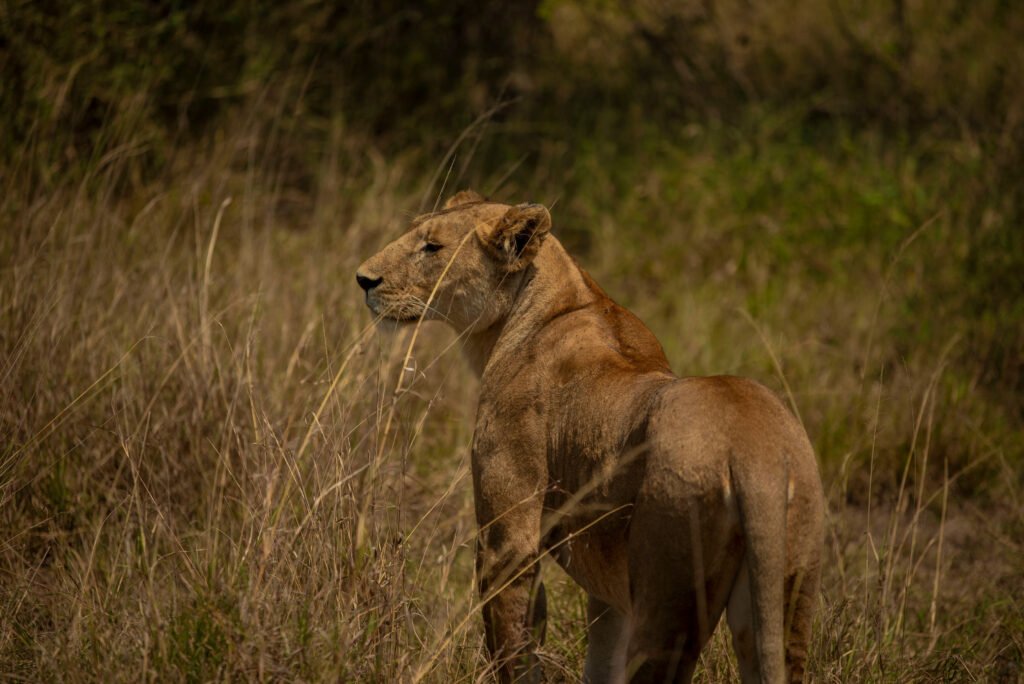
How Does the Time of Year Affect Your Serengeti Safari?
Serengeti offers wildlife viewing throughout the year, but weather conditions and seasonal movements influence the best places to visit.
| Travel period | Typical wildlife experience | Suggested duration |
|---|---|---|
| January–February | Southern plains and calving season | 3–5 days |
| March–April | Green landscapes and changing migration movements | 3–4 days |
| May–June | Central and western migration activity | 4–5 days |
| July–October | Northern migration and Mara River crossing possibilities | 4–6 days |
| November–December | Green season and southward migration movements | 3–5 days |
These are general planning recommendations rather than guarantees of where animals will be.
Road Safari or Fly-In Safari: Which Gives You More Time?
Your transport arrangements can make a significant difference to the number of days you need.
Traveling by Road from Arusha
The journey from Arusha to Central Serengeti may take approximately six to nine hours or longer, depending on road conditions, stops, and the location of your accommodation.
A road safari can be rewarding because it allows you to experience the changing landscapes of northern Tanzania.
However, it uses a substantial portion of your travel day.
For a three-day road itinerary, you may have only one full day in Serengeti.
Flying into Serengeti
Domestic flights connect Serengeti airstrips with Arusha and other destinations, subject to schedules.
Flying can reduce long transfers and make shorter safaris more practical.
A three-day fly-in safari may provide more wildlife-viewing time than a three-day road safari.
However, domestic flights usually increase the overall cost.
Combining Road Travel and Flights
Another option is to drive into Serengeti through the Ngorongoro highlands and fly out.
This allows you to experience the northern Tanzania landscape while reducing the return journey.
The best arrangement depends on your budget and holiday schedule.
How Many Nights Should You Stay in Serengeti?
When comparing safari packages, always check how many nights are actually spent in the park.
The number of nights often gives a clearer picture of the experience than the advertised total number of days.
| Nights in Serengeti | Likely wildlife-viewing opportunities |
|---|---|
| 1 night | Limited arrival and departure game drives |
| 2 nights | Usually one full game-drive day |
| 3 nights | Usually two full game-drive days |
| 4 nights | Usually three full game-drive days |
| 5–6 nights | Extended wildlife viewing and greater flexibility |
Actual activities depend on arrival times, departure schedules, accommodation locations, and park regulations.
How Many Days for a Serengeti Family Safari?
For families with children, three to four days is often a suitable choice.
Long game drives and extended transfers can be tiring for younger travelers.
A private safari vehicle provides flexibility for rest breaks and daily schedules.
Families should also consider accommodation with suitable room arrangements and age-appropriate facilities.
Instead of moving between camps every night, staying in one area for several days may be more comfortable.
For families with limited time, a fly-in safari can reduce long road journeys.
How Many Days for a Serengeti Honeymoon?
A four- or five-day Serengeti safari works well for many honeymoon couples.
It provides enough time for wildlife viewing while allowing a more relaxed experience at the lodge or tented camp.
Some couples choose to combine Serengeti with Ngorongoro Crater before continuing to Zanzibar.
For example, a ten- to twelve-day Tanzania honeymoon could include four days in Serengeti, two days around Ngorongoro, and several nights in Zanzibar.
The itinerary can be adjusted according to accommodation preferences and available flights.
How Many Days for a Serengeti Photography Safari?
Wildlife photography often requires more time than a general sightseeing safari.
A photographer may spend several hours observing a pride of lions, waiting for a leopard to move, or watching elephants interact near a water source.
Lighting conditions are also important.
Early morning and late afternoon often provide attractive natural light, although wildlife can be active at any time.
For travelers focused on photography, five to seven days is a good starting point.
A private vehicle can provide greater flexibility for positioning and the length of time spent at sightings.
Should You Combine Serengeti with Ngorongoro and Tarangire?
Yes. These destinations form part of Tanzania’s popular northern safari circuit.
Each offers a different wildlife experience.
Serengeti is known for its expansive landscapes, resident predators, and migration.
Ngorongoro Crater offers wildlife viewing within a large volcanic caldera.
Tarangire is famous for its elephants, baobab trees, and seasonal wildlife concentrations.
Recommended Combined Safari Duration
For a safari covering all three destinations, six to eight days is a practical range.
A shorter five-day itinerary is possible, but it involves more travel and less time in Serengeti.
Sample Seven-Day Northern Tanzania Safari
Day 1: Arusha to Tarangire National Park.
Day 2: Tarangire wildlife viewing and transfer toward Karatu.
Day 3: Ngorongoro Crater game drive.
Day 4: Travel to Serengeti National Park.
Day 5: Full-day Serengeti game drive.
Day 6: Another full day exploring Serengeti.
Day 7: Return to Arusha by domestic flight or a long road transfer.
This itinerary provides a balanced introduction to three major northern Tanzania destinations.
How Does Safari Duration Affect the Price?
Longer Serengeti safaris generally cost more because they require additional accommodation, meals, park fees, guiding services, and vehicle use.
However, a longer itinerary can sometimes provide better value in terms of actual wildlife-viewing time.
The total cost depends on several factors.
Accommodation ranges from public campsites to mid-range tented camps and luxury lodges.
The season also matters. Popular migration periods may bring higher accommodation demand.
Private safaris can cost more per traveler than shared arrangements, particularly for solo visitors.
Domestic flights, the number of travelers, and the location of your accommodation also affect the price.
When requesting a quotation, ask for a clear breakdown of inclusions and exclusions rather than comparing only the advertised package price.
Common Mistakes When Planning a Serengeti Safari
Spending Too Much Time Traveling
Trying to visit Serengeti in a very short road itinerary can leave little time for wildlife viewing.
Choosing the Wrong Region
The best location for the calving season is different from the usual location for Mara River crossings.
Your travel dates should influence where you stay.
Booking Only One Night
One night can provide a brief introduction, but it is usually insufficient for travelers who want to experience Serengeti properly.
Changing Camps Too Frequently
Moving between distant camps uses time that could otherwise be spent watching wildlife.
Expecting Guaranteed Sightings
Wildlife movements are unpredictable.
Even experienced guides cannot guarantee a lion hunt, leopard sighting, or wildebeest river crossing.
Ignoring Arrival and Departure Times
A four-day itinerary does not necessarily include four full days of game drives.
Always check the daily schedule.
How to Choose the Best Serengeti Safari Duration
Start by deciding what you most want to experience.
If you want to see resident wildlife and enjoy the classic Serengeti landscape, three or four days in Central Serengeti may be sufficient.
If you want a more relaxed holiday with additional game drives, choose four or five days.
If you are interested in Mara River crossings, calving season, or photography, consider five to seven days in the relevant area.
Next, think about your travel arrangements.
Flying can save time, while road travel may be better suited to a broader northern Tanzania safari.
Finally, consider your overall budget and the number of nights you can comfortably spend in the park.
A well-planned itinerary should balance wildlife viewing, travel time, and rest.
Frequently Asked Questions About Serengeti Safari Duration
How many days should I spend in Serengeti?
Four to five days is an excellent choice for most first-time visitors. Three days is a reasonable minimum for a meaningful short safari.
Is two days enough for Serengeti?
Two days can provide a short introduction, particularly on a fly-in safari, but it offers limited wildlife-viewing time.
Is three days enough for Serengeti?
Yes. Three days can be rewarding, especially in Central Serengeti, although arrival and departure transfers may reduce the time available for game drives.
Is four days enough for a Serengeti safari?
Yes. Four days provides a good balance between wildlife viewing and travel time.
Is five days too long in Serengeti?
No. Five days is suitable for travelers who want additional game drives, photography opportunities, and a relaxed pace.
How many days should I spend in Northern Serengeti?
Four to five days is a good choice when hoping to see Mara River crossings during the usual migration period.
How many days do I need for the Great Migration?
Four to six days in the appropriate region is a useful planning range, especially when your goal is a particular seasonal event.
Can I visit Serengeti and Ngorongoro in five days?
Yes. A five-day itinerary can include both destinations, but a six- or seven-day safari provides more flexibility.
What is the best month for a Serengeti safari?
The best month depends on your wildlife interests. January and February are popular for the southern calving season, while July to October is associated with northern migration activity.
Is Serengeti worth visiting without the Great Migration?
Yes. Serengeti supports resident lions, leopards, cheetahs, elephants, giraffes, buffaloes, and many other species throughout the year.
Should I fly or drive to Serengeti?
Flying saves time and is convenient for short visits. Driving allows you to experience more of northern Tanzania and can be suitable for longer itineraries.
Can I combine Serengeti with Zanzibar?
Yes. Many travelers enjoy several days on safari followed by a beach holiday in Zanzibar.
How many days should a Serengeti honeymoon safari last?
Four to five days is a good choice for many couples, particularly when combined with additional destinations.
Do longer safaris guarantee better wildlife sightings?
No. Additional days provide more opportunities, but wildlife sightings remain unpredictable.
Final Recommendation: How Many Days Should You Spend in Serengeti?
For most first-time travelers, four days and three nights in Serengeti National Park is an excellent starting point.
It provides time for several game drives and allows you to enjoy the park without feeling rushed.
Five days is a strong choice if you want a more relaxed experience.
Three days can work well when your holiday is limited, especially if you fly into the park.
For Great Migration safaris, photography, or exploration of multiple regions, six or seven days may be worthwhile.
The most important factor is not simply how many days you book, but how those days are organized.
Choosing the right region, staying at a well-located accommodation property, and allowing enough time for wildlife viewing can make a substantial difference to your experience.
Plan Your Serengeti Safari with Eddy Tours and Safaris
If you are deciding how many days to spend in Serengeti, Eddy Tours and Safaris can help you explore itinerary options that match your available time, preferred travel dates, and wildlife interests.
Whether you want a short three-day Serengeti safari, a five-day wildlife holiday, or a longer Great Wildebeest Migration expedition, our team can discuss suitable destinations, accommodation arrangements, and travel options.
You can also combine your Serengeti safari with Ngorongoro Crater, Tarangire National Park, Mount Kilimanjaro, or Zanzibar.
Visit Eddy Tours and Safaris to learn more about our Tanzania travel services.
For a personalized itinerary and quotation, contact us through our official contact page.
Email: sales@eddytours-safaris.com
WhatsApp: +255 711 906 664
Contact Eddy Tours and Safaris with your preferred travel dates, number of travelers, and the wildlife experiences you are most interested in.